Chapter 2. Before the Machines第二章 机器之前
A manga for grown-ups. Read it in English or Chinese.给大人看的漫画。可以用中文或英文读。

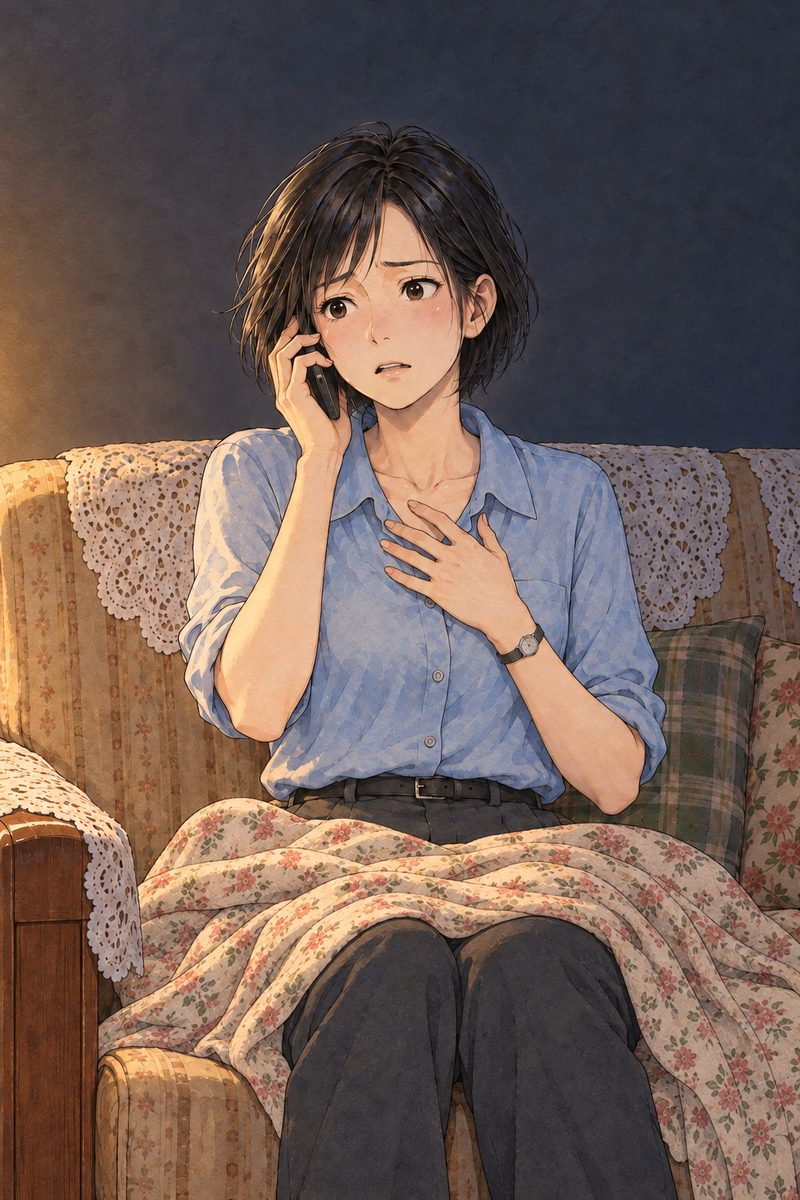
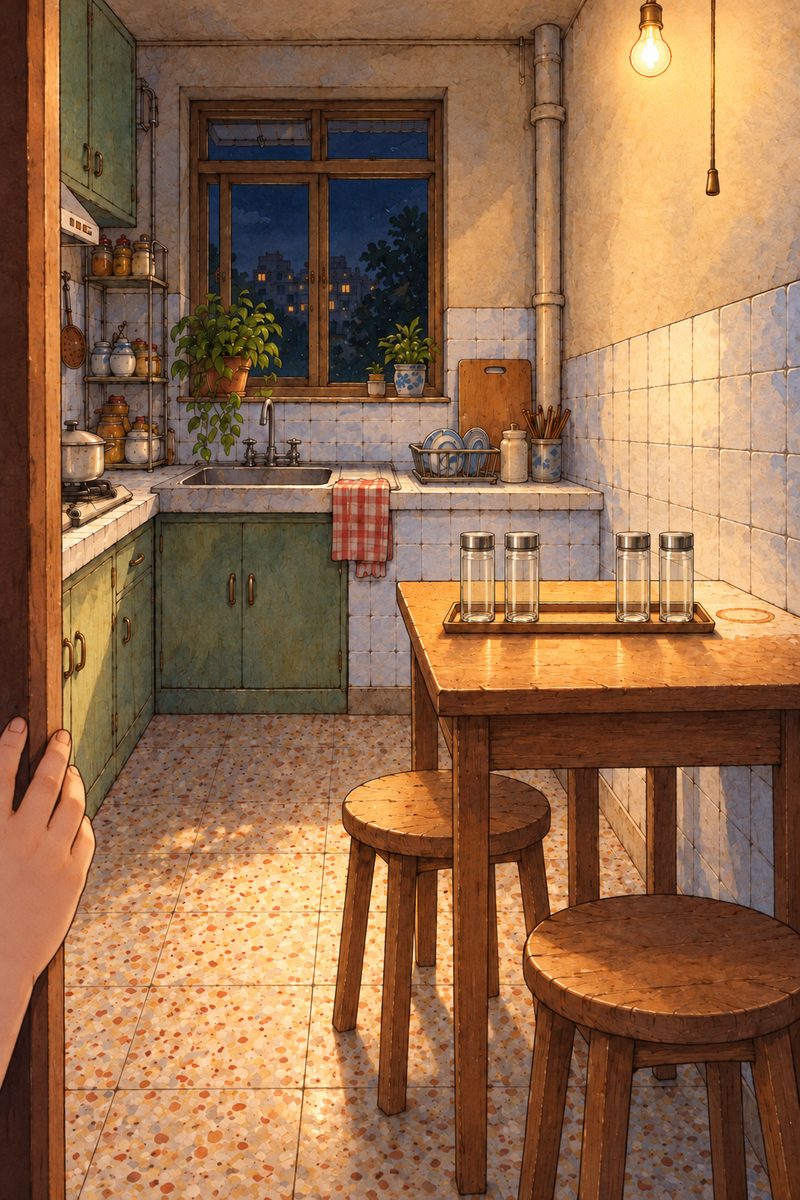
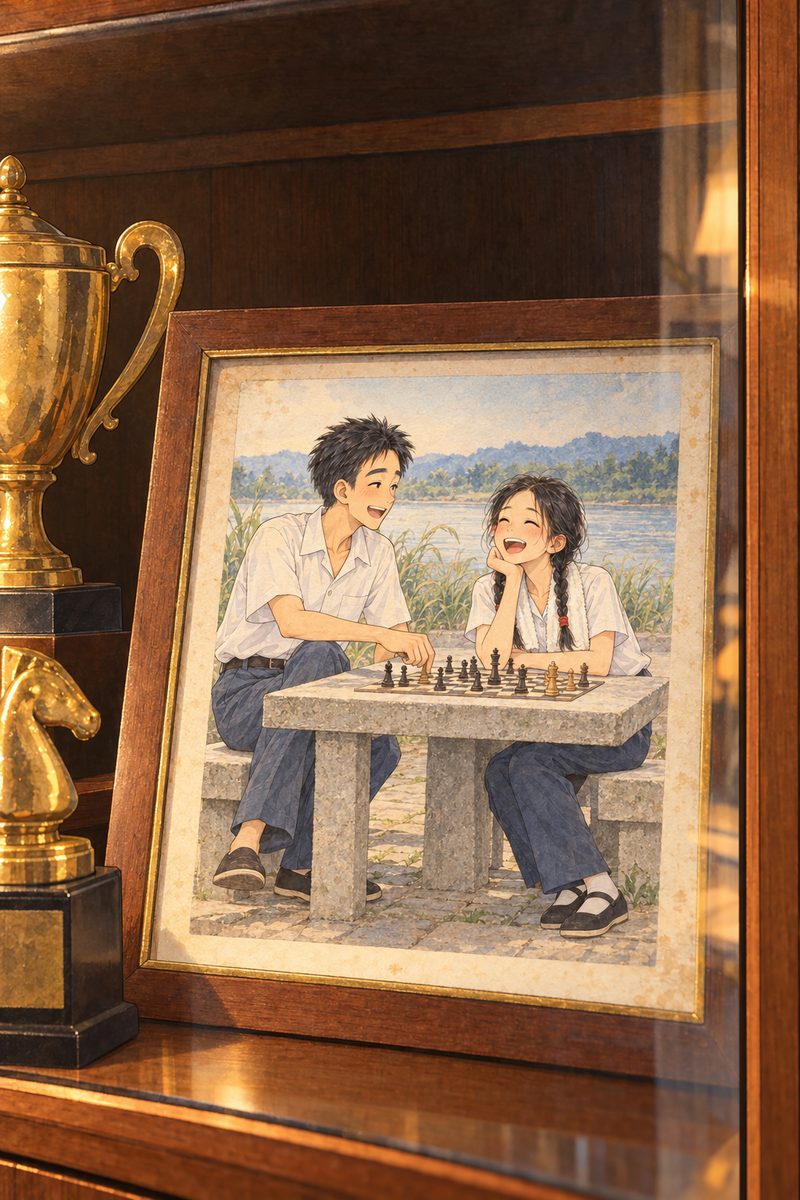
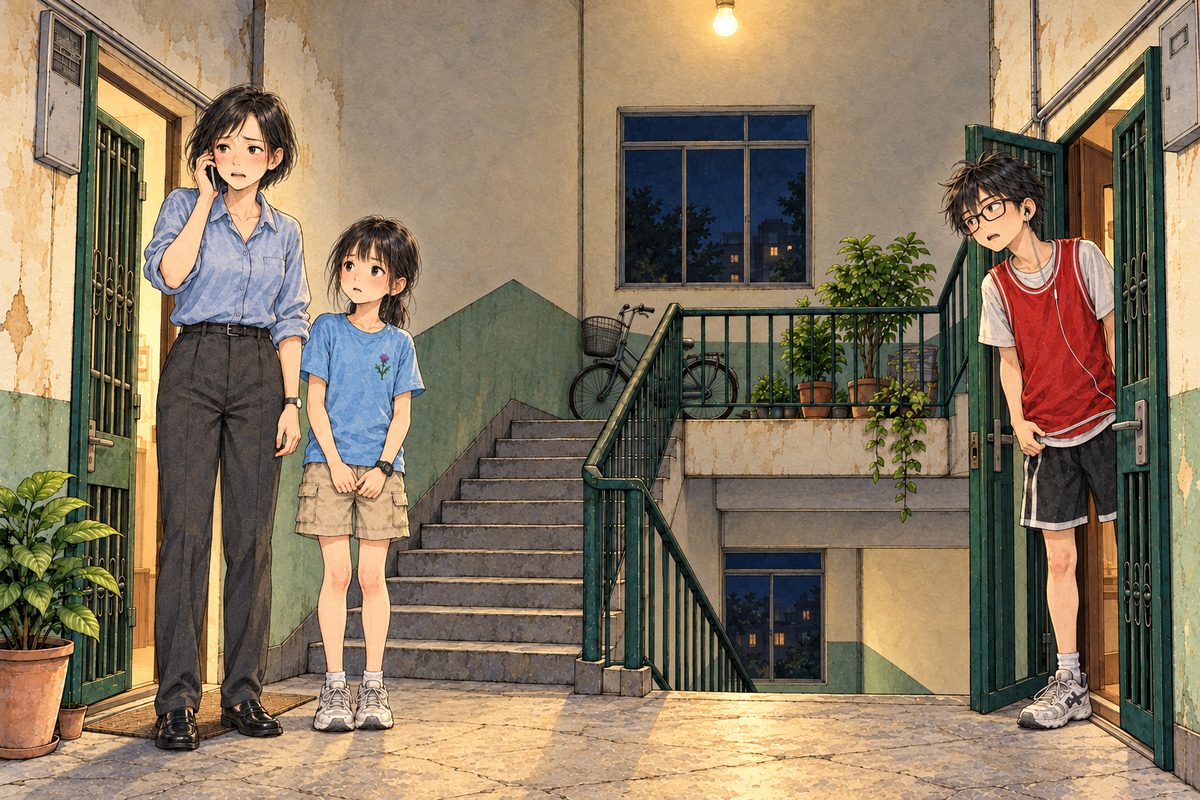
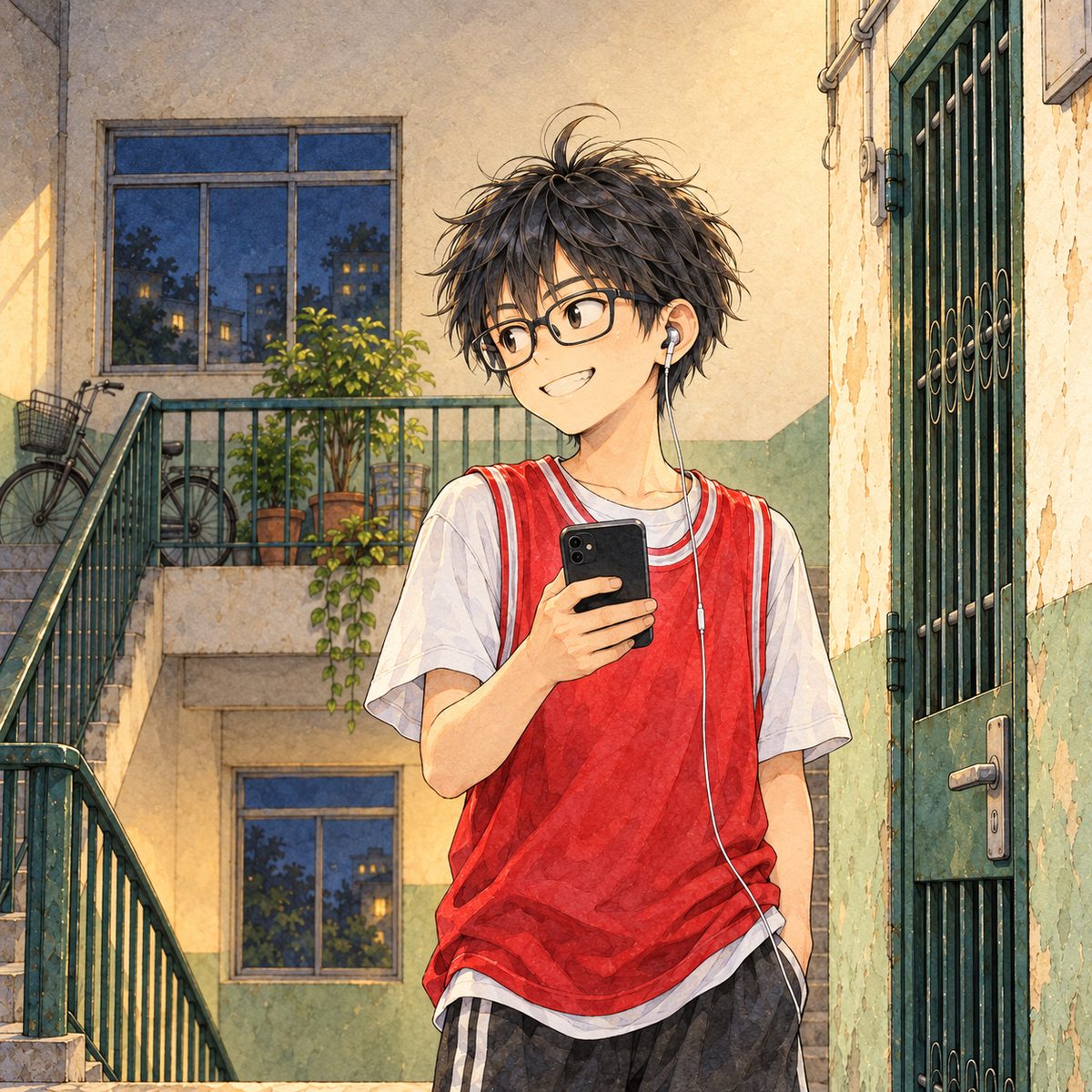
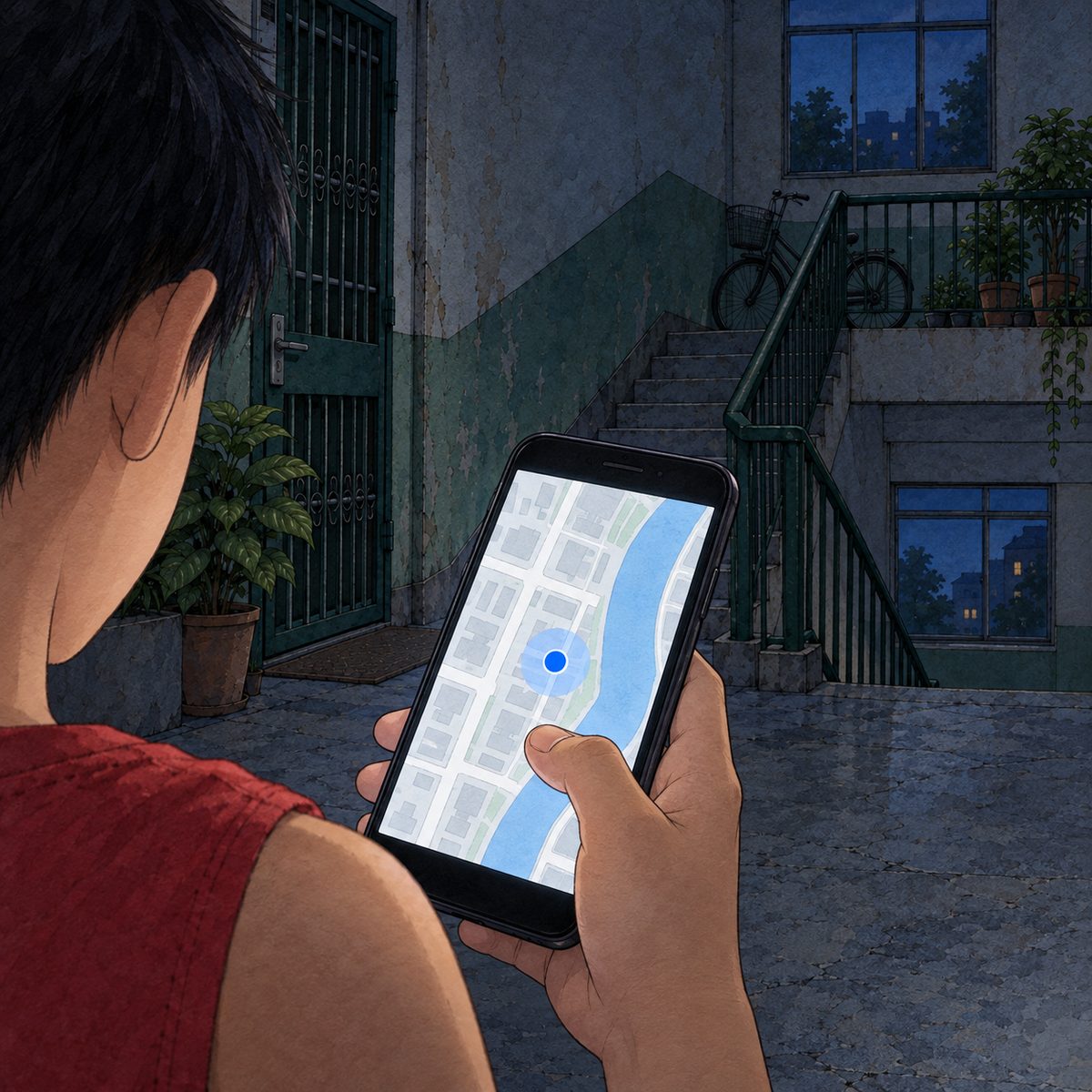
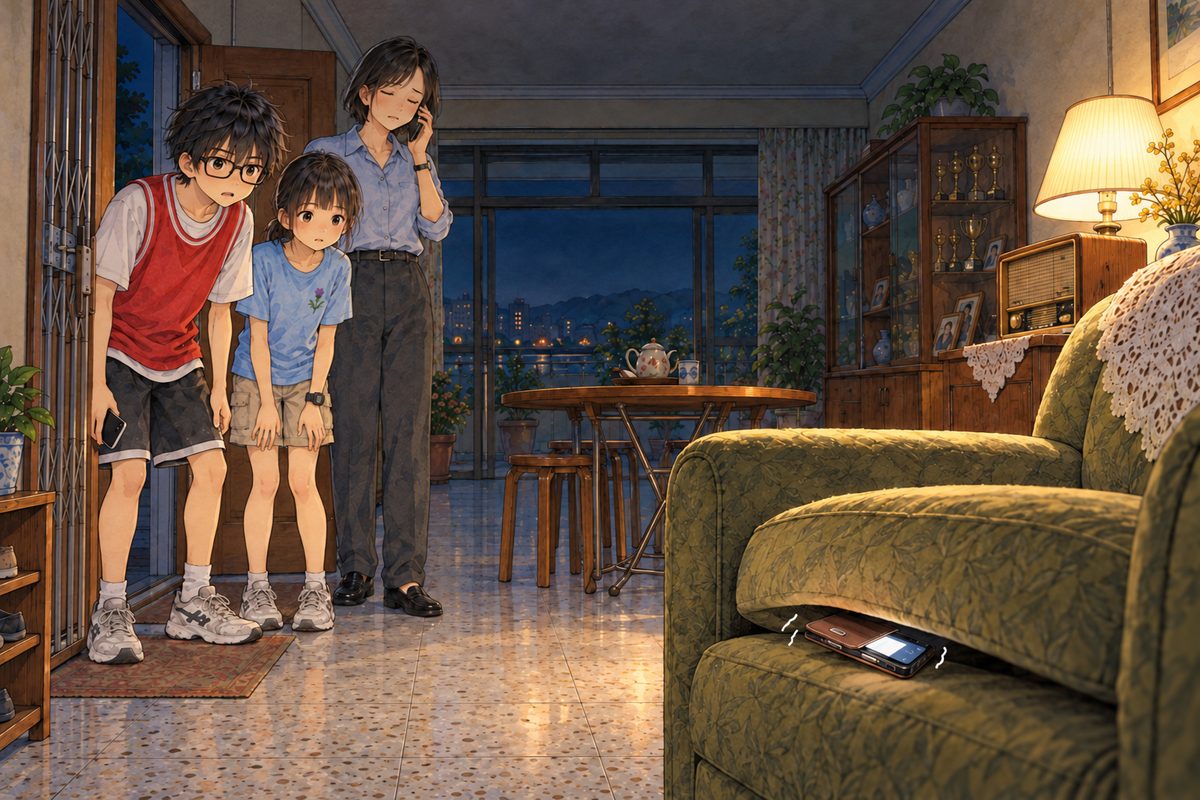
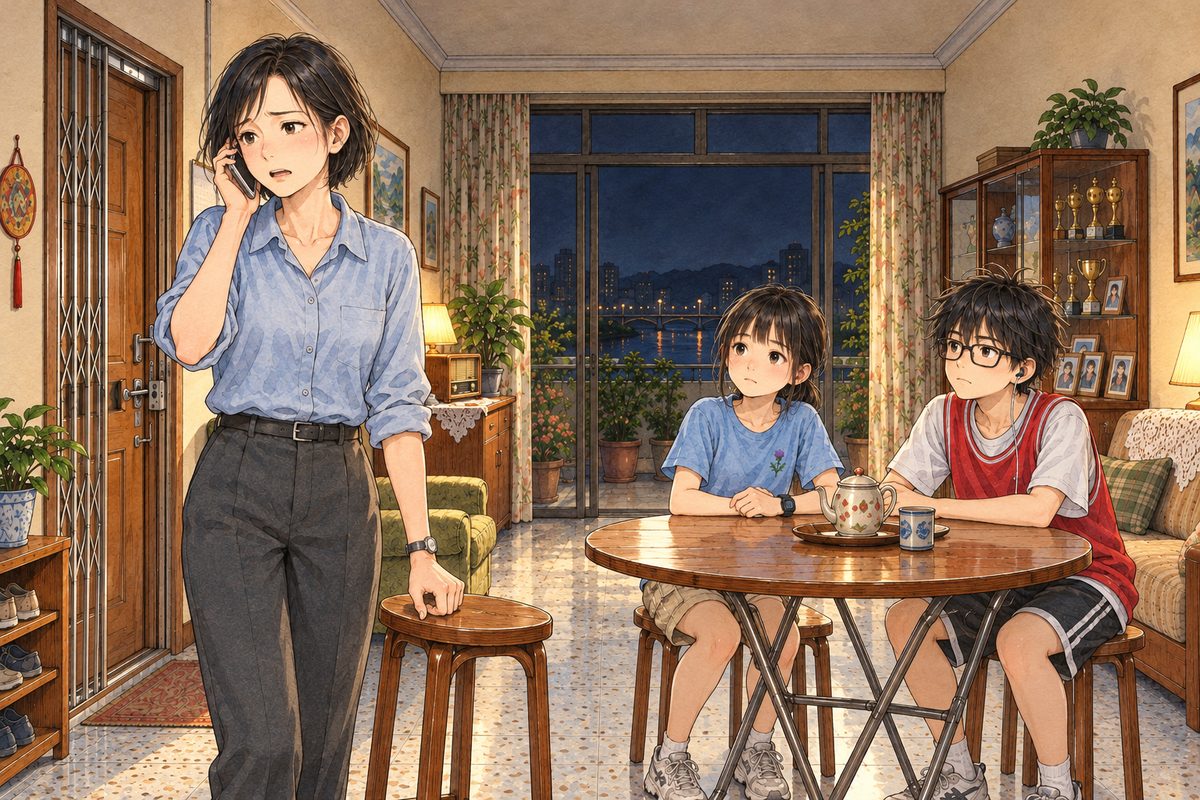
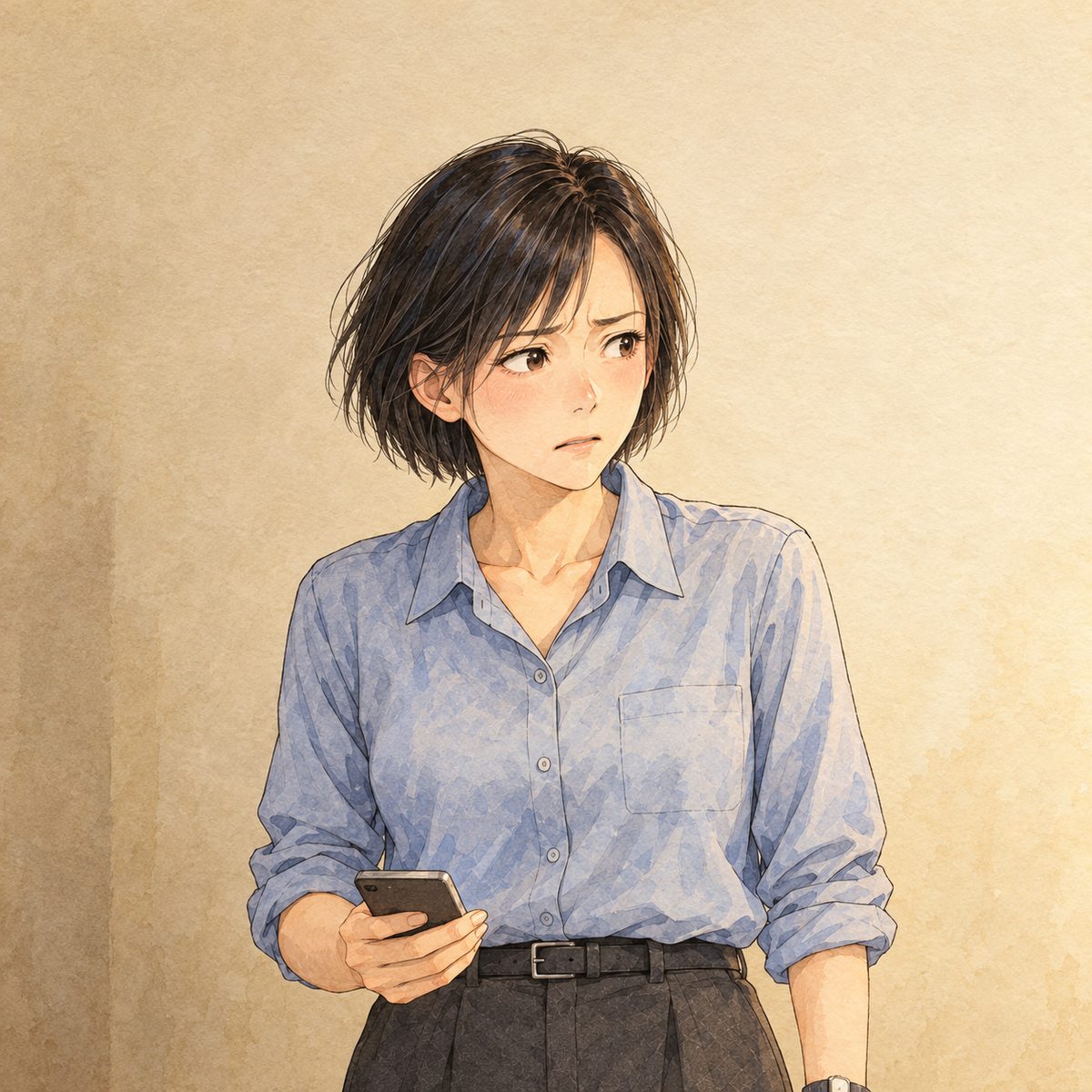
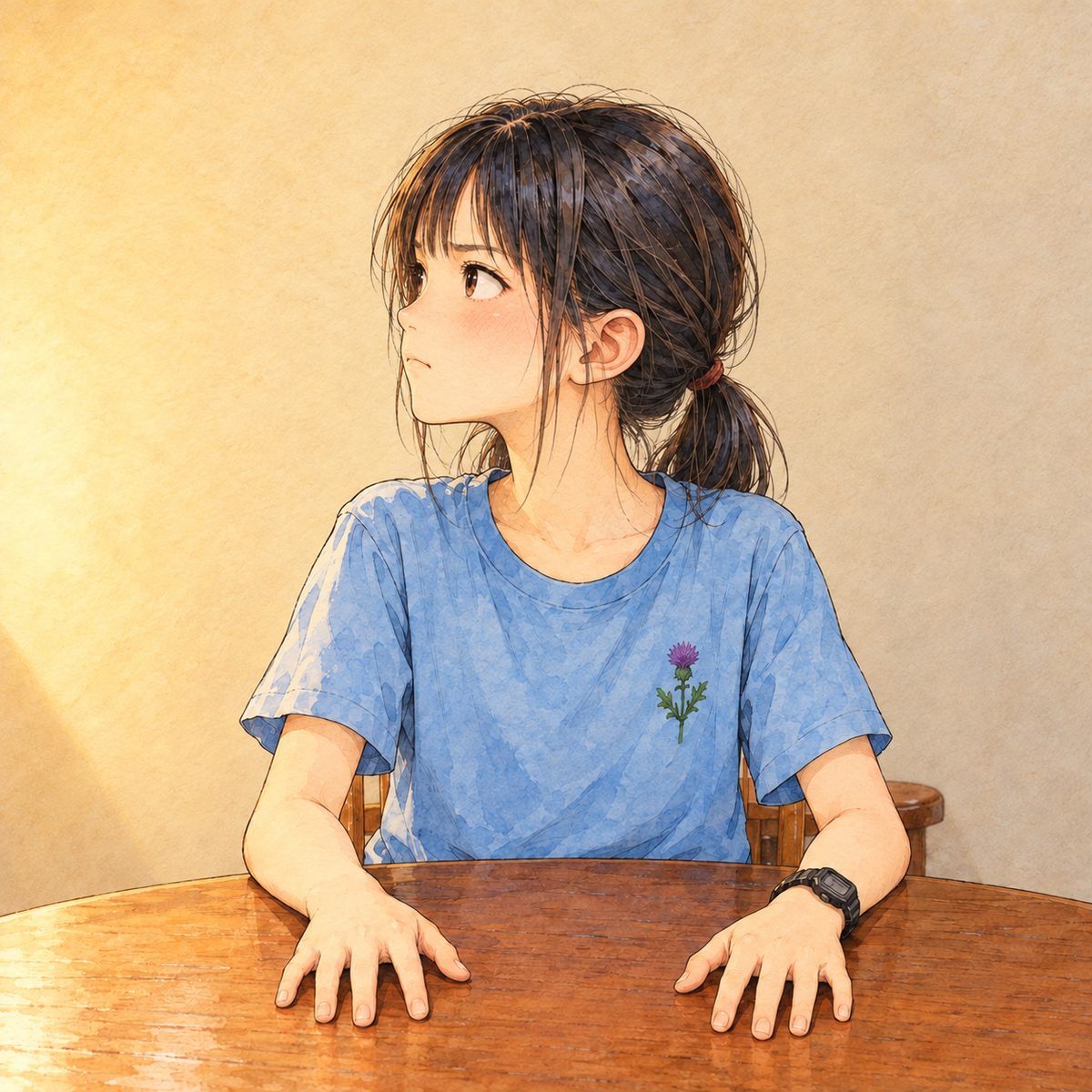
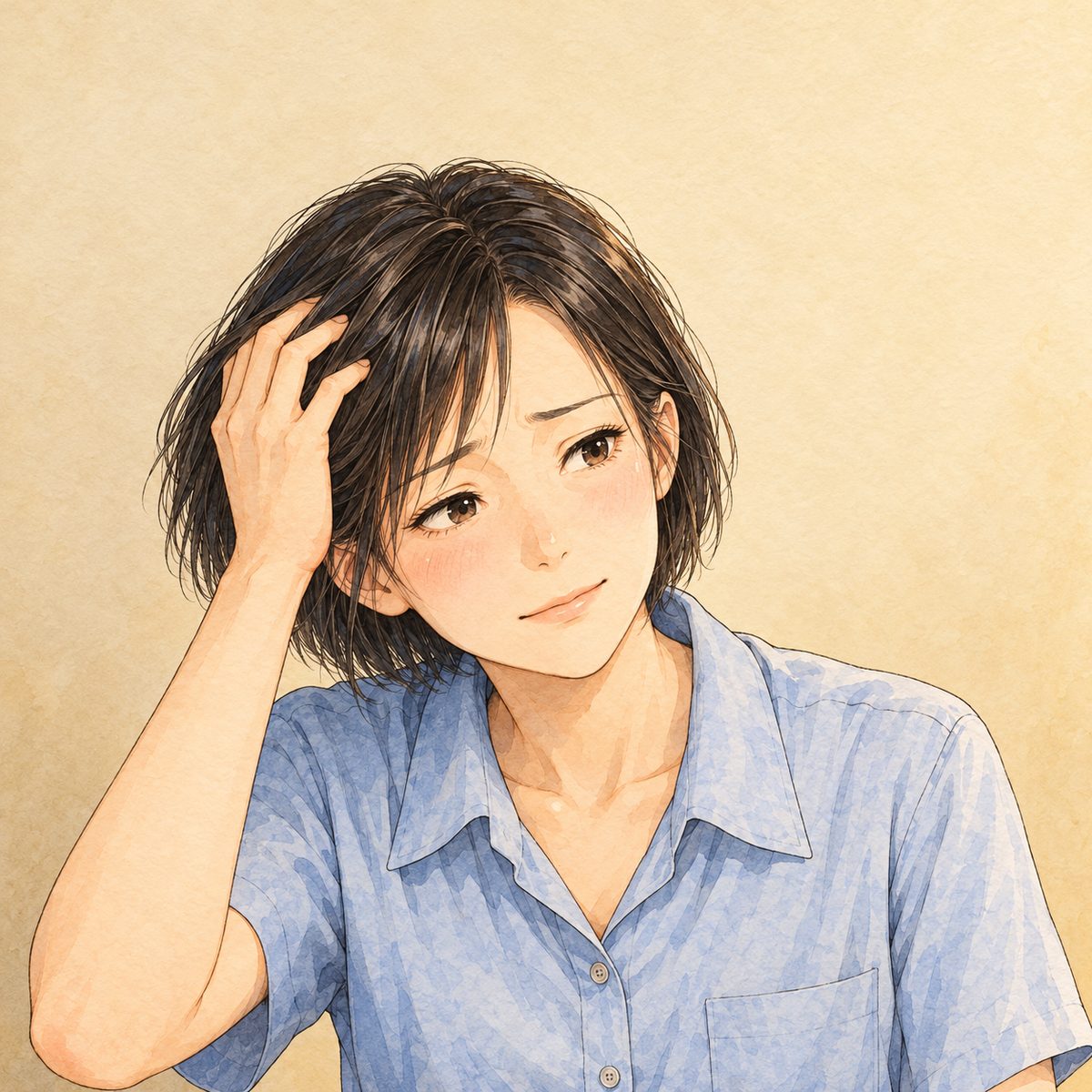

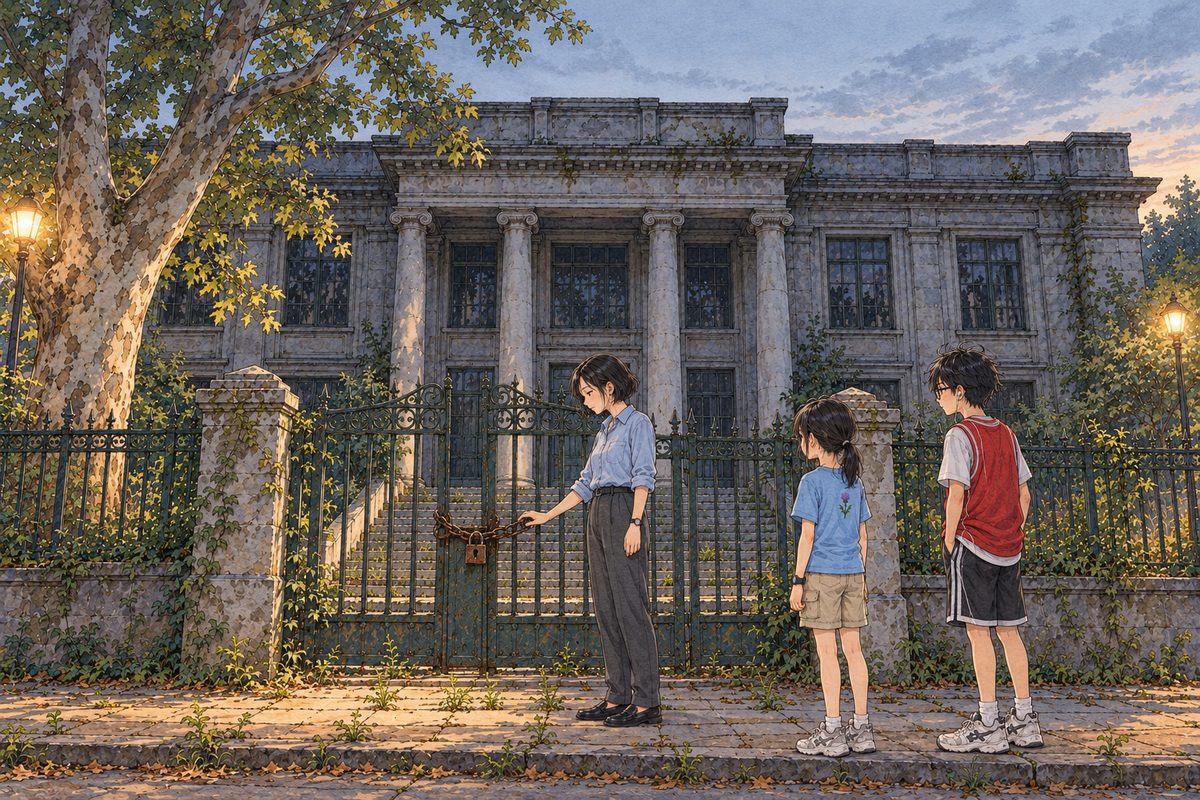
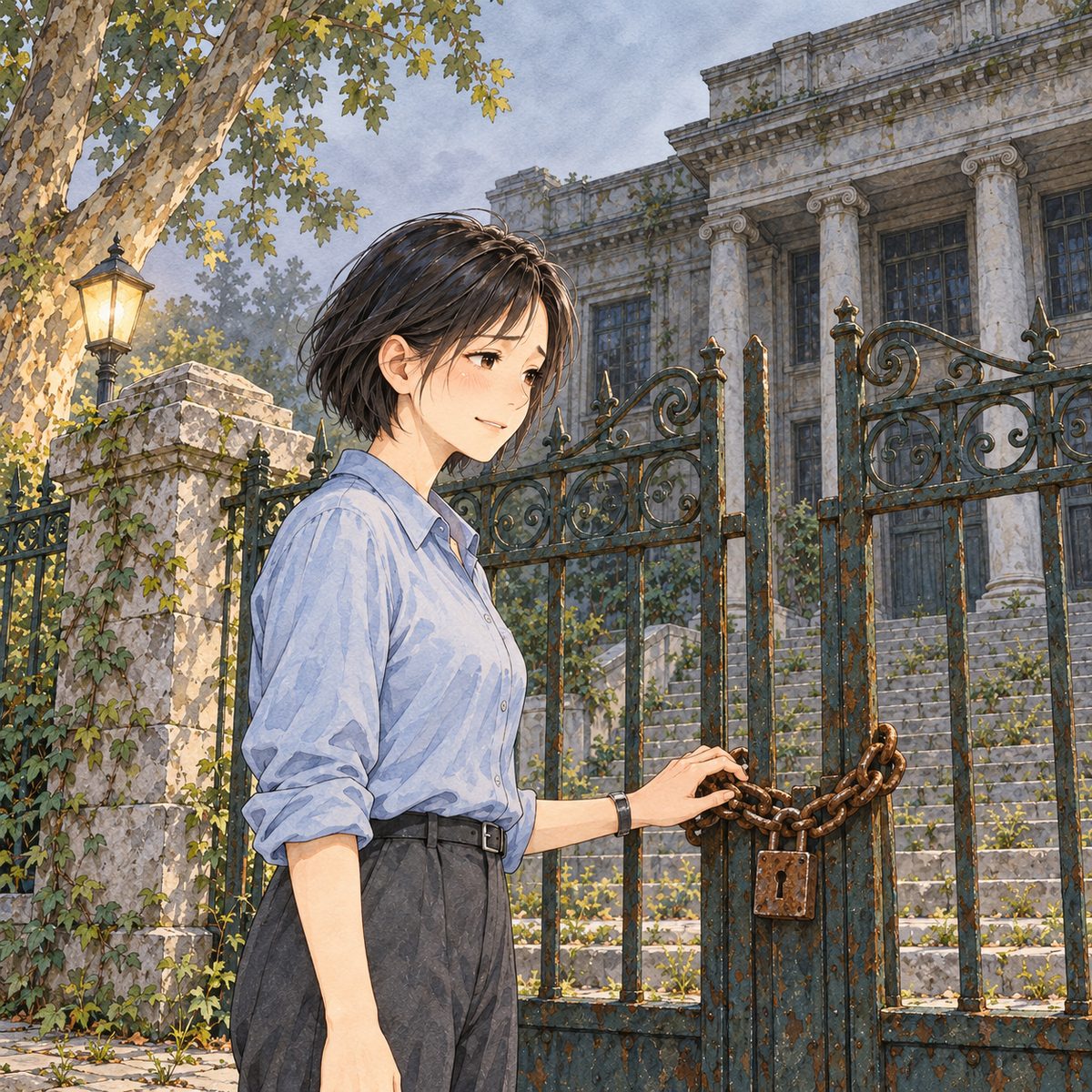
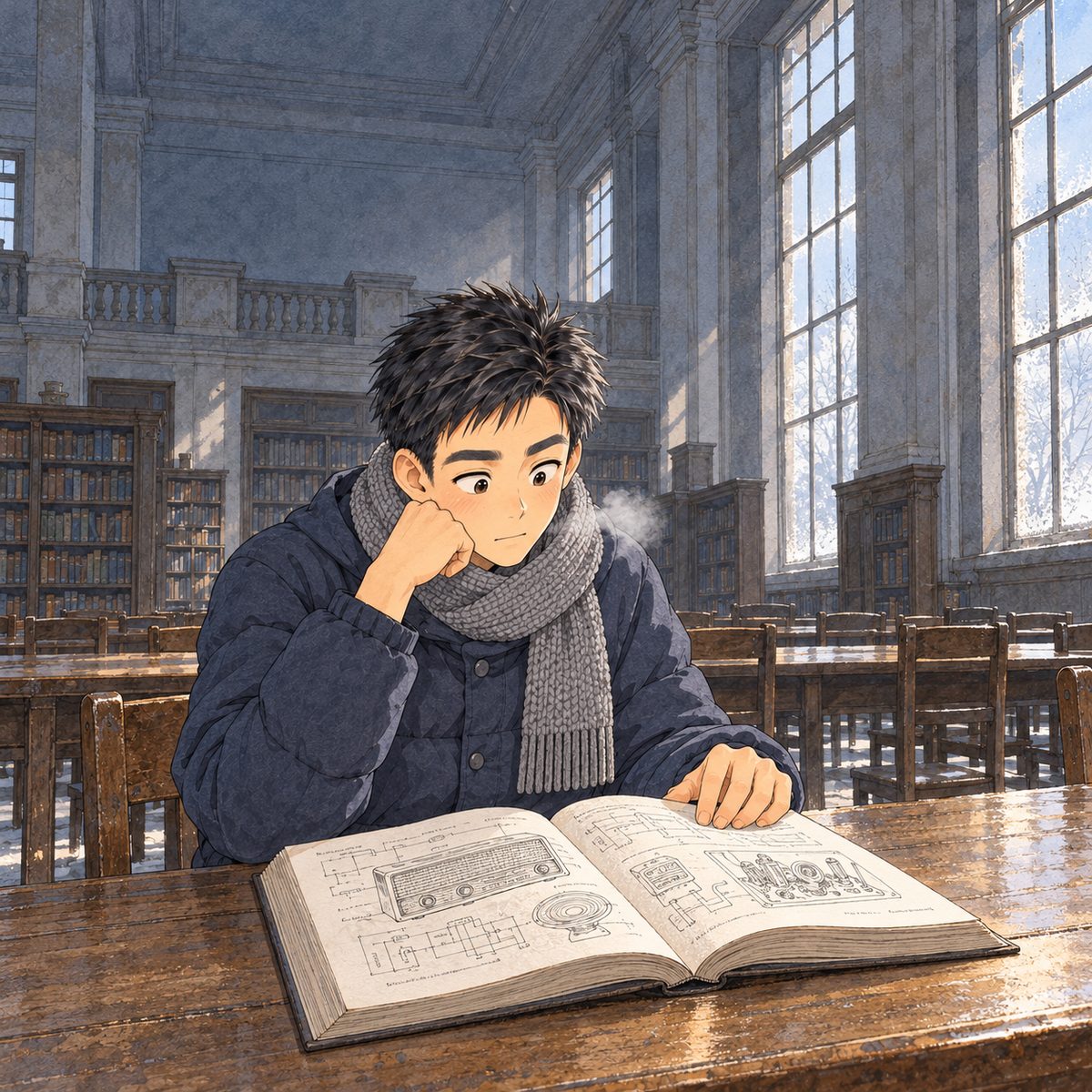
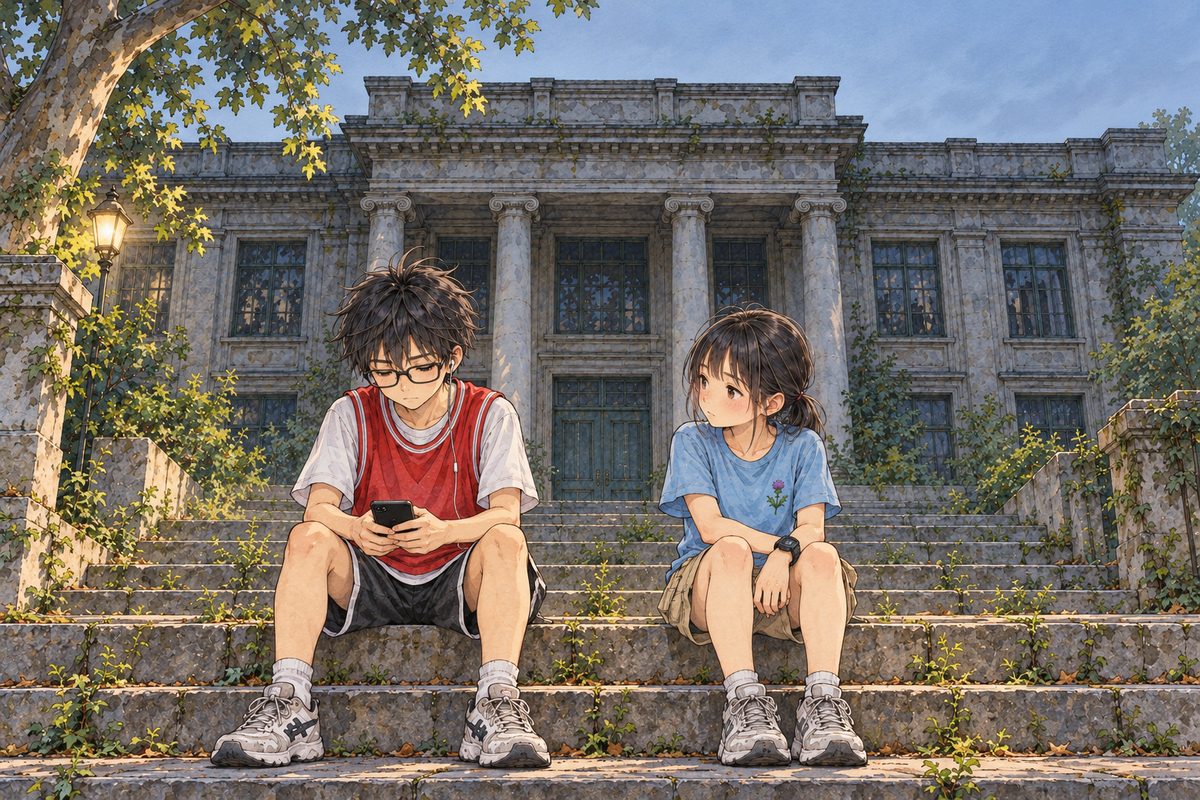
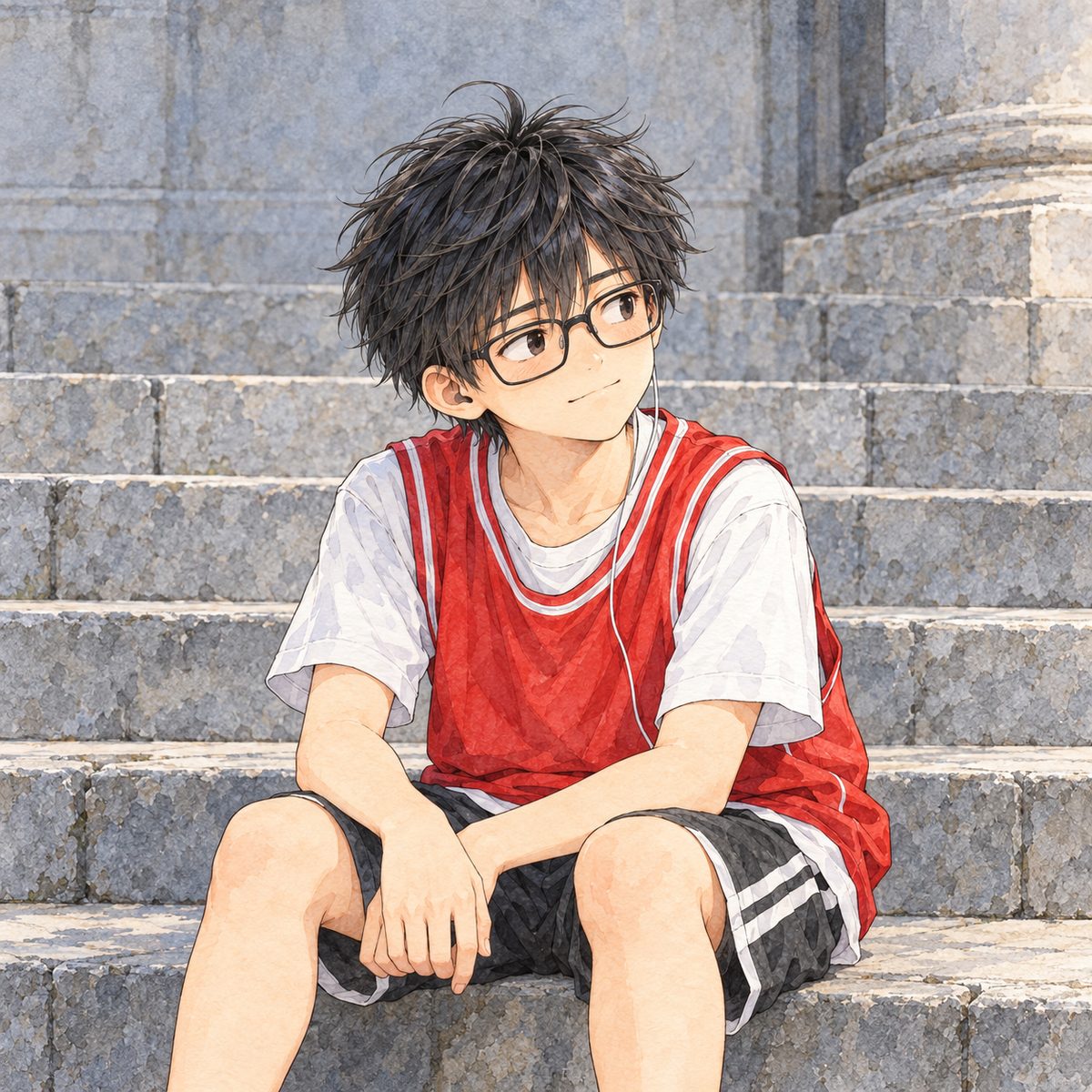
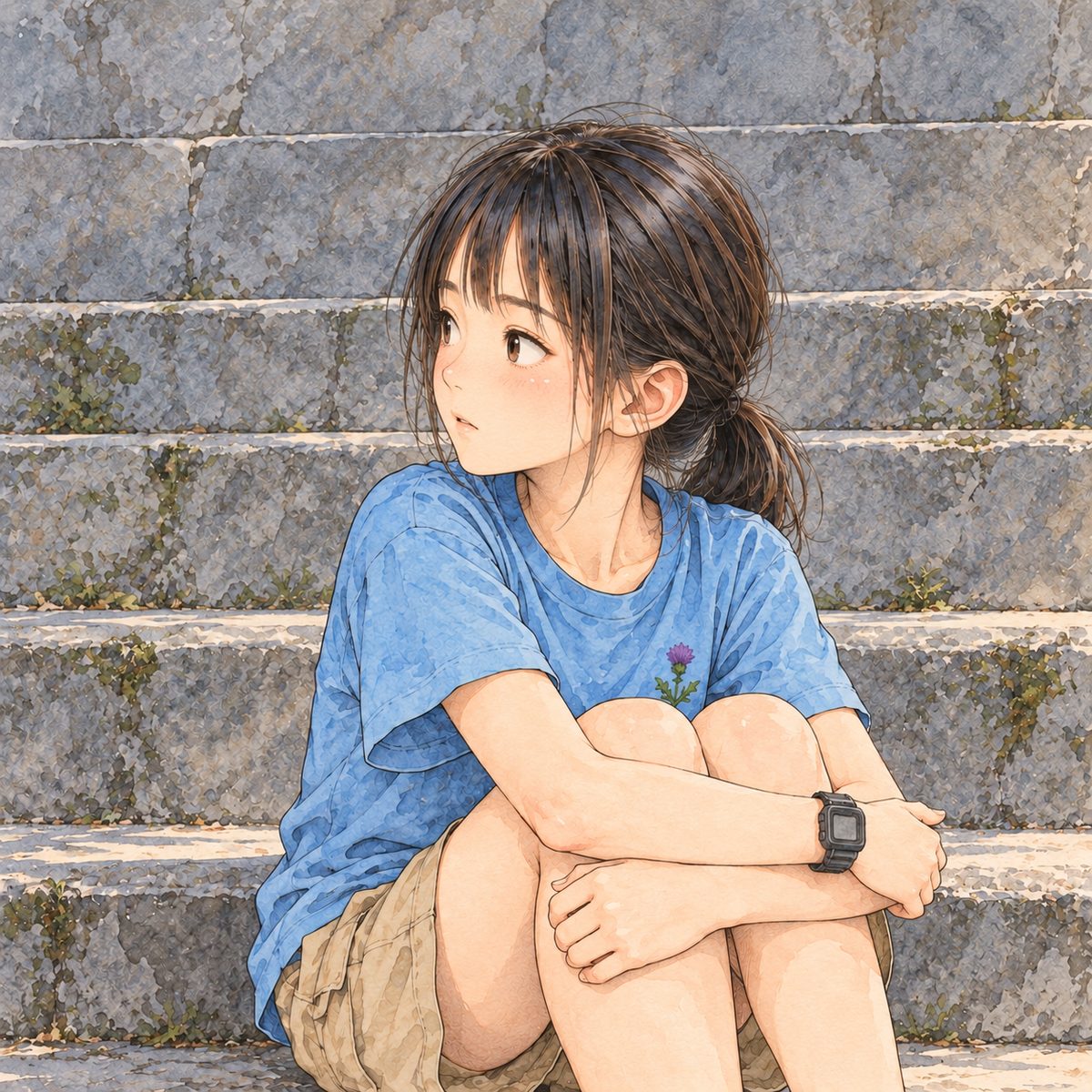
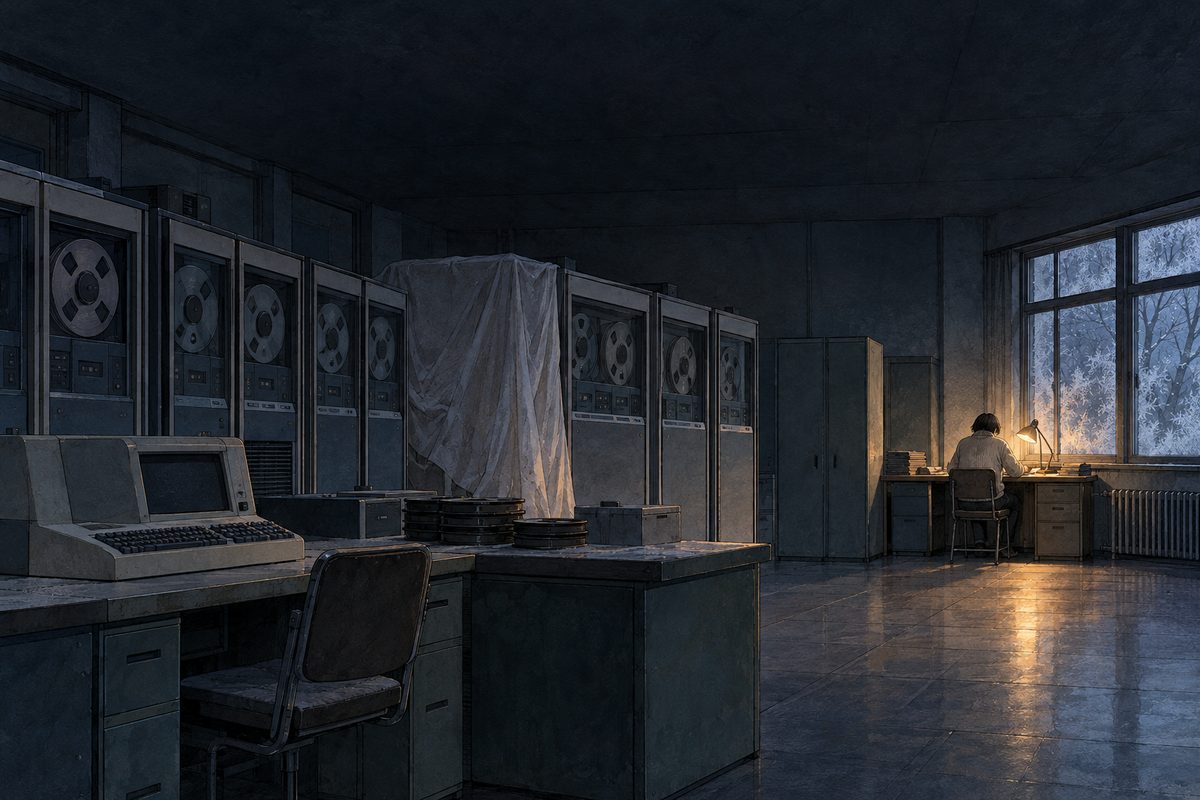
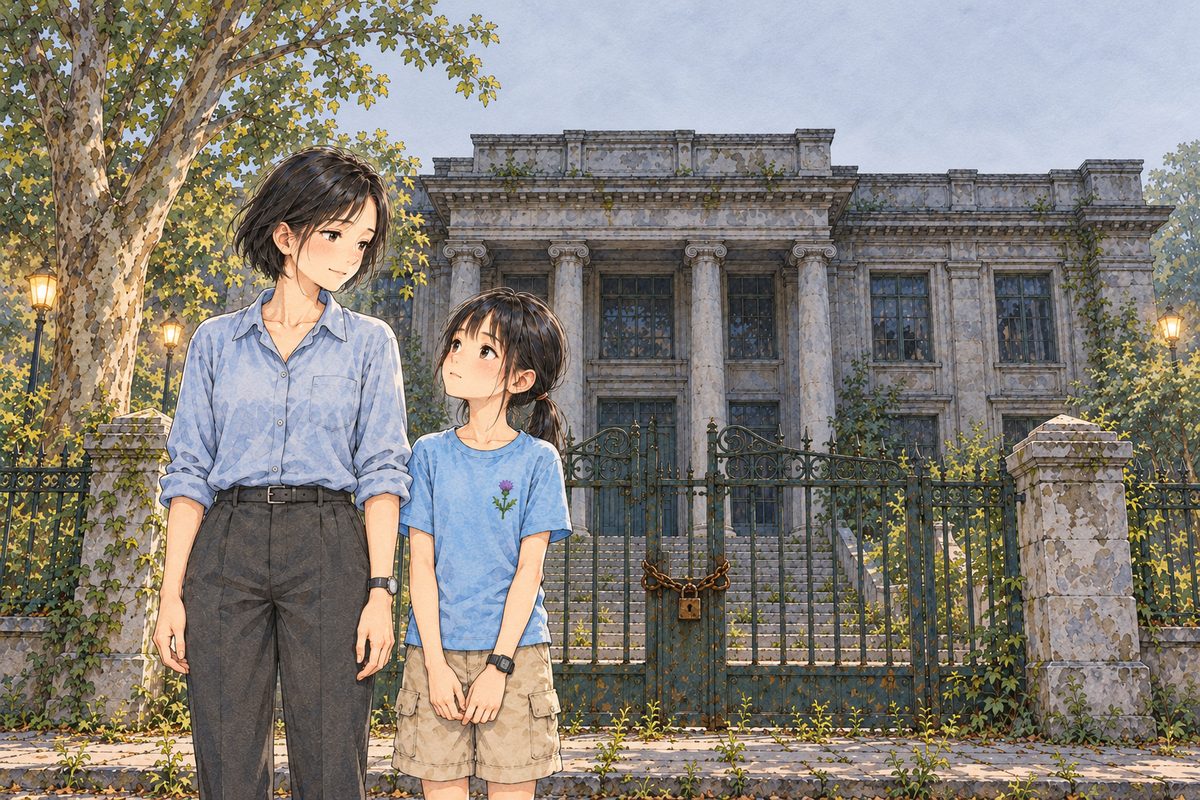
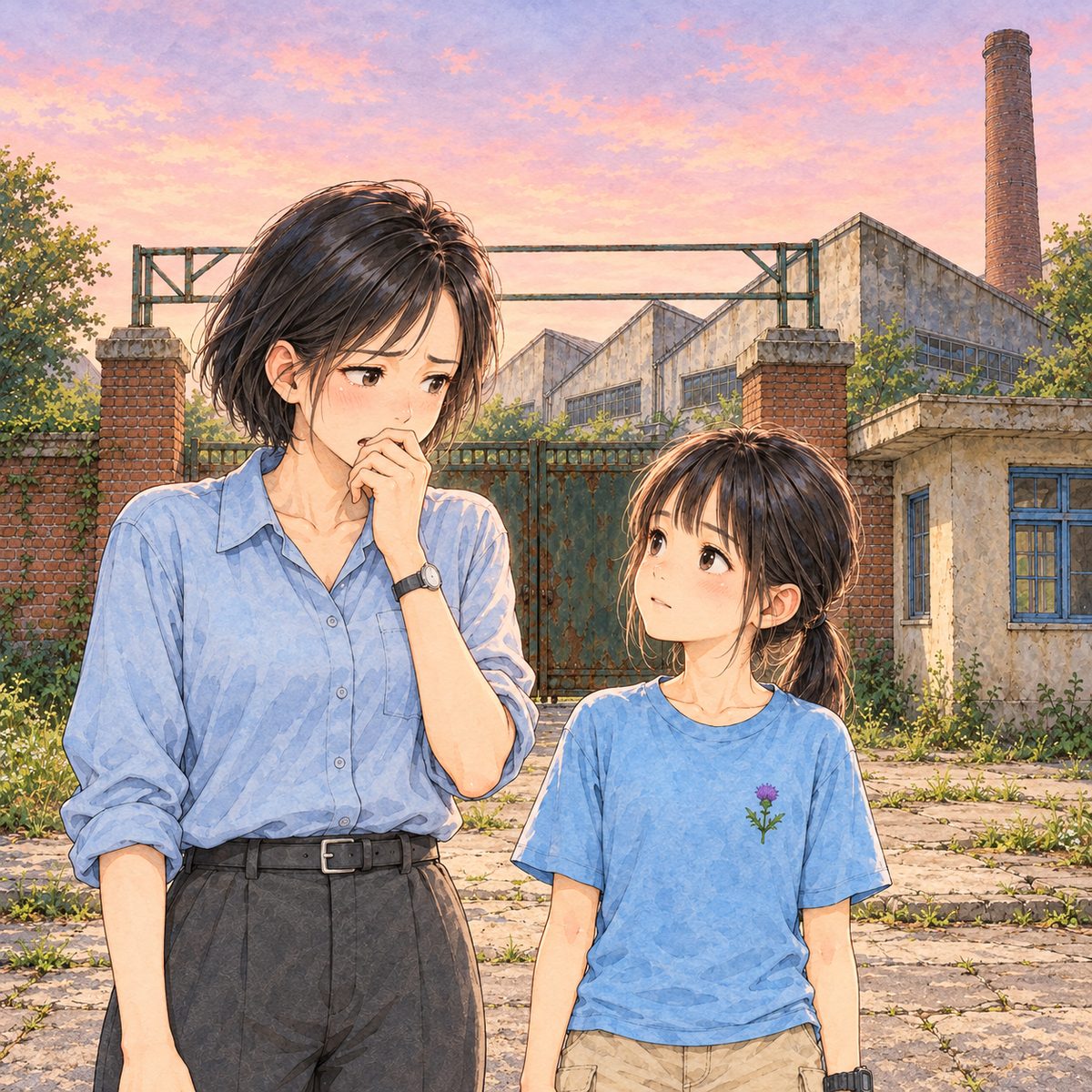
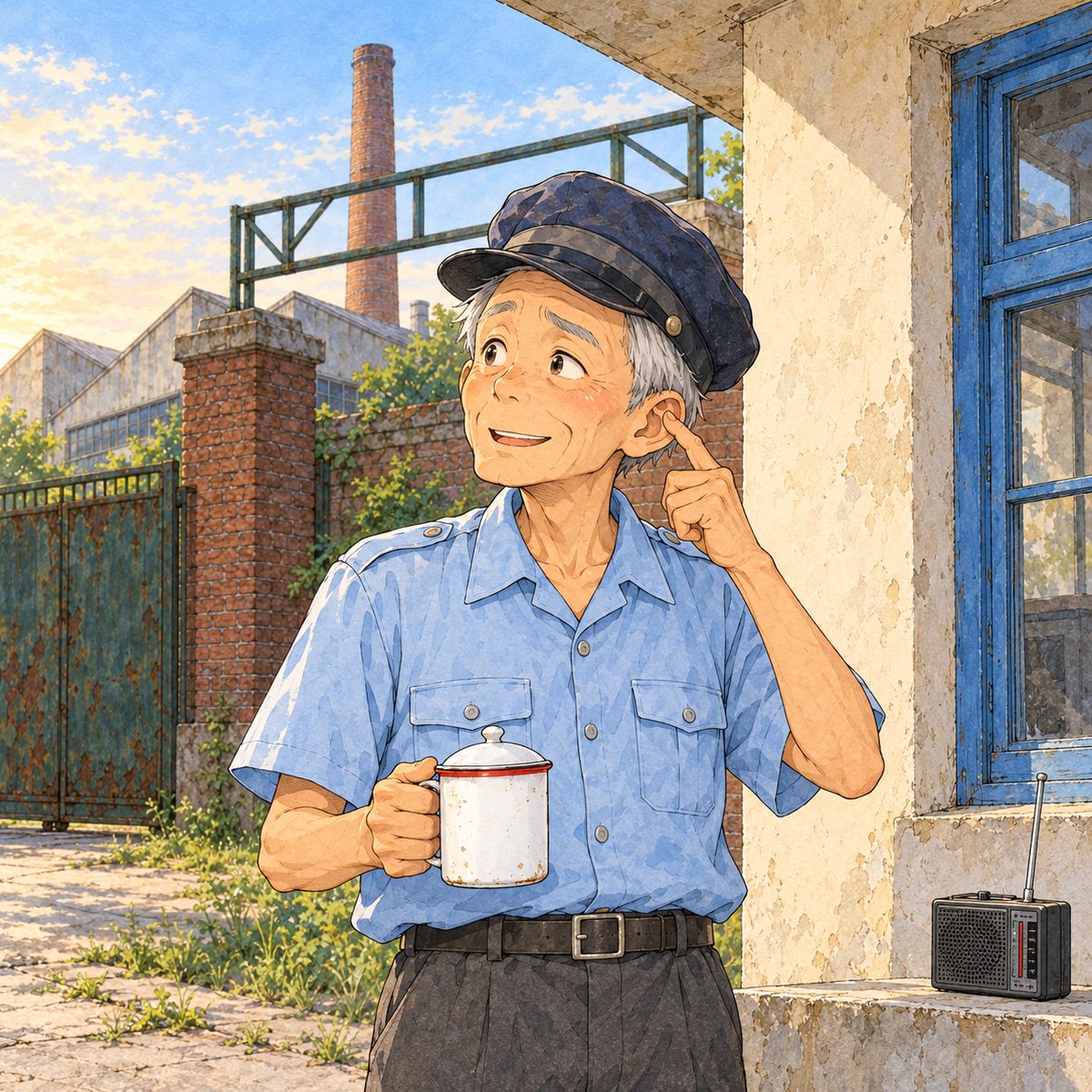
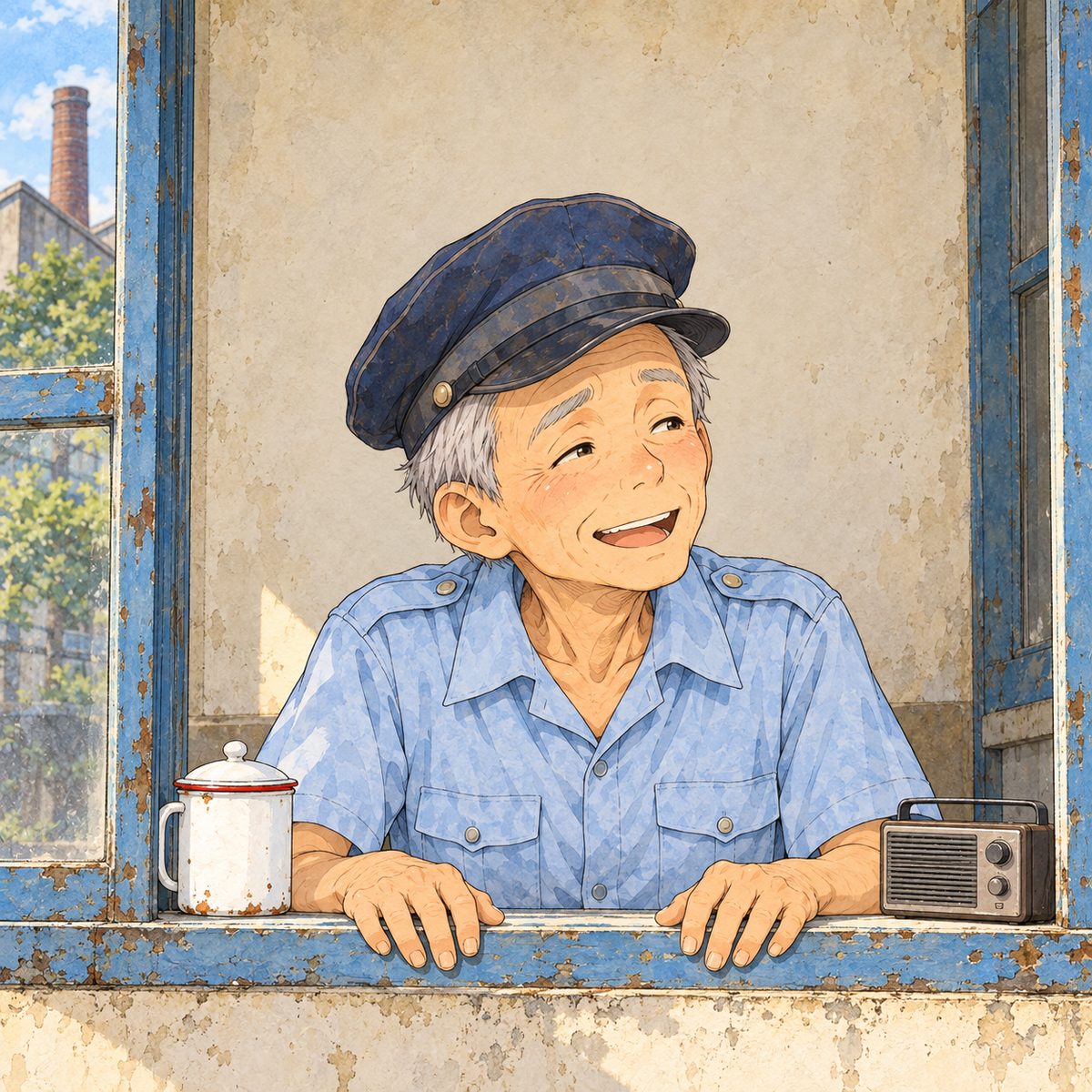
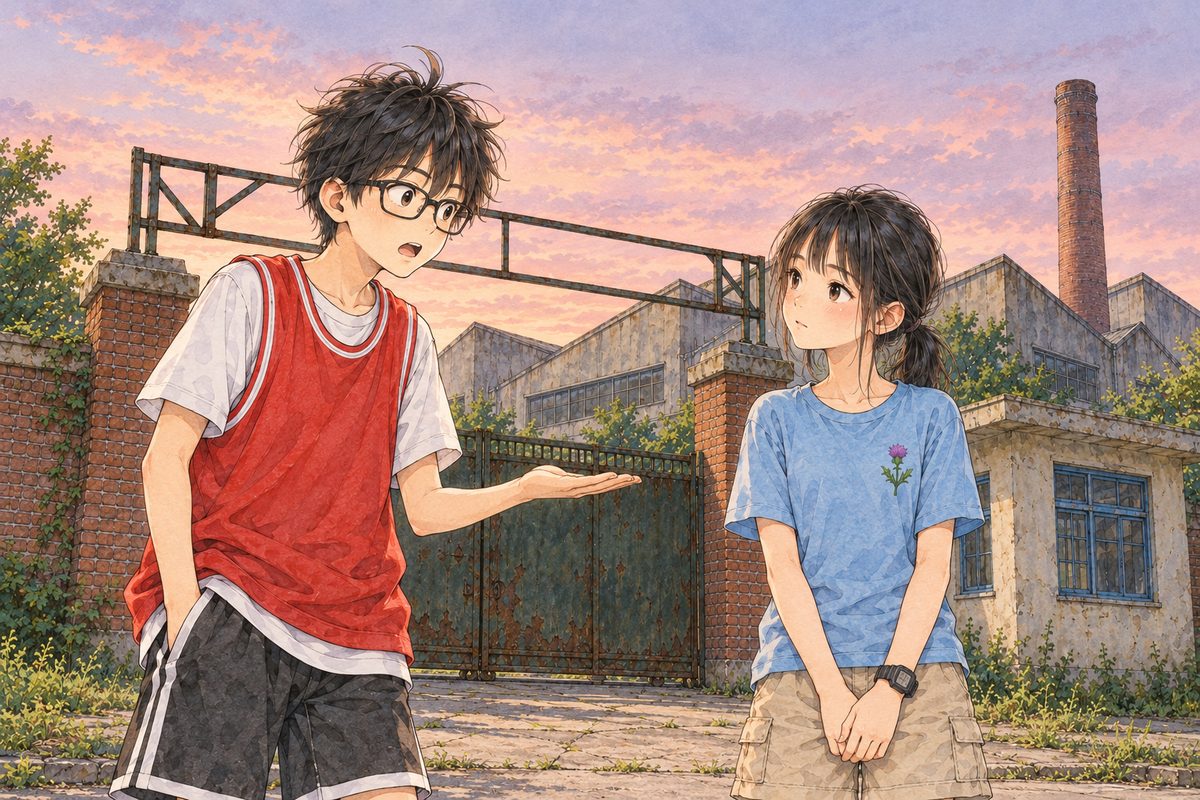
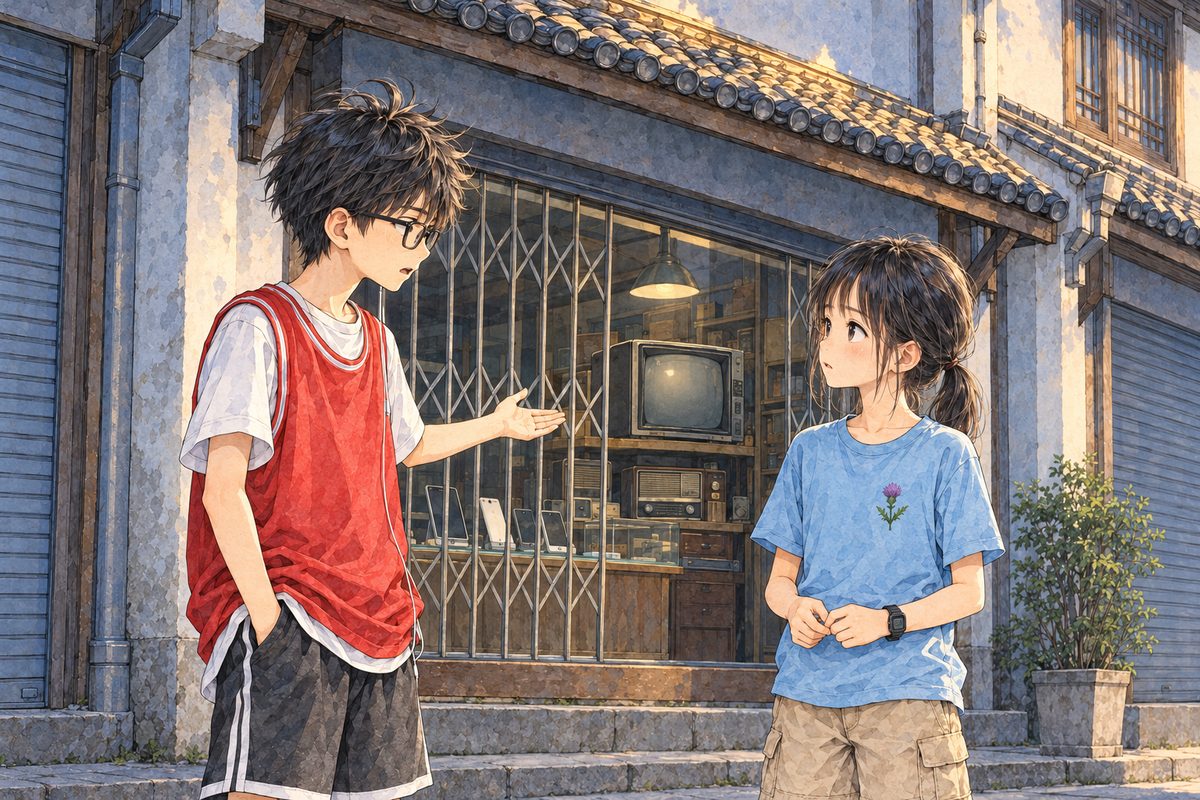
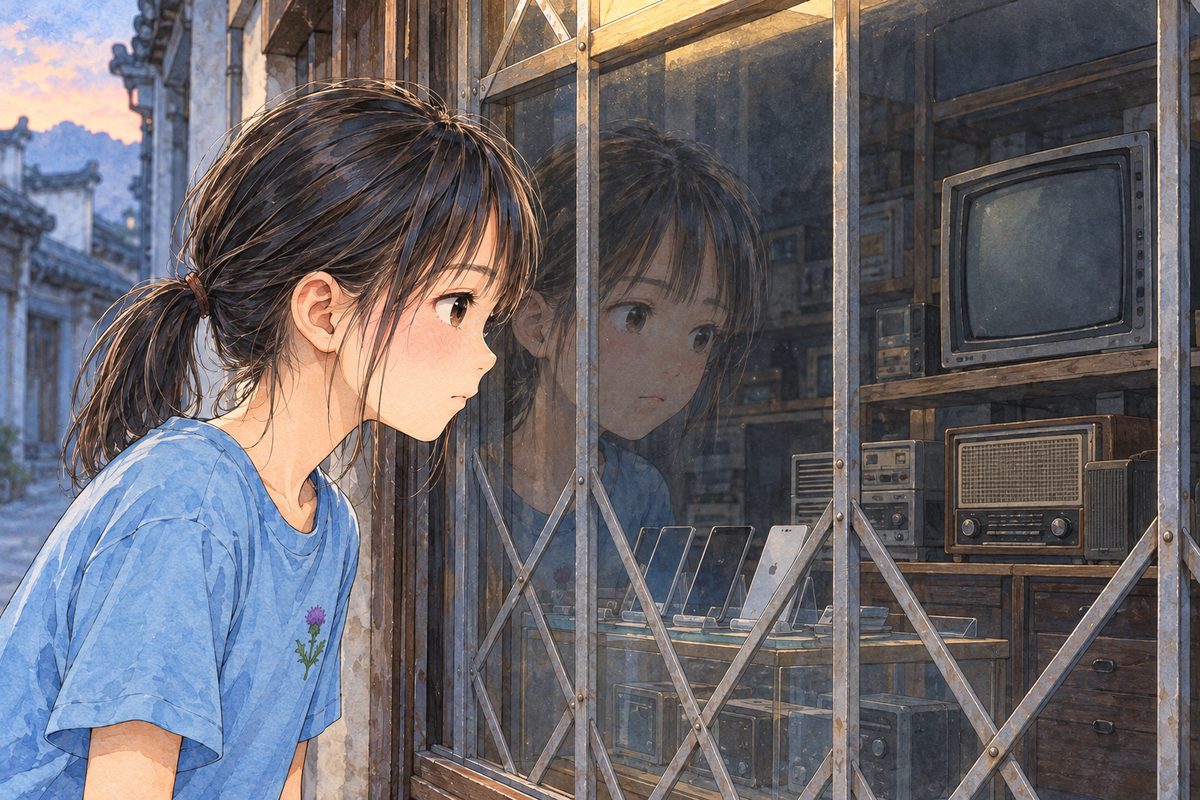
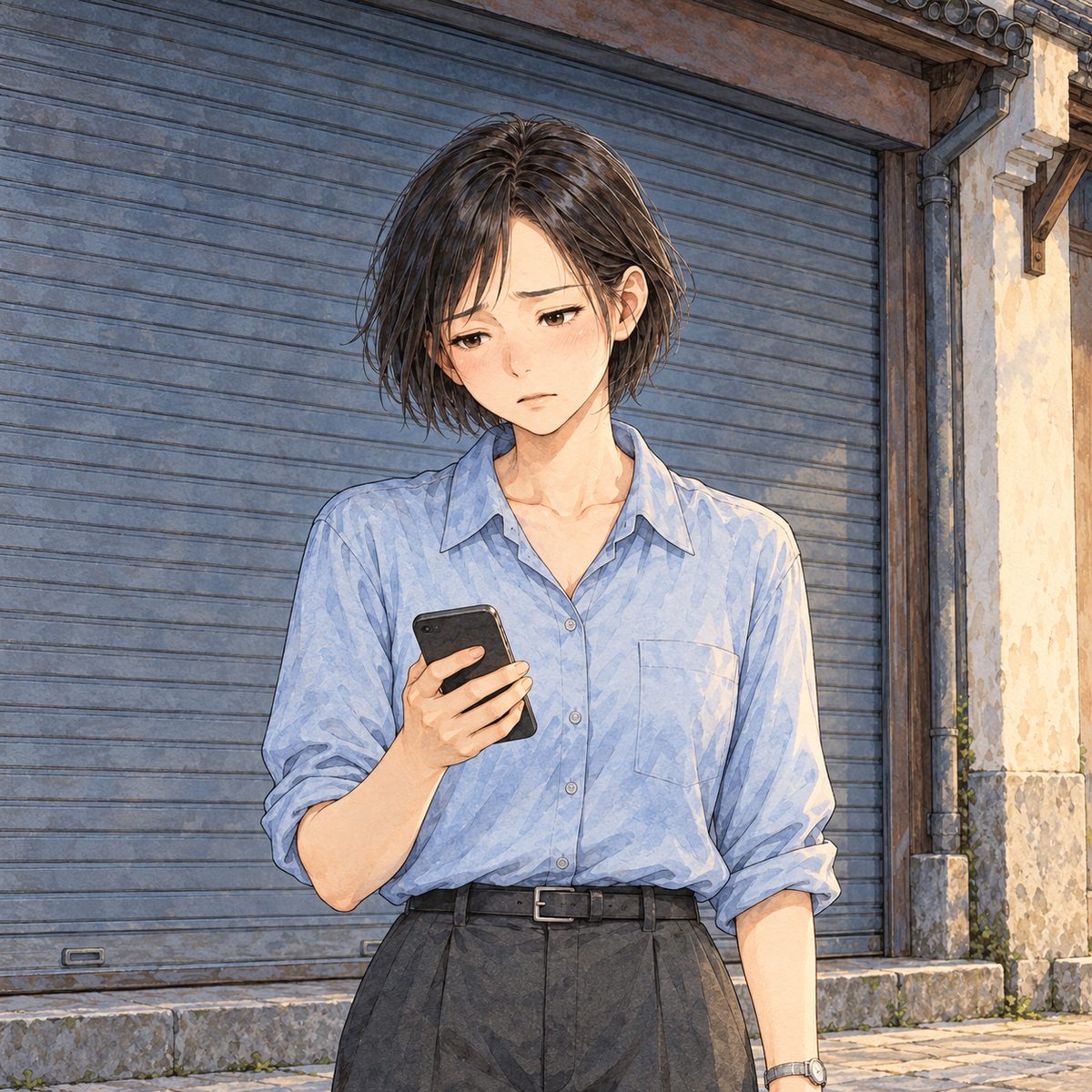
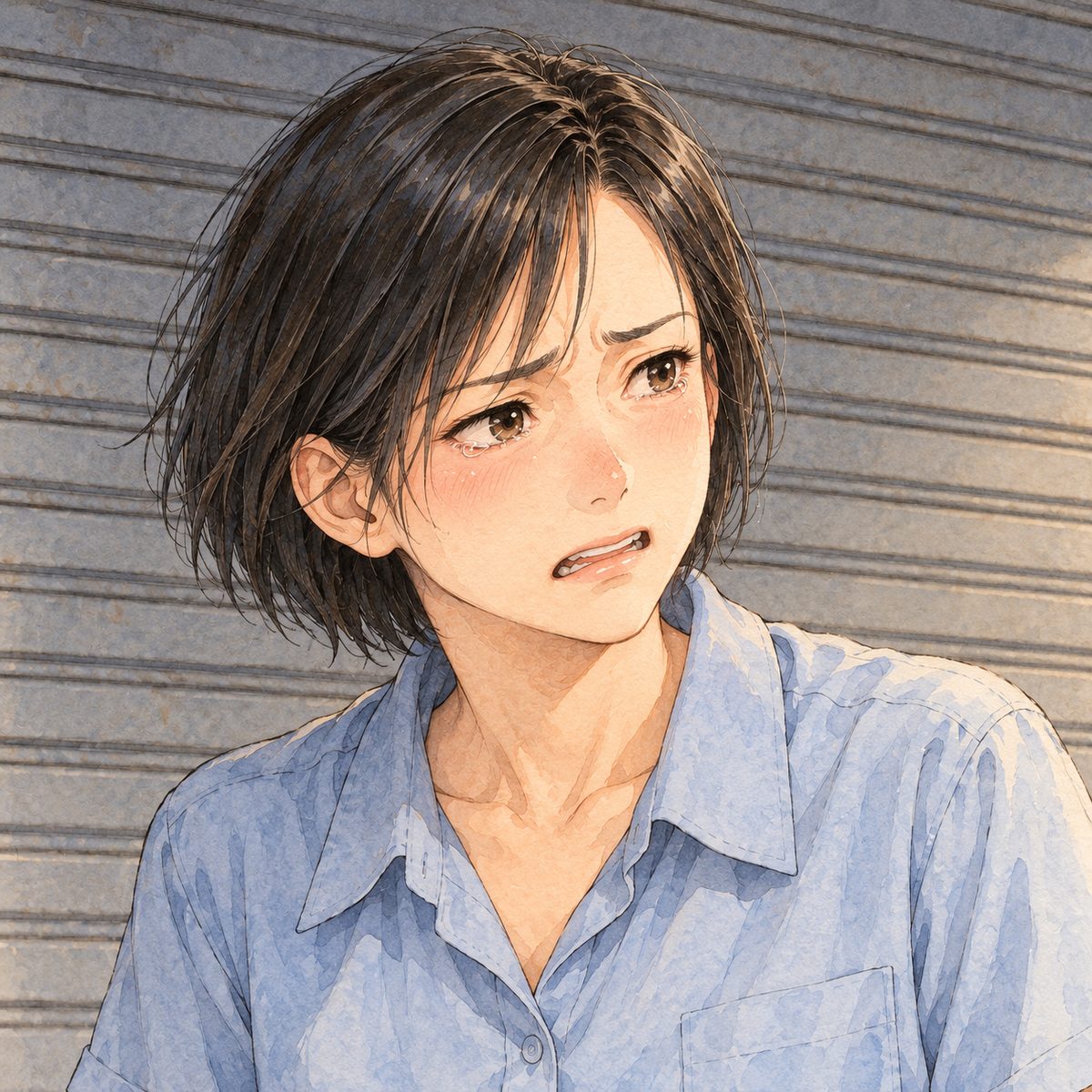
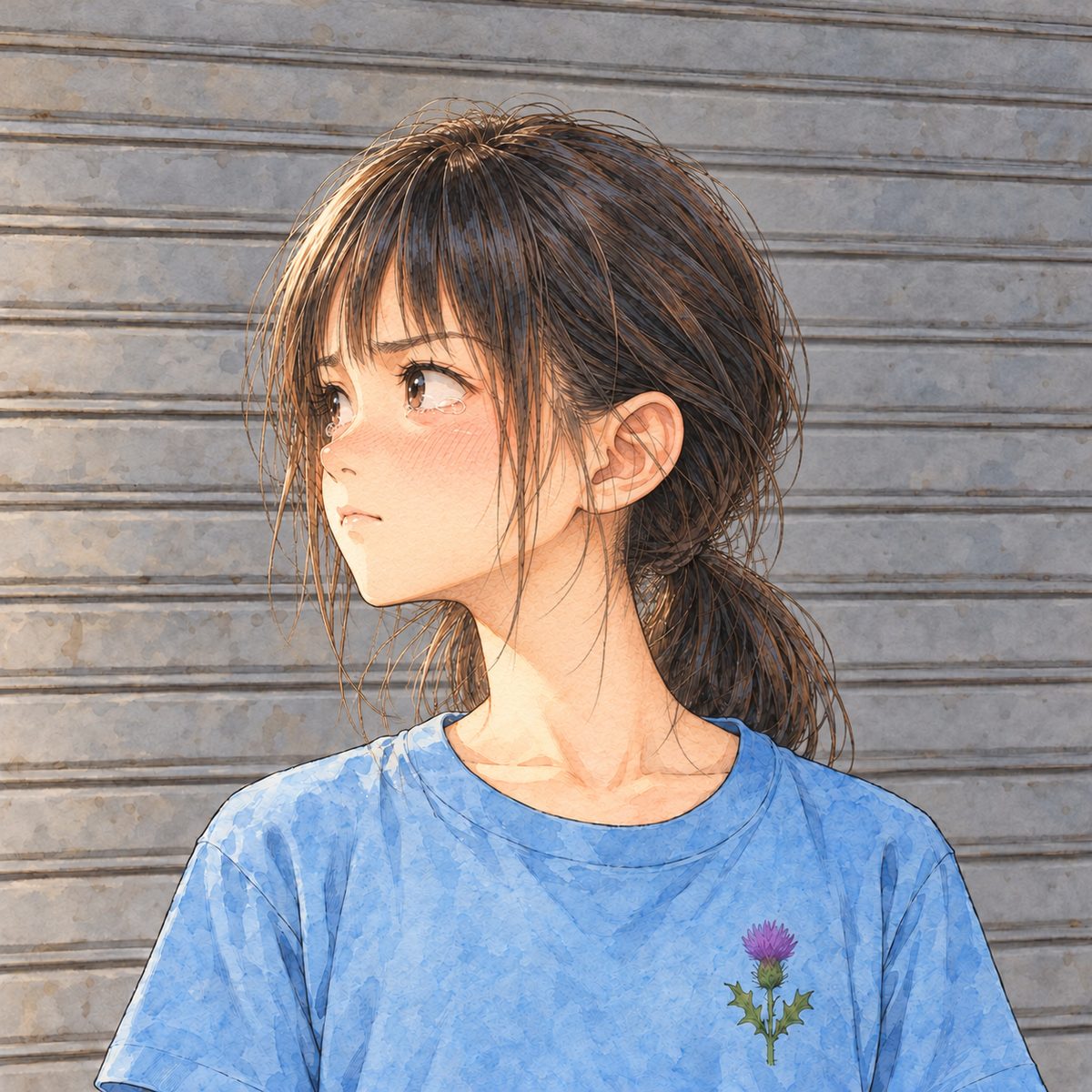
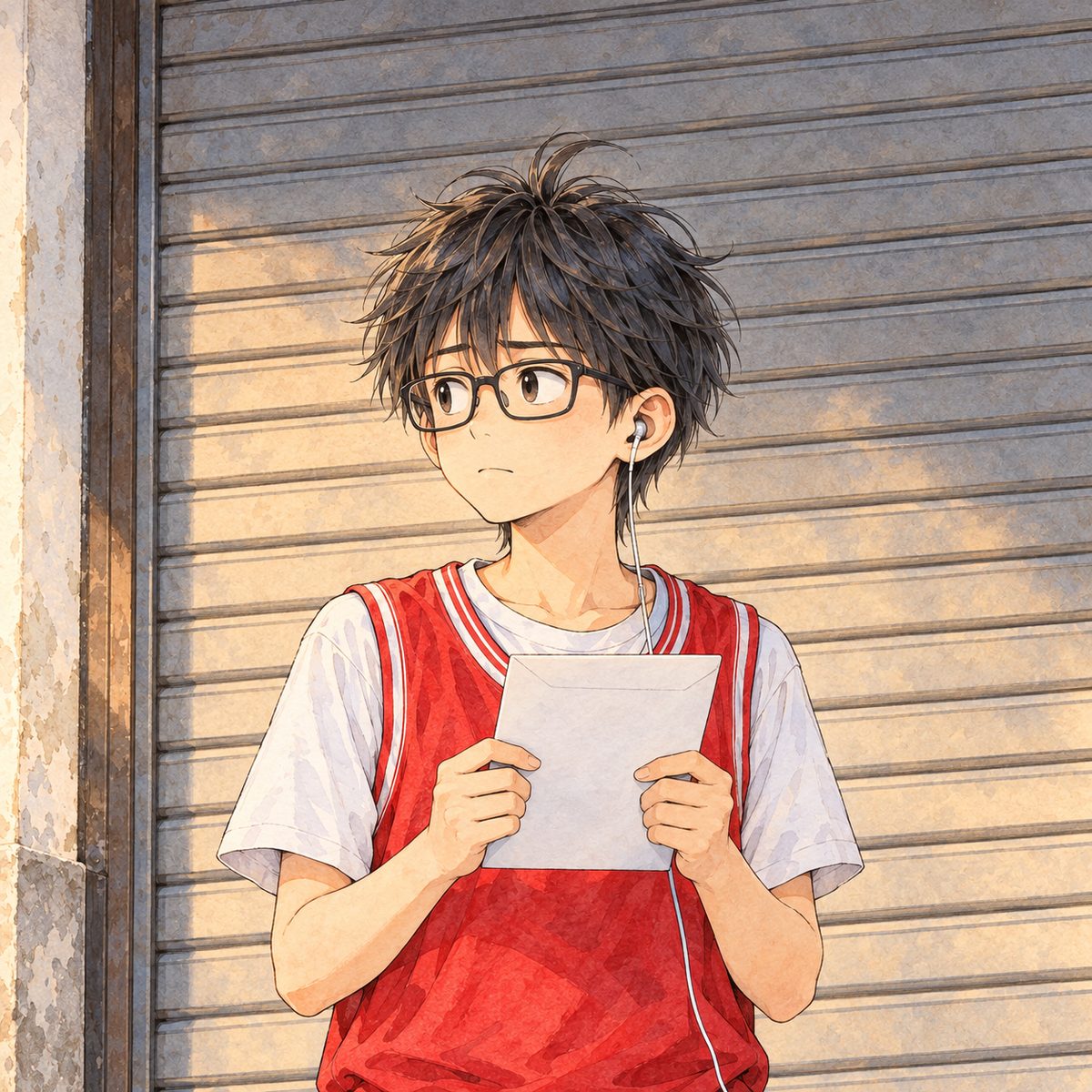
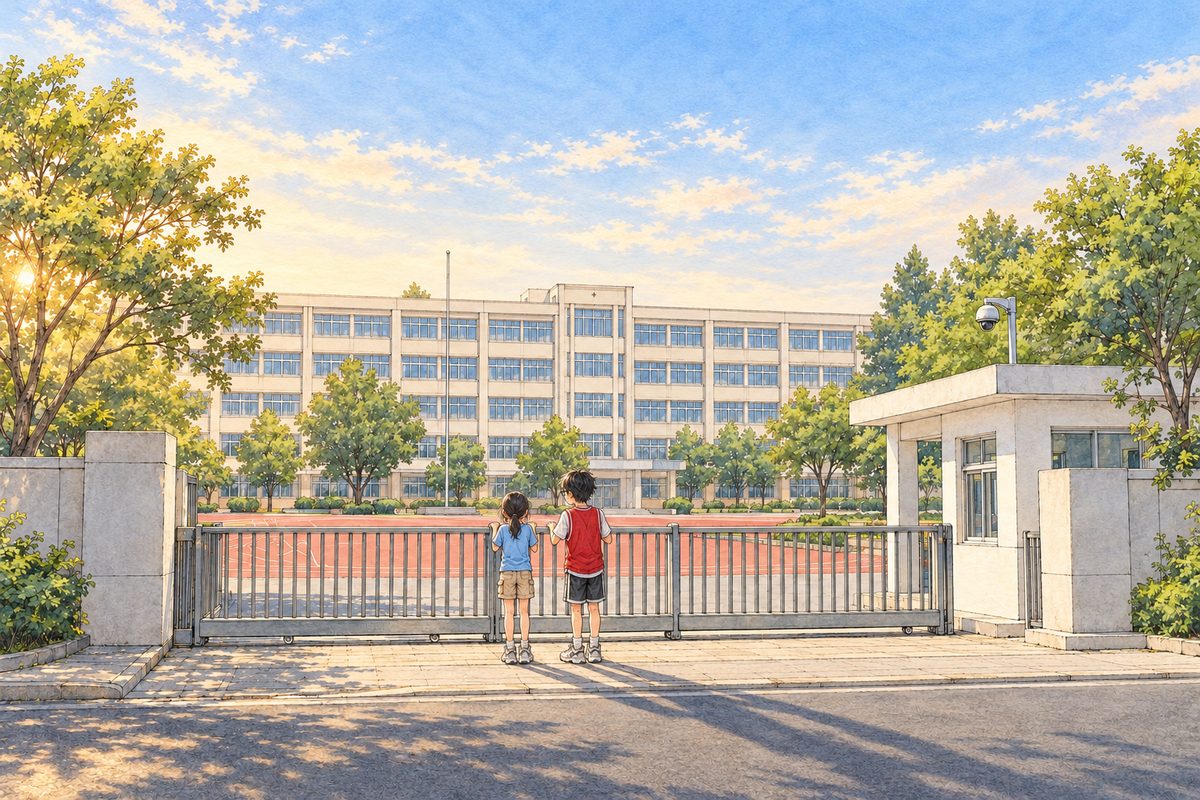
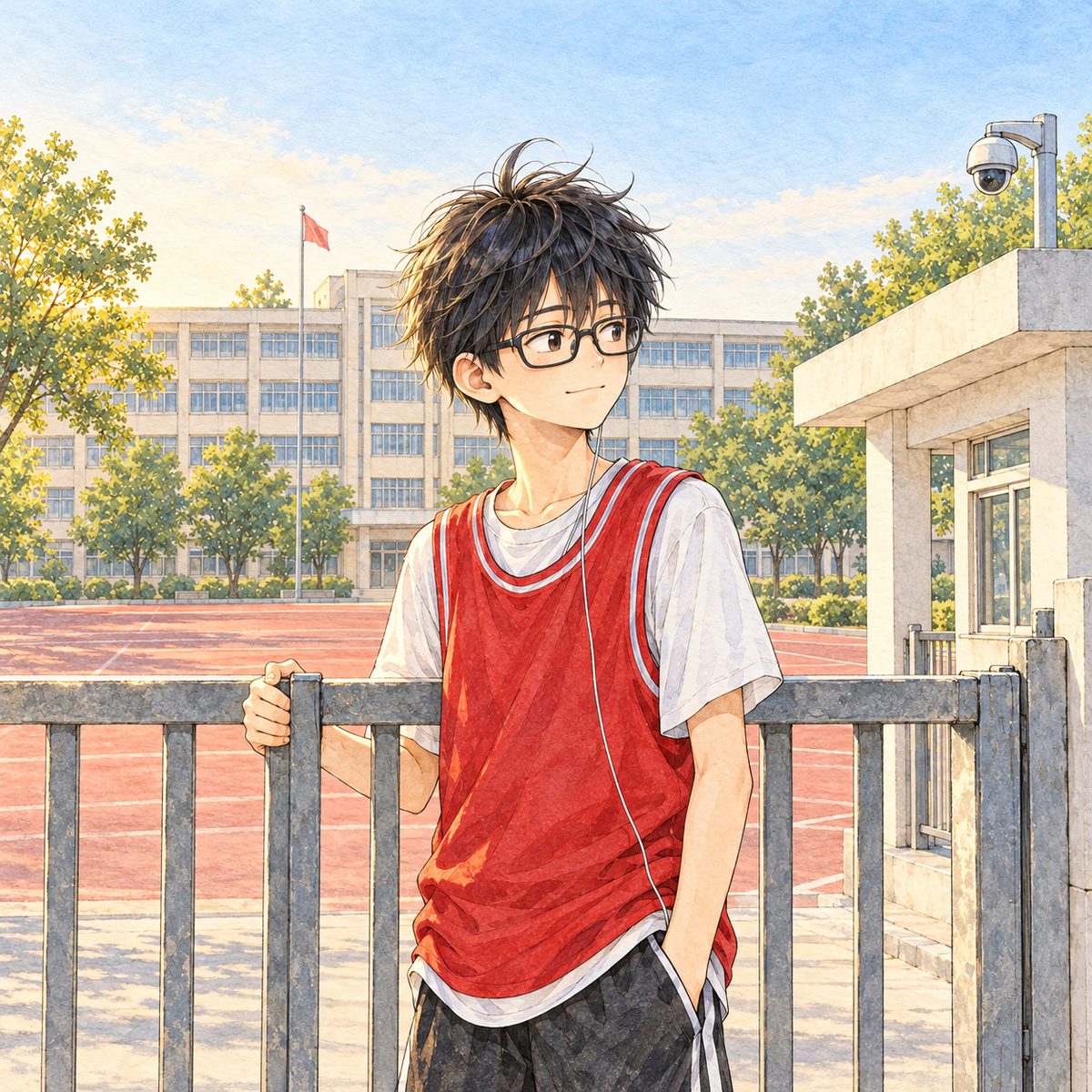
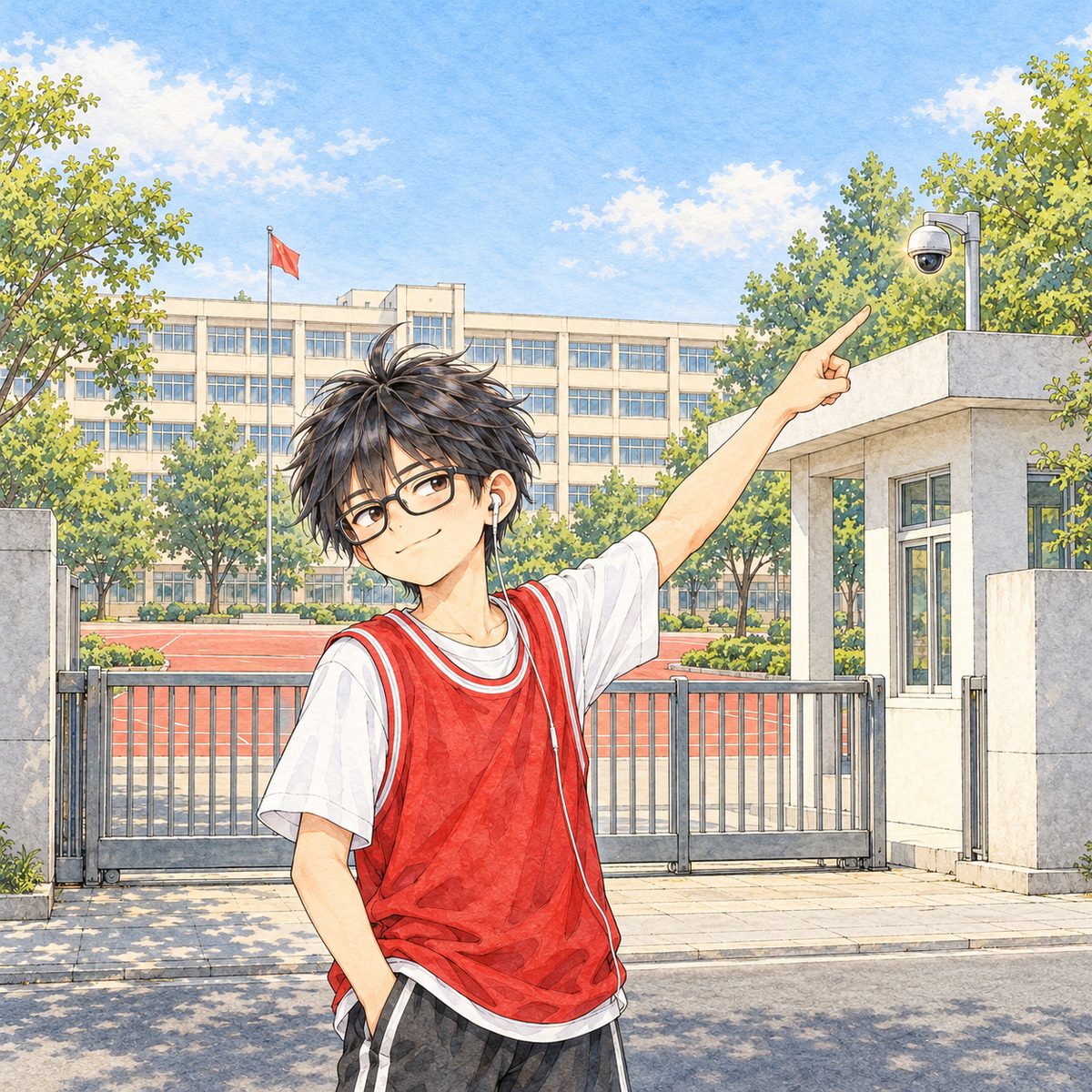
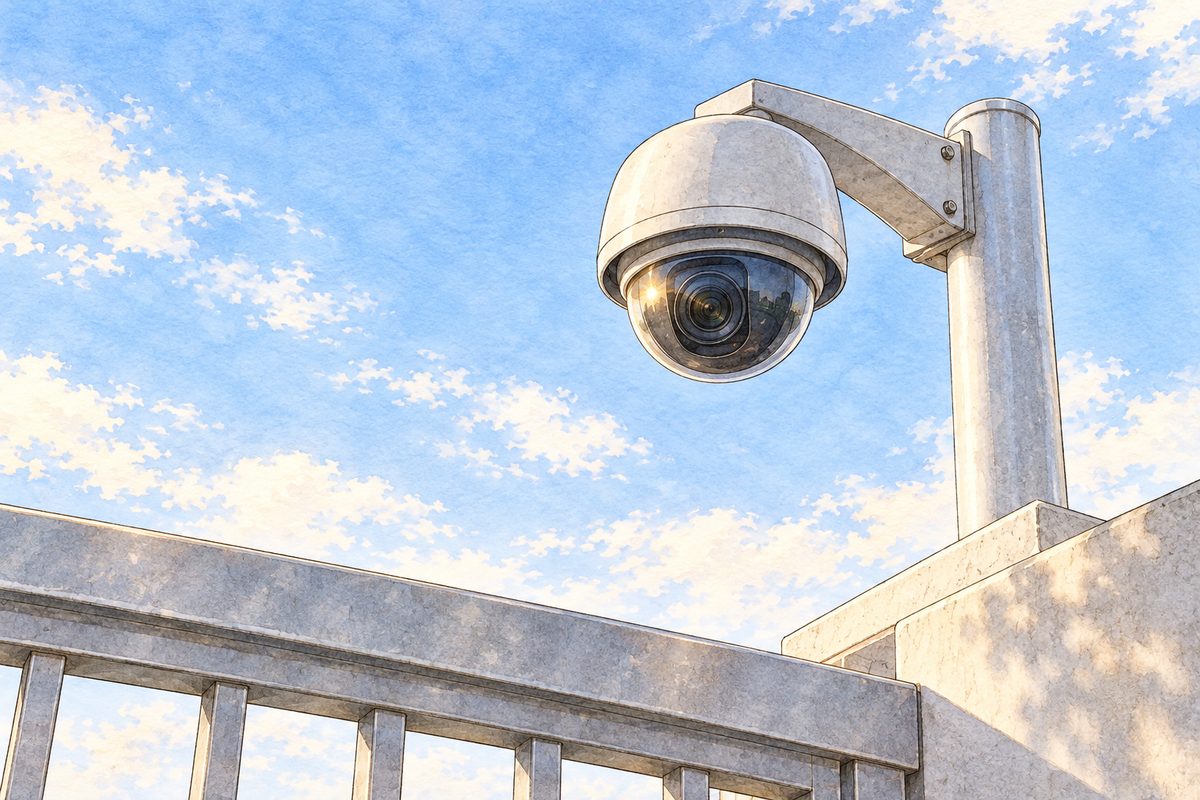
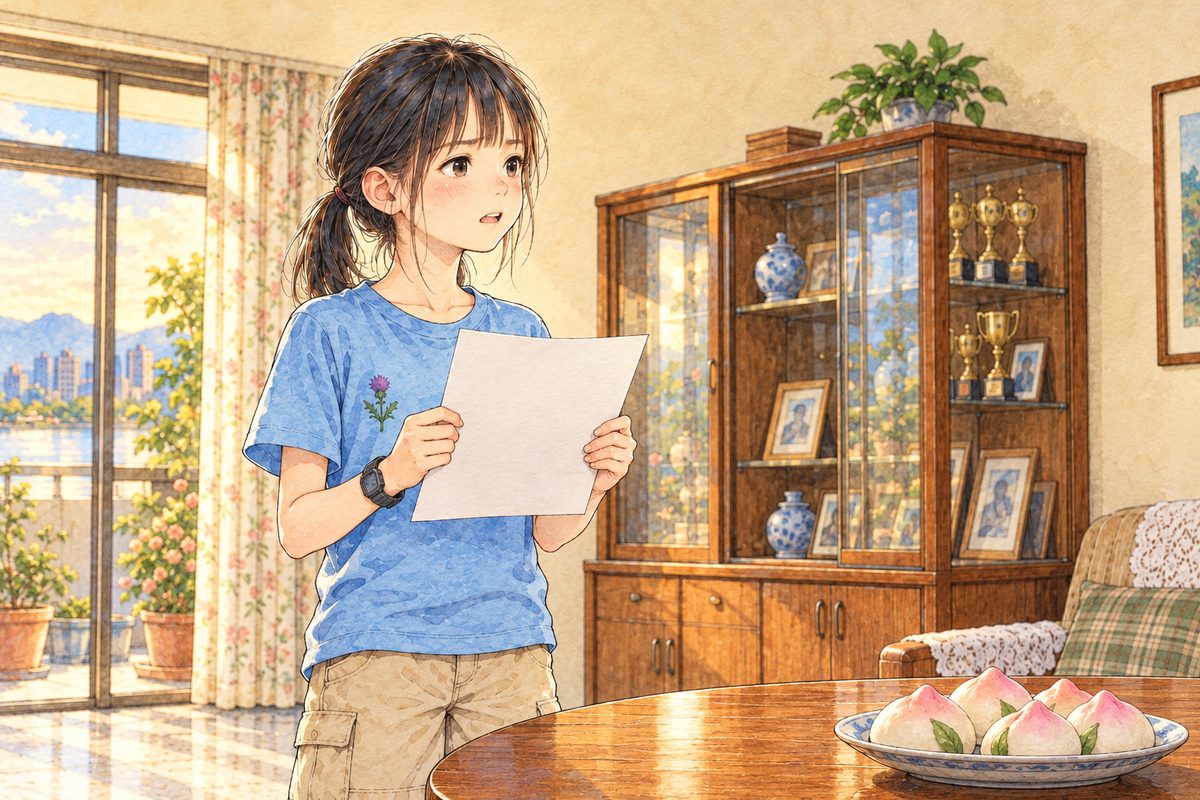
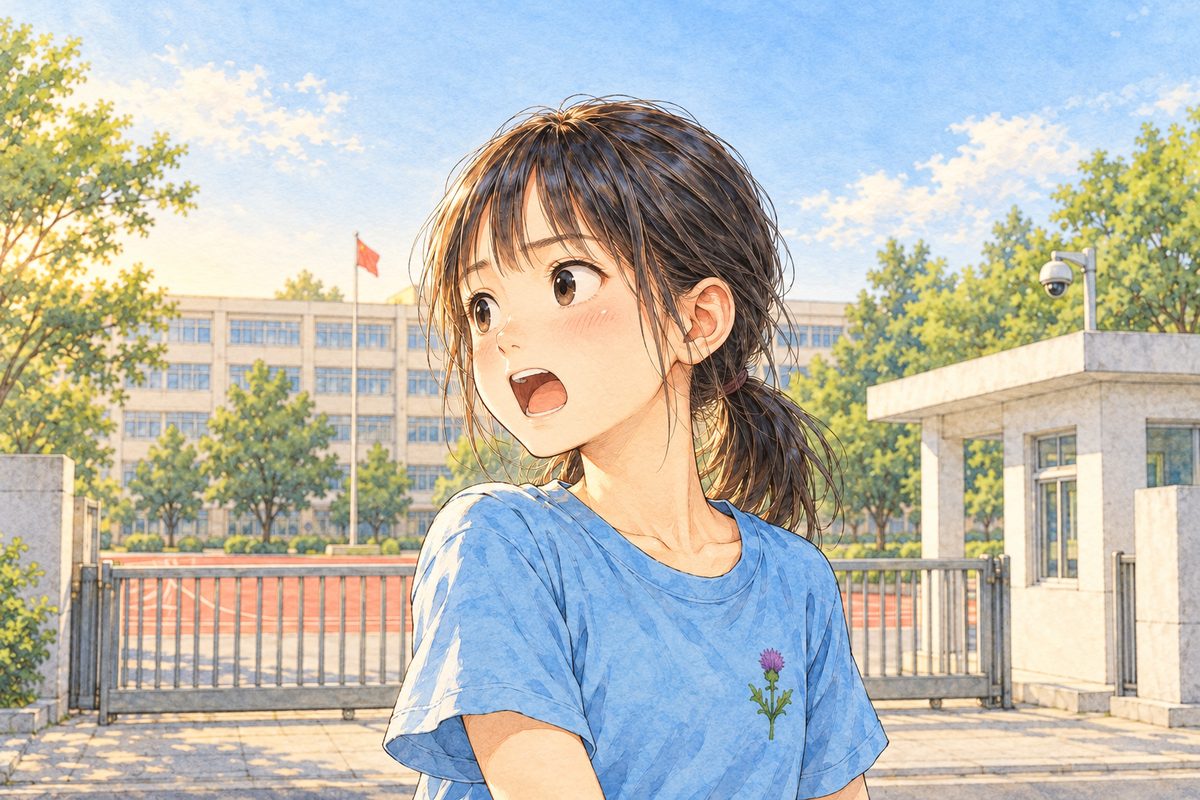
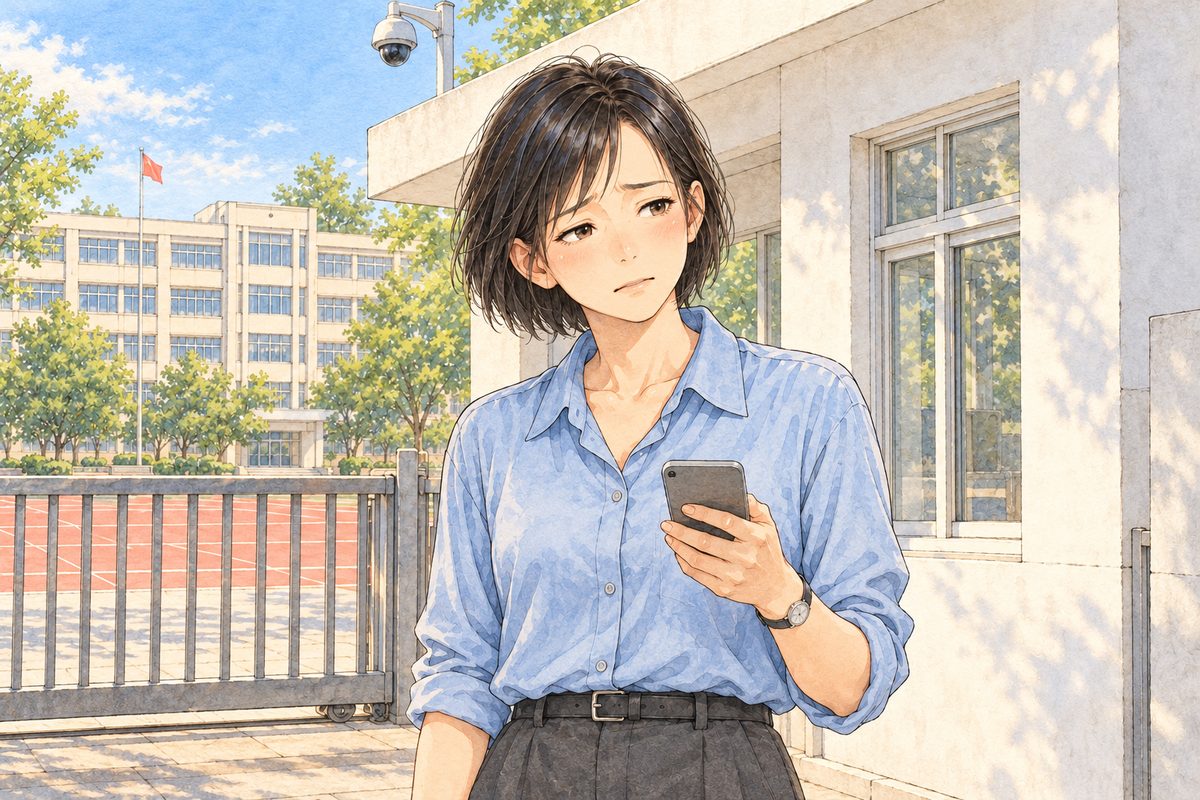
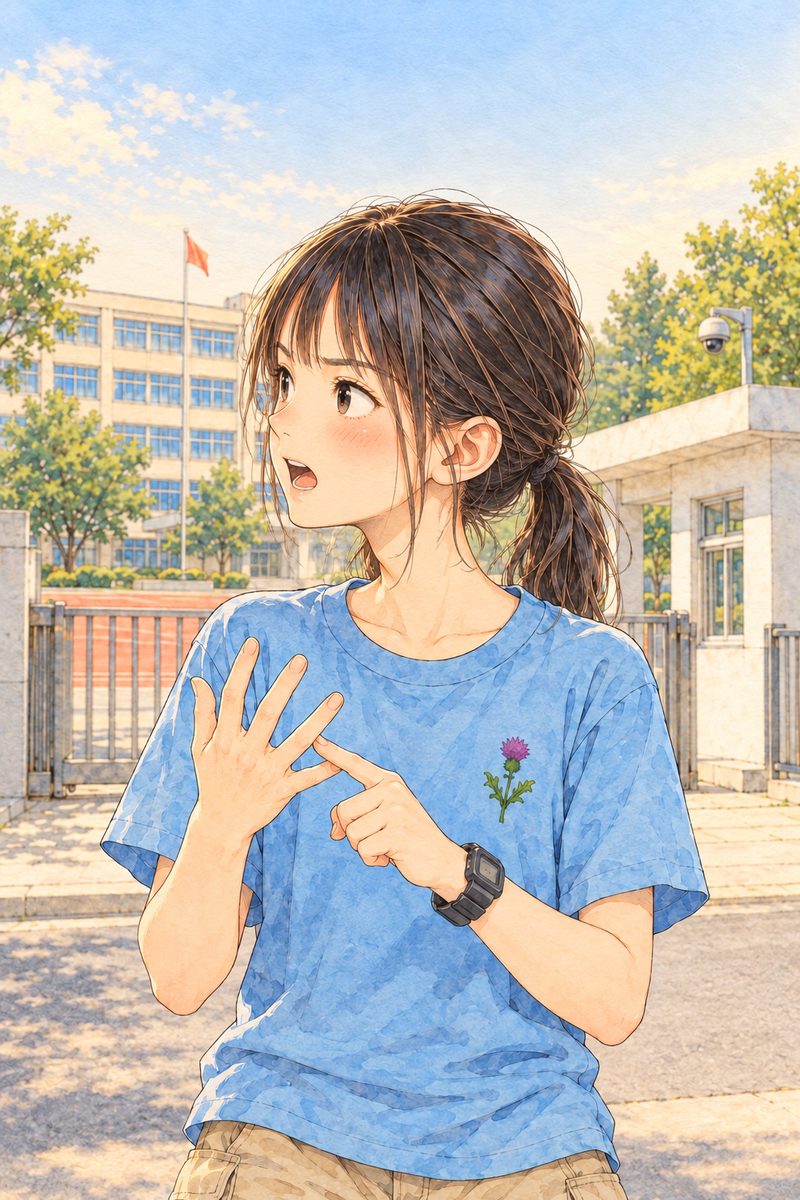
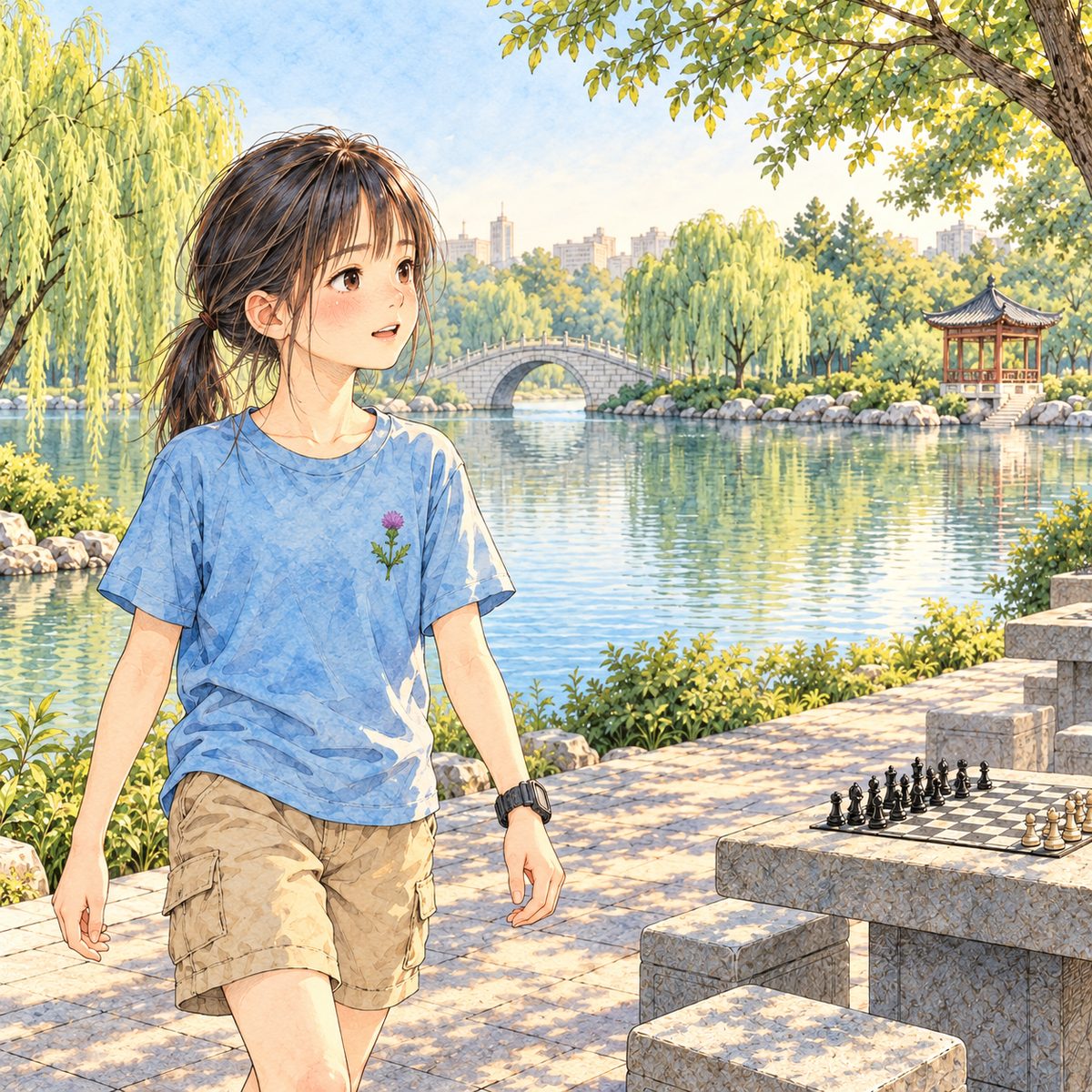
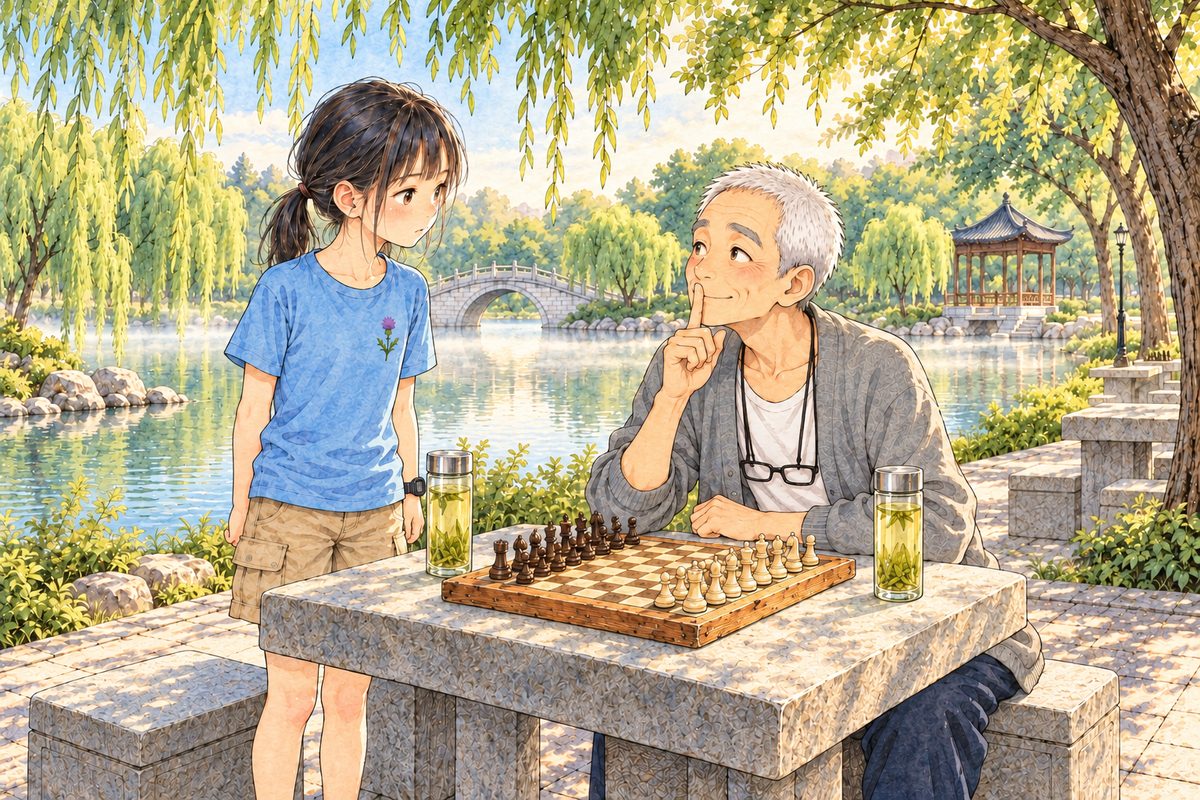
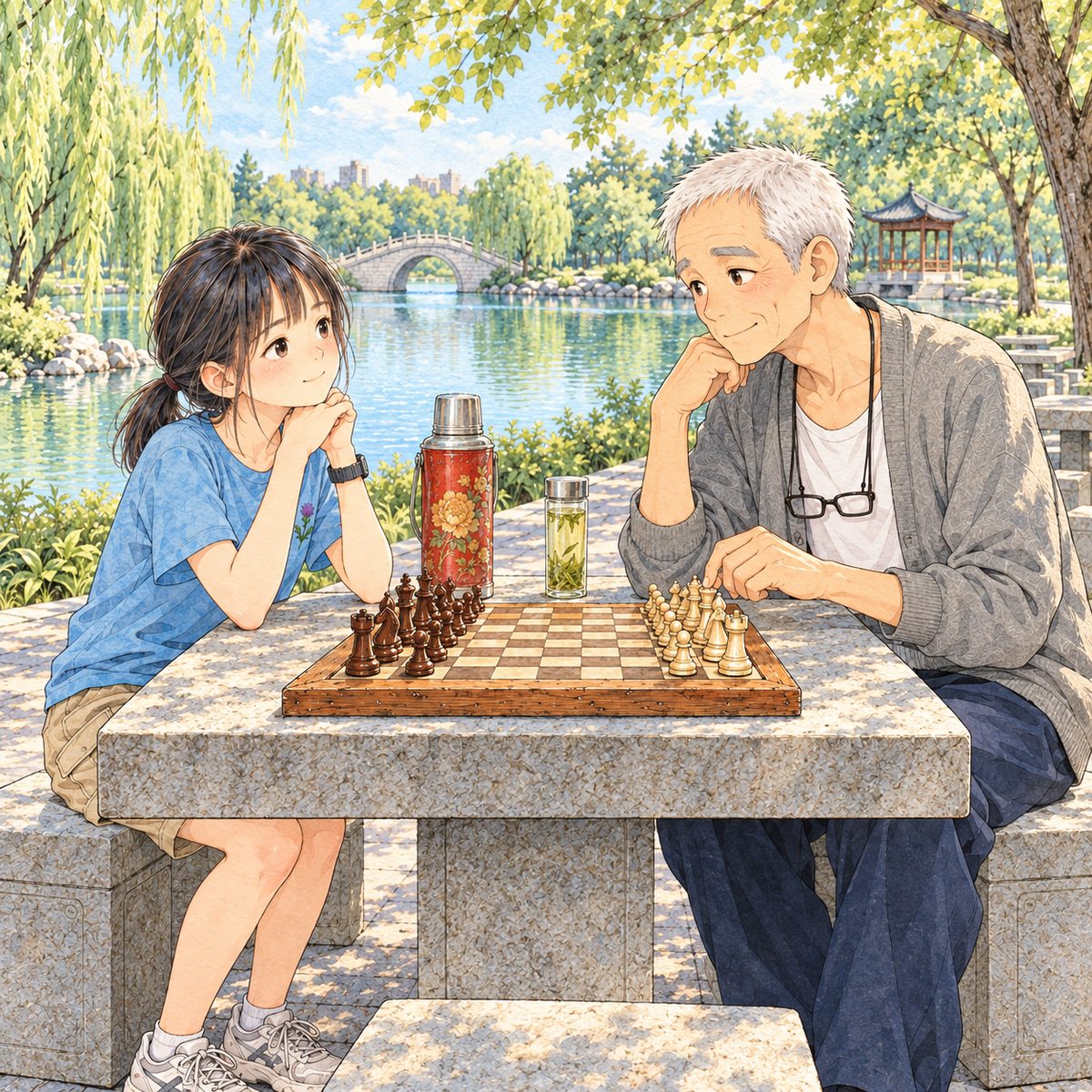
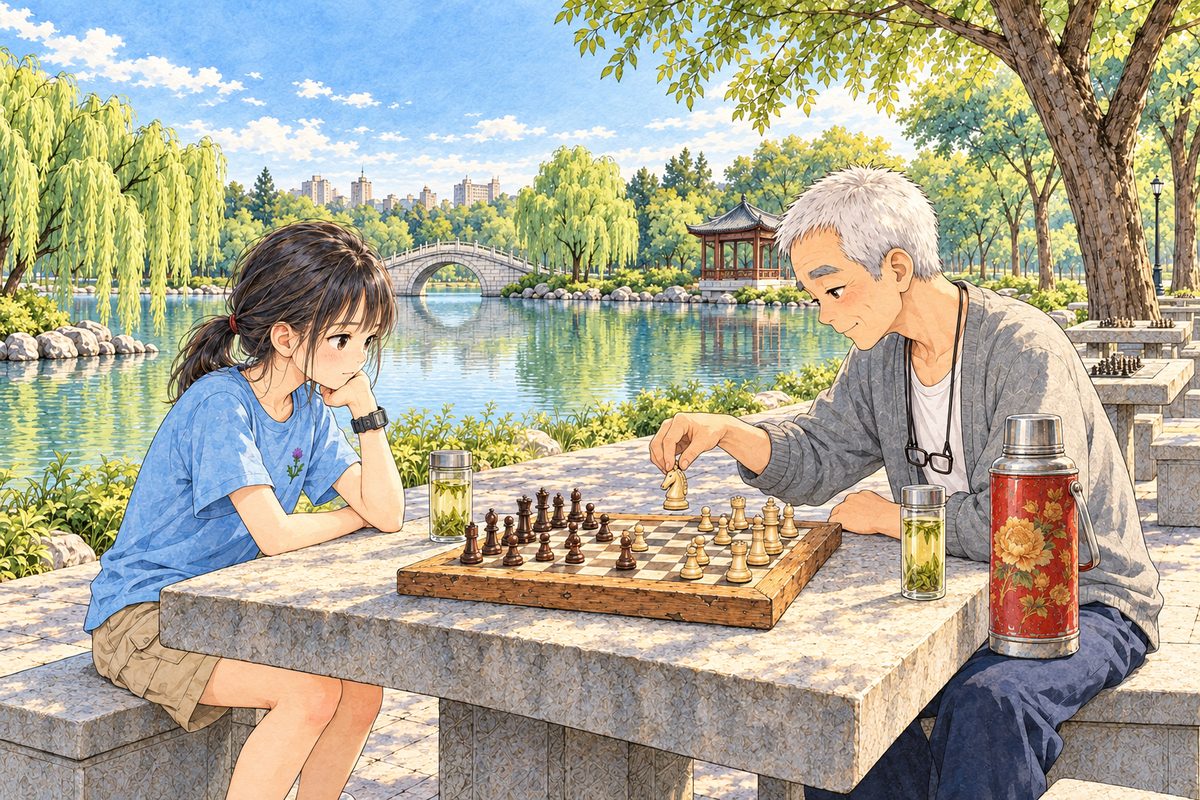

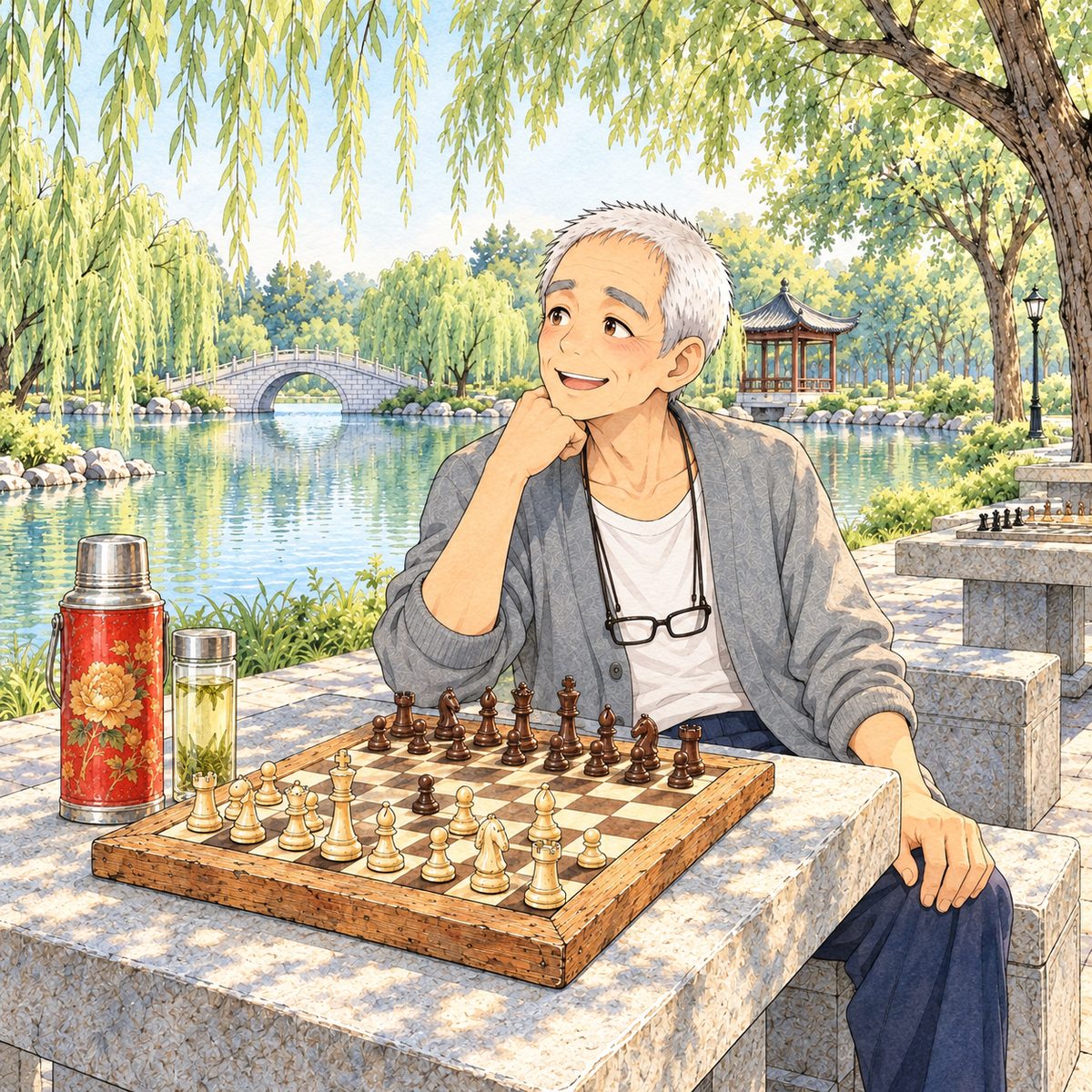

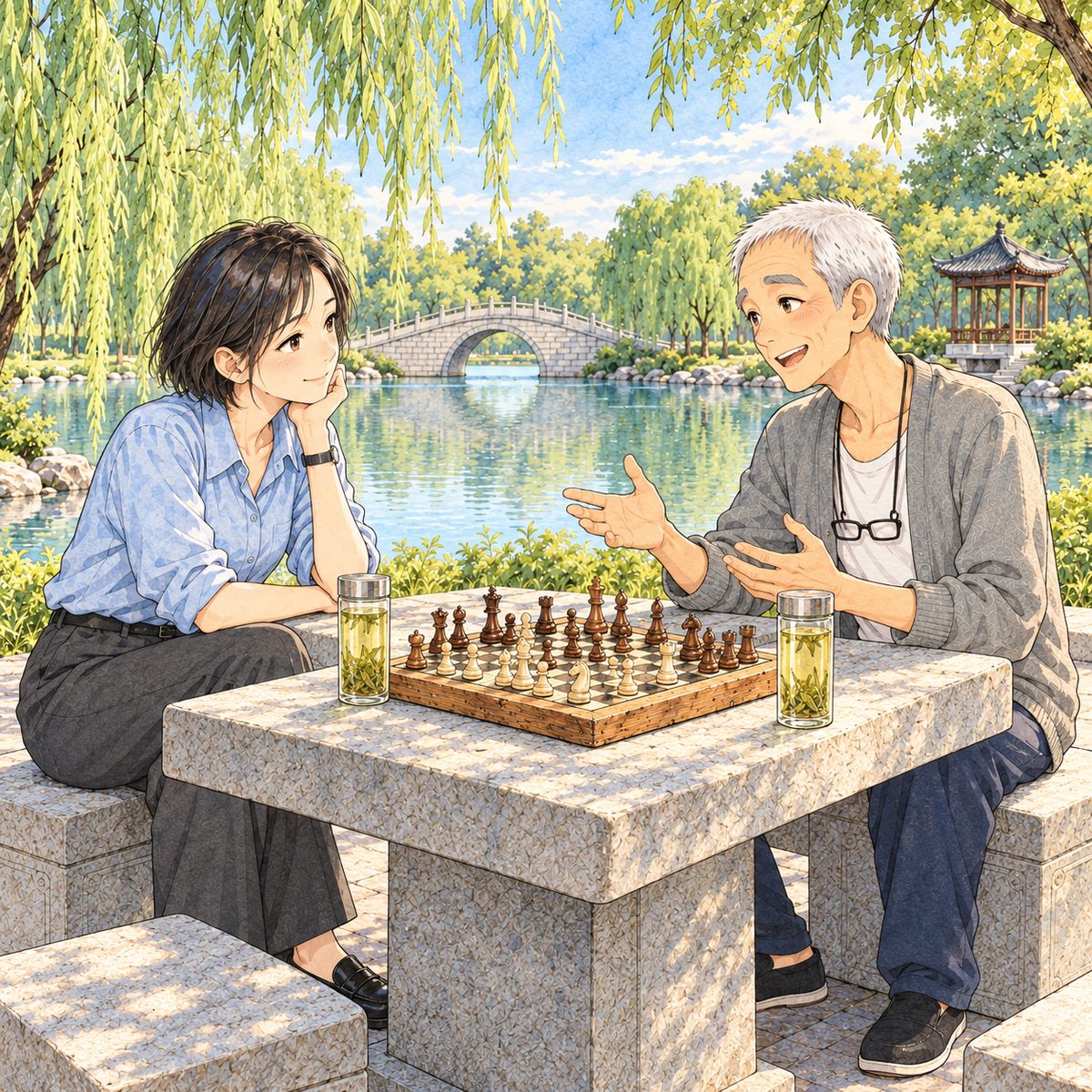
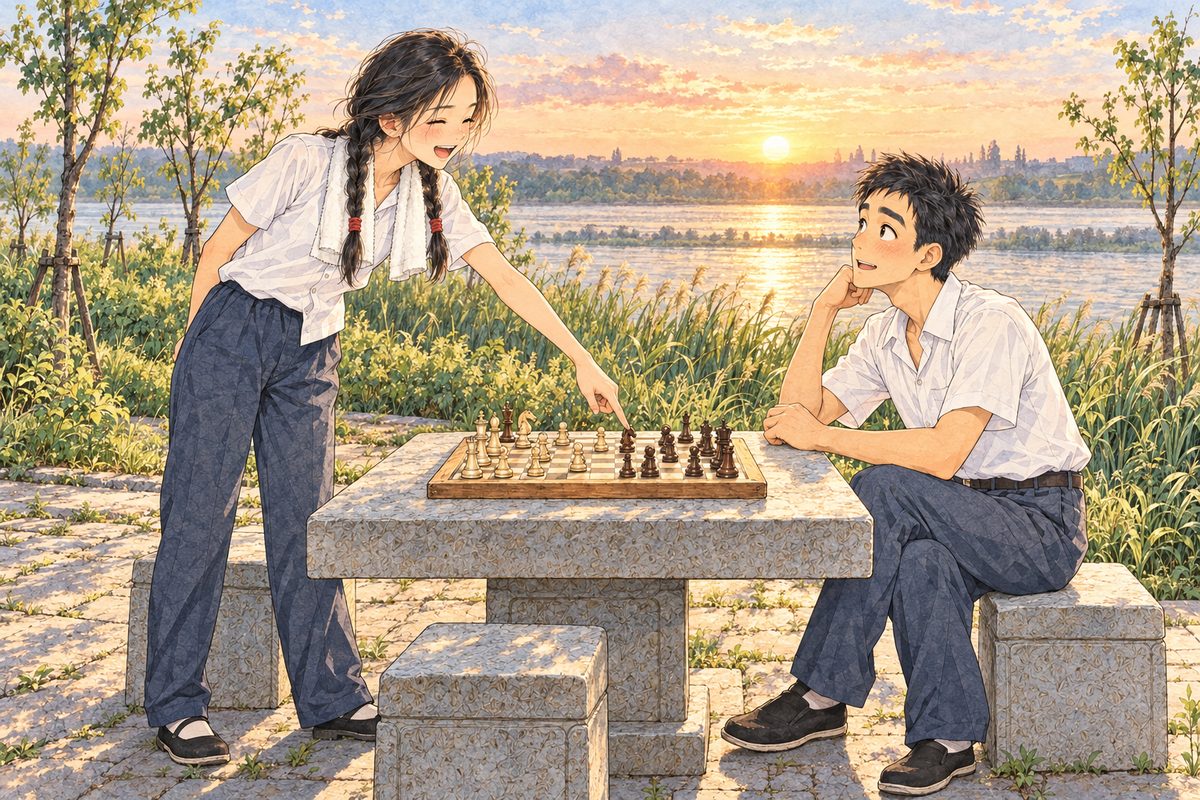
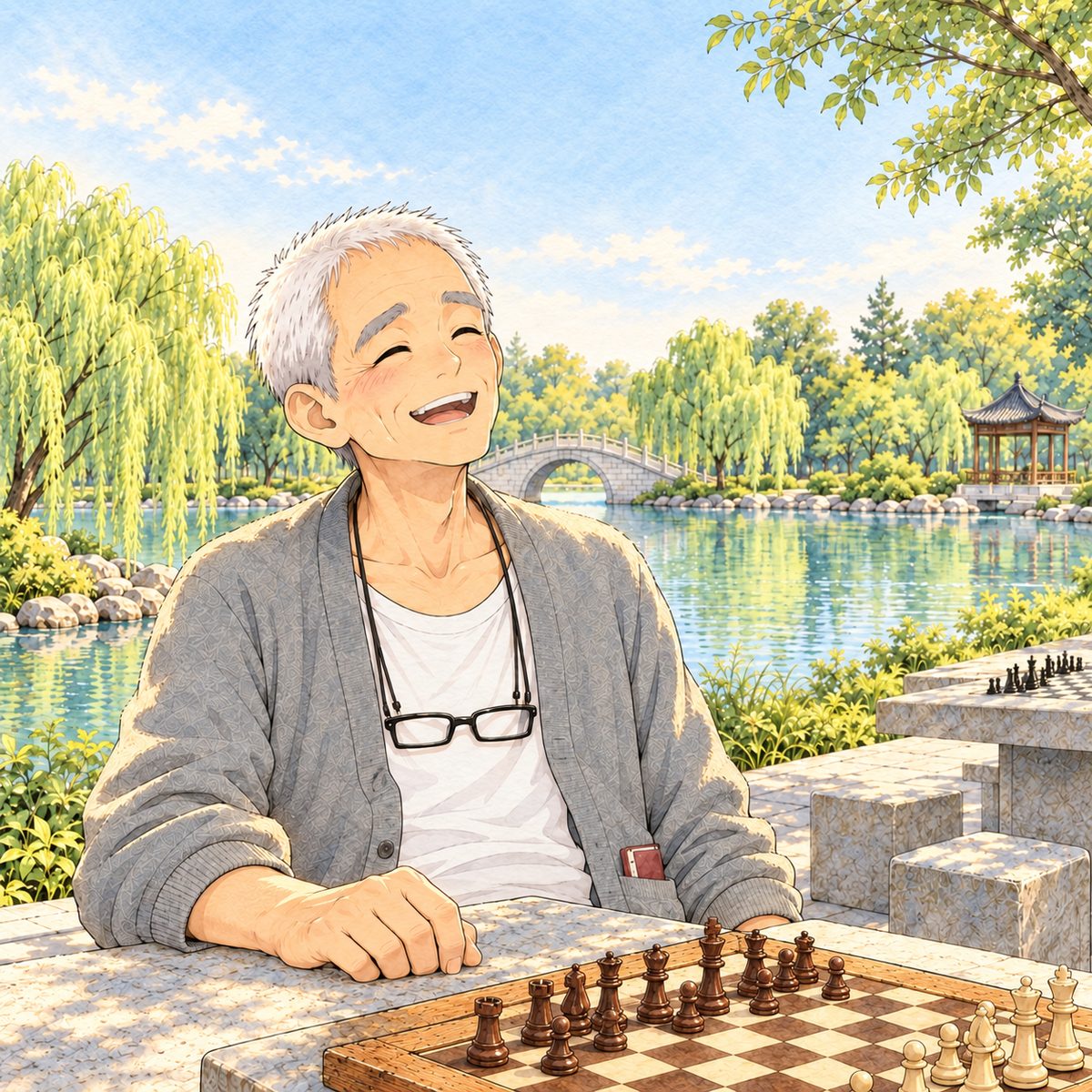

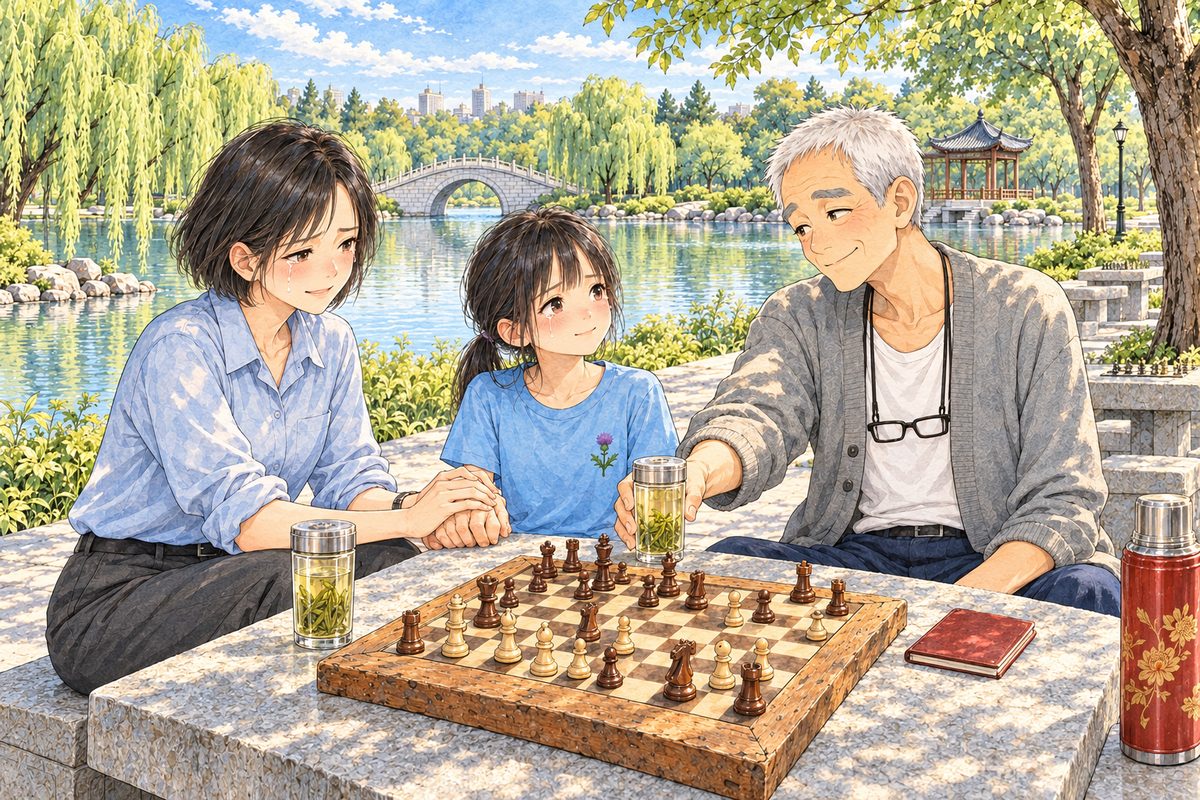


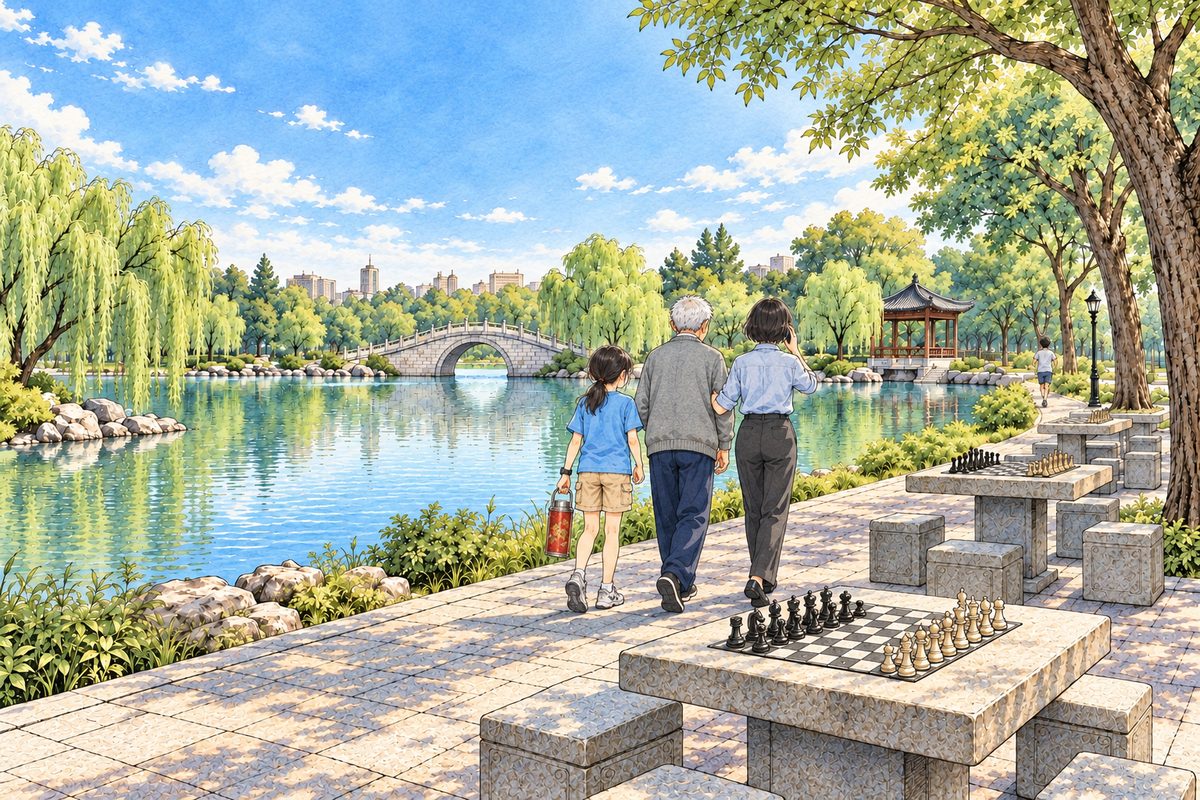
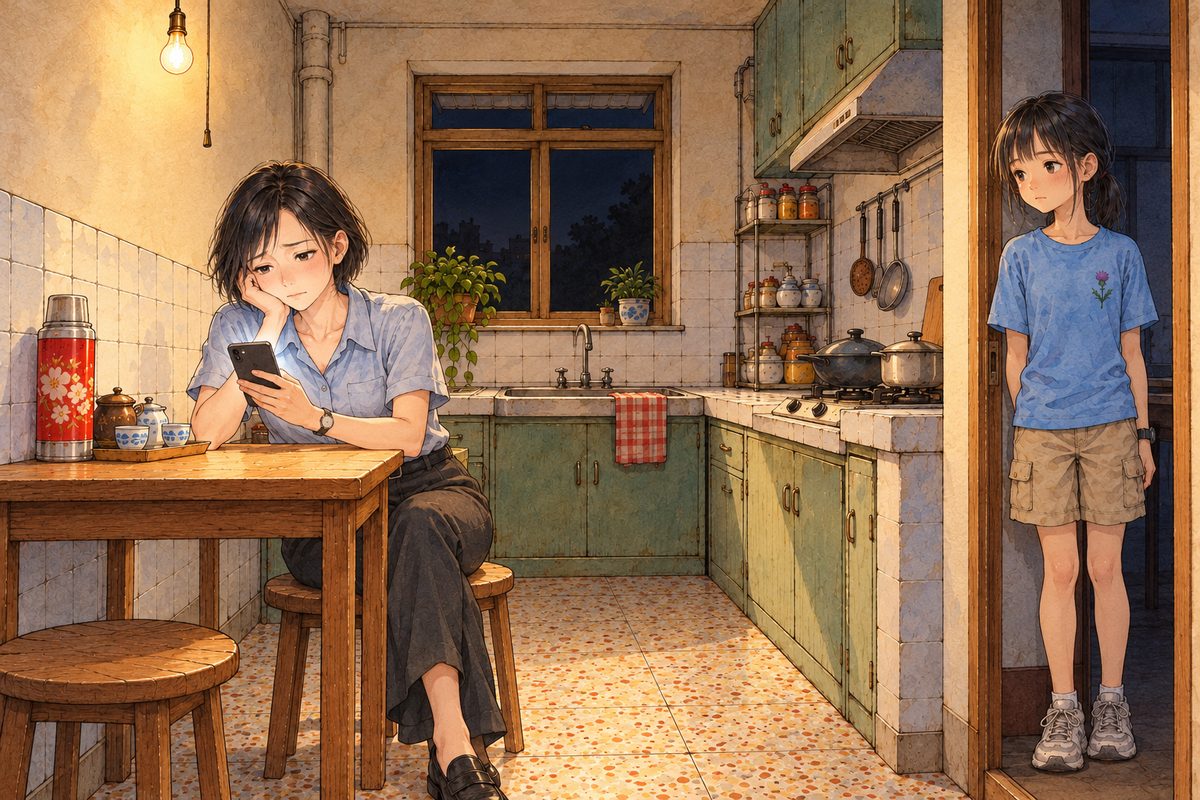



Some ideas in this chapter were left to the people and the pictures, so the frightened and the quiet moments could stay that way. Here they are in words.
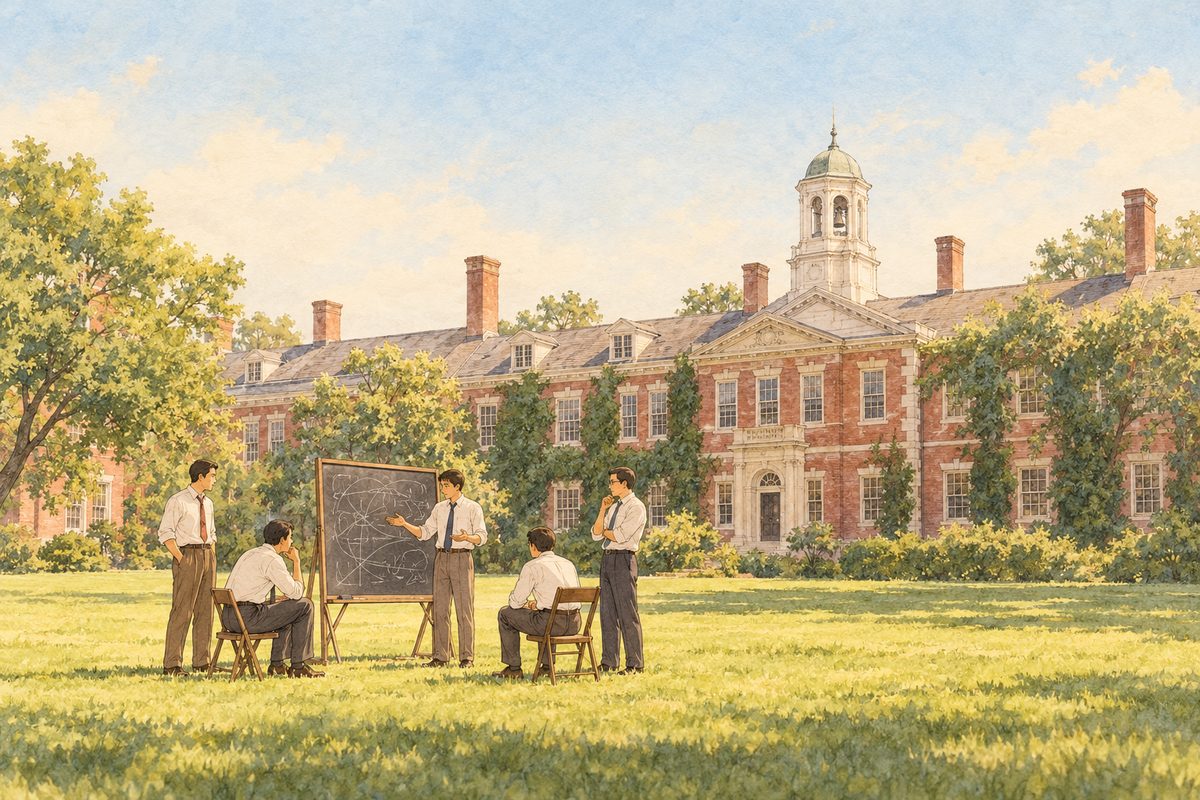
On page 6 Haoran whispers about the summer of 1956. On 31 August 1955 four American scientists, John McCarthy, Marvin Minsky, Nathaniel Rochester and Claude Shannon, wrote a plan for a summer study at Dartmouth College. It was the first time anyone wrote the words "artificial intelligence". Their bet was bold. Every part of learning, they said, could be described so exactly that a machine could copy it. They met the next summer, the summer Grandpa was born. They made no big breakthrough that summer, but the people who met there led the field for decades.
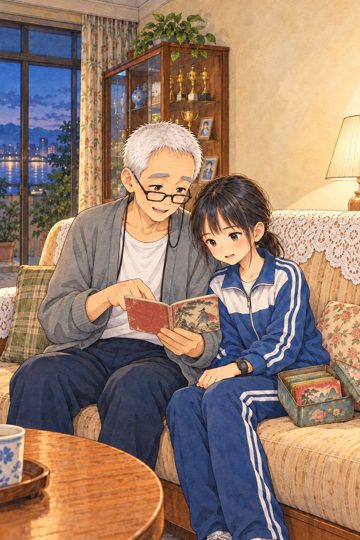
On page 12 Xiaoyu sees that Grandpa did not learn radios from rules. He learned from thousands of radios. In those same years, some machines began to learn that way too. In 1986 three scientists showed a good way to train a "neural network", a program made of many small connected parts, from examples instead of rules. By 1989 one could read handwritten postcodes on letters in America, and by the late 1990s networks like it were reading many of the cheques there. Slowly the question in AI changed, from "what rules does the expert follow?" to "what patterns are in the examples?"
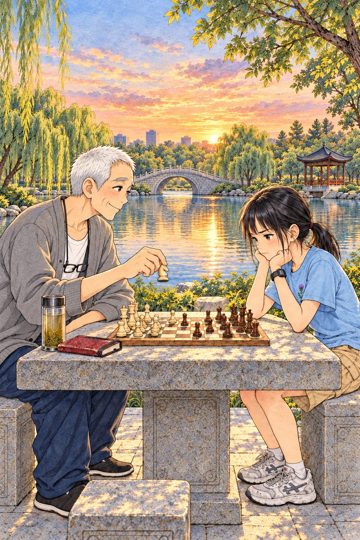
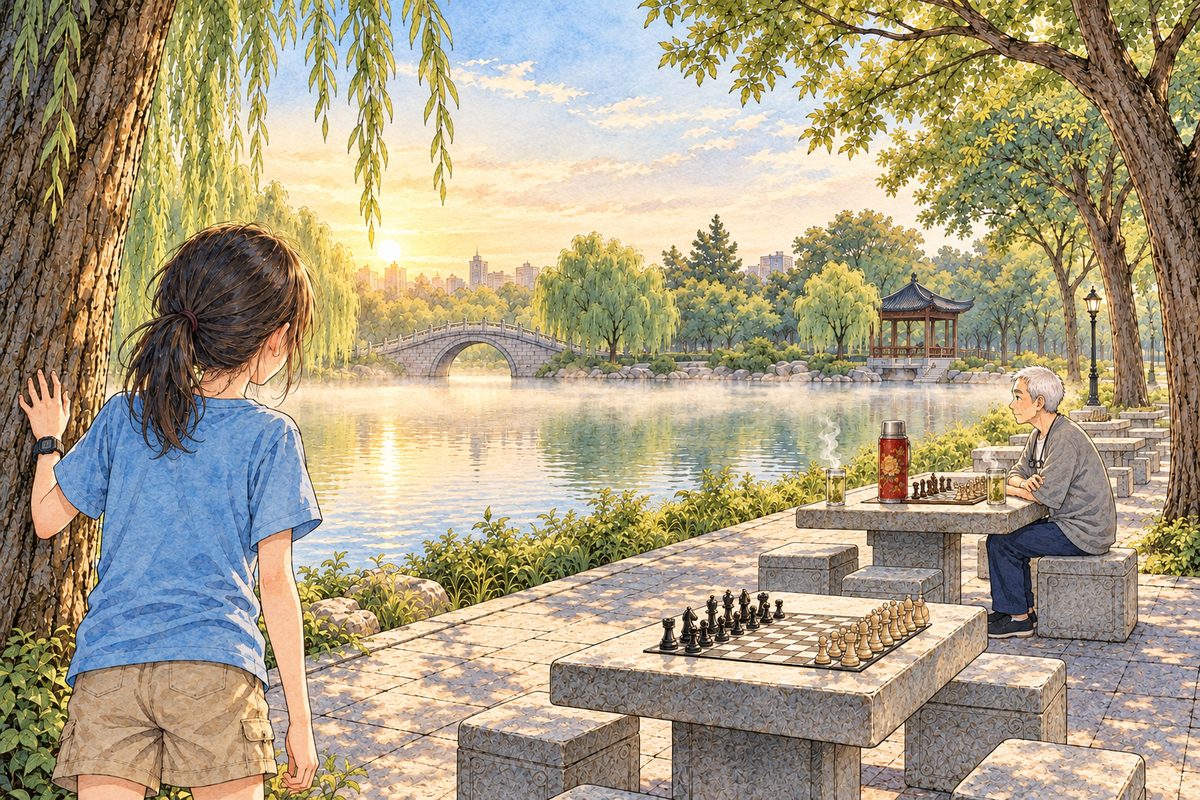
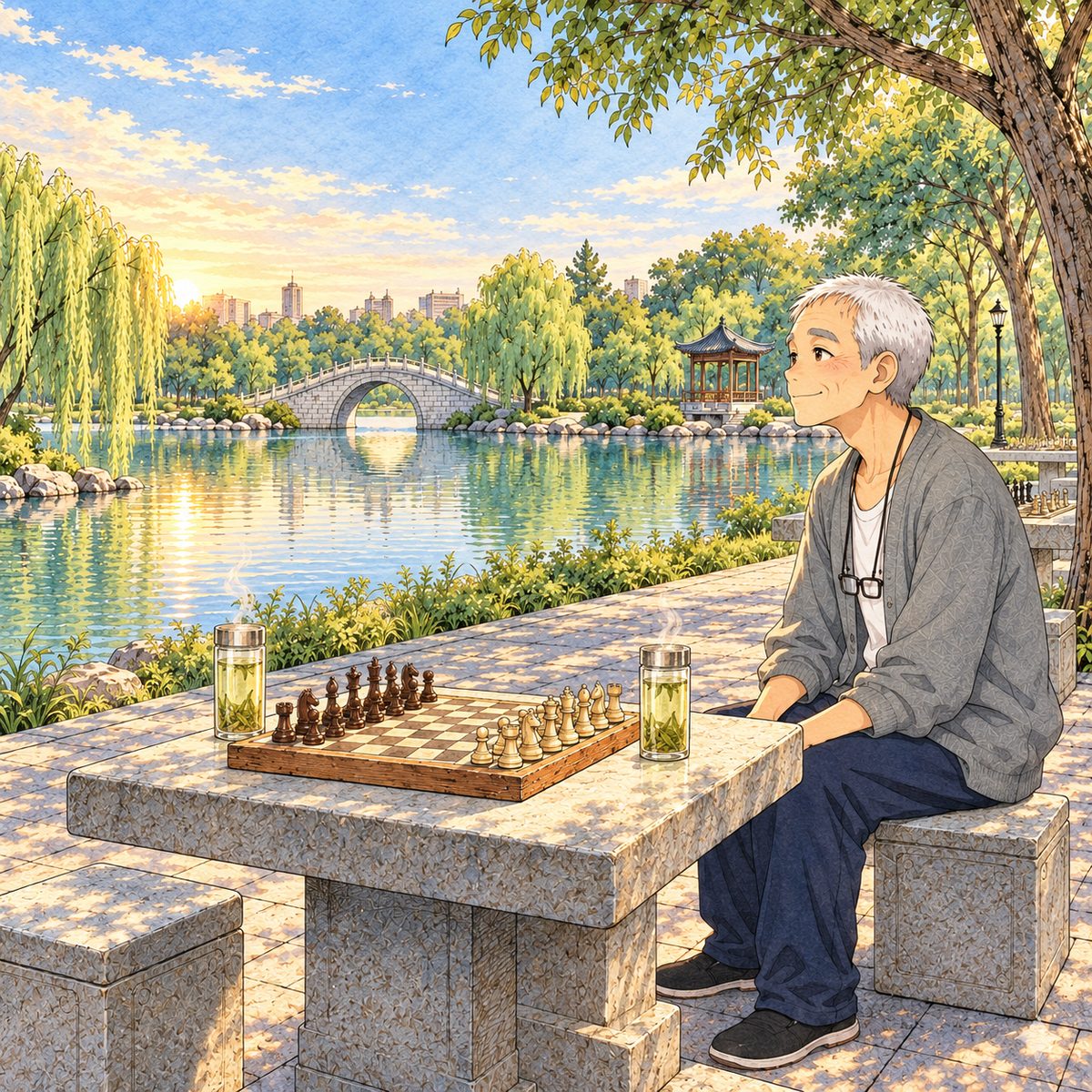
On page 14 Haoran says Grandpa taught half the park. In 1950, before AI even had a name, the English mathematician Alan Turing asked "Can machines think?" His guess was that instead of writing a grown-up mind into a machine, we could build something like a child's mind and teach it. Machines learn very differently from children. But teaching a machine, not just telling it, is the road AI took.
On page 19, walking home, Grandpa and AI are both about seventy, and both have had their winters. Here is the whole story in one line. At first people tried to make clever machines by writing rules by hand. That did not work for everything, so most AI today learns from many, many examples. Rules and search are still very good at many jobs, and many modern systems use both.
In 1950 Alan Turing opened a paper with that question, then set it aside as too vague. In its place he proposed a game. A judge exchanges typed messages with a hidden person and a hidden machine, and tries to tell which is which.
In the last part of the same paper Turing wondered whether it would be easier to build something like a child's mind and educate it. Real machine learning turned out very unlike a child's. But the idea of teaching a machine, instead of telling it everything, is the road AI later took.
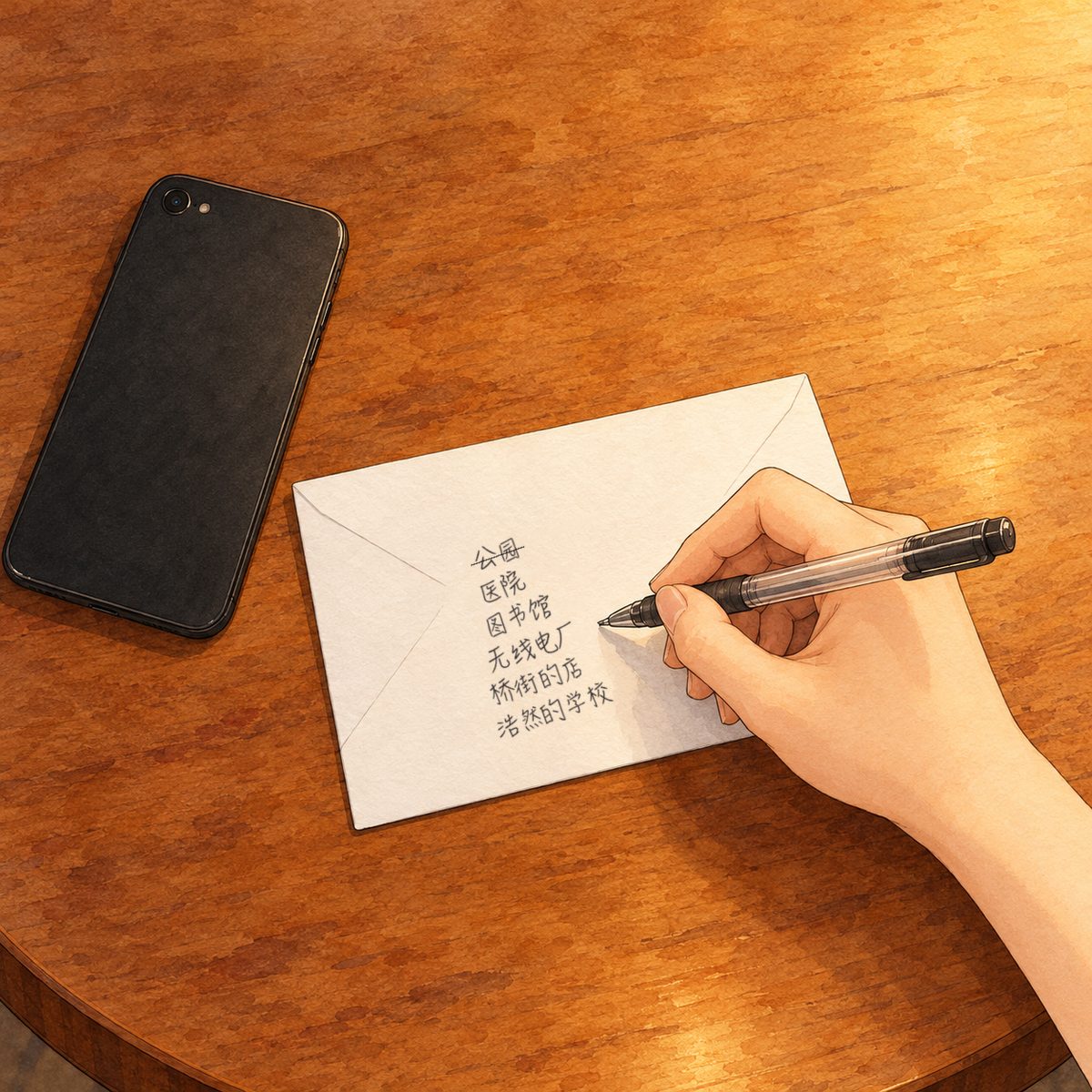
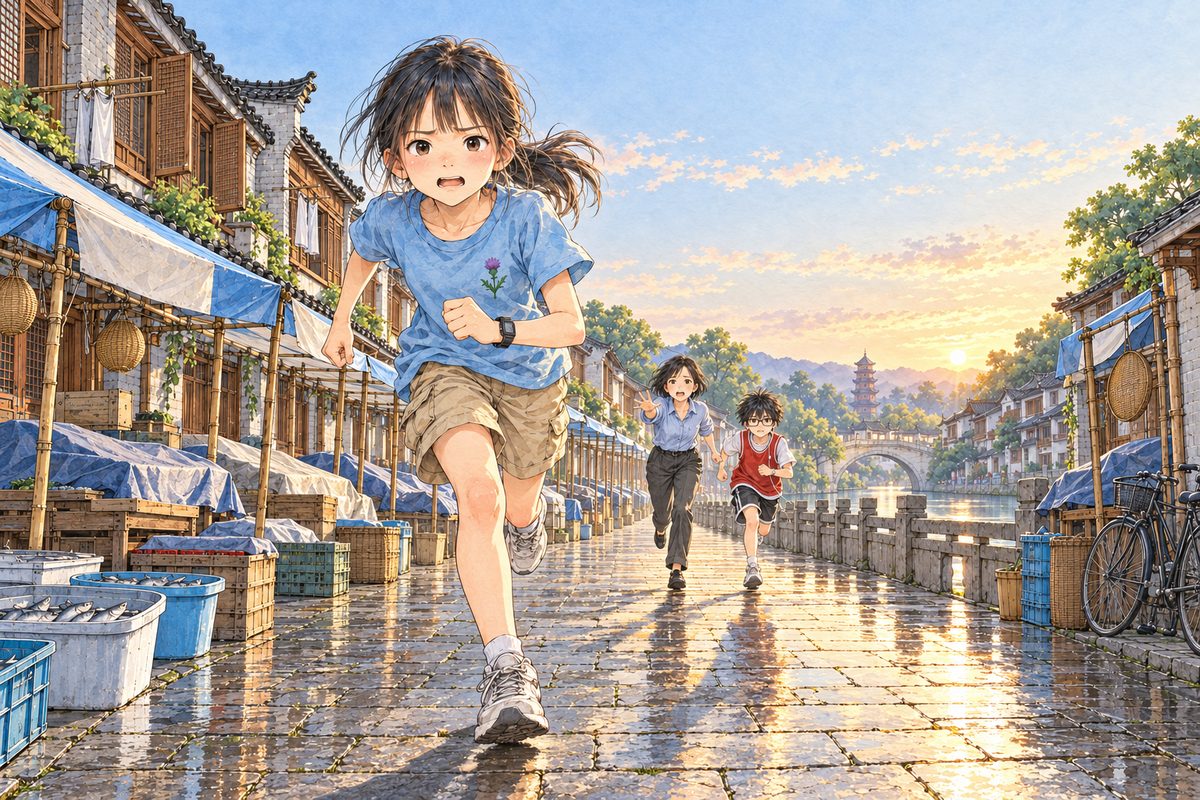
Early AI treated many problems as search. Every possible move is a road on a map, and solving the problem means finding a road to the goal. The map is far too big to walk every road, so programs used rules of thumb, called heuristics, to try the most promising roads first. Mama's list of Grandpa's old places is a rule of thumb of exactly this kind.
In the late 1950s and 1960s some researchers predicted that machines would match people within a decade or two. They did not. In 1973 the mathematician James Lighthill wrote a report for Britain's Science Research Council. He argued that methods which worked on small puzzles fell apart on big problems, because the choices multiply too fast. AI research in Britain was cut back. People call this the first AI winter.
The neat story is a simplification. Research never stopped, and John McCarthy argued with the report as soon as it came out.
In the 1980s AI boomed again with expert systems. People wrote down an expert's know-how as hundreds or thousands of "if this, then that" rules. MYCIN, built at Stanford, recommended antibiotics for blood infections. In tests it did about as well as specialists, though it was never used routinely in hospitals. Another system, R1, later called XCON, was used in business to put together orders for computers, part by part.
The rules broke at the edges, where real cases did not quite fit. They were also slow and costly to gather, because experts often cannot say what they know. The philosopher Michael Polanyi put it in a few words. "We can know more than we can tell." Grandpa wrote three hundred rules for the factory, and nobody else could make them work. That is Polanyi's point.
The market for expert systems collapsed in the late 1980s. Money and interest drained away again, and a second AI winter lasted into the early 1990s.
When Deep Blue beat Garry Kasparov in 1997, the year Mama was twelve, it did not win by learning. It won mainly by searching through moves very fast on special chips, and by scoring each position with a recipe that people had tuned by hand. It was a triumph of the old search tradition.
In 2012 a deep network called AlexNet entered a contest built on ImageNet, a huge collection of photos labelled by people. It was trained on graphics chips made for video games. Given five guesses for each photo, it missed the right answer 15.3 times in a hundred. The next best entry missed 26.2 times.
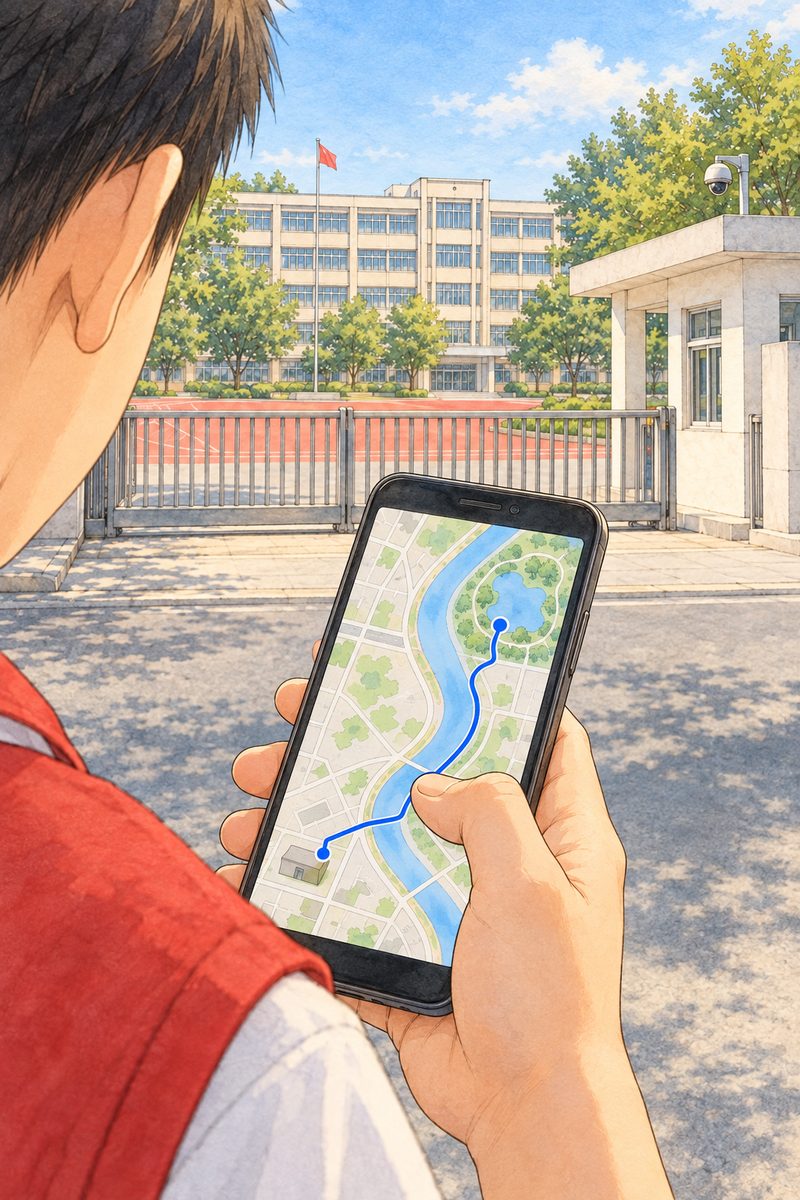
Within a few years almost every program that looks at pictures learned this way. The camera at the school gate is one of them.
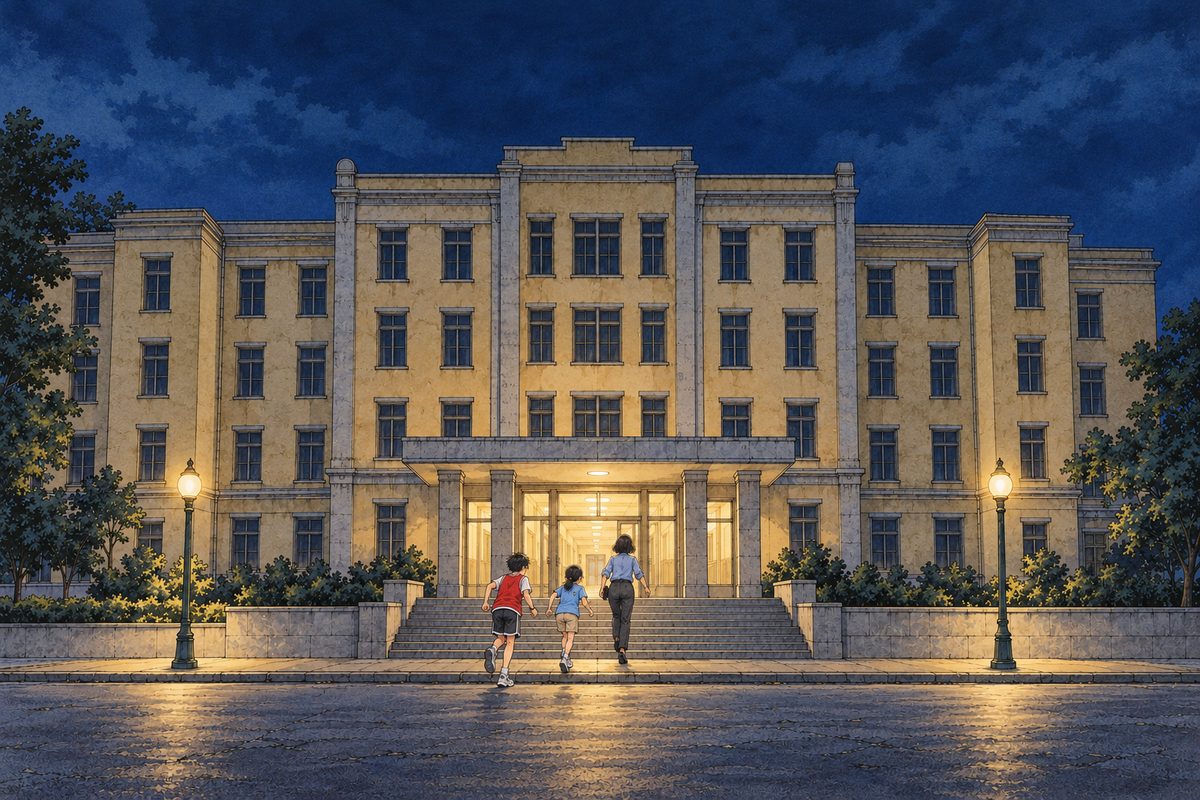
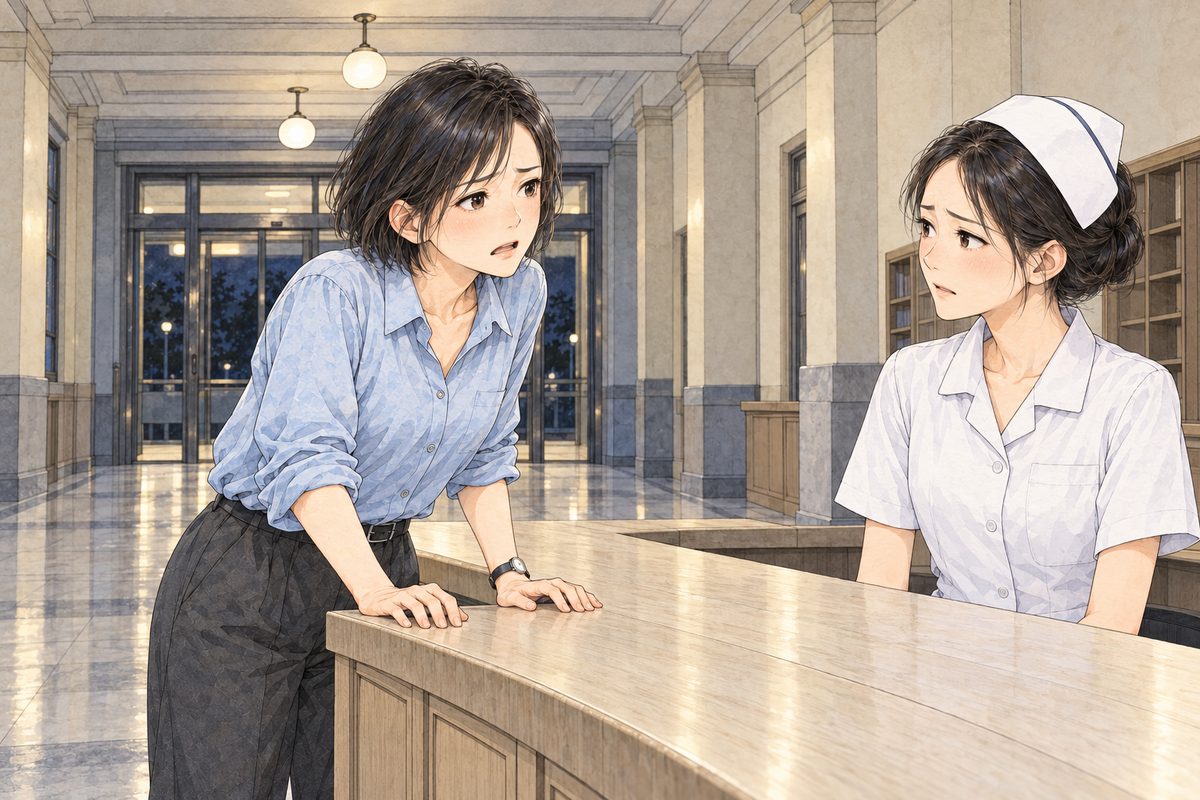
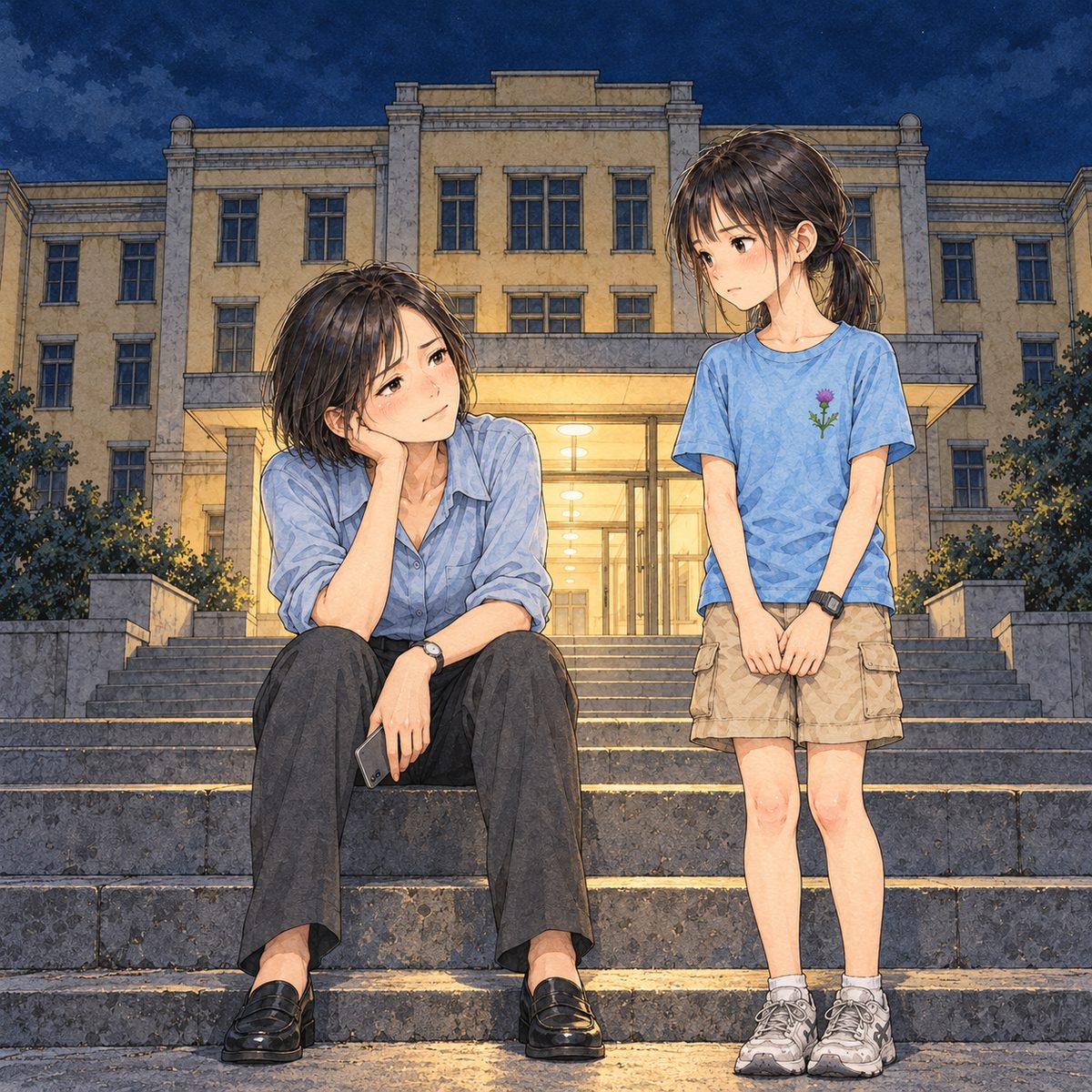
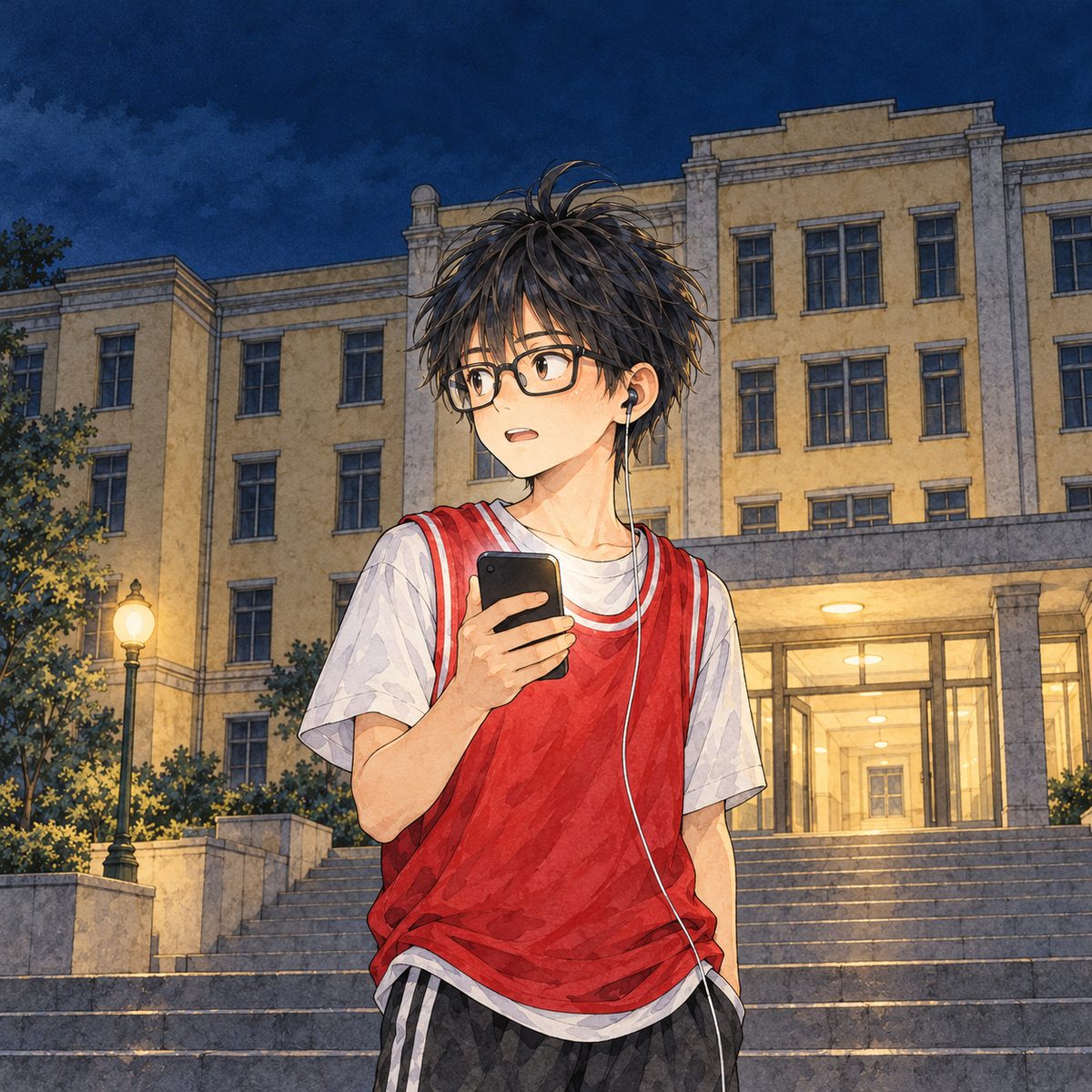
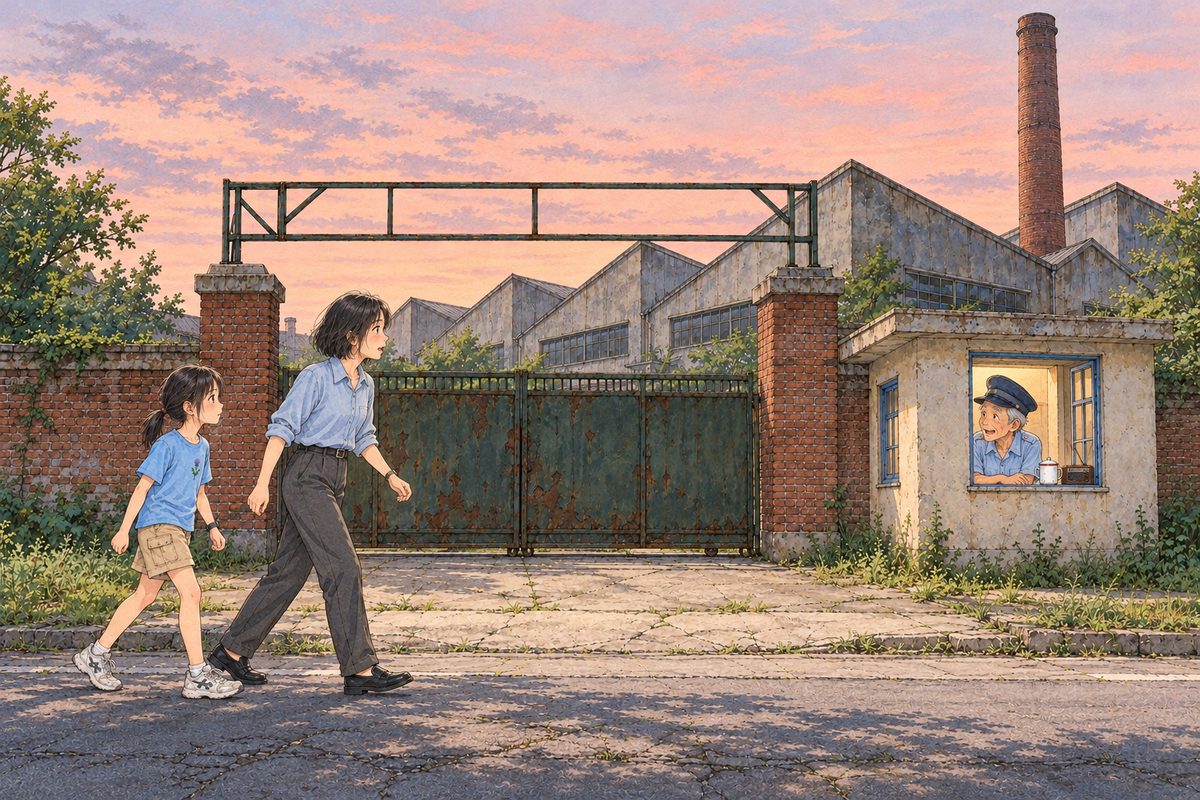
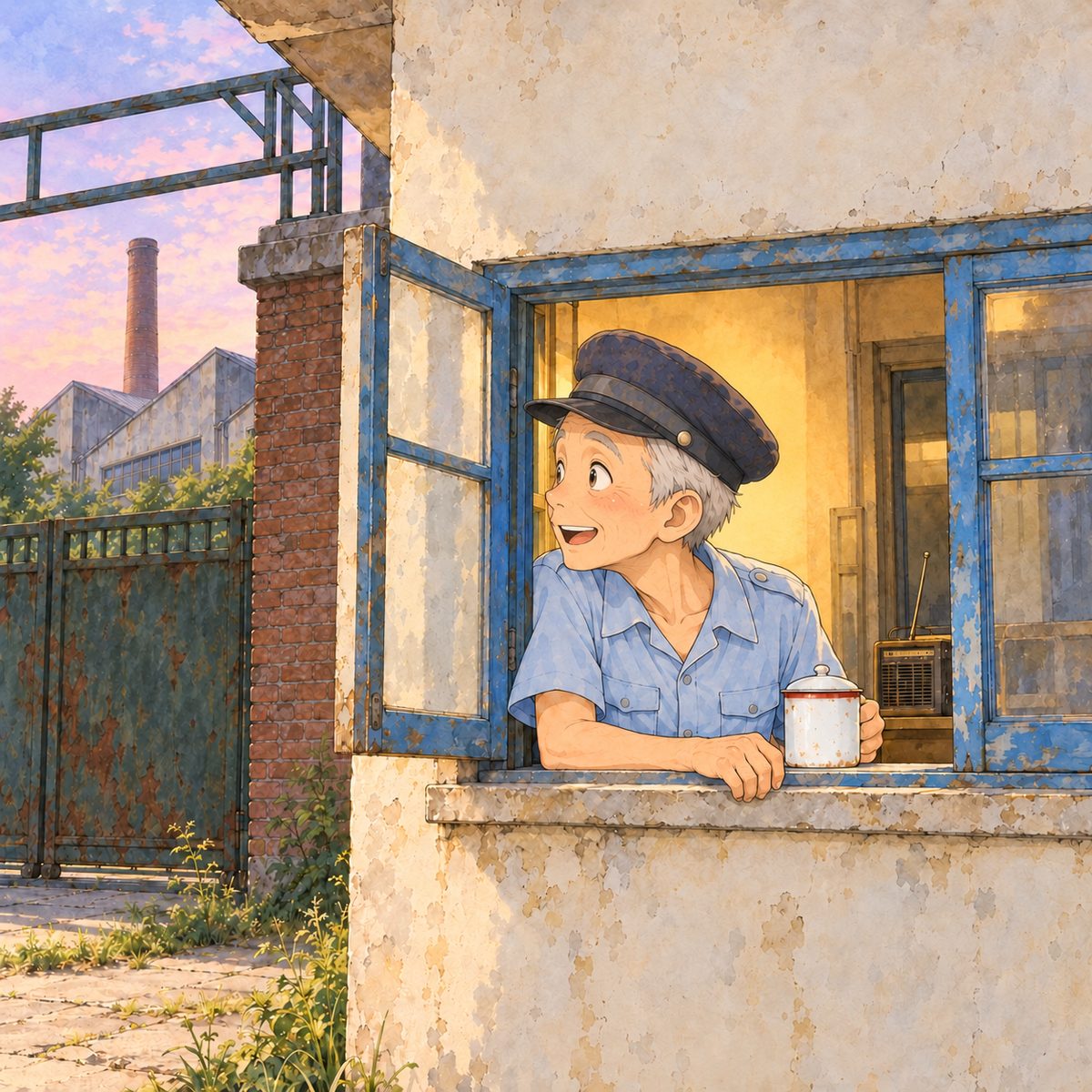
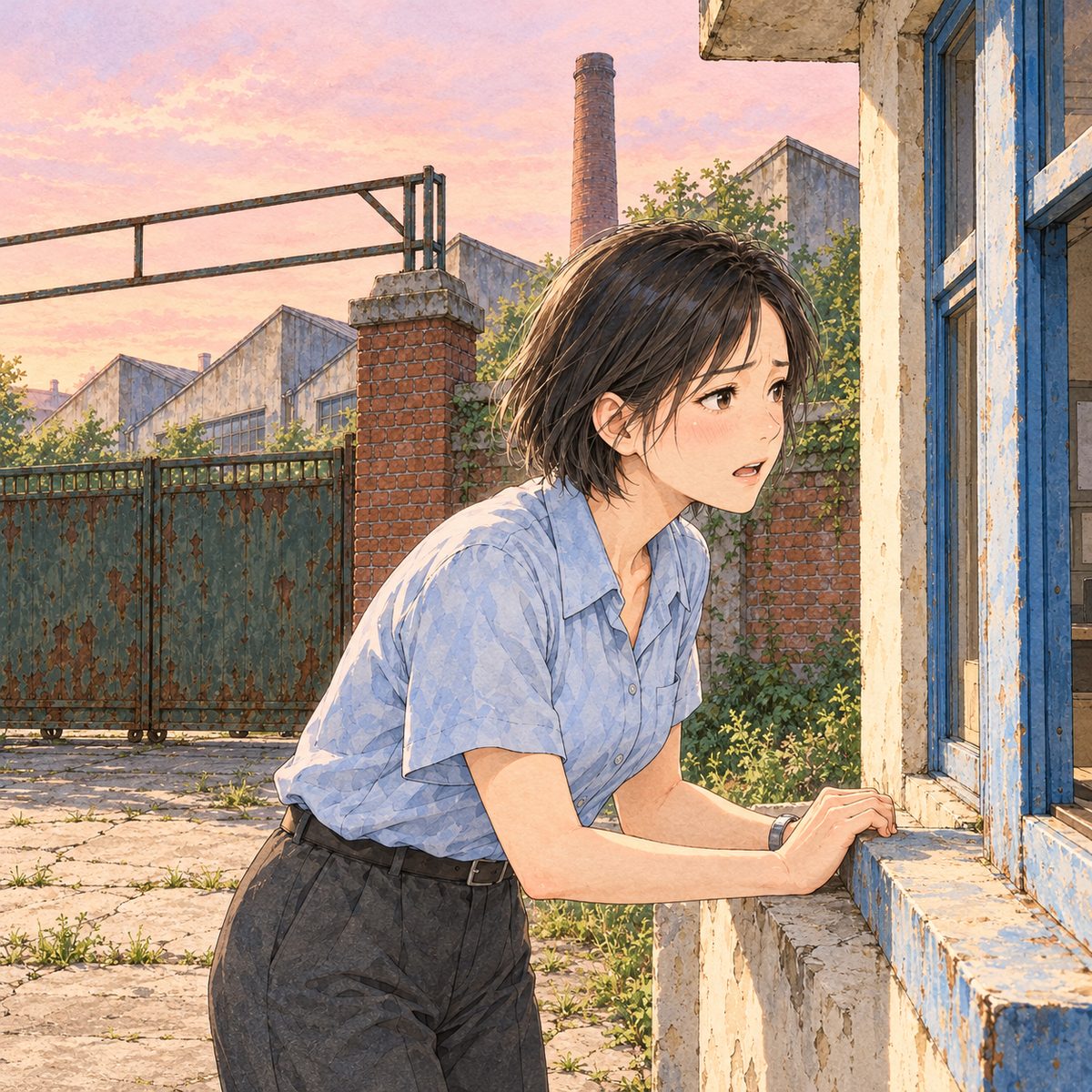
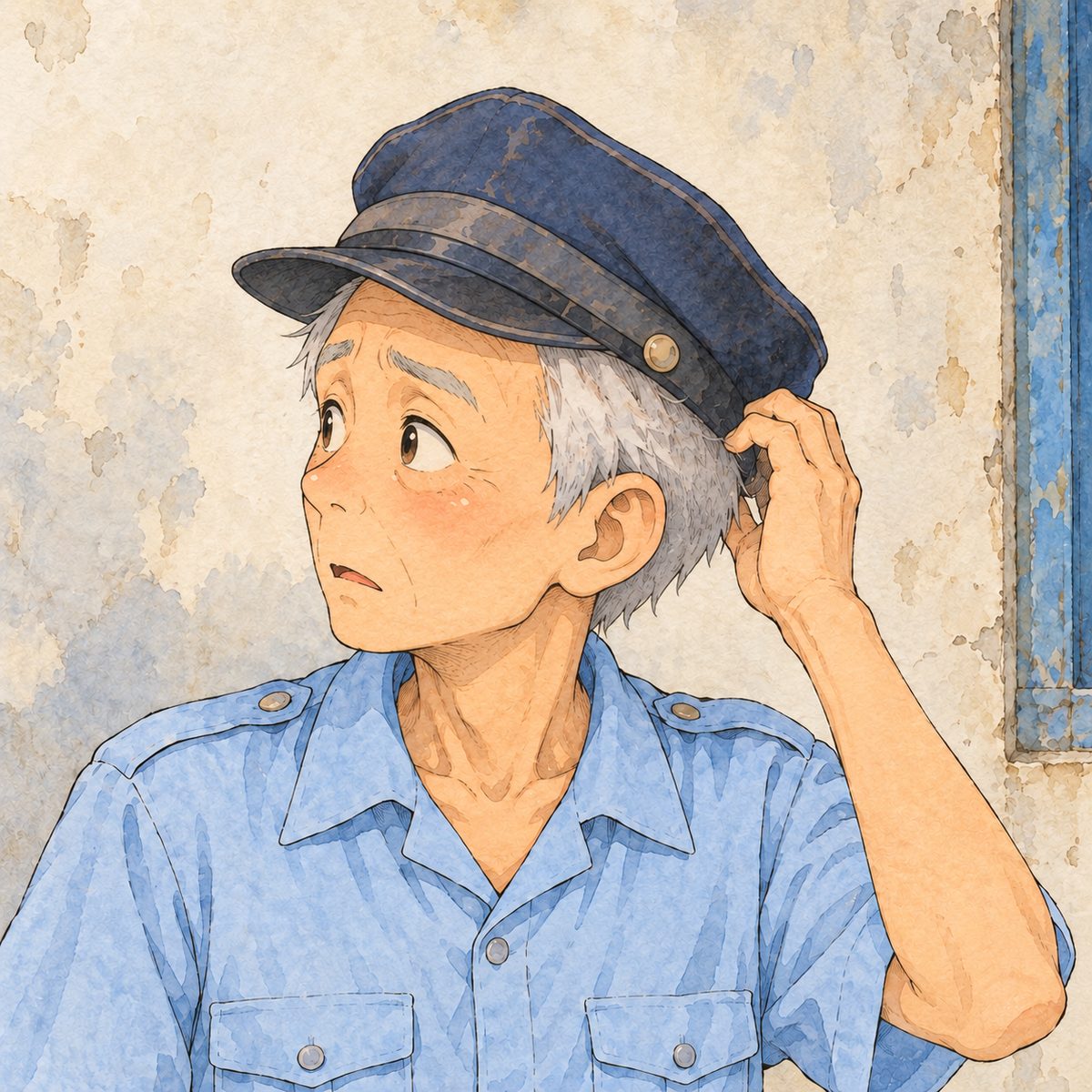
Bridge City and everyone in it, Grandpa's life (the hospital where he was born, the library, the radio factory, the shop, the school chess club), Grandma Meilan, the night guard and his three hundred rules, the family map app and the gate camera. Grandpa's memory is drawn from no one in particular, and the story makes no medical claim. People whose memory slips do sometimes get lost, and sometimes live for a while in an earlier year.
The best book-length histories are Nilsson (2010), which is free to read, McCorduck (2004) and Crevier (1993).
Yingying Fu created this manga. She chose the story and its people, directed every page, and edited every word and picture. The words were drafted with Claude, an AI by Anthropic. The pictures are made with AI image generation, painted panel by panel from her direction and checked and corrected by hand.
这一章有些道理交给了人物和画面,好让害怕的地方就害怕,安静的地方就安静。这里再用文字讲一遍。
第6页,浩然小声讲起1956年的夏天。1955年8月31日,四位美国科学家,麦卡锡、明斯基、罗切斯特和香农,写了一份计划,打算第二年夏天在达特茅斯学院一起做研究。"人工智能"这几个字,是头一回有人写下来。他们的想法很大胆,认为学习的方方面面都能讲得清清楚楚,清楚到机器可以照着做。第二年夏天他们聚到了一起,那正是外公出生的夏天。那个夏天没出什么大突破,可在那儿碰头的人,后来领着这一行走了几十年。
第12页,小雨想明白了,外公修收音机不是靠规矩学会的,是修了几千台修会的。差不多那些年,有些机器也开始这样学。1986年,三位科学家找到了一个好办法,让"神经网络"不靠规则、靠例子学东西。神经网络是由很多相连的小部件组成的程序。到1989年,它已经能认出美国信封上手写的邮政编码;到九十年代末,美国很多支票都是这类网络读的。人工智能慢慢不再问"专家用什么规则",改问"例子里藏着什么规律"。
第14页,浩然说半个公园的人都是外公教会下棋的。1950年,人工智能还没有名字,英国数学家图灵就问:"机器能思考吗?"他猜,与其把一个大人的头脑直接写进机器,不如造一个像孩子那样的头脑,再慢慢教它。机器跟孩子学东西很不一样。可是"教它,不只是告诉它",正是后来人工智能走的路。
第19页,走在回家的路上,外公七十岁,人工智能也差不多七十岁,两个都熬过了冬天。整个故事,一句话就能说完。一开始,人们想靠手写规则造出聪明的机器。规则管不了所有的事,所以今天大多数人工智能,是从很多很多例子里学出来的。规则和搜索在很多事上依然好用,很多现代系统两样都用。
1950年,艾伦·图灵在一篇论文的开头问了这个问题,接着又说它太含糊,先放一放。换成了一个游戏。一位裁判打字传话,同时跟一个藏起来的人和一台藏起来的机器聊,猜哪边是人,哪边是机器。
在同一篇论文的最后,图灵想过,与其直接造一个大人的头脑,会不会不如造一个像孩子那样的头脑,再慢慢教它。后来的机器学习,跟孩子学东西很不一样。可是"教它,而不是什么都告诉它",正是人工智能后来走的路。
早期的人工智能,把很多问题都看成"搜索"。每一步走法是地图上的一条路,解题就是找一条通到目标的路。地图大得没法每条路都走一遍,程序就靠经验法则,先走最有希望的路。妈妈列出外公以前常去的地方,正是这样一条经验法则。
五六十年代,有研究者预言,一二十年内机器就能赶上人。结果没做到。1973年,数学家莱特希尔给英国科学研究委员会写了一份报告。他说,在小谜题上管用的办法,一碰上大问题就垮了,因为岔路翻得太快。英国的人工智能研究随后被大幅削减,这就是人们说的第一个冬天。
这样讲是简化了的。研究其实一直没停,报告一出来,约翰·麦卡锡就写文章反驳了。
八十年代,人工智能靠"专家系统"又热了起来。人们把专家的本事写成几百上千条"如果这样,就那样"的规则。斯坦福做的 MYCIN 给血液感染推荐抗生素,测试时跟专科医生差不多,不过从没在医院里常规用过。另一个系统叫 R1,后来改名 XCON,被公司用来给电脑订单一件件配零件。
真实情况只要对不太上,规则就不灵了。从专家那儿一条条问出来,又慢又贵,因为专家往往说不出自己知道的东西。哲学家波兰尼说过一句话,"我们知道的,比我们说得出的多"。外公给厂里写了三百条规矩,别人照着做就是不灵,说的就是这个。
八十年代末,专家系统的市场垮了。钱和热情又一次退了下去,第二个冬天一直延续到九十年代初。
1997年,"深蓝"赢了卡斯帕罗夫,那年妈妈十二岁。它赢棋不是靠学,主要靠专用芯片飞快地往下算,再用一套人手调好的办法给每个局面打分。这是老派"搜索"路线的一场大胜。
2012年,一个叫 AlexNet 的深度网络参加了 ImageNet 比赛。ImageNet 是一大批由人标好名字的照片。AlexNet 用打游戏的显卡训练,每张照片让它猜五次,一百张里有15.3张五次都没猜中。第二名是26.2张。
没过几年,几乎所有看图的程序都改用这种办法学了。校门口的那个摄像头,也是其中之一。
桥城和城里的每个人,外公的经历(他出生的医院、图书馆、无线电厂、那家店、学校的国际象棋社),外婆美兰,厂门口的门卫和那三百条规矩,家人定位软件和校门口的摄像头。外公的记性不取材于任何具体的人,故事不做任何医学上的说法。记性不好的人,有时确实会走丢,有时也会在一段时间里以为自己还活在从前。
写得最好的几本人工智能史,是尼尔森(Nilsson, 2010,可以免费读到)、麦考黛克(McCorduck, 2004)和克雷维尔(Crevier, 1993)。
这本漫画由 Yingying Fu 创作。故事和人物由她决定,每一页由她导演,每一句话、每一幅画由她修改。文字是和 Anthropic 的人工智能 Claude 一起起草的。画面由人工智能生成,按她的要求一格一格地画,再逐张检查、修正。
© 2026 Yingying Fu. All rights reserved.© 2026 傅颖盈。保留所有权利。