Chapter 3. Rules and Habits第三章 规则和习惯
A manga for grown-ups. Read it in English or Chinese.给大人看的漫画。可以用中文或英文读。
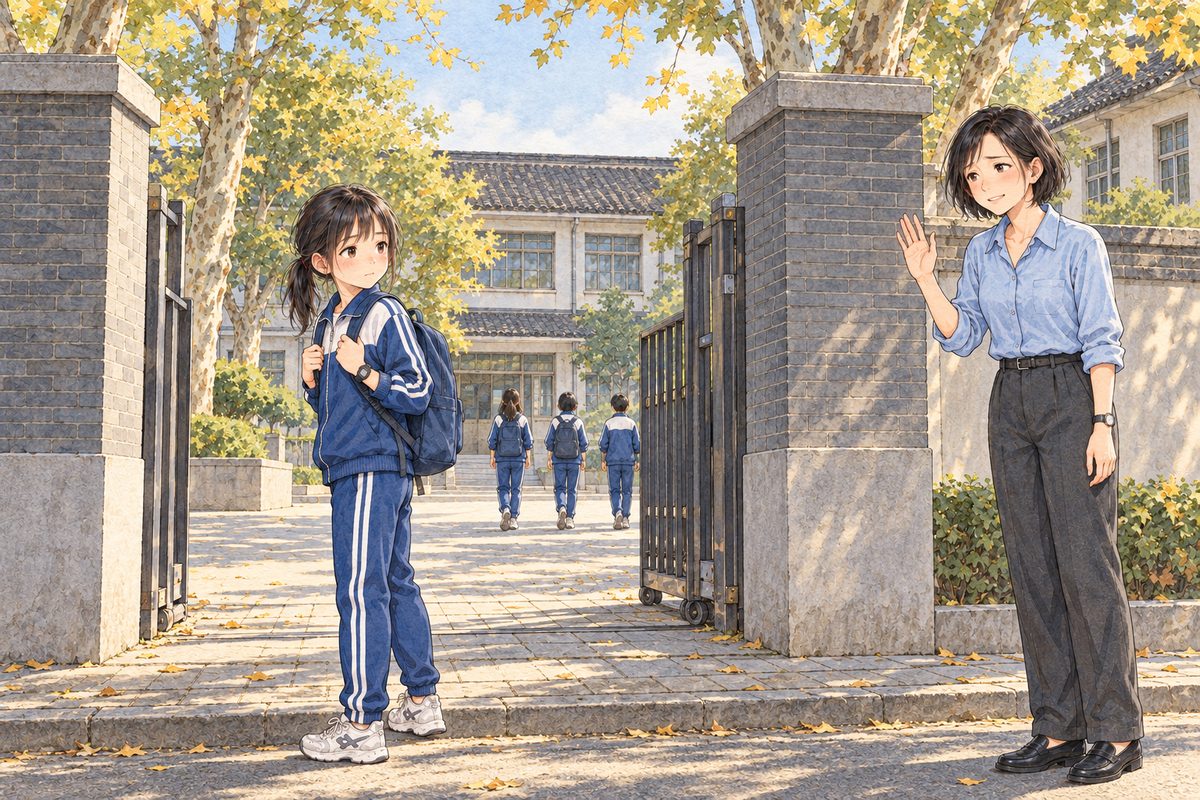
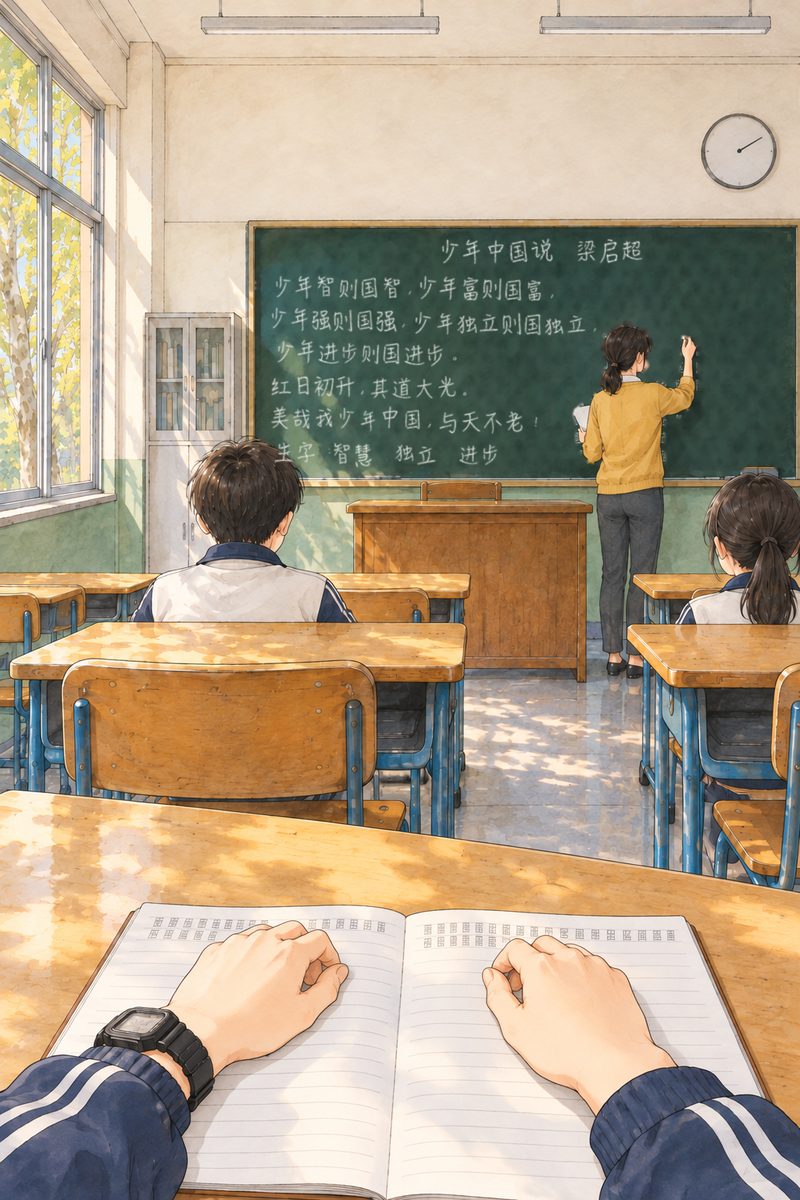
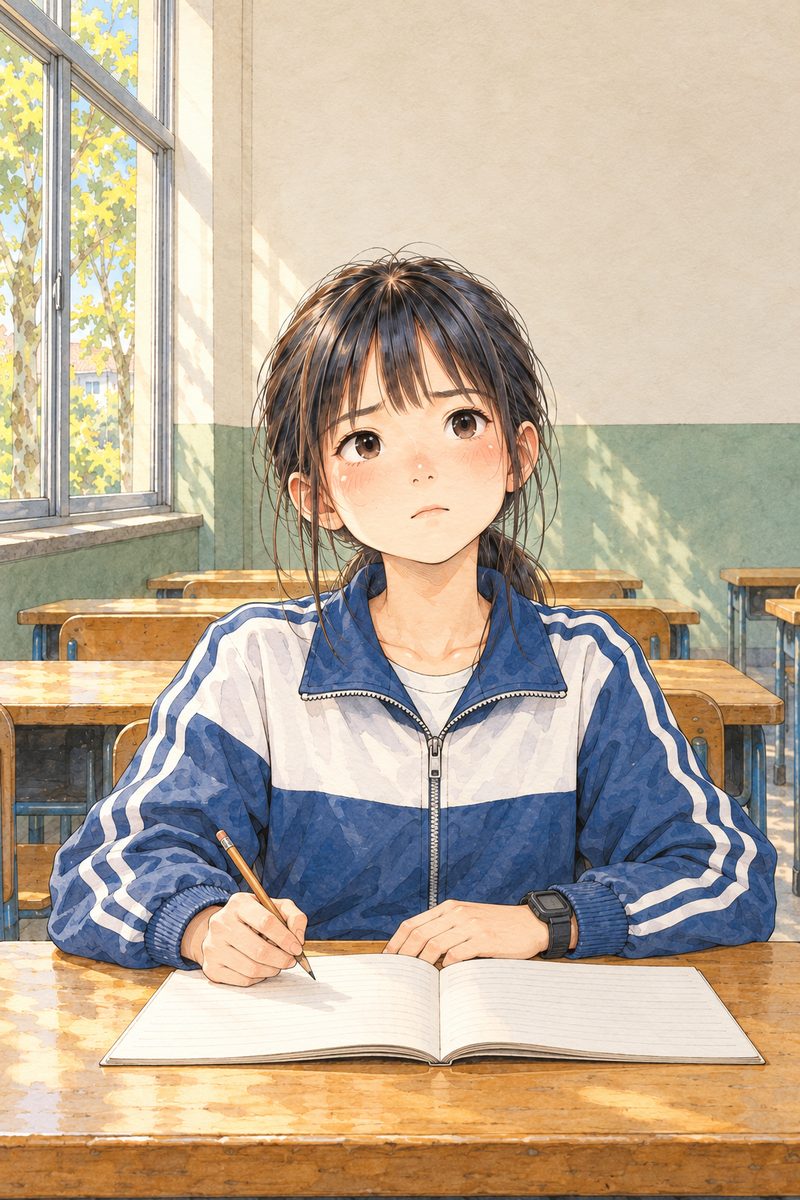
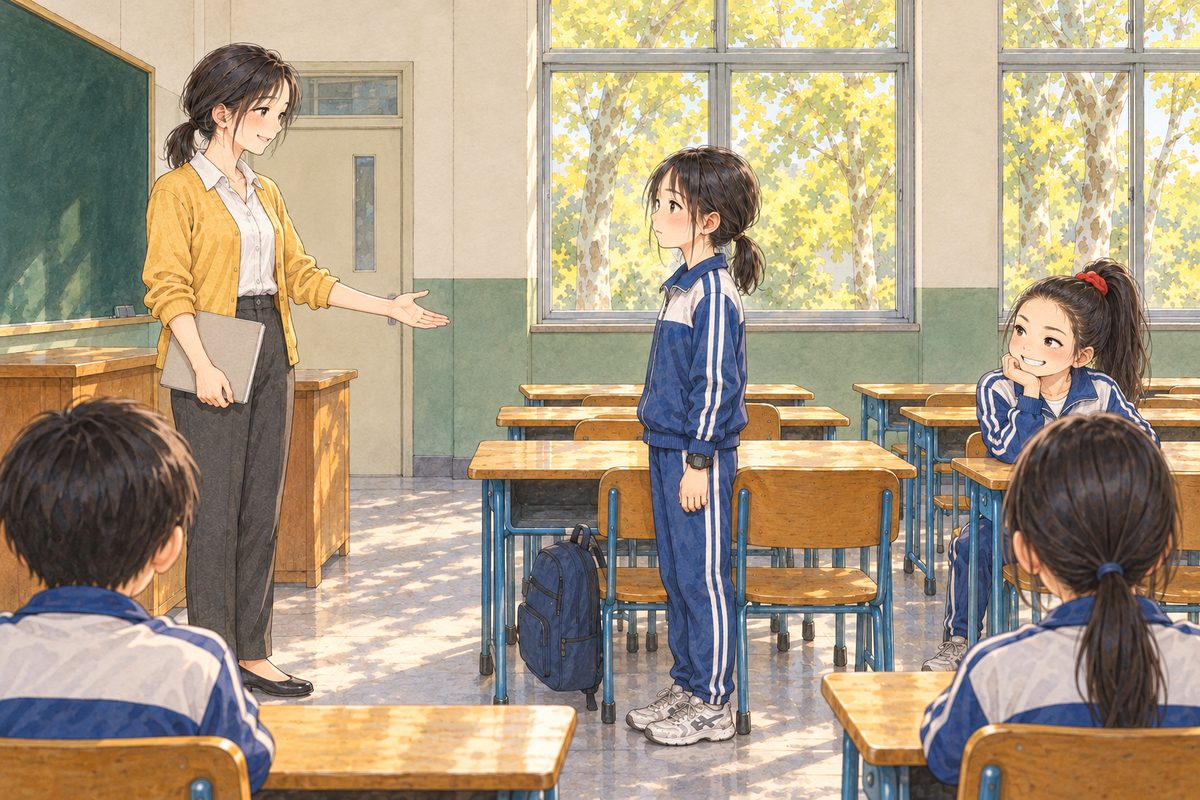
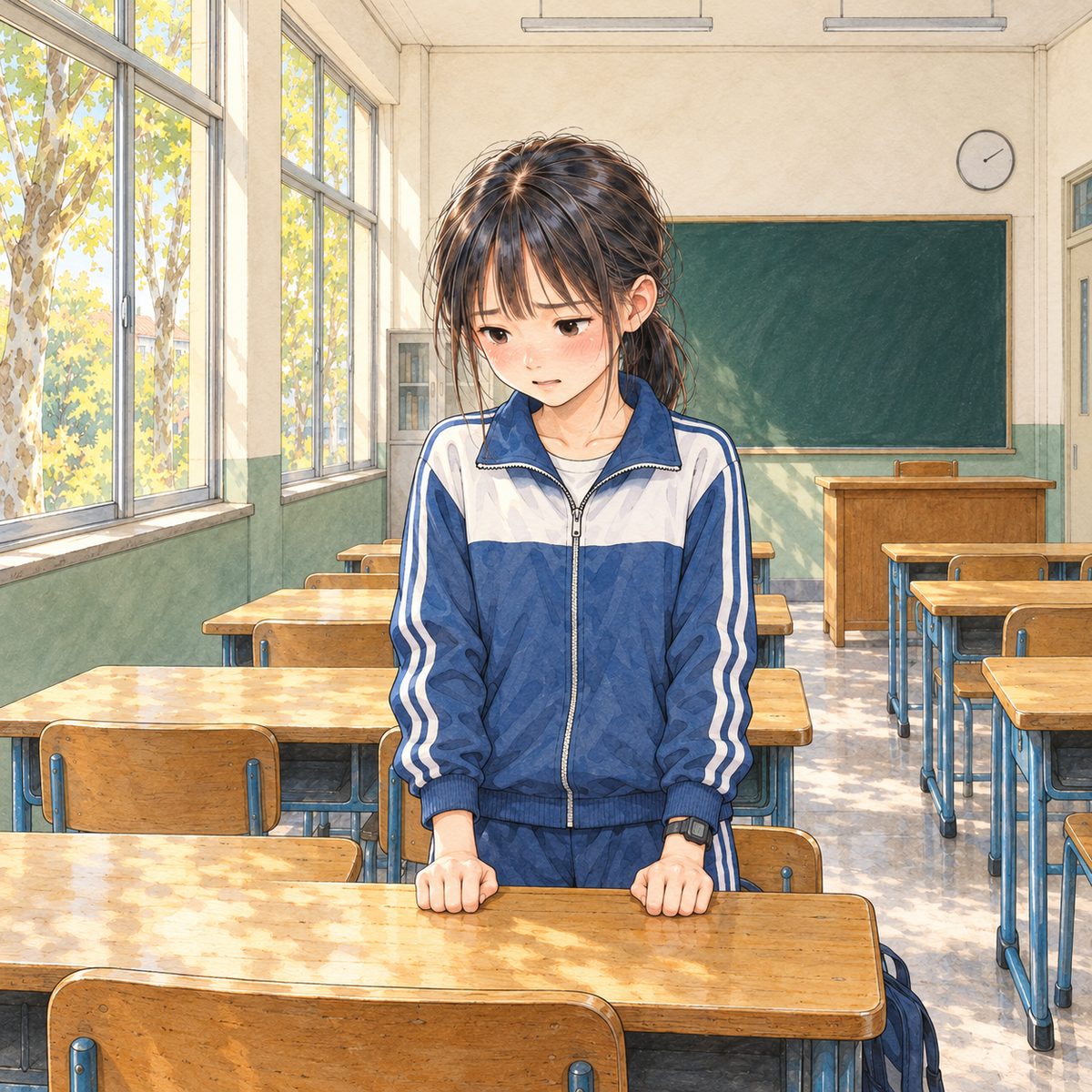
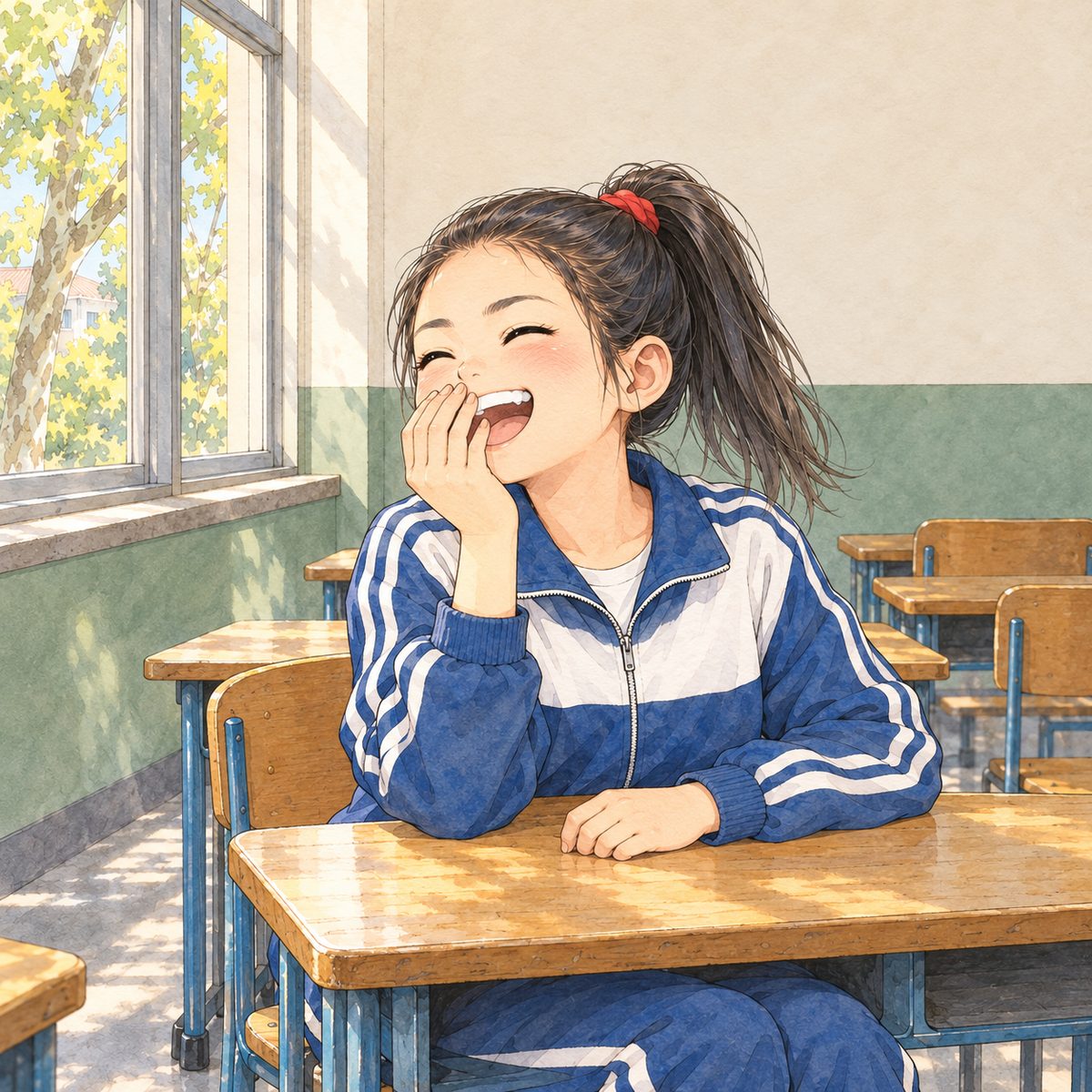
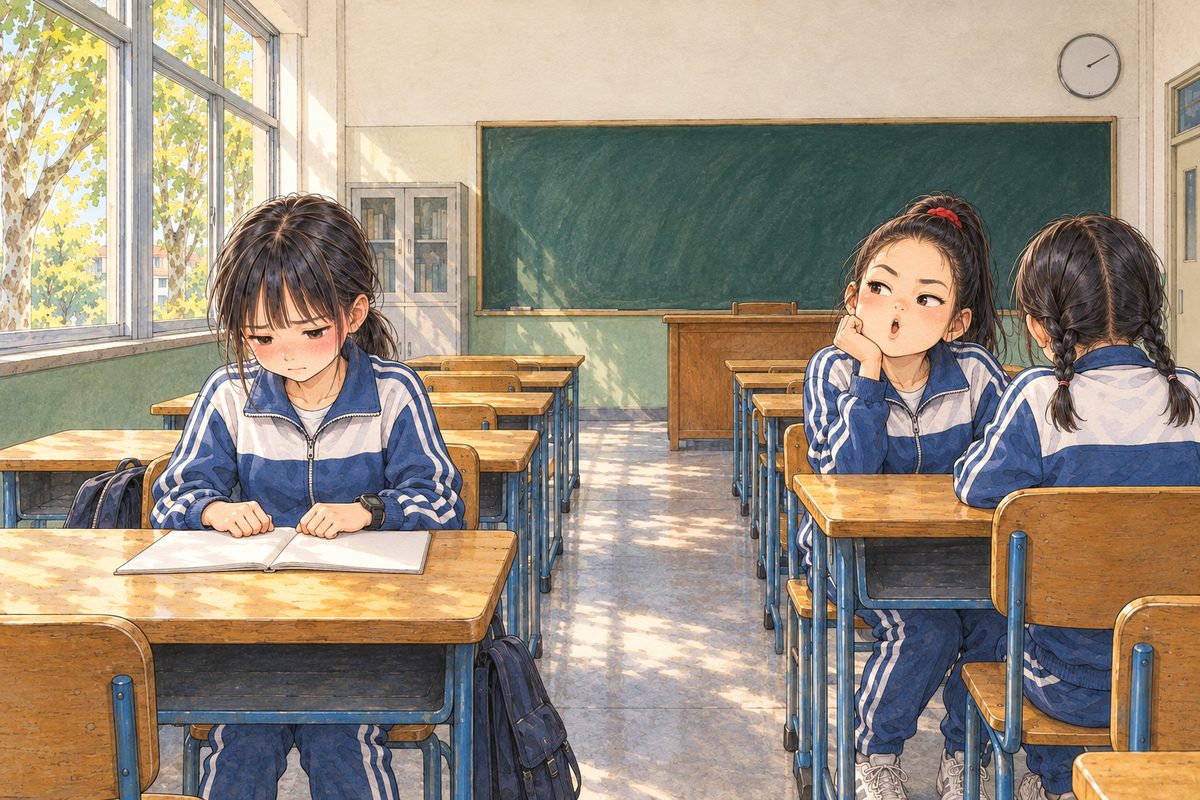
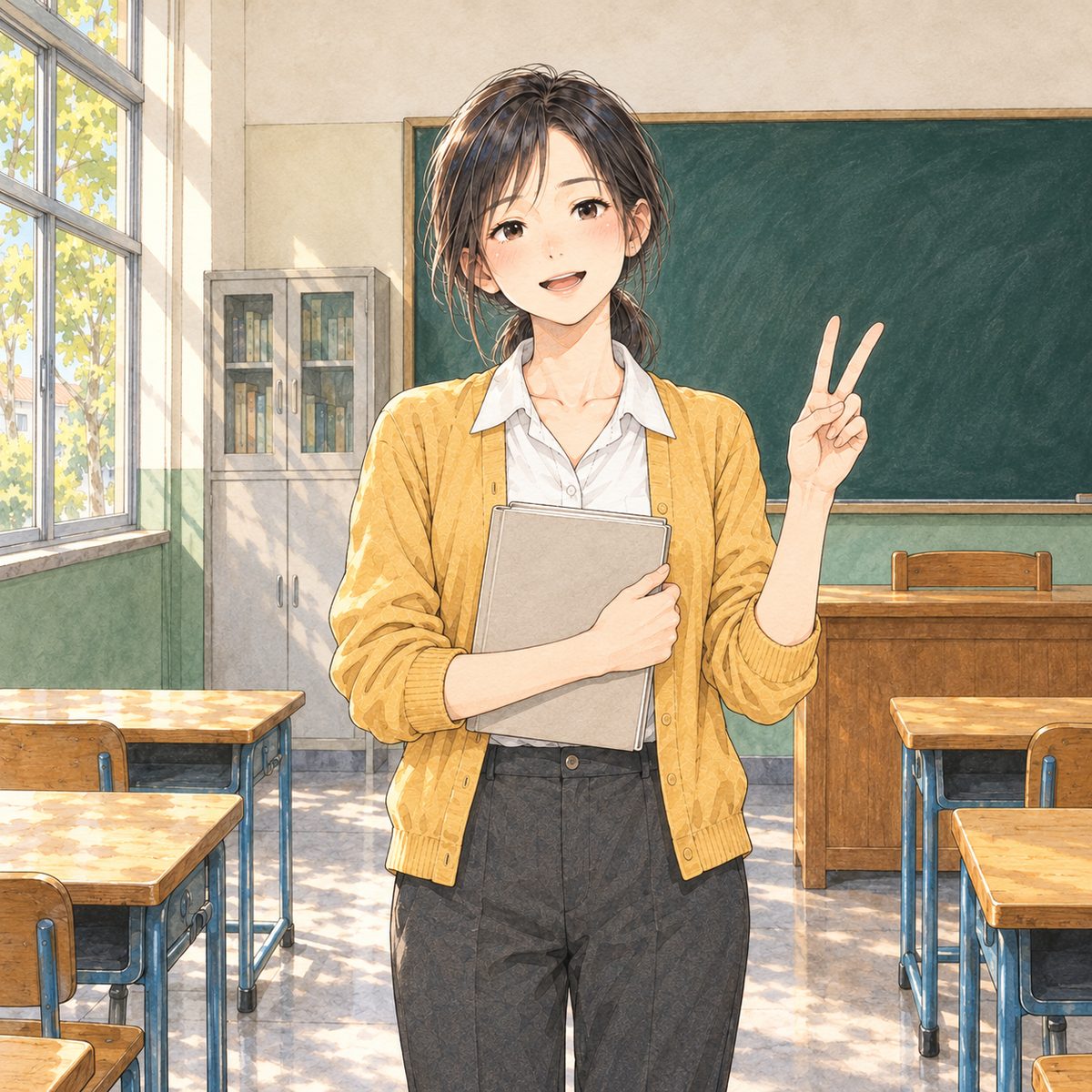
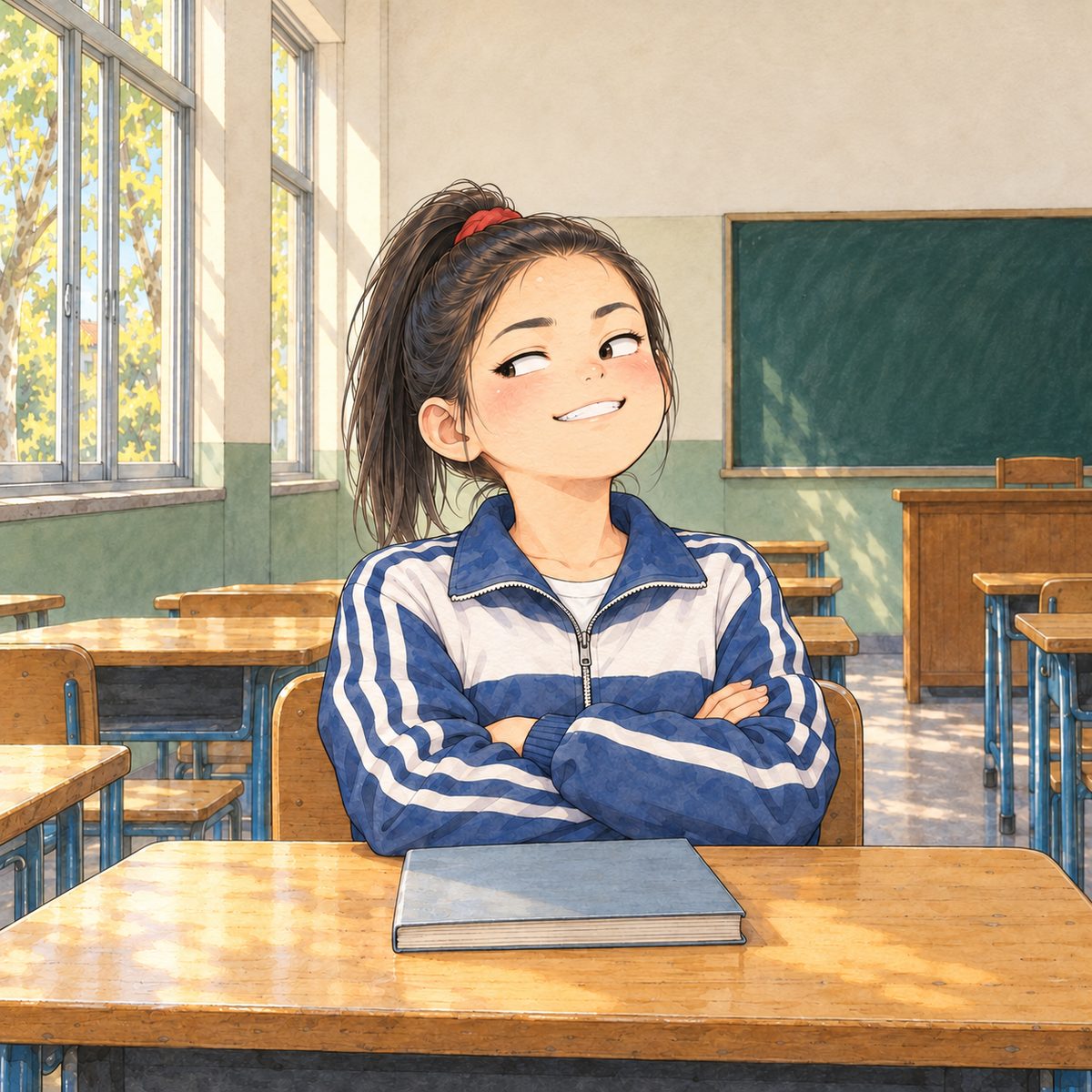
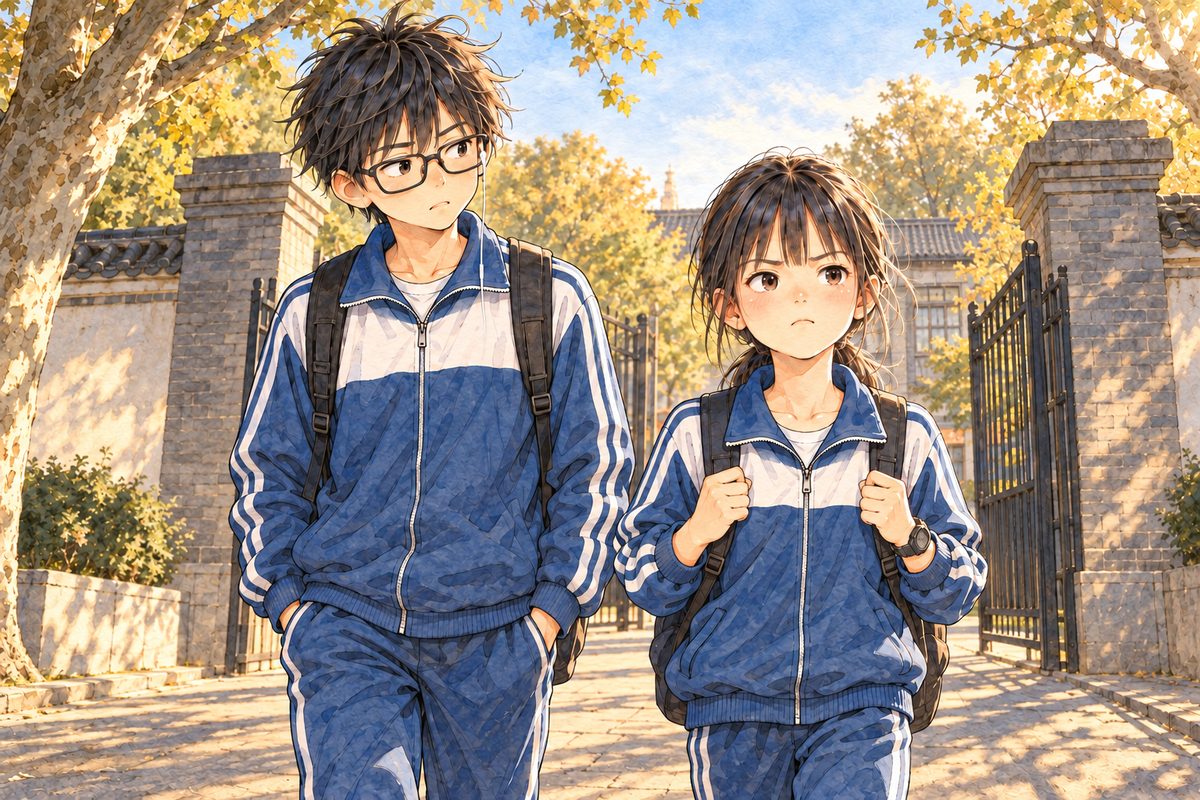
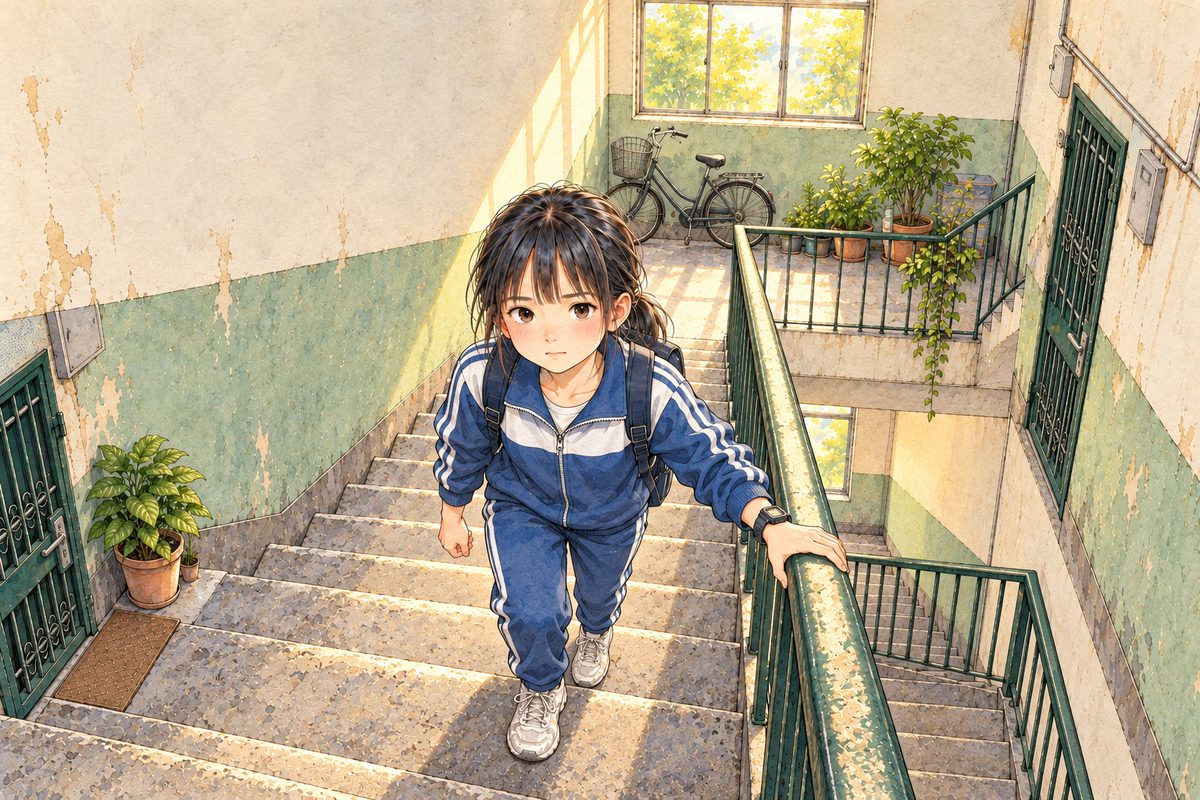
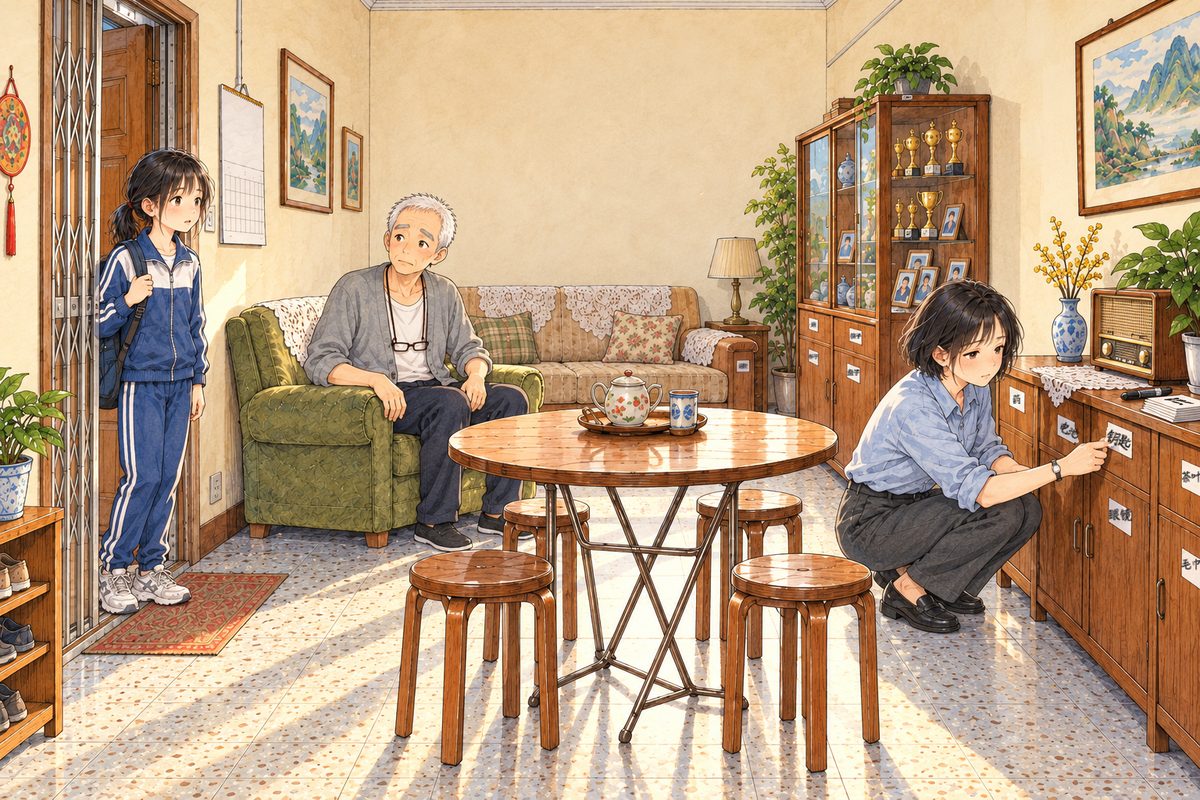
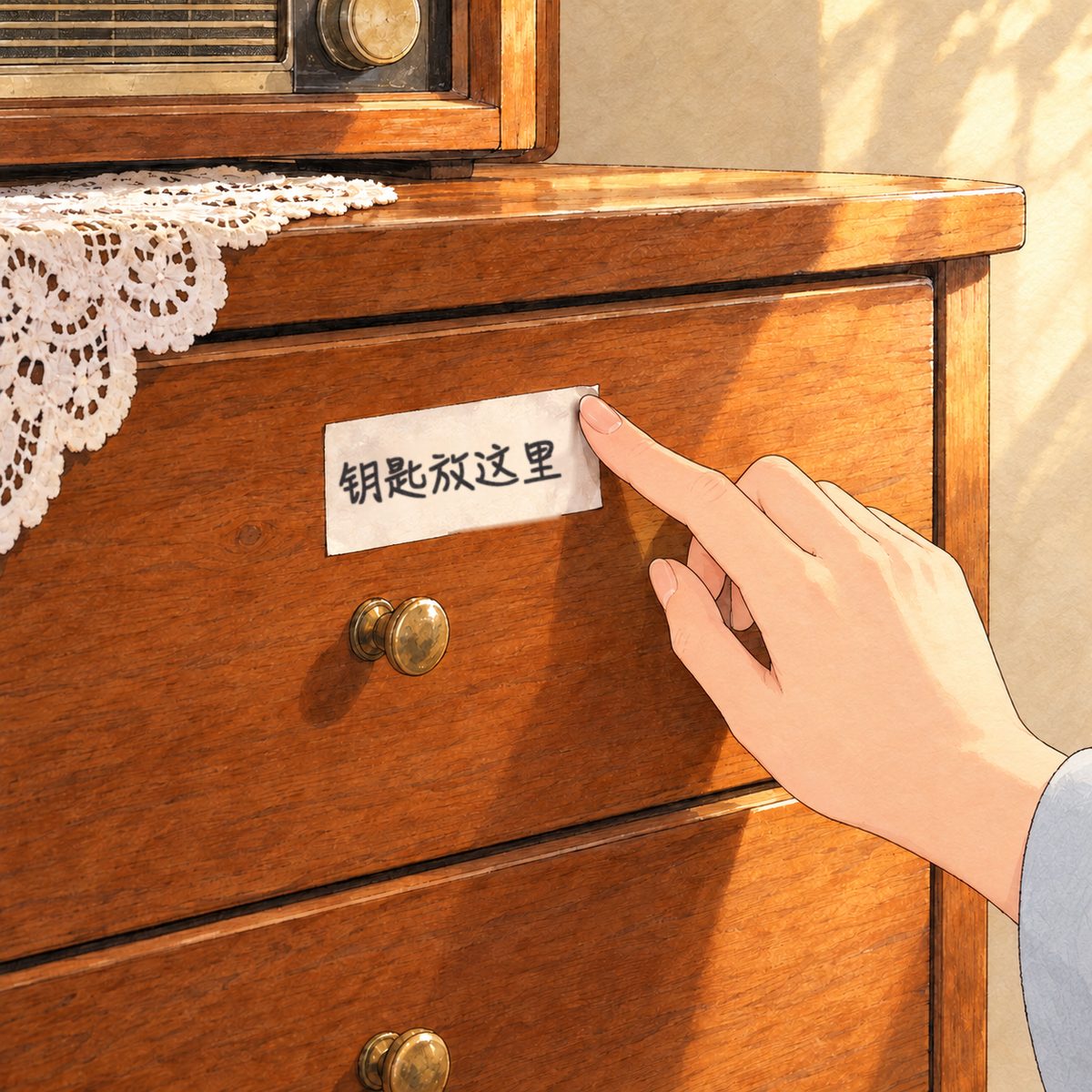
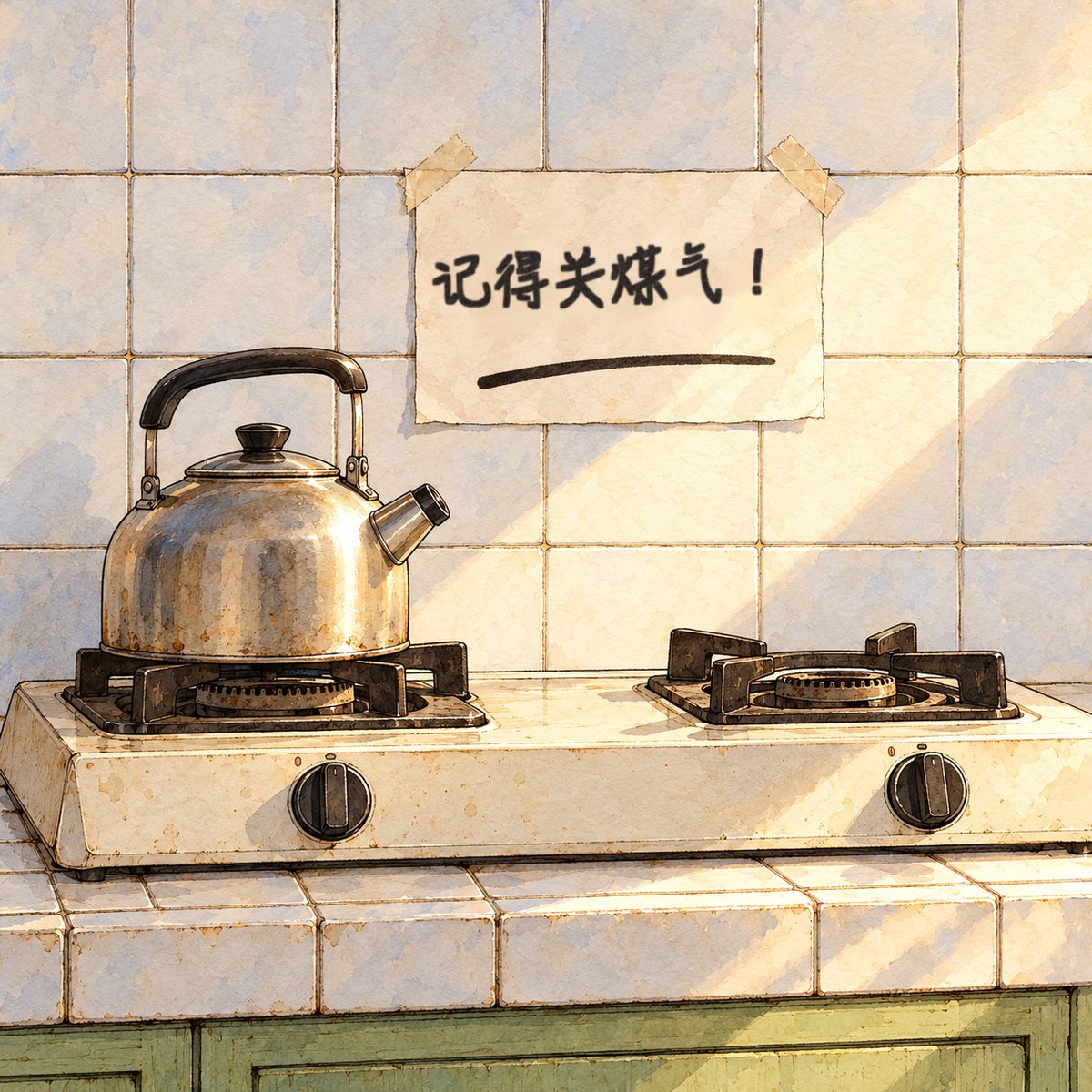
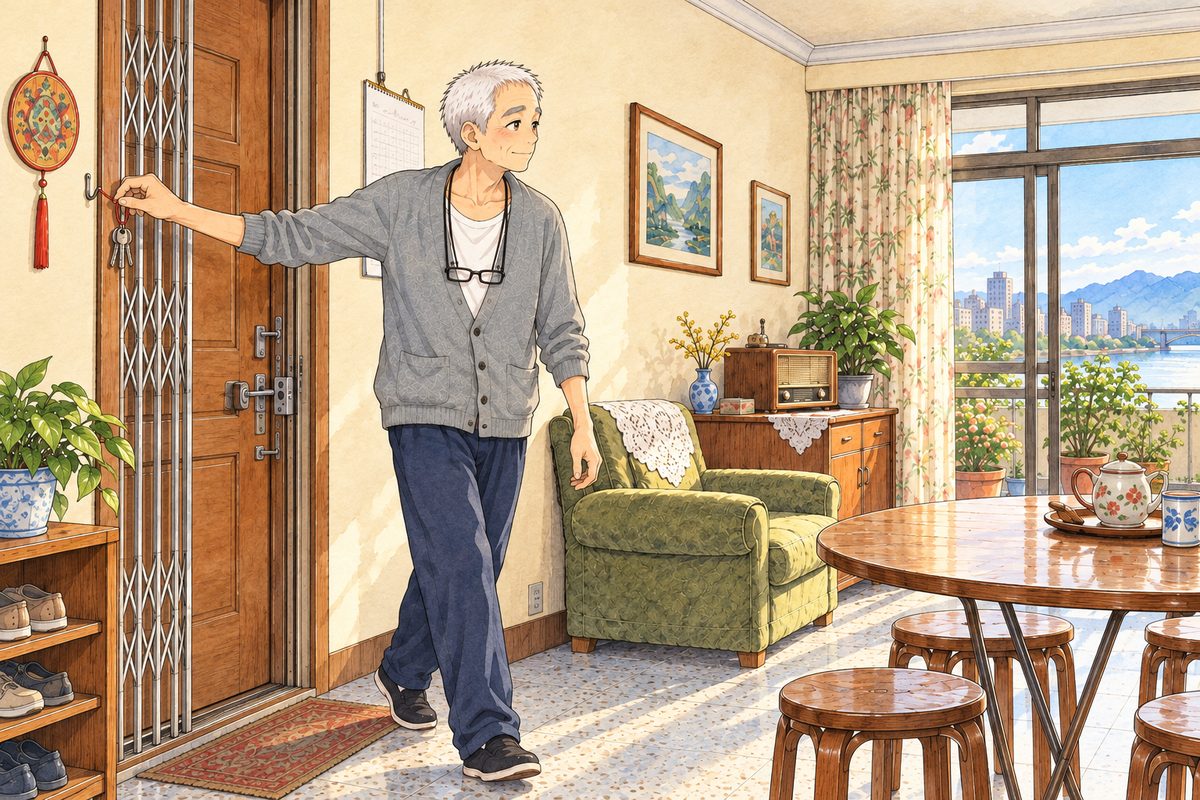
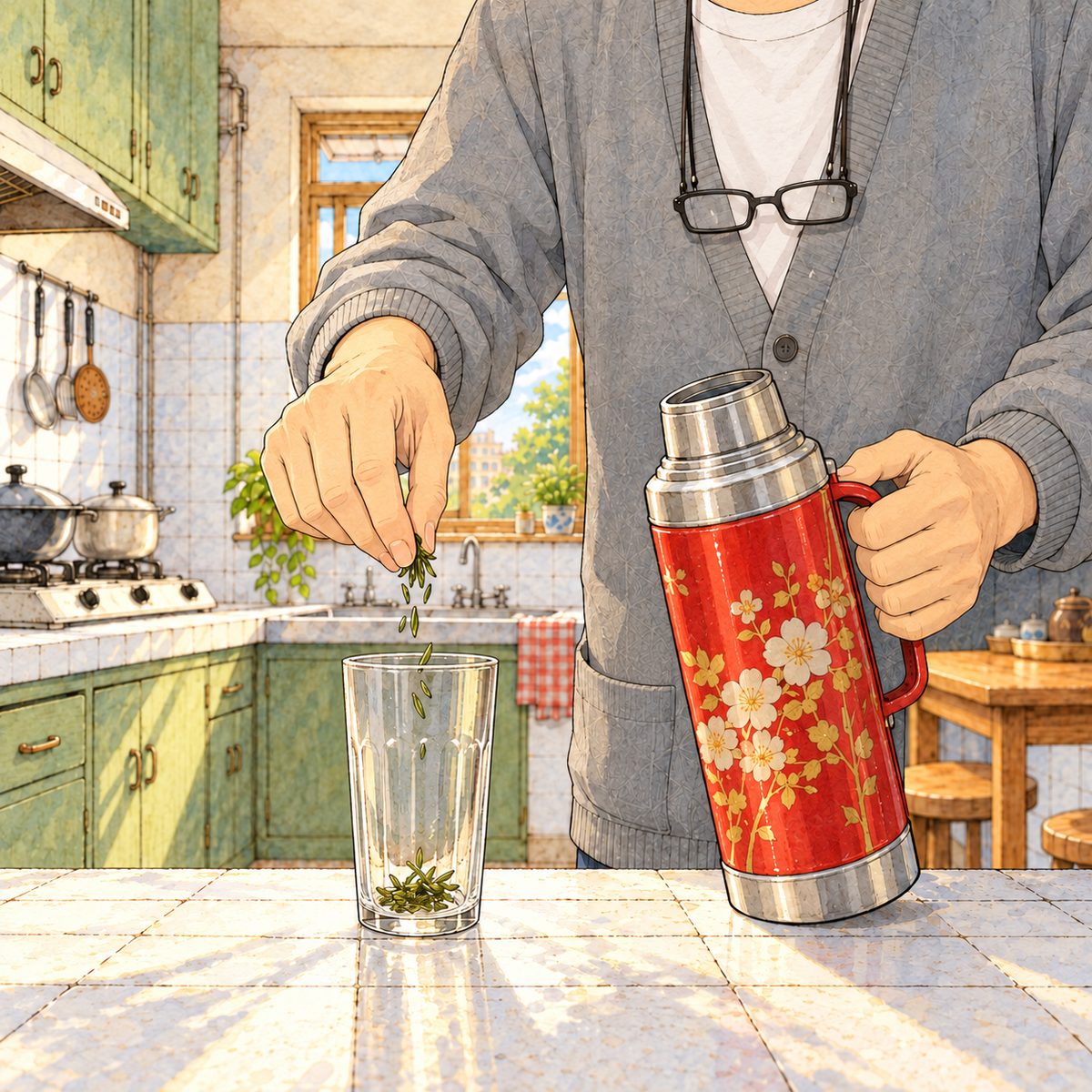
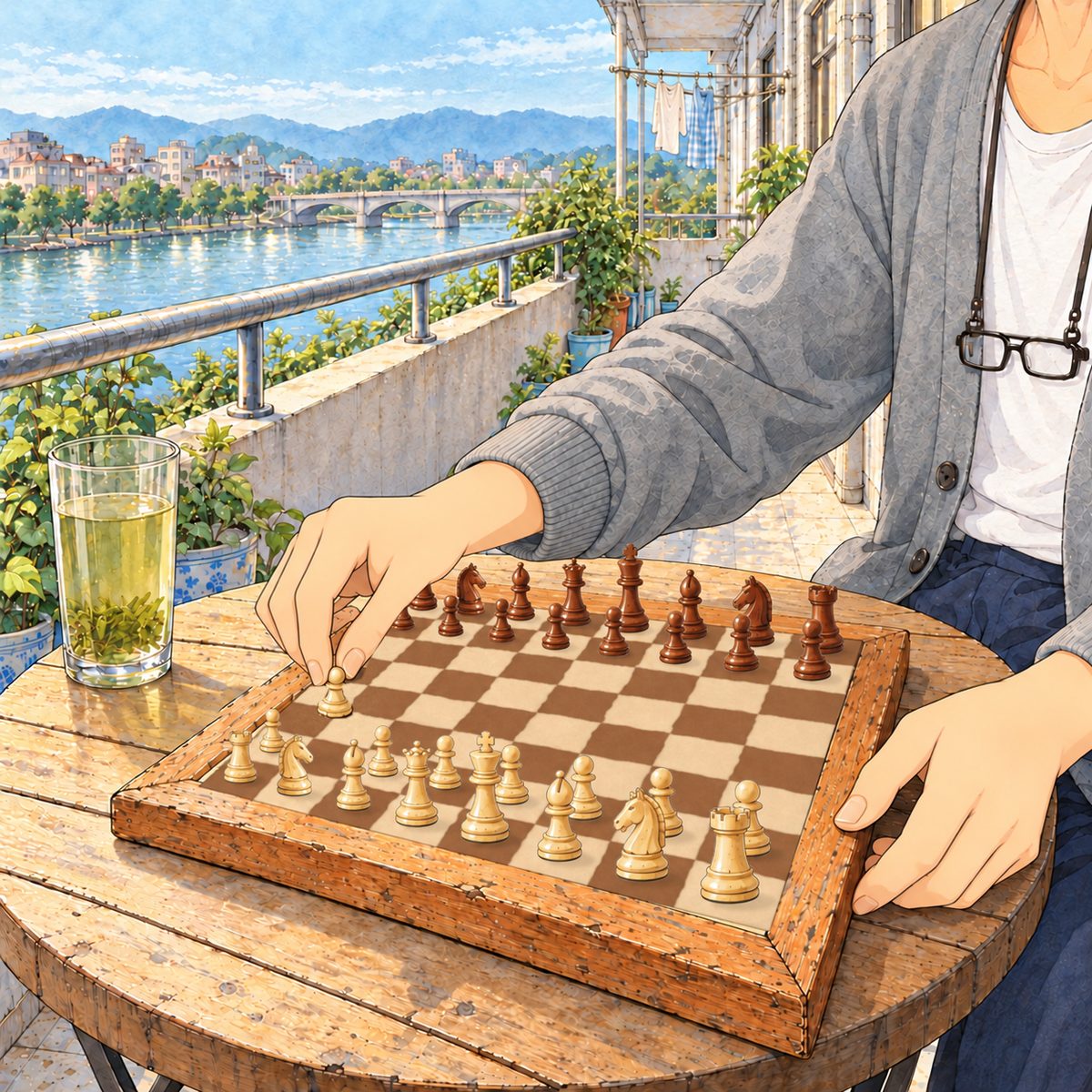


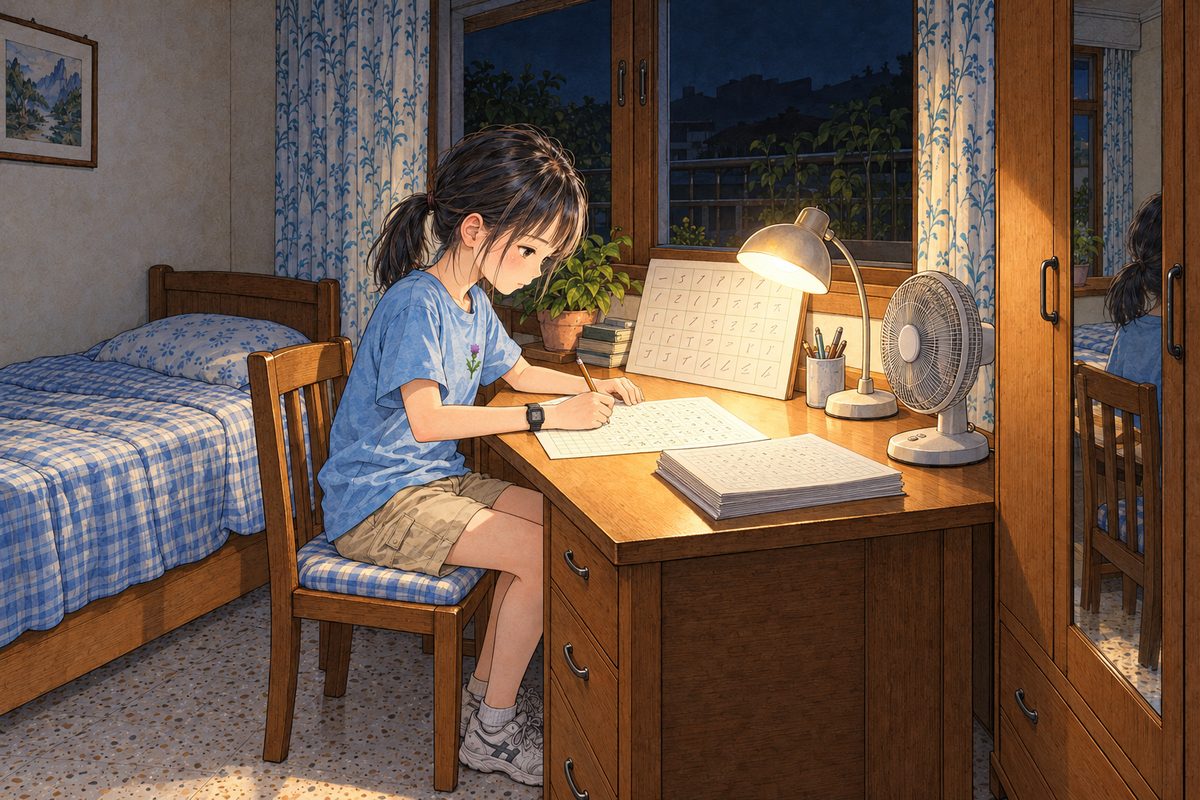
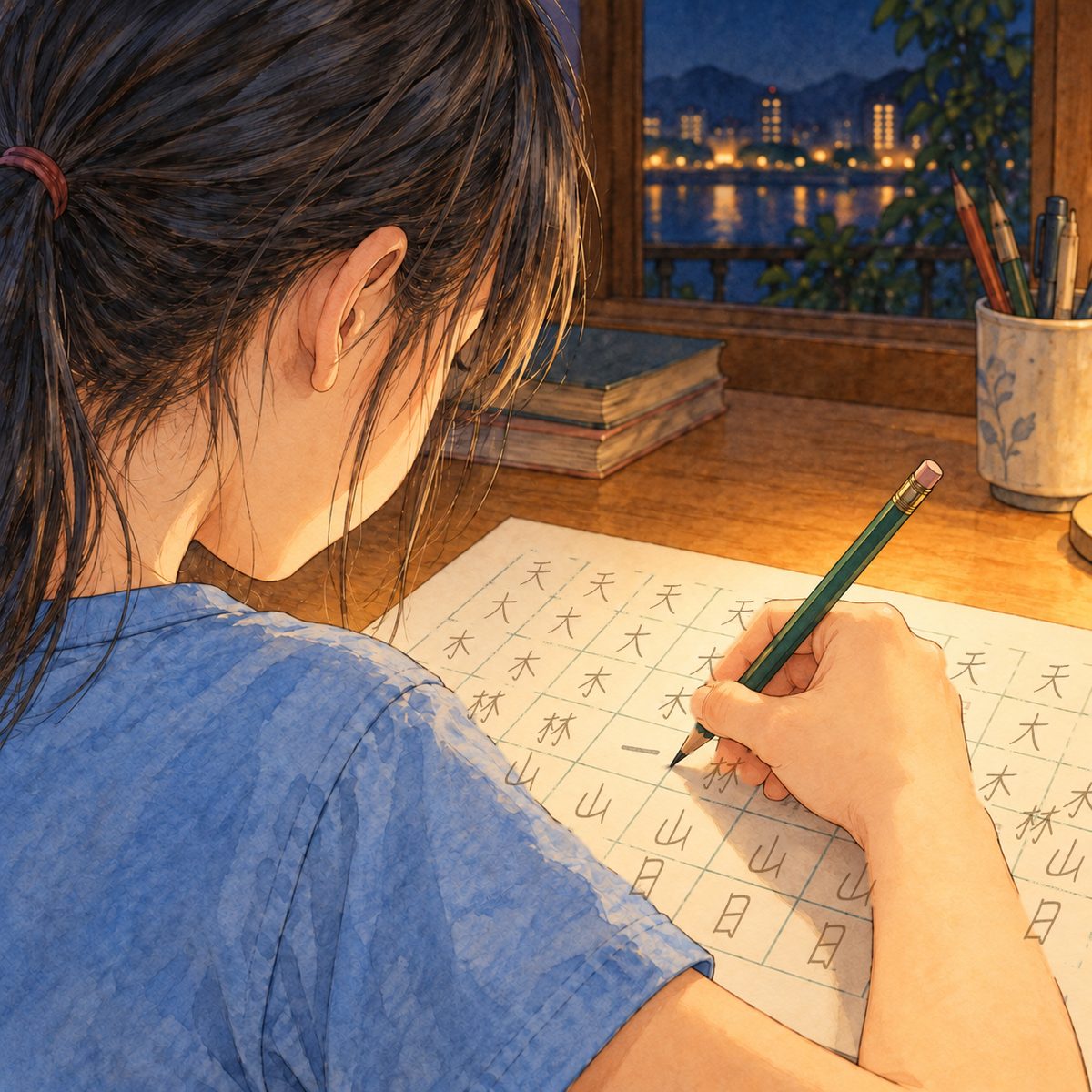

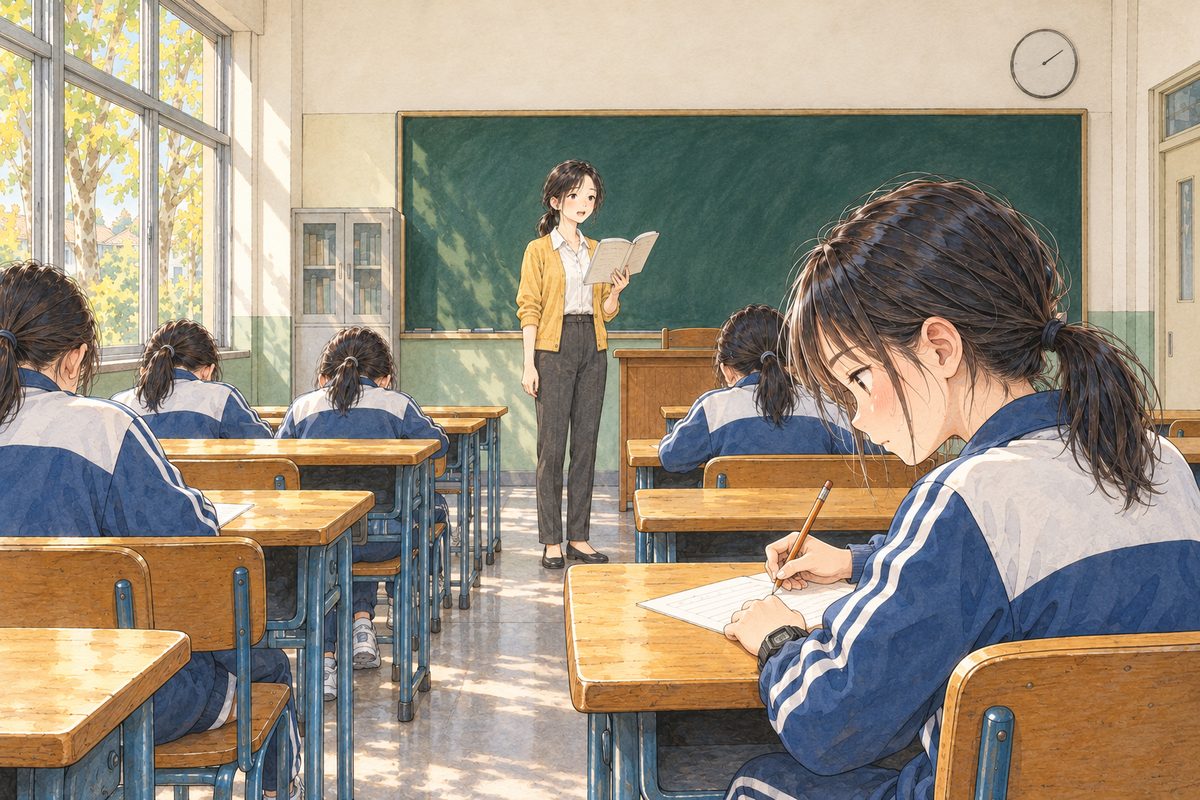
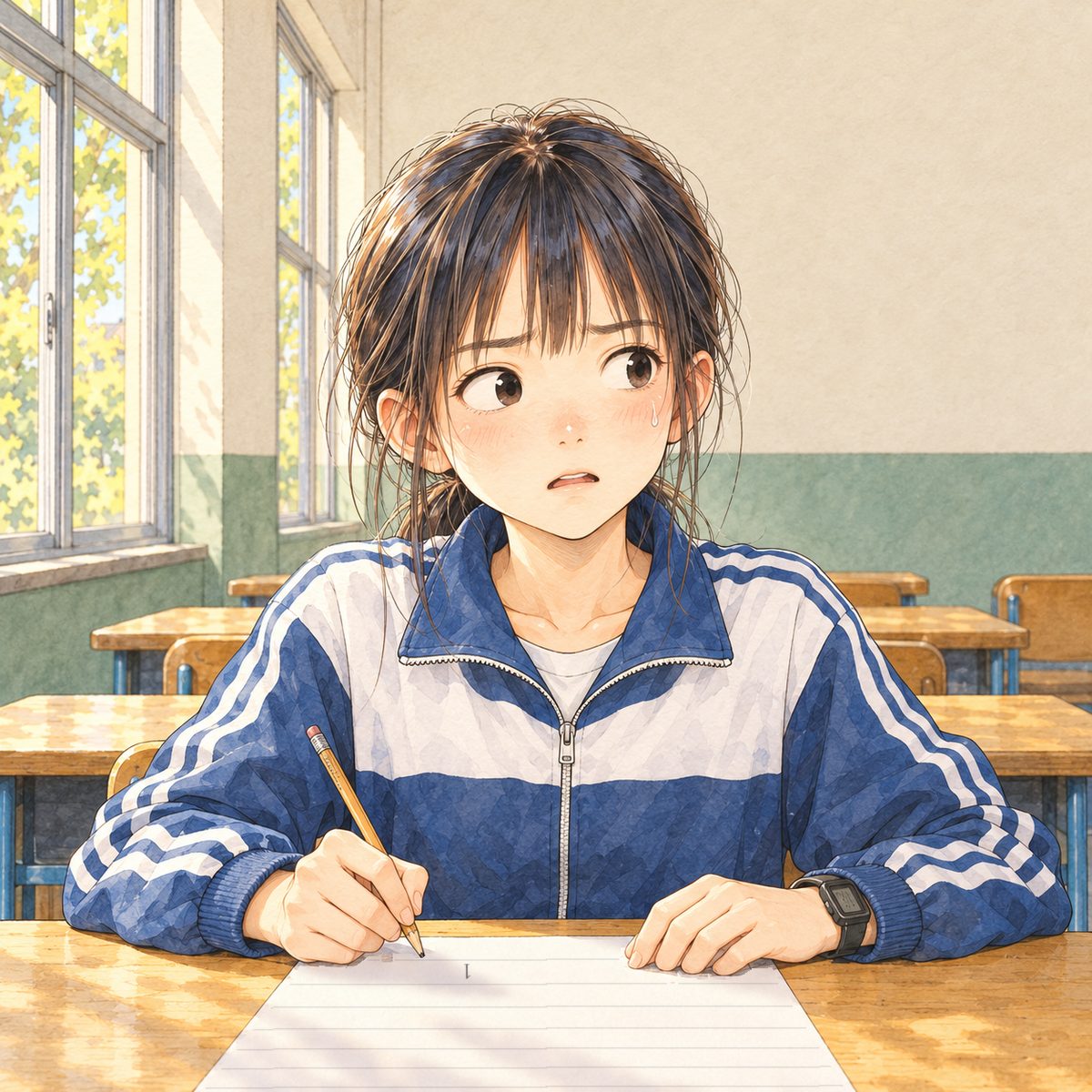
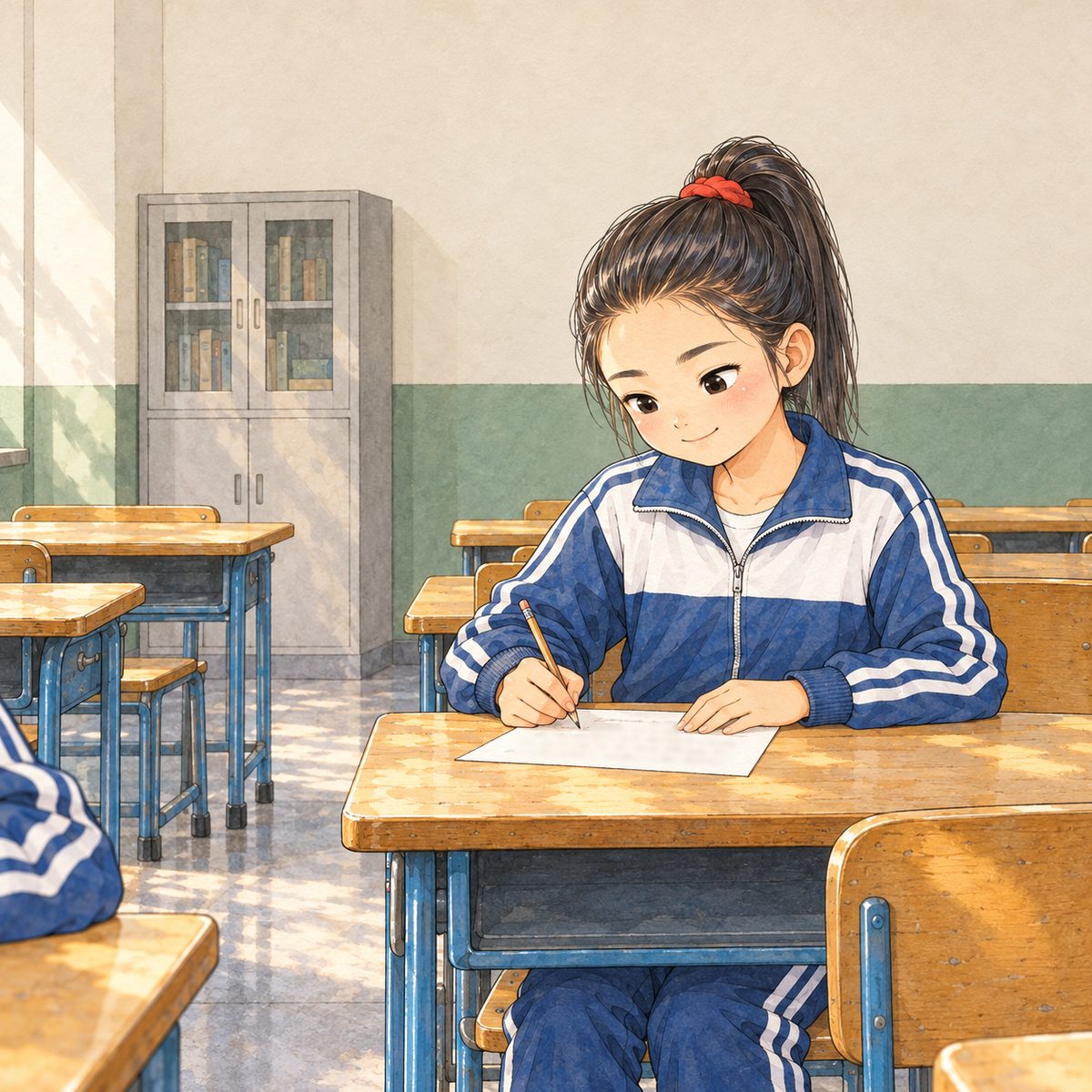
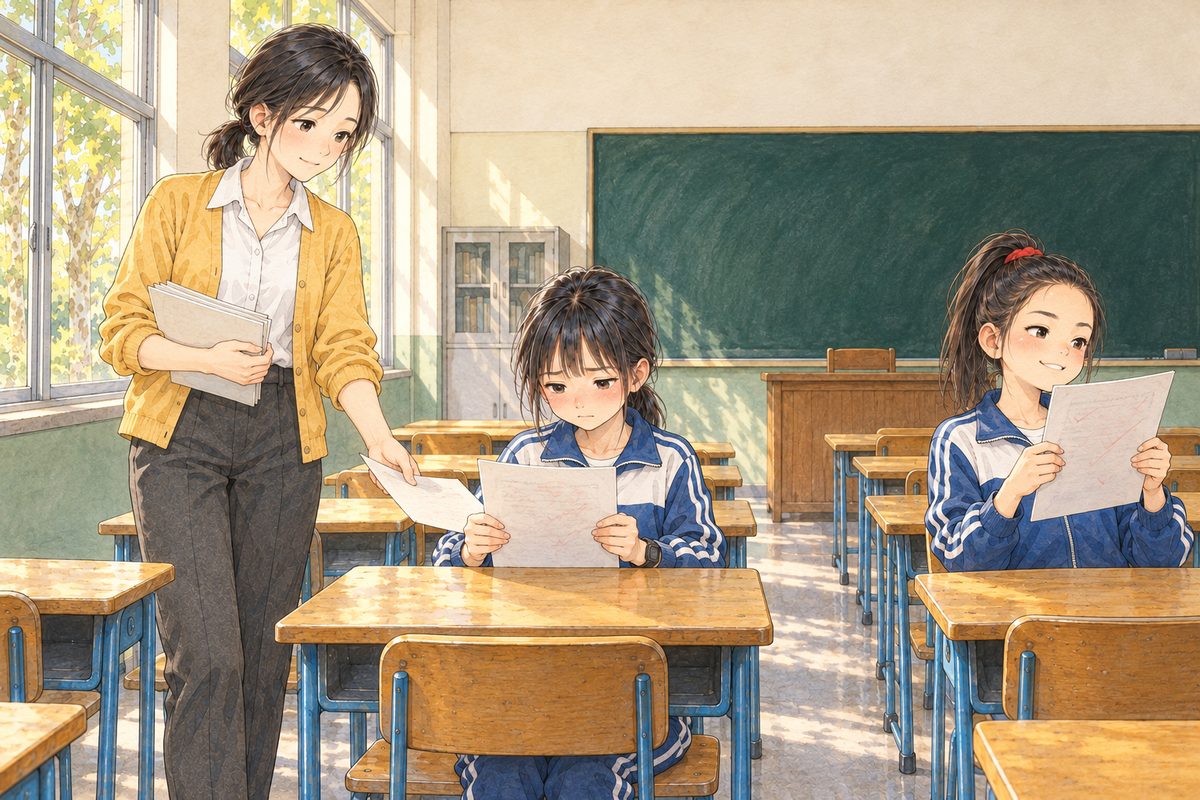
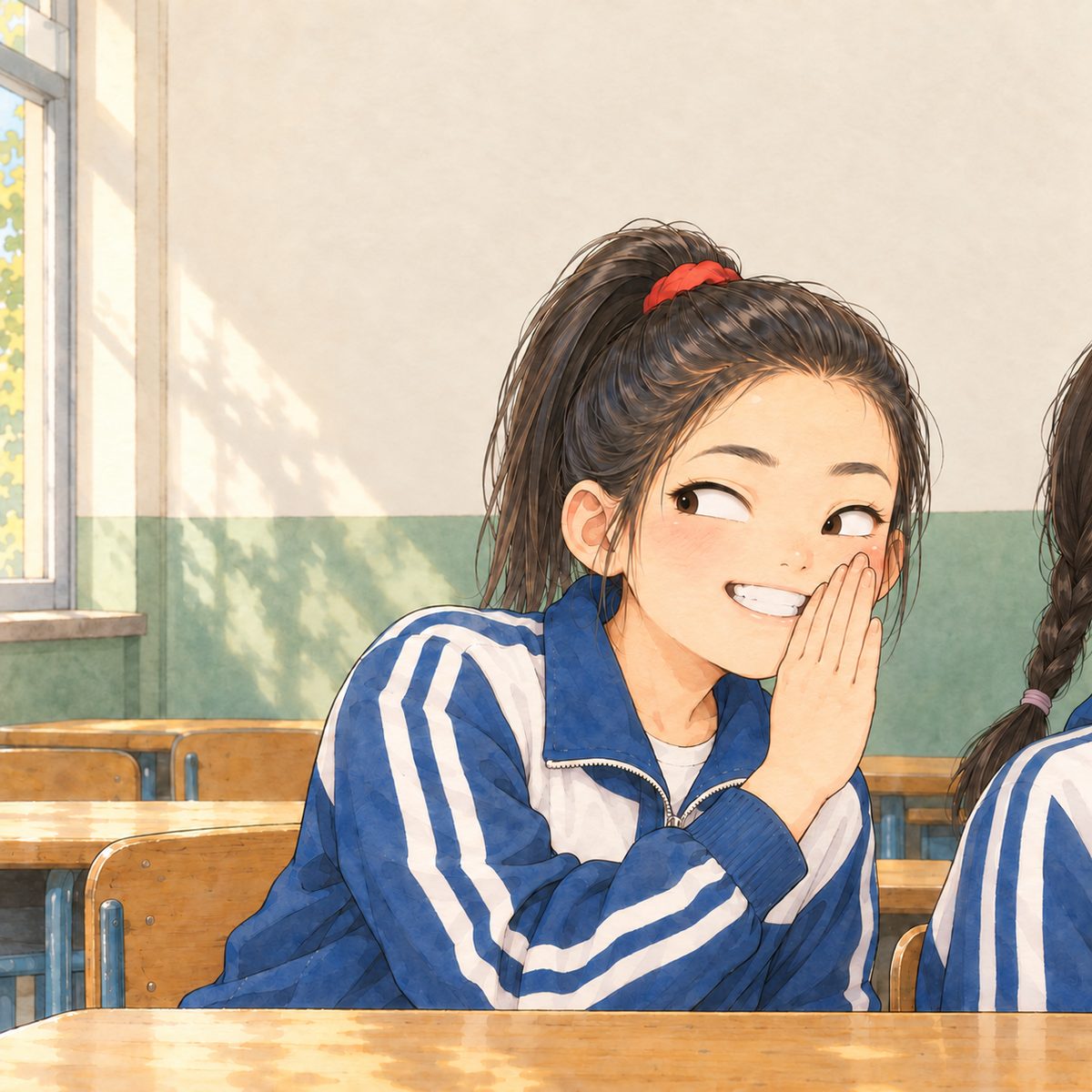
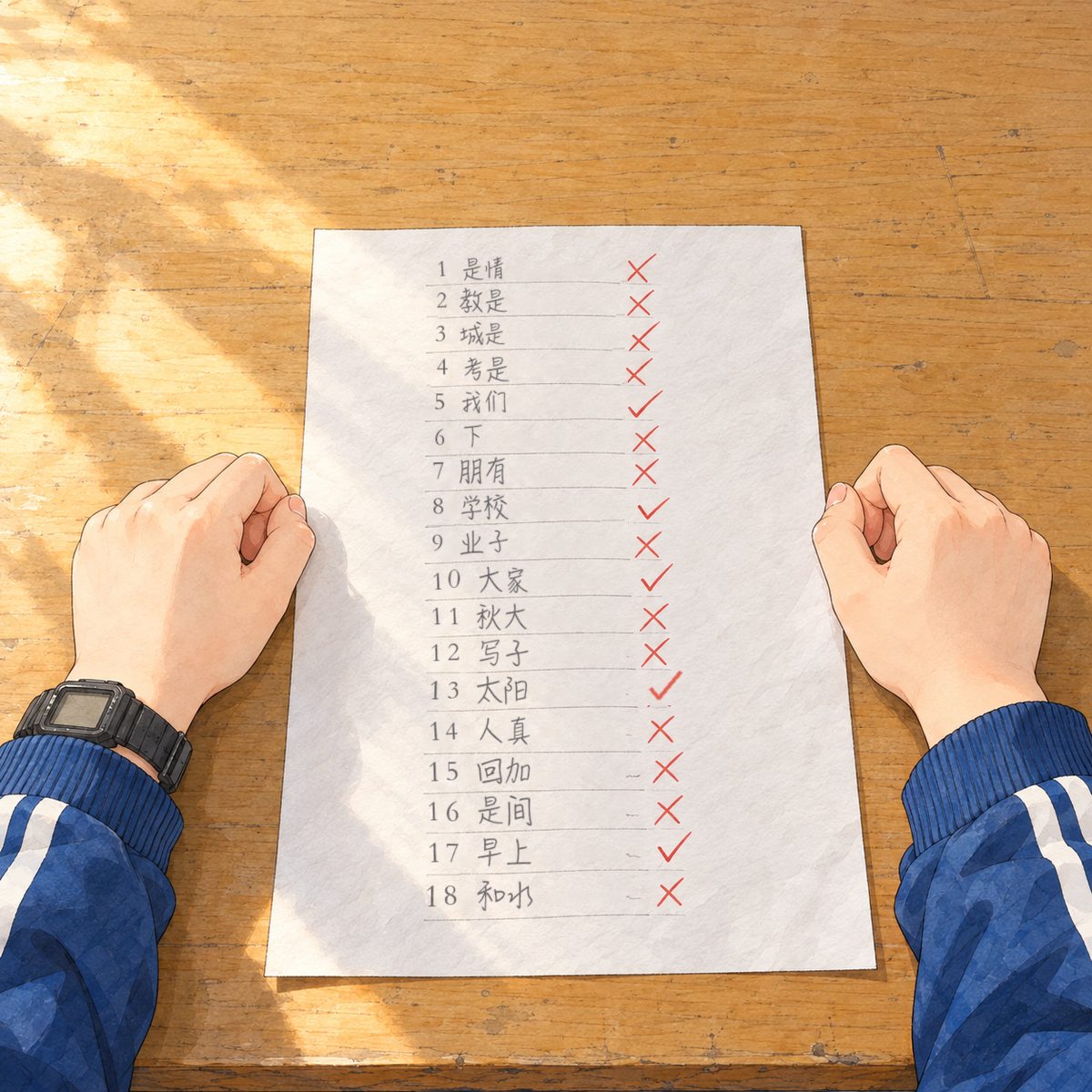
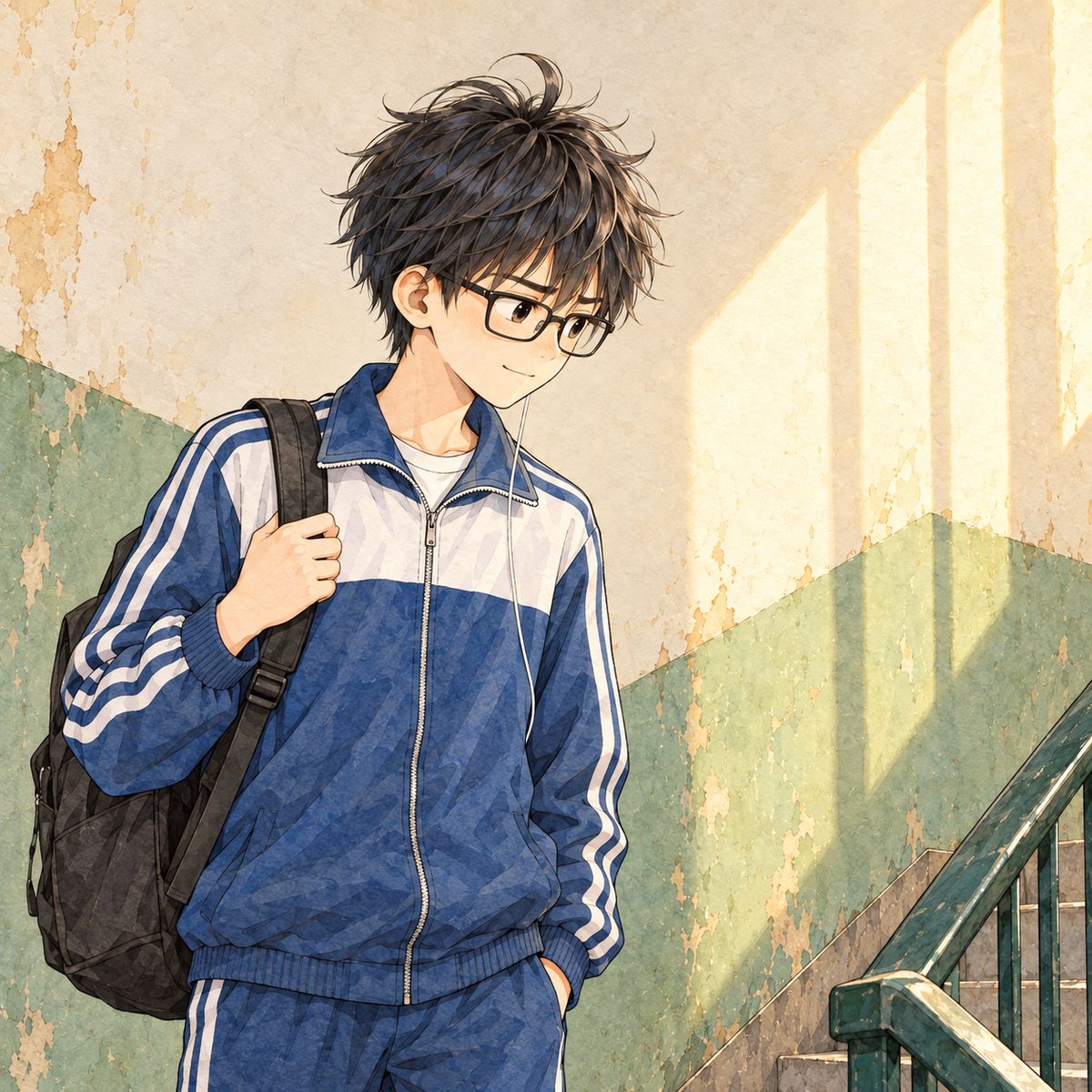




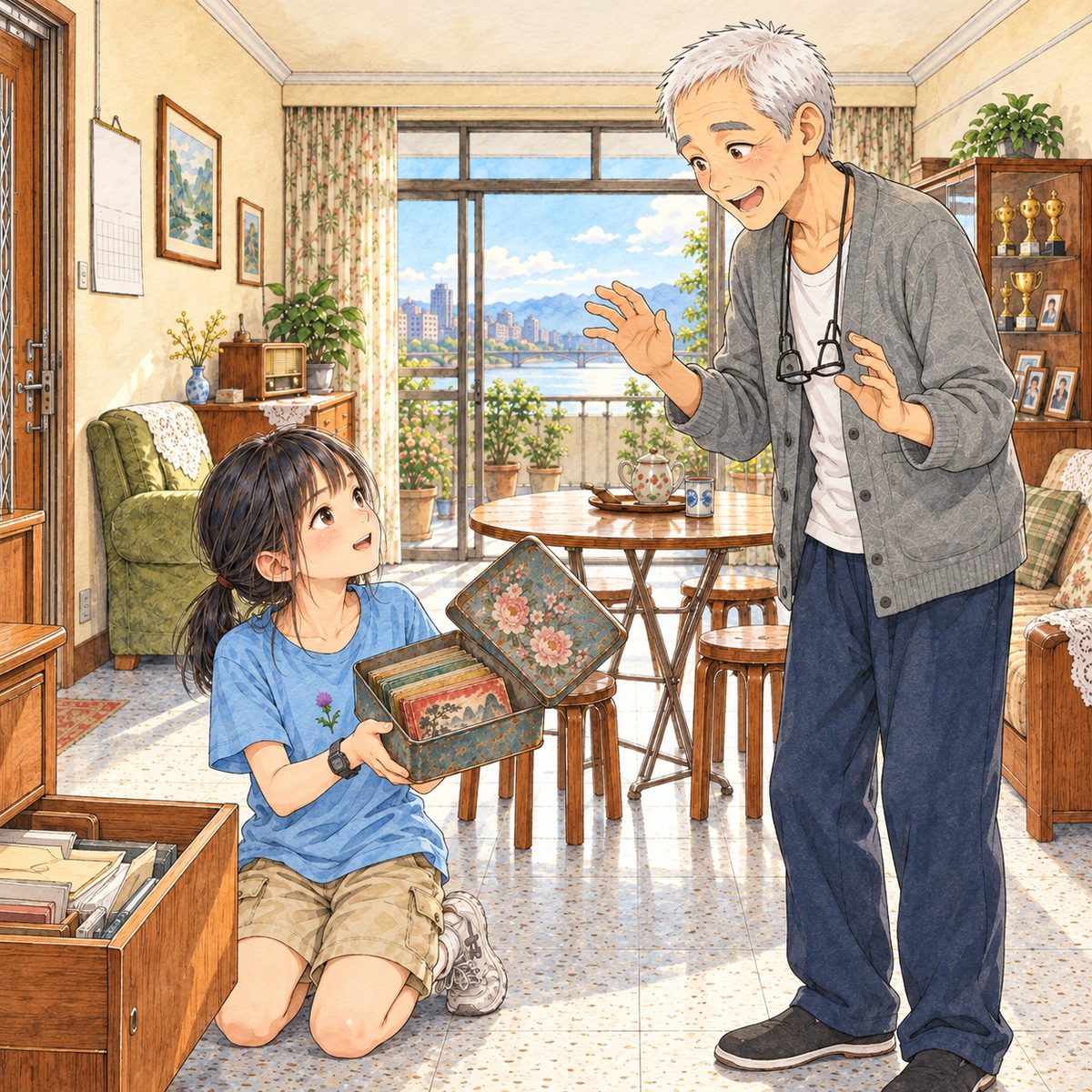

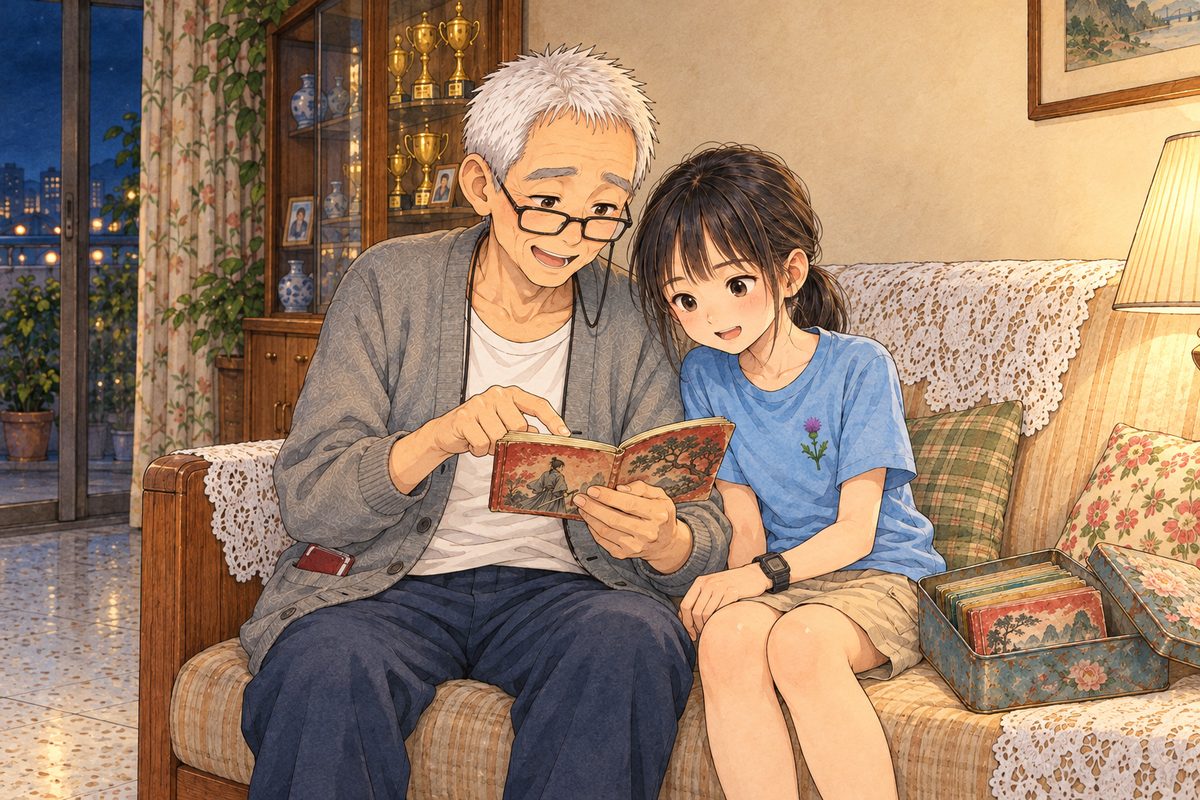
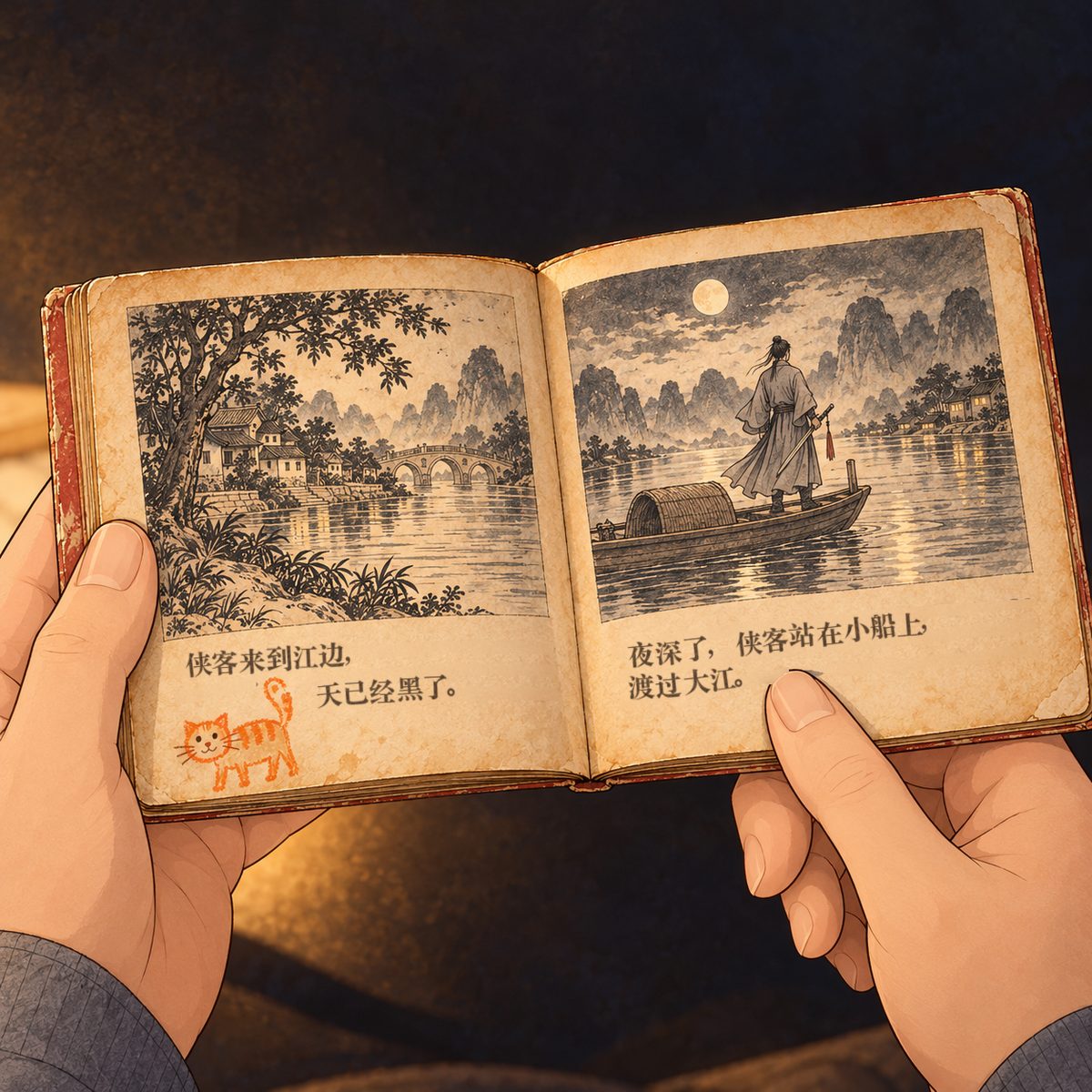
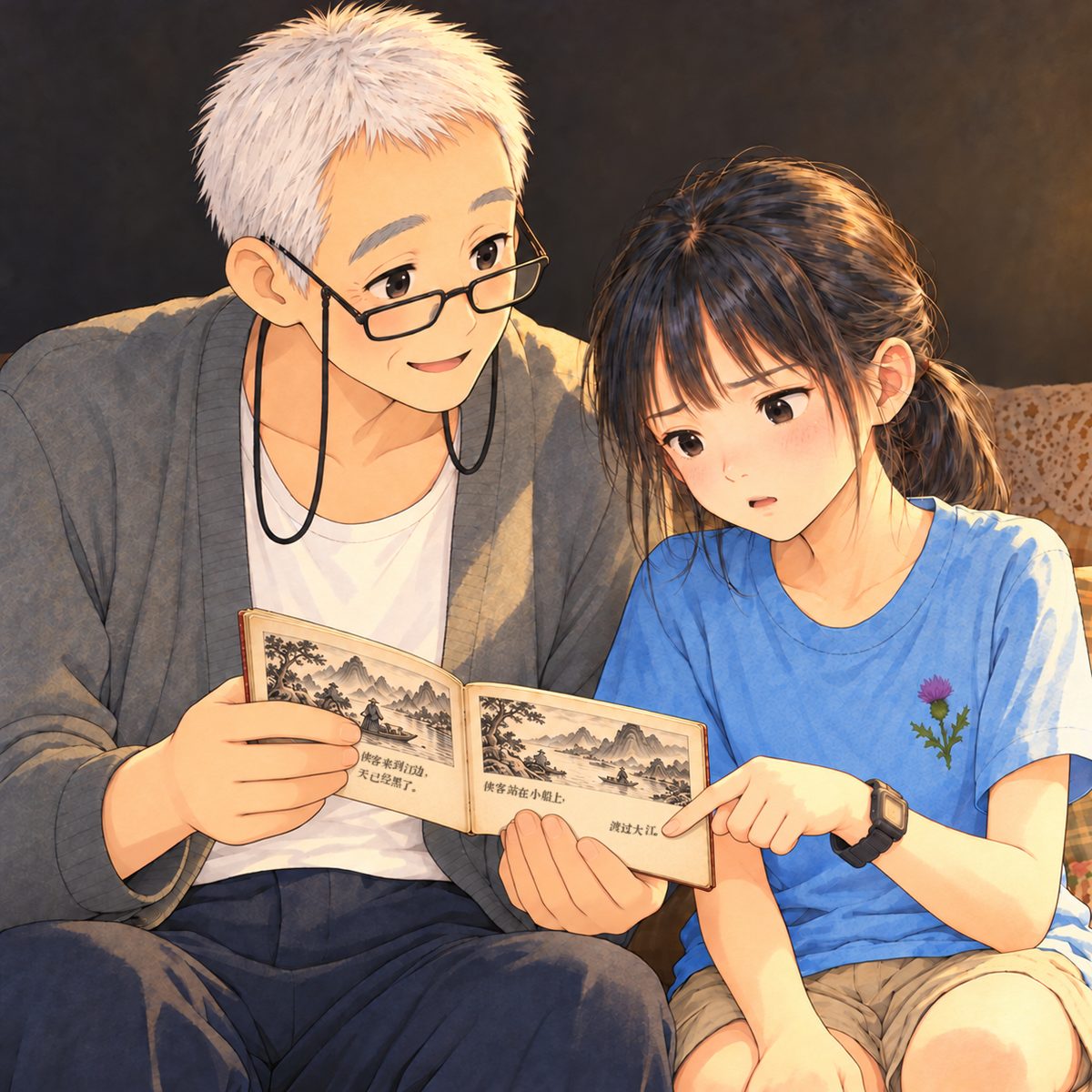
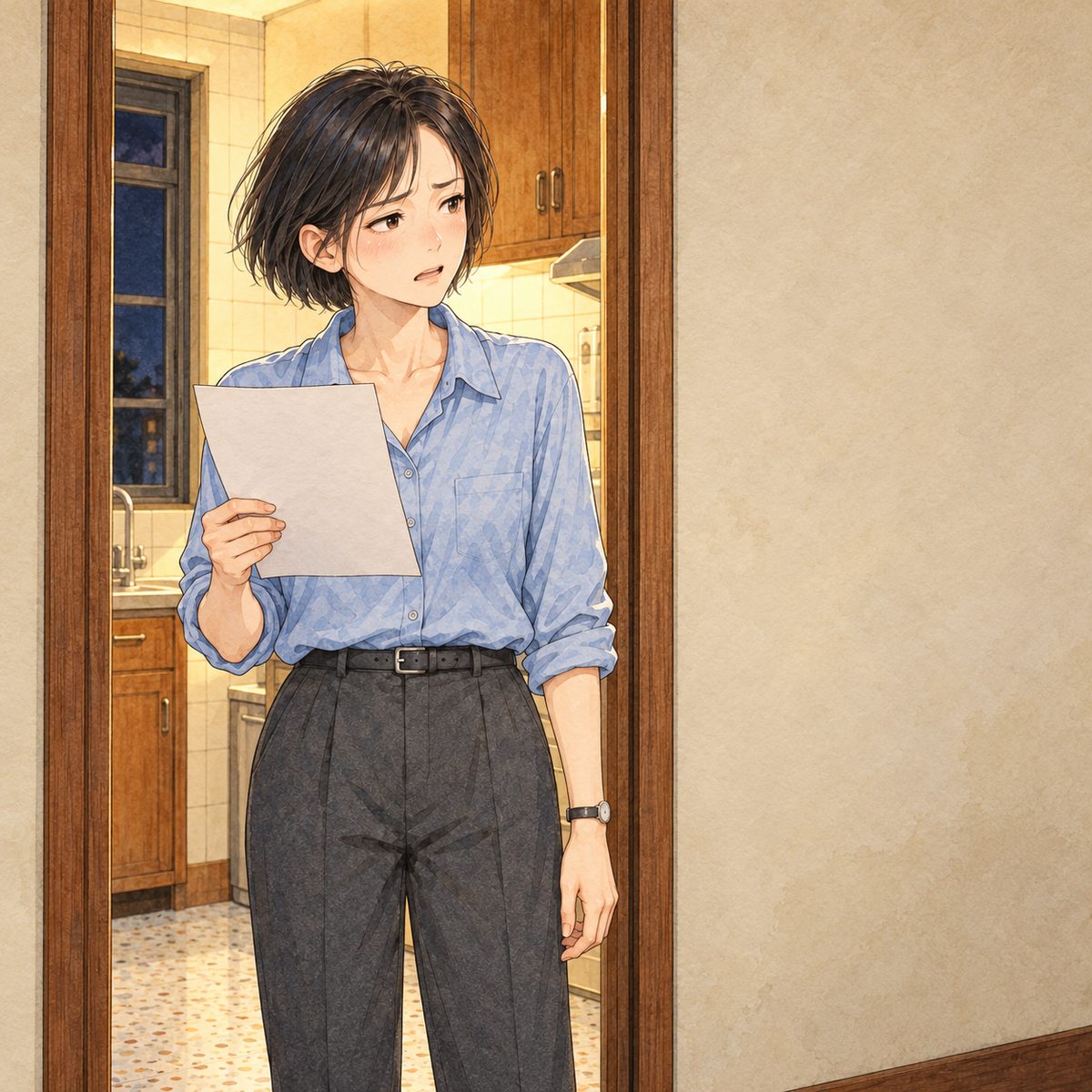
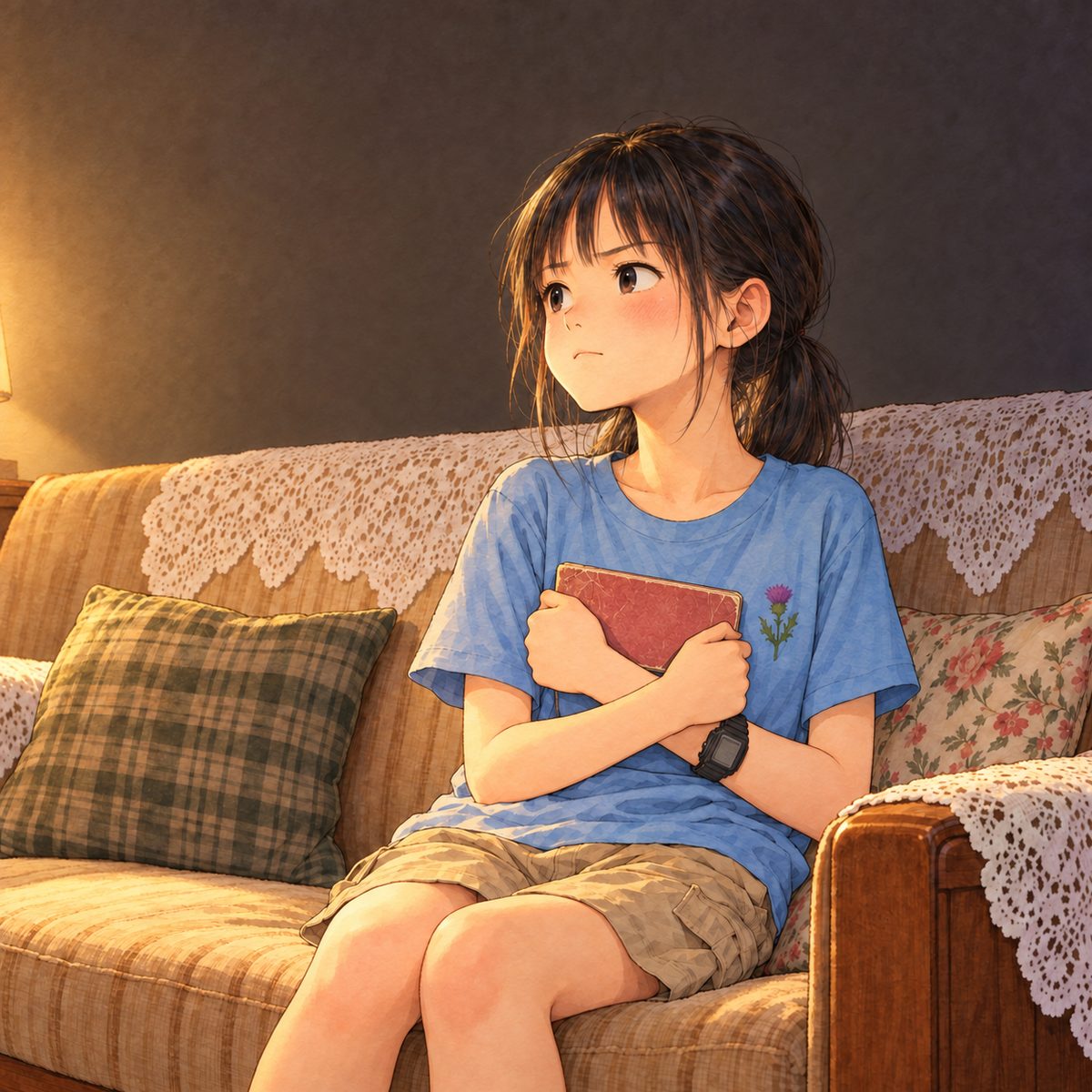
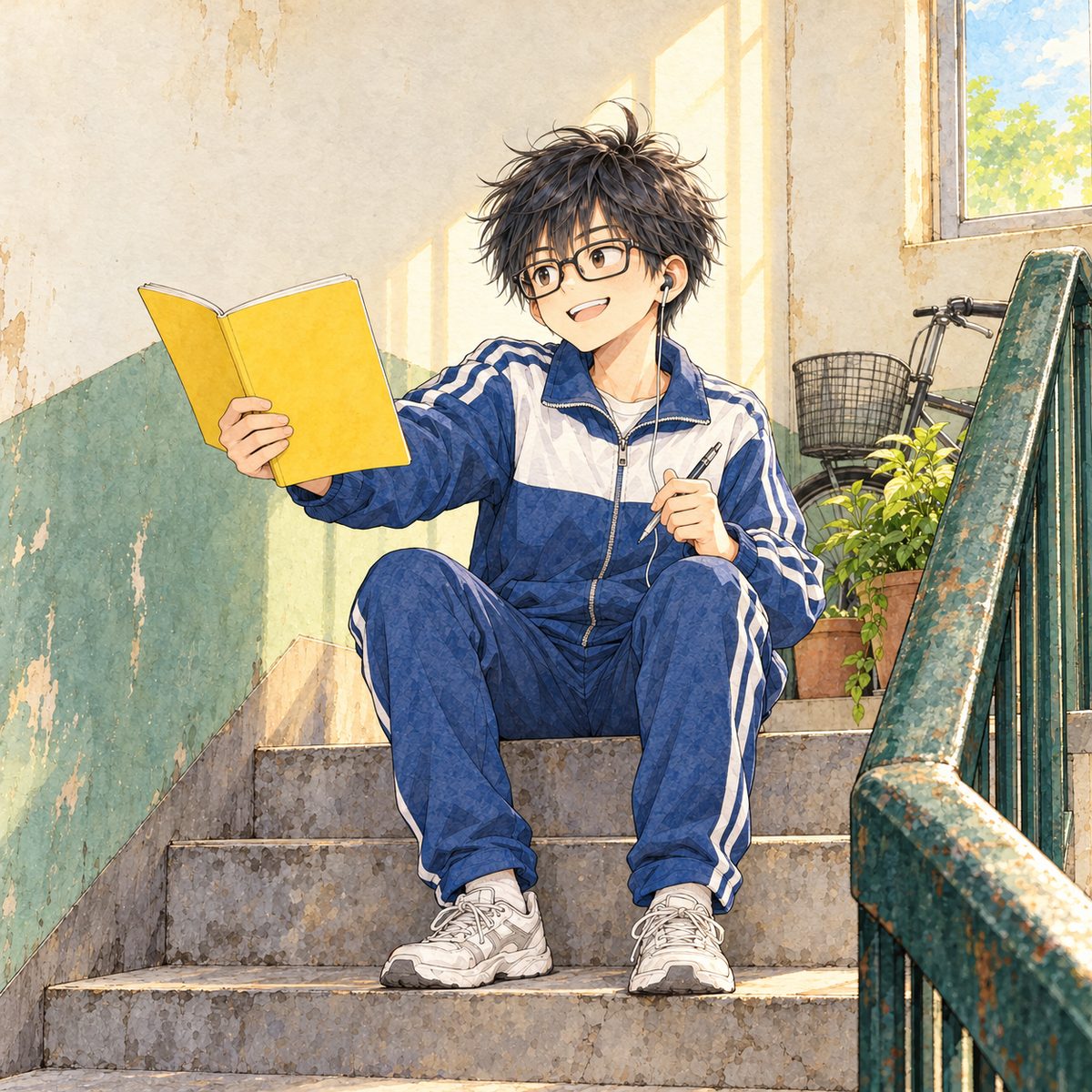
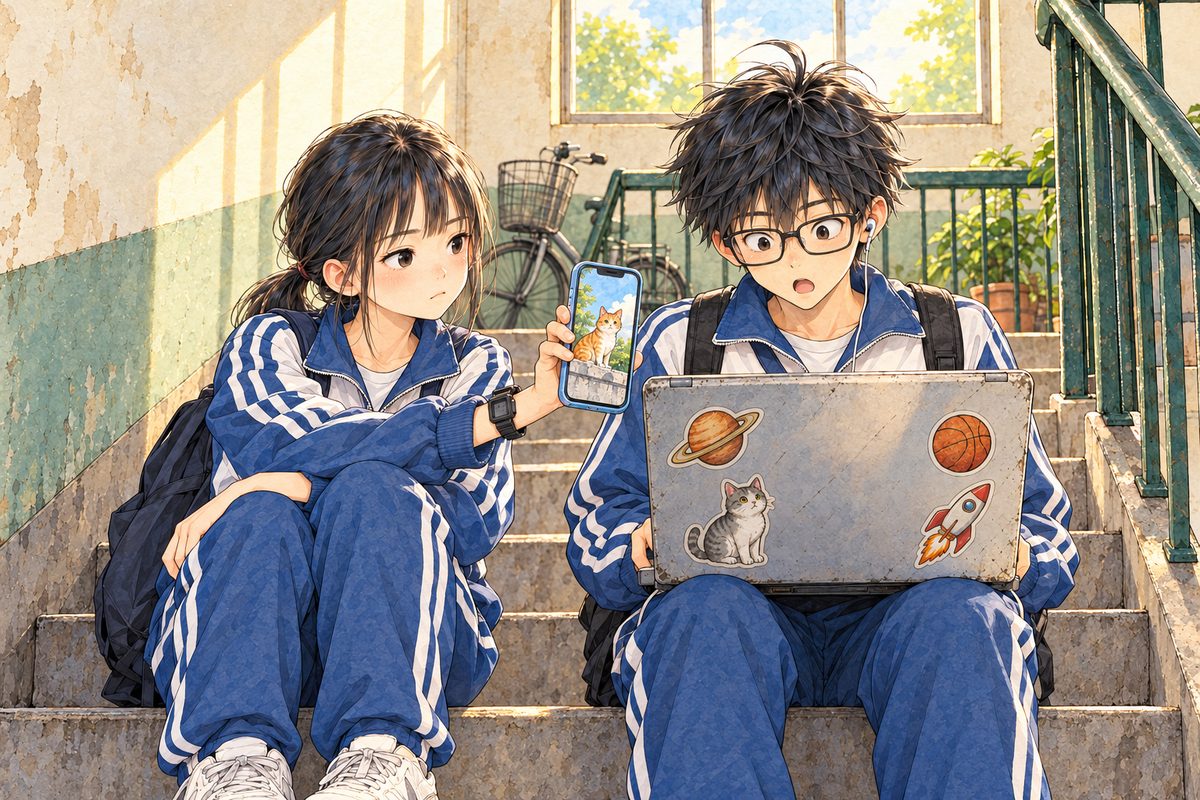
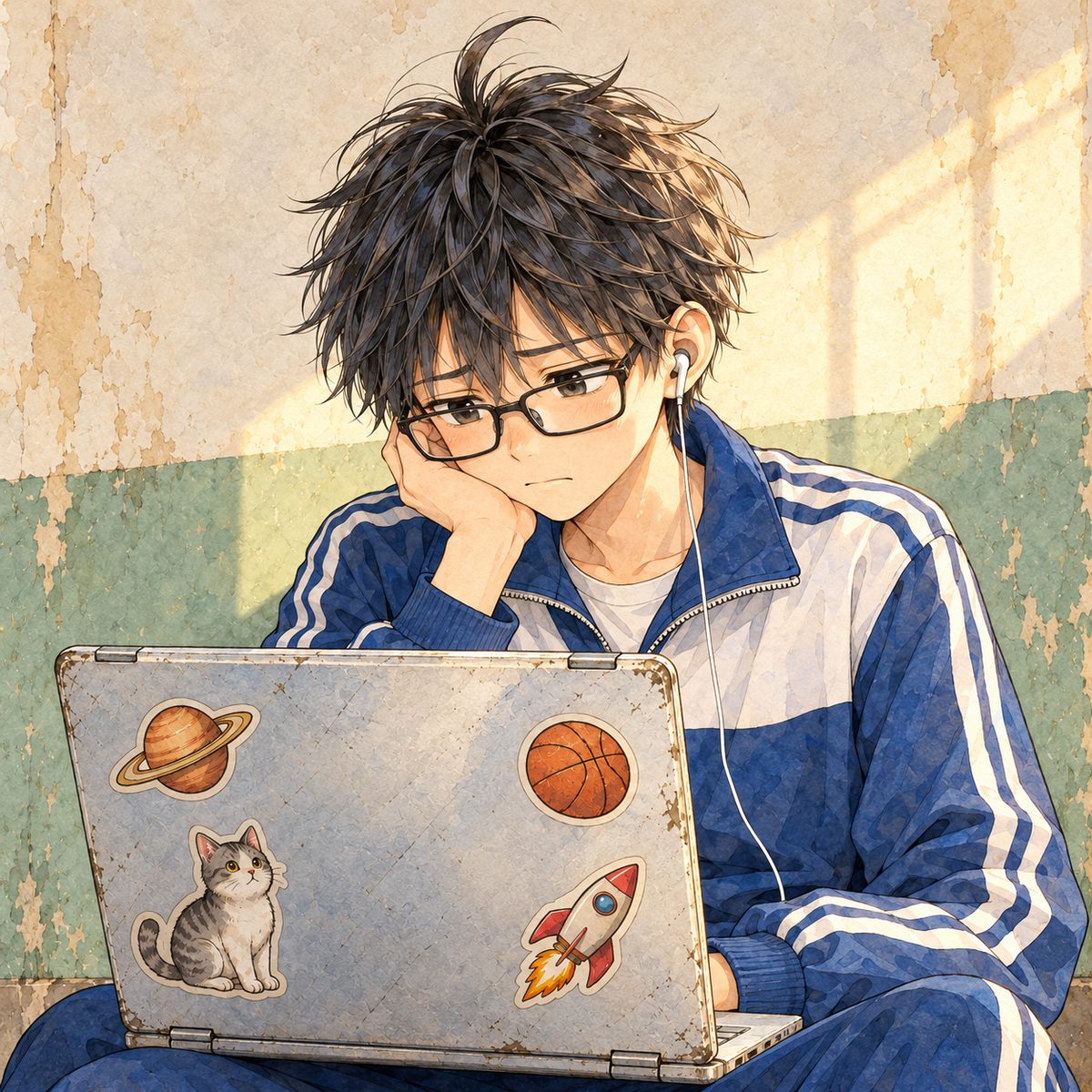
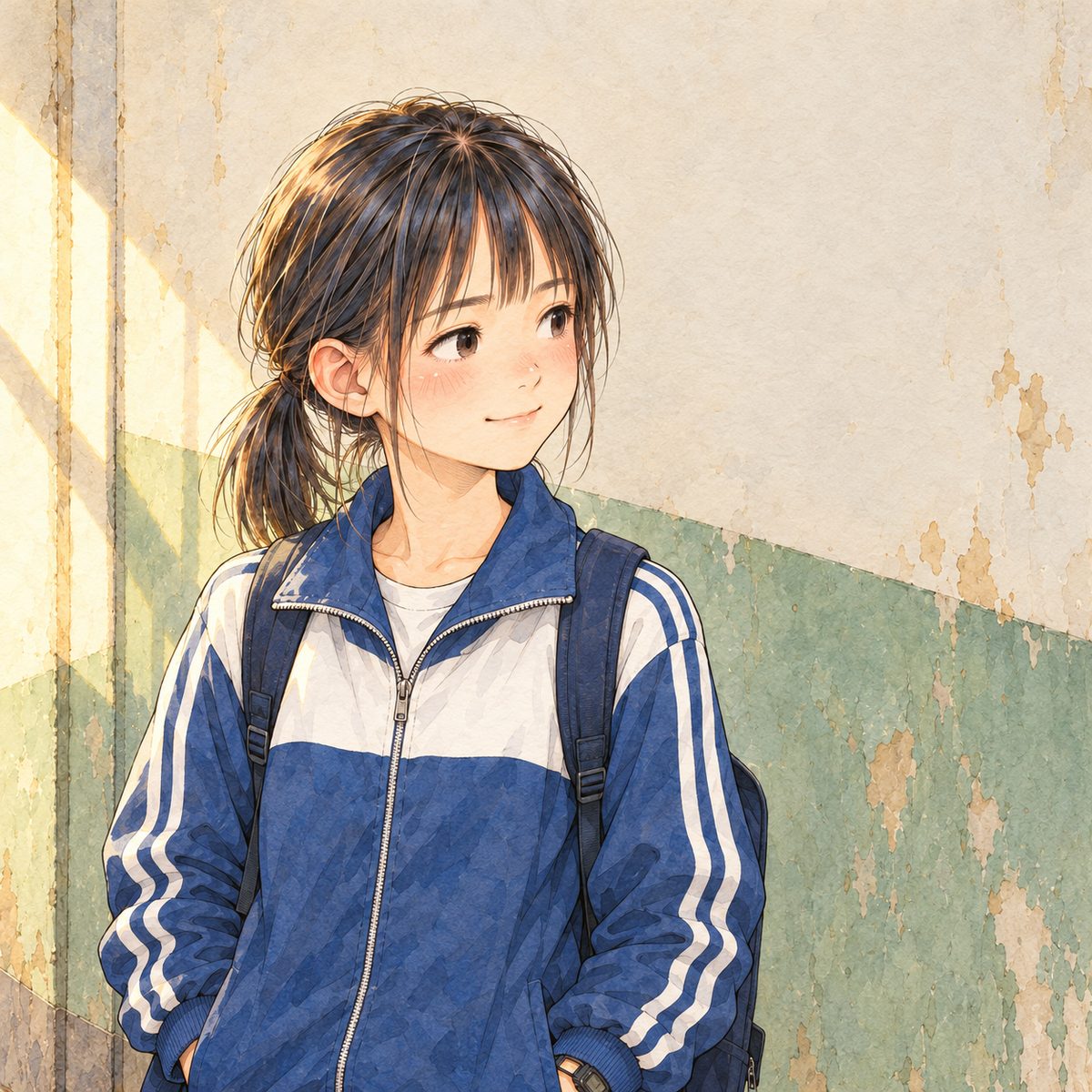
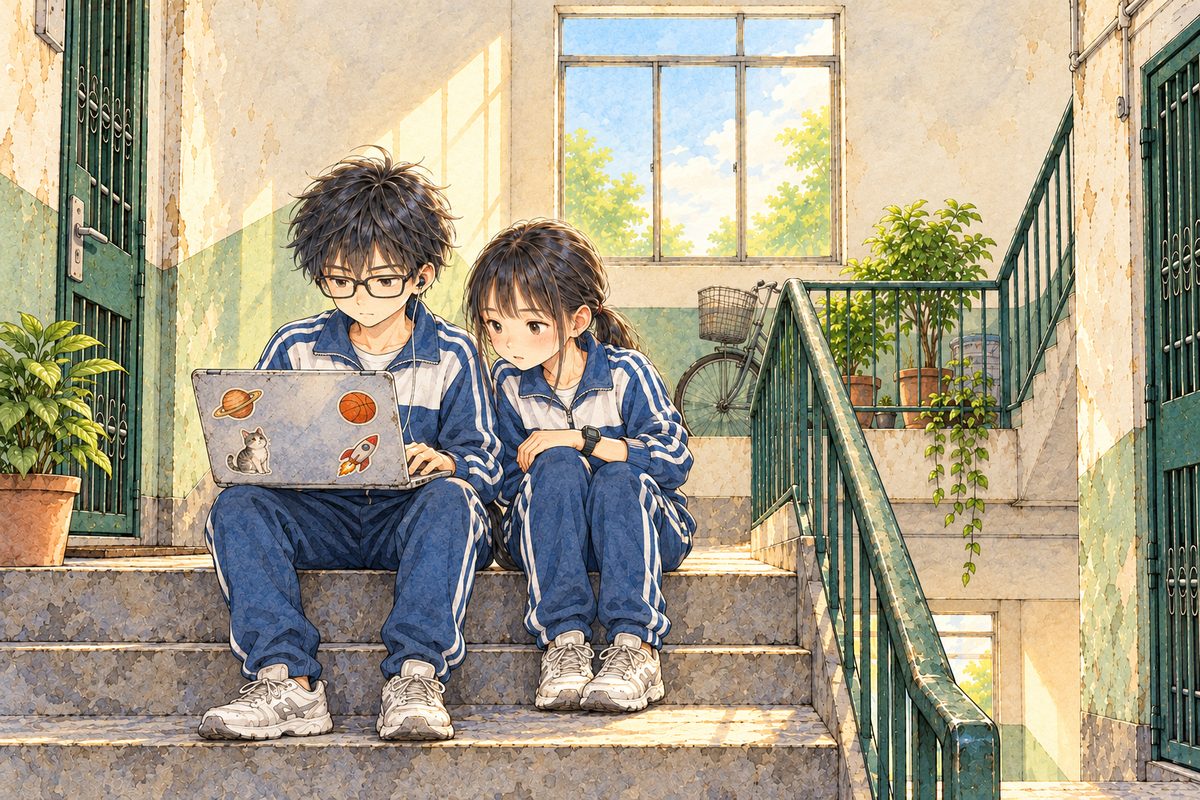
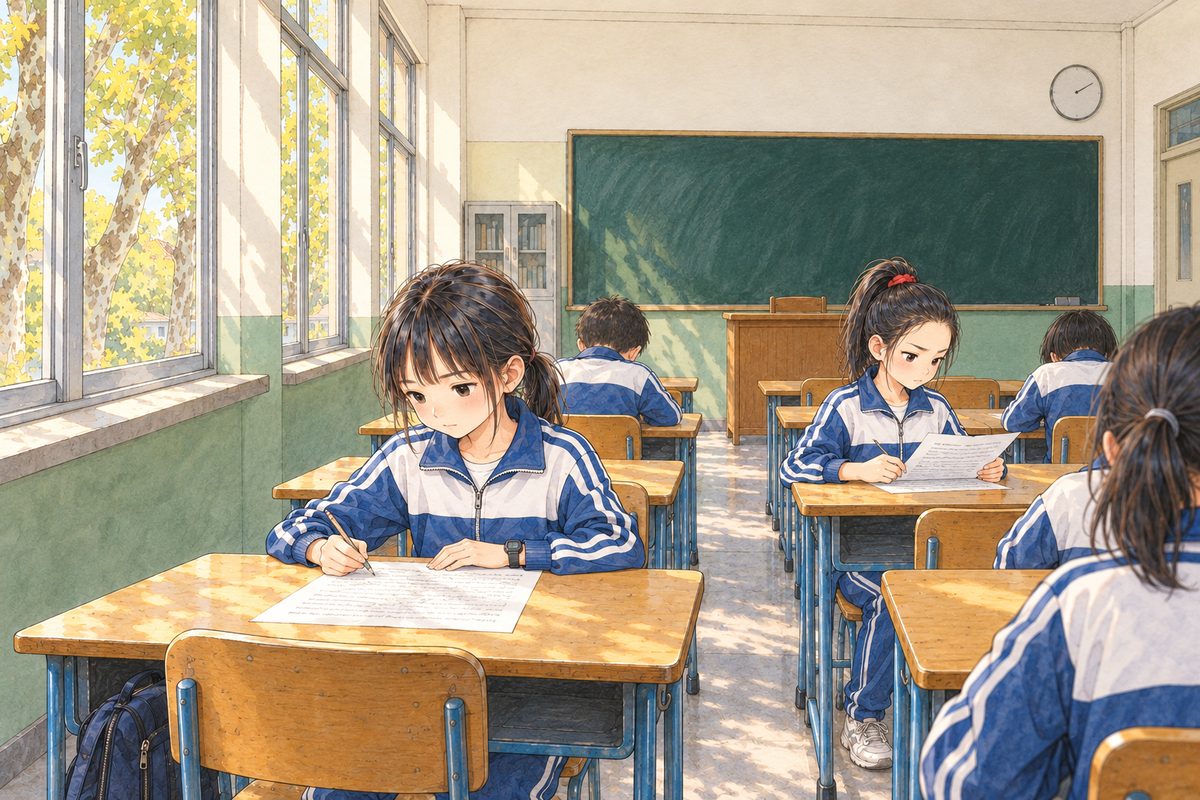
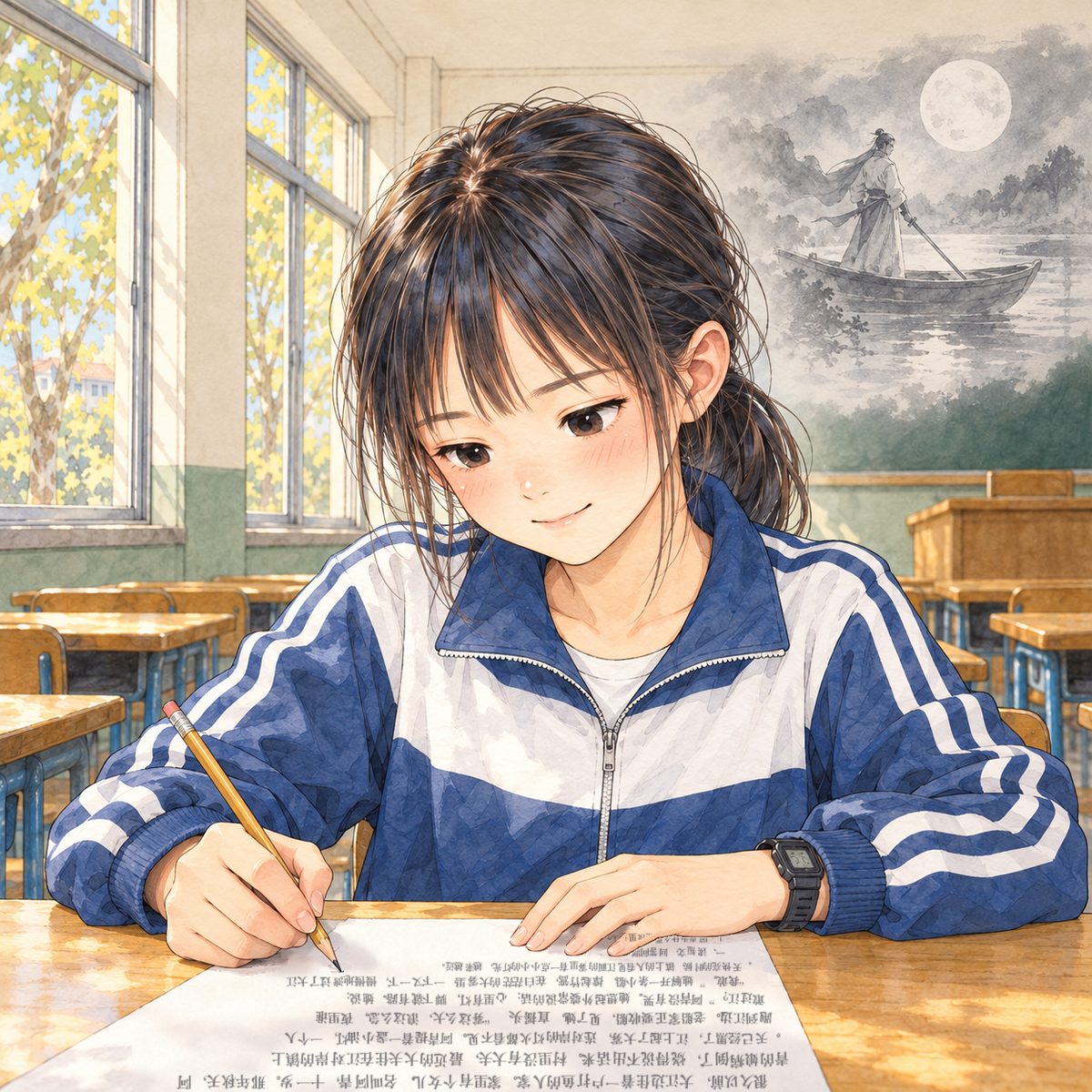
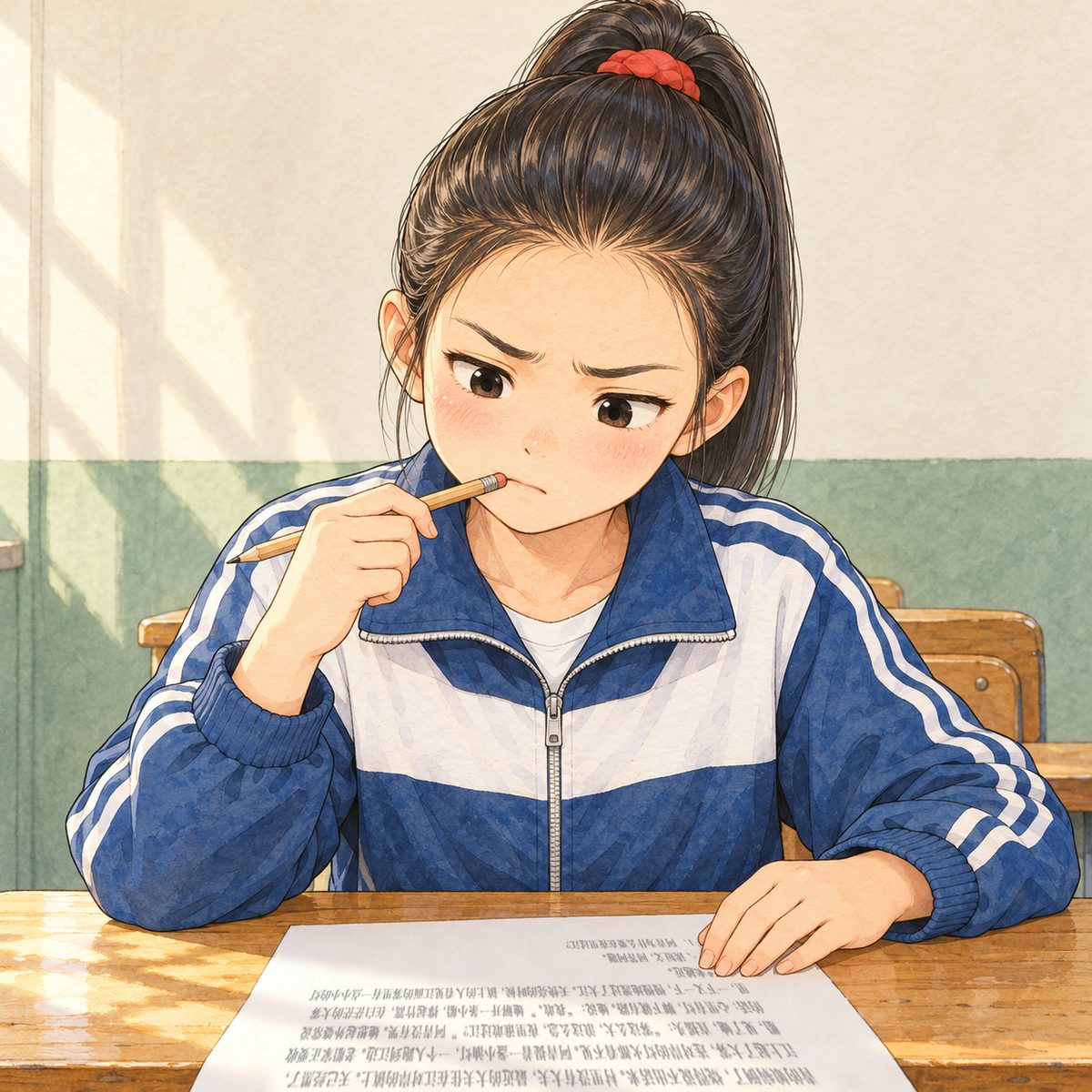
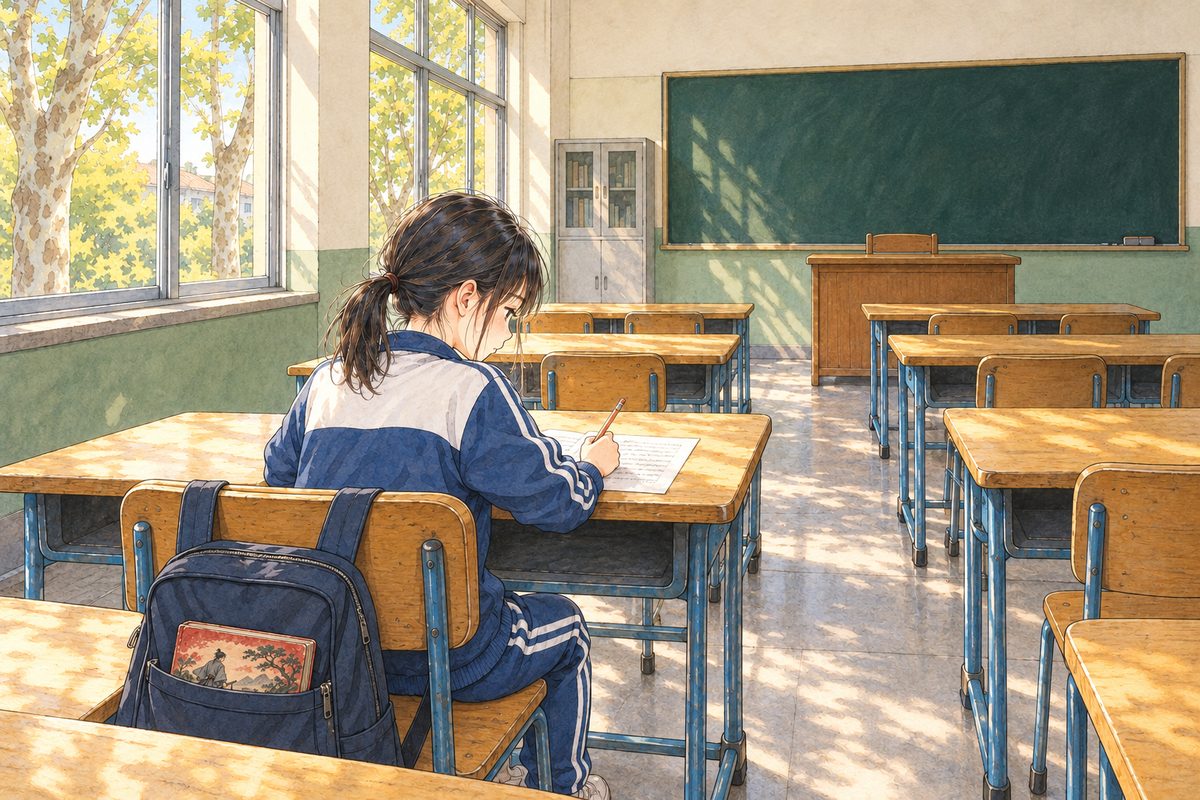
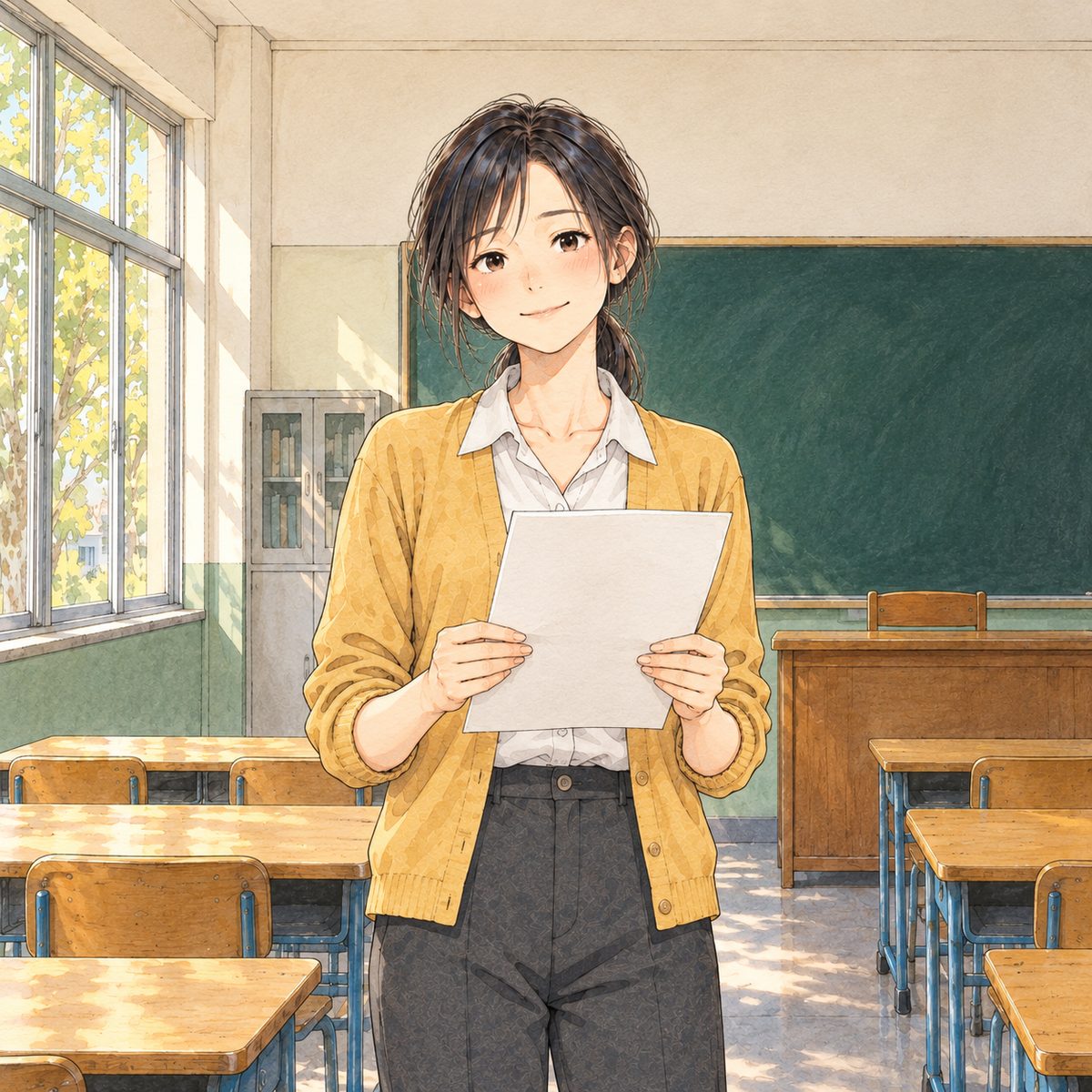
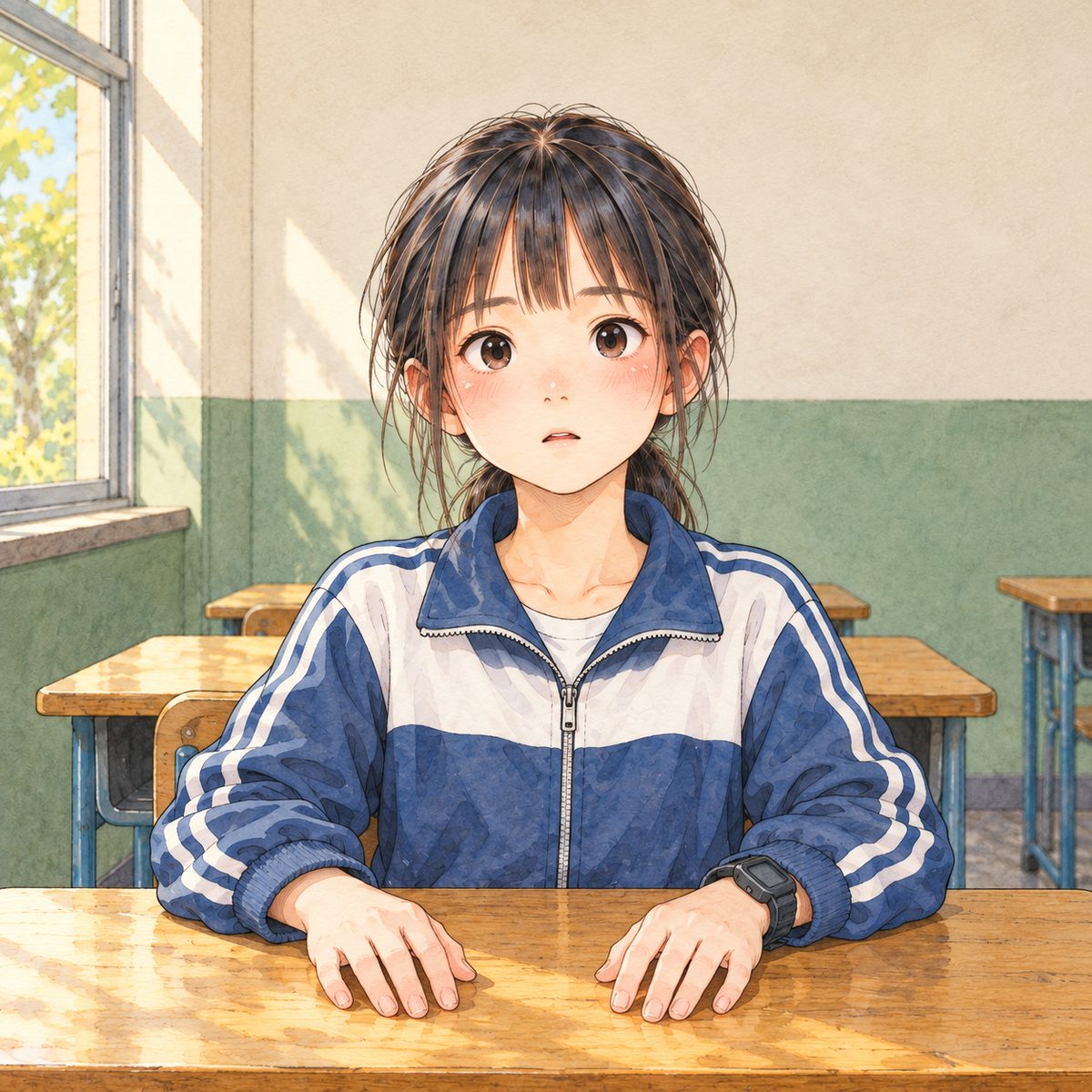
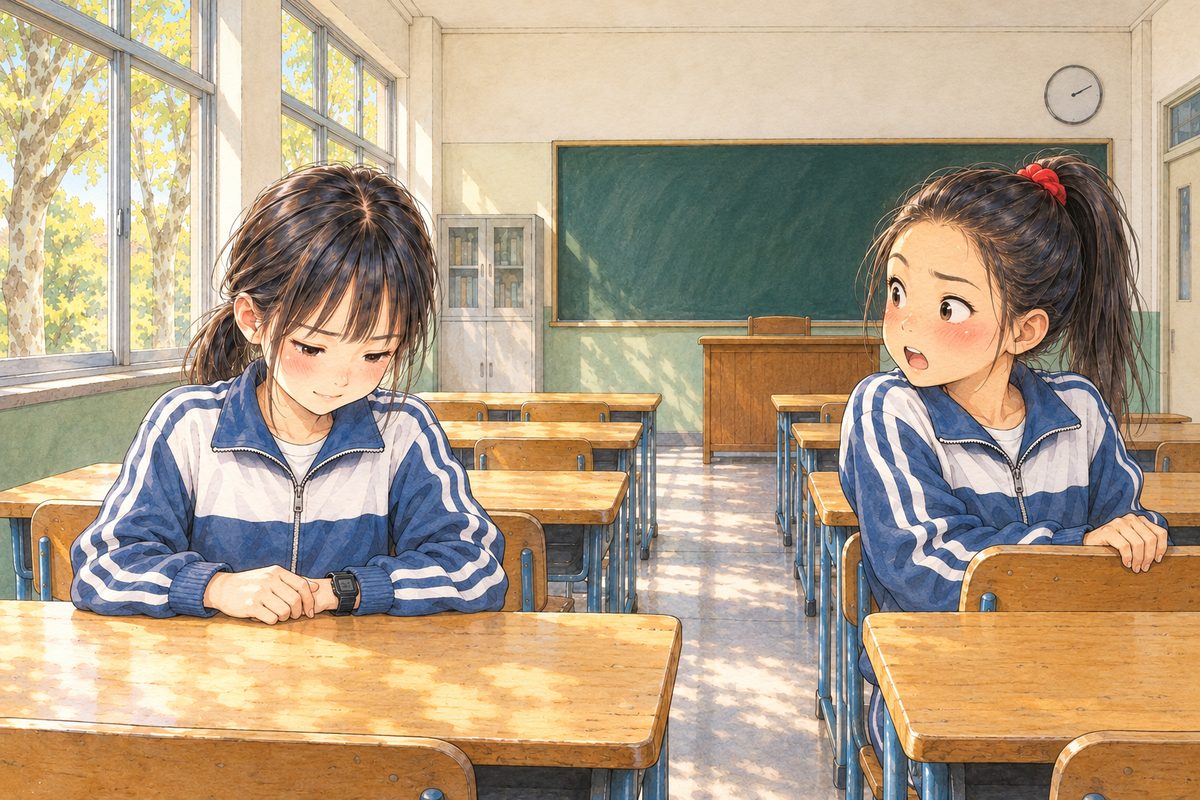
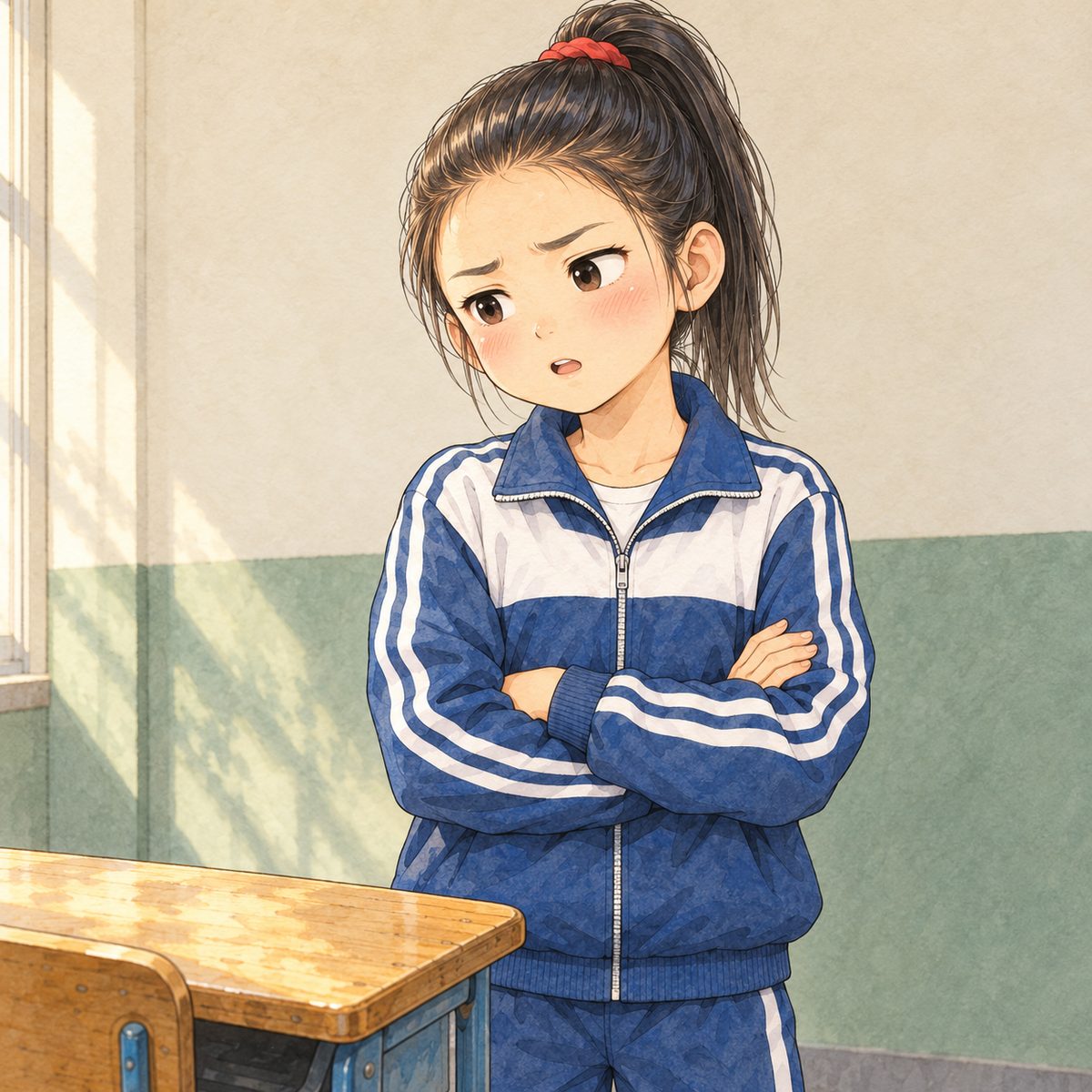
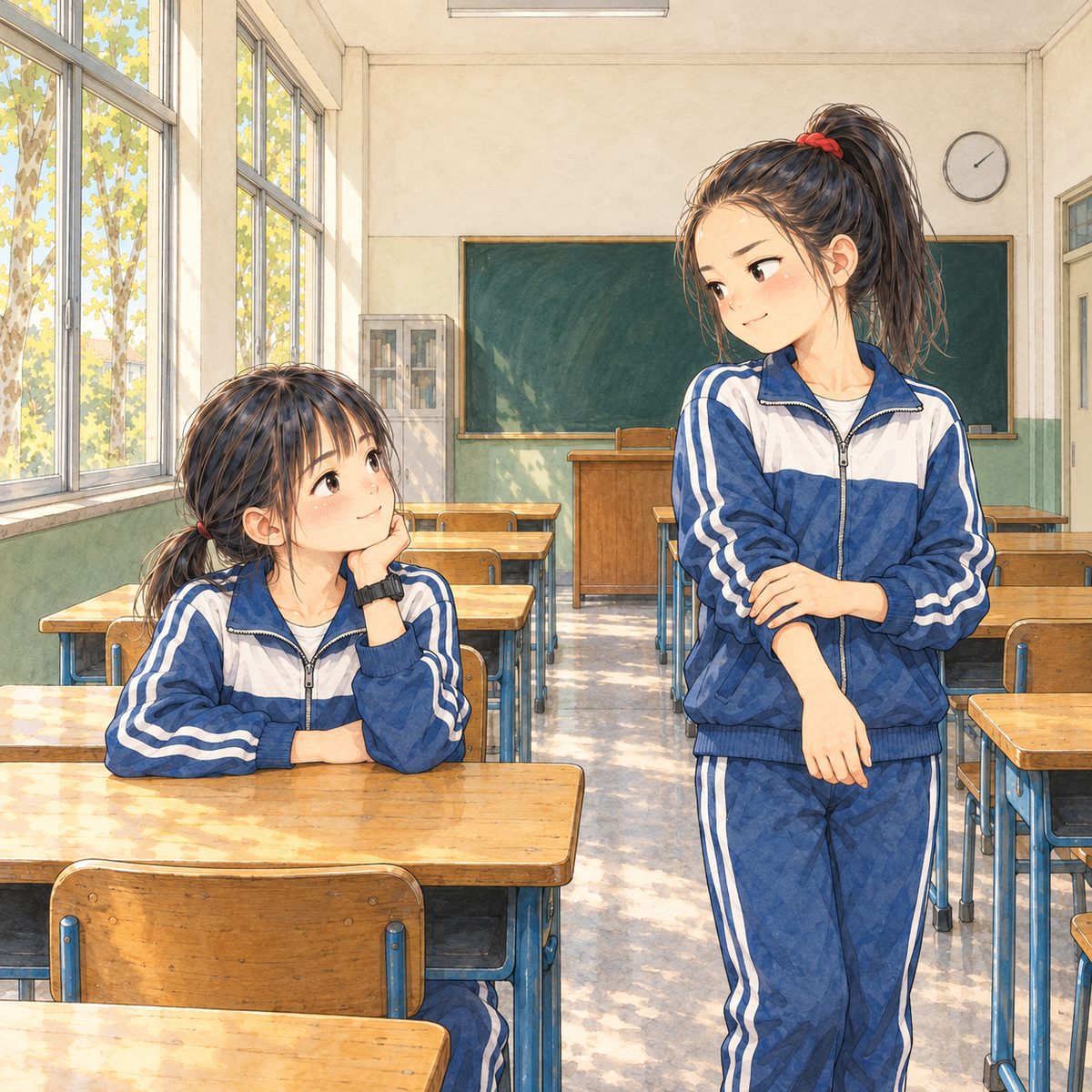


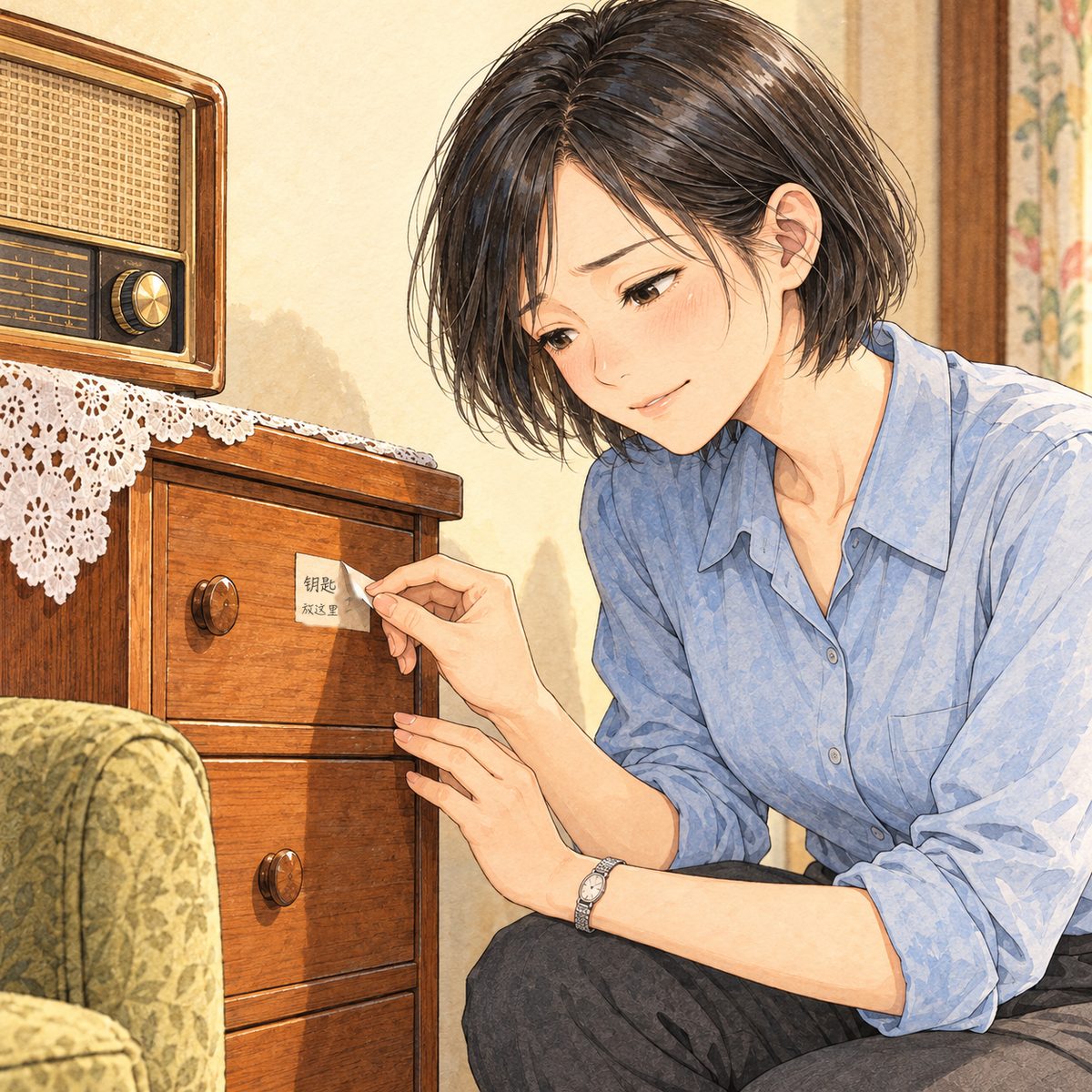

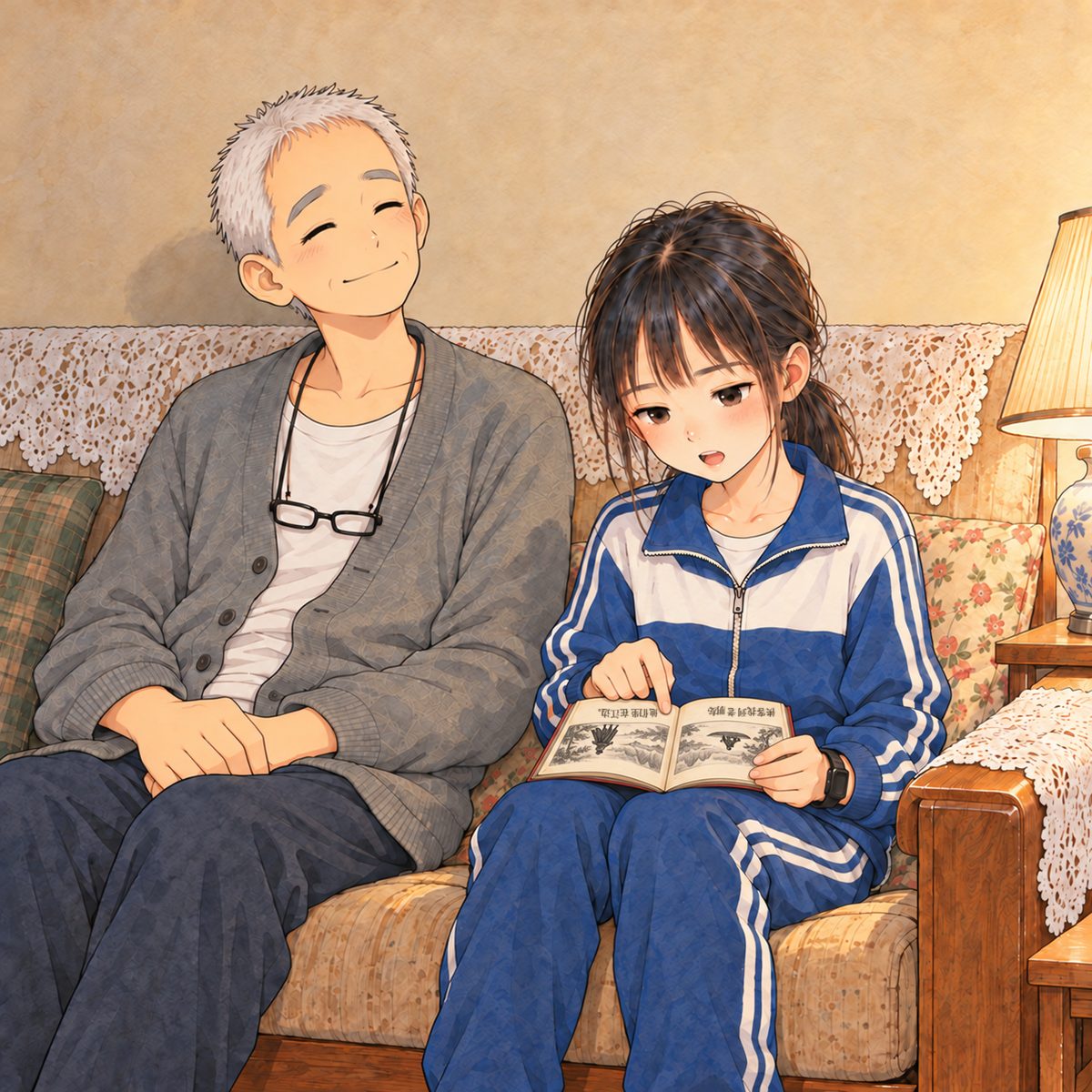

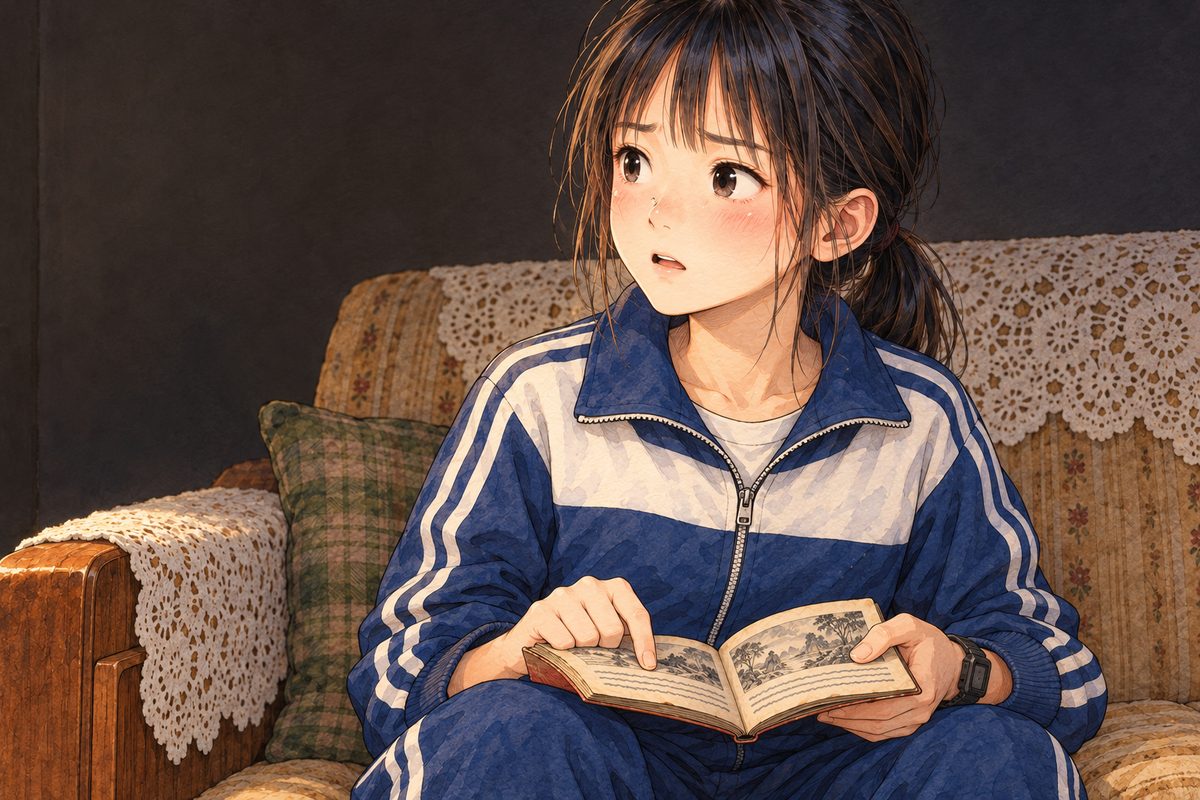
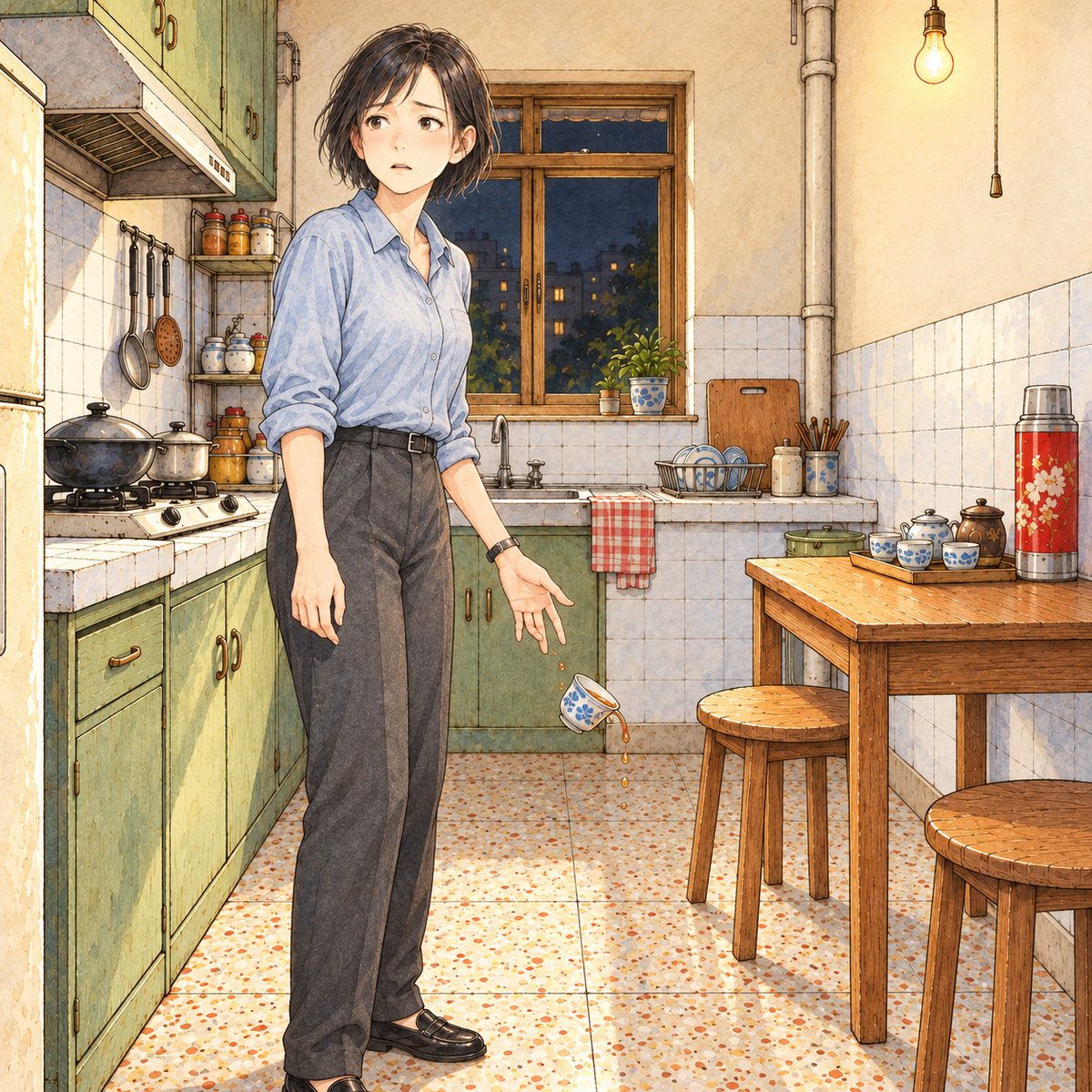
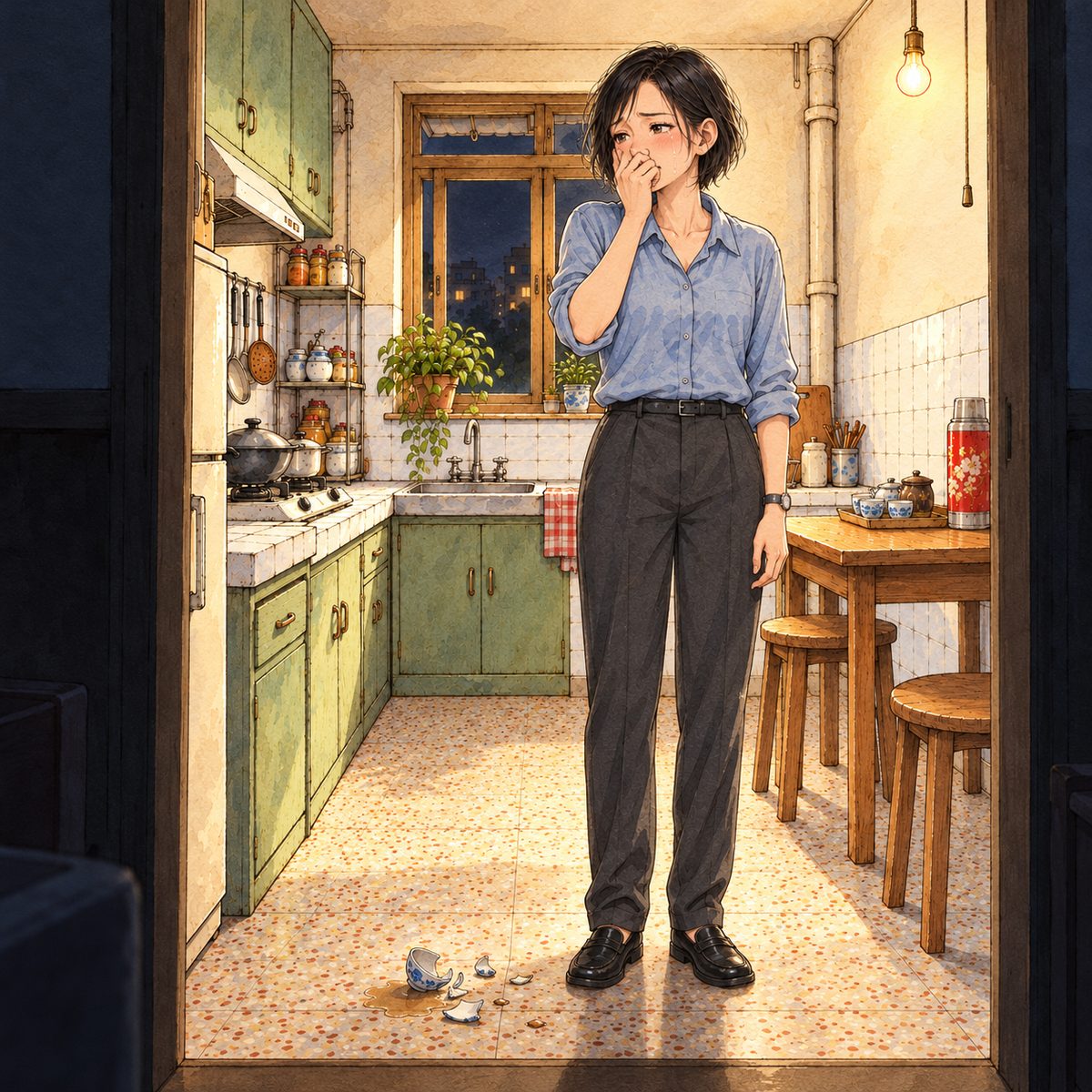
Some ideas in this chapter were left to the pictures, so the quiet nights with Grandpa could stay quiet. Here they are in words.
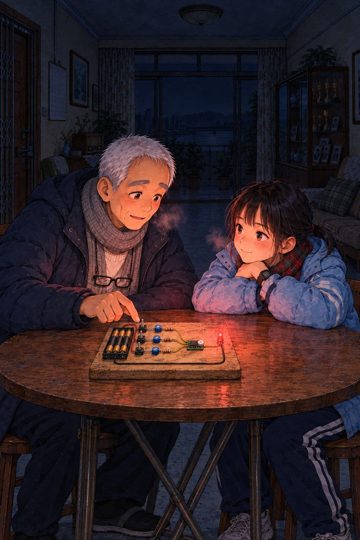
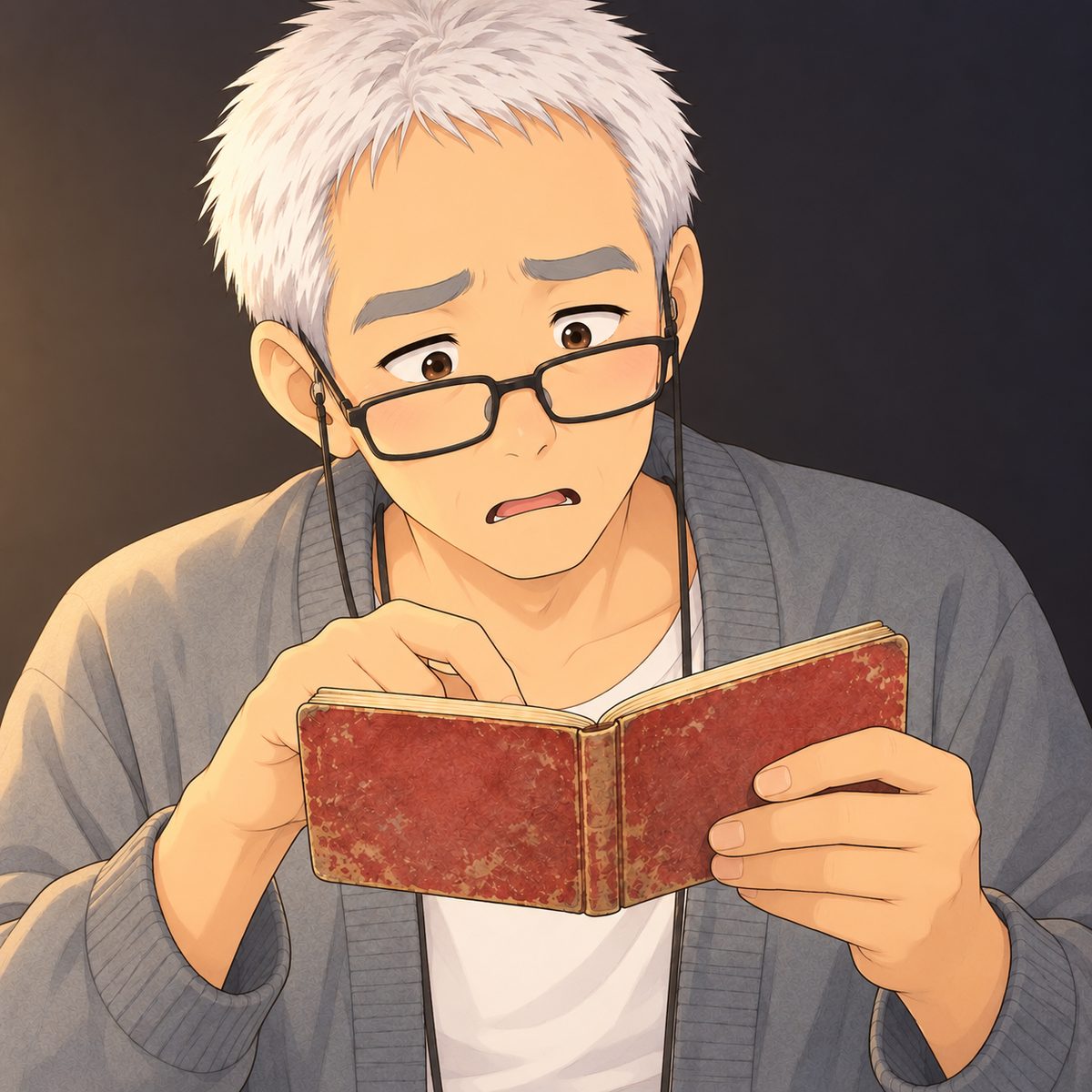
On page 8 Haoran builds a rule machine. In the 1970s and 80s programs like it were called expert systems. People asked experts how they decided things and typed the answers in as rules, "if this, then that". One called MYCIN chose medicines for blood infections with about 500 rules. Programs like it worked well inside their small job and broke at the edges, the way Haoran's broke on the second shì.
On page 9 Haoran says nobody wrote the phone any rules. It learned from examples. People collect thousands of photos, each marked "cat" or "not cat", and let the computer find a rule that fits. That is called machine learning. People choose the examples. The rule, the computer finds.
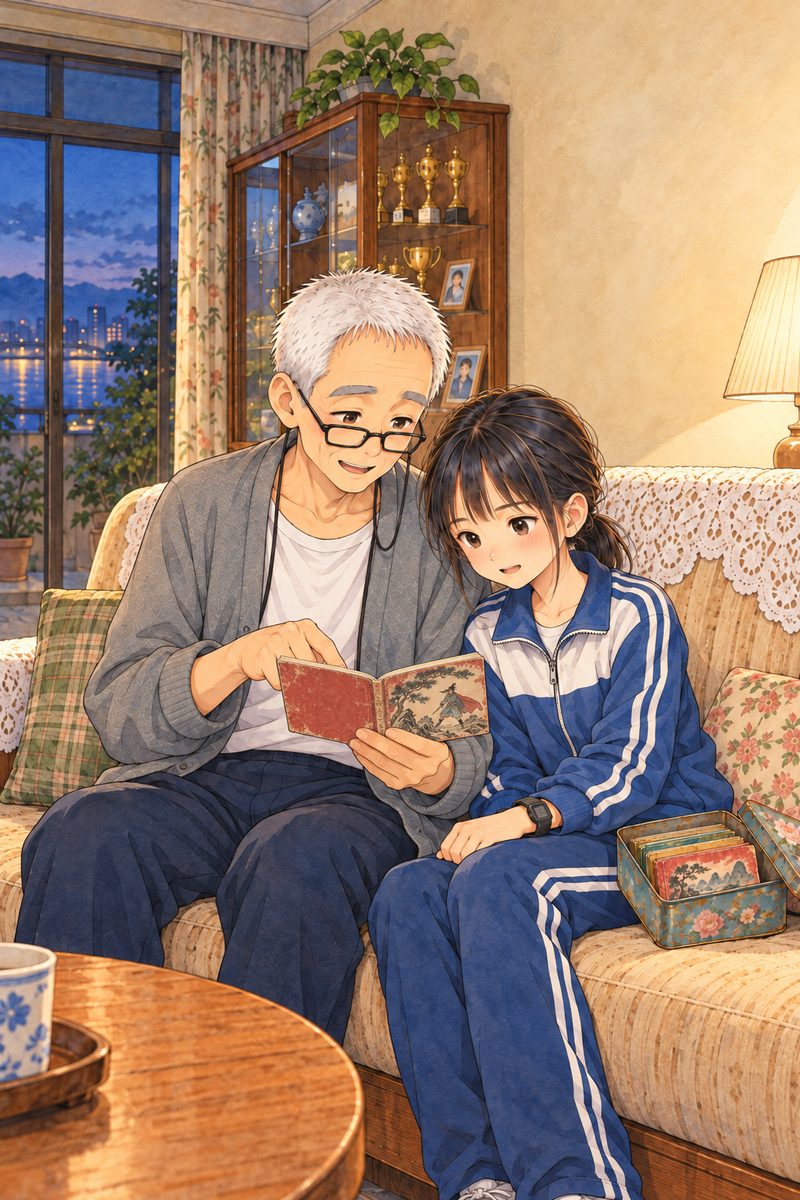
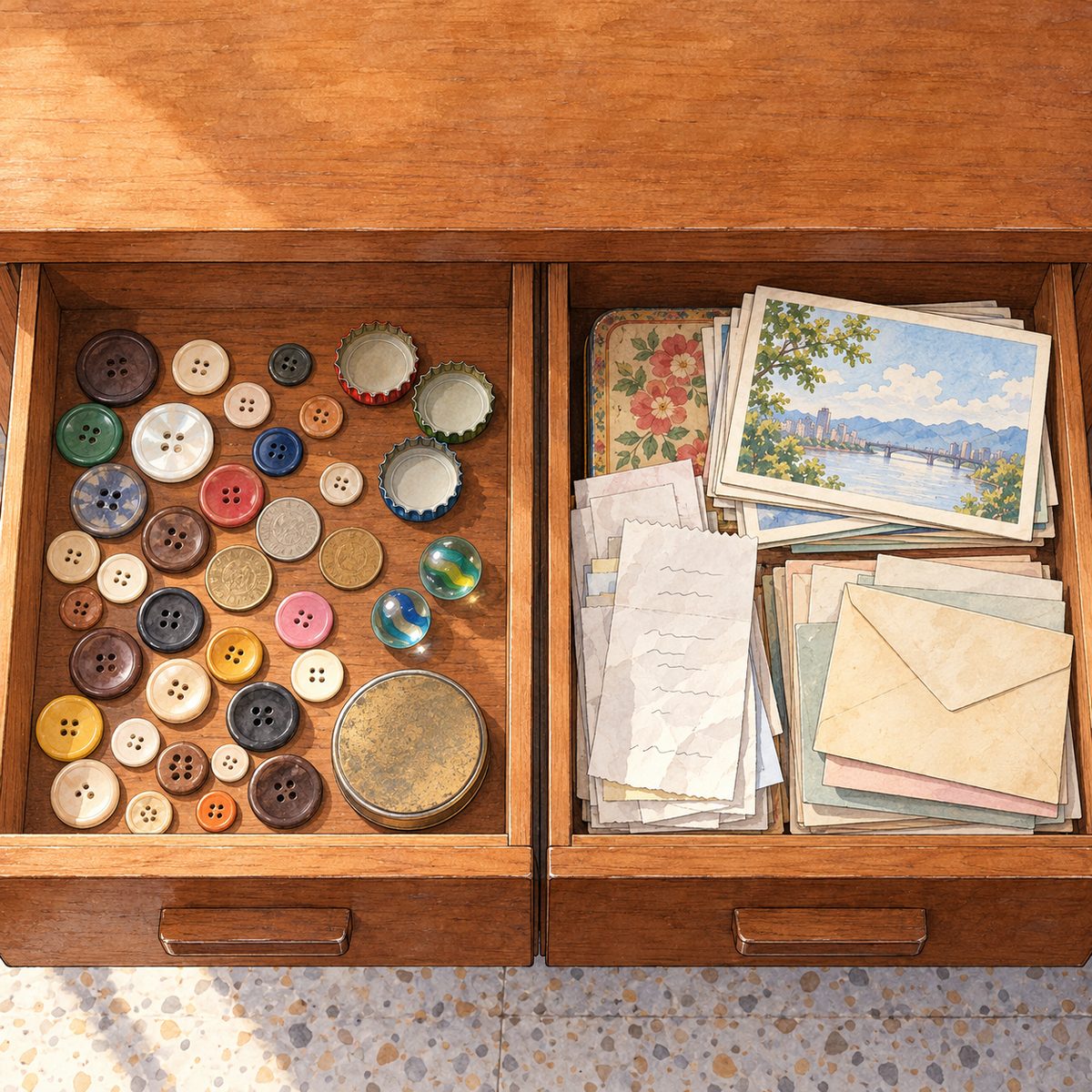
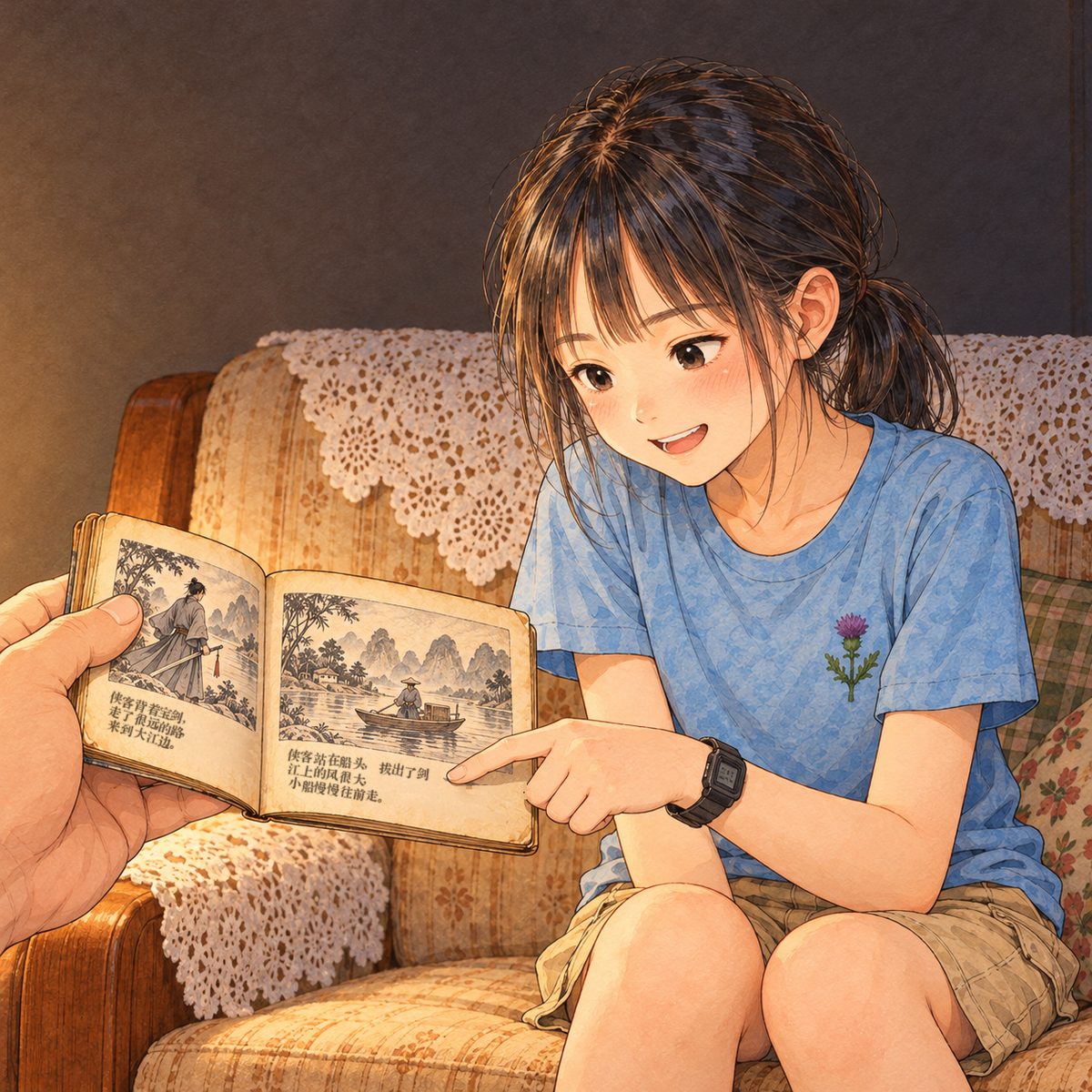
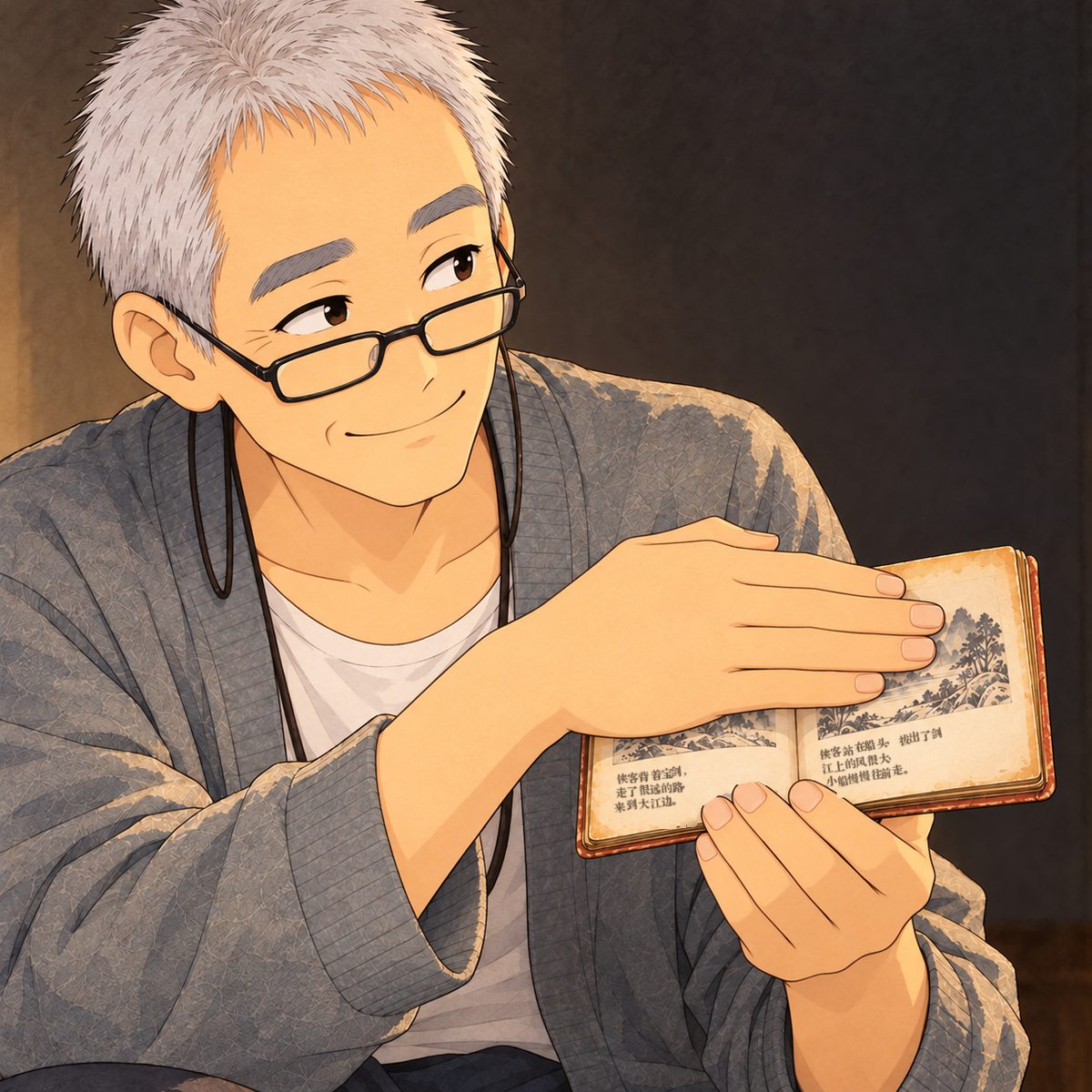
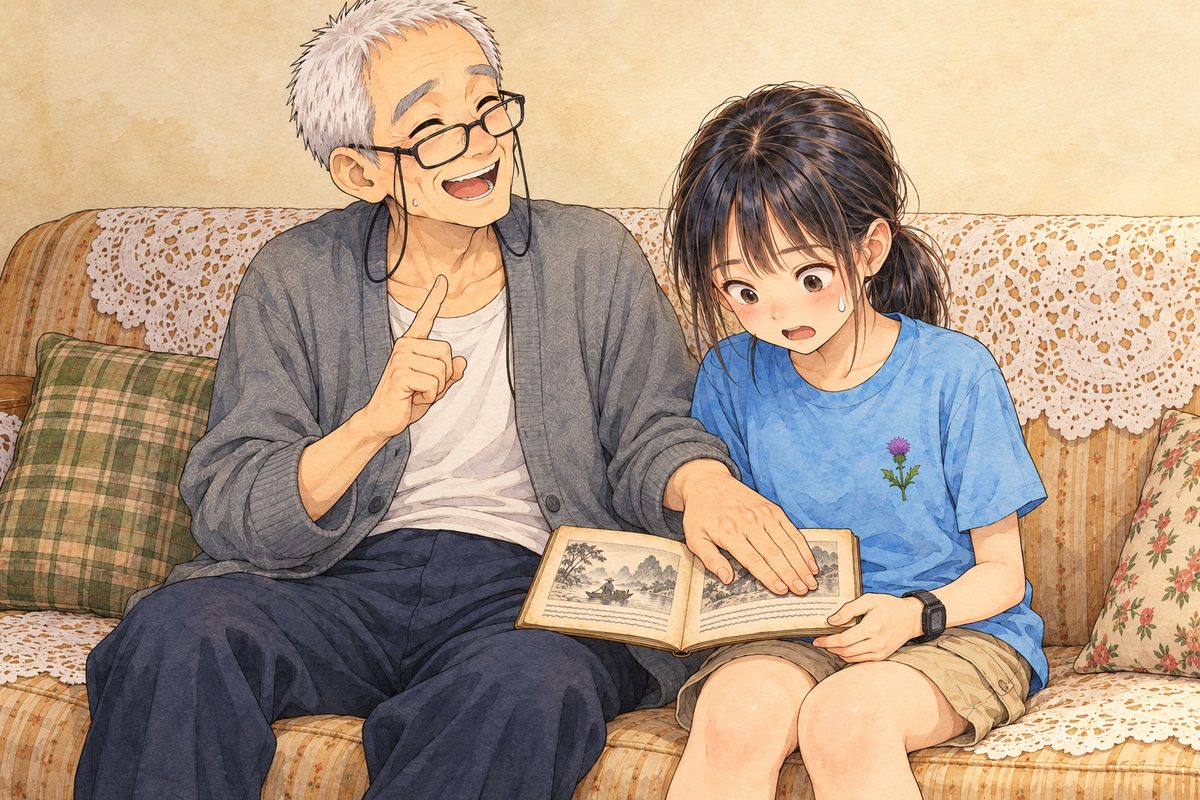
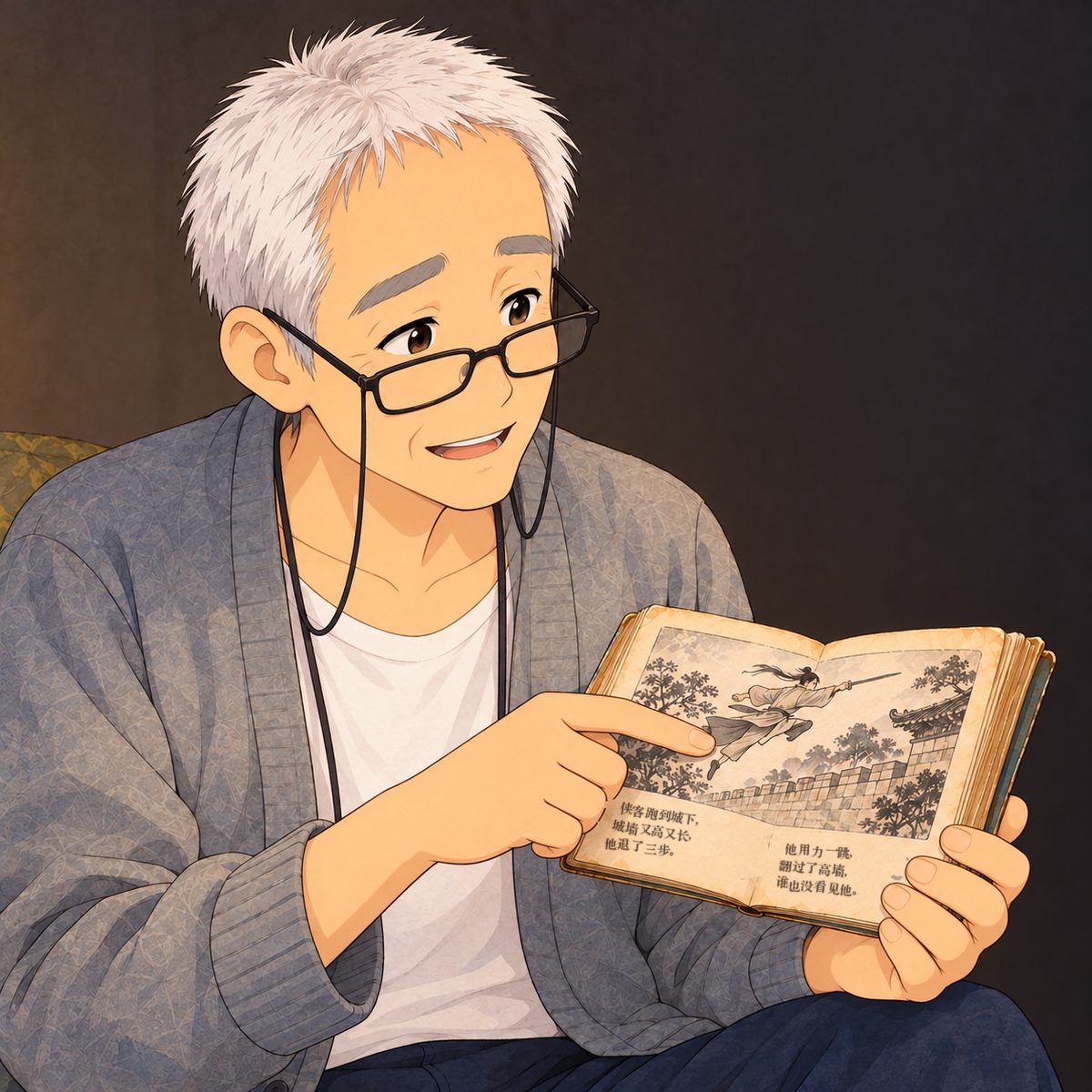
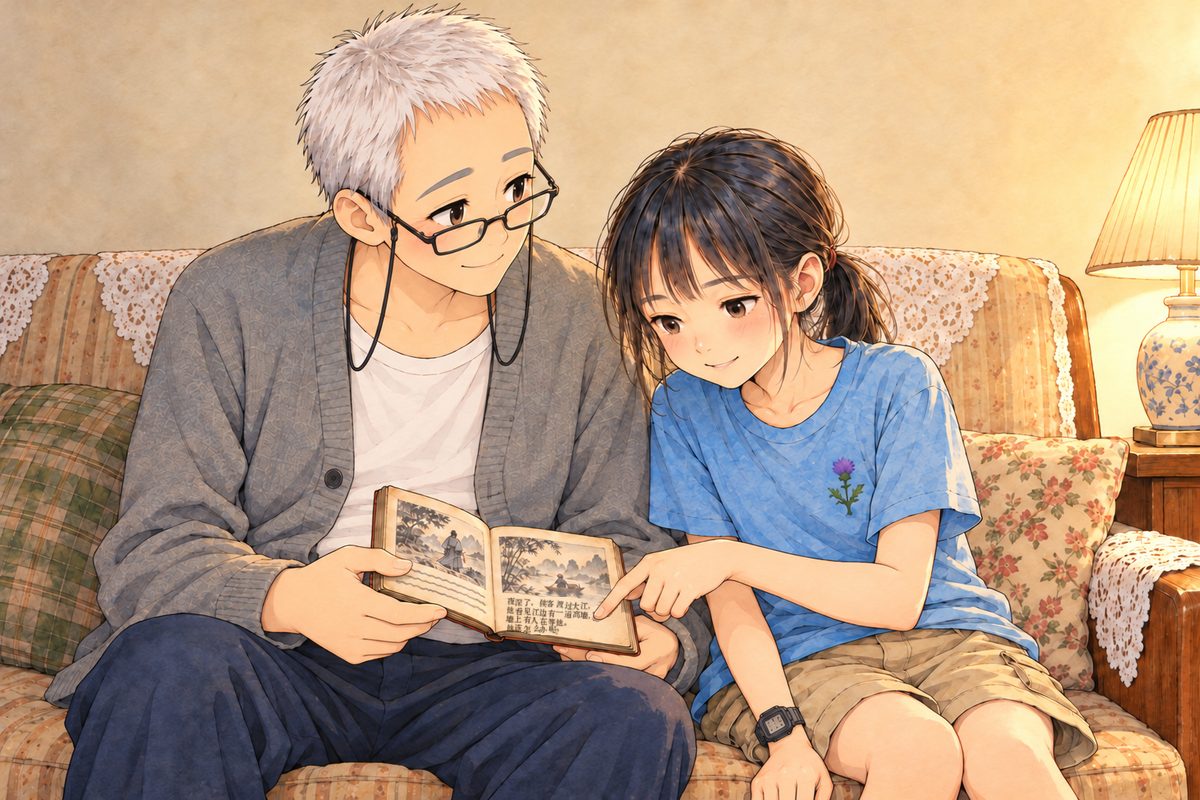
On page 11 every page of Grandpa's picture books is a drawing with its words underneath. That is like the first of three main ways a machine can learn. In the first, every example comes with its answer, like a photo marked "cat" or a picture with its words. In the second there are no answers at all. The machine sorts things into groups of its own, the way Grandpa sorted his drawers into round things and paper things, and there is no single right way to sort. In the third the machine learns by trying. It does something, gets a reward or doesn't, and does better next time. That is how game-playing programs learn.
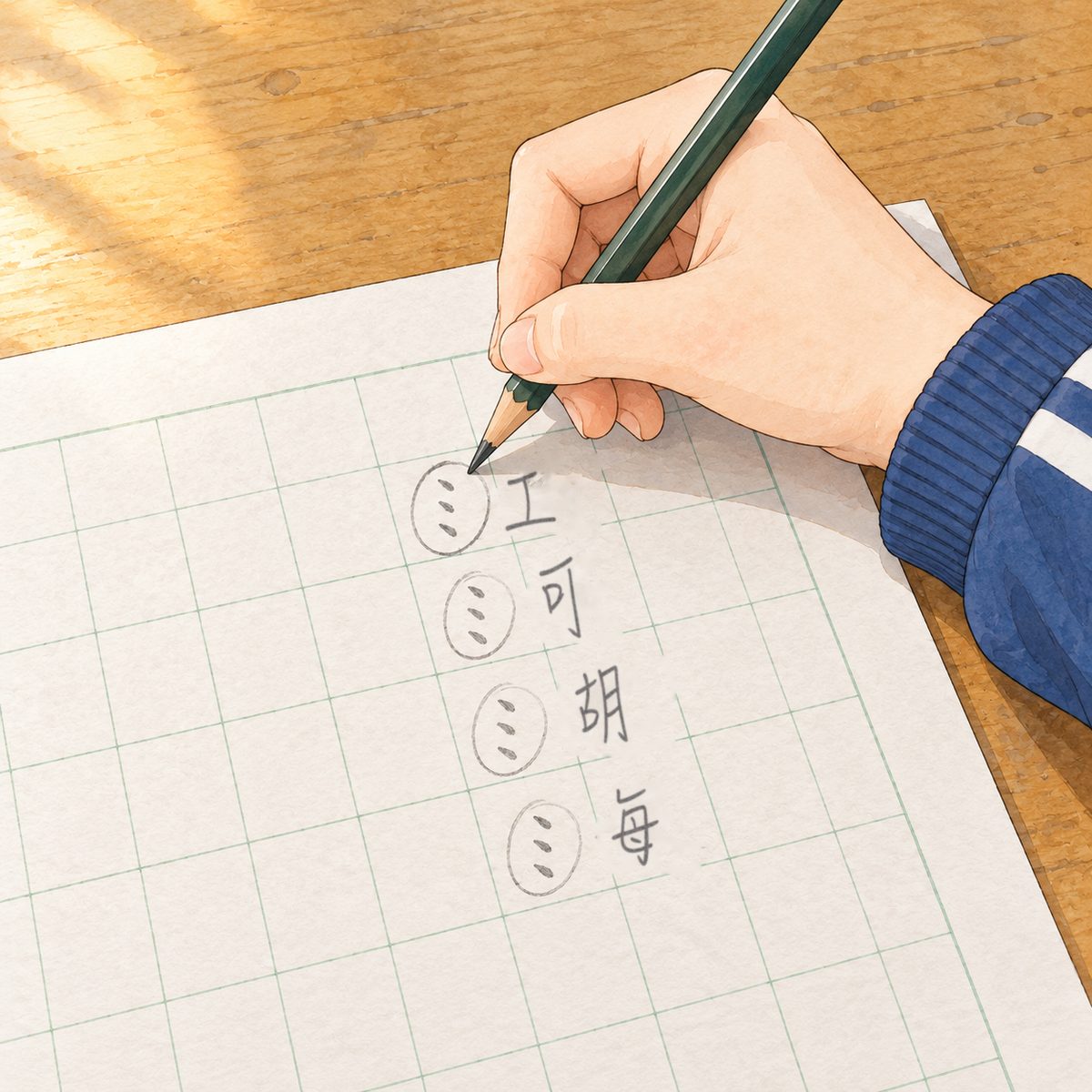
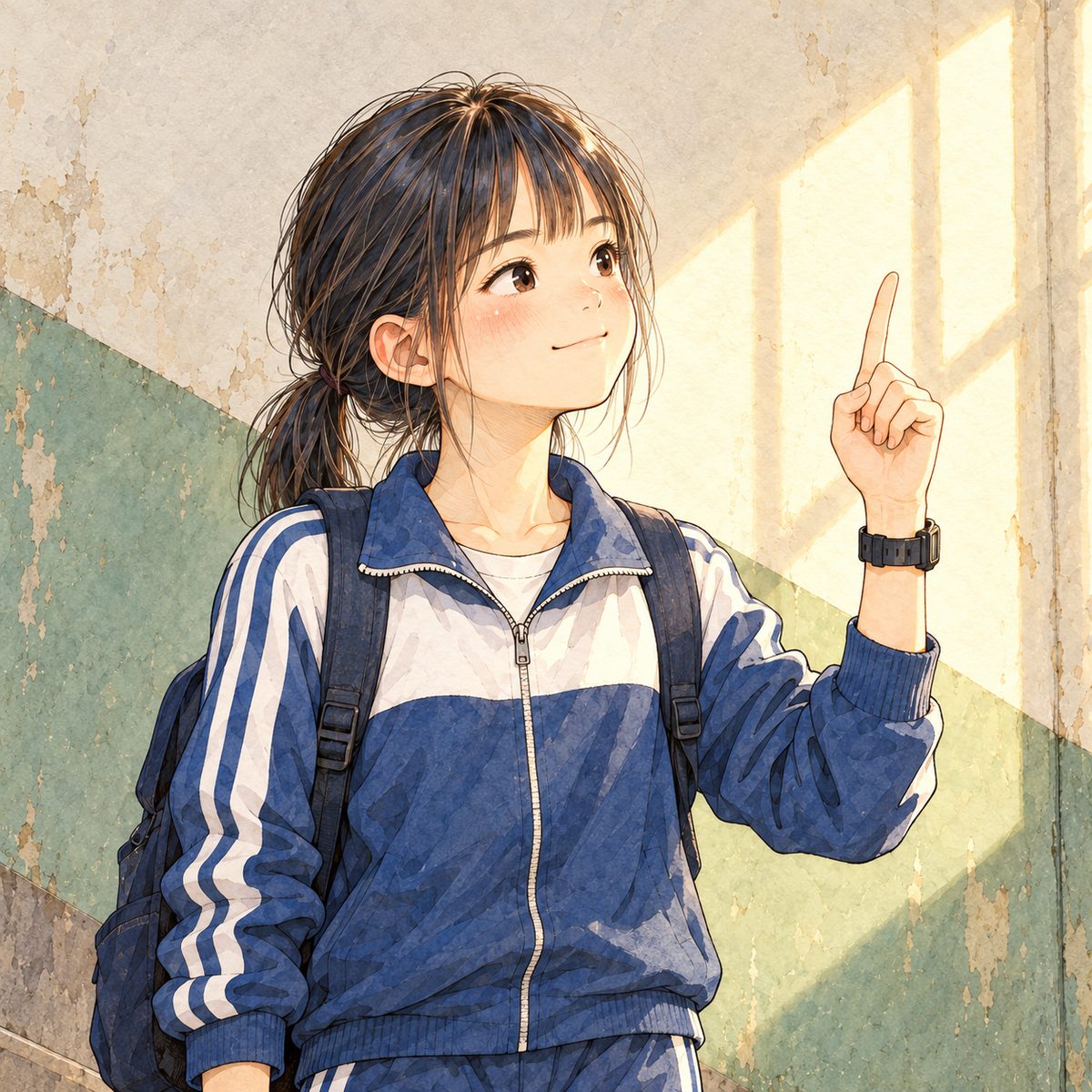
On page 13 Xiaoyu starts to see the three drops of water on the left of 江, 河, 湖 and 海. Nobody told her. In AI a clue like that is called a feature. For many years people chose the clues by hand, telling a program to look at colour, or edges, or shape. Today's big networks find their own clues from many examples, small ones first, like edges, then parts, then whole things. Xiaoyu did something similar after weeks of pictures and words.
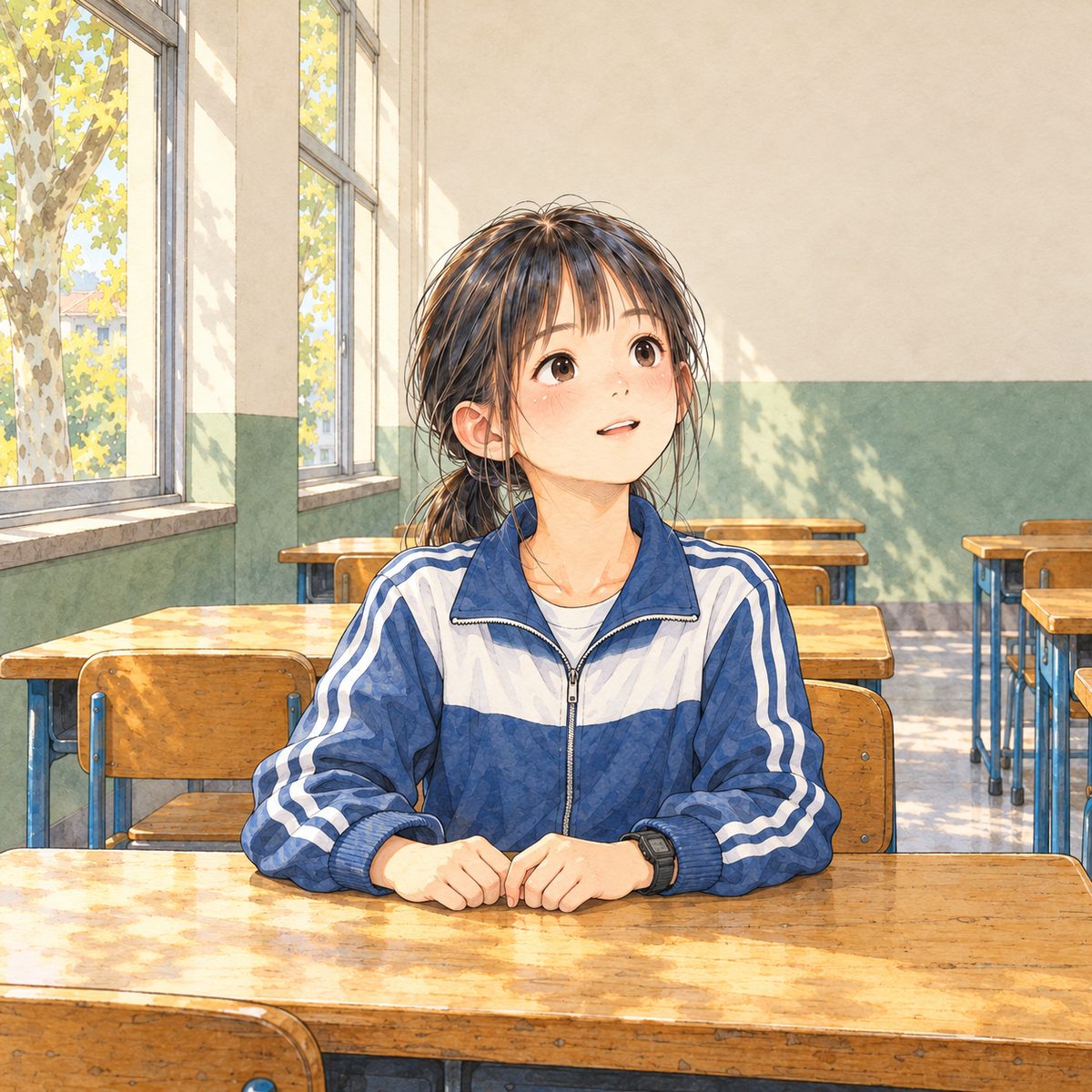
On page 16 the test story is new to everyone, but it is an old tale about a river at night, the same kind of story as Grandpa's books. That is why her weeks of reading helped. Learning from examples works best when the new thing comes from the same kind of world as the old ones. A program that learned cats from indoor photos can fail on cats in snow. If the test had been about science, Xiaoyu's picture books would have helped much less.
On page 14 Haoran's cat finder learned his hundred photos by heart, and Xiaoyu knew every character on her list but could not use them in new words. Learning examples too closely, accidents and all, is called overfitting. The opposite mistake is a rule too simple, like "water drops mean water", which goes wrong on 法, law. That is called underfitting. The best learning lies in between.
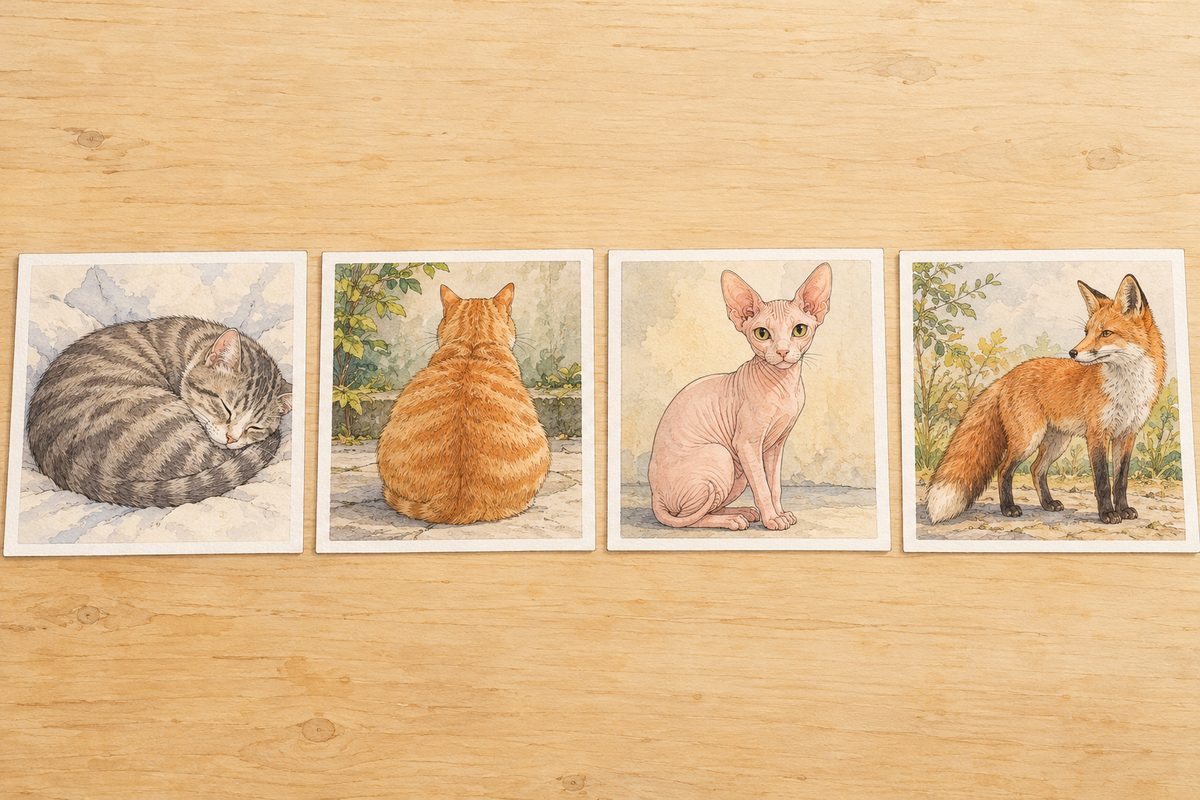
The things we know without thinking are the hardest to write rules for. Try it with a cat. Four legs? A sleeping cat shows none. Whiskers? Not from behind. Fur? A Sphynx cat has none. And a fox passes every rule you write.
A computer has it harder still, because it does not even see ears. A small colour photo, 224 pixels by 224, reaches it as about 150,000 numbers and nothing else.
The philosopher Michael Polanyi wrote that "we can know more than we can tell". Experts often cannot say the rules they use, and that is one reason rules are so hard to write down.
The expert systems of the 1970s and 80s tried anyway. MYCIN, which chose antibiotics for blood infections, used somewhere between 450 and 600 rules, depending on the version. In tests it did about as well as specialists, though it was never used routinely in hospitals. Every rule had to be drawn out of experts in long interviews, and systems like it failed at the edges of what they knew, as Haoran's rule machine fails on the second shì.
In machine learning, people collect examples, label each one with the right answer, and let an automatic procedure find a rule that fits. People still choose a great deal. They pick the kind of model, the examples and the labels. Only the rule itself is found by the machine, and it is often hard for anyone to read, even the people who built it.
Deep networks also find their own clues. Early on they pick up edges, then textures, then parts, and at last whole objects.
Learning from examples that come with answers, like Grandpa's drawings with their words underneath, is called supervised learning. Finding groups with no answers given, like Grandpa's drawers of round things and paper things, is unsupervised learning. Learning by trying things and getting rewards is reinforcement learning, the way game-playing programs learn.
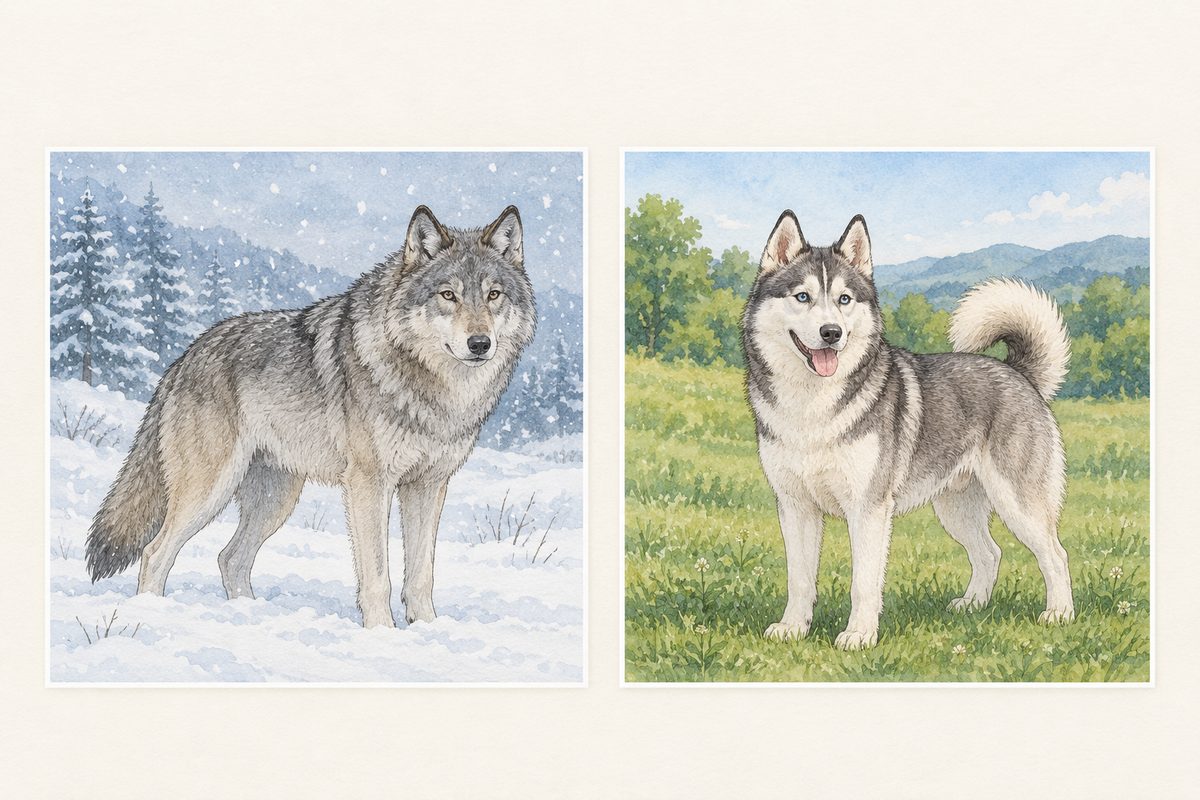
A model can give the right answer for the wrong reason. Three researchers, Marco Ribeiro, Sameer Singh and Carlos Guestrin, showed this on purpose. They trained a program on photos in which every wolf stood on snow and every husky did not. It learned "snow means wolf". It was looking at the ground, not the animal.
Learning the training examples too closely, accidents and all, is called overfitting. It is what Haoran's cat finder did with his hundred photos, and it is the risk in Lili's way of learning the whole textbook by heart. The opposite mistake, a rule too simple for the real pattern, is underfitting. The classic lesson is that the best model lies in between.
Very large modern networks make this story less neat. They can learn their training data by heart and still do well on new examples, and researchers are still working out why. The honest judge is always the same. Test on examples the model has never seen.
是, 事, 市, 室 and 试 are all read shì. The stroke-order rules on page 6 are the ones Chinese children really learn. And "这是我的事" really does hold two different shì.
Bridge City, the school, Teacher Fang, Lili, Xiaoyu, Grandpa Chen, Haoran, Mama, the dictations, the reading test and its marks, Haoran's two programs, and Grandpa's picture books and their stories. Picture books like them were real, though: small "little people's books" (lianhuanhua), a picture on every page with its words underneath, which many Chinese children read in the 1970s and 1980s. Grandpa's memory is drawn from no one in particular, and the story makes no medical claim.
Yingying Fu created this manga. She chose the story and its people, directed every page, and edited every word and picture. The words were drafted with Claude, an AI by Anthropic. The pictures are made with AI image generation, painted panel by panel from her direction and checked and corrected by hand.
这一章有几个道理交给了画面,好让跟外公一起的那些晚上安安静静的。这里用文字再讲一遍。
第8页,浩然做了一台规则机器。上世纪七八十年代,这样的程序叫“专家系统”。人们去问专家是怎么判断的,再把答案一条条写成规则,“如果这样,就那样”。有个叫 MYCIN 的程序,用五百条左右的规则,给血液感染选药。这类程序在自己那一小块里很好用,一出边界就不灵了,就像浩然的程序碰上第二个 shì 就错。
第9页,浩然说,没人给手机写过规则,它是看例子学会的。人们找来成千上万张照片,每张都标上“是猫”或“不是猫”,让电脑自己找出一条合适的规则。这就叫机器学习。例子是人挑的,规则是电脑自己找的。
第11页,外公的小人书,每一页都是一幅画,画底下配着字。机器学东西主要有三种办法,这像是第一种。第一种,每个例子都带着答案,比如一张标着“猫”的照片,或者一幅配着字的画。第二种,根本没有答案,机器自己把东西分成几堆,就像外公把抽屉分成“圆的”和“纸的”,怎么分都不算错。第三种,边试边学。机器做一件事,得到奖励或者得不到,下回就做得更好。下棋、打游戏的程序,很多就是这么学的。
第13页,小雨开始看出江、河、湖、海左边都有三点水,没人教过她。在人工智能里,这样的线索叫“特征”。很多年里,线索都是人一个个挑好的,告诉程序去看颜色、边缘或者形状。今天的大型神经网络,会从大量例子里自己找线索,先找小的,比如边缘,再找零件,最后是整个东西。小雨看了几个星期的画和字,做的也是差不多的事。
第16页,考的那篇文章谁都没见过,可它讲的是一个女孩夜里过江的老故事,跟外公的小人书是一个路子。所以她那几个星期没白看。从例子里学,碰到的新东西跟旧例子是同一类,才最管用。一个只看过室内猫照片的程序,碰到雪地里的猫,可能就认不出来。要是那天考的是一篇讲科学的文章,小人书就帮不了她多少了。
第14页,浩然的认猫程序把他那一百张照片背了下来,小雨也是把字表背熟了,换到新词里却不会用。把例子学得太死,连碰巧的东西也学进去,叫“过拟合”。反过来的毛病,是规则太简单,比如“三点水就跟水有关”,碰上“法”字就错了。这叫“欠拟合”。最好的学法,在两者中间。
我们不用想就认得的东西,偏偏最难写成规则。拿猫试试。四条腿?睡着的猫一条也看不见。胡子?背过身就没有了。毛?斯芬克斯猫没有毛。而狐狸,你写的每一条它都符合。
电脑更难,它连耳朵都看不见。一张224×224像素的小彩照,到了它那里,只是大约十五万个数。
哲学家波兰尼写过一句话,“我们知道的,比我们说得出的多”。专家常常说不清自己用的是哪些规则,这正是规则难写的一个原因。
七八十年代的专家系统还是硬着头皮去写。MYCIN 给血液感染挑抗生素,用了大约四百五十到六百条规则,各个版本不一样。测试时它跟专科医生差不多,不过从没在医院里日常使用。每条规则都要靠长长的访谈,从专家嘴里一点点挖出来。这类系统一到自己知识的边上就失灵,就像浩然的规则机器碰到第二个 shì 就卡住了。
机器学习的做法是,人收集例子,每个例子标上正确答案,再让一套自动的办法找出合适的规则。人要选的东西其实很多,用什么样的模型,拿哪些例子,怎么标答案,都是人定的。只有规则本身是机器自己找出来的,而且往往谁也看不懂,连造它的人也一样。
深度网络连线索也自己找。先学会边缘,再是纹理,再是零件,最后才认出整个东西。
例子都带着答案,就像外公小人书里每幅画下面都配着字,这叫监督学习。没有答案,自己去分组,就像外公把抽屉分成圆的和纸的,这叫无监督学习。边试边学,做对了有奖励,这叫强化学习,下棋打游戏的程序就是这样学的。
模型有时答对了,理由却完全不对。里贝罗、辛格和格斯特林三位研究者故意做了一个实验。他们拿来训练的照片里,狼全都站在雪地上,哈士奇都不在雪里。结果程序学会的是“有雪就是狼”。它看的是地面,不是动物。
把训练的例子学得太死,连里面的偶然和杂音也一起记住,这叫过拟合。浩然的认猫程序把他那一百张照片背了下来,就是这样。丽丽把整本课本背下来的办法,也藏着这个风险。反过来,规则太简单,抓不住真正的规律,叫欠拟合。经典的说法是,最好的模型在两者中间。
今天的超大网络让这个故事没那么整齐了。它们能把训练数据背得滚瓜烂熟,碰上新例子却照样做得好,为什么会这样,研究者还在找答案。最公正的裁判始终只有一个,拿模型从没见过的例子去考它。
是、事、市、室、试,这五个字都念 shì。第6页的笔顺规则,就是中国孩子真正学的那几条。“这是我的事”这句话里,也确实有两个不同的 shì。
桥城、那所学校、方老师、丽丽、小雨、陈外公、浩然、妈妈、听写和阅读测验的分数、浩然的两个程序,还有外公的小人书和书里的故事。不过,这样的小人书(连环画)是真的:每页一幅画,画底下配着字,上世纪七八十年代很多中国孩子都看过。外公的记性问题不是照着哪个真人写的,故事里也没有任何医学上的说法。
这本漫画由 Yingying Fu 创作。故事和人物由她决定,每一页由她导演,每一句话、每一幅画由她修改。文字是和 Anthropic 的人工智能 Claude 一起起草的。画面由人工智能生成,按她的要求一格一格地画,再逐张检查、修正。
© 2026 Yingying Fu. All rights reserved.© 2026 傅颖盈。保留所有权利。