Chapter 6. Everything Is Numbers第六章 一切都是数字
A manga for grown-ups. Read it in English or Chinese.给大人看的漫画。可以用中文或英文读。
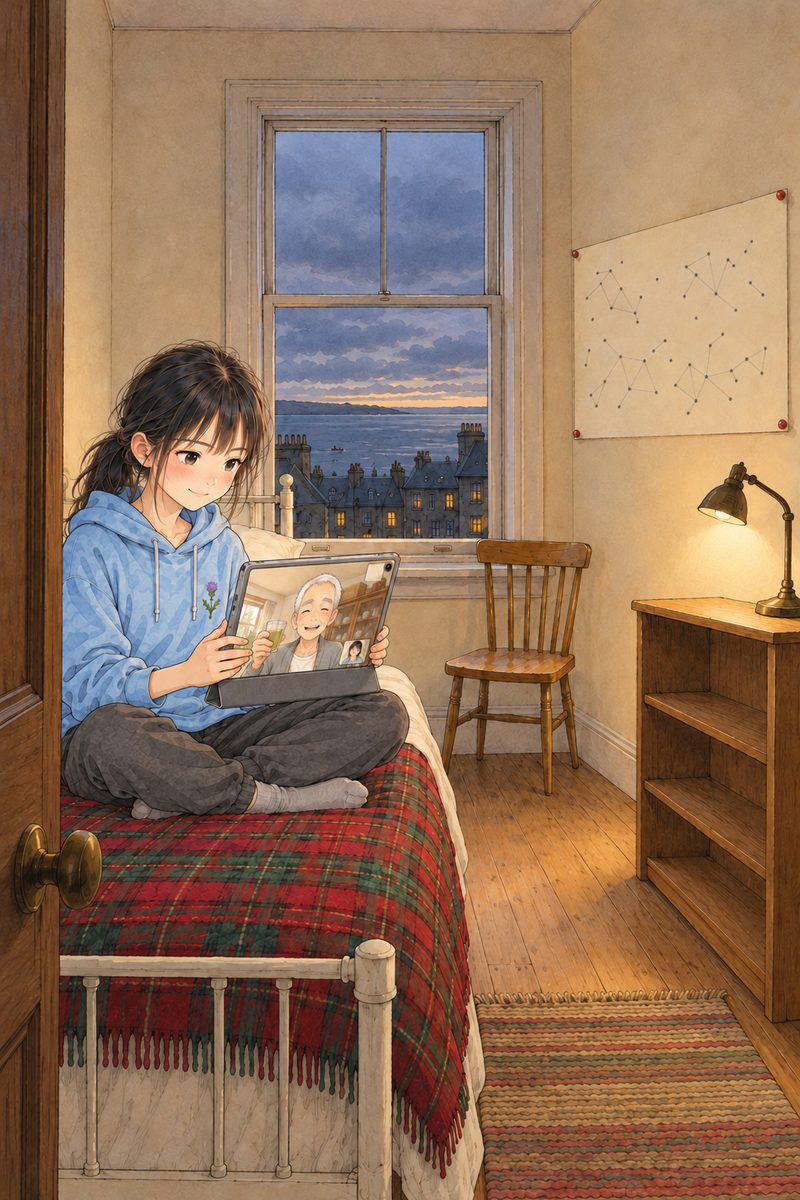
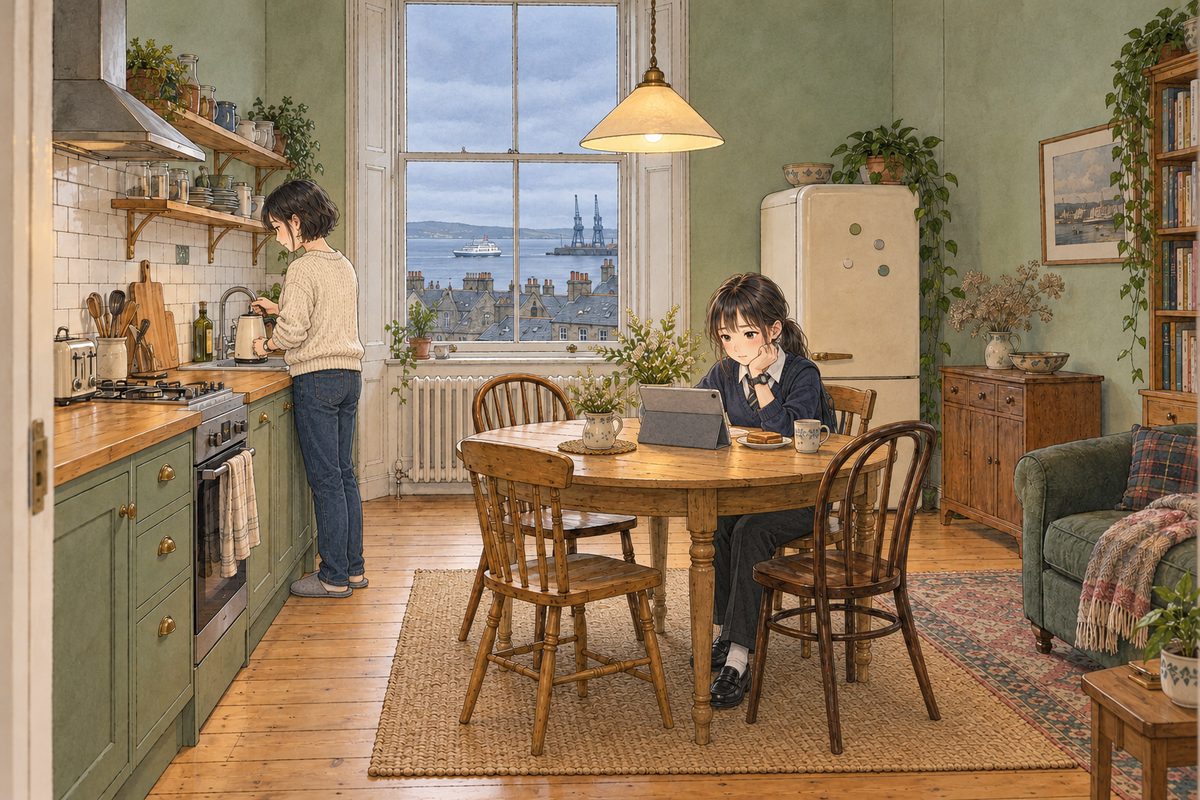
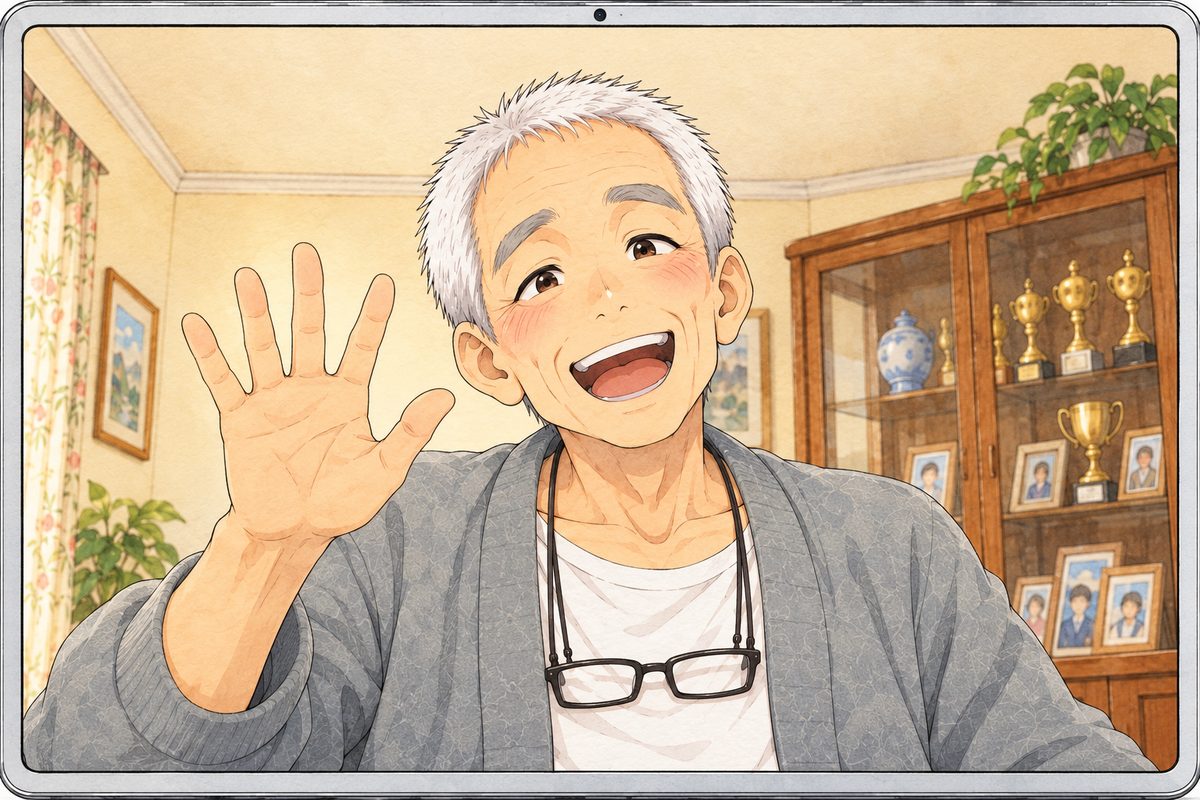
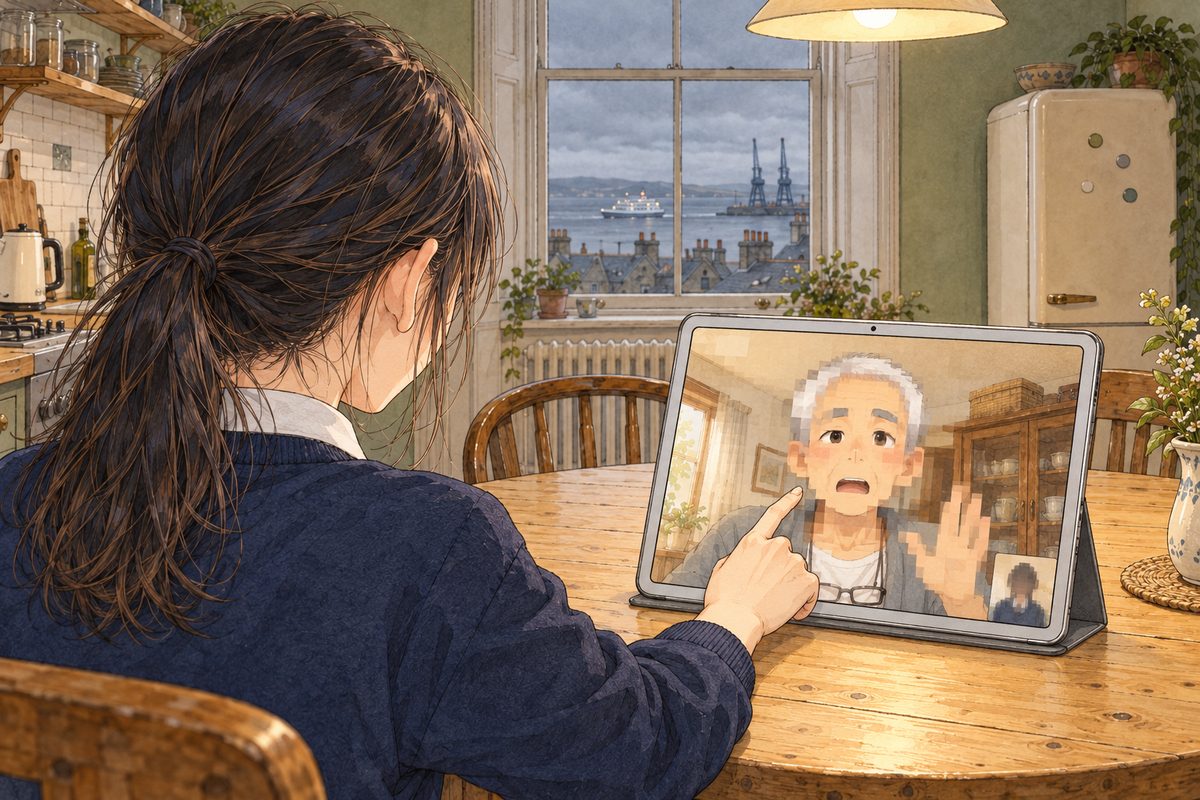
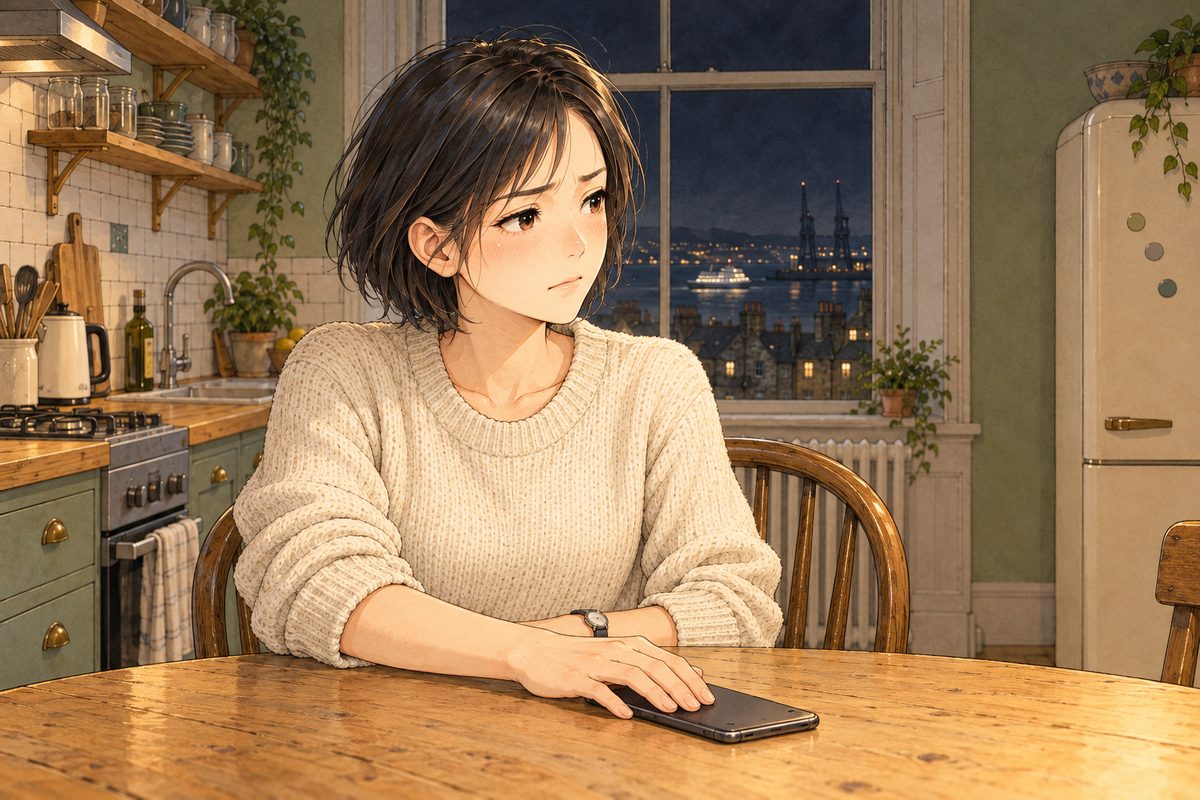
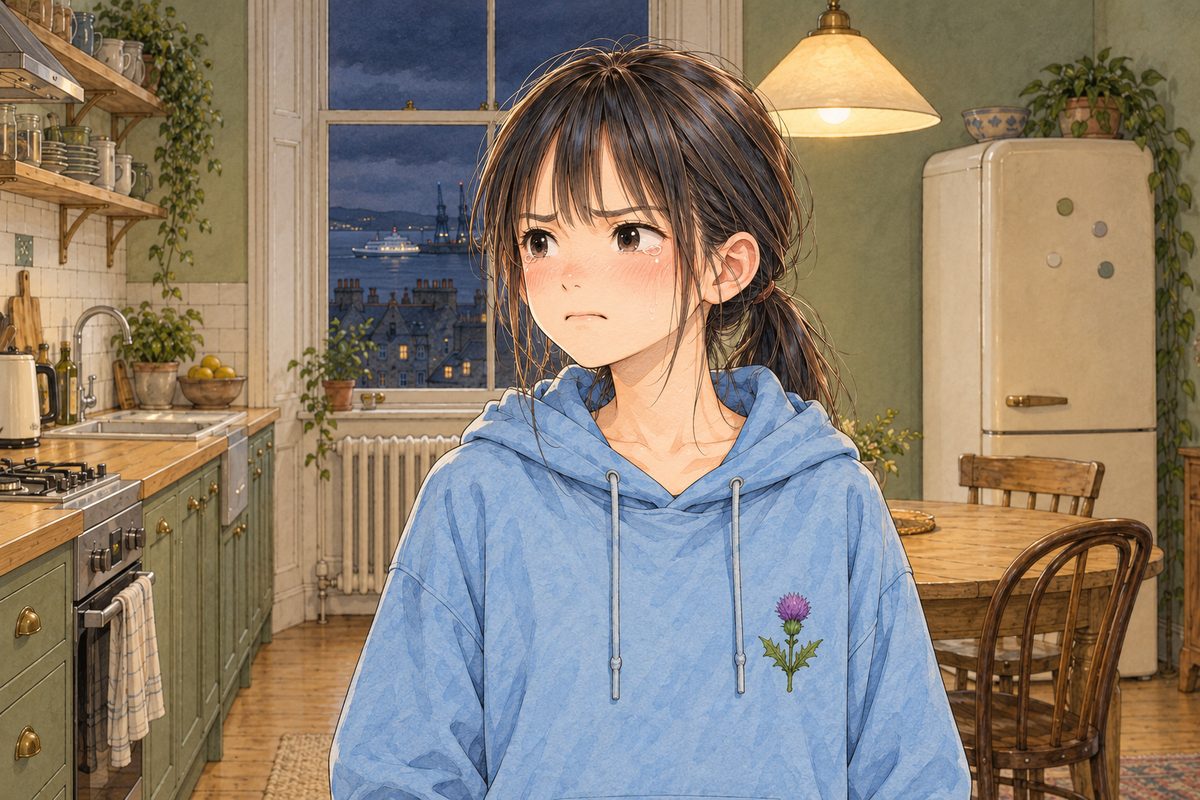
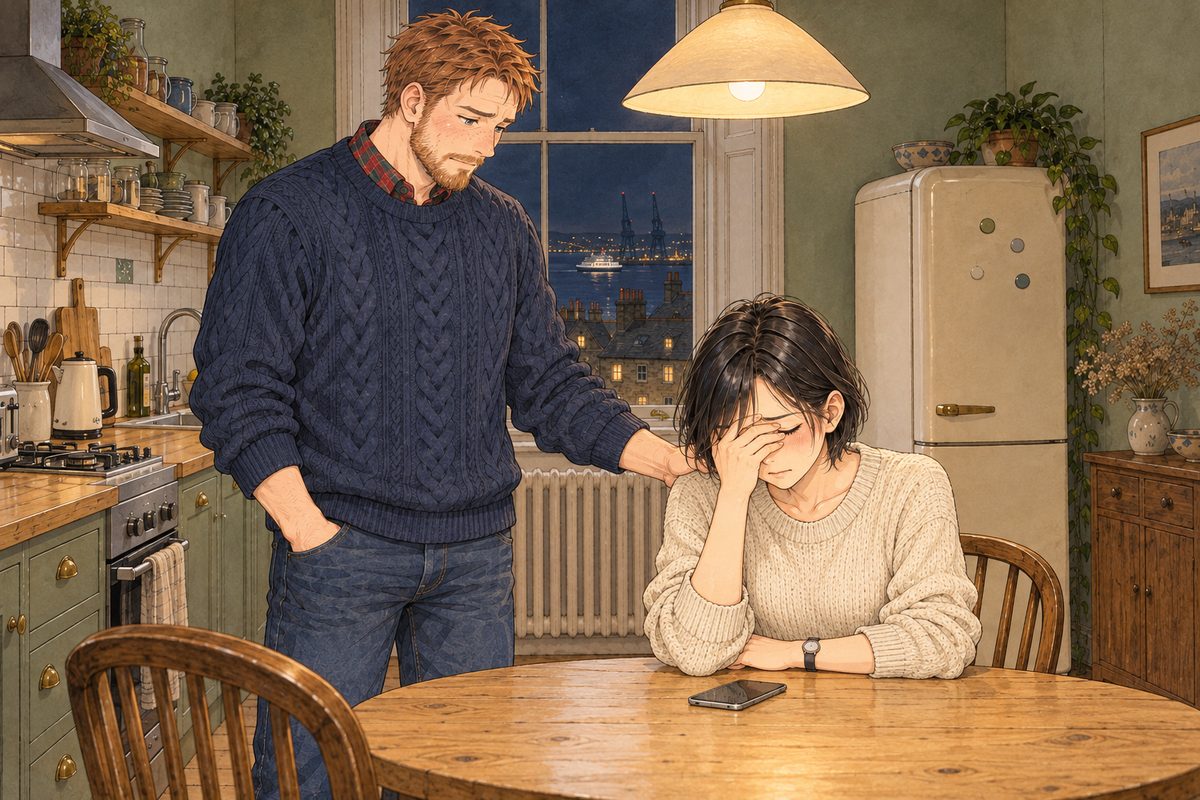
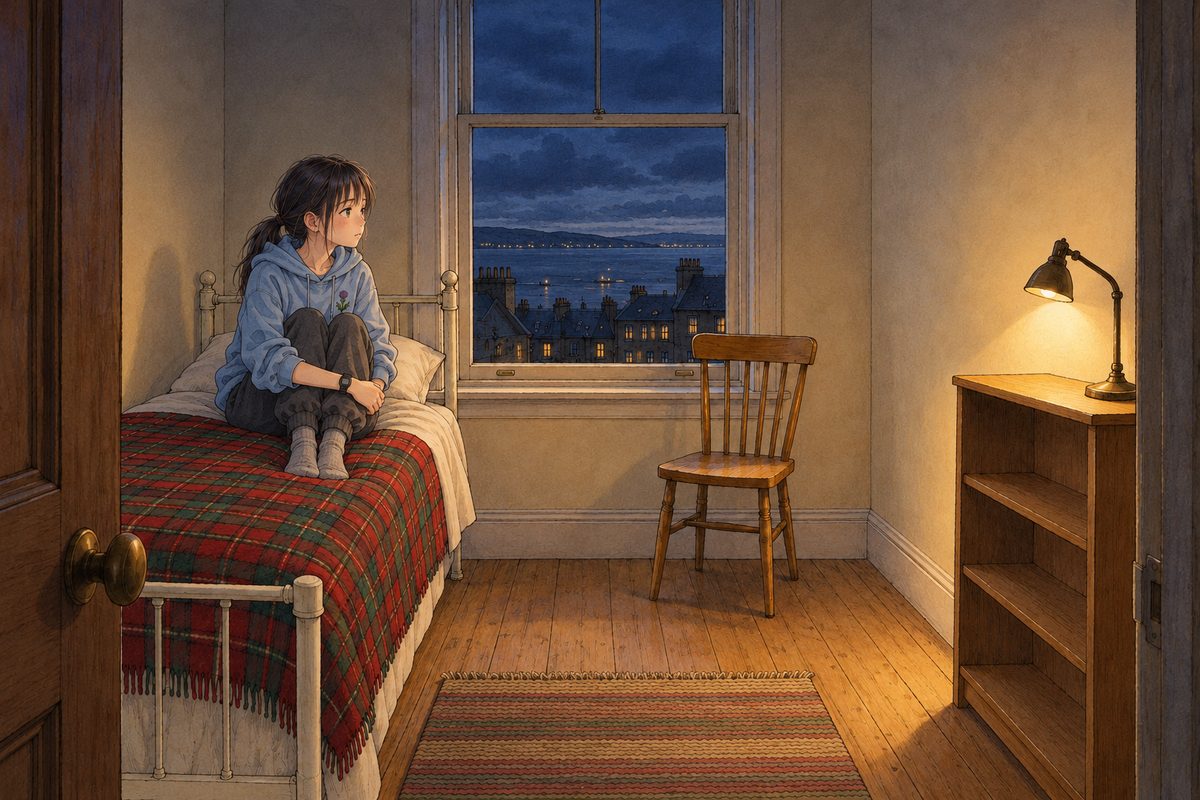
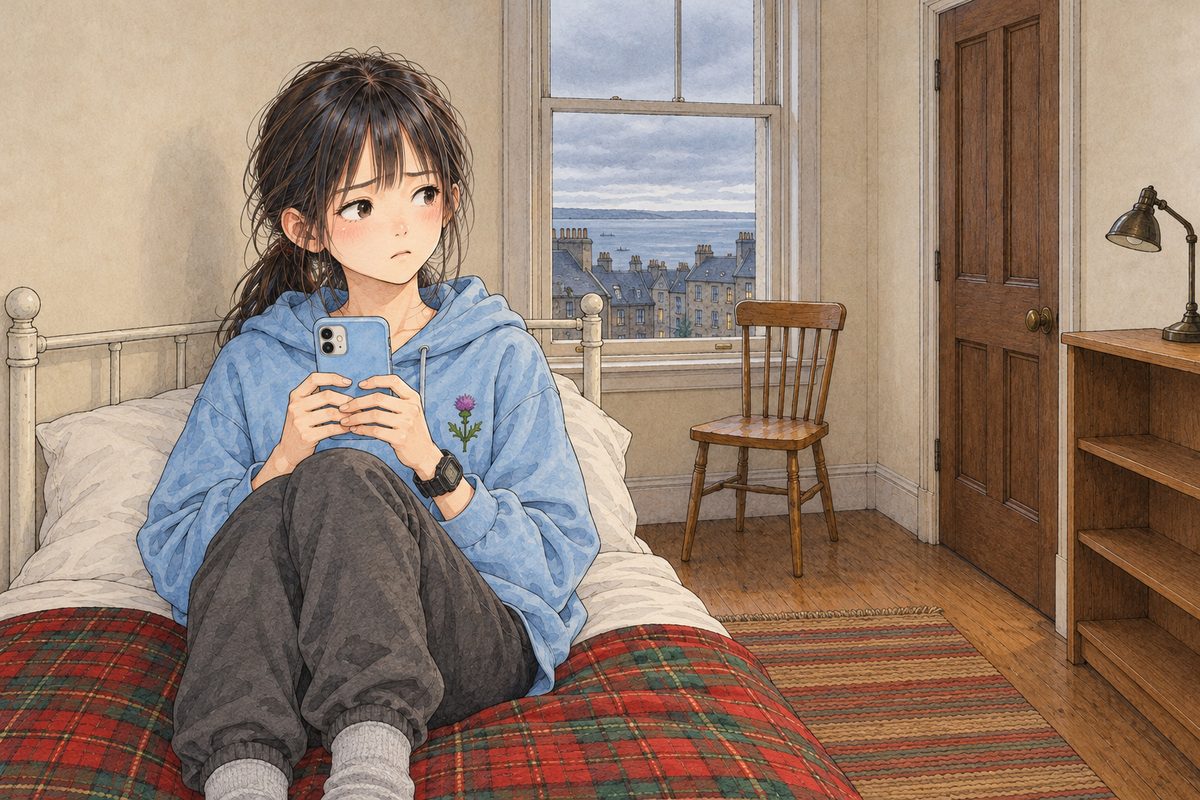
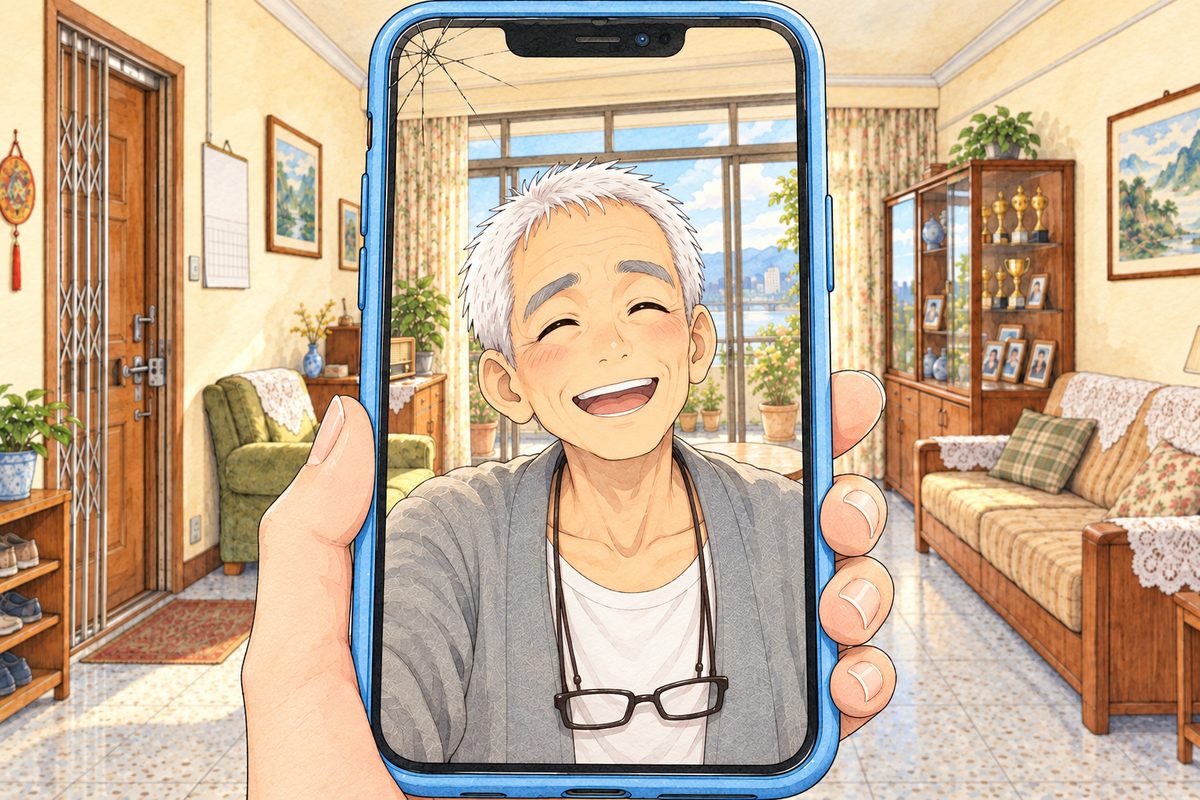
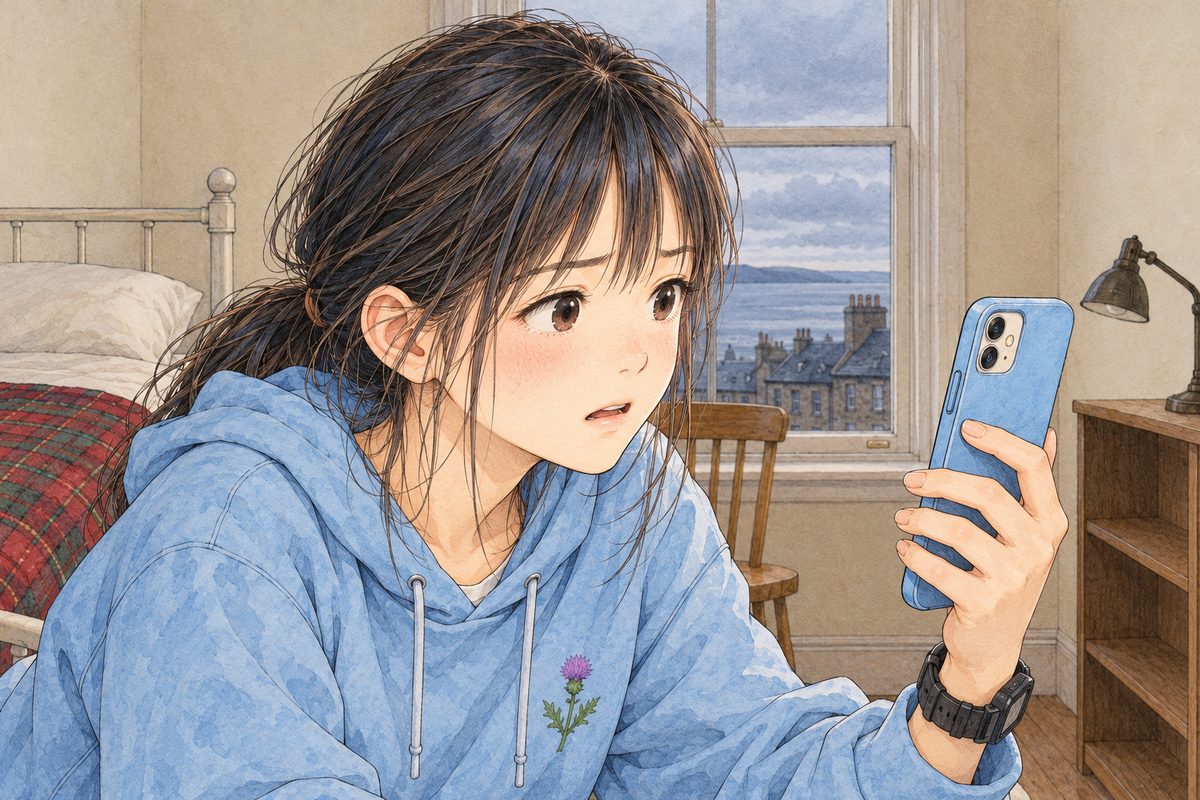
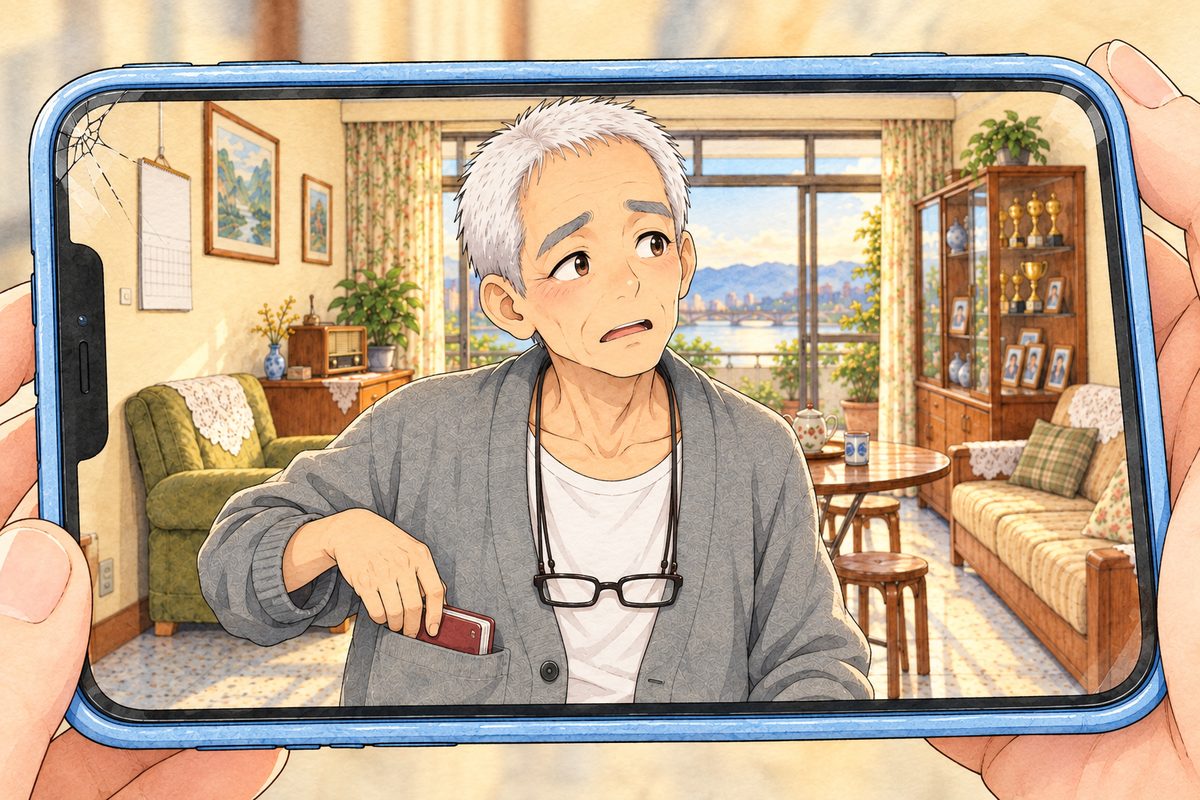
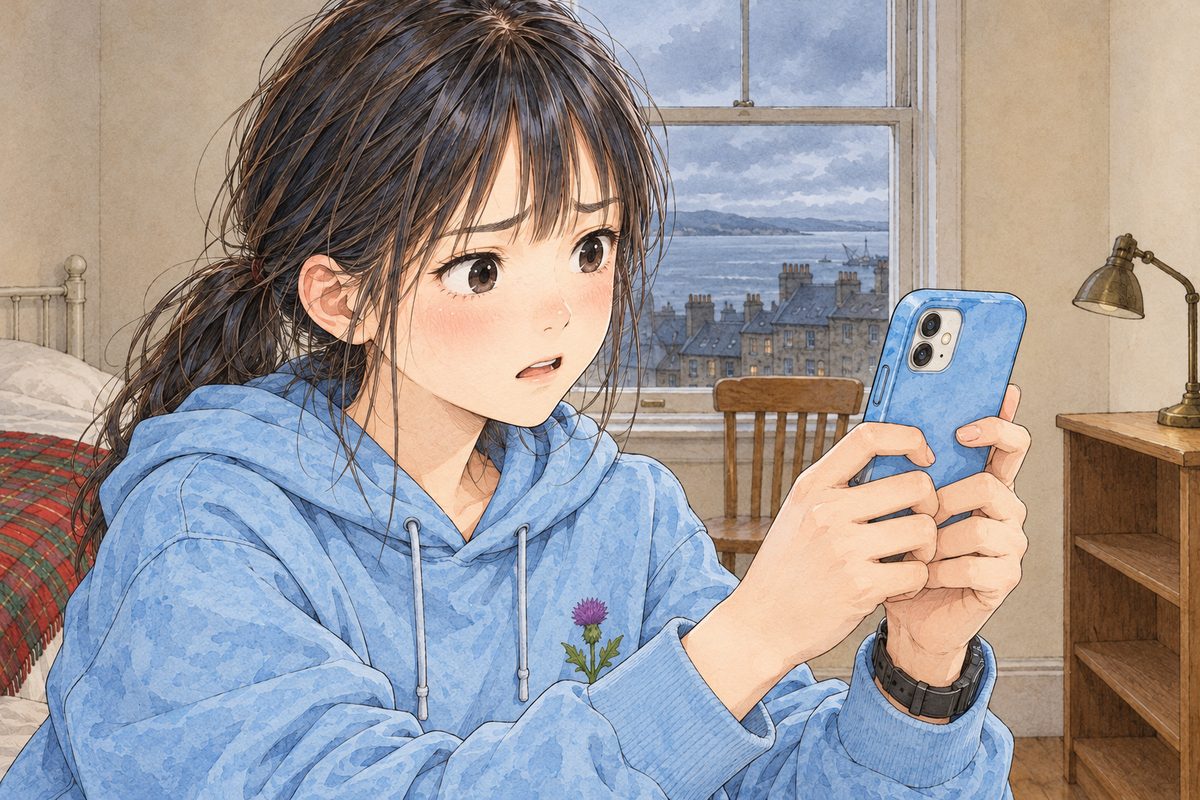
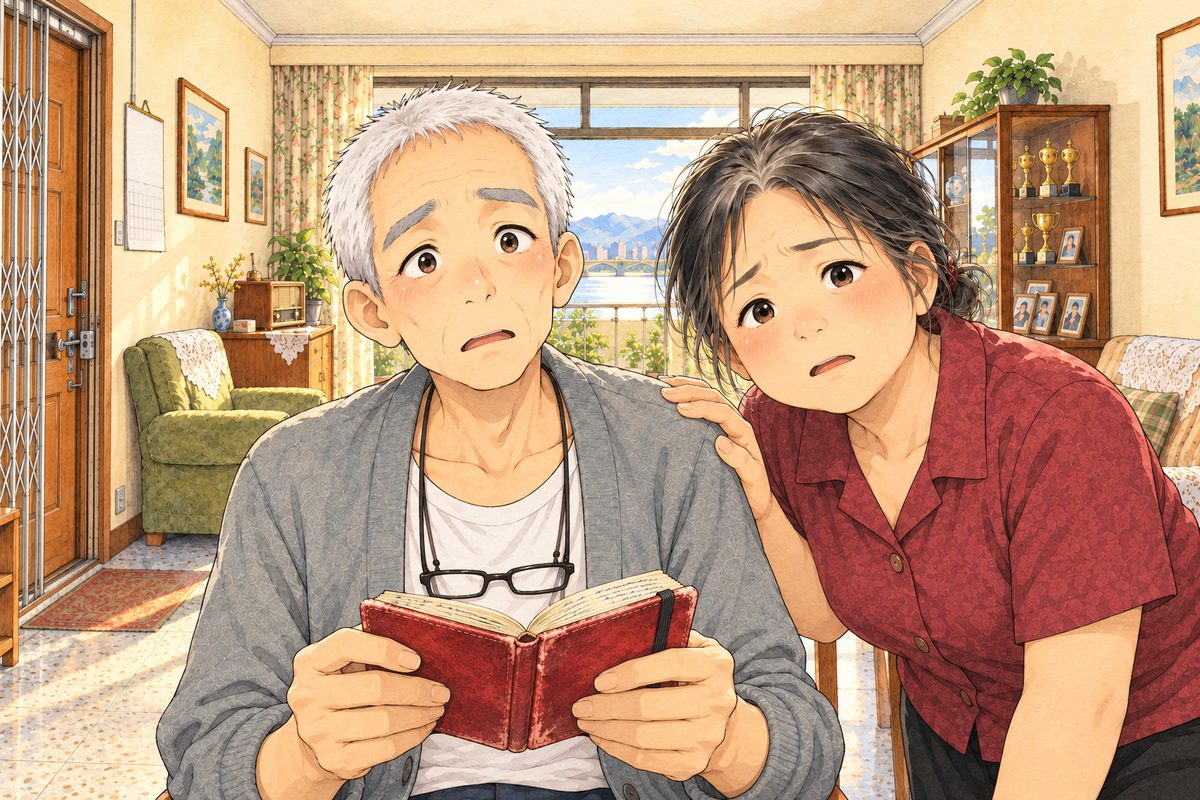
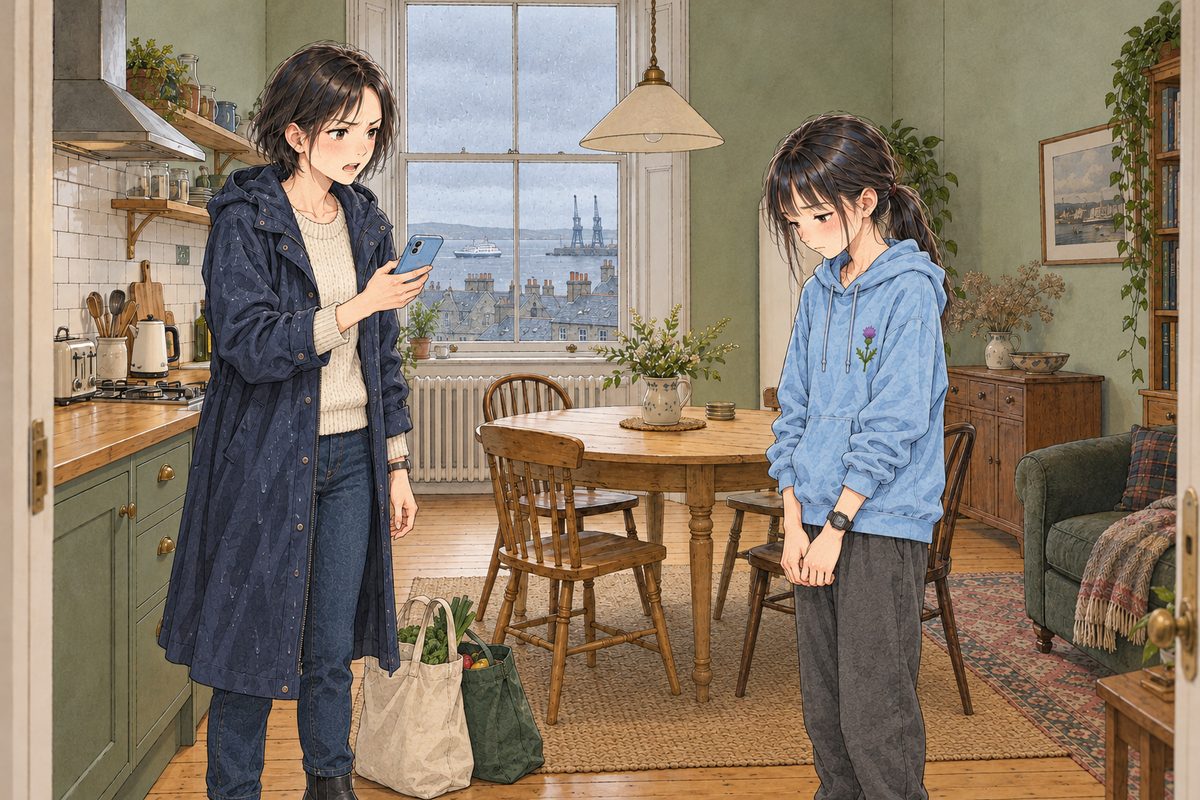
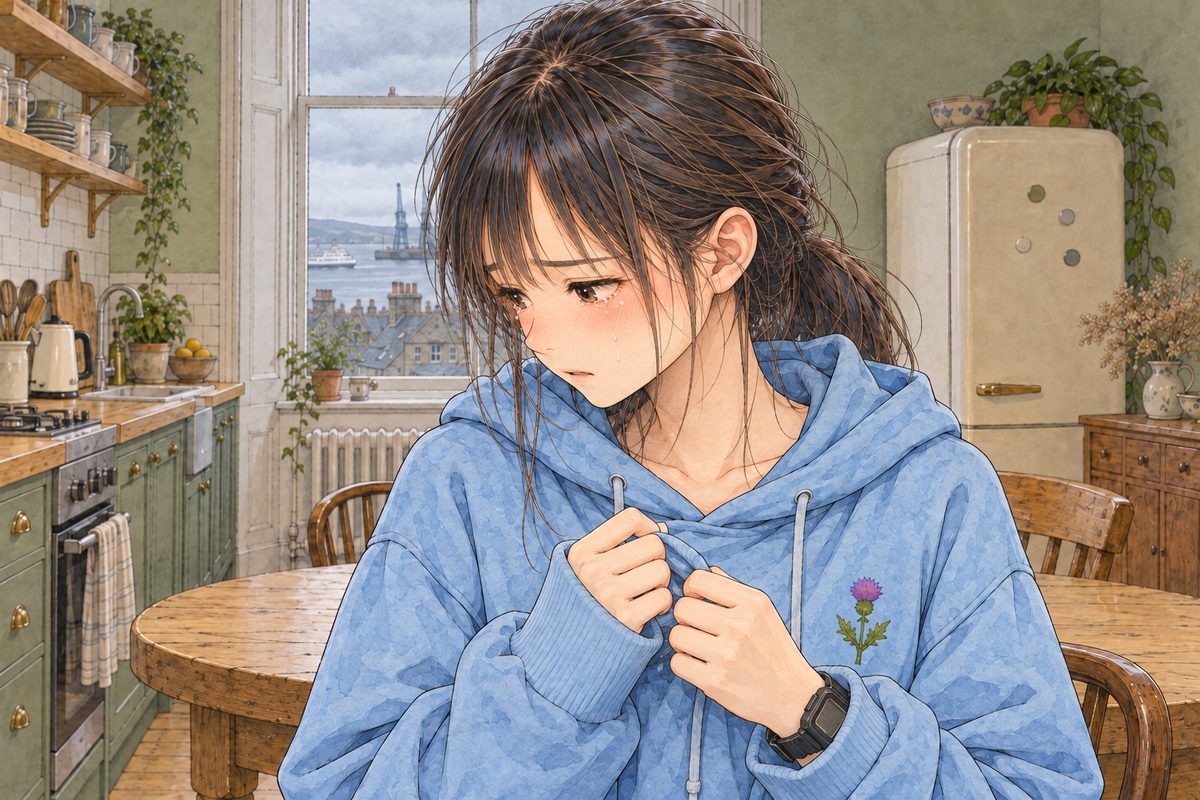
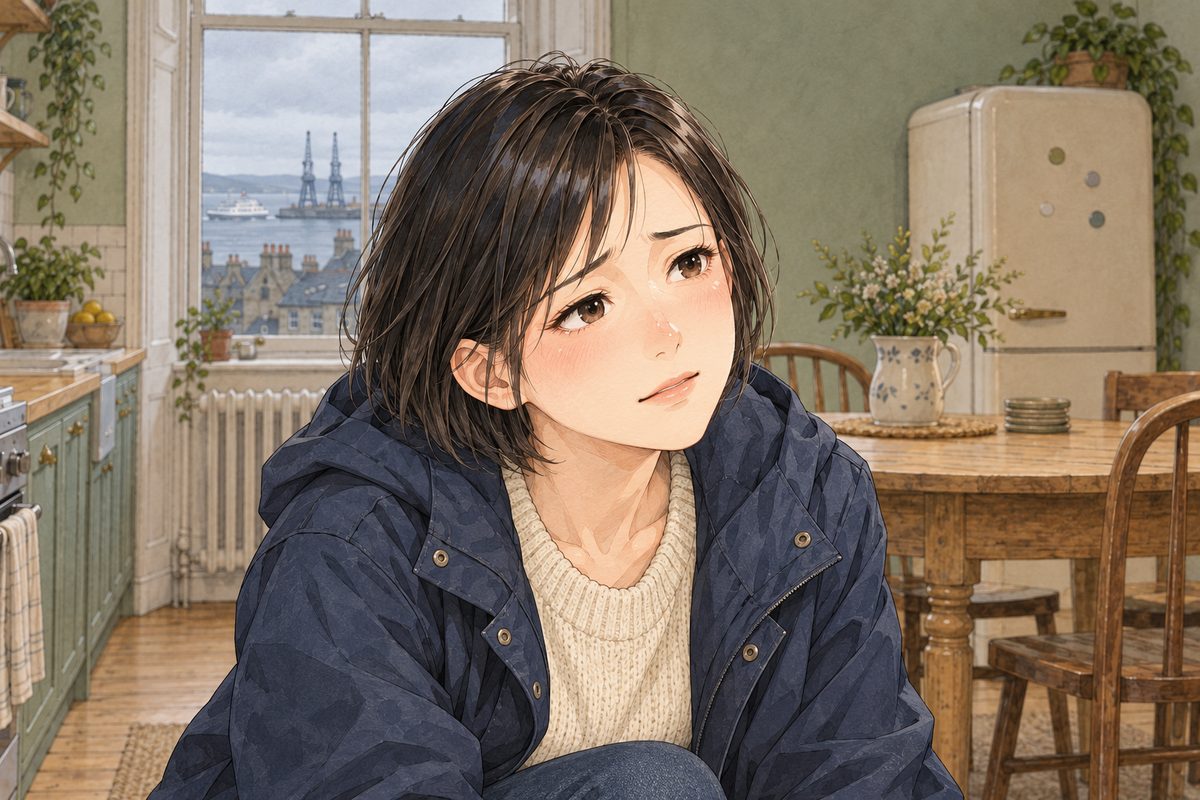
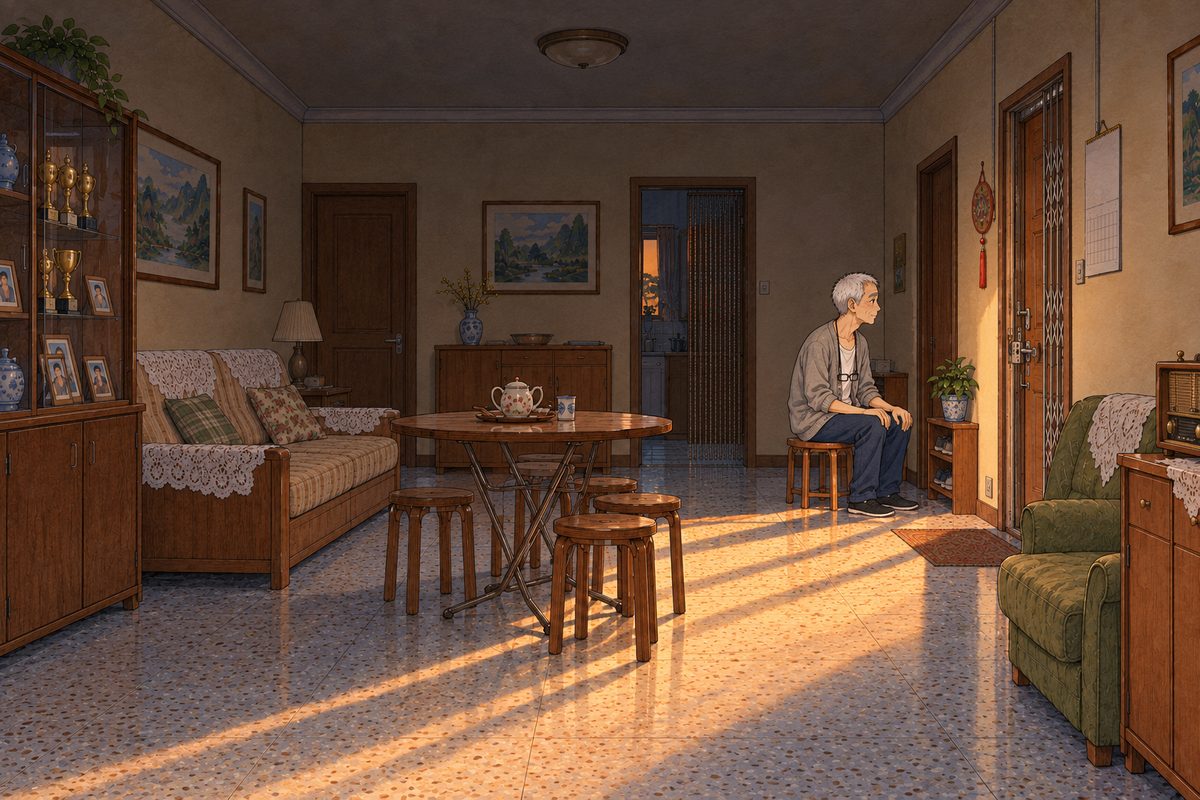
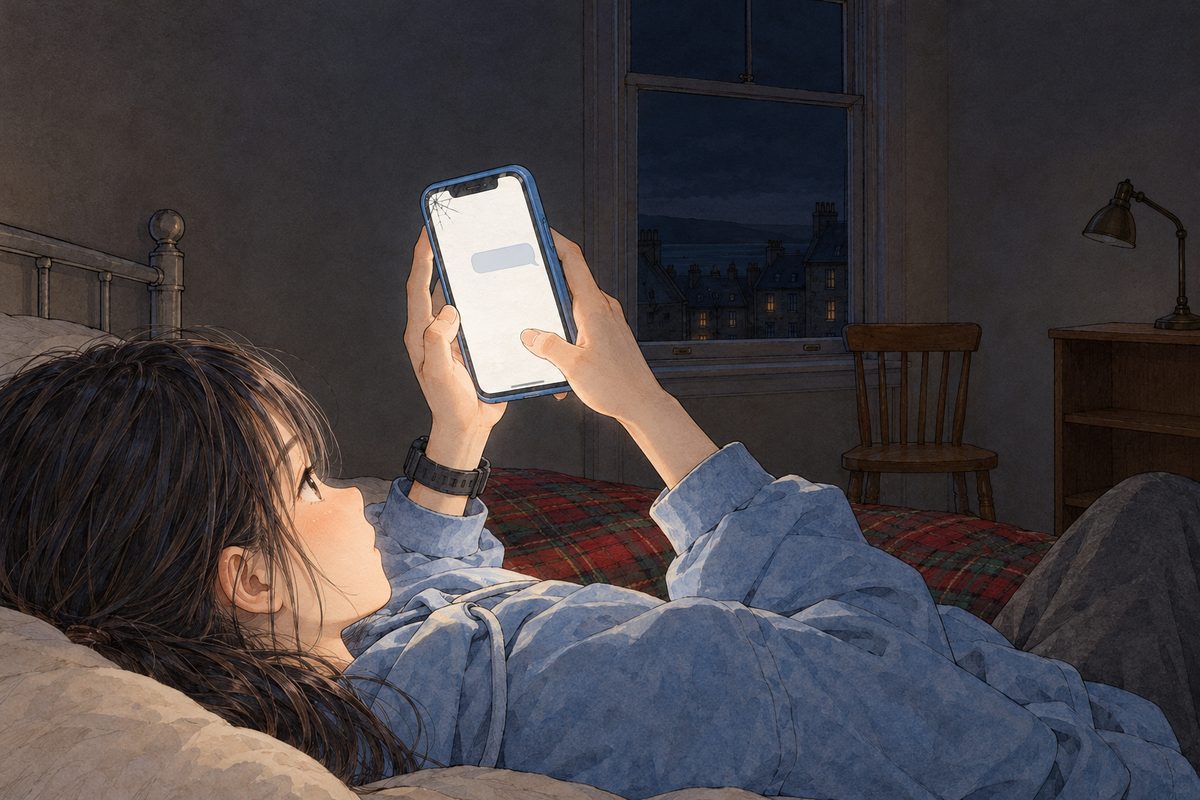
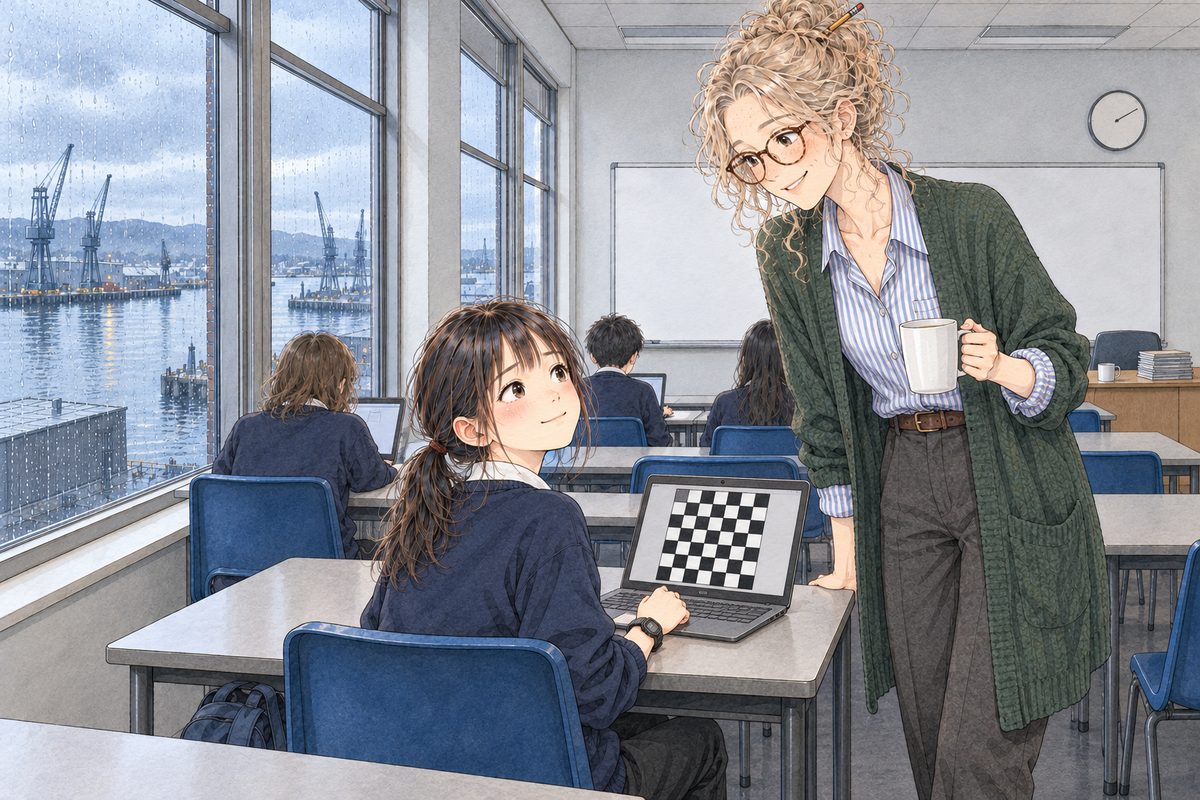
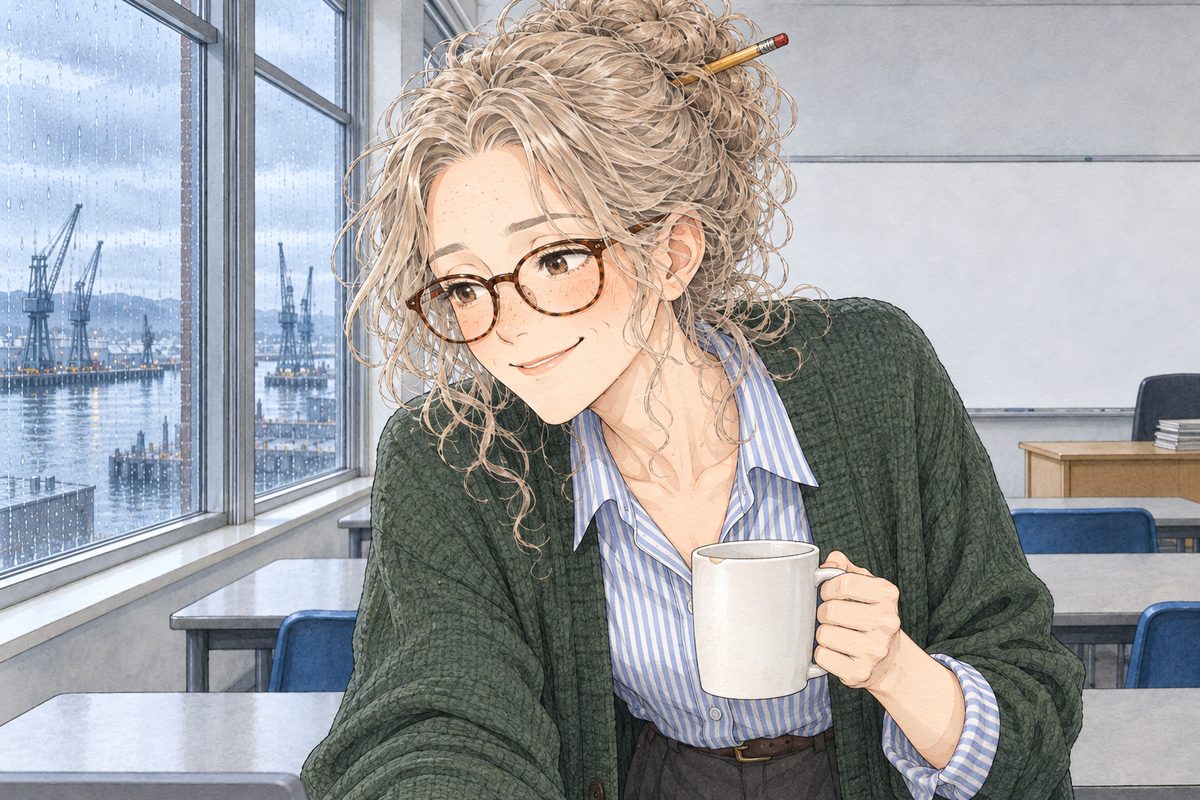
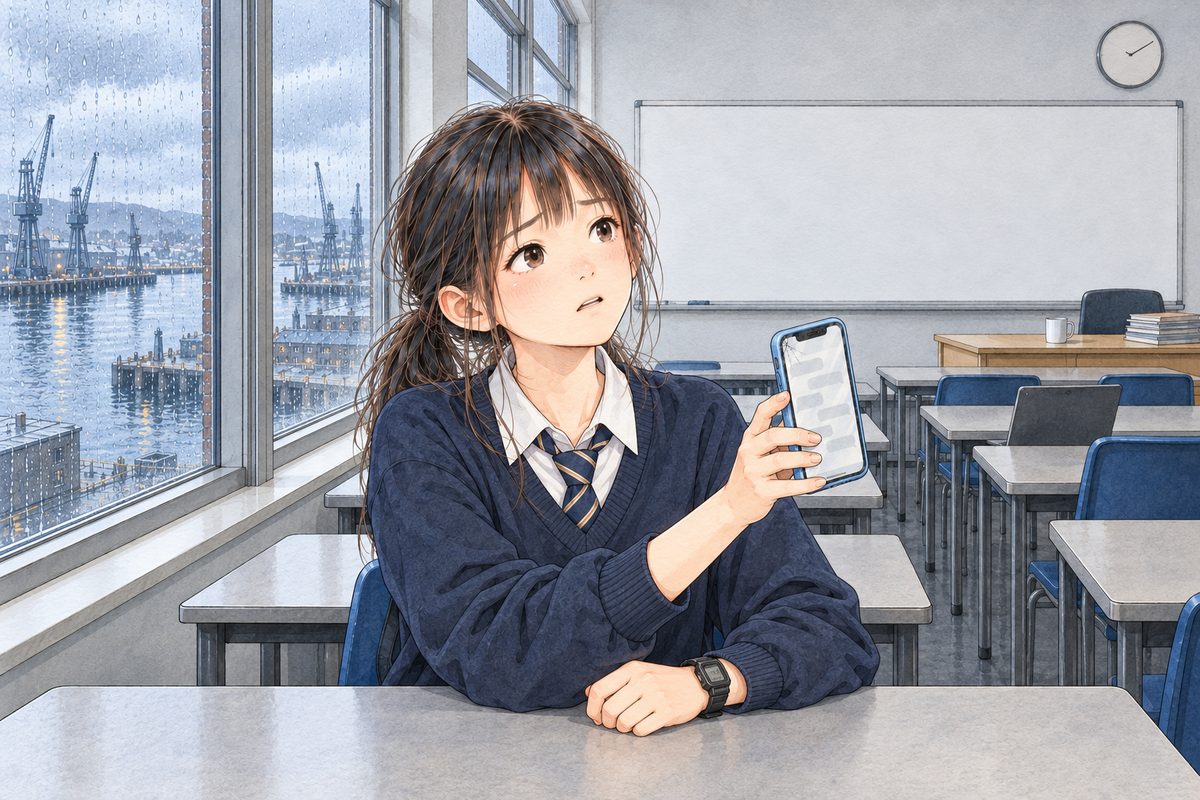
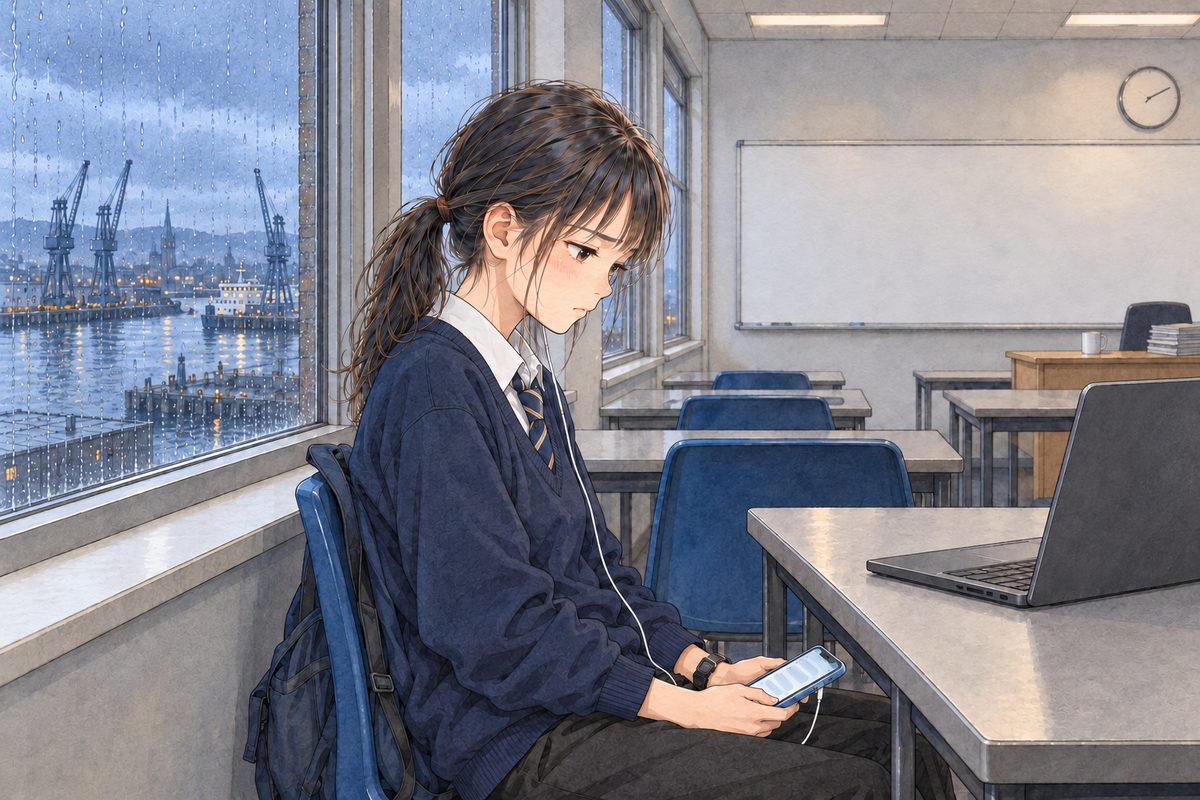
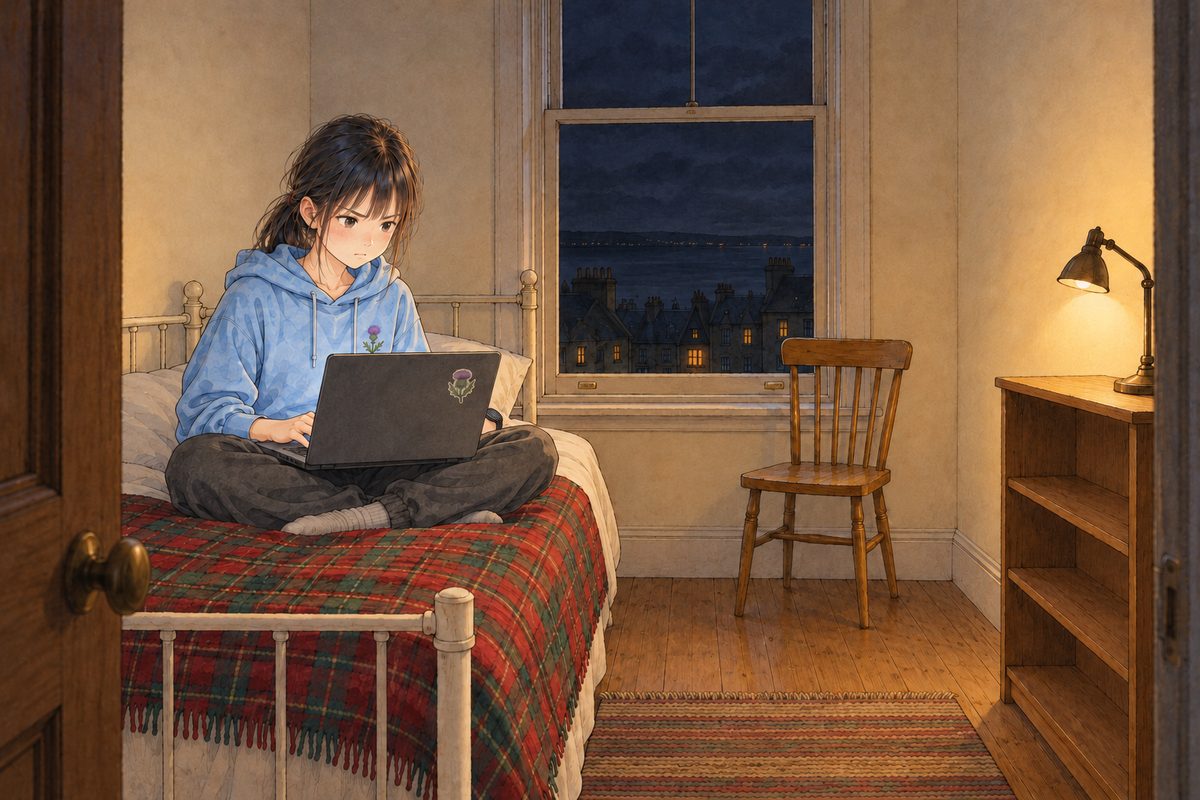
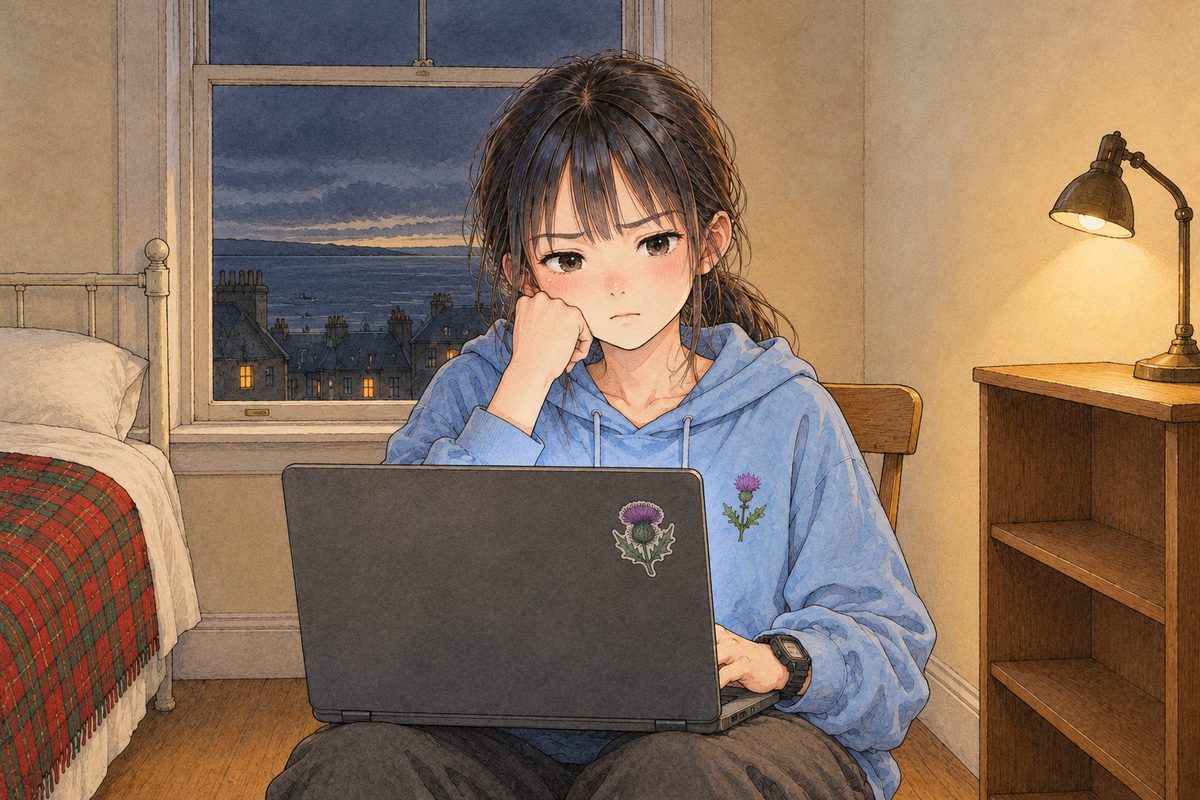
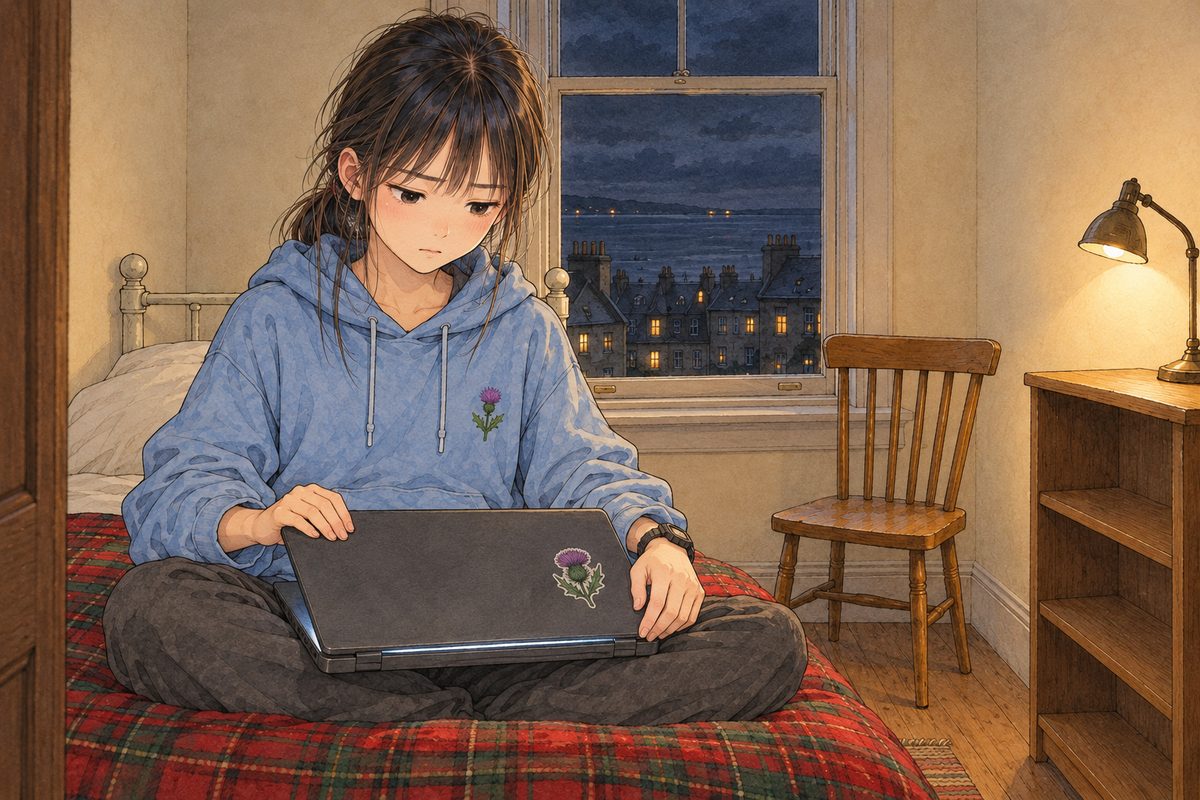
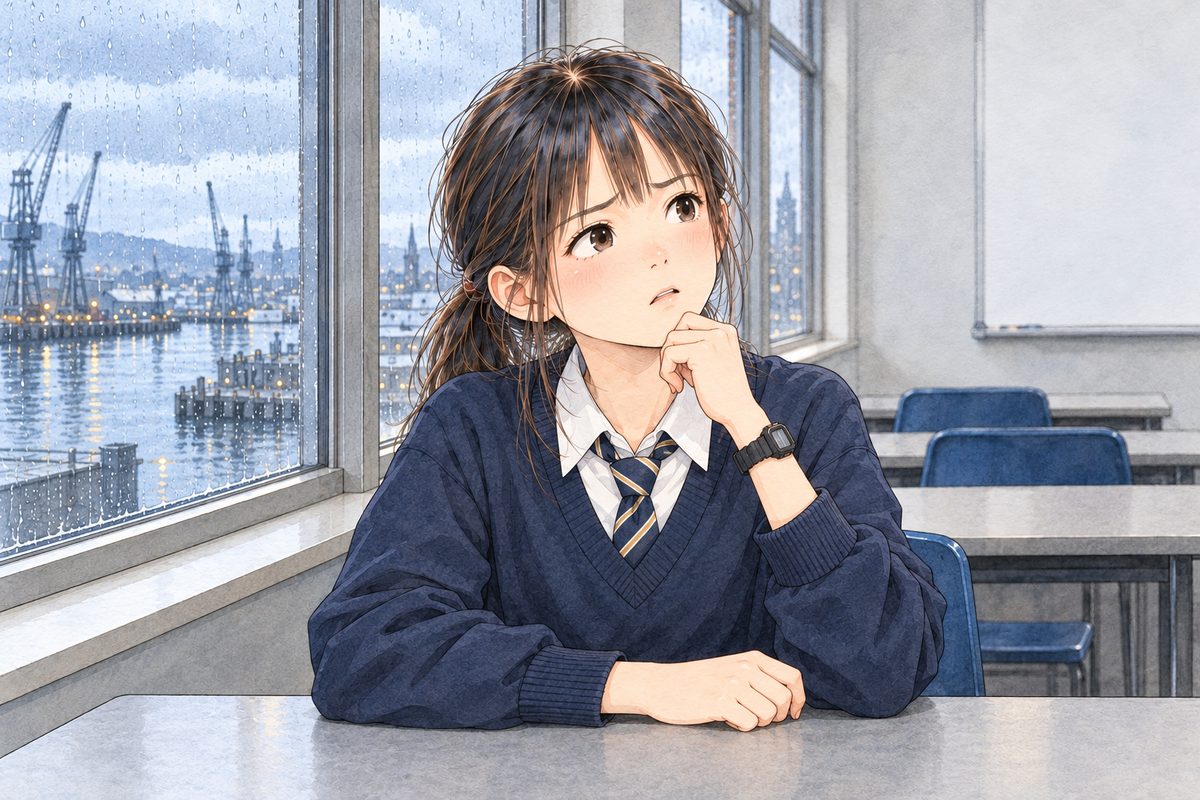
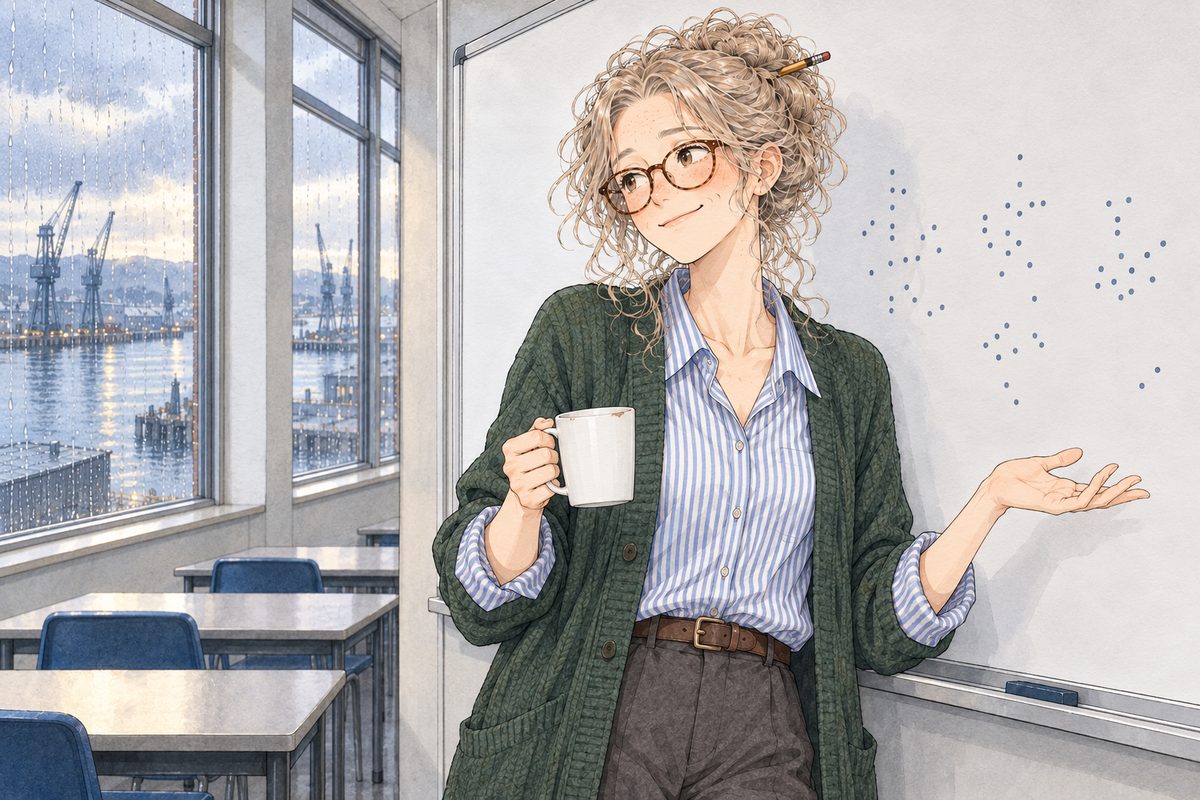
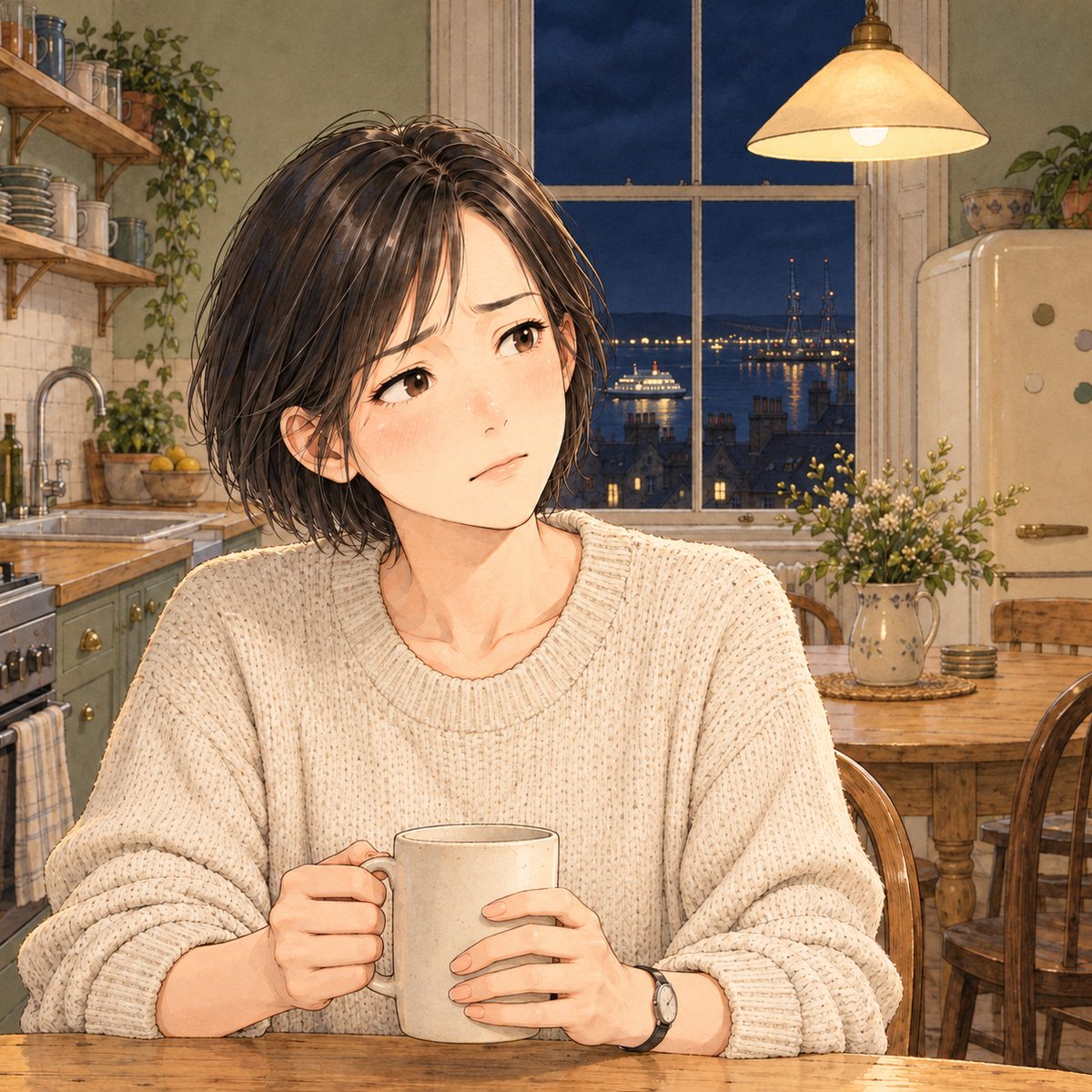
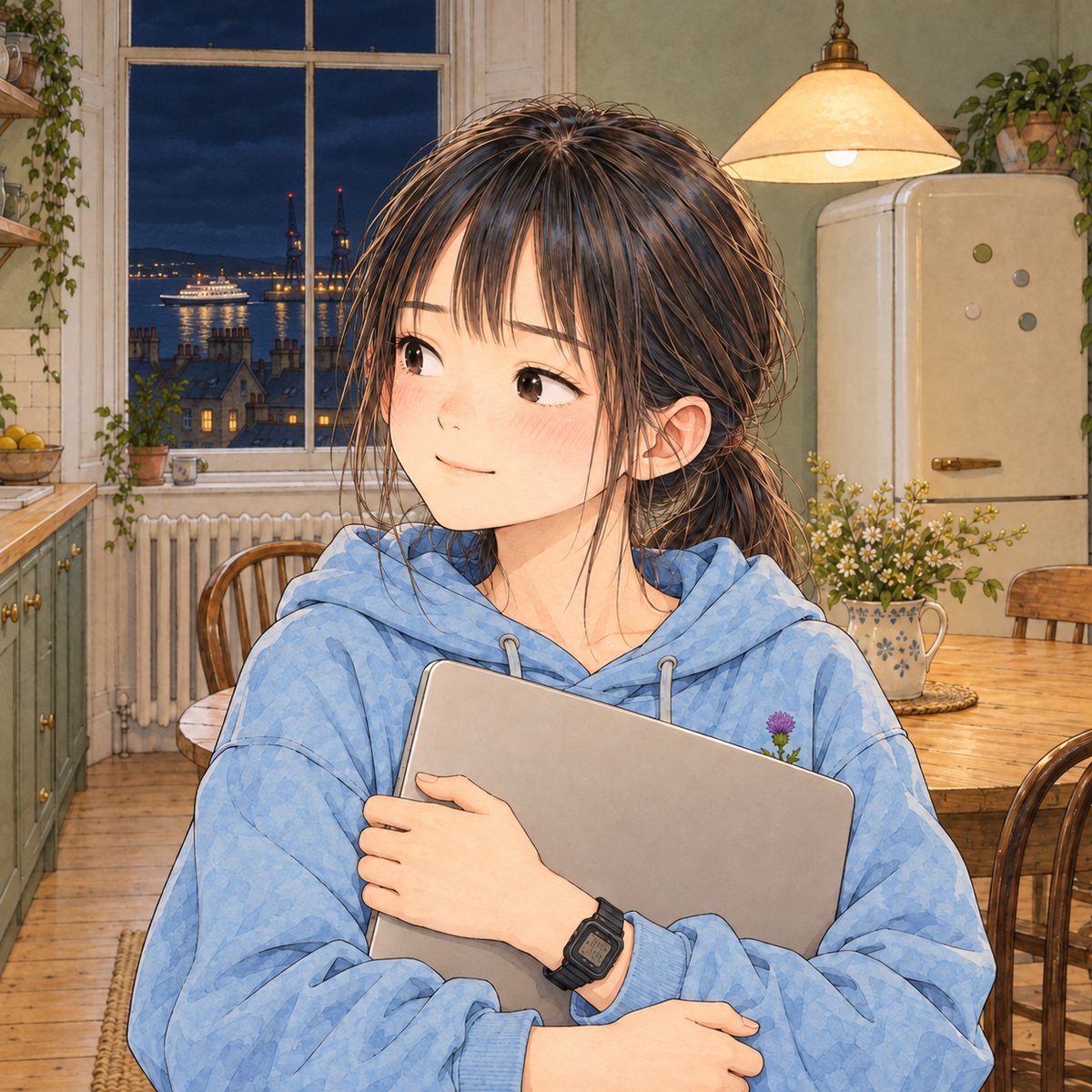
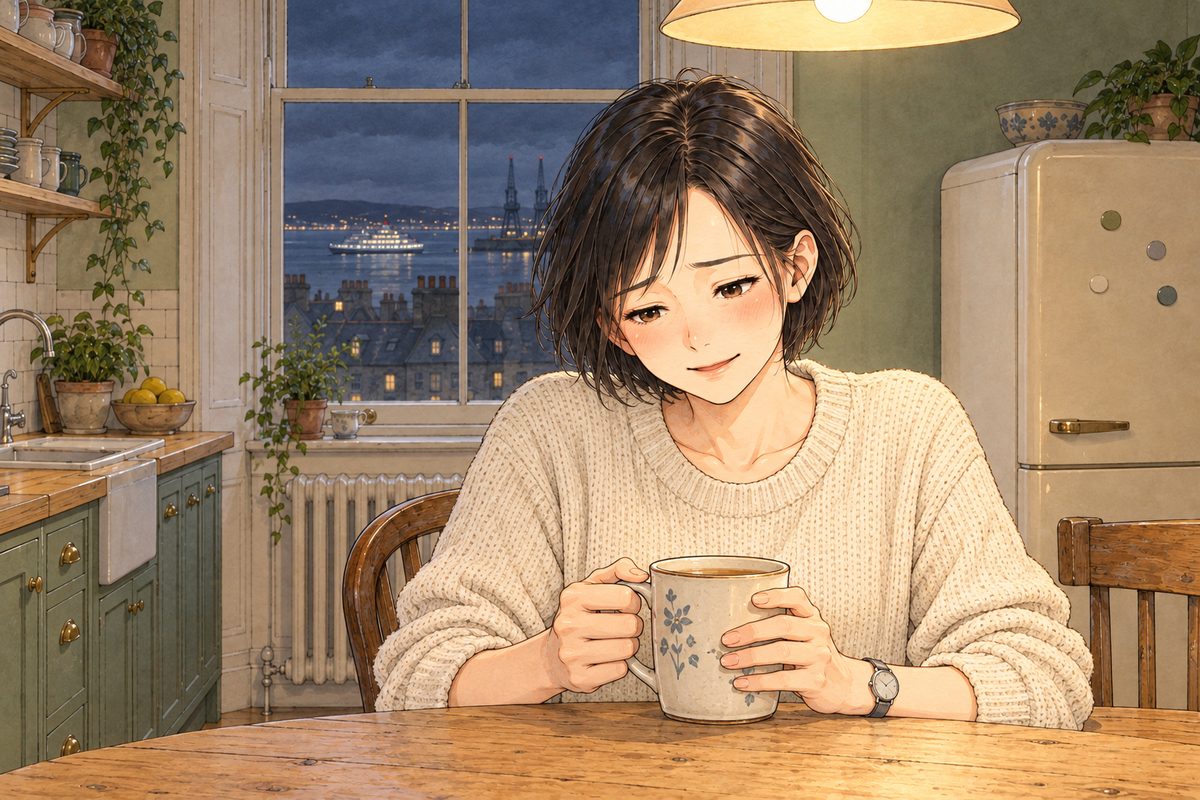
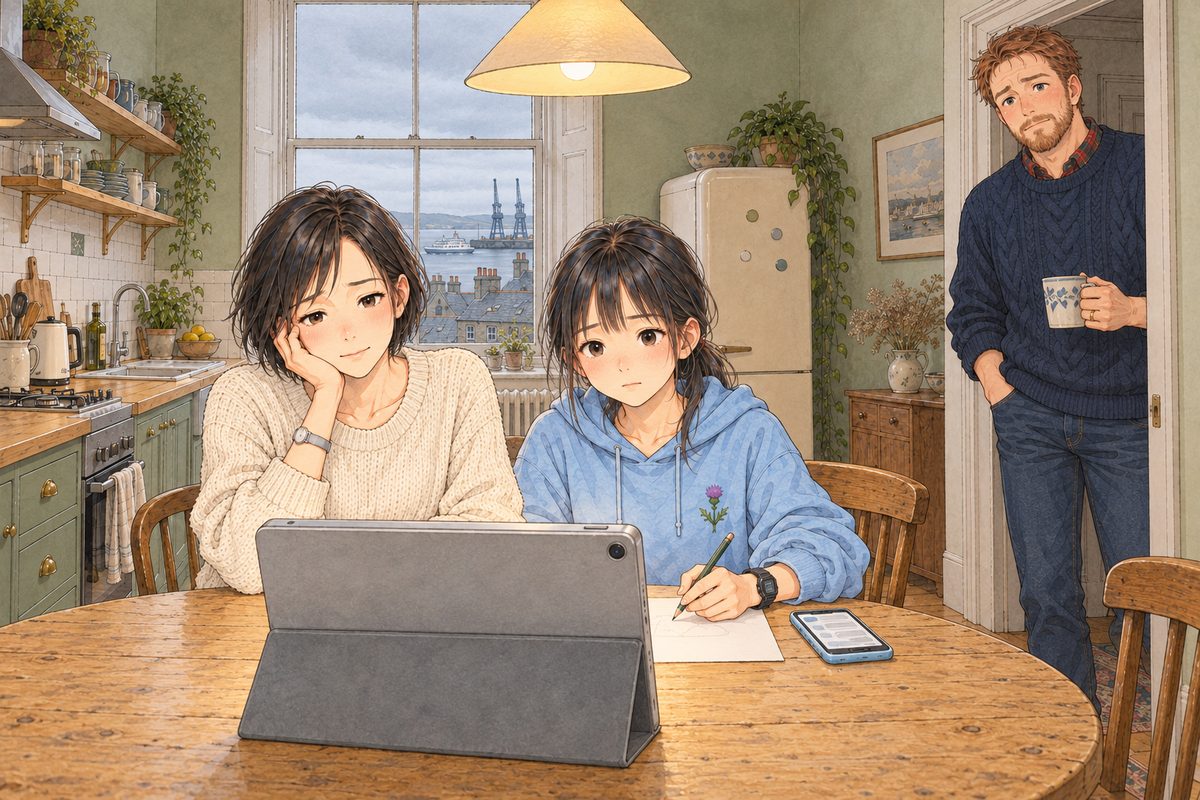
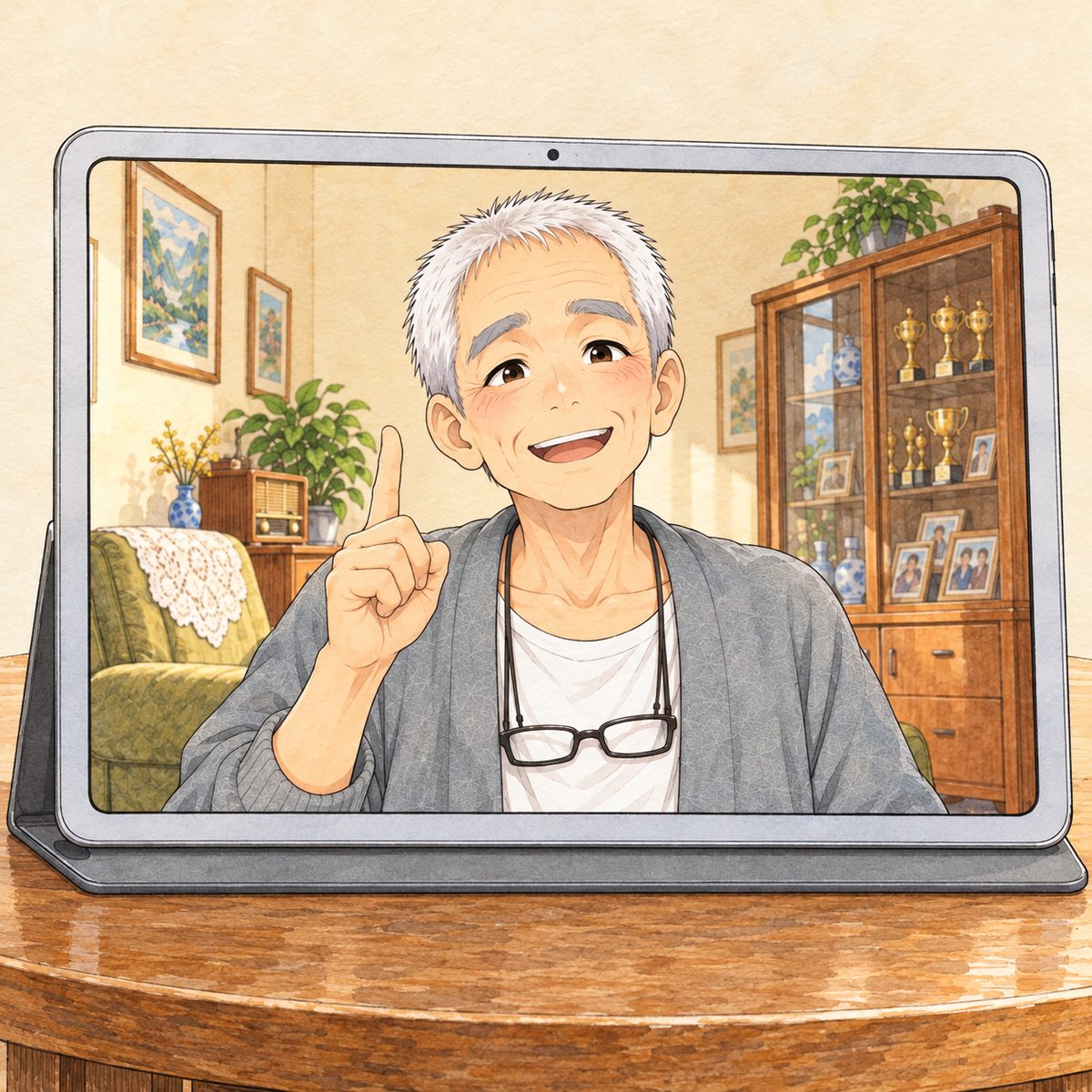
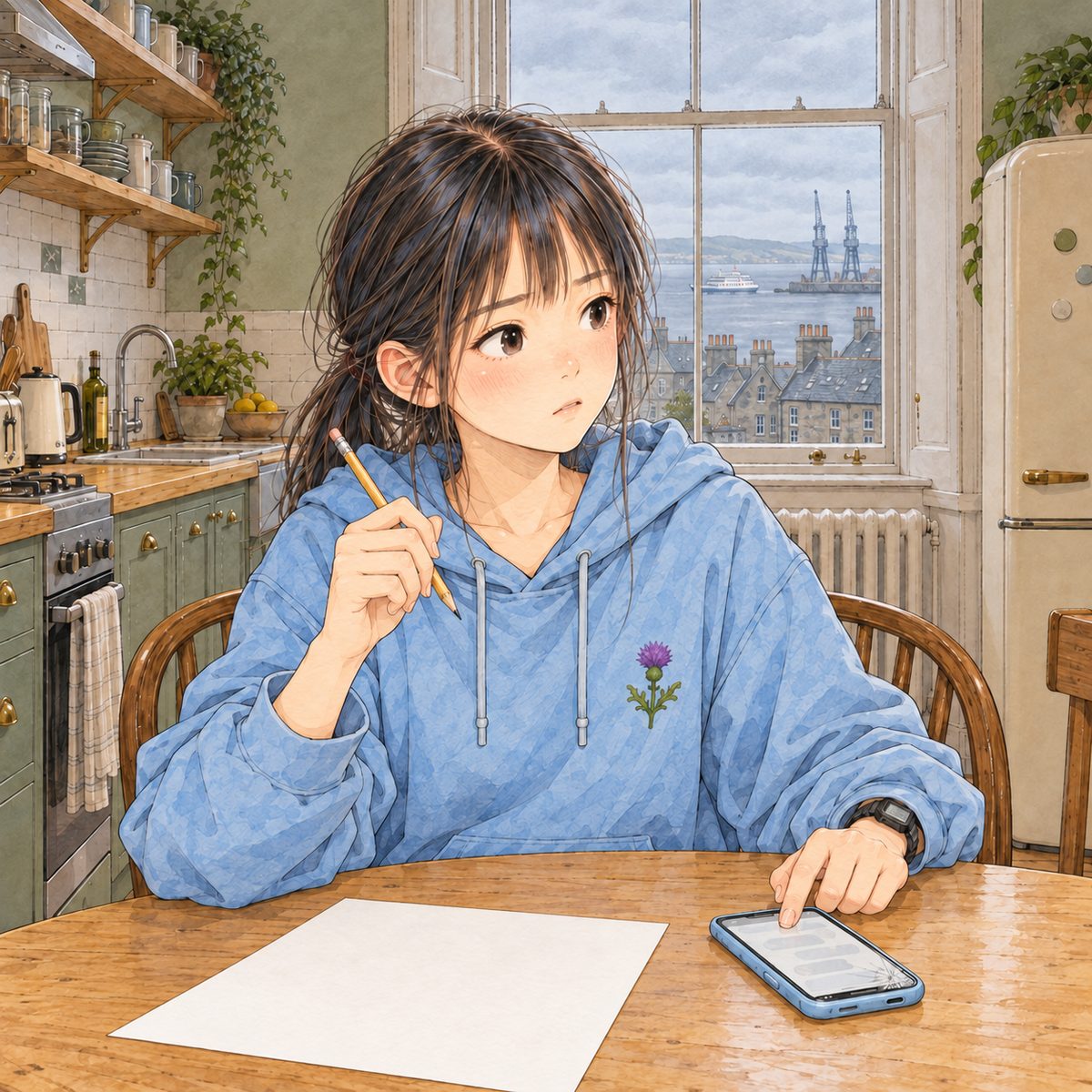
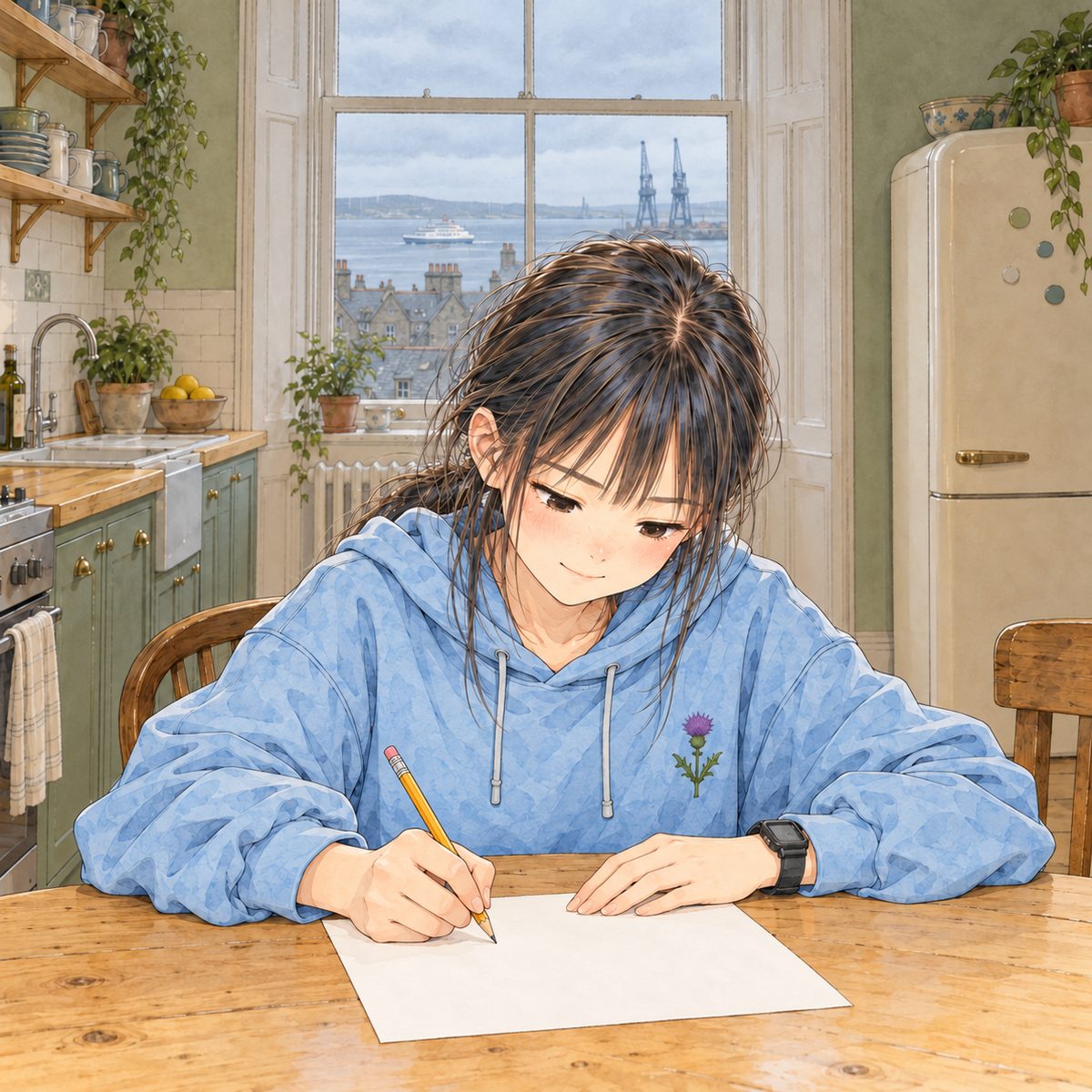
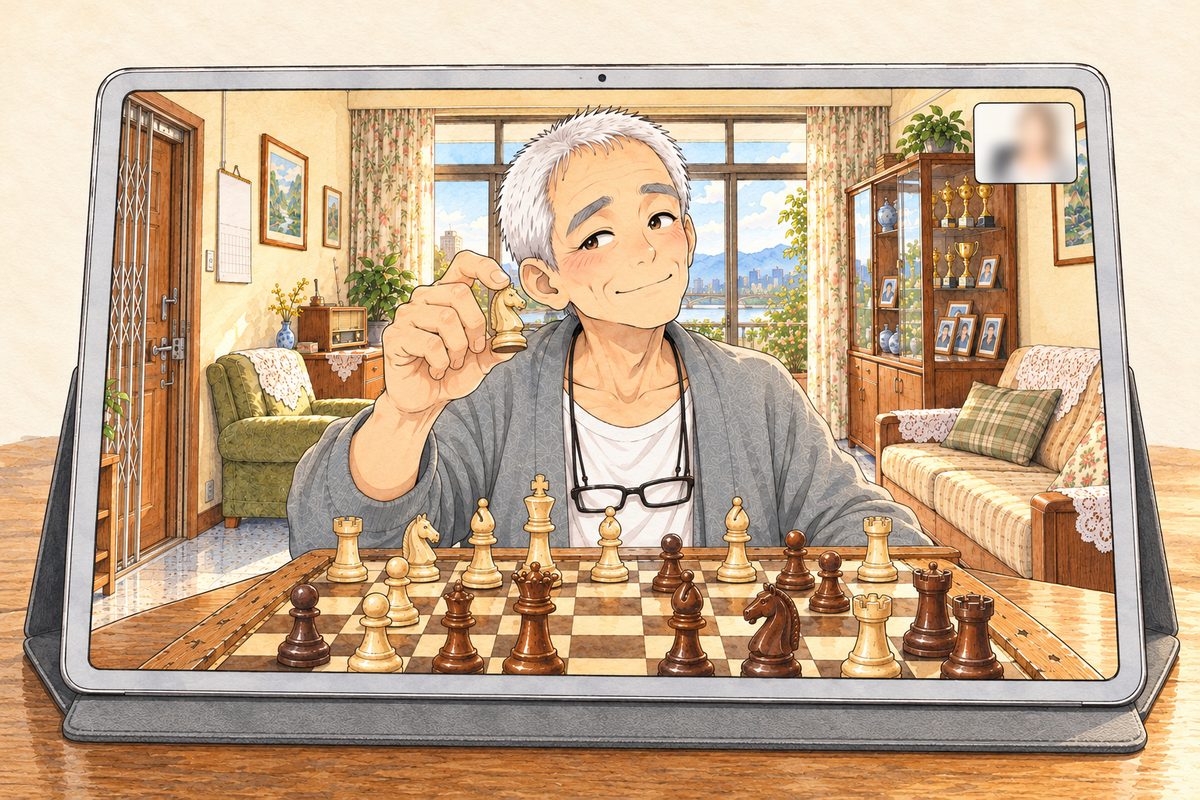
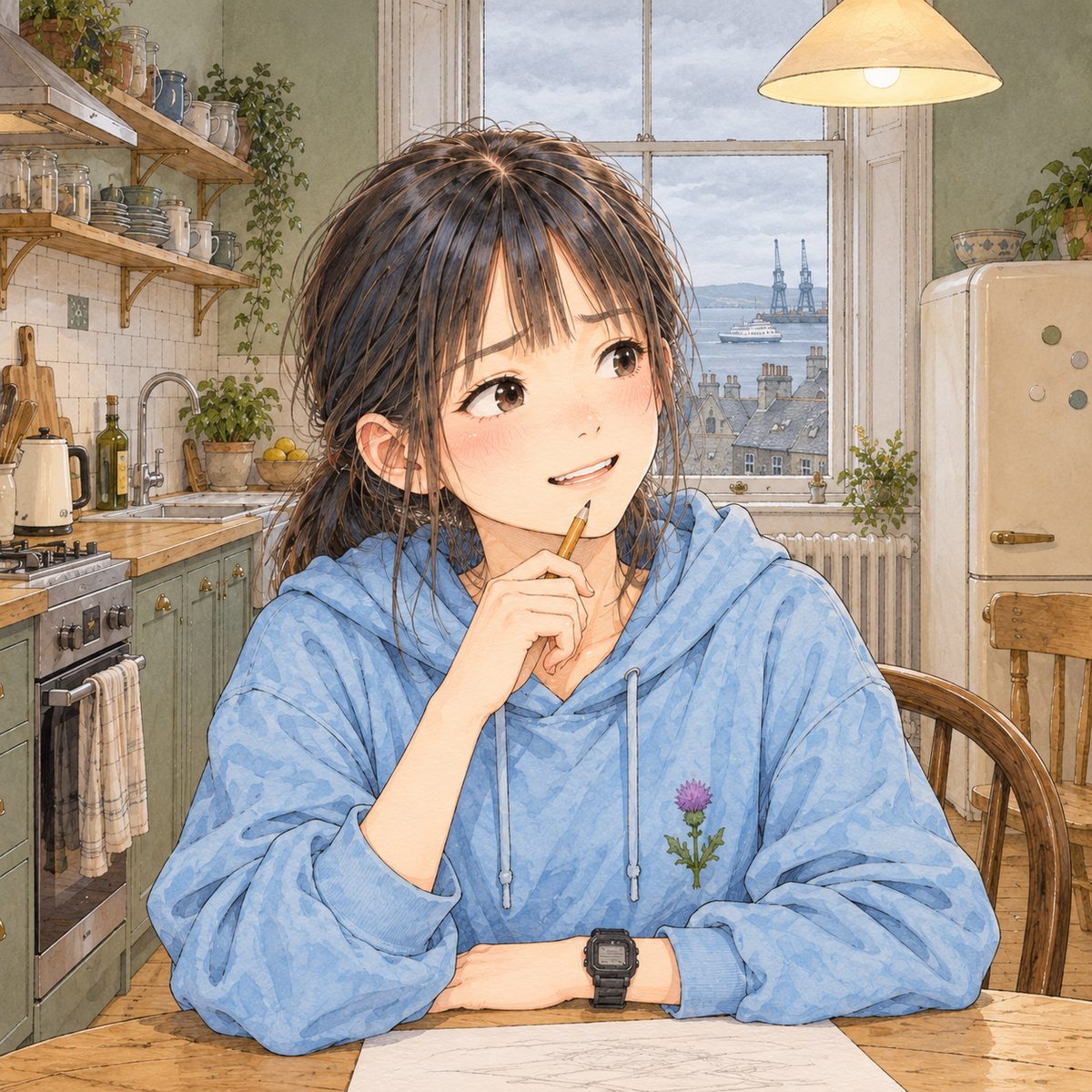
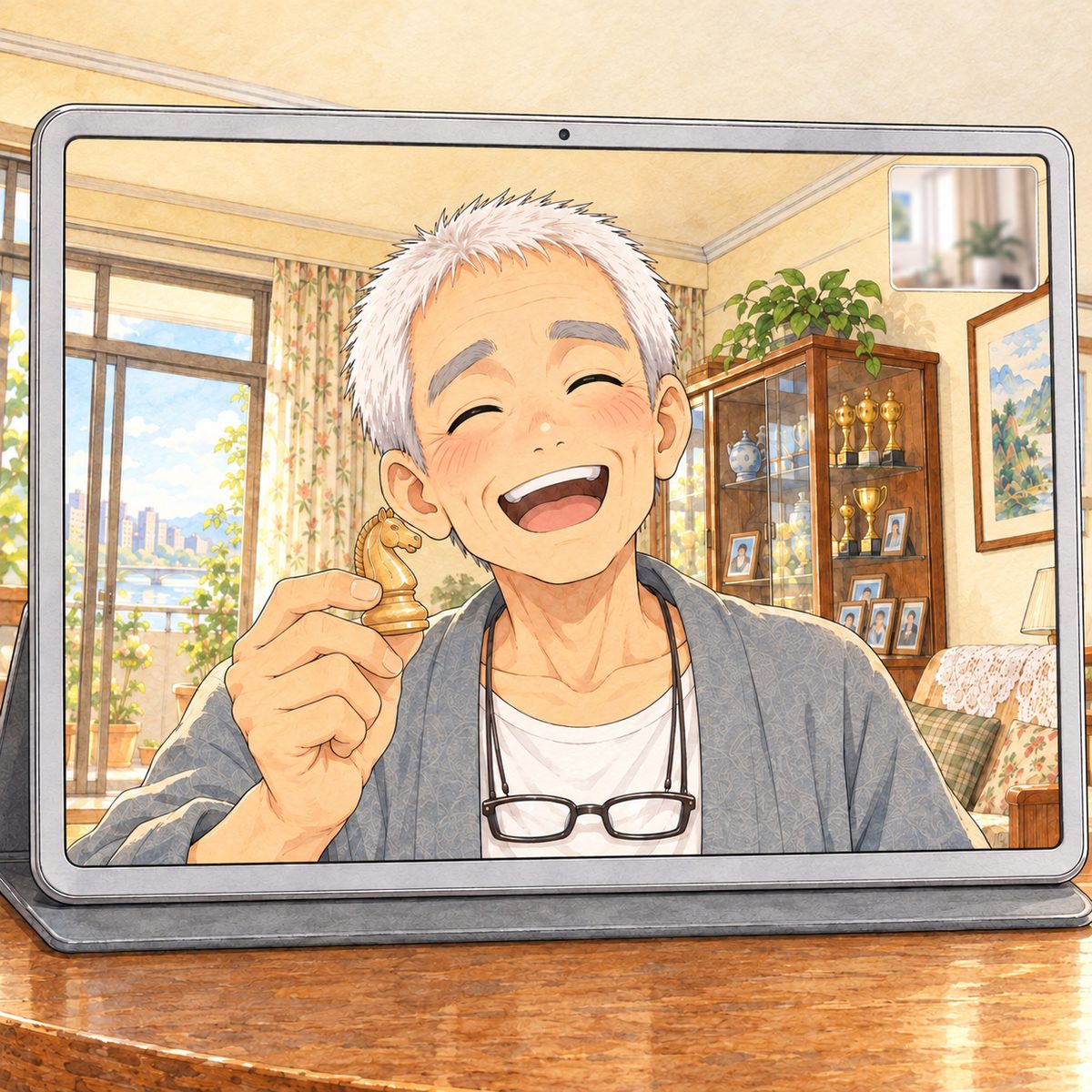
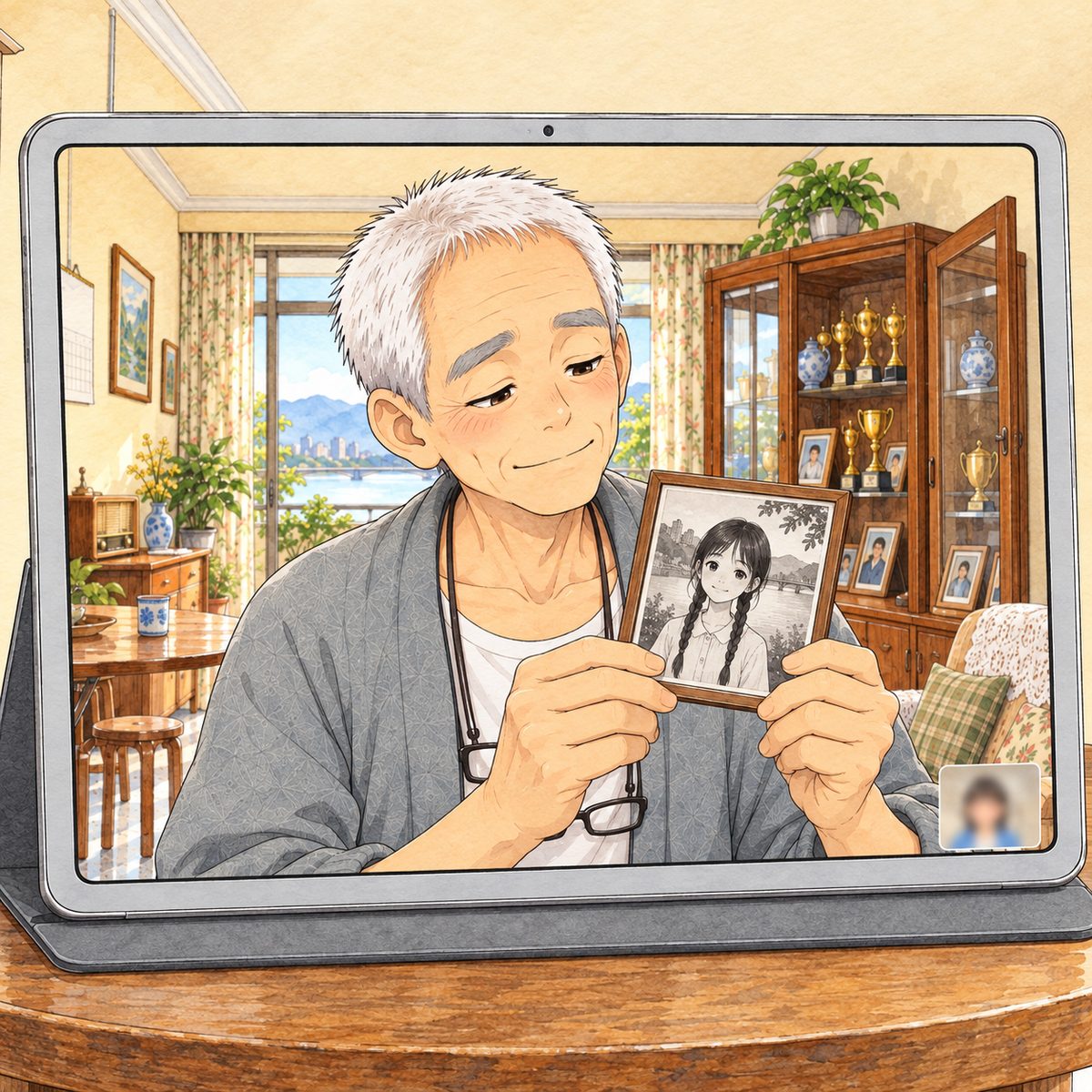
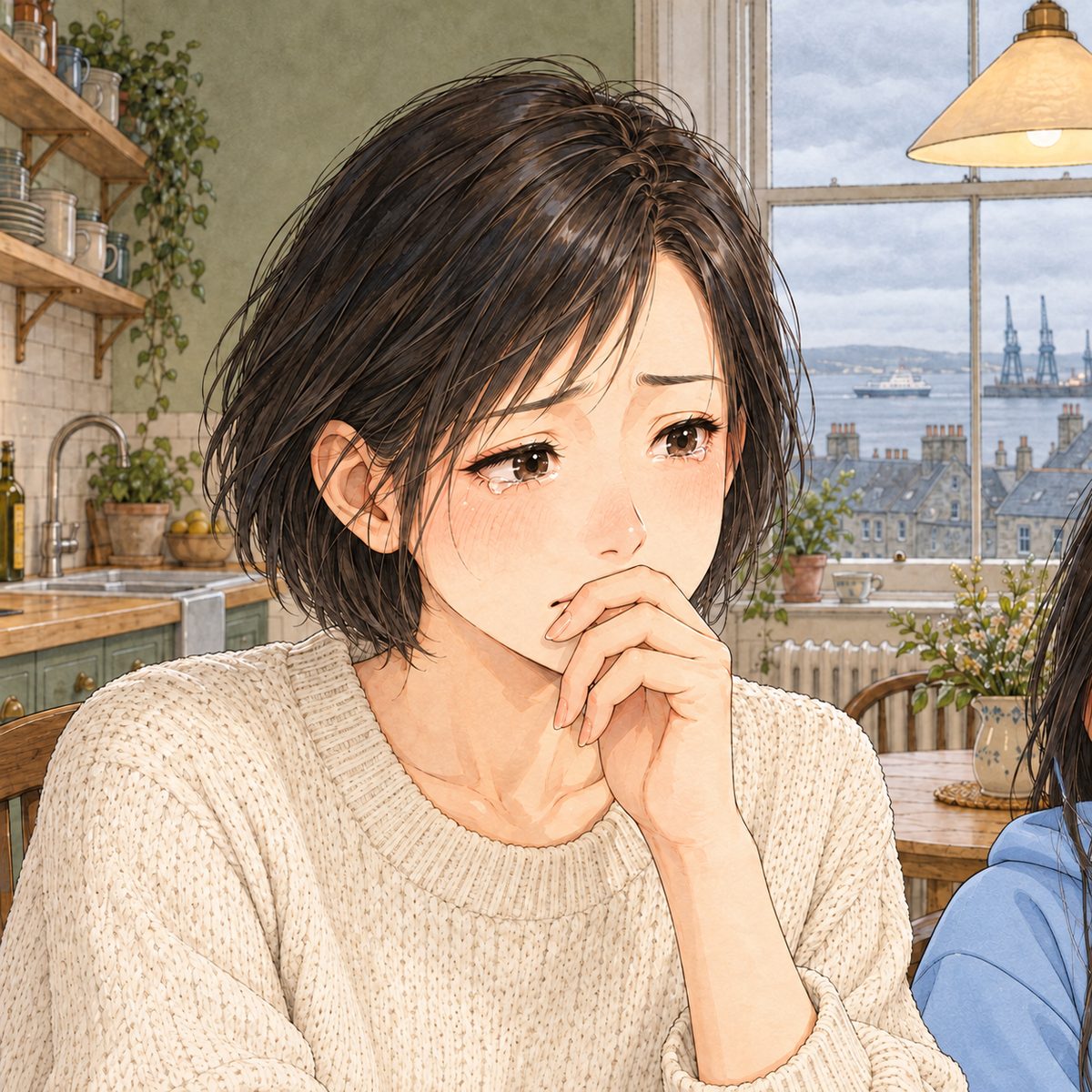
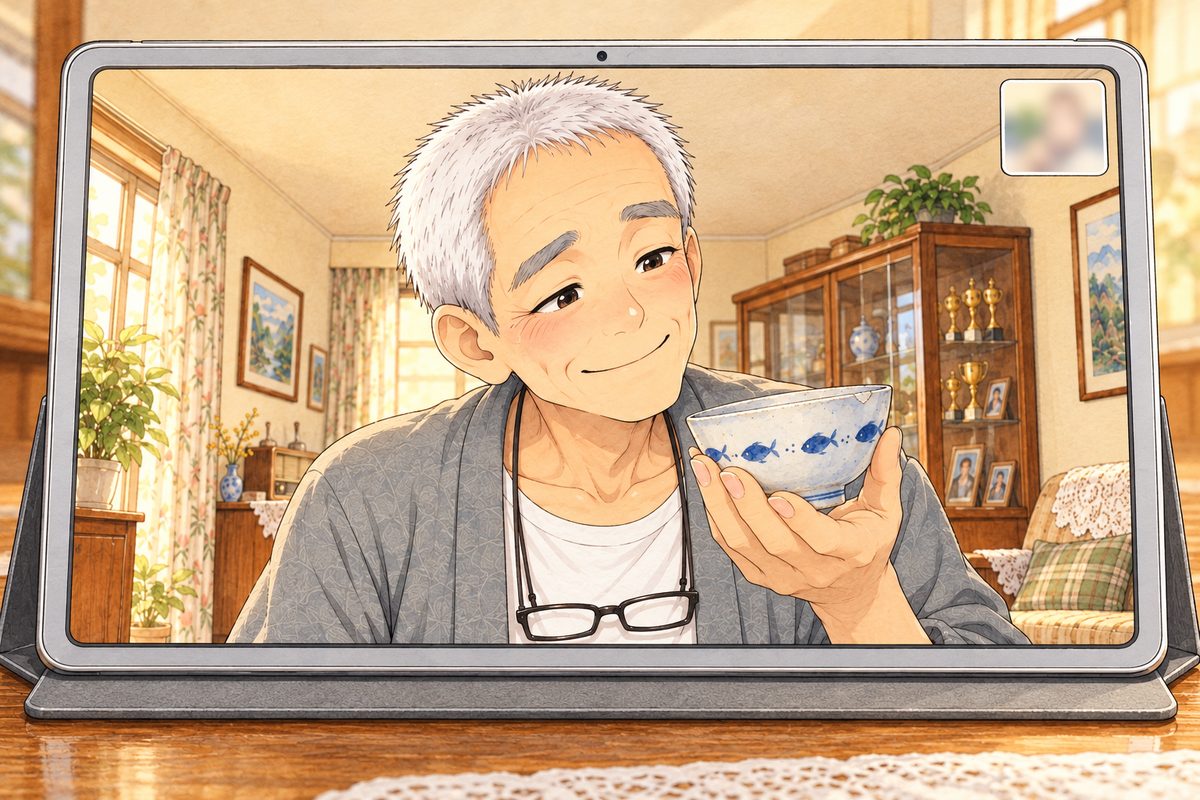
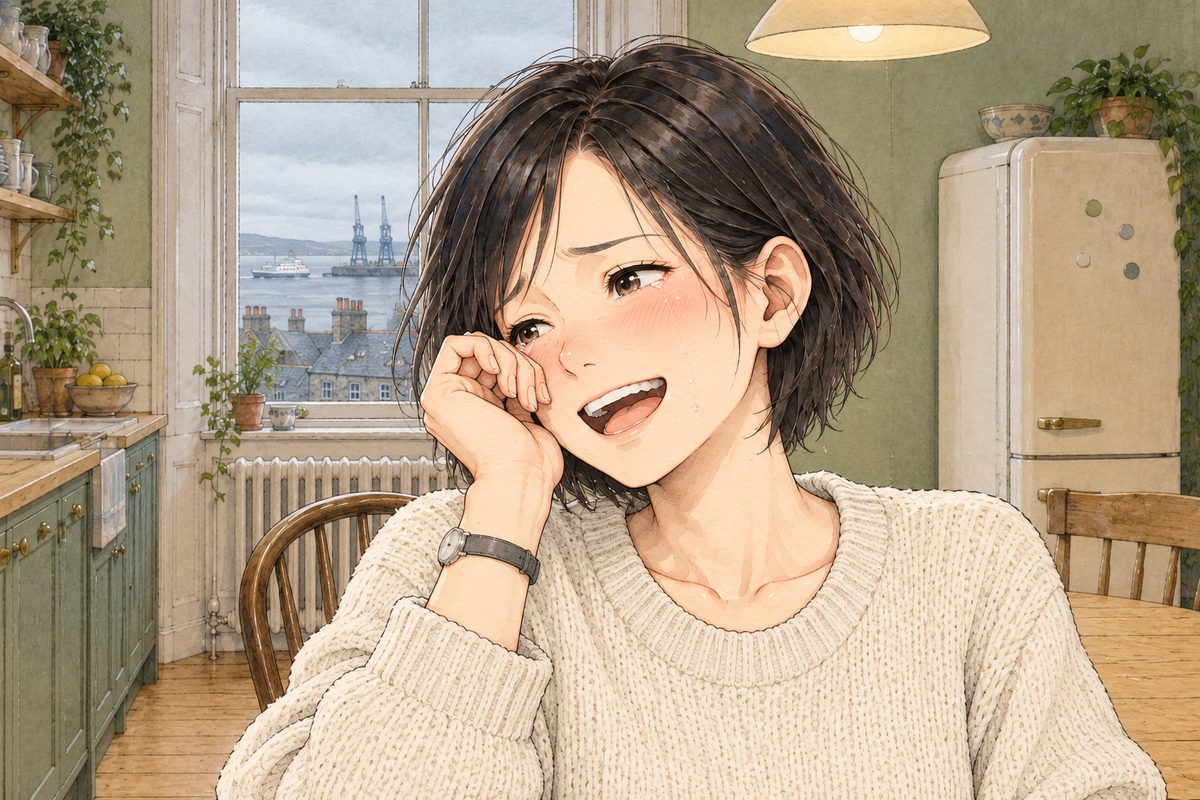
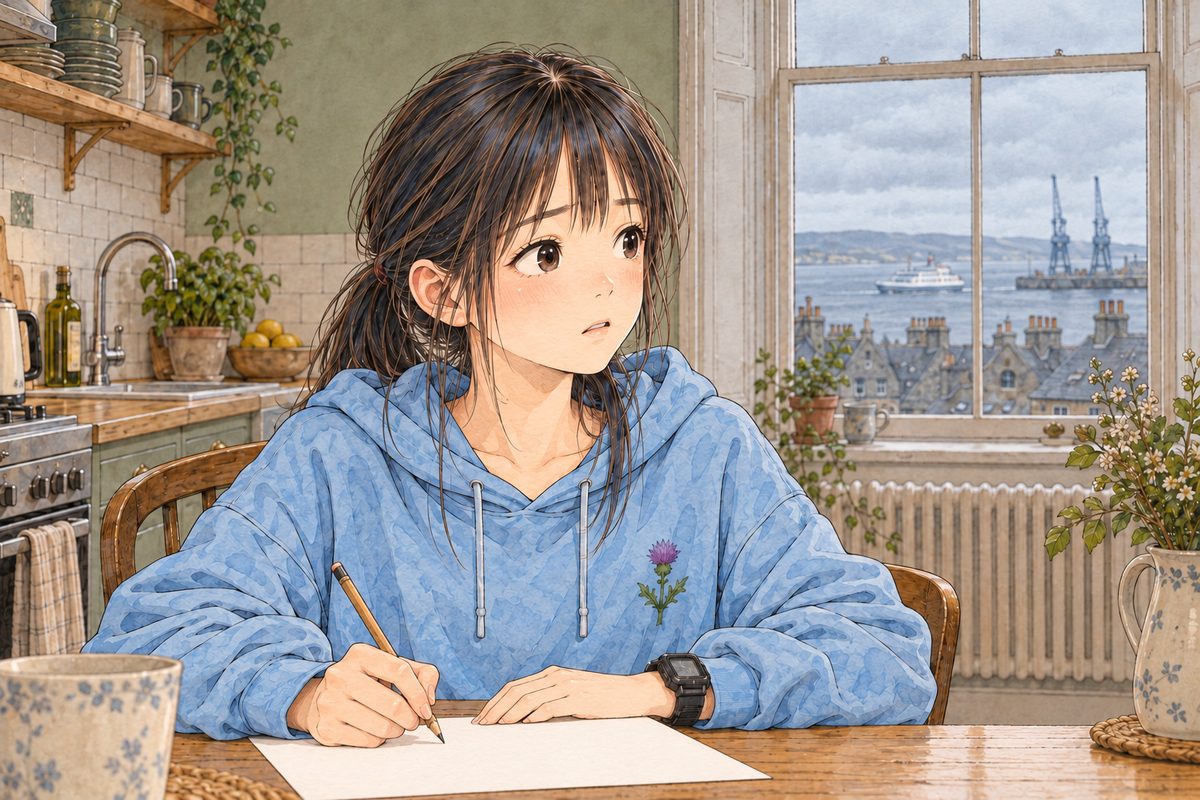
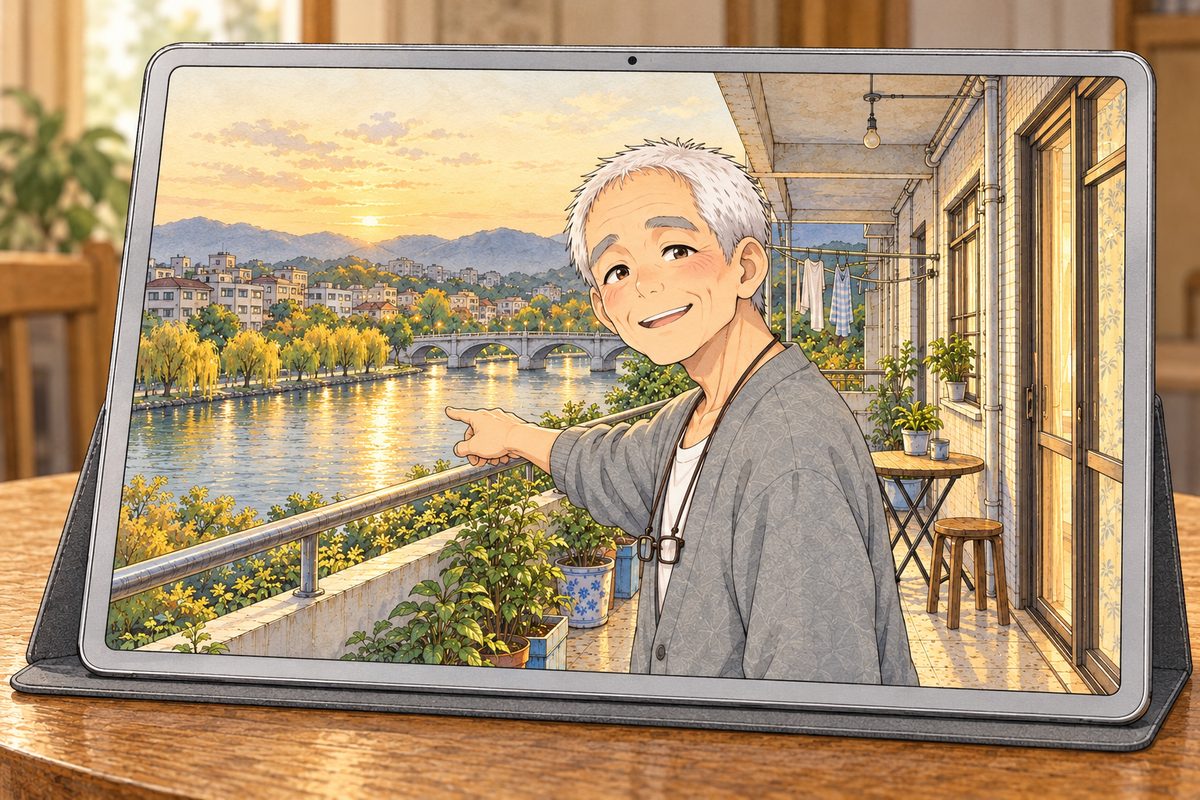
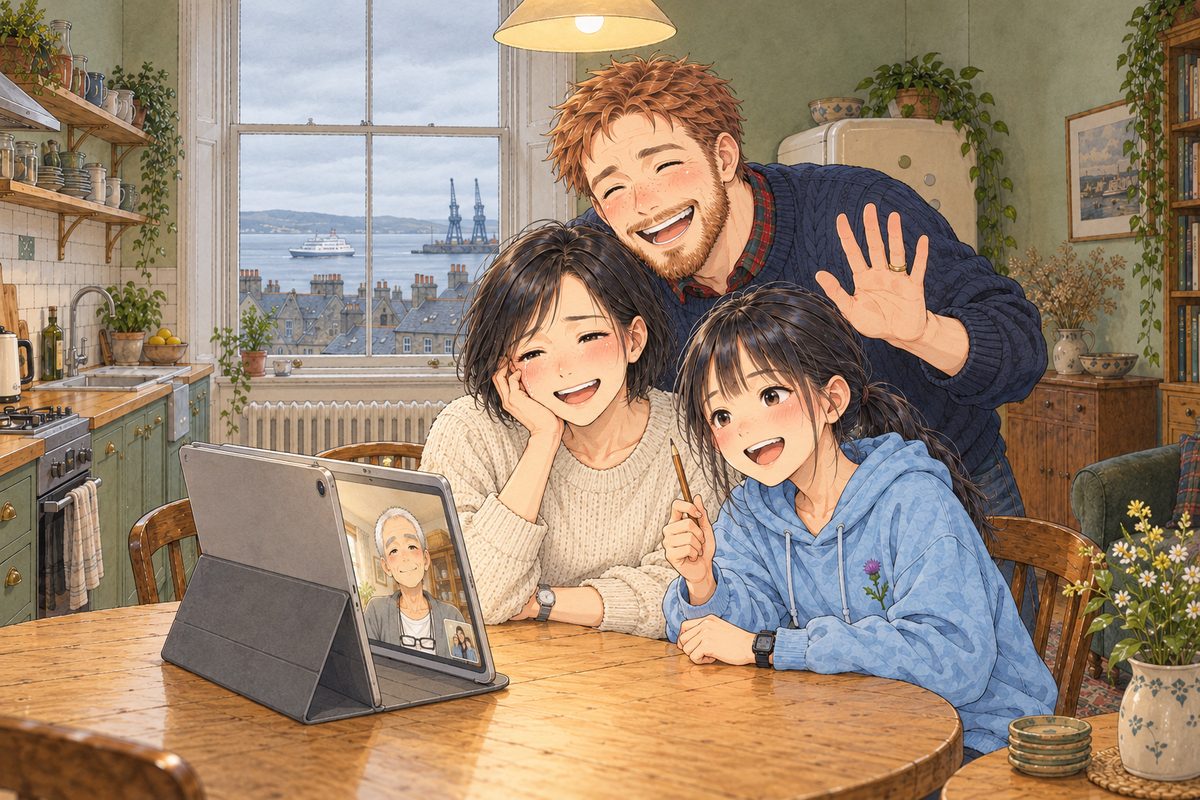
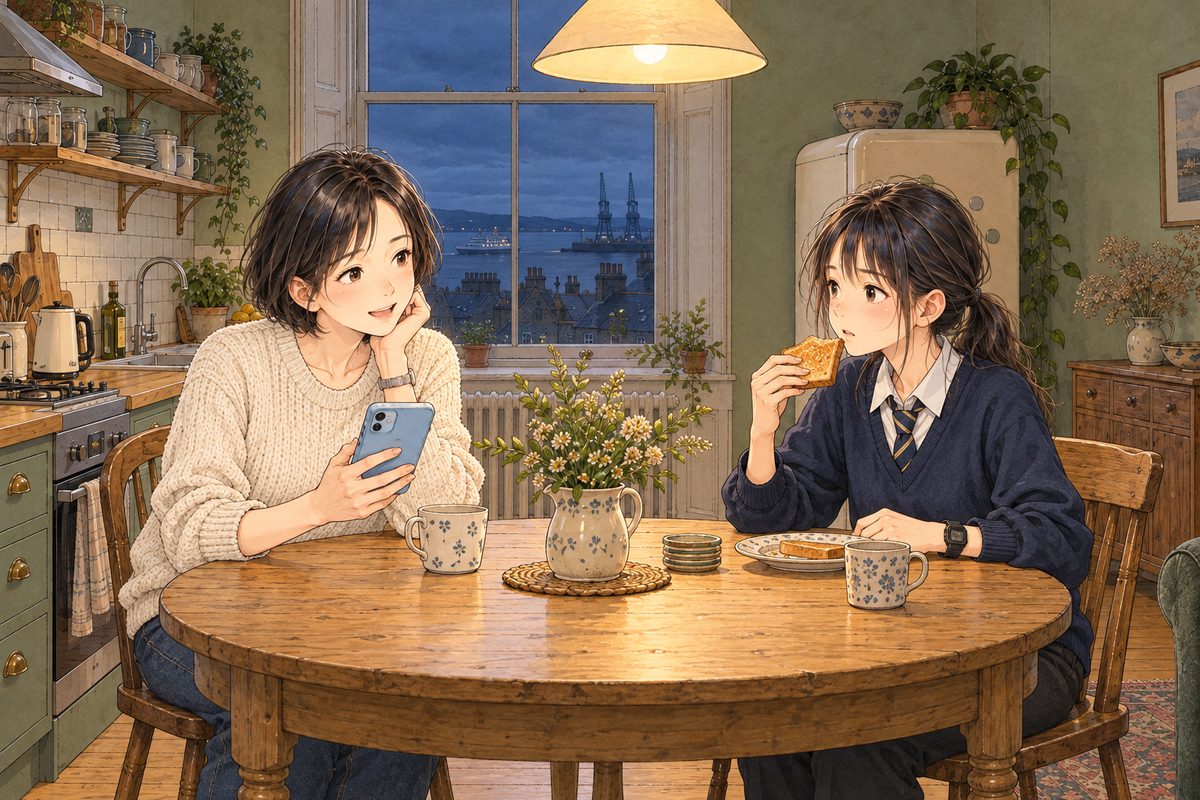
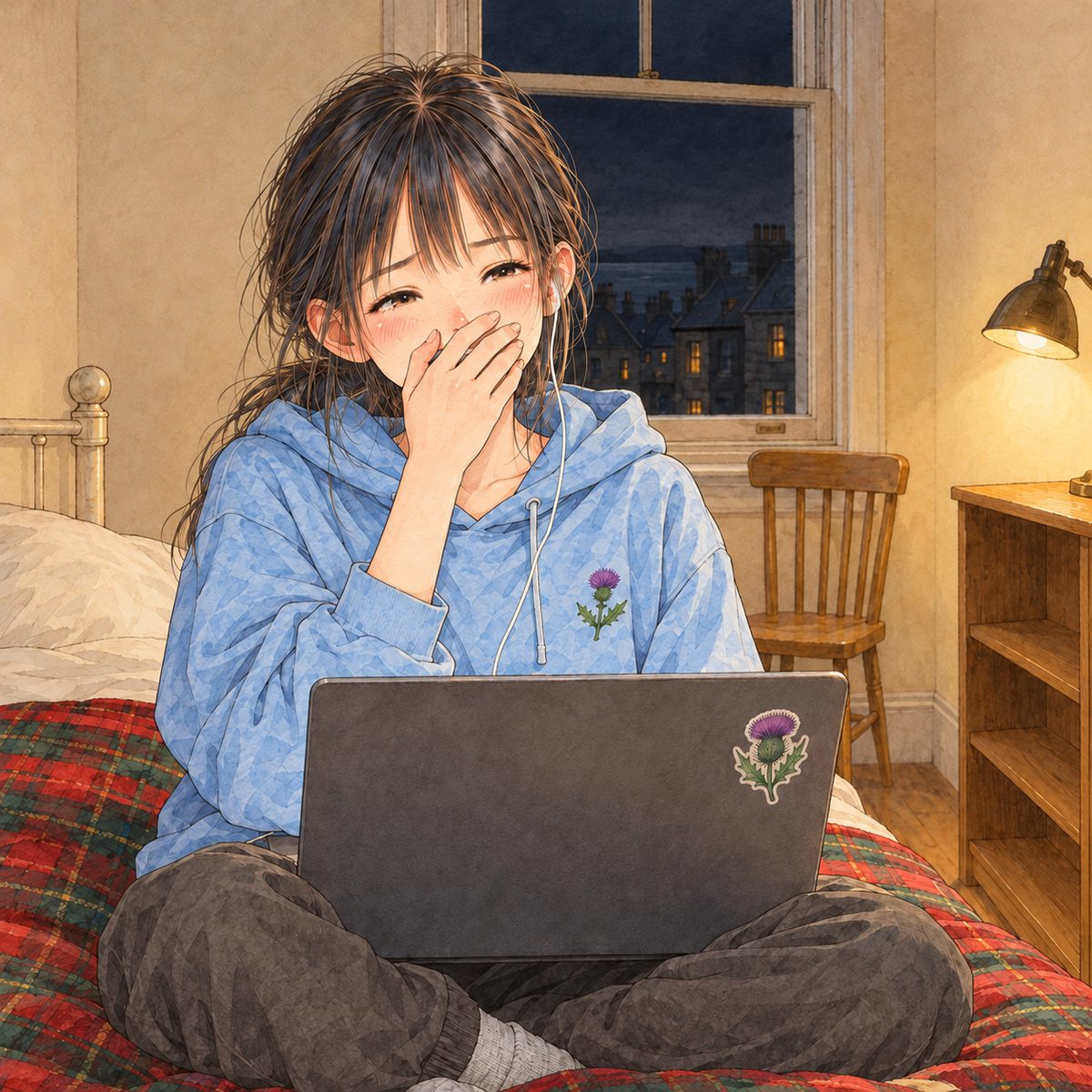
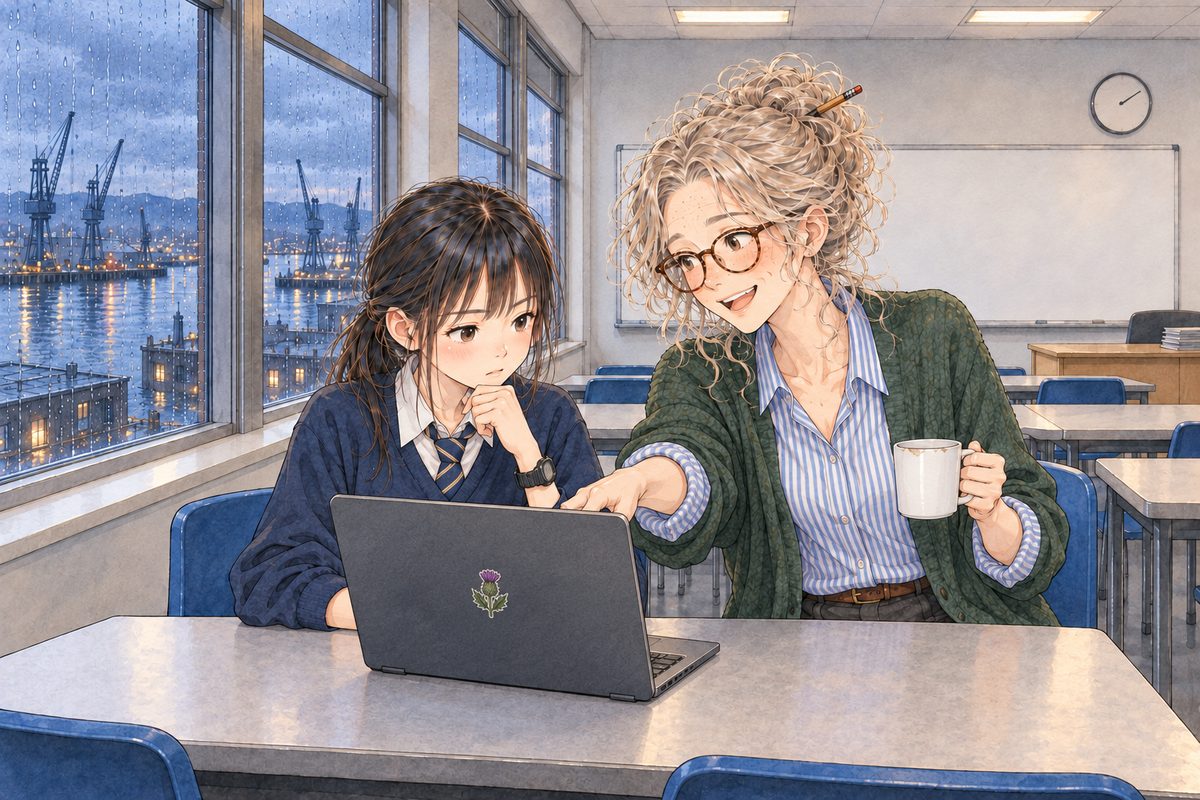
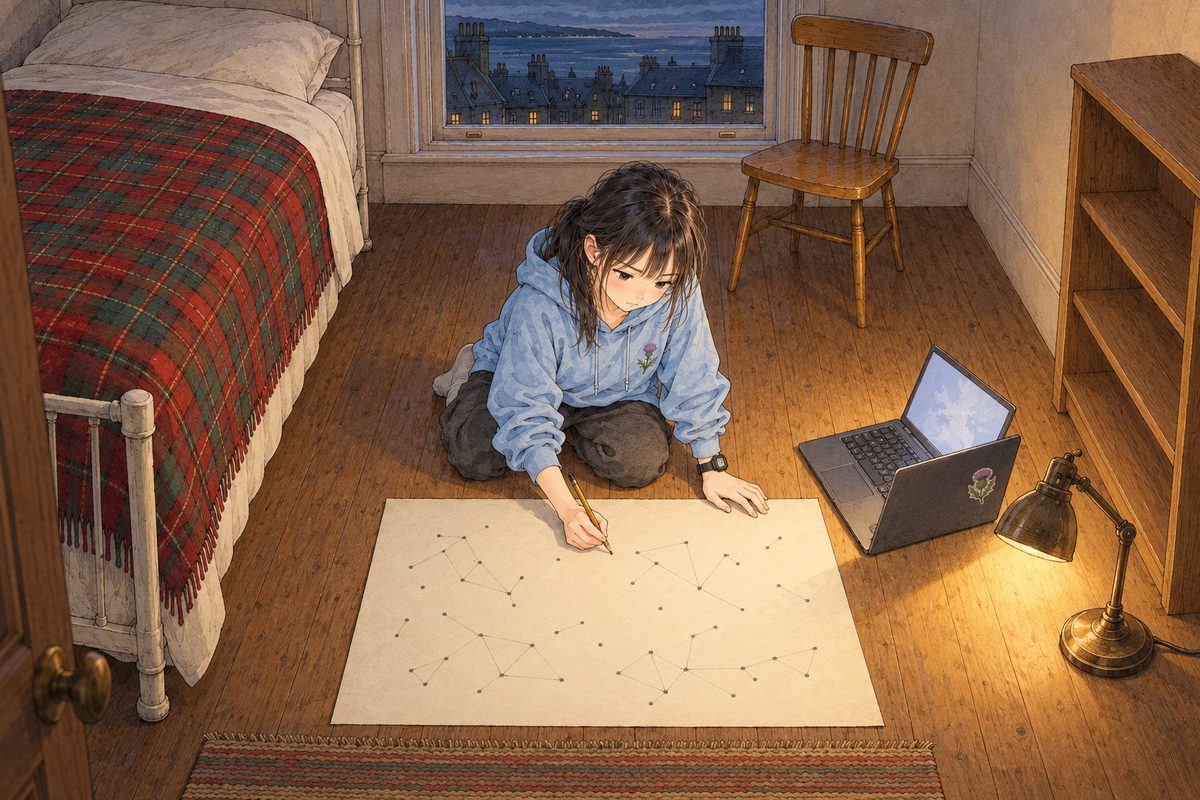
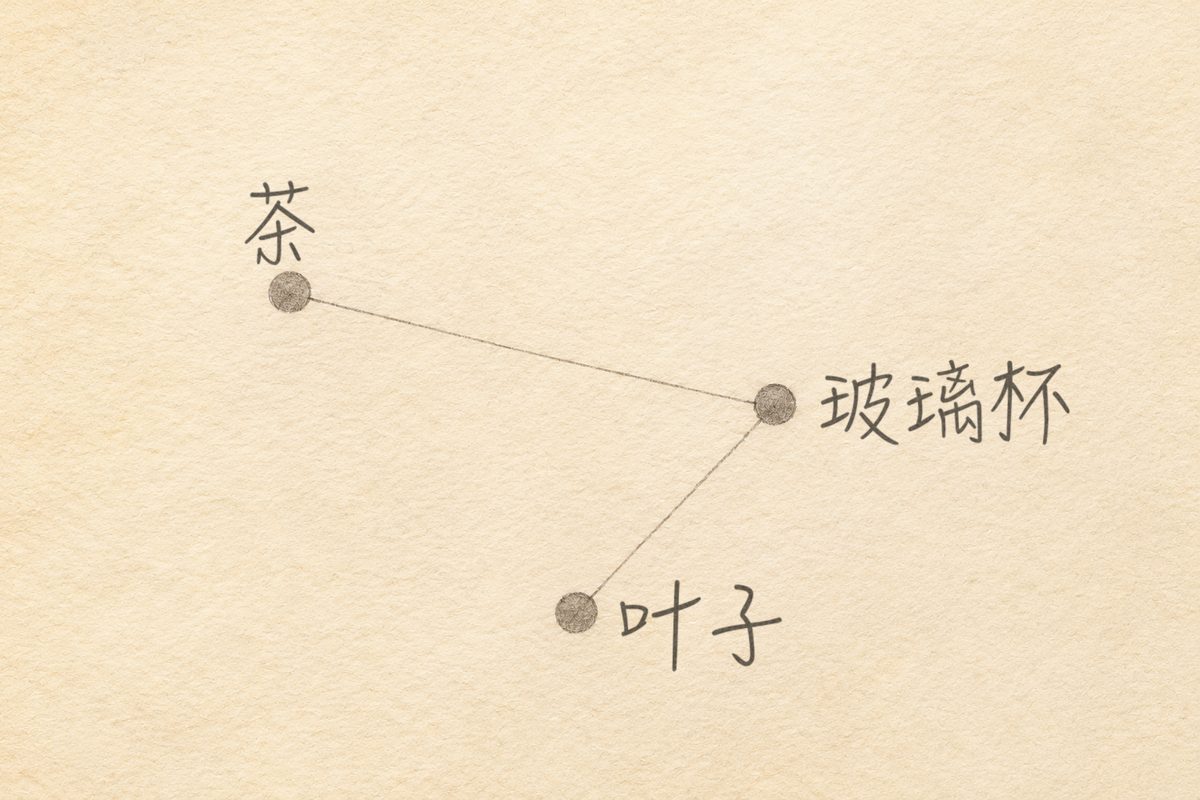
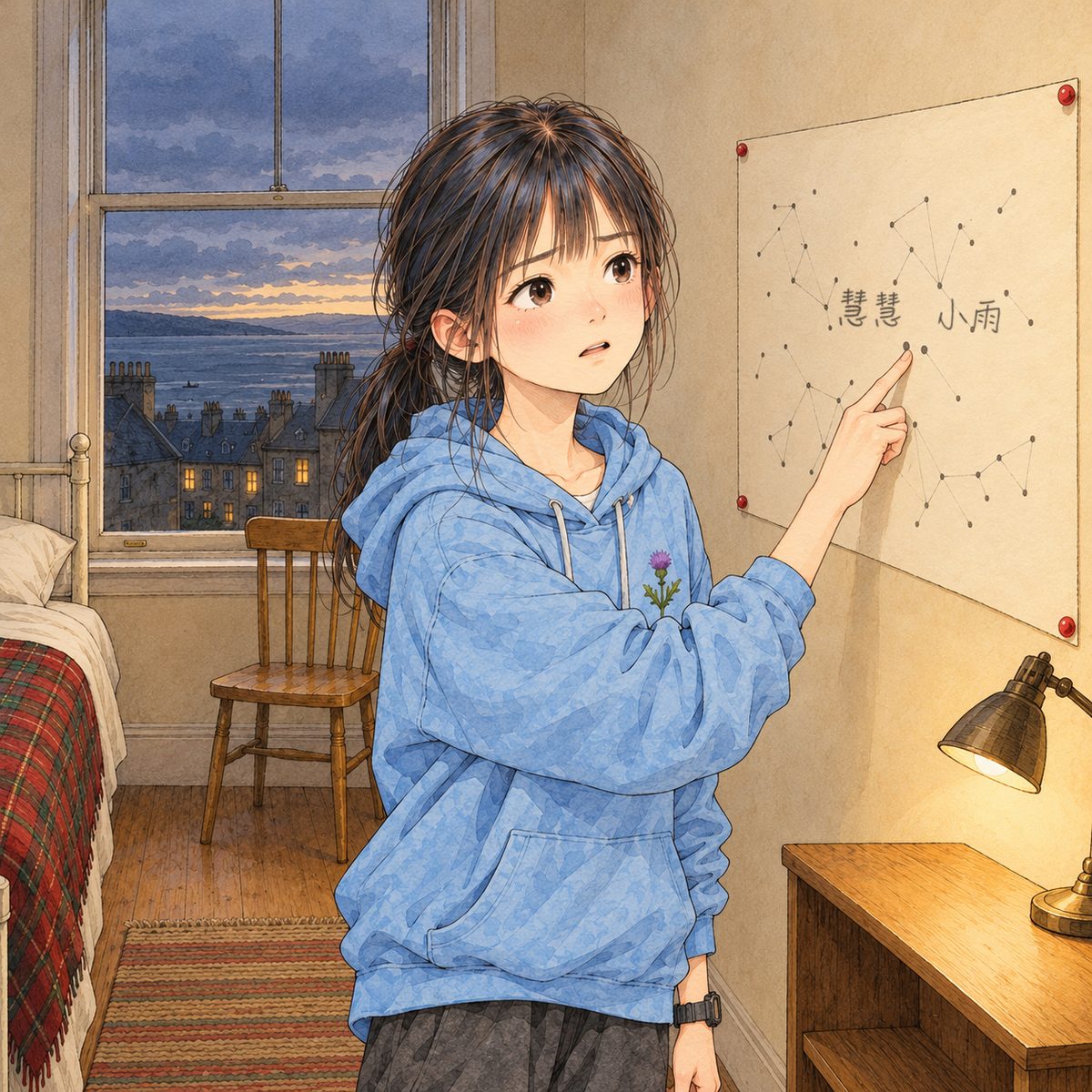
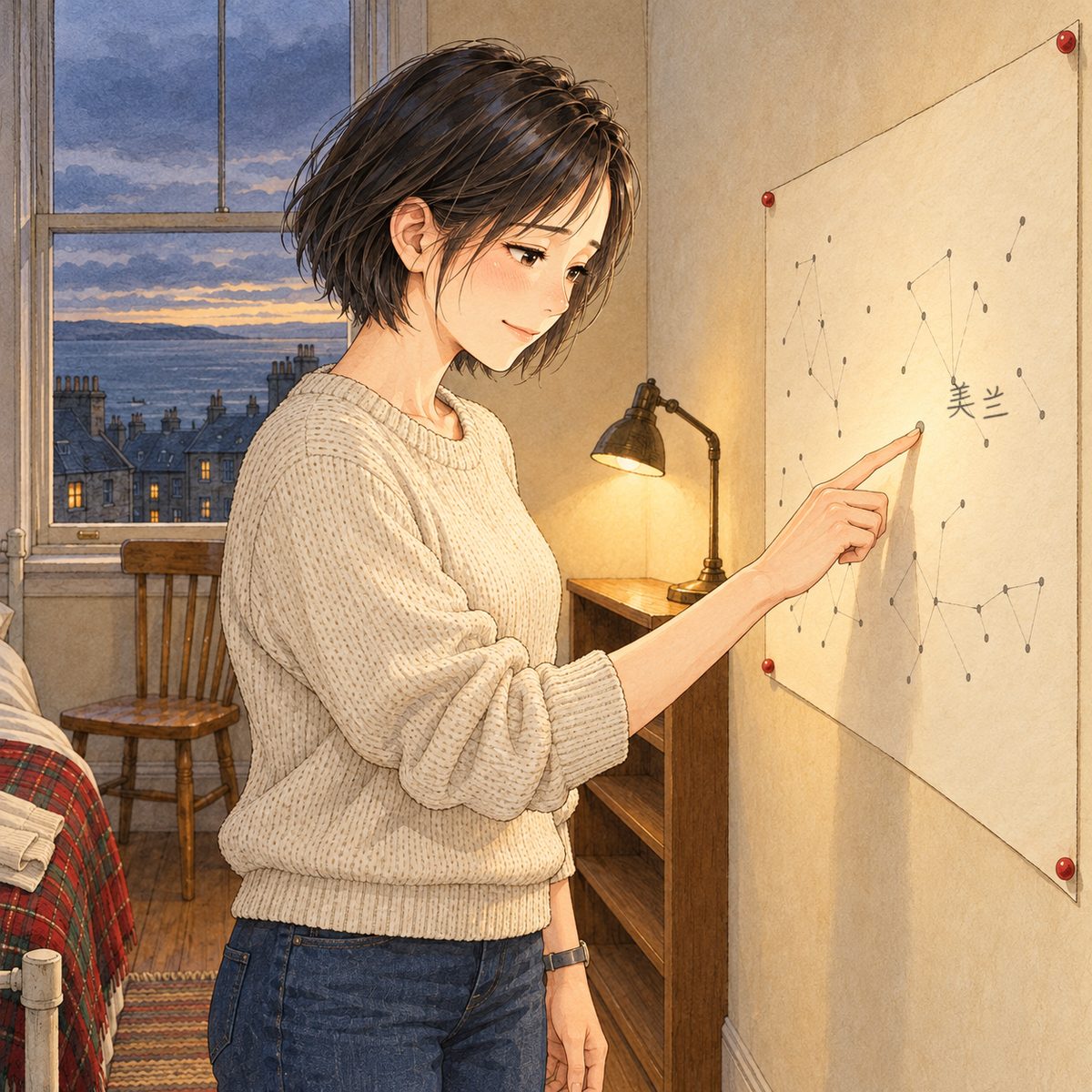
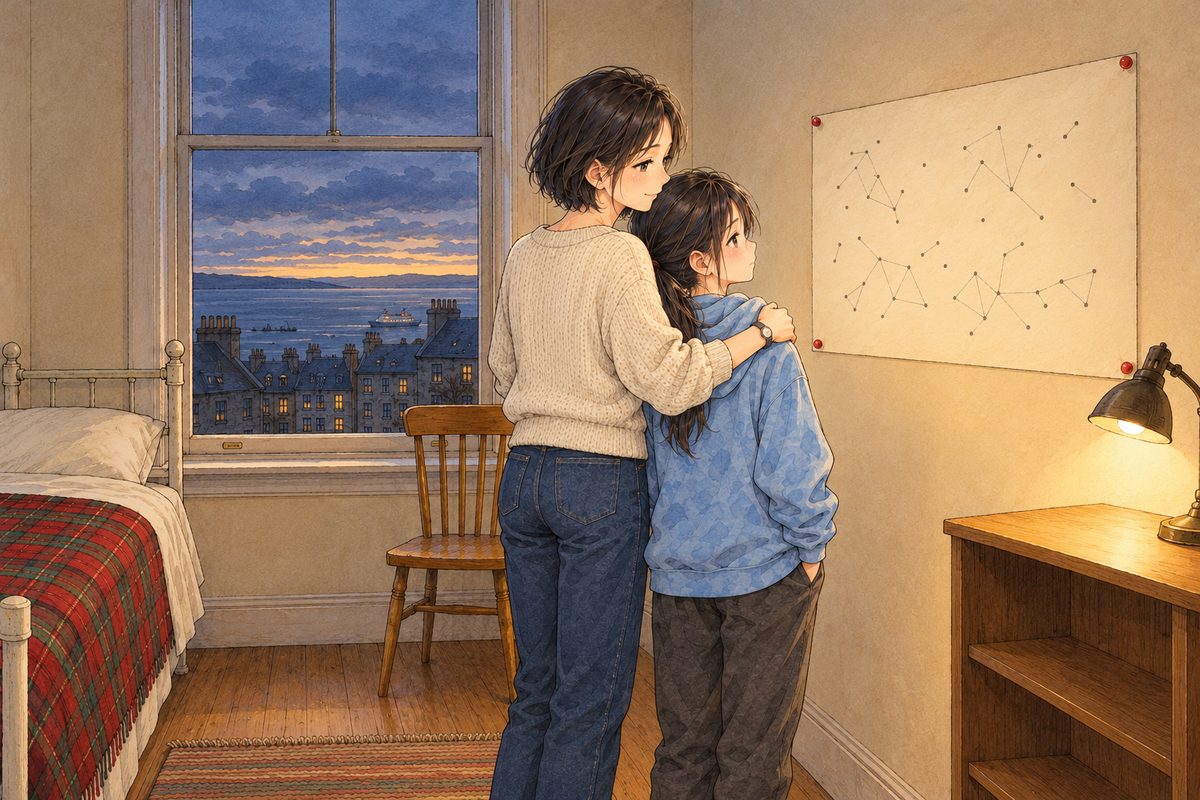
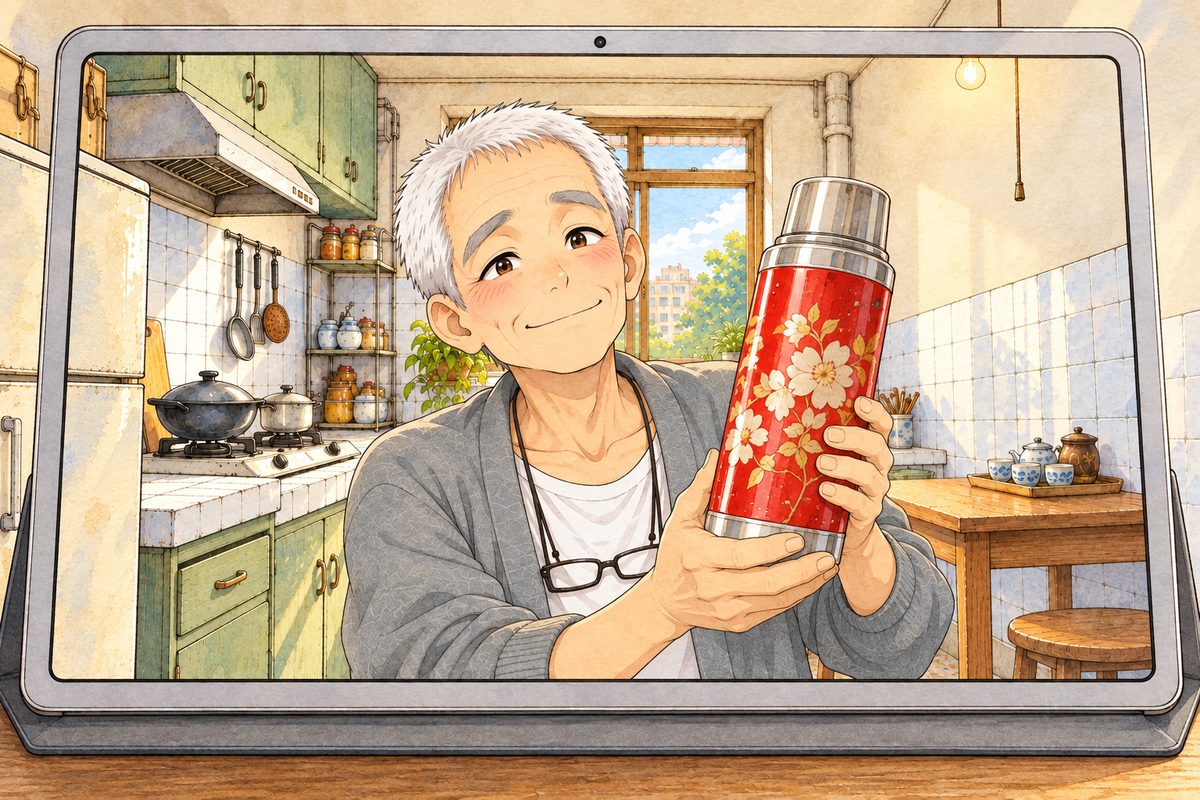
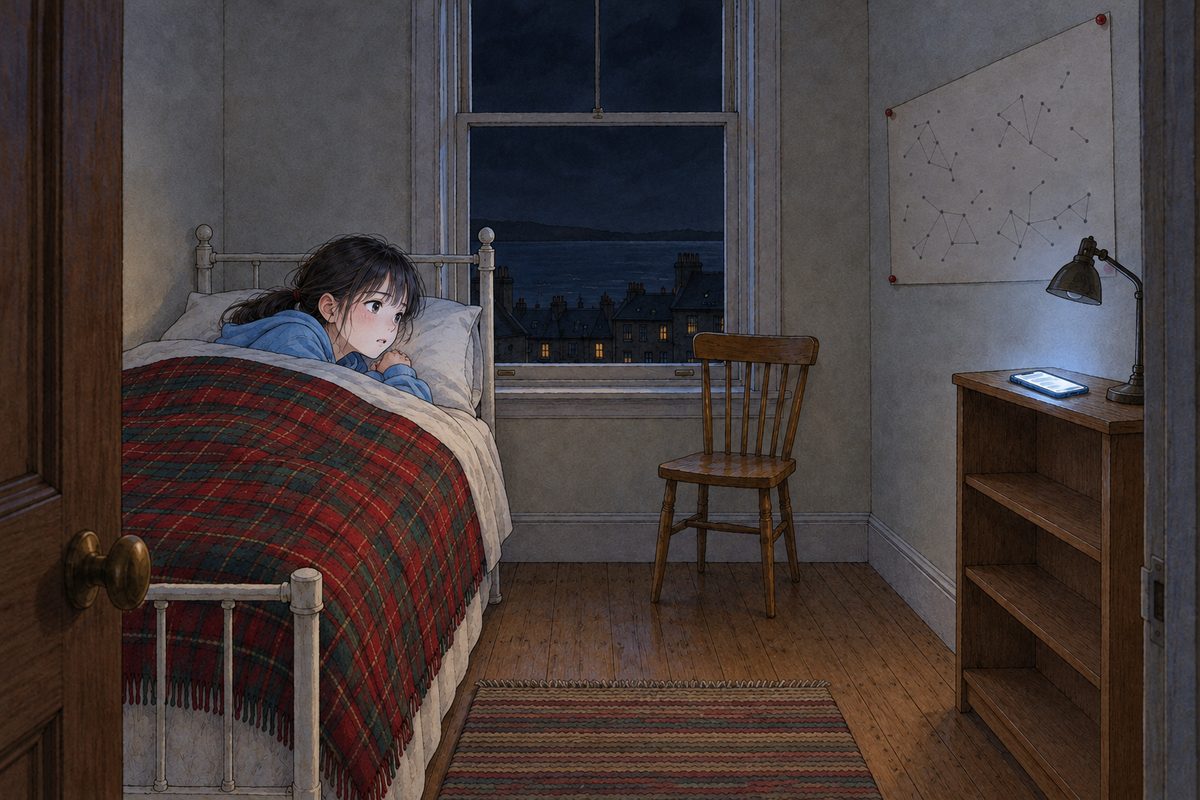
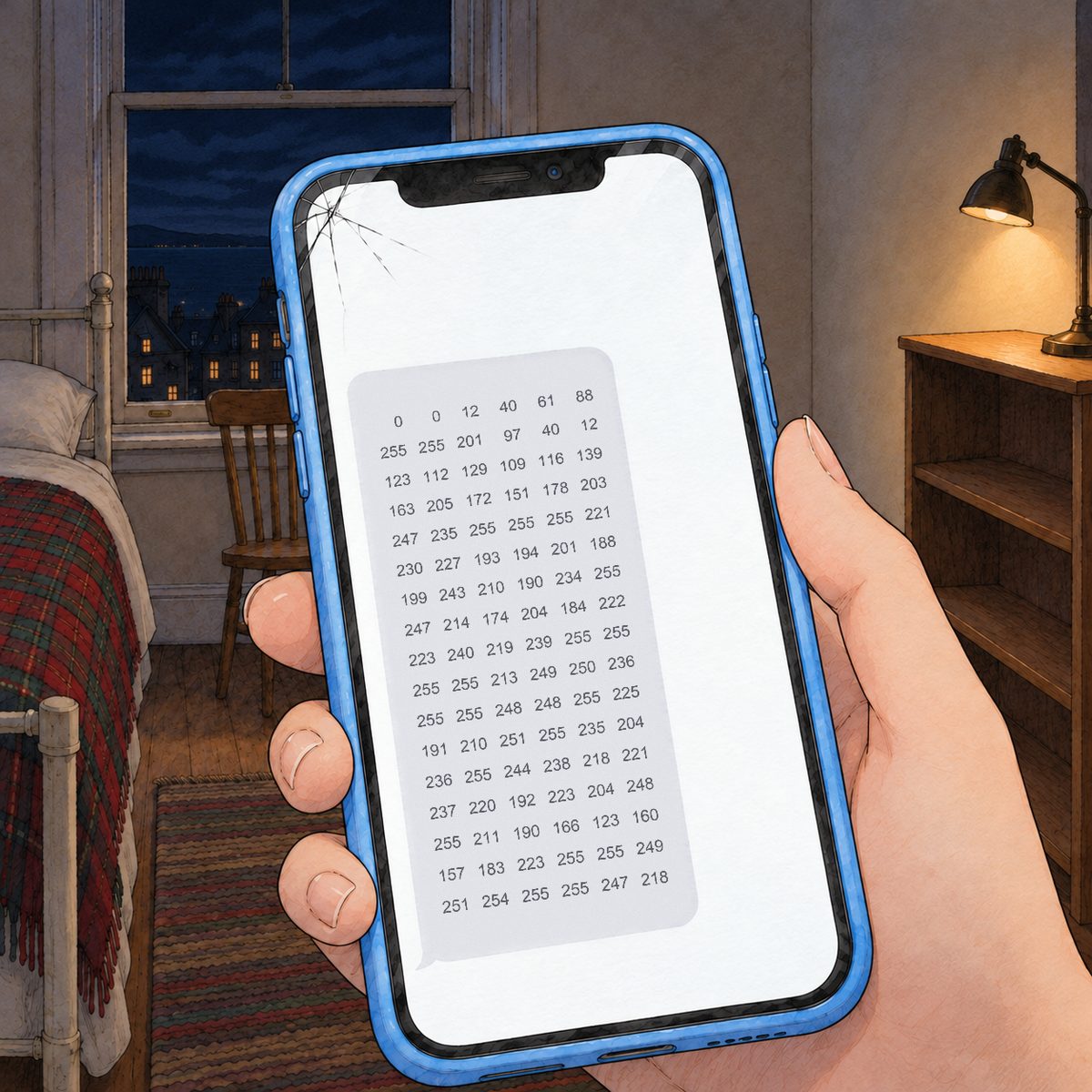
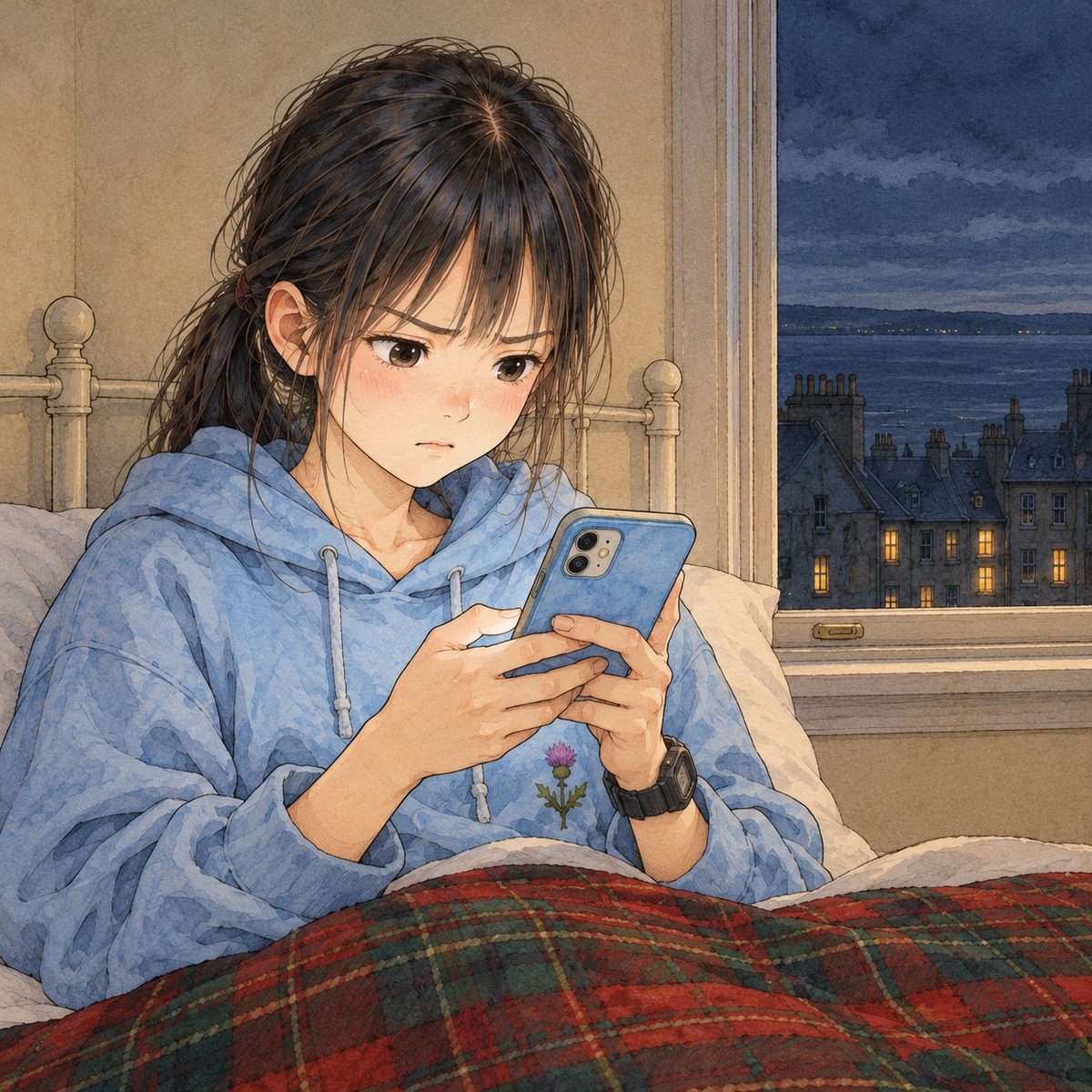
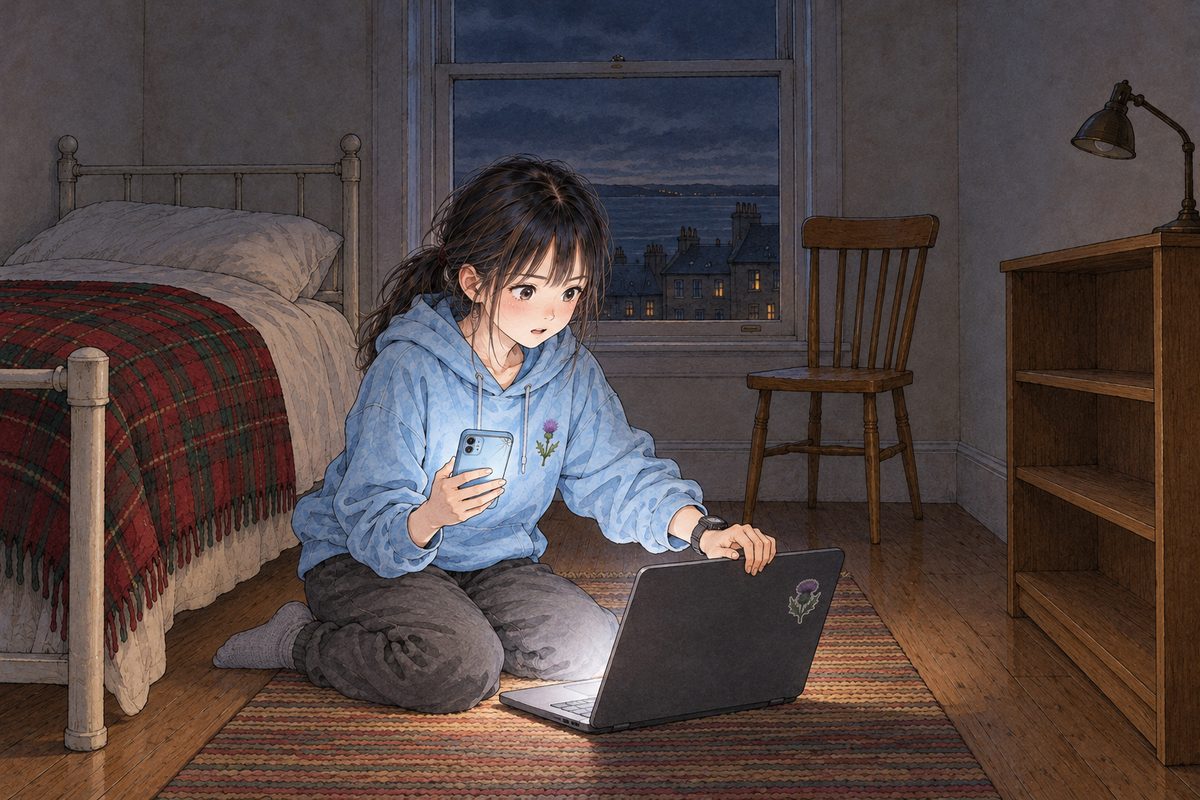
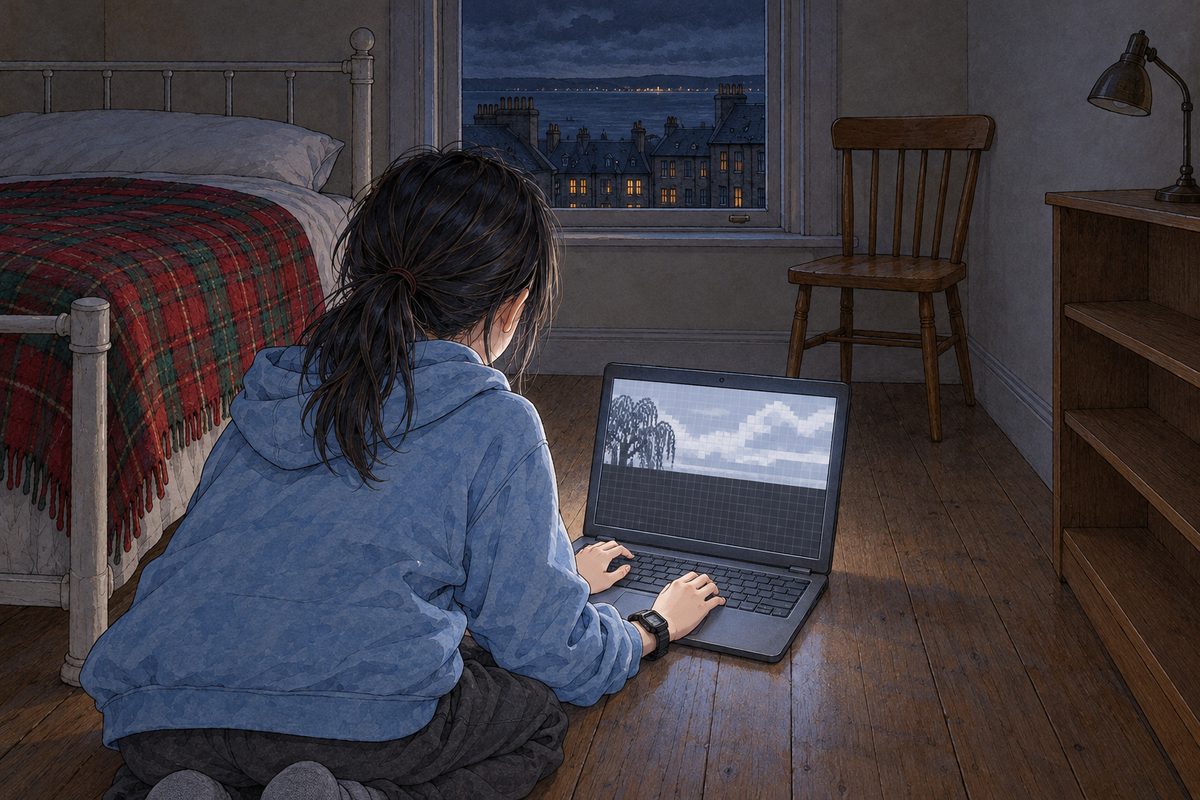
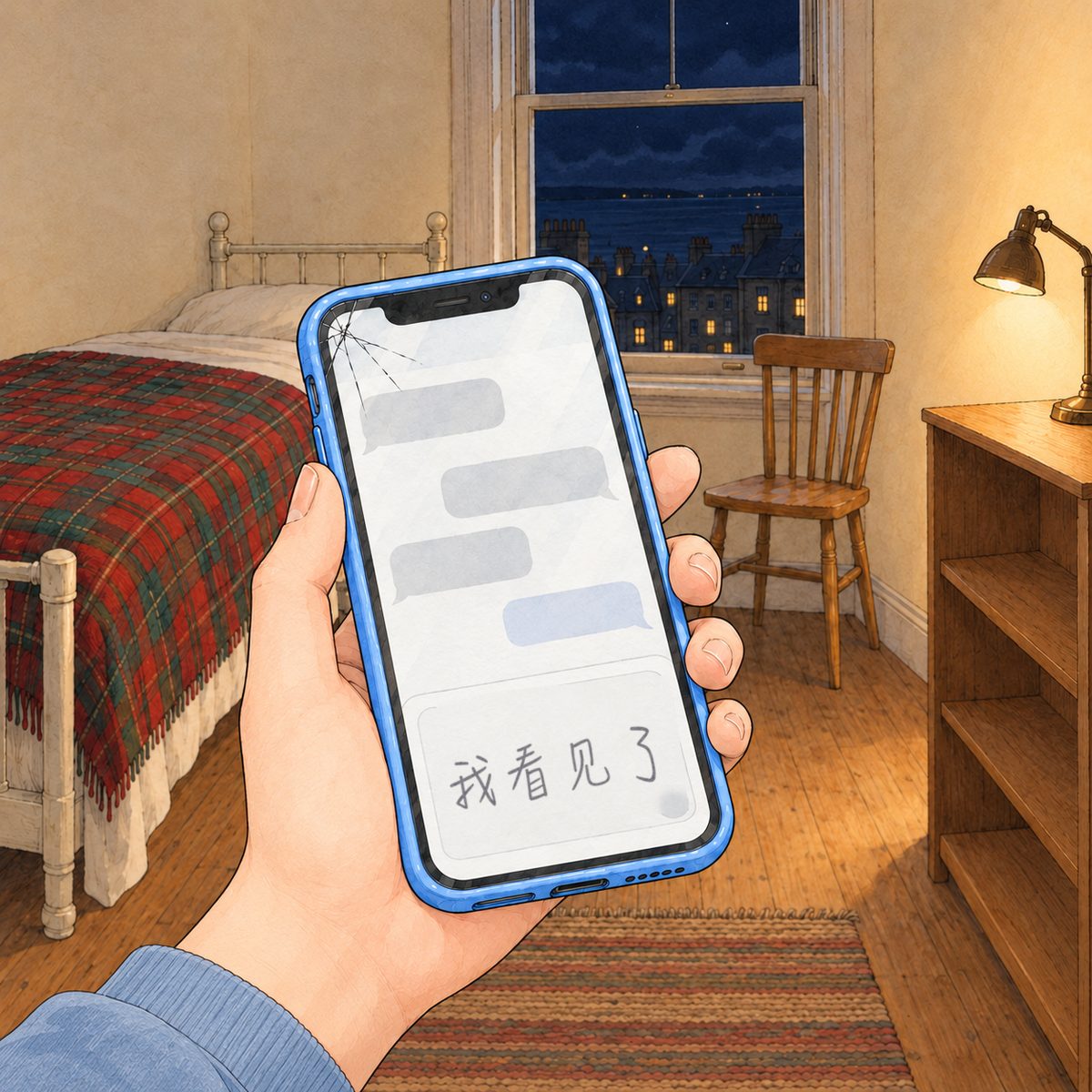
Some of this chapter was left to the pictures, so the quiet nights in the wee room could stay quiet. Here it is in words.
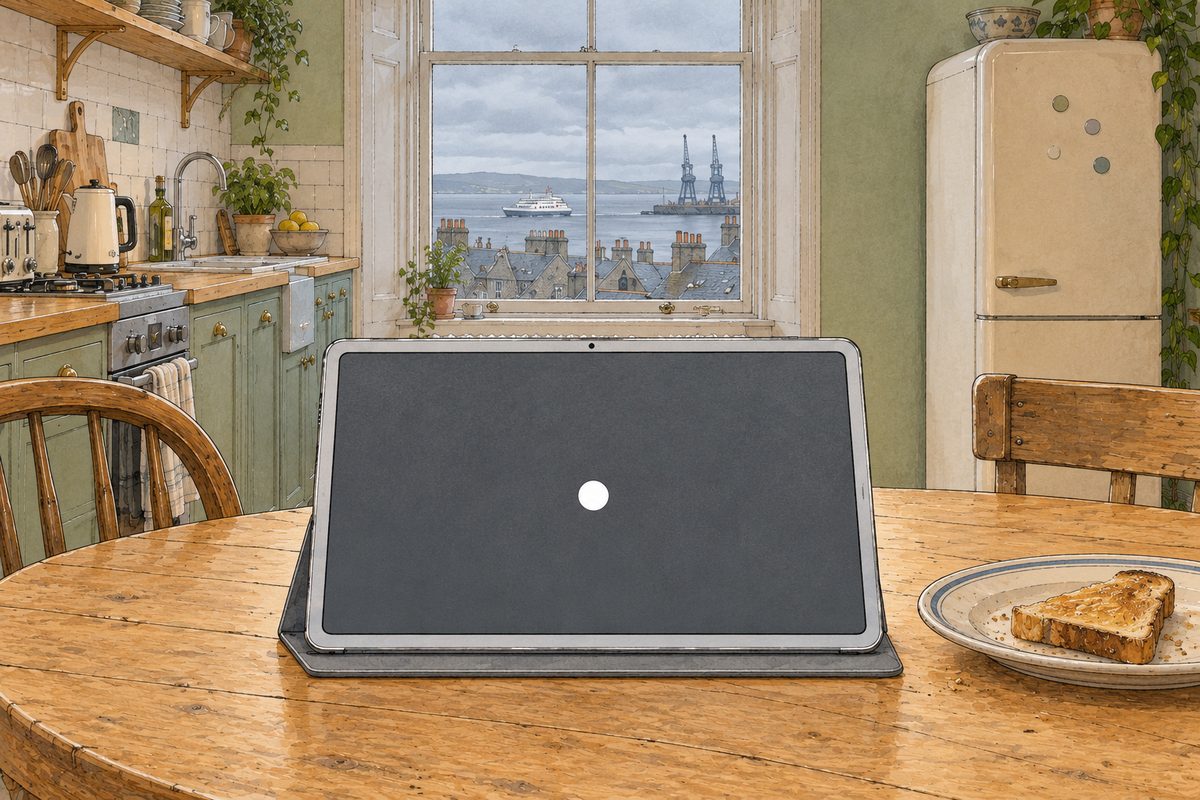
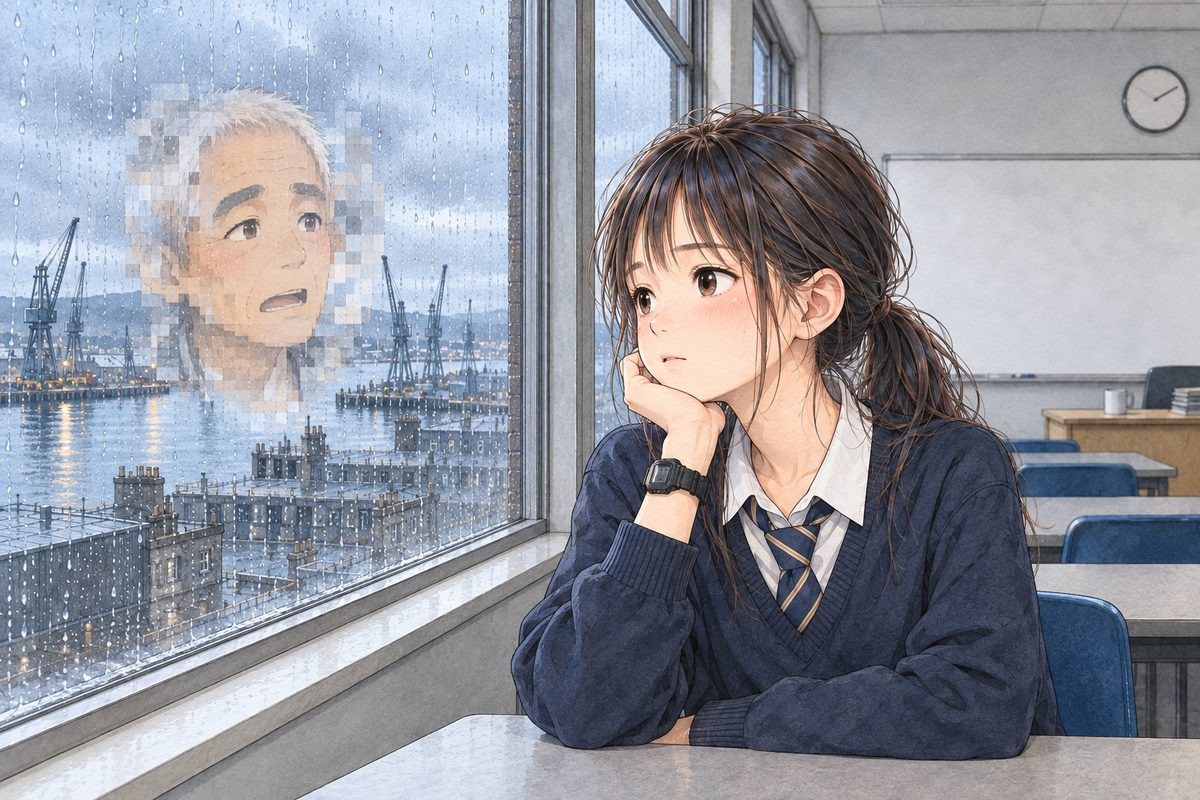
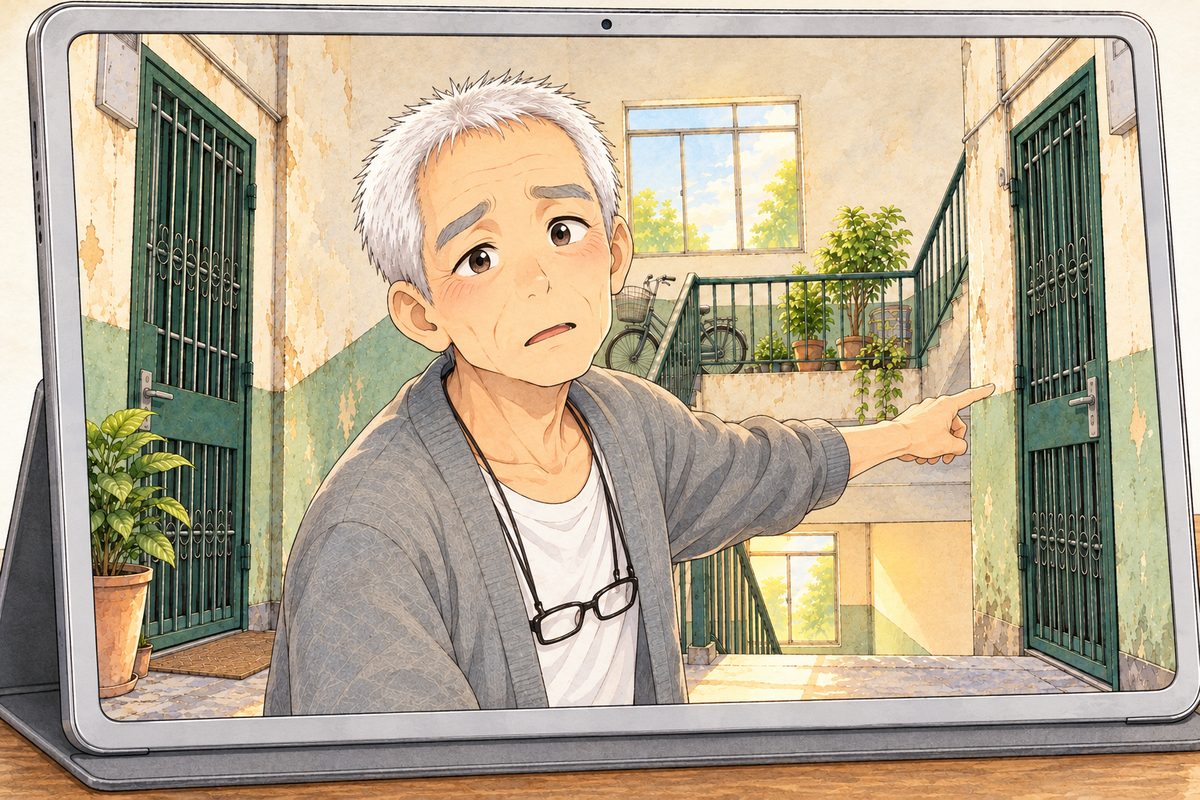
On page 1 the call freezes and Grandpa's face breaks into squares. A video call sends a new picture many times a second, and every picture is a long list of numbers. When the line is too slow, the numbers arrive late, and the phone shows big blocks of colour until the rest come in. Nowhere in that list is there a number that means "Grandpa", or "face", or even "stripe". A computer has to learn those, from the numbers alone.
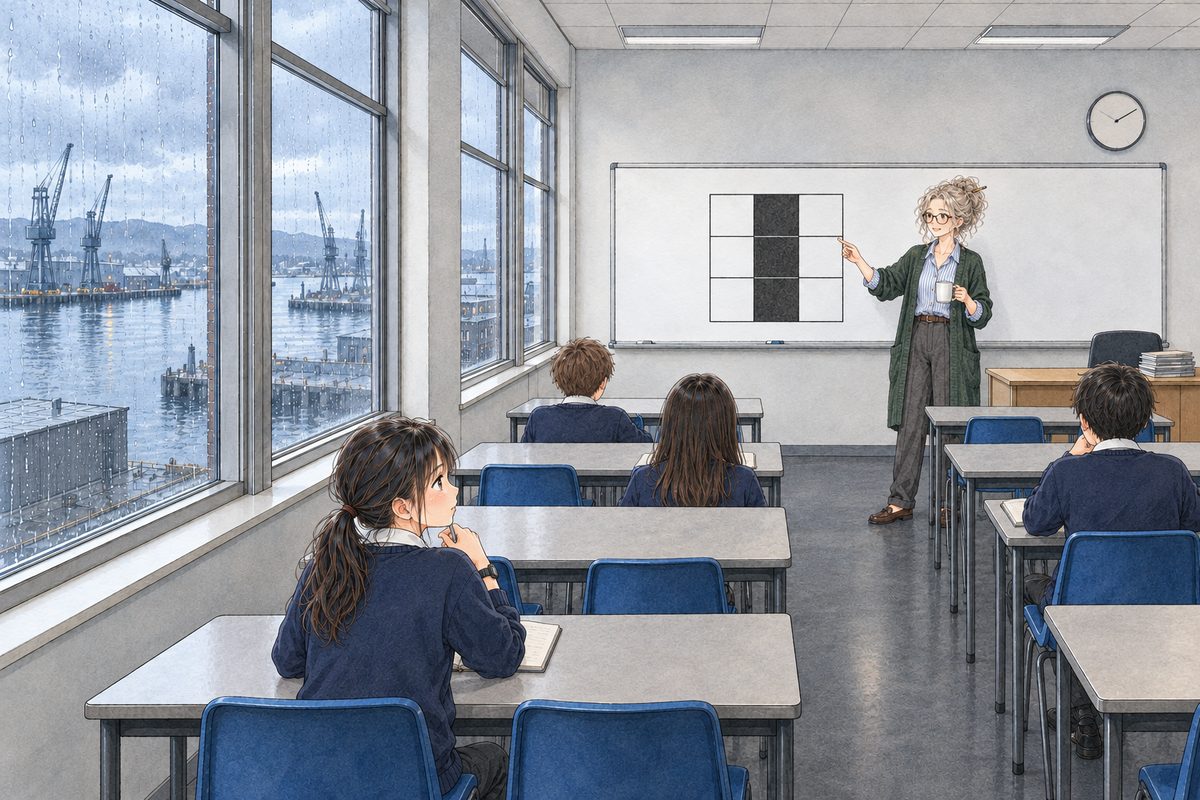
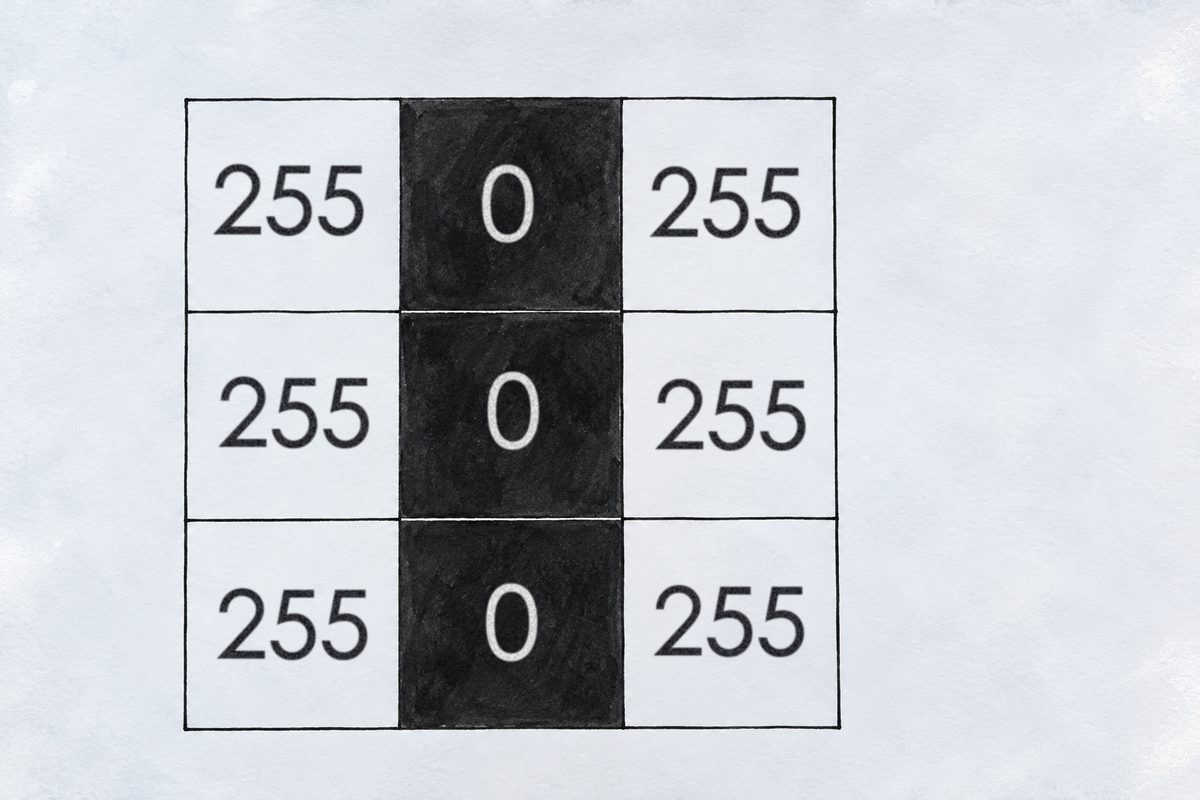
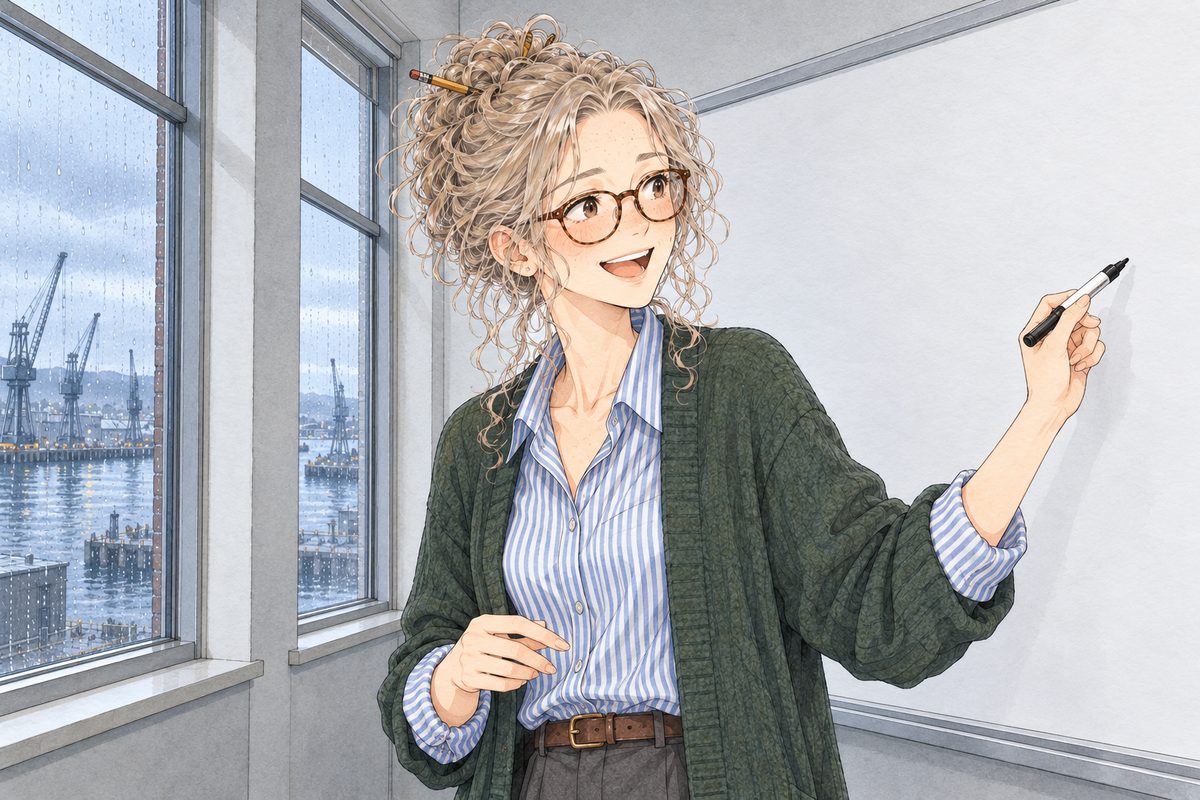
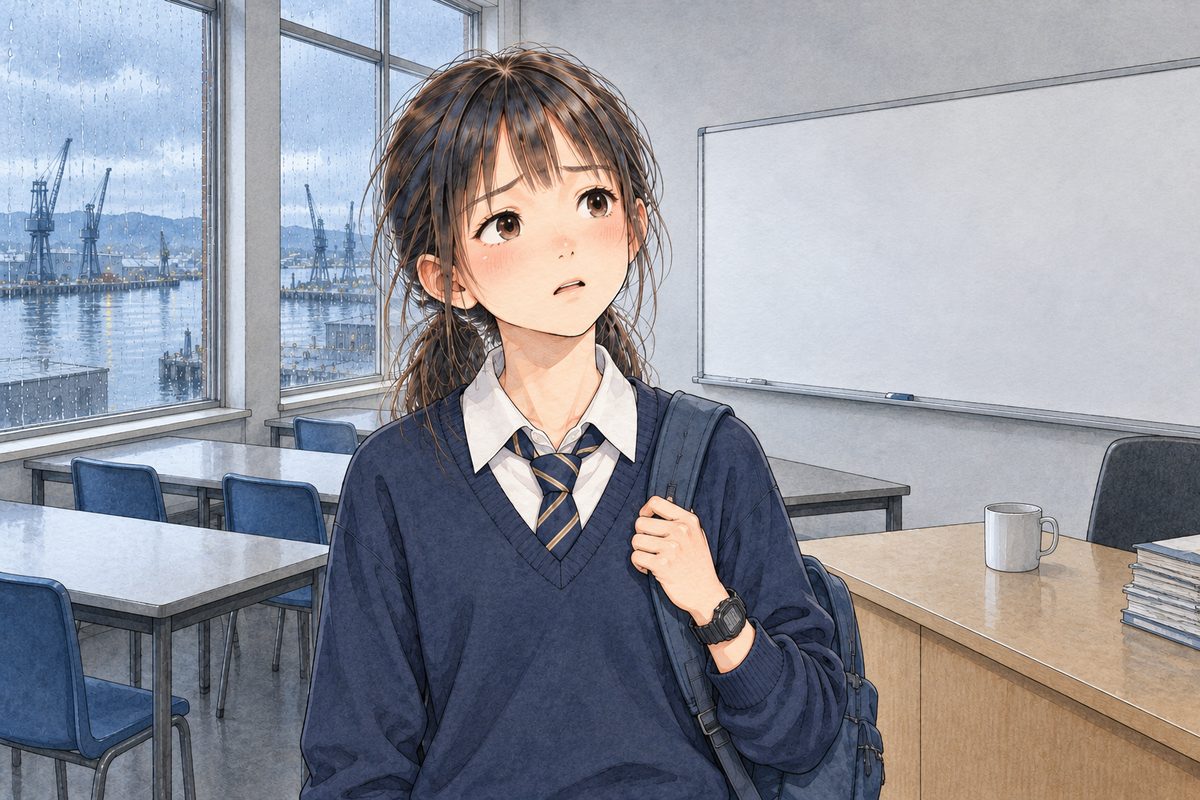
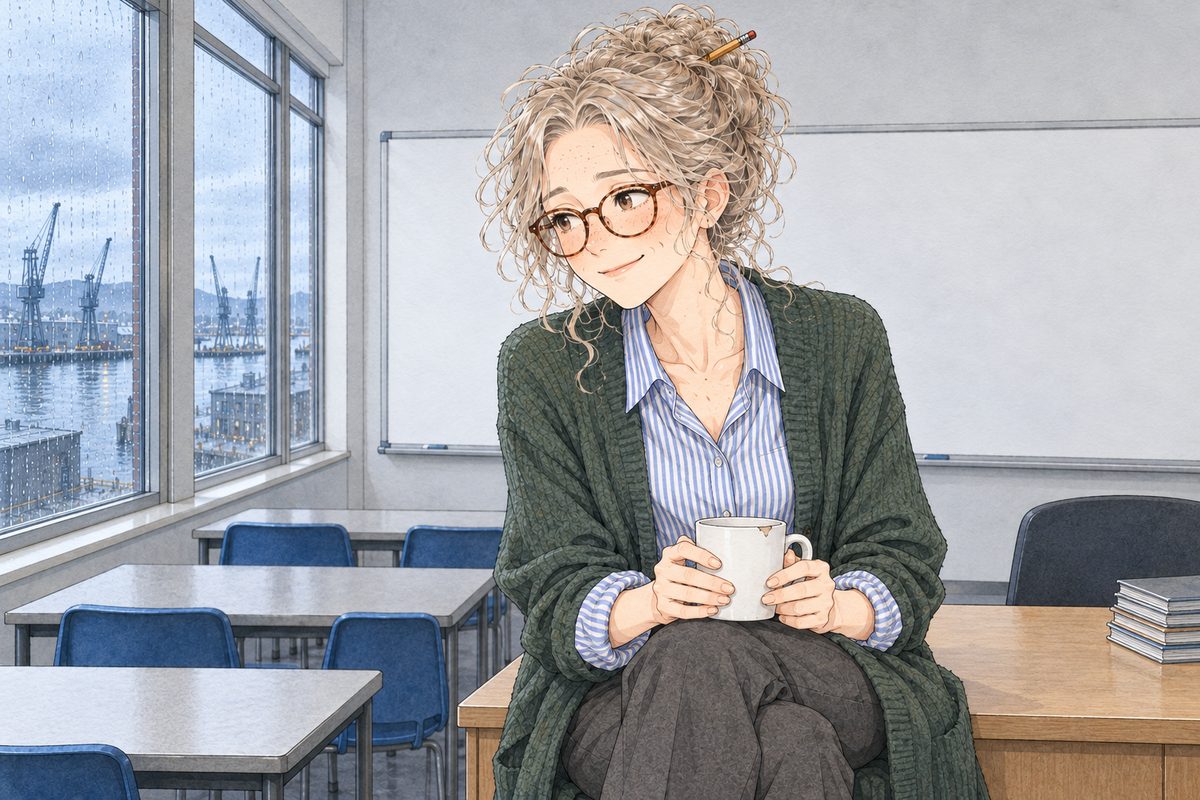
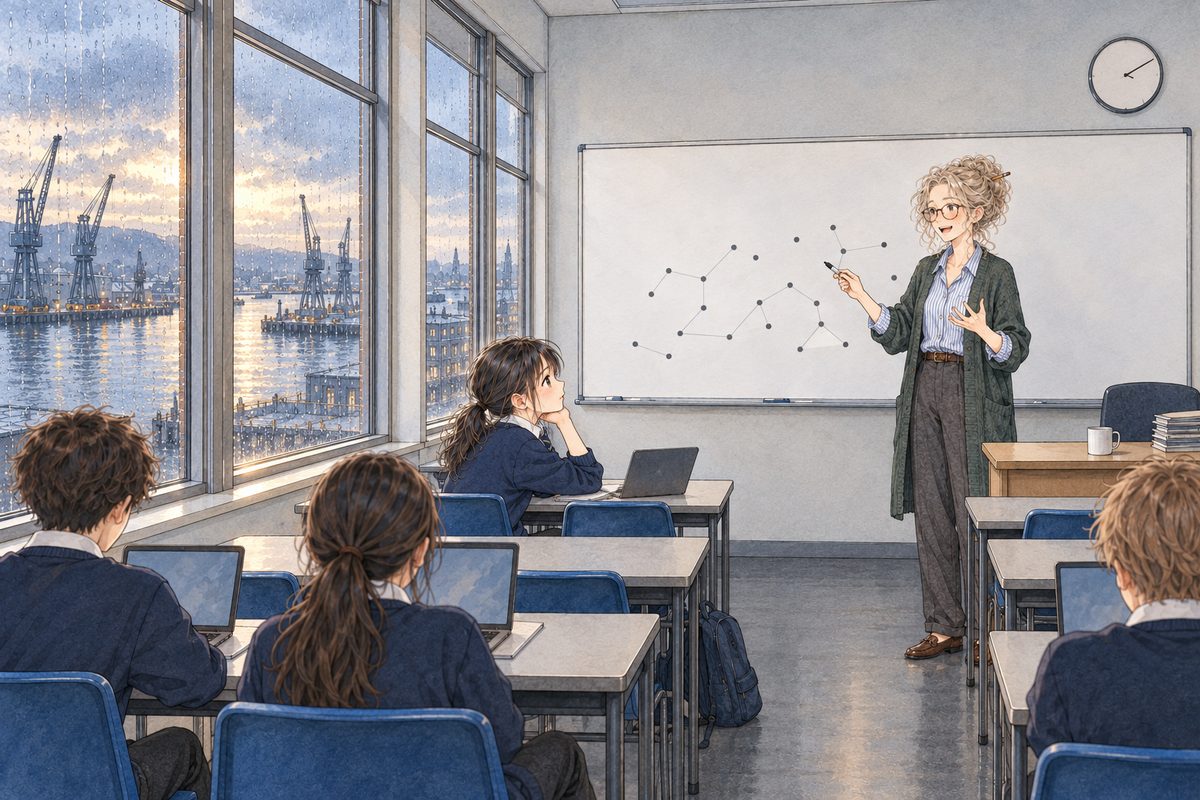
On page 3 Ms Rennie draws three rows of white, black, white. Written as numbers that is 255, 0, 255, three times over. Many programs then shrink every number to lie between 0 and 1, which suits the arithmetic. Inside, a network does nearly all its work by multiplying and adding. That is why everything it meets, pictures, sounds and words, has to become numbers first.
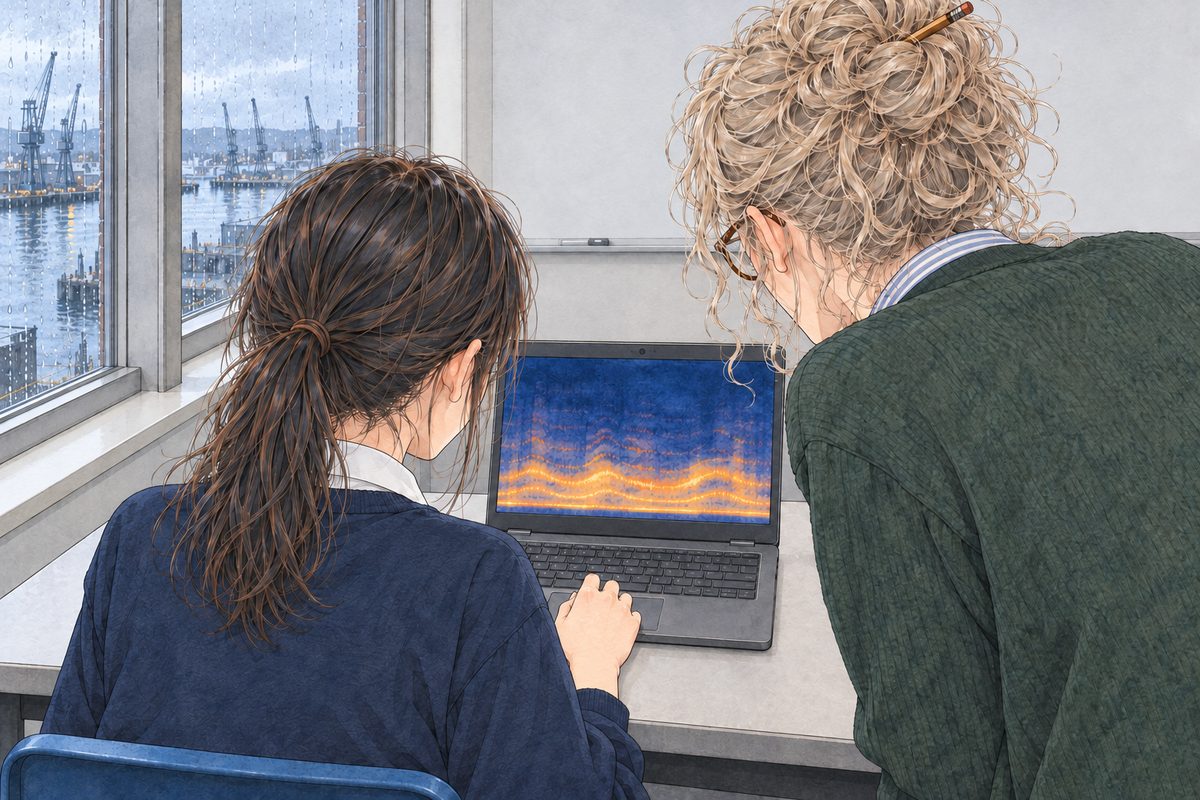
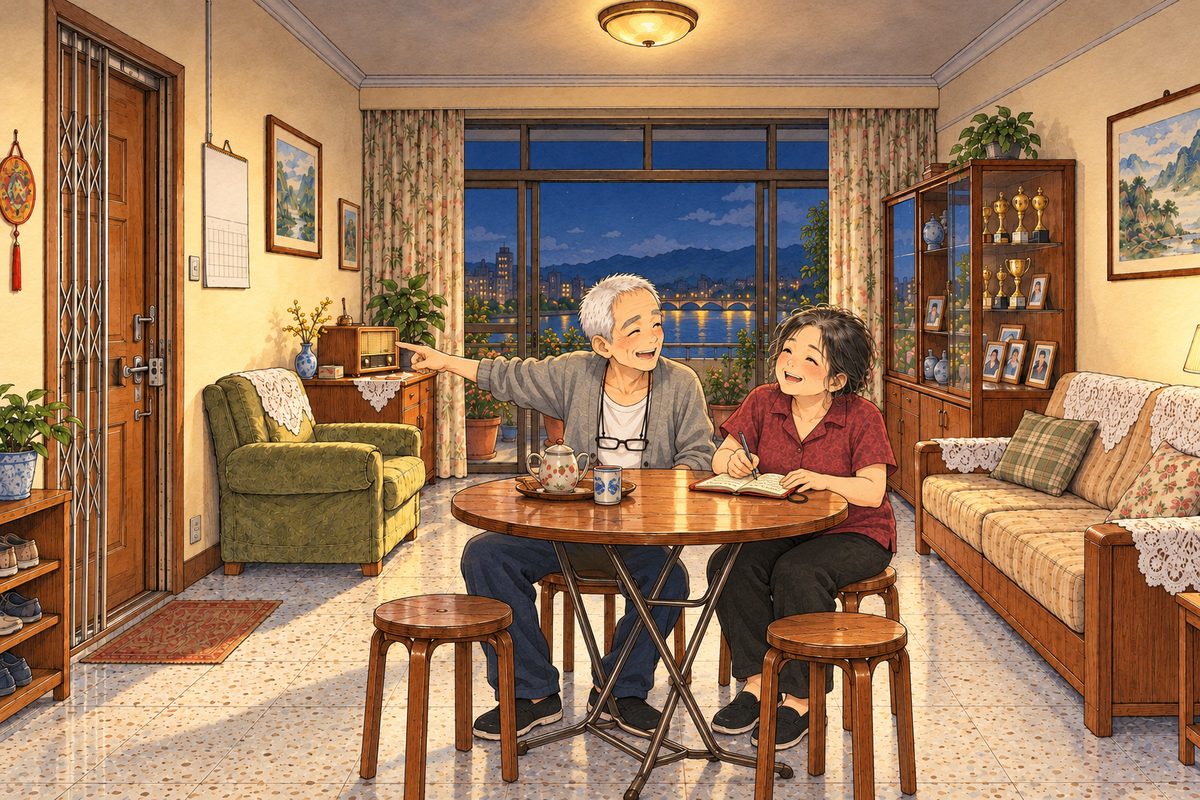
On page 7 Grandpa's eight seconds become hills of orange. A microphone measures the air again and again, 44,100 times a second for music on a CD and often 16,000 for speech. That is about 128,000 numbers for his eight seconds. The picture of which notes are loud at each moment is called a spectrogram. Turning sound into a picture changed how computers hear. Machines that listen now often look at these pictures, much as other machines look at photos.
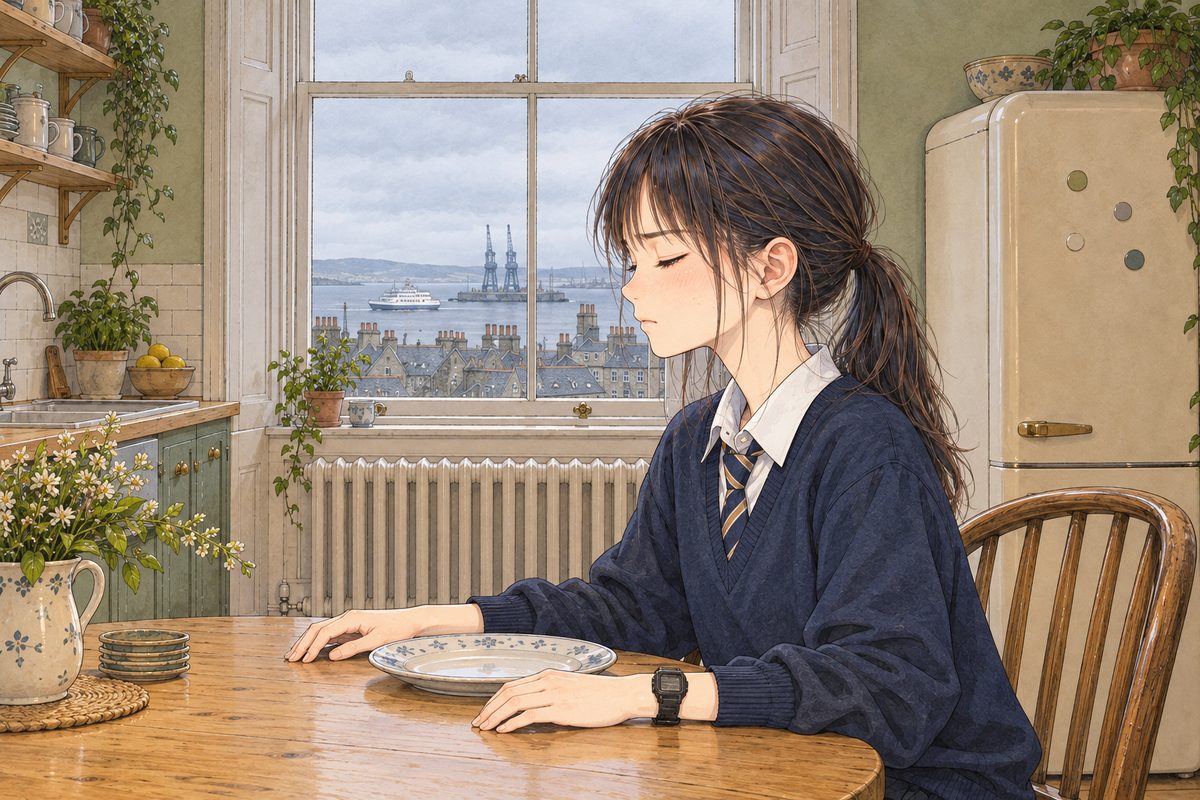
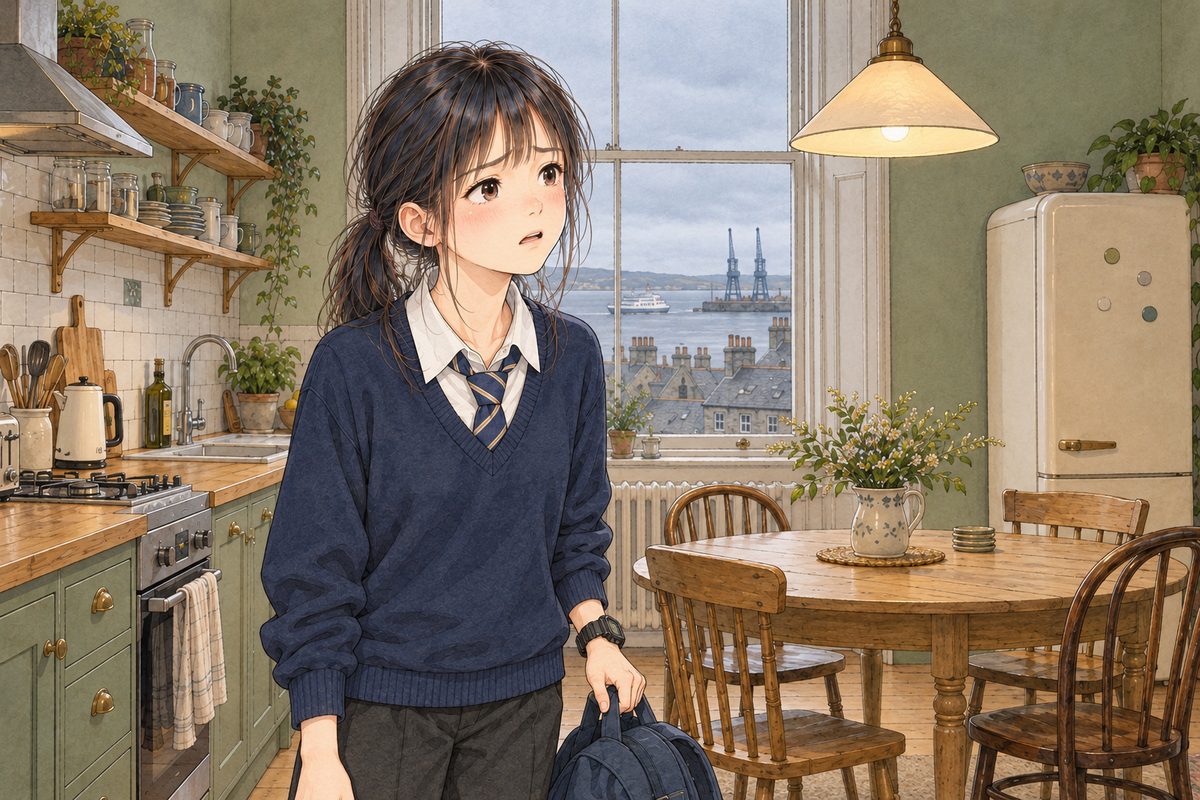
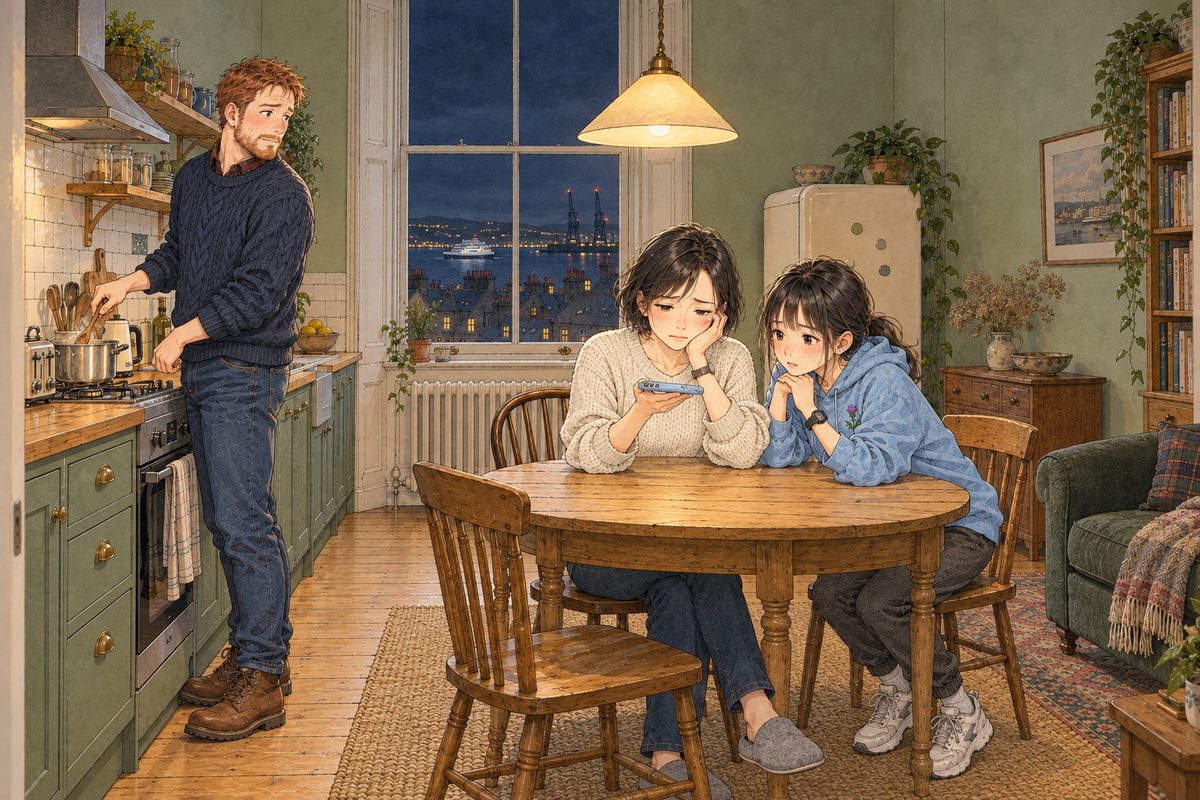
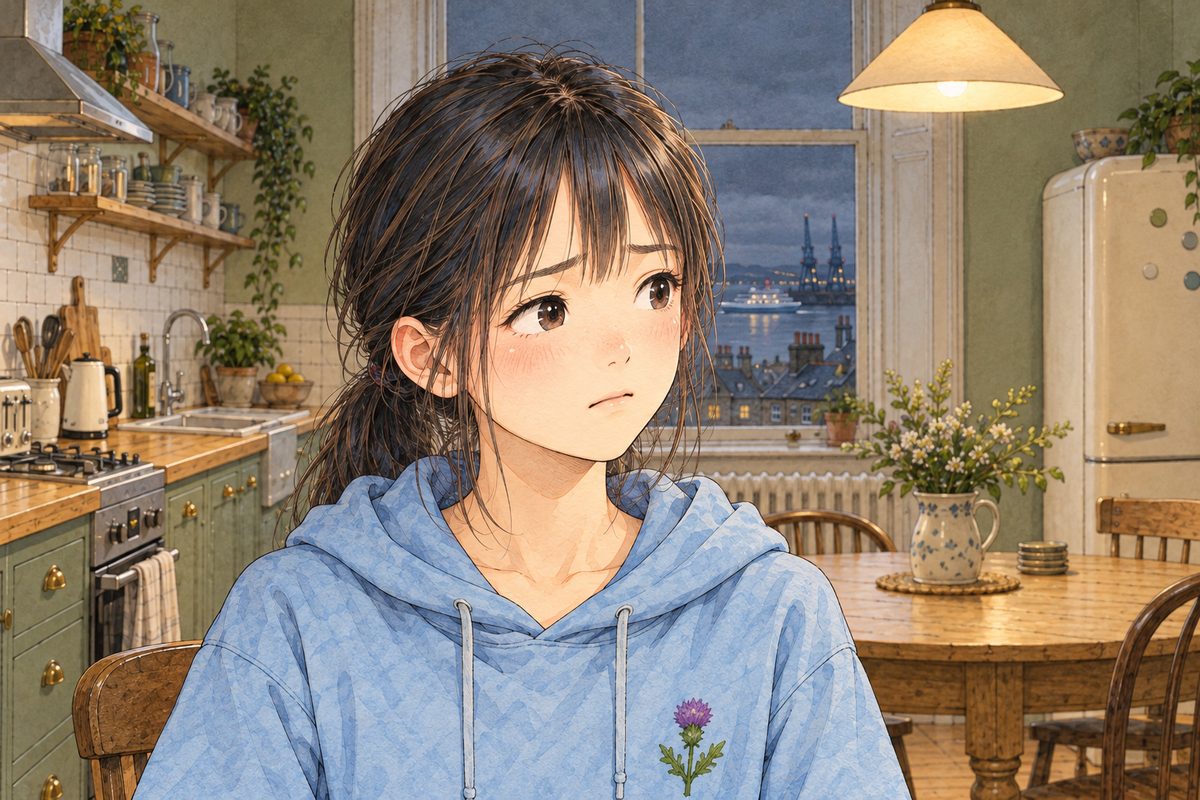
On page 8 the chat assistant gets everything wrong about Grandpa, and Xiaoyu remembers the toast from two years before. It said 70 characters, and she counted 51. The assistant never saw letters at all. Its words were cut into pieces called tokens, and each piece was swapped for an ID number. Counting the letters inside a number is hard when you were never shown them.
On page 9 Ms Rennie quotes a linguist called J. R. Firth, who wrote in 1957 that "You shall know a word by the company it keeps!" Words that turn up in the same places tend to mean similar things. The linguist Zellig Harris had said much the same in 1954. In 2013 Tomas Mikolov and his colleagues at Google turned this into a fast program called word2vec. It reads a vast amount of text and keeps guessing the neighbours of each word. Each time it guesses wrong it nudges the word's numbers a little, the way Papa's scores got a little less wrong in Chapter 5. When it is done it throws away the guessing and keeps the numbers. Those numbers are the word's place on the map.
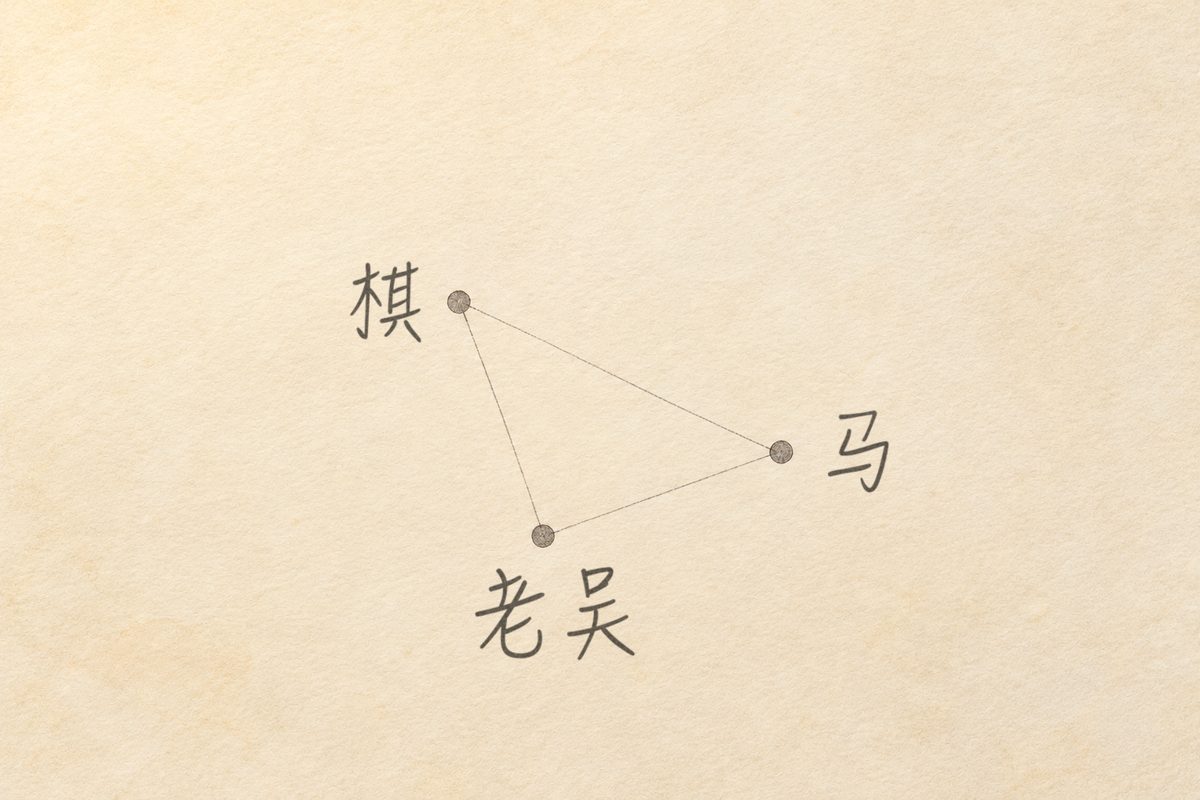
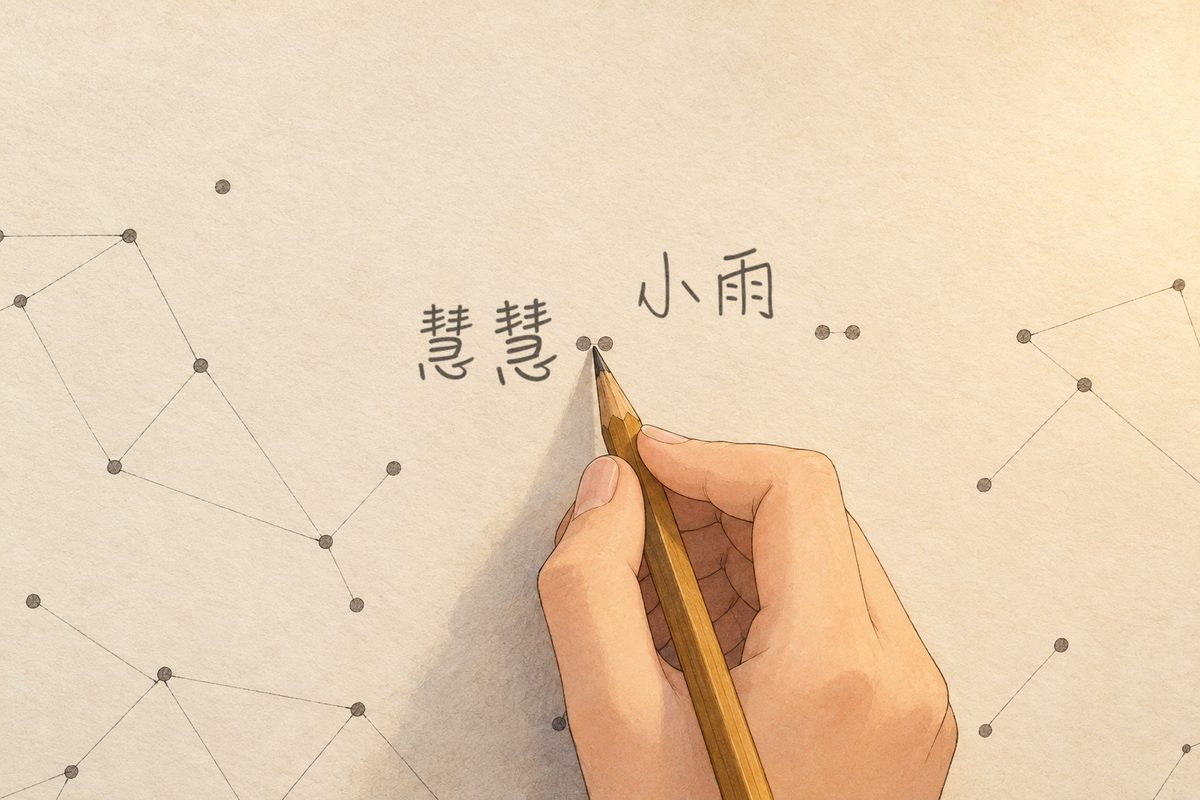
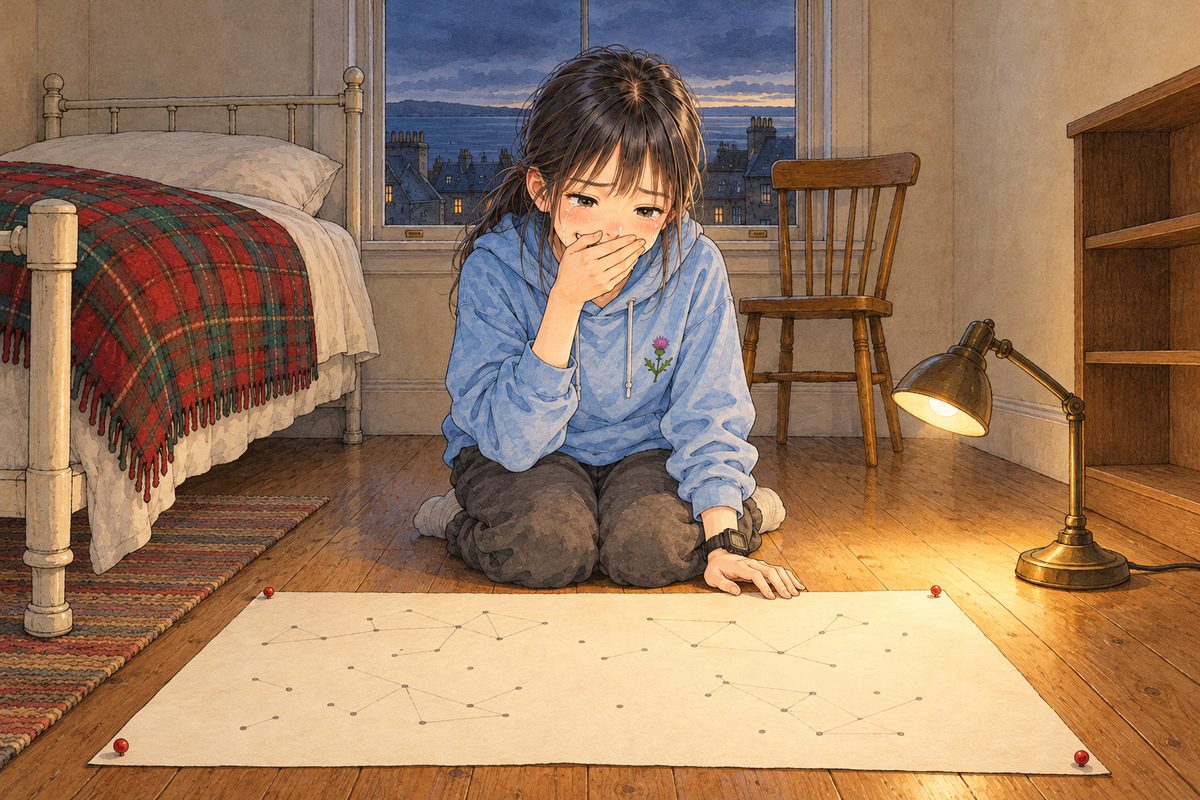
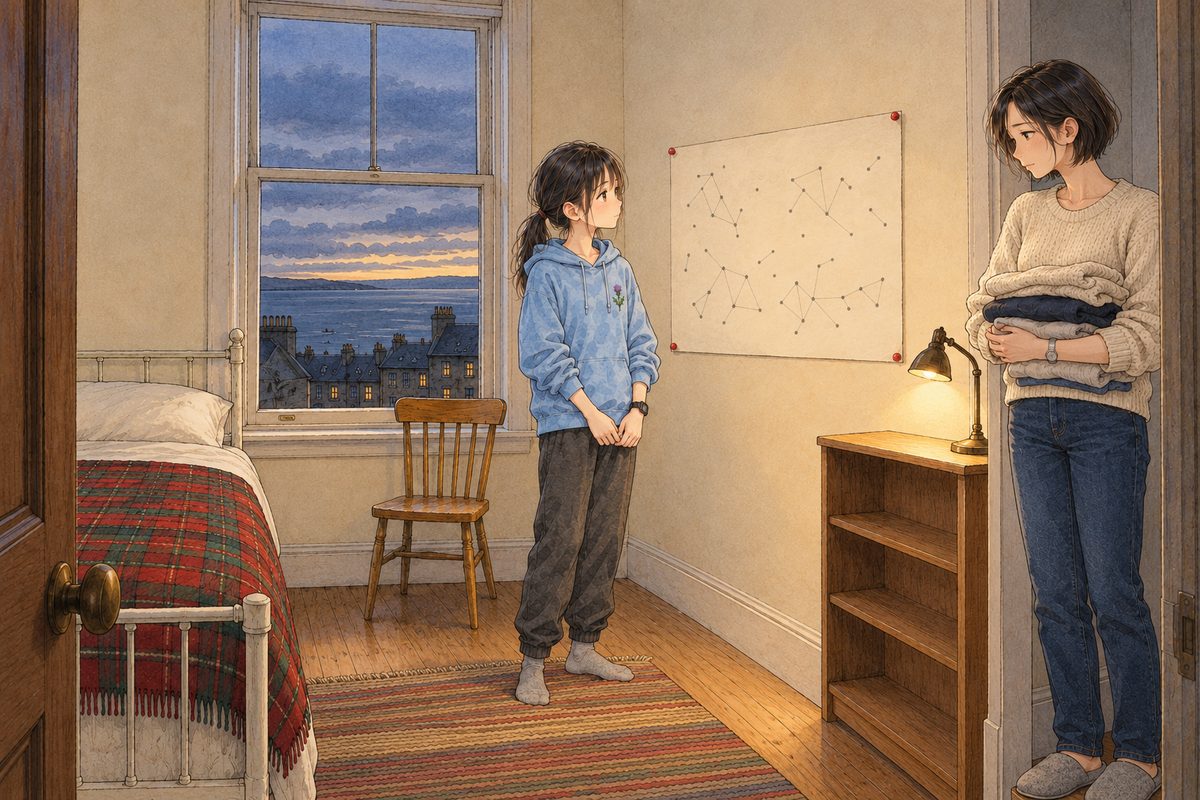
On pages 14 and 15 Xiaoyu does a tiny version by hand. She counts which words turn up within three words of each other, and puts words with the same neighbours close together. Her map is a small cousin of the real thing. It shows how Grandpa uses his words, which is not quite the same as what they mean, and nobody can yet say how big that gap is.
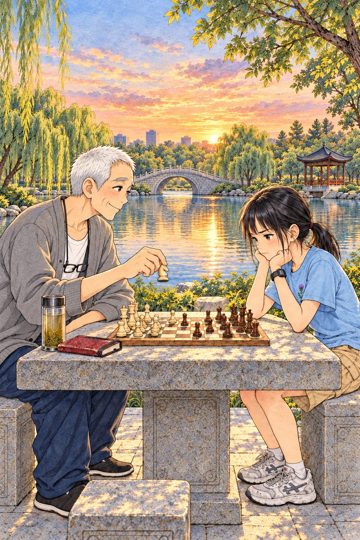
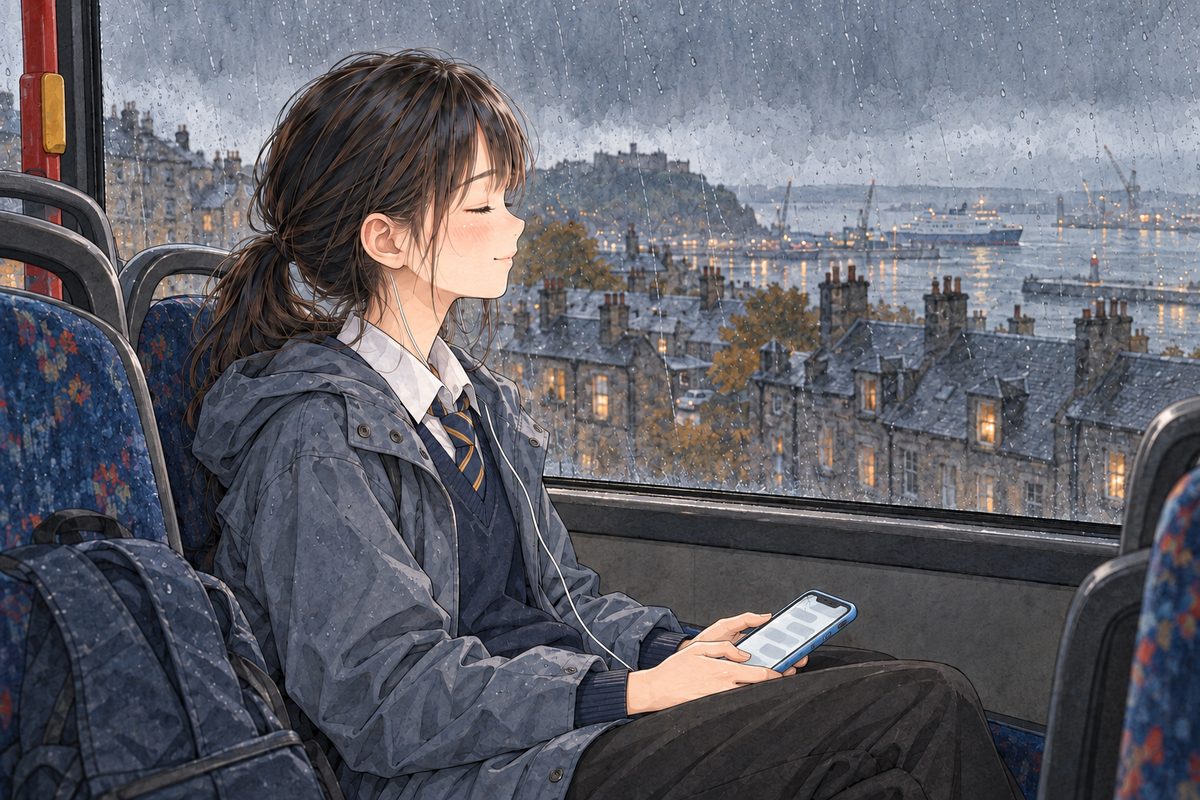
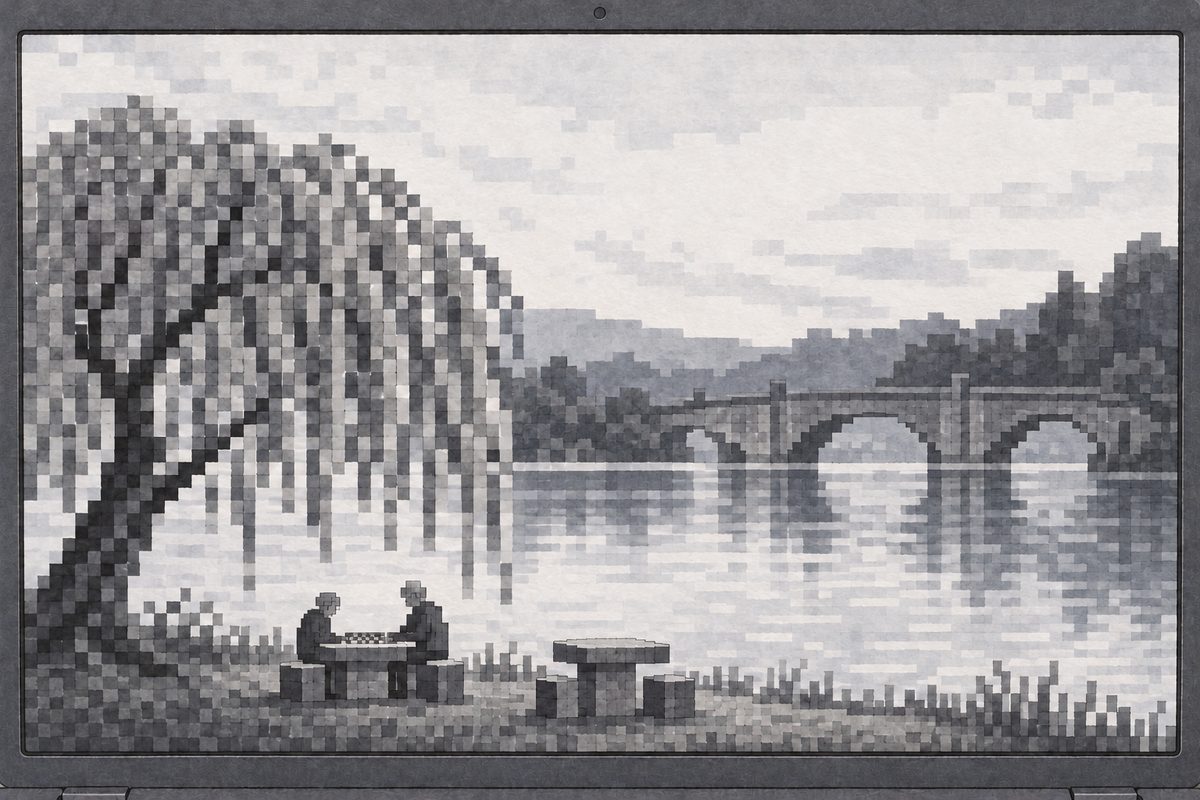
On page 19 Haoran's numbers become the lake. Thirty-two rows of forty-eight is 1,536 numbers, a picture smaller than the smallest icon on a phone, and still enough to show two men at a chessboard.
A colour picture keeps three numbers for each dot, for how much red, green and blue it has. A twelve-million-pixel phone photo is therefore about 36 million numbers. The list of numbers knows nothing about stripes or cats. Every one of those ideas has to be learned.
Most chat assistants cut text into pieces with a method called byte-pair encoding. It starts from single letters and keeps gluing together the pairs that turn up most often, so a common word stays whole and a rare one is split, like "s", "low" and "est". In English one token is about three quarters of a word. GPT-2, from 2019, had 50,257 different pieces. Languages written in other scripts, Chinese among them, often need more tokens for the same meaning, and that can make an assistant slower, dearer and a little worse in them.
In 2013 researchers found something surprising in word maps. Take the place of "king", subtract "man", add "woman", and the nearest word is often "queen". Closeness on these maps is usually measured by the angle between two lists of numbers. In one small example, "king" and "queen" come out at about 0.78 and "man" and "queen" at about 0.22, where 1 would mean pointing the same way. The sum works less often than it first seemed, though. The usual test quietly leaves out the words you started with, and that flatters the results. Word maps also soak up the stereotypes in the text they learn from, and in 2016 a team showed that "man" is to "computer programmer" as "woman" is to "homemaker" on one of them.
A map like word2vec's gives each word one place only, so "bank" by a river and "bank" for money share a dot. The language models in later chapters give a word a different place each time, depending on the words around it.
The same trick works across kinds of things. In 2021 a system called CLIP put pictures and their captions on one map, so a photo of a dog lands near the words "a photo of a dog". Shops and music apps use maps like these to suggest what you might like next.
Some researchers think that knowing a word's company captures most of what it means. Others say a word also points at things in the world, at lakes and bowls and grandfathers, and a map of company alone can never reach them.
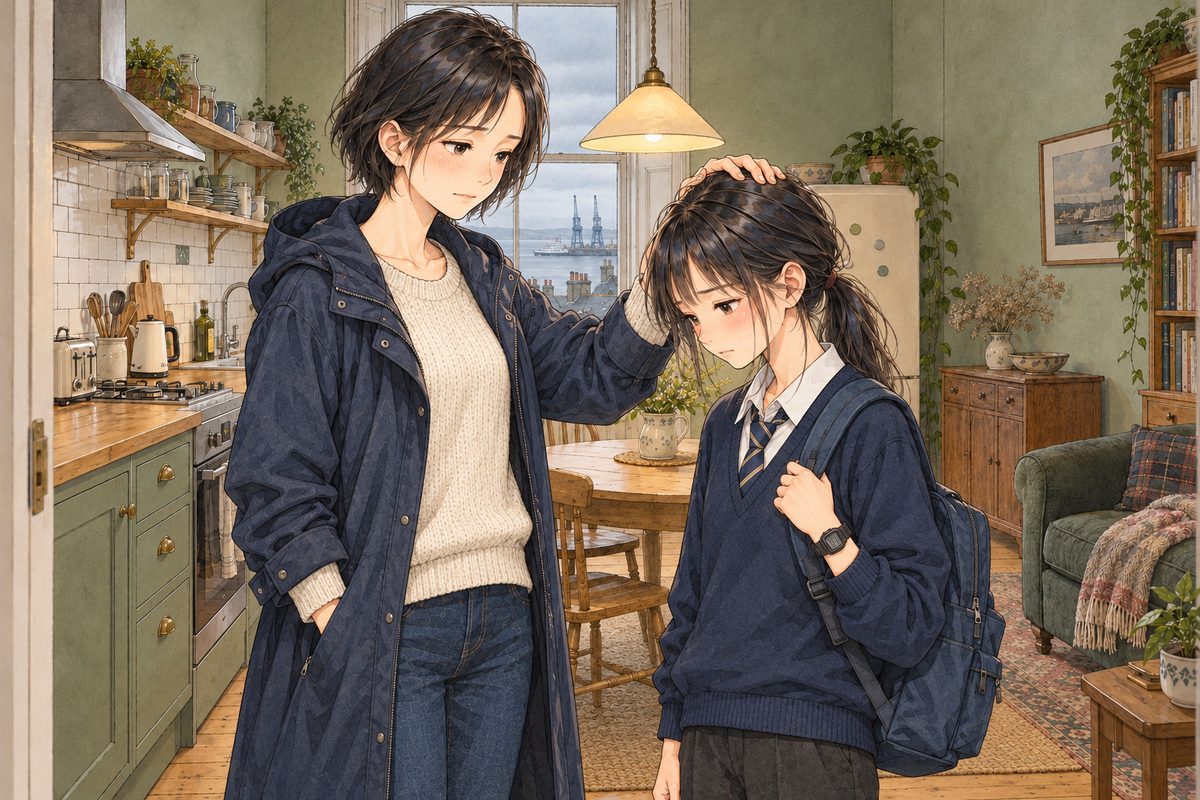
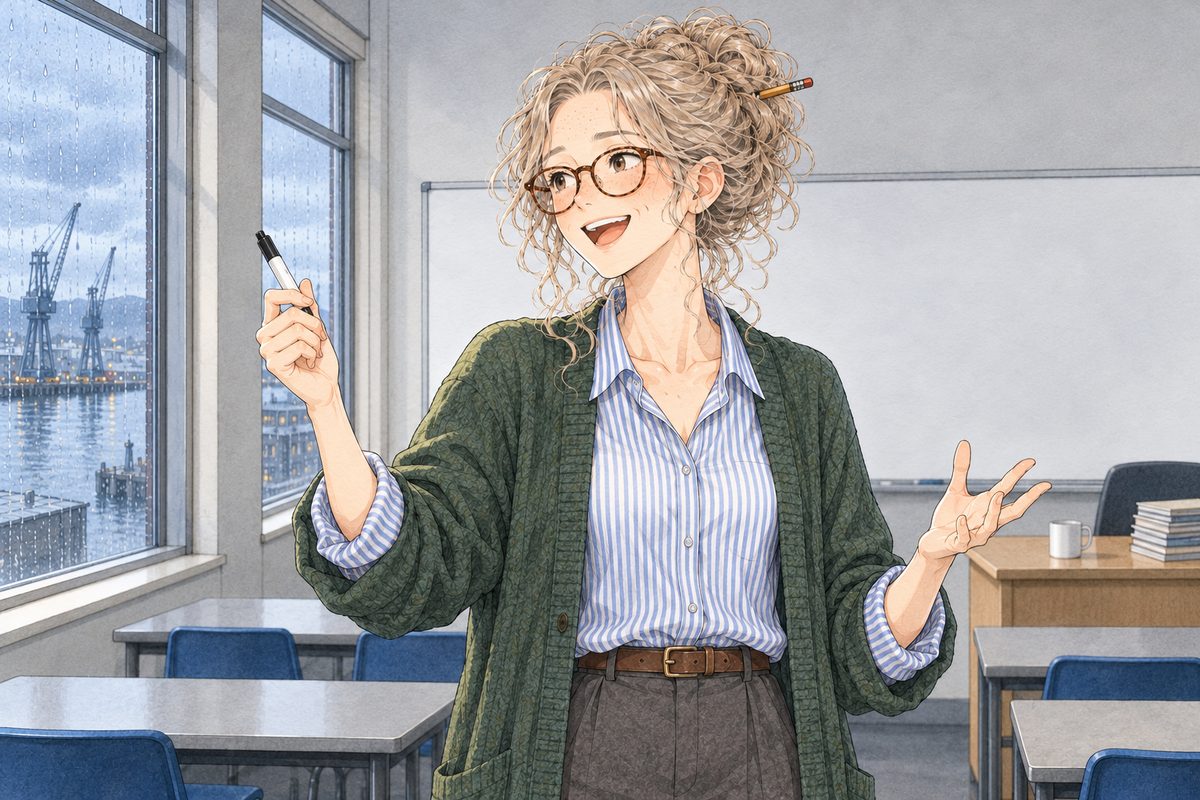
Bridge City, Xiaoyu, Grandpa Chen, Mama, Papa, Haoran, Lili, Uncle Wu and Auntie Zhang. The school by the harbour, Ms Rennie and her coding club. The chat assistant and its offer to borrow Grandpa's voice, though apps that copy a voice from a short recording are real. The voice app that hears "lake" as "tiger", Xiaoyu's map of two hundred and twelve words, and Haoran's picture of the lake. Grandpa's illness is not drawn from any real person, and the story makes no medical claim.
Yingying Fu created this manga. She chose the story and its people, directed every page, and edited every word and picture. The words were drafted with Claude, an AI by Anthropic. The pictures are made with AI image generation, painted panel by panel from her direction and checked and corrected by hand.
这一章有些道理留给了画面,好让小屋里那几个晚上安静一点。这里用文字再讲一遍。
第一页,视频卡住了,外公的脸碎成了方块。视频电话每秒要传好多张图,每张图都是长长一串数。网一慢,数来晚了,手机只好先拿大色块顶着,等剩下的数到了再补上。这一串数里,没有哪个数是"外公",也没有哪个数是"脸",连"条纹"都没有。这些,电脑都得靠这堆数自己学出来。
第三页,伦尼老师画了三行,每行白、黑、白。写成数,就是255、0、255,写三遍。很多程序还会把每个数缩到0和1之间,算起来方便。网络里头干的活,差不多全是乘法和加法。所以不管碰到什么,图也好,声音也好,字也好,都得先变成数。
第七页,外公那八秒钟变成了一座座橙色的小山。麦克风一遍遍地量空气,CD上的音乐每秒量44100次,录说话常常是每秒16000次。外公那八秒,大约是十二万八千个数。把每一刻哪些音最响画出来,这张图叫"声谱图"。声音变成图,电脑听东西的办法就变了。现在好多会听的机器,其实是在看这种图,跟别的机器看照片差不多。
第八页,聊天助手对外公一无所知,小雨想起了两年前那段祝酒词。它说七十个字,她一数,五十一个。助手压根就没见过一个个的字。它拿到的话先被切成小块,叫"词元",每一块换成一个编号。连字都没见过,要它数里头有几个字,自然难。
第九页,伦尼老师引了语言学家弗斯一九五七年的一句话,"看一个词跟谁做伴,就知道它是什么意思!"常在同样地方出现的词,意思往往也相近。一九五四年,语言学家哈里斯也说过差不多的话。二〇一三年,谷歌的米科洛夫和同事把这个想法做成了一个很快的程序,叫word2vec。它读大量的文字,一遍遍地猜每个词旁边会出现哪些词。猜错一次,就把这个词的数调一点,跟第五章里爸爸的分数一点点变好一个道理。学完以后,猜的那部分扔掉,只留下这些数。这些数,就是这个词在地图上的位置。
第十四、十五页,小雨用手做了个小小的版本。她数哪些词常在彼此前后三个词以内出现,再把邻居相同的词放在一起。她这张地图,算是真家伙的一个小表亲。它画的是外公怎么用这些词,这跟词的意思不完全是一回事。差多少,到现在也没人说得准。
第十九页,浩然的数变成了那片湖。三十二行,每行四十八个,一共1536个数,比手机上最小的图标还小,可已经够看出棋盘边坐着两个人了。
彩色照片里,每个点存三个数,分别是红、绿、蓝各有多少。手机拍一张一千二百万像素的照片,就是大约三千六百万个数。这串数不知道什么是条纹,也不知道什么是猫。这些都得学。
大多数聊天助手切字,用的是一种叫"字节对编码"的办法。它从单个字母开始,把最常挨在一起的两块一次次粘起来。所以常见的词能整个留下,少见的词就被拆开,比如英文里的"s""low""est"。英文里一个词元大约是四分之三个词。二〇一九年的GPT-2,一共有50257种小块。中文这样不用拉丁字母的文字,表达同样的意思往往要更多词元,助手用起来就更慢、更贵,有时也差一点。
二〇一三年,研究的人在词地图里发现了一件怪事。拿"国王"的位置,减去"男人",再加上"女人",离得最近的词常常是"王后"。地图上两个词近不近,一般看两串数之间的夹角。在一个小例子里,"国王"和"王后"算出来大约是0.78,"男人"和"王后"大约是0.22,1就是方向完全一样。不过这道算术灵的时候没有看上去那么多。常用的测法会悄悄把一开始那几个词排除在外,成绩就显得好看了。词地图还会把训练文字里的偏见一起学进去。二〇一六年有人发现,在一张词地图上,"男人"之于"程序员",就像"女人"之于"家庭主妇"。
word2vec这样的地图,每个词只有一个位置。英文里河岸的"bank"和银行的"bank",只好挤在同一个点上。后面几章讲的语言模型,会看前后的词,每次给同一个词一个不同的位置。
这个办法换个东西也能用。二〇二一年,一个叫CLIP的系统把图片和图片说明放到了同一张地图上,一张狗的照片,就落在"一张狗的照片"这几个字旁边。网店和听歌软件也用这种地图,猜你下一个会喜欢什么。
有的研究者认为,知道一个词常跟谁做伴,差不多就知道了它的意思。也有人说,词还指着世上真有的东西,湖啊,碗啊,外公啊,光靠做伴画出来的地图,永远够不着它们。
桥城、小雨、陈外公、妈妈、爸爸、浩然、丽丽、吴爷爷和张阿姨,都是编的。港口边那所中学、伦尼老师和她的编程社,也是编的。聊天助手和它说要借外公声音的那一段是编的,不过凭一小段录音就能学人声音的软件,现在真有。把"湖"听成"虎"的语音软件、小雨那张两百一十二个词的地图、浩然画的那片湖,也都是编的。外公的病不是照着哪个真人写的,故事也不作任何医学上的判断。
这本漫画由 Yingying Fu 创作。故事和人物由她决定,每一页由她导演,每一句话、每一幅画由她修改。文字是和 Anthropic 的人工智能 Claude 一起起草的。画面由人工智能生成,按她的要求一格一格地画,再逐张检查、修正。
© 2026 Yingying Fu. All rights reserved.© 2026 傅颖盈。保留所有权利。