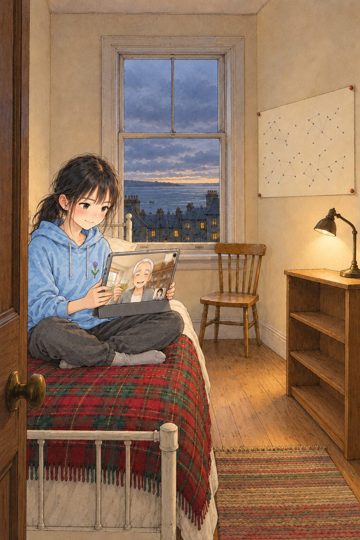
Chapter 7. Learning to See第七章 老吴
A manga for grown-ups. Read it in English or Chinese.给大人看的漫画。可以用中文或英文读。
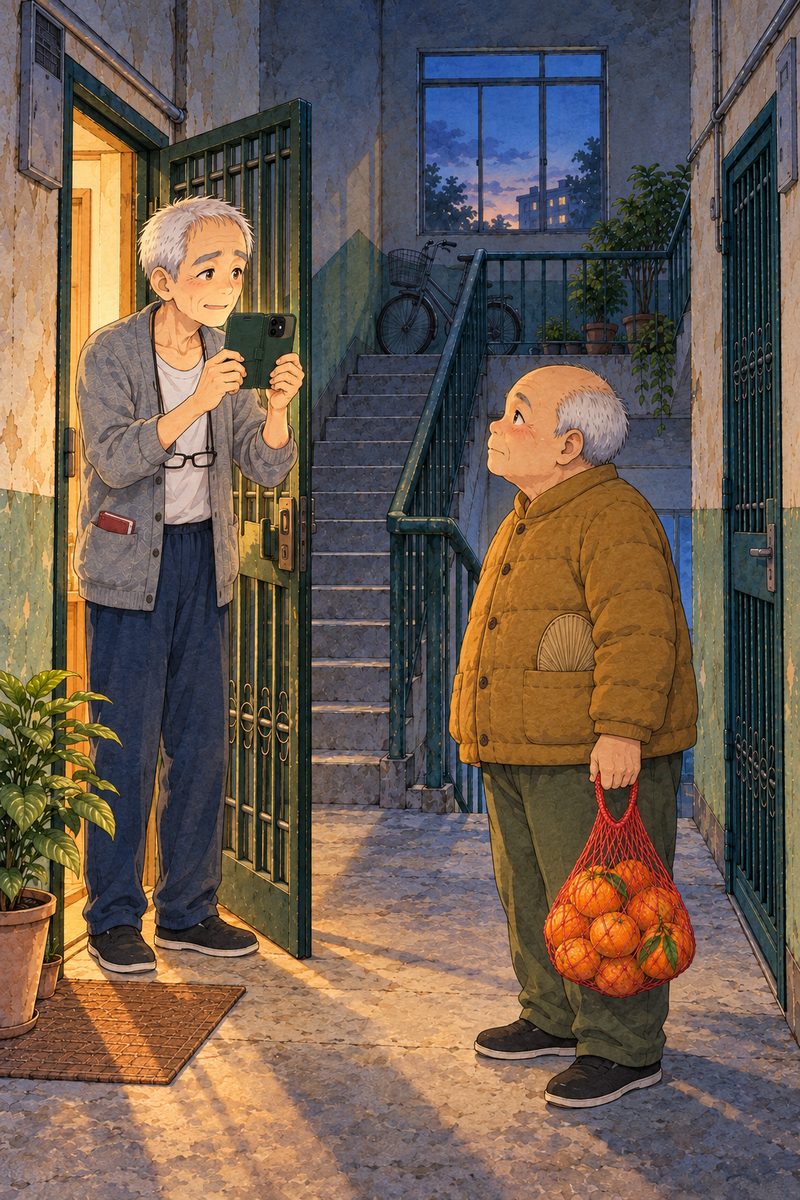
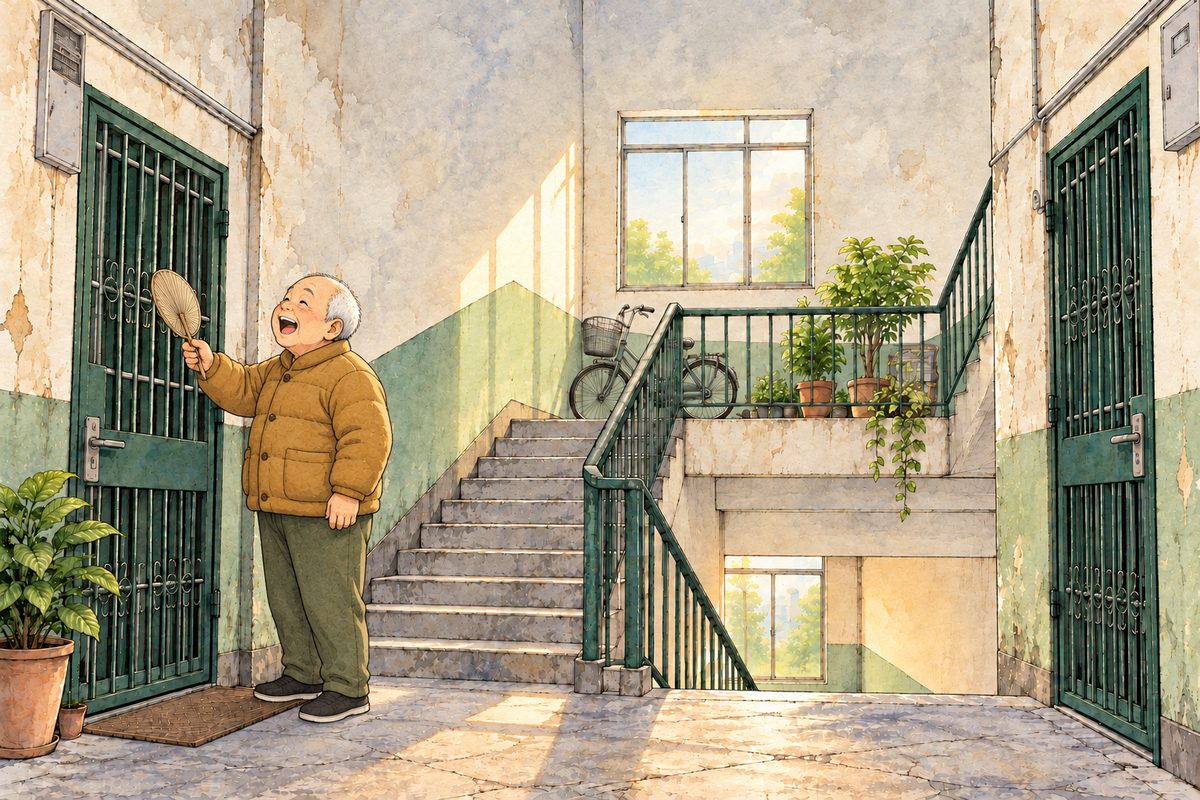
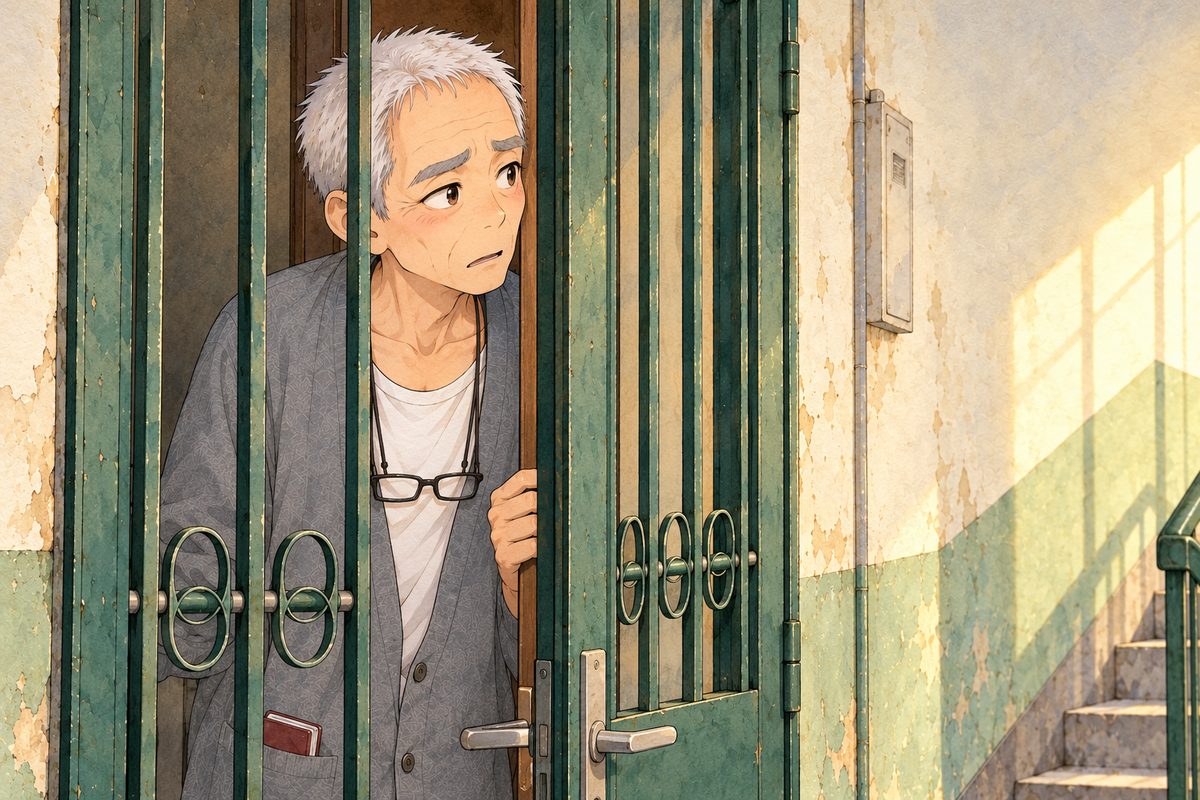
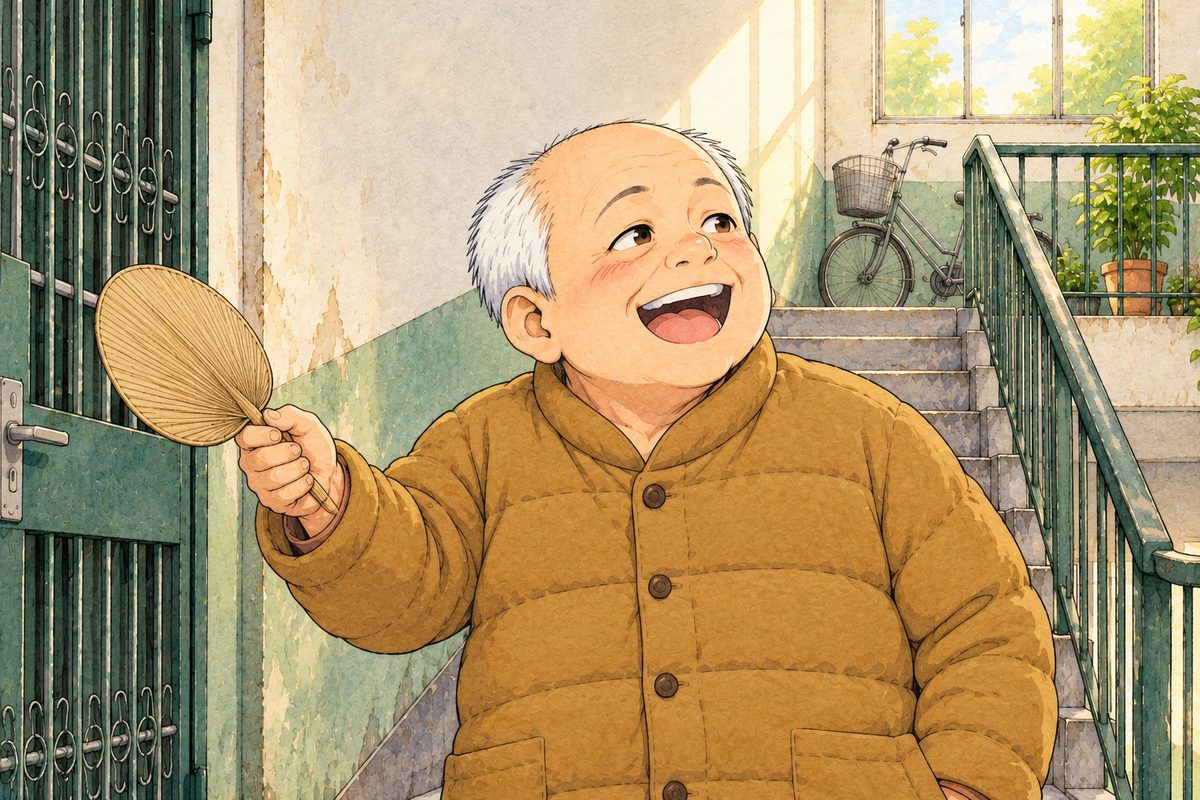
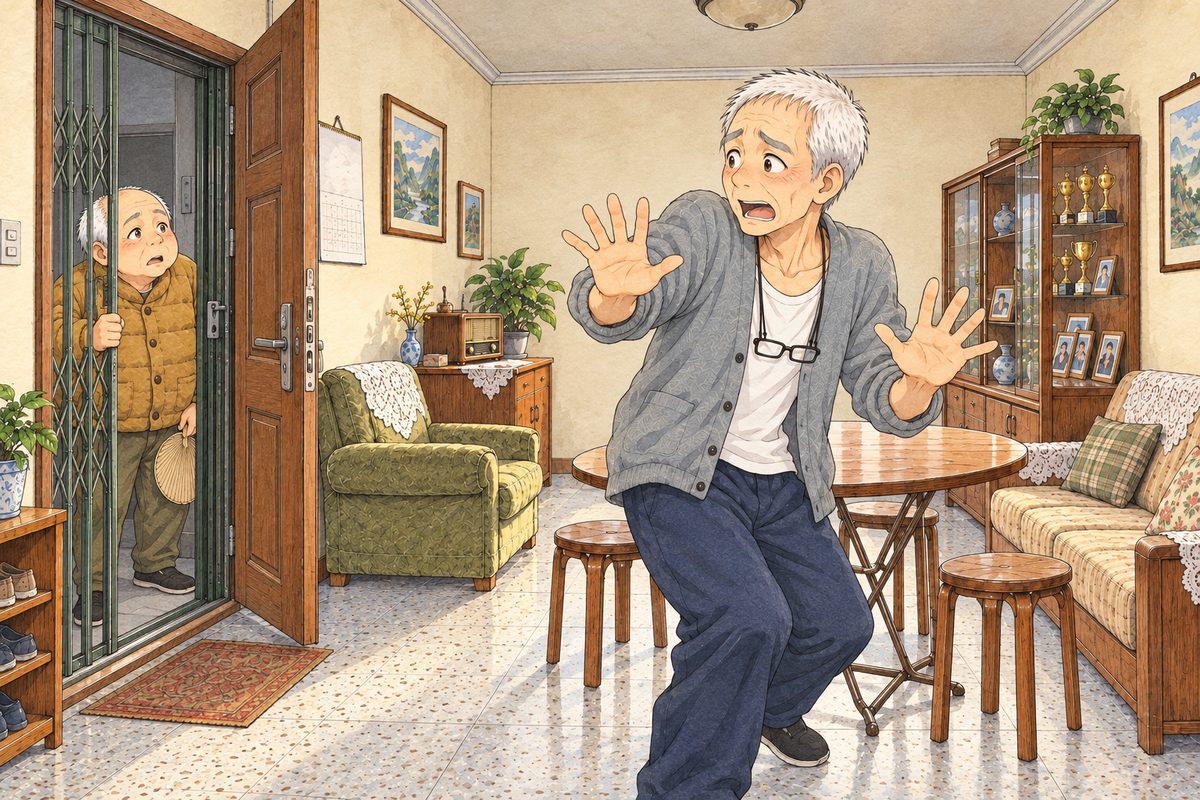
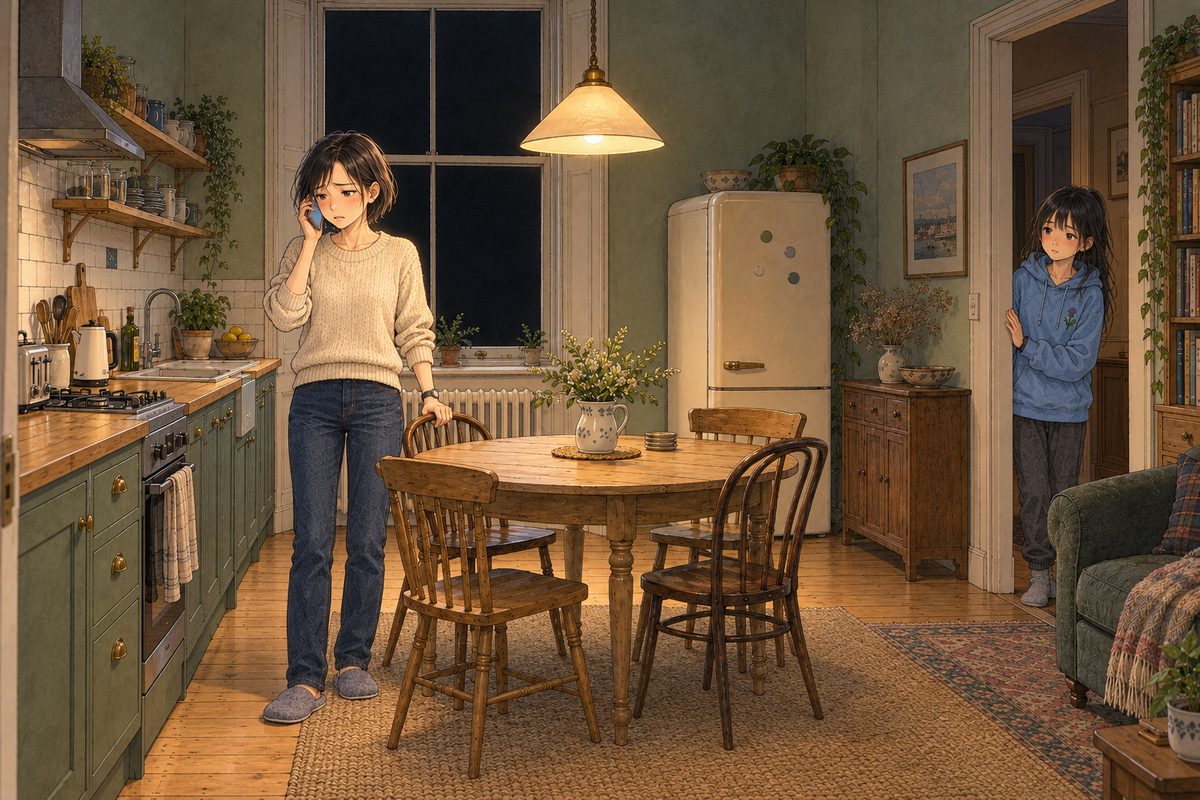



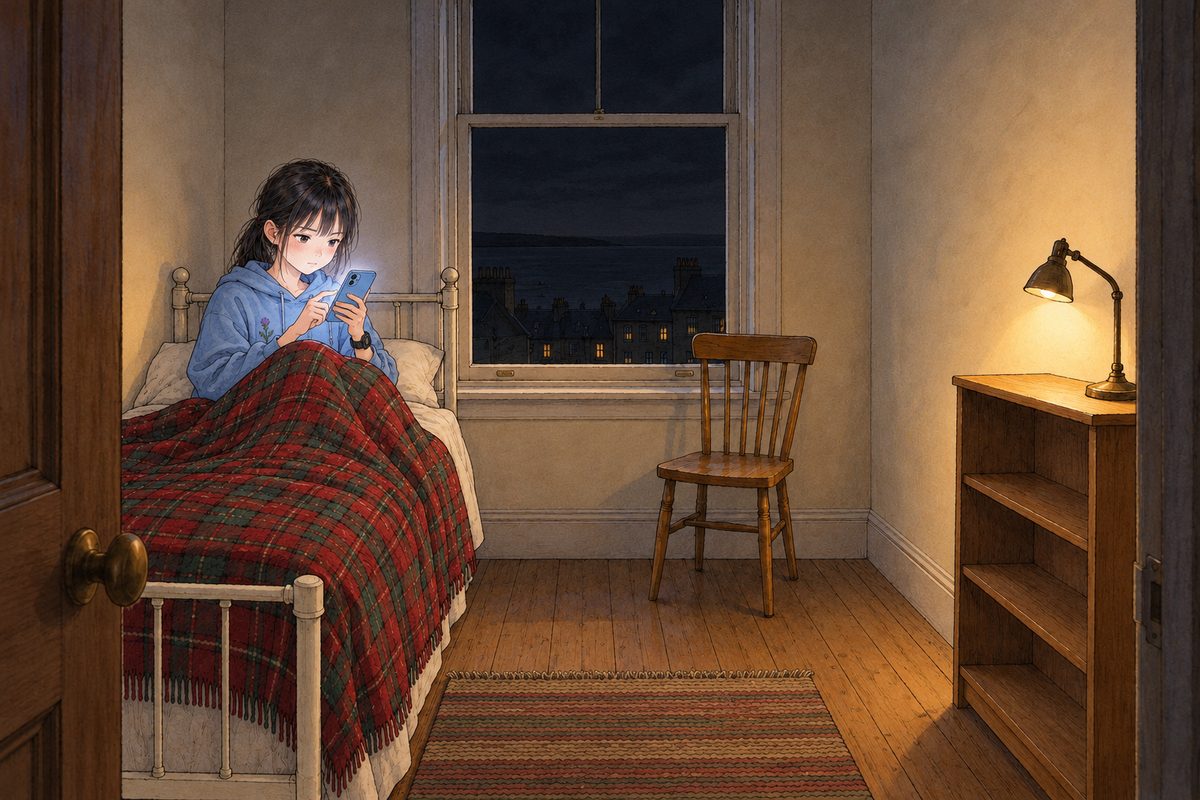
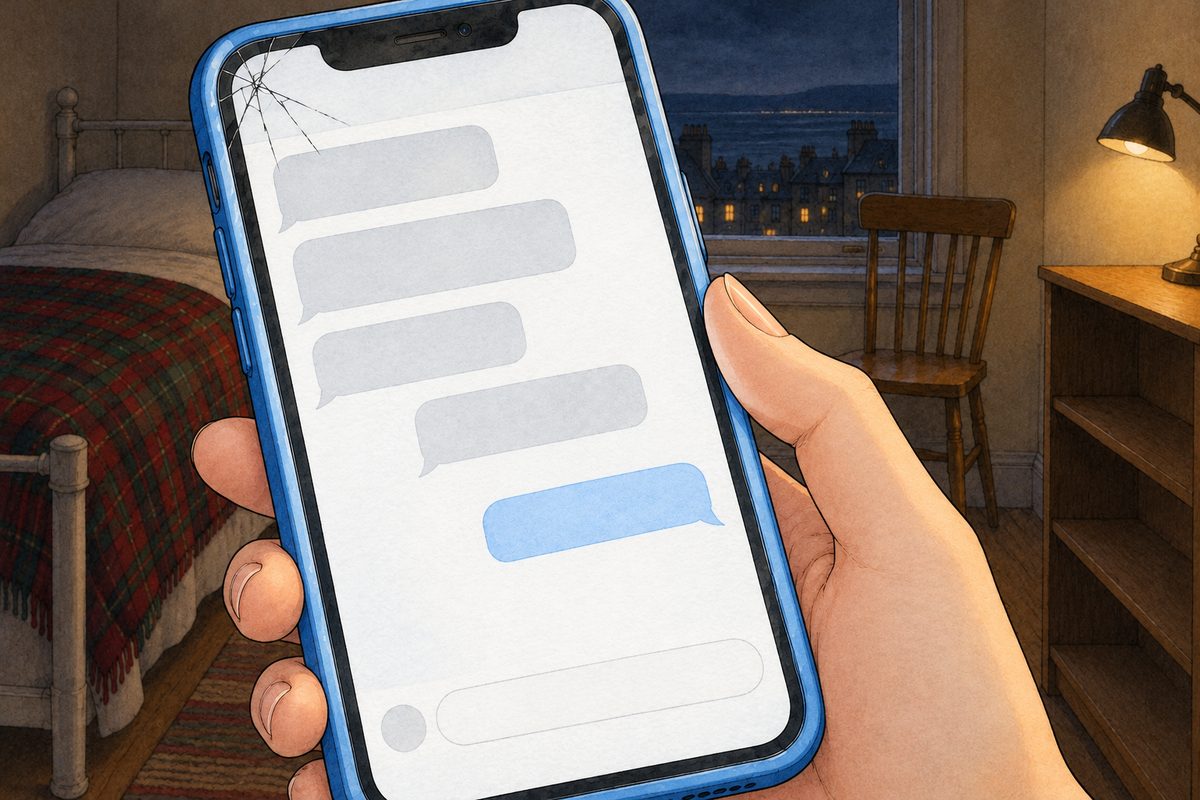
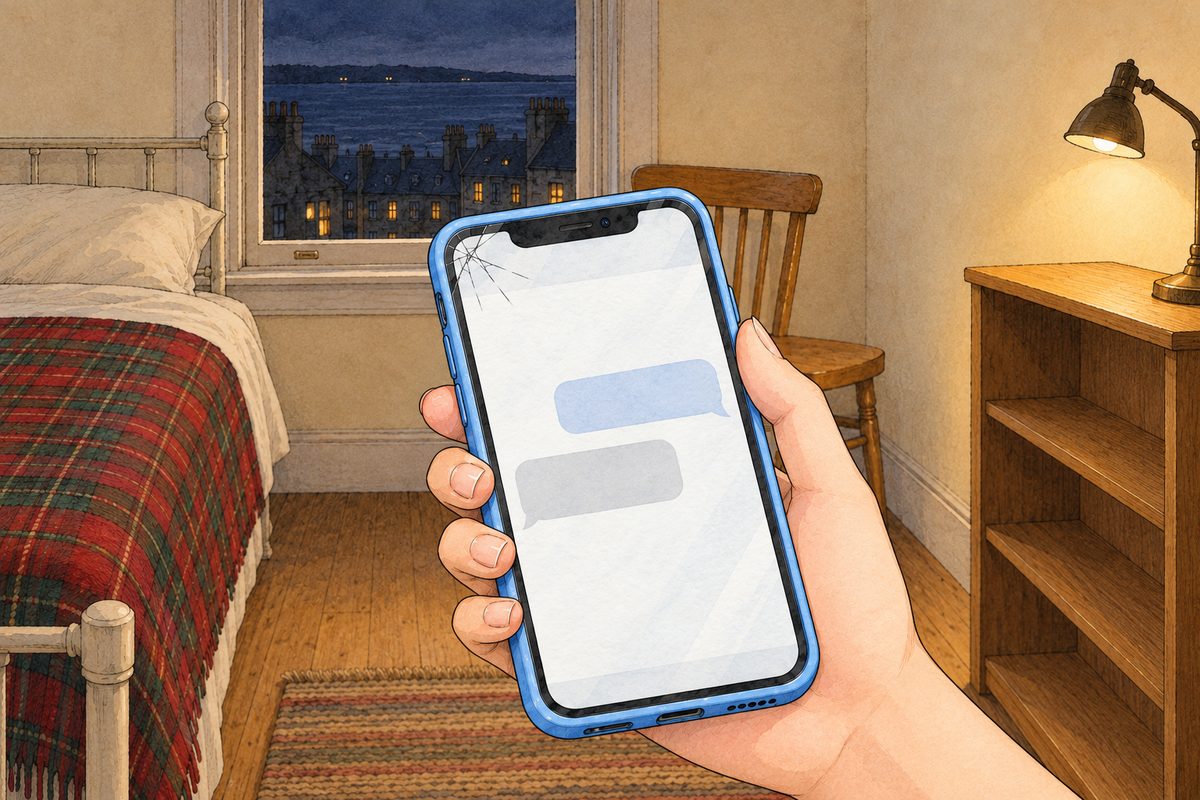
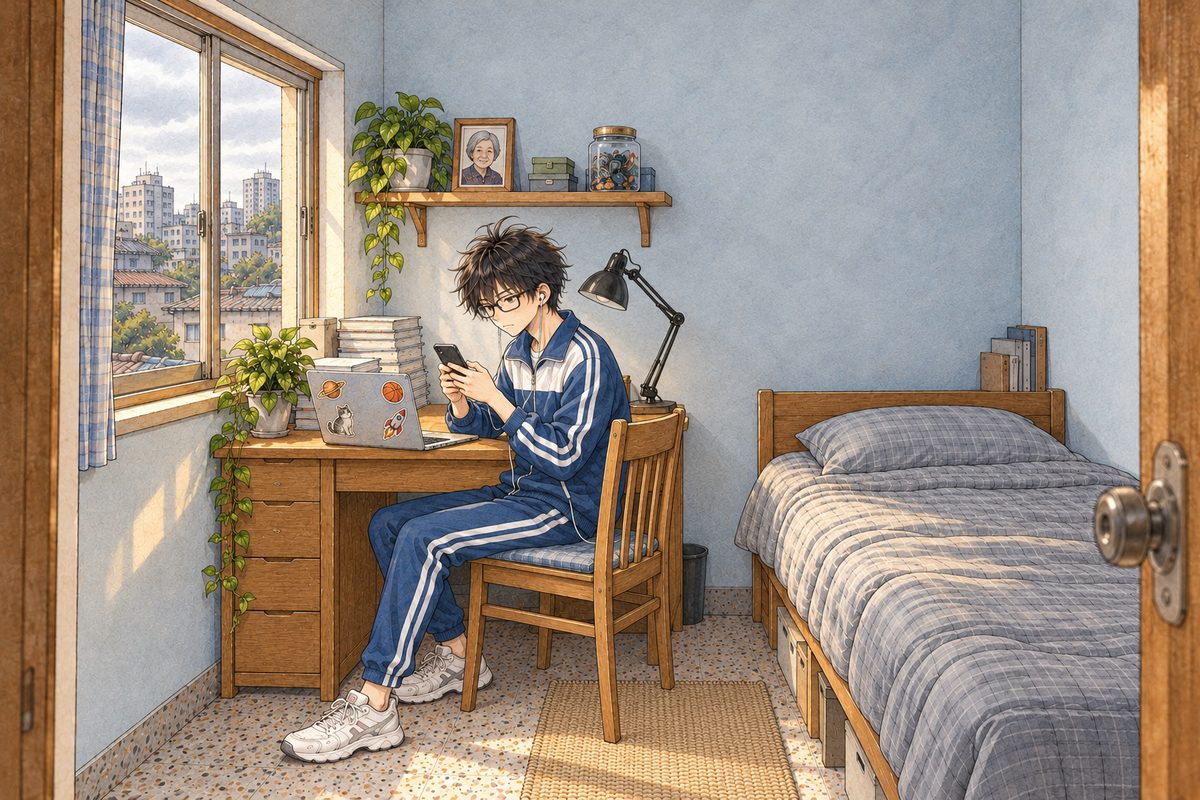
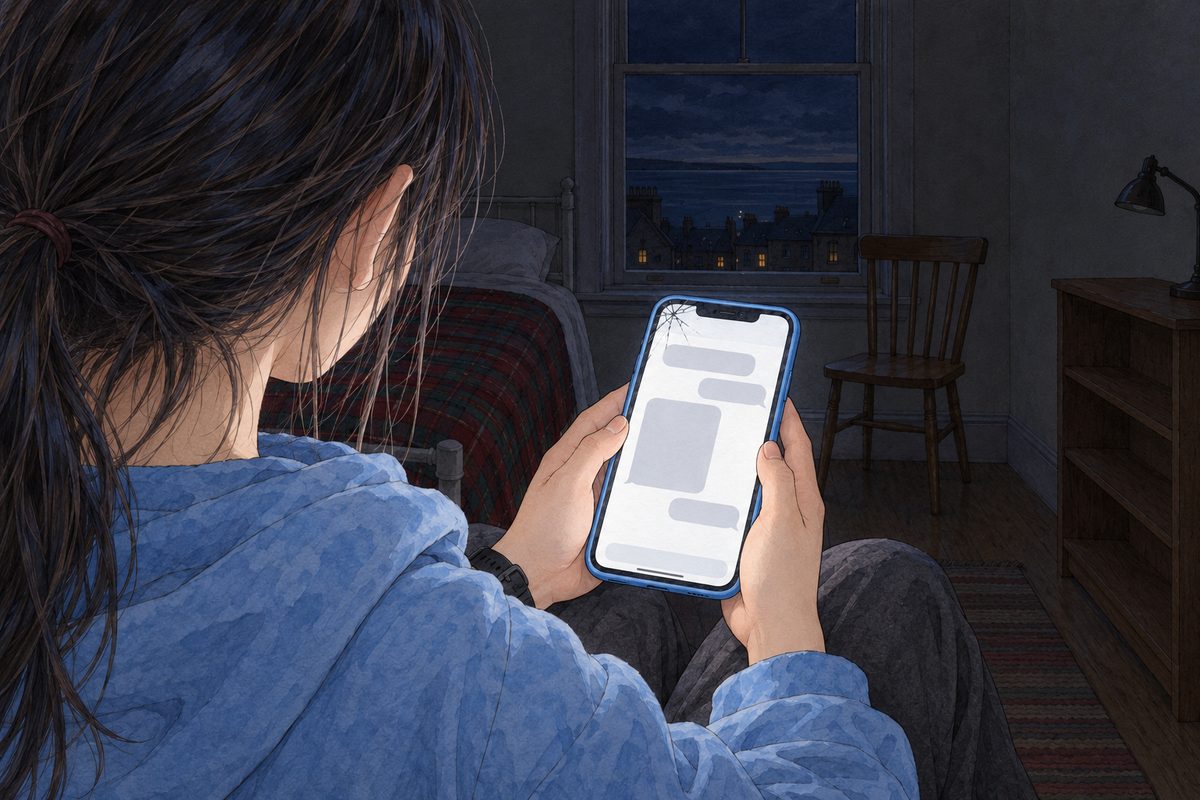



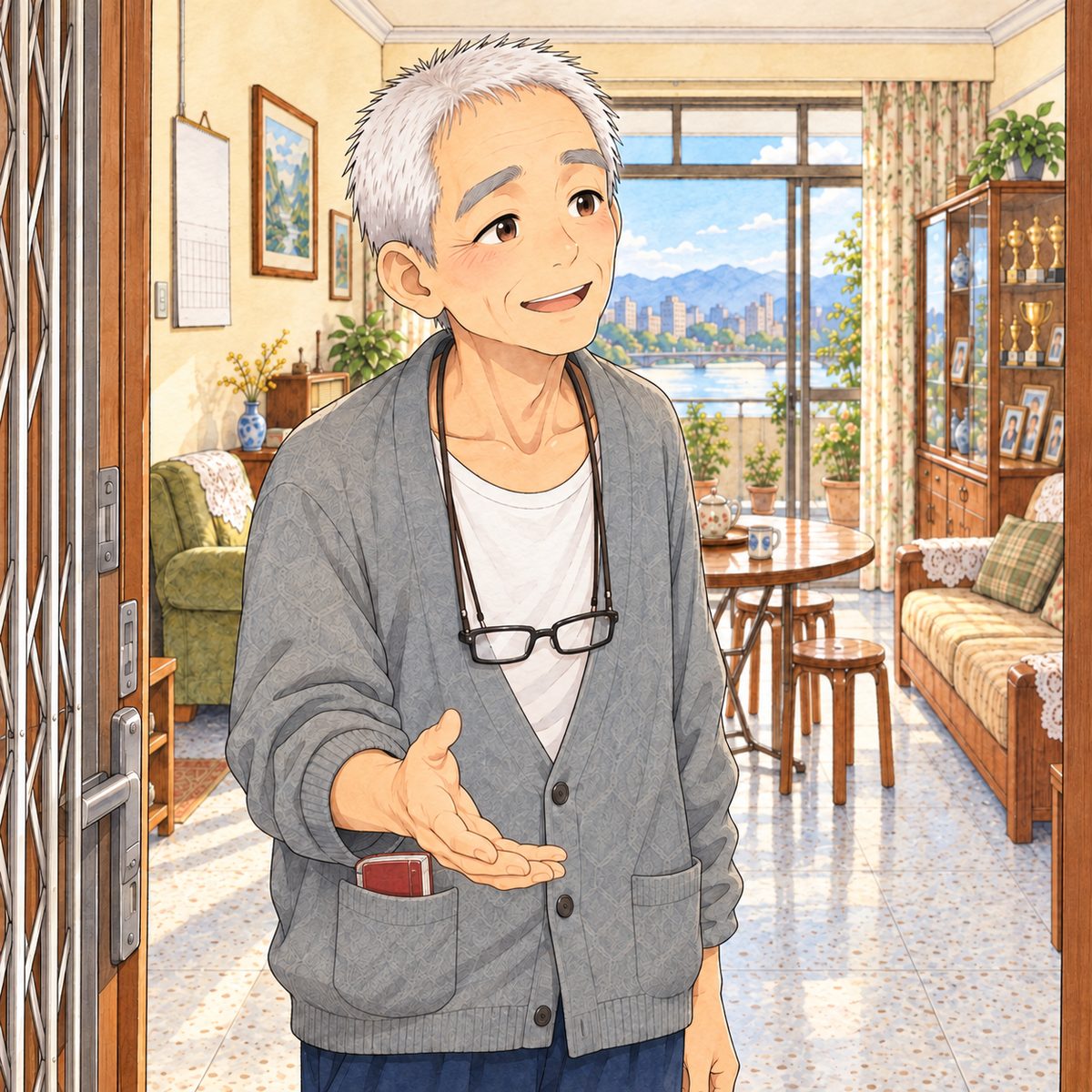
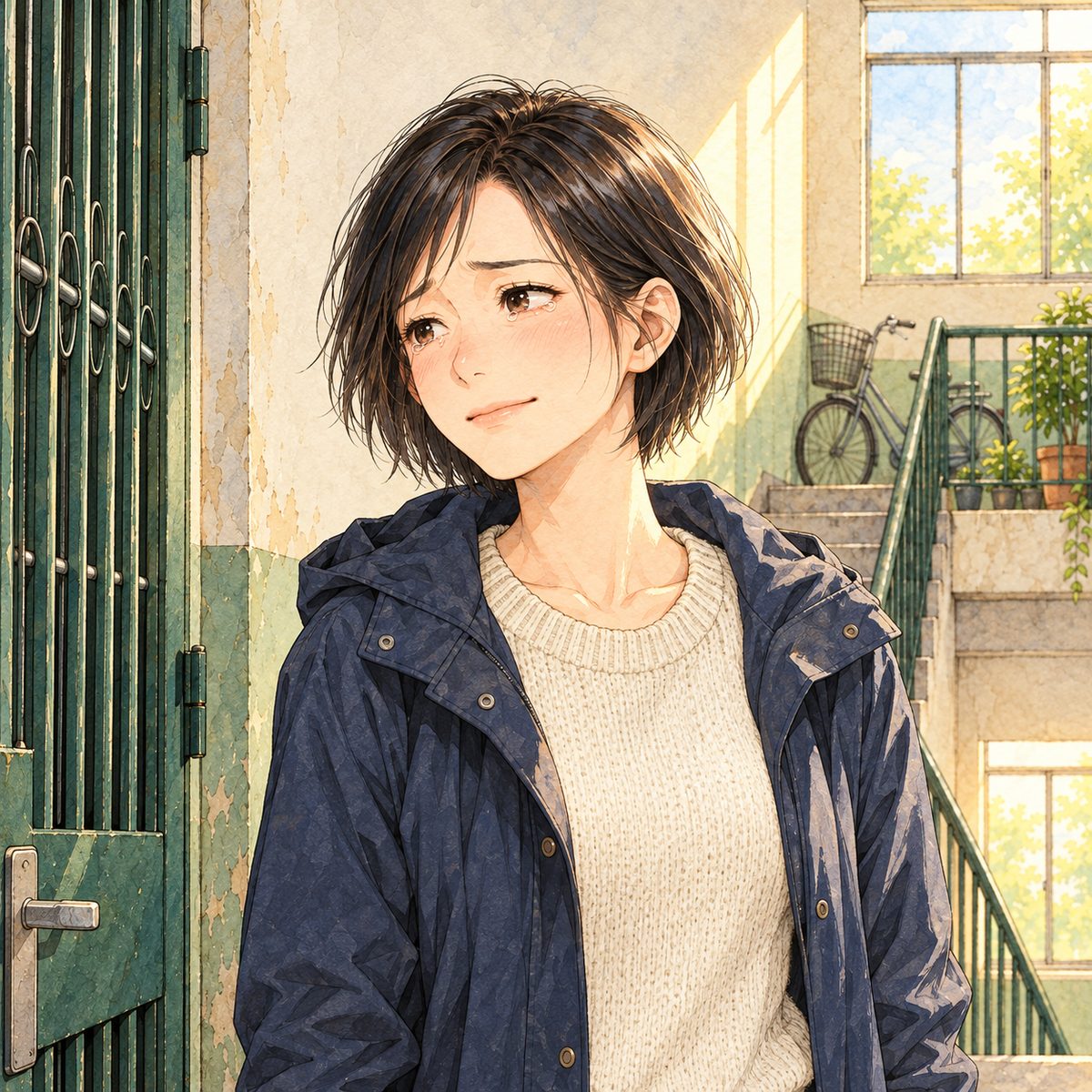

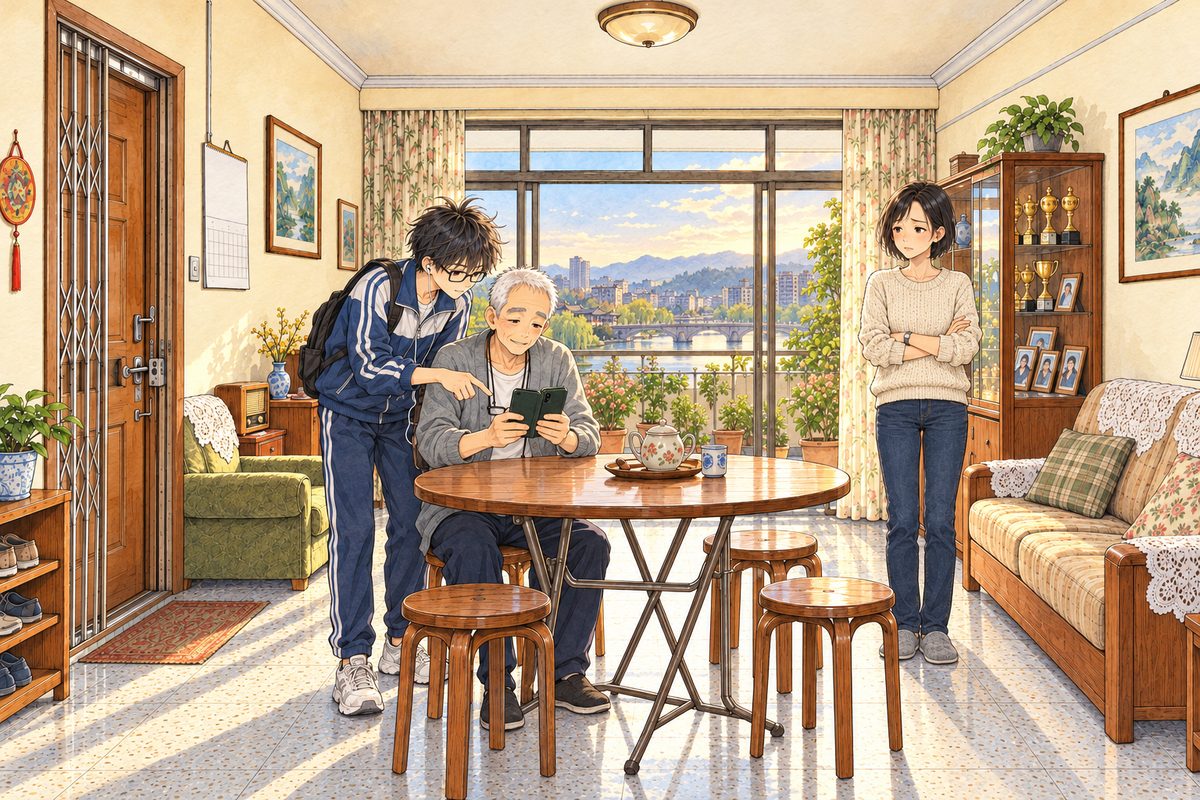
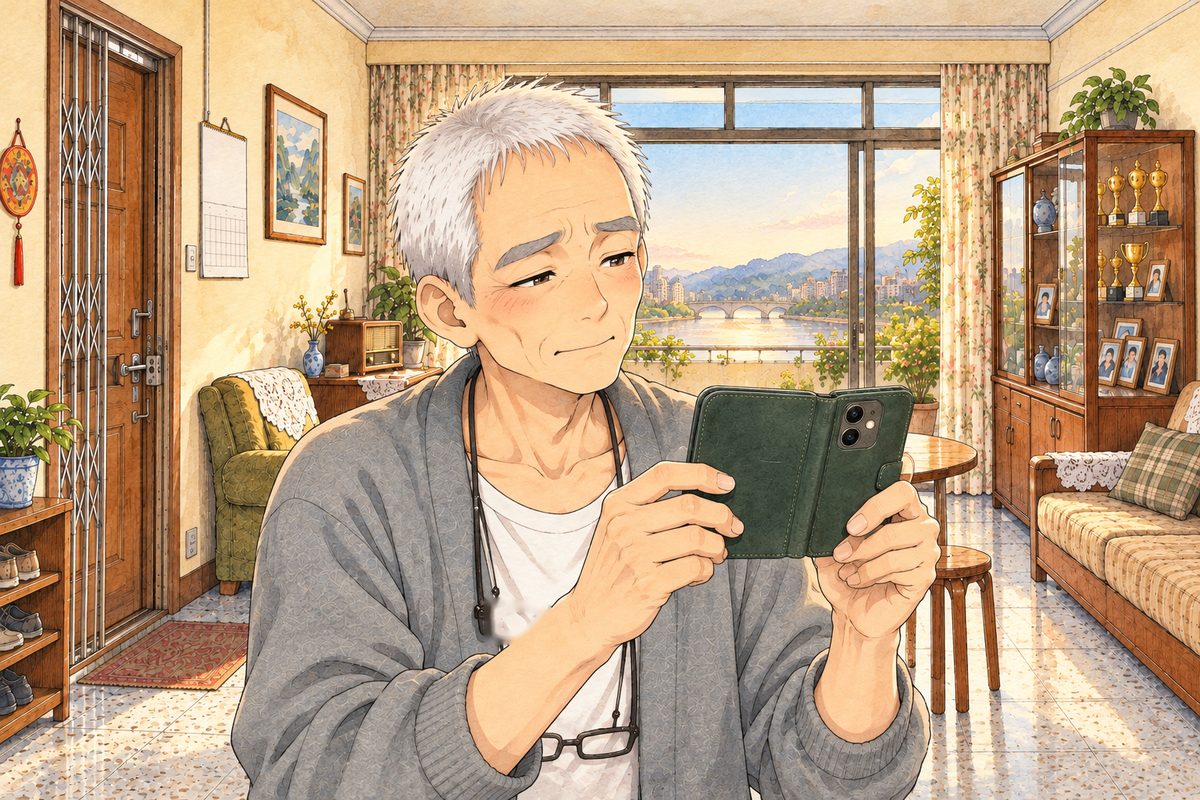
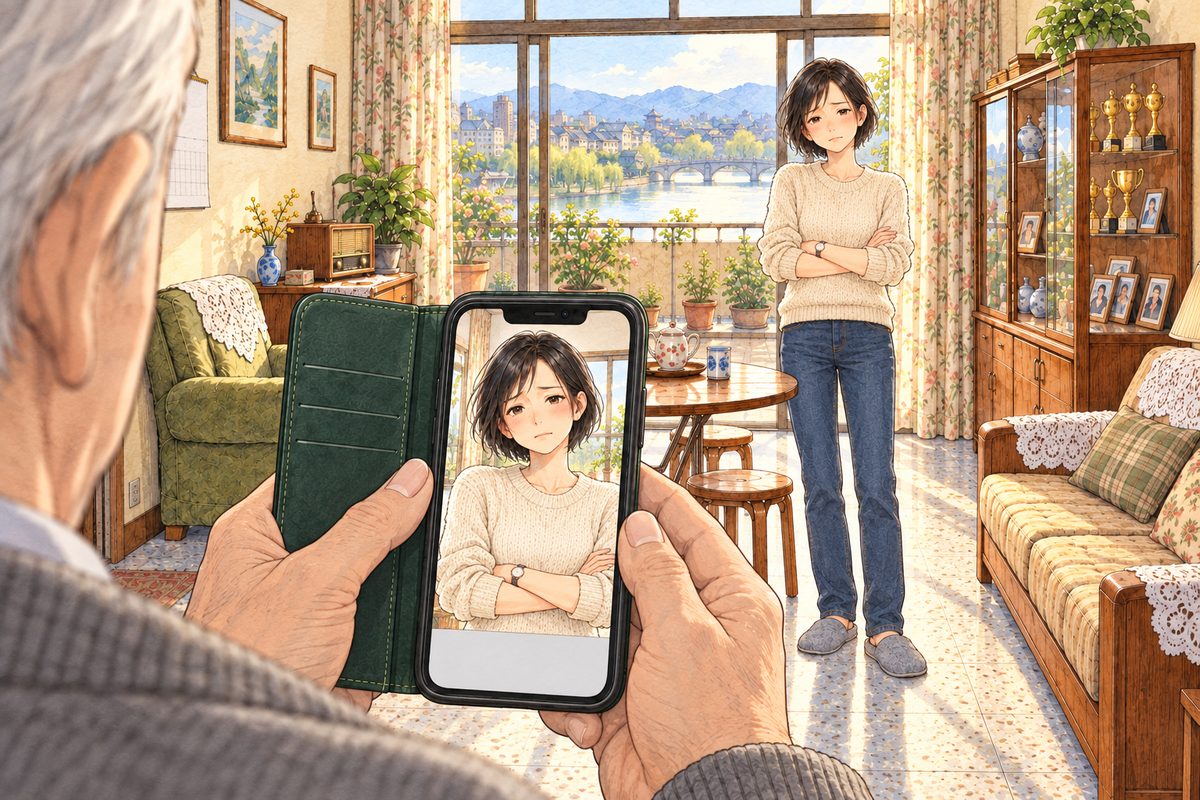
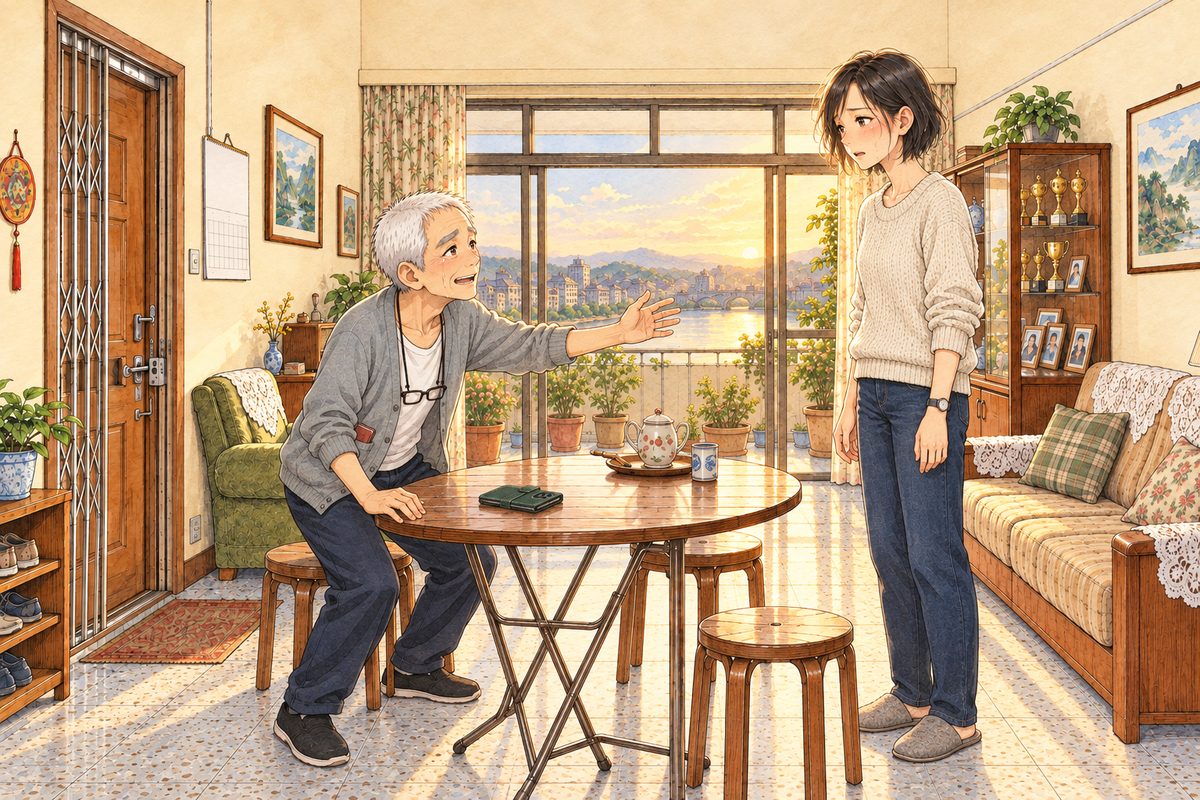
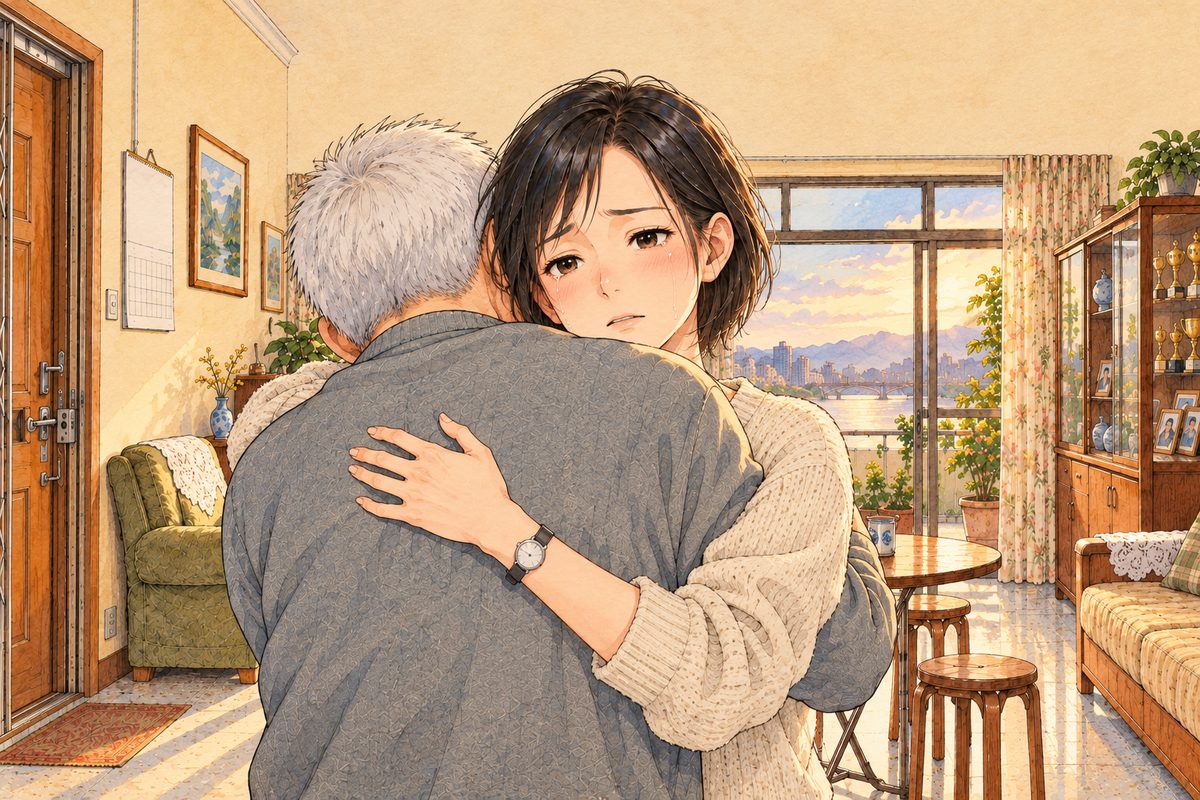





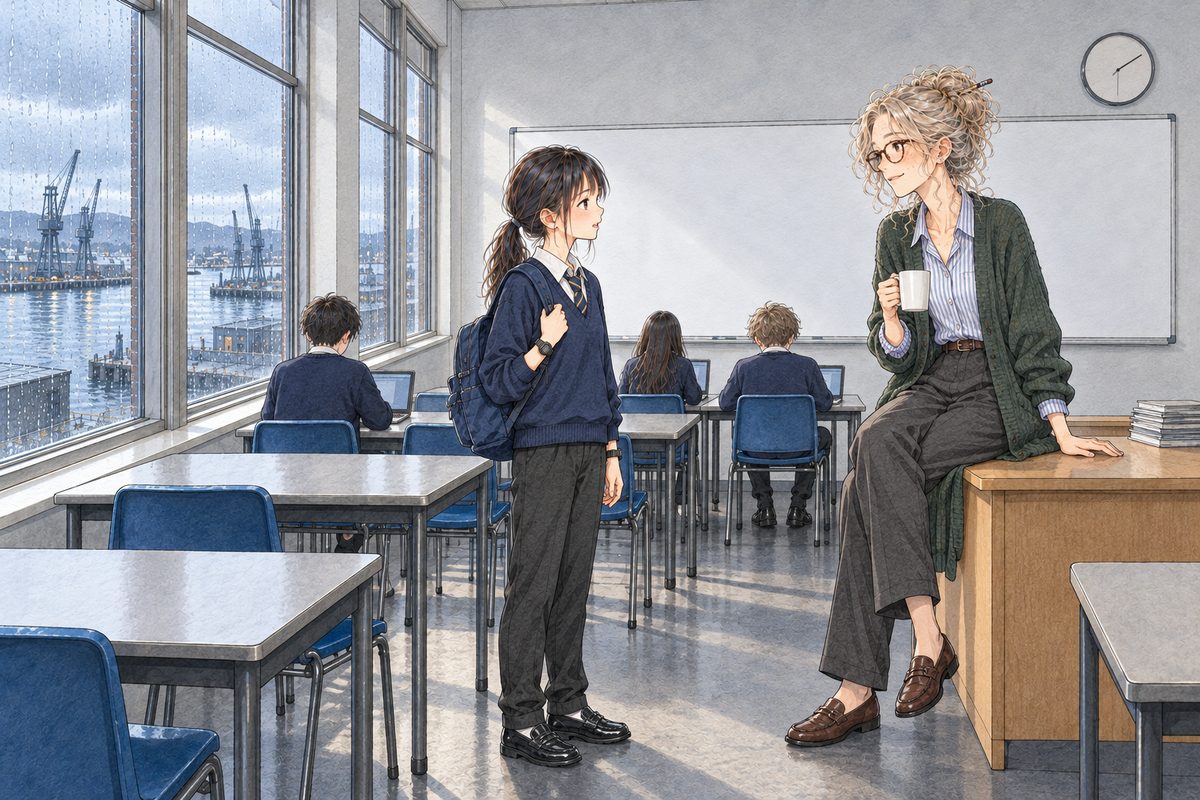
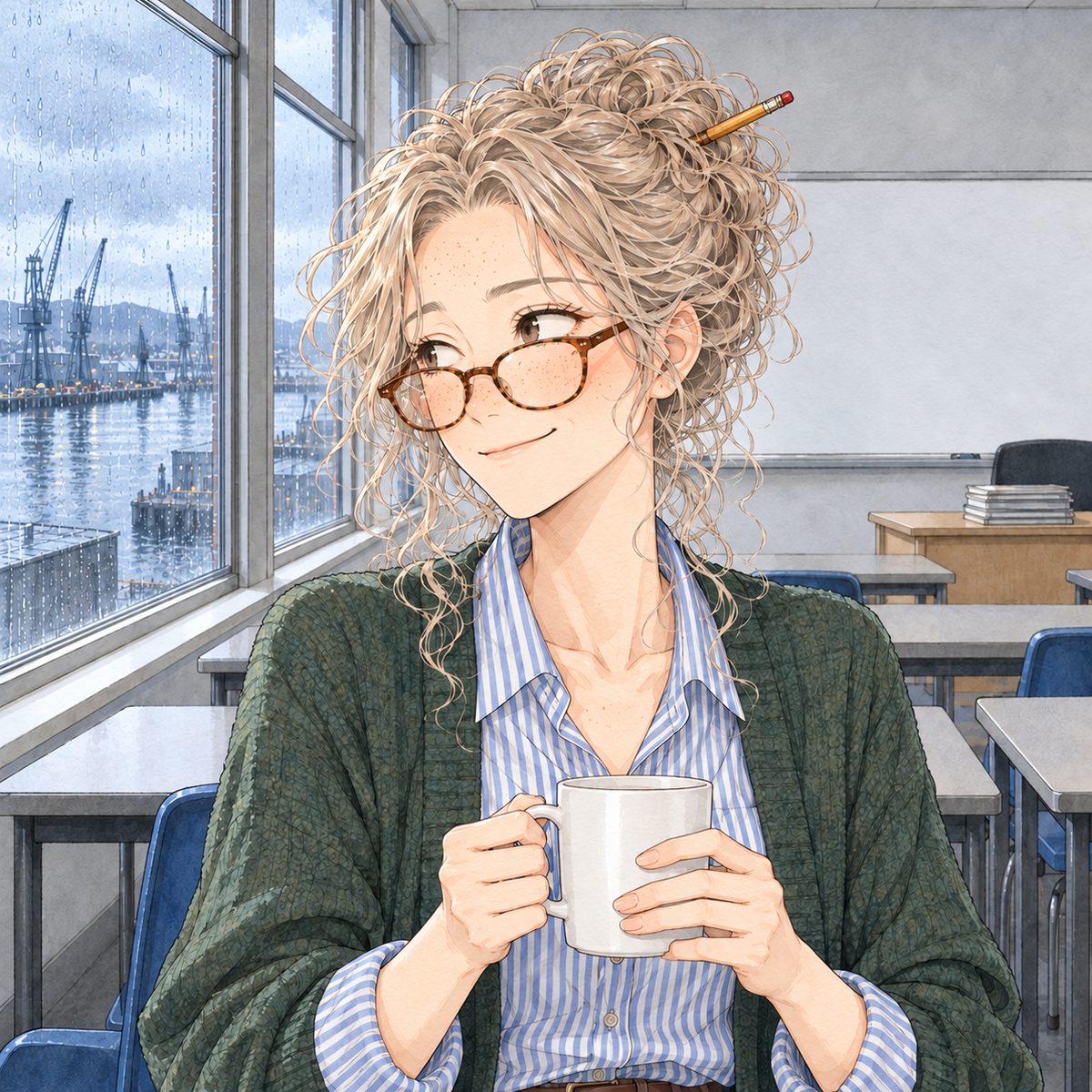
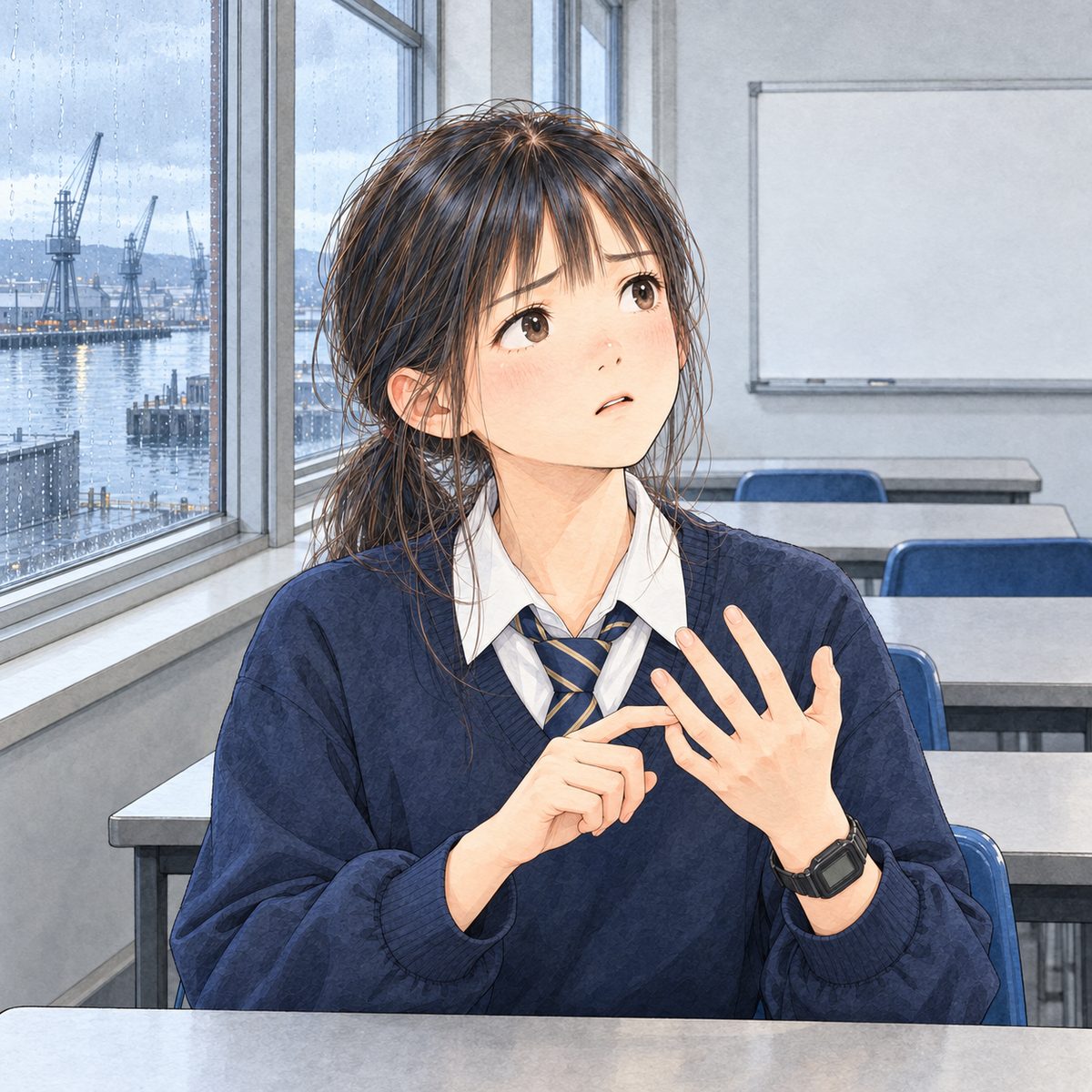
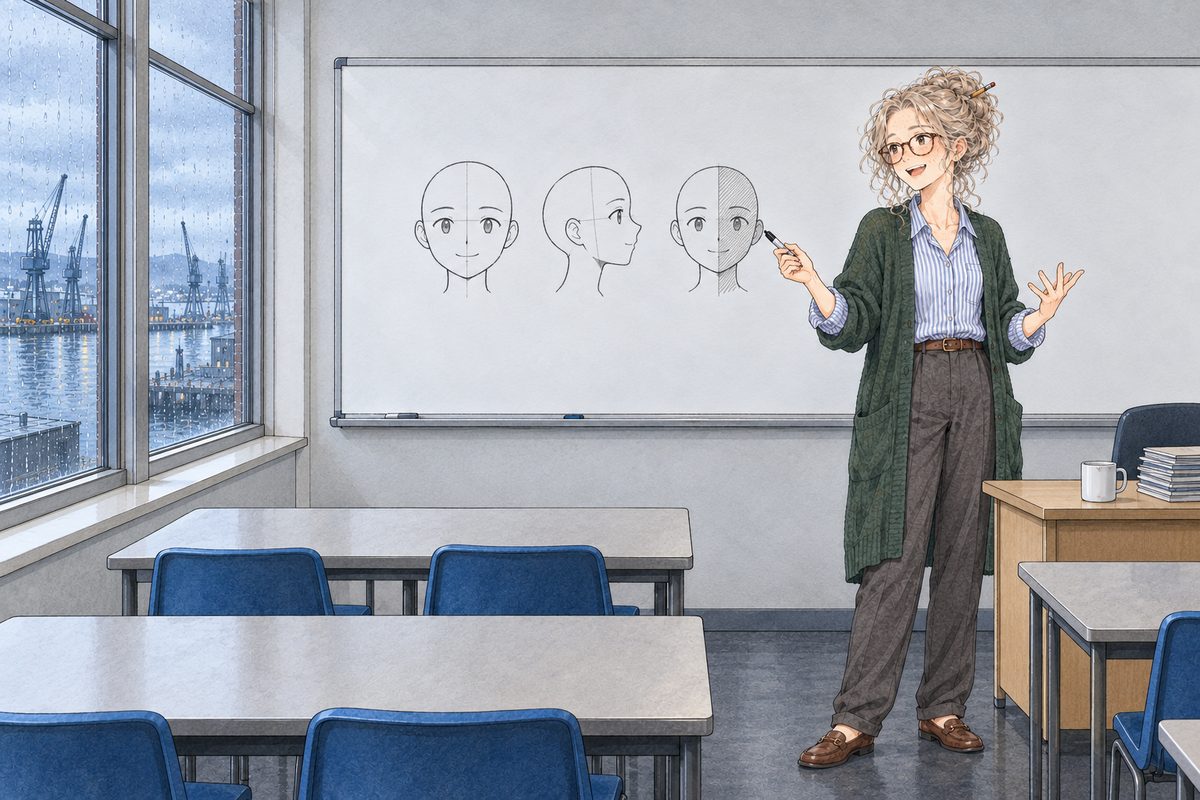

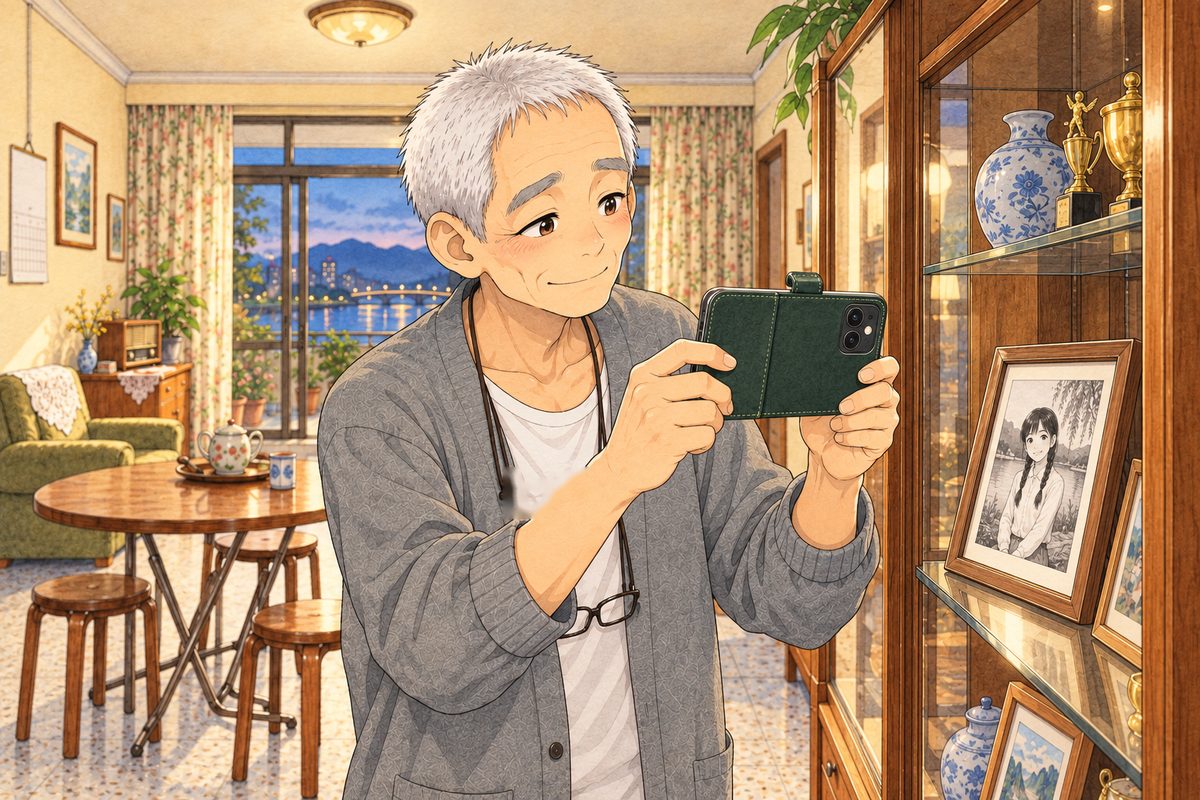
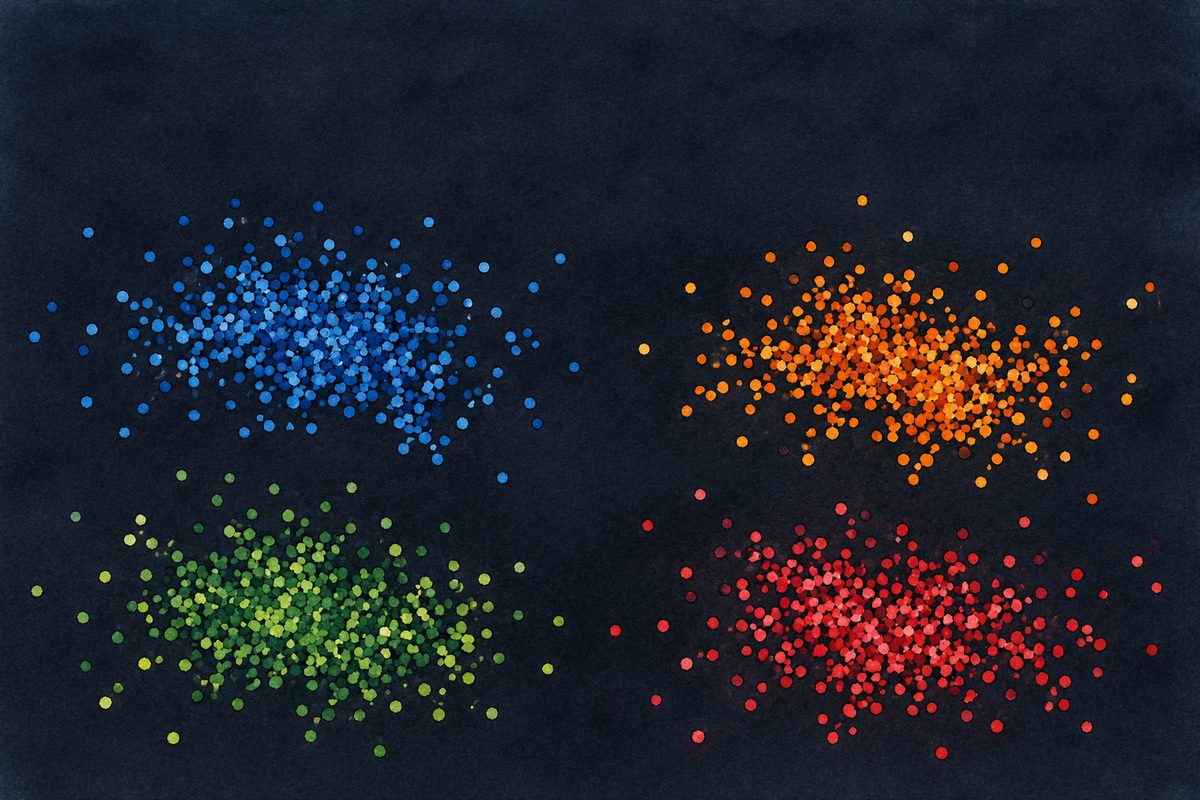

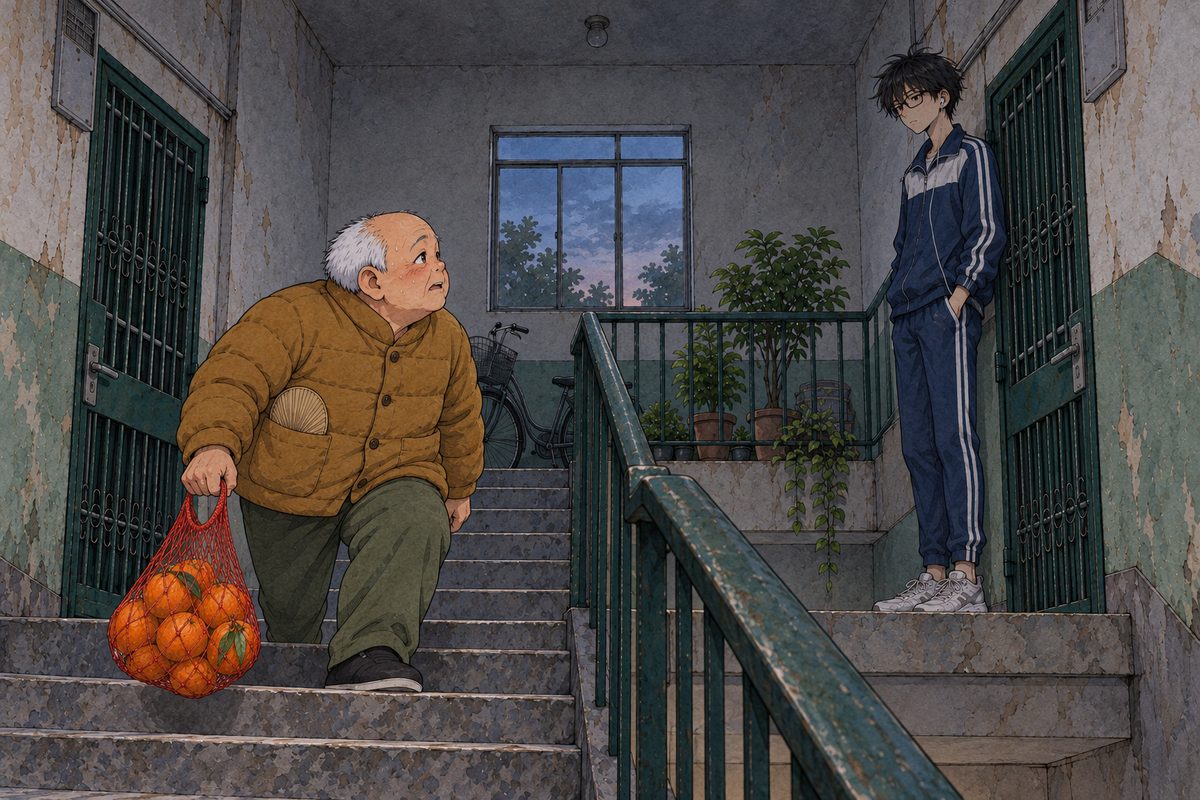
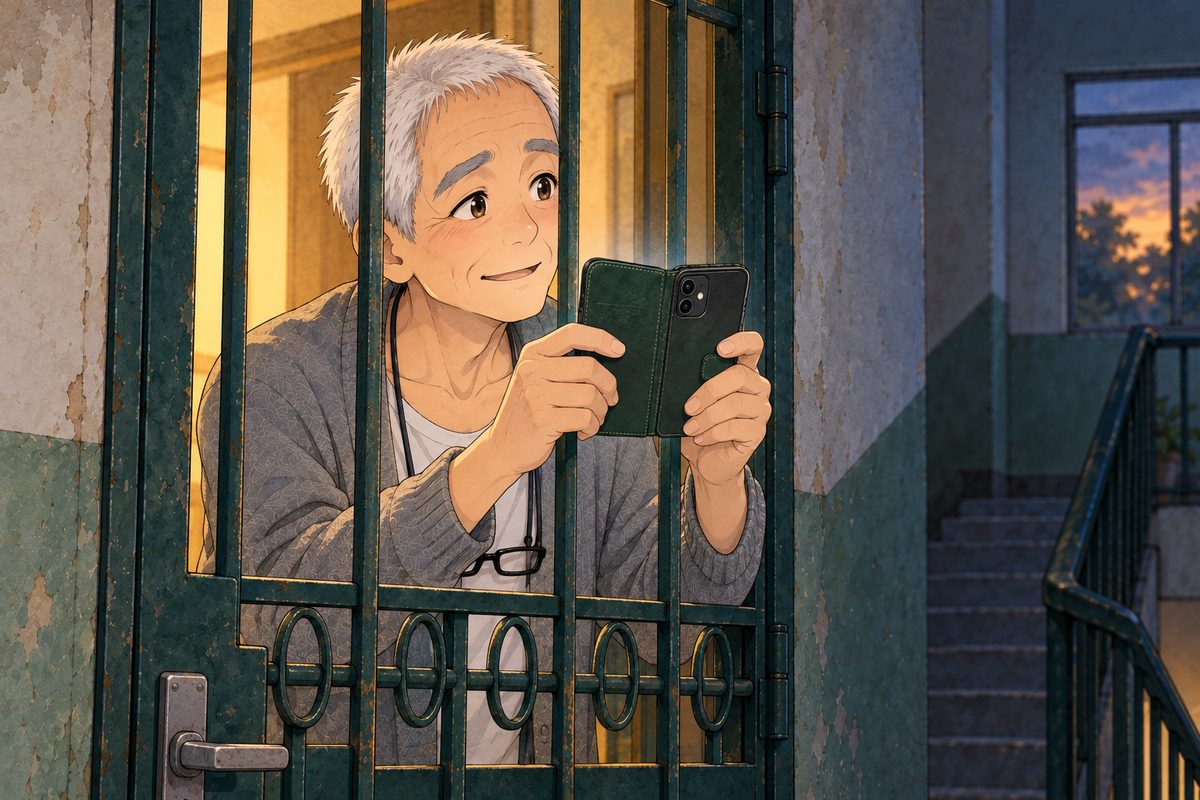
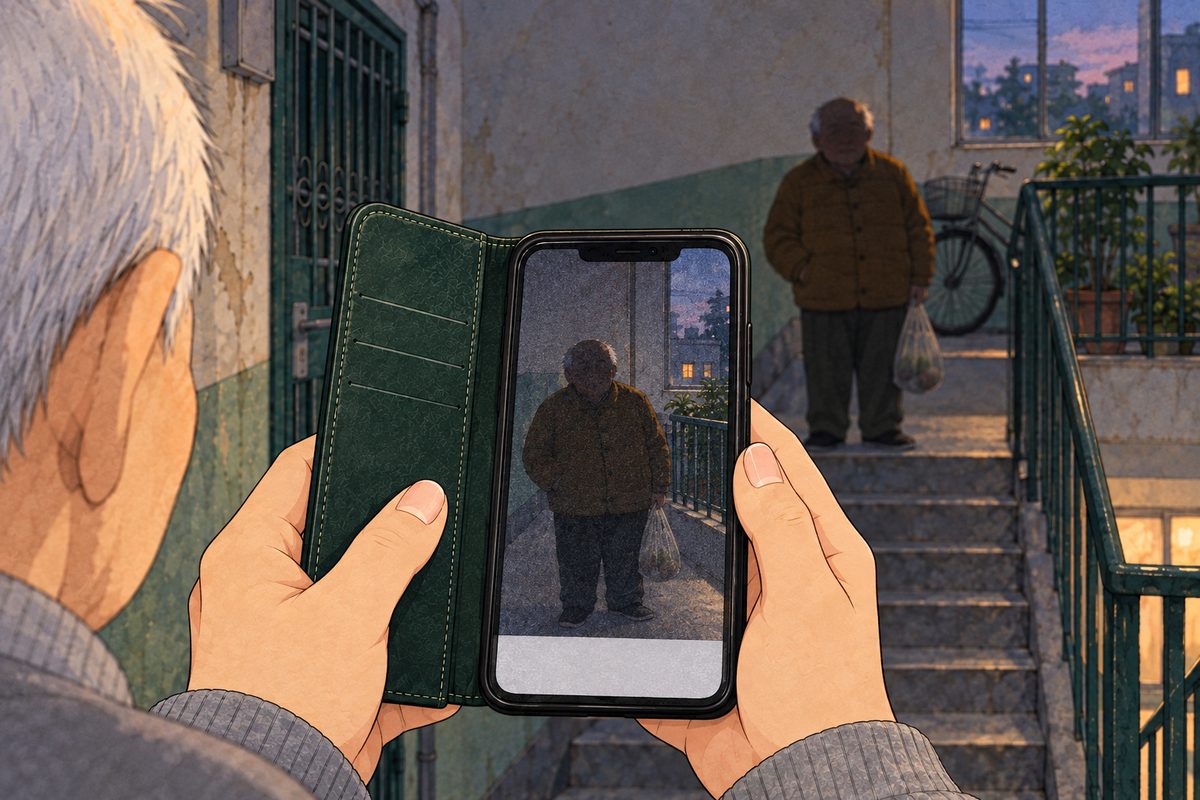
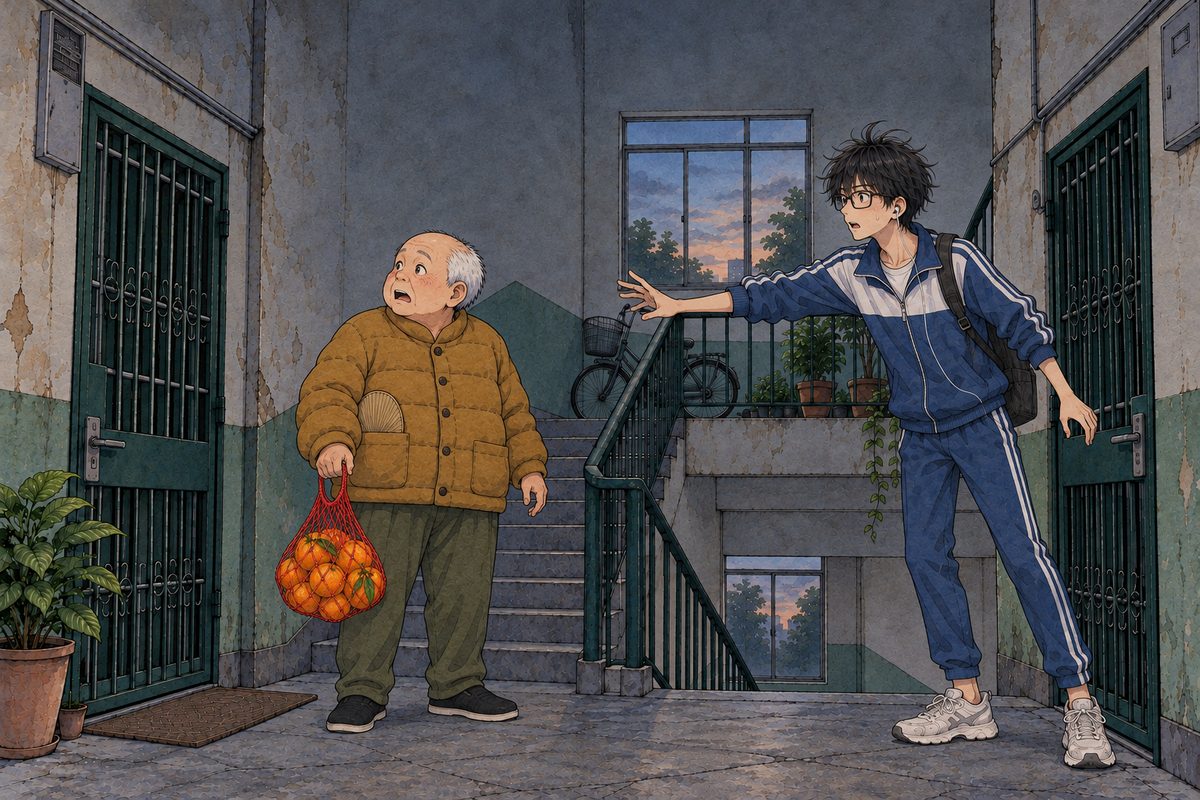
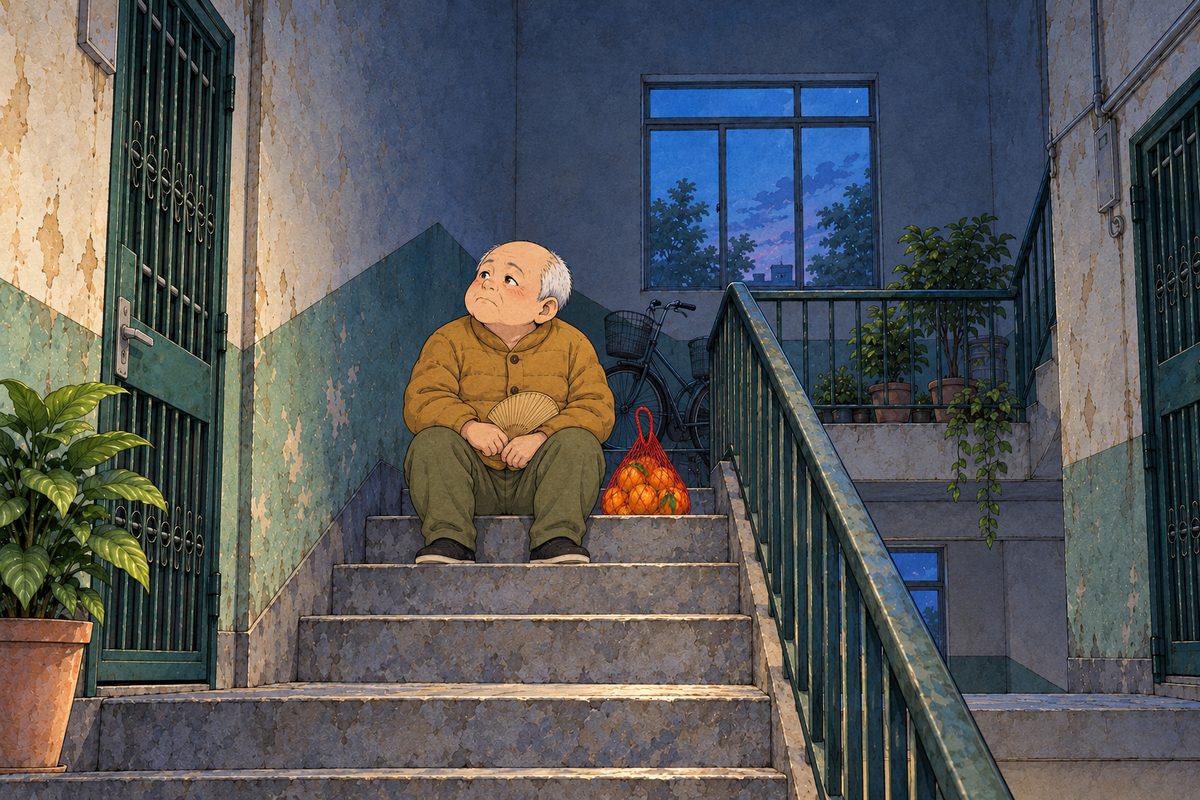
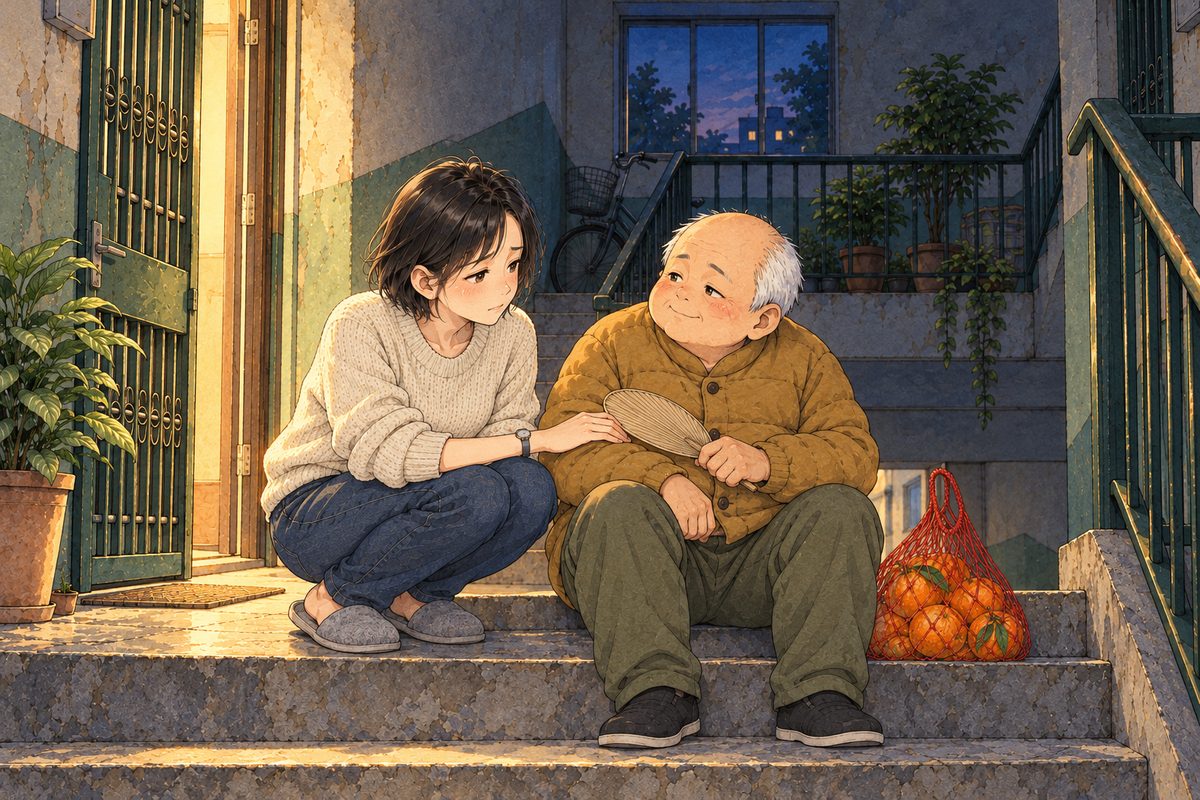

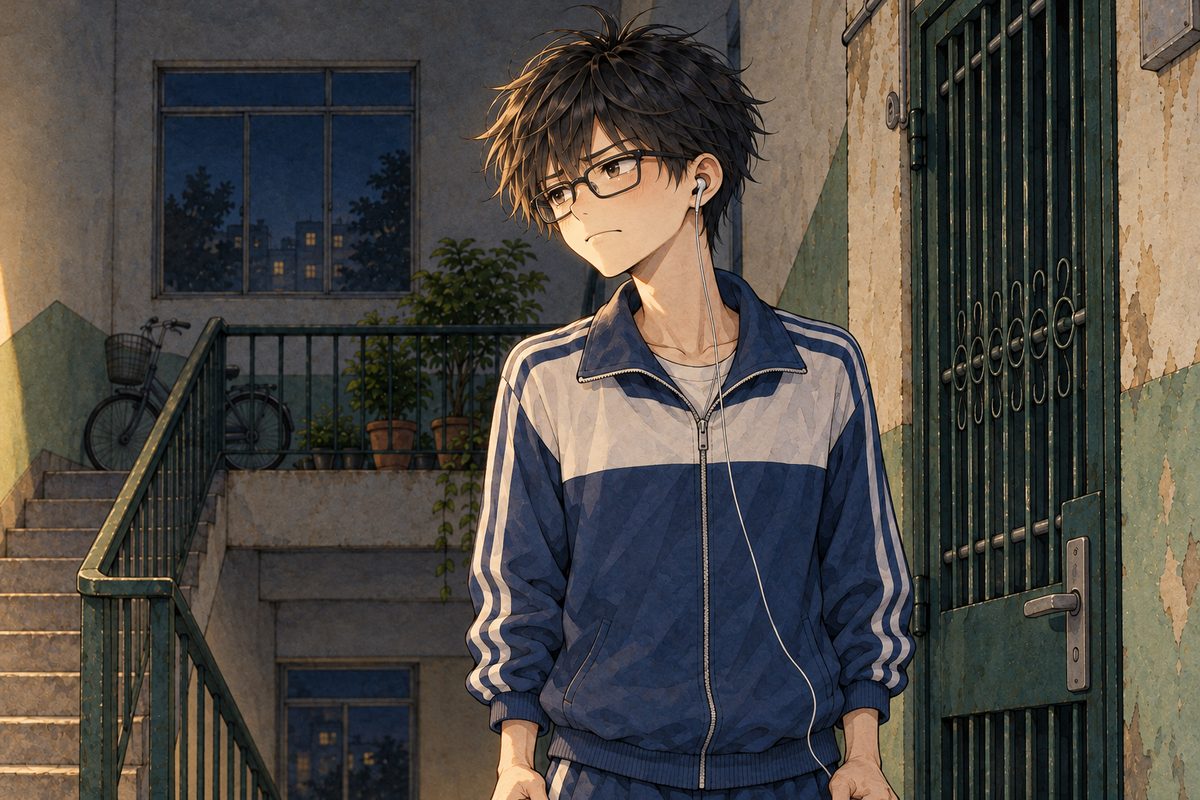
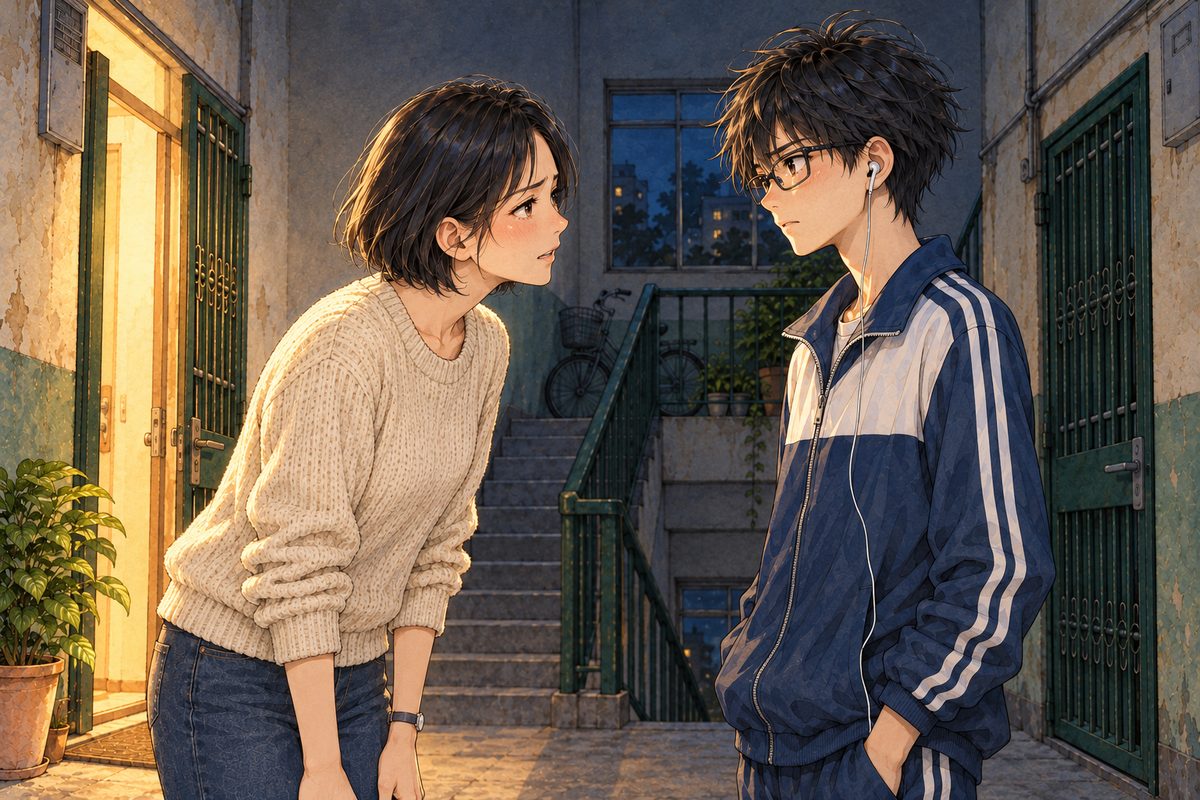
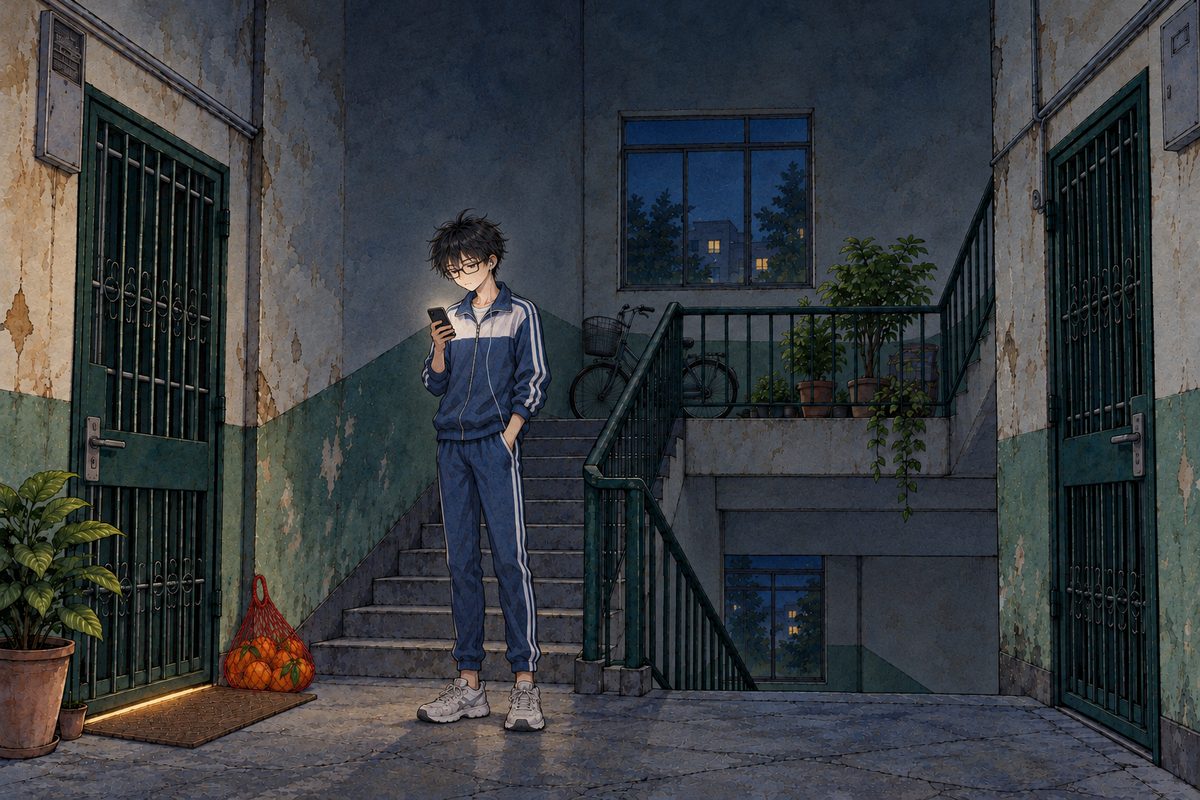
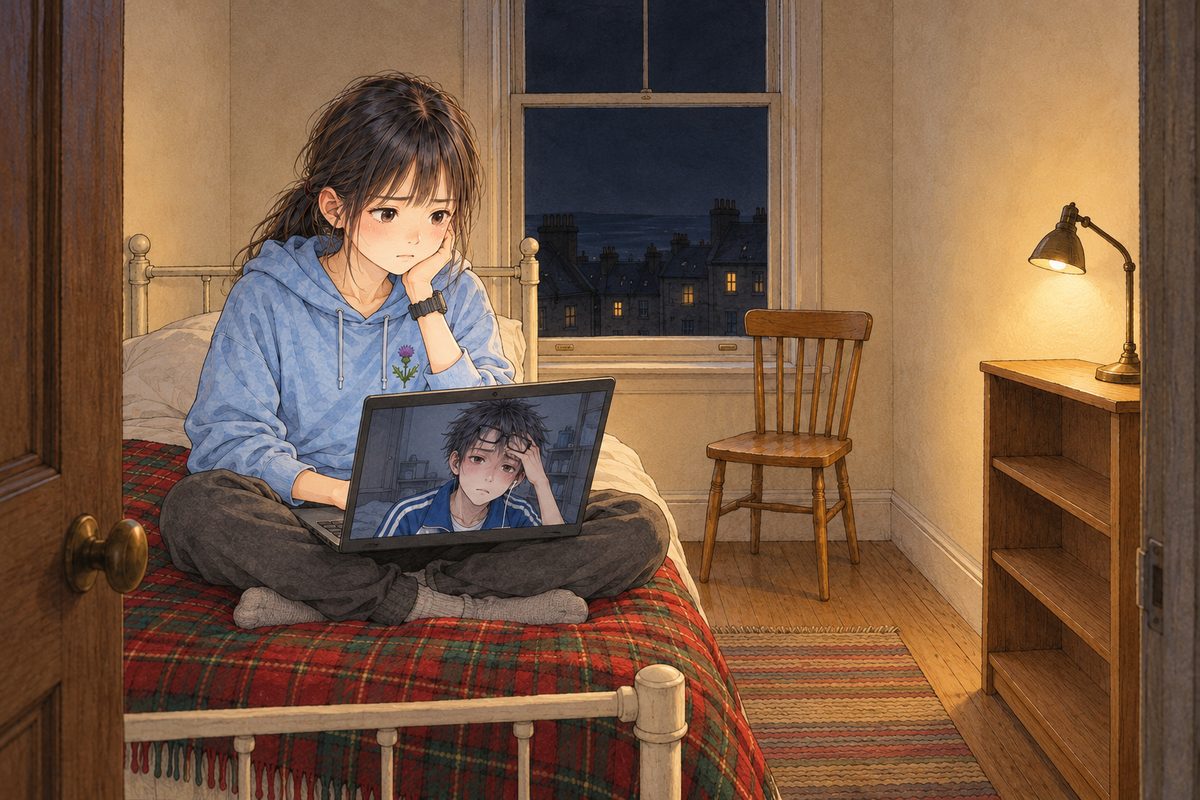
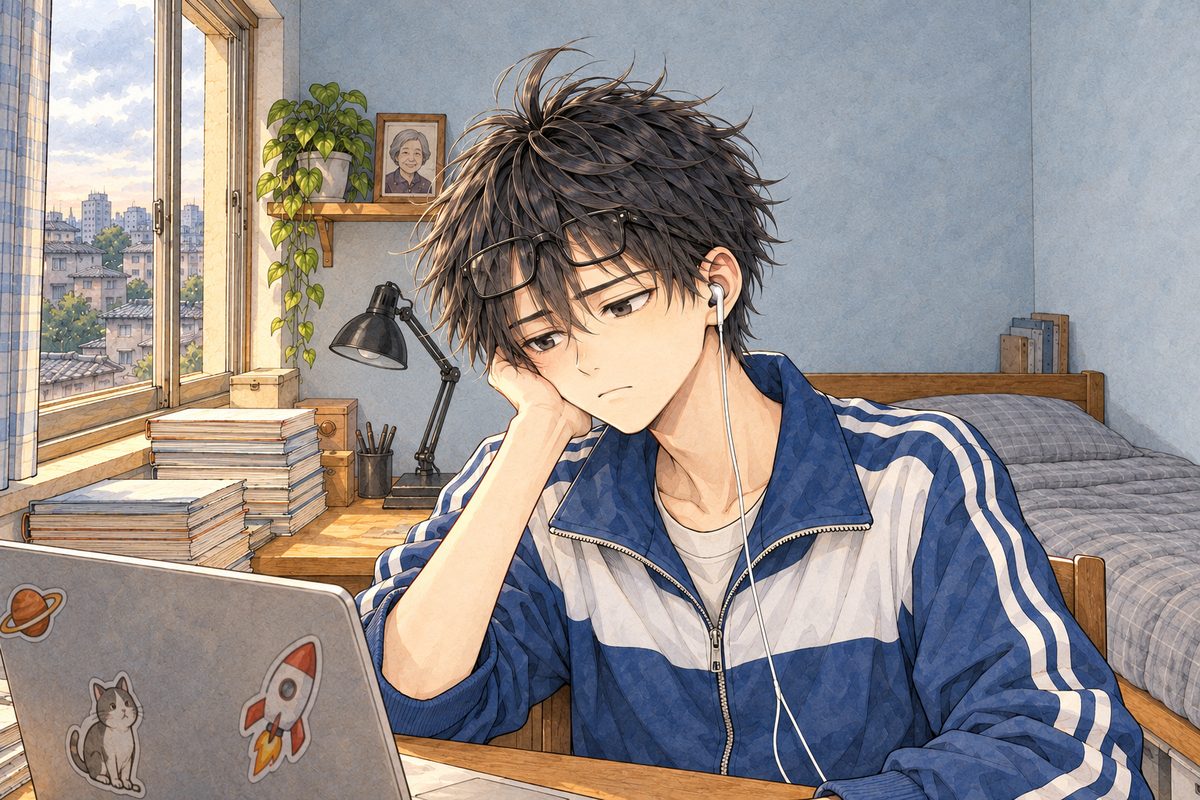

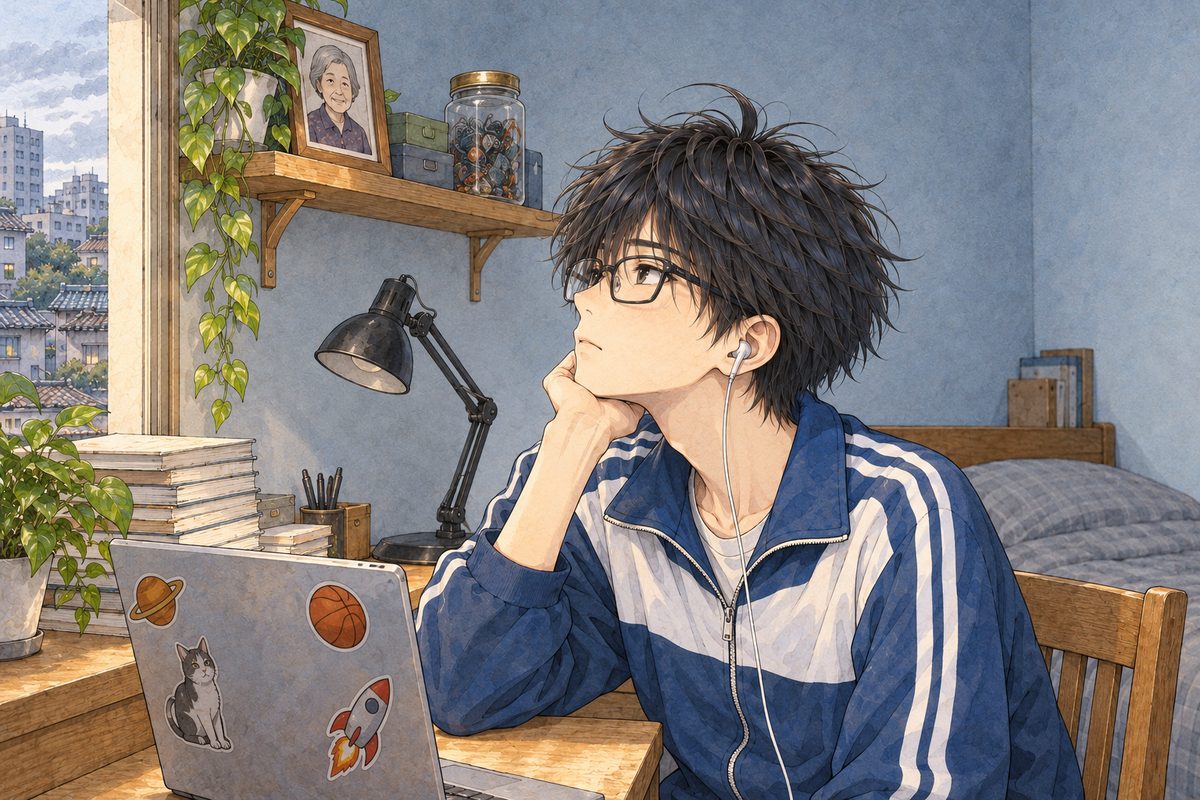
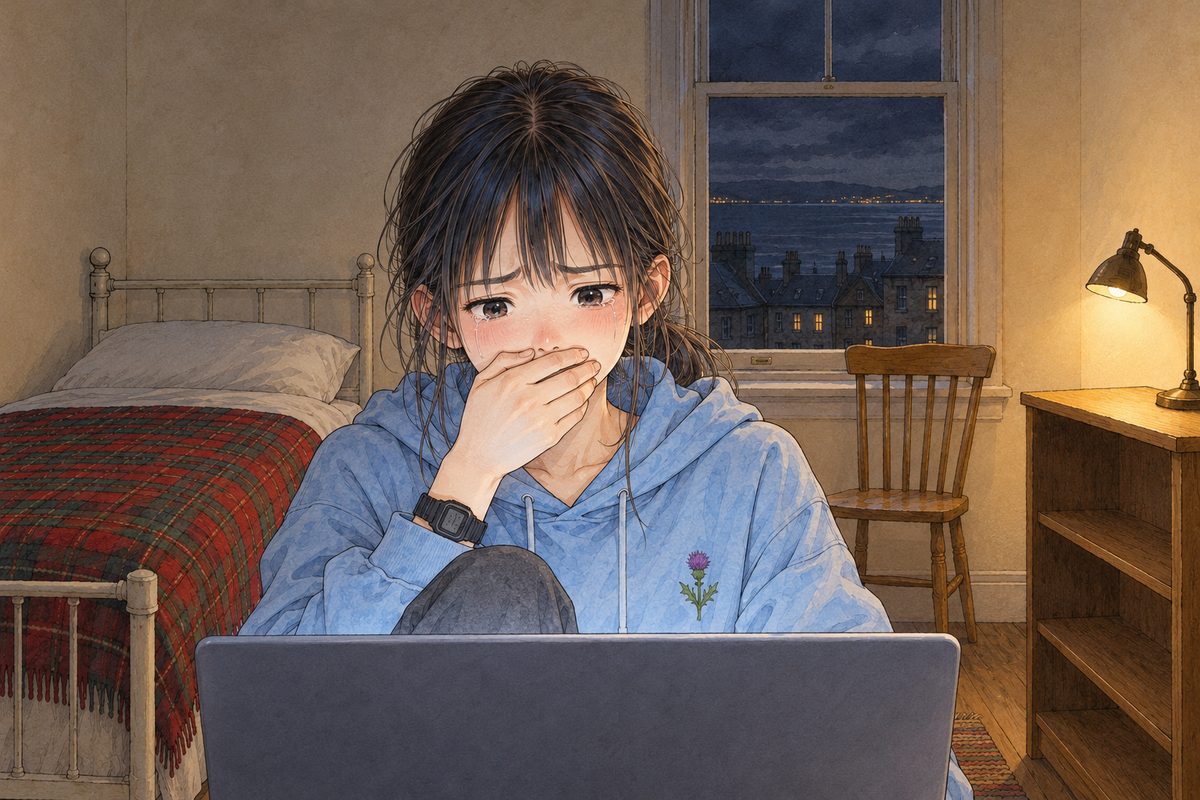
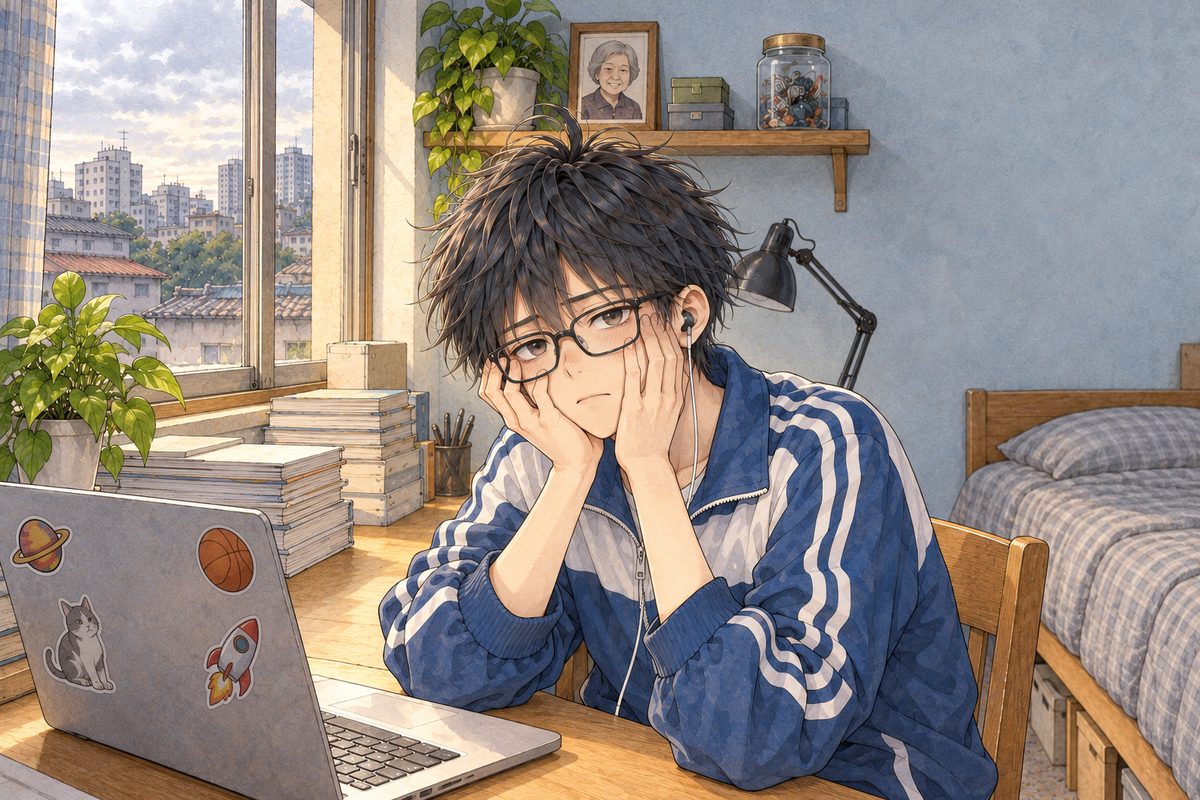

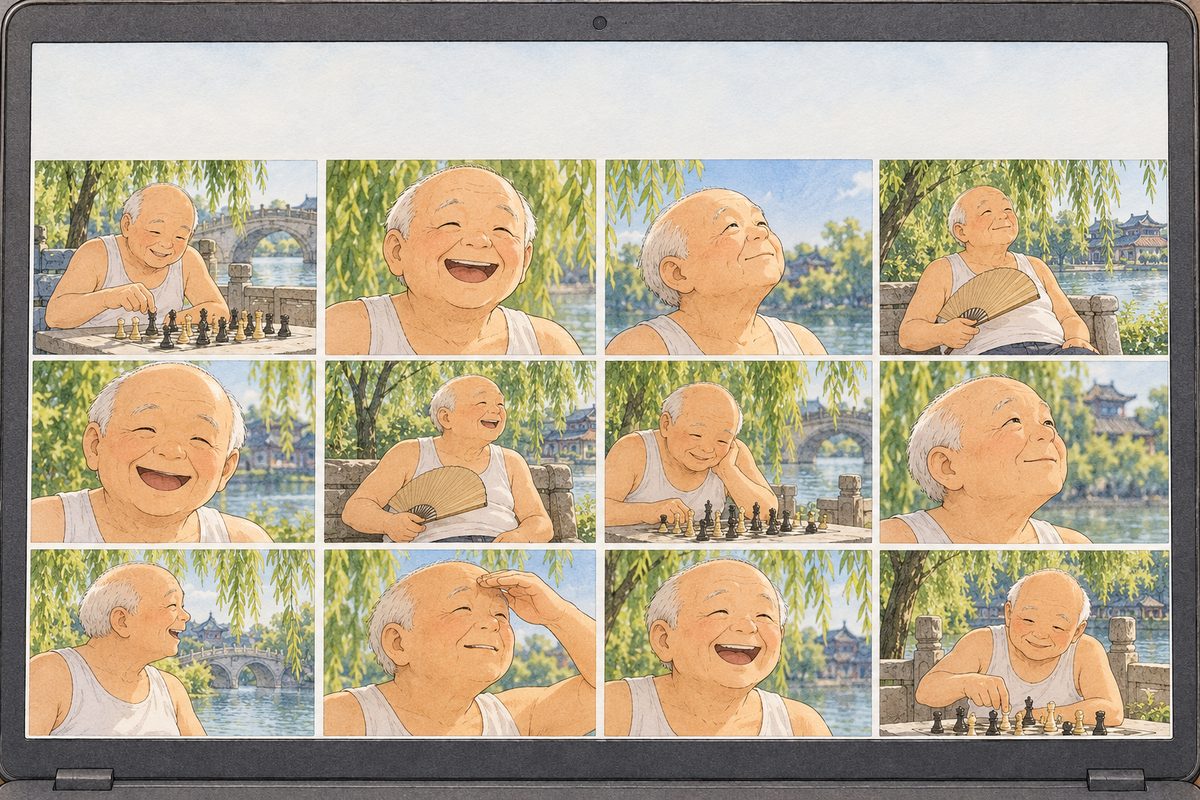
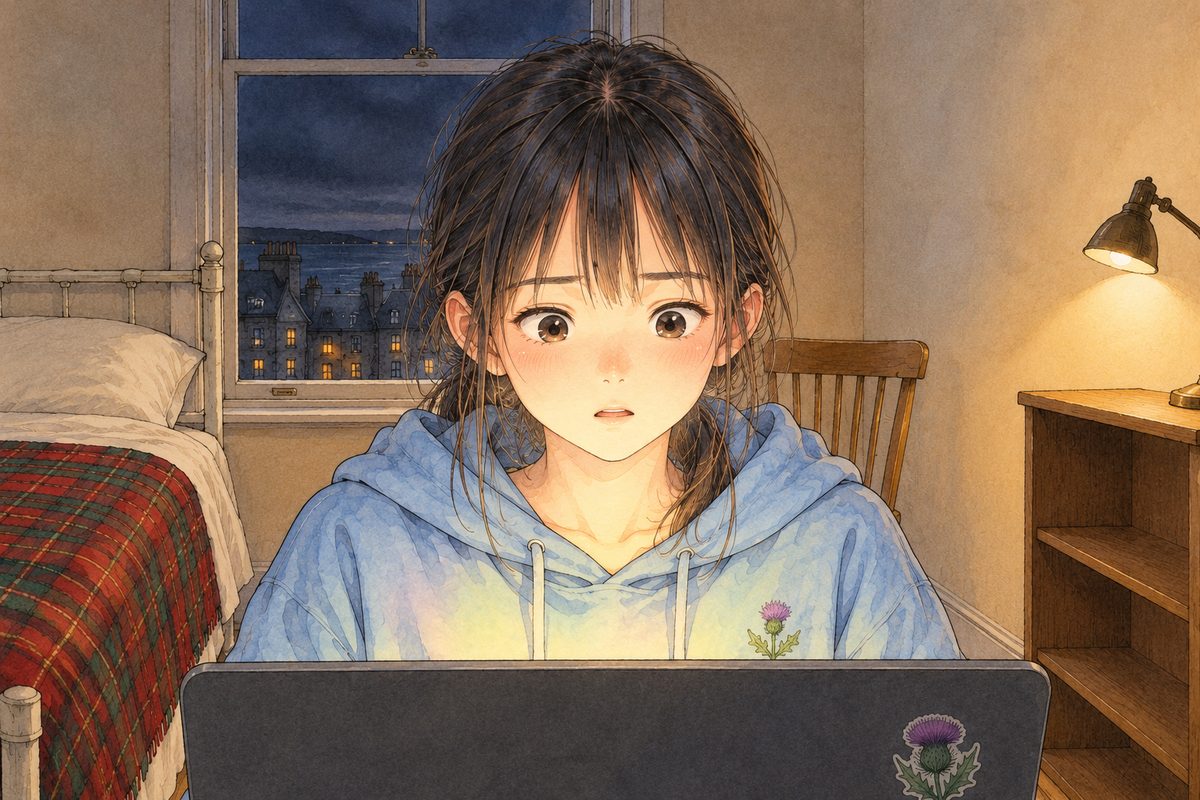

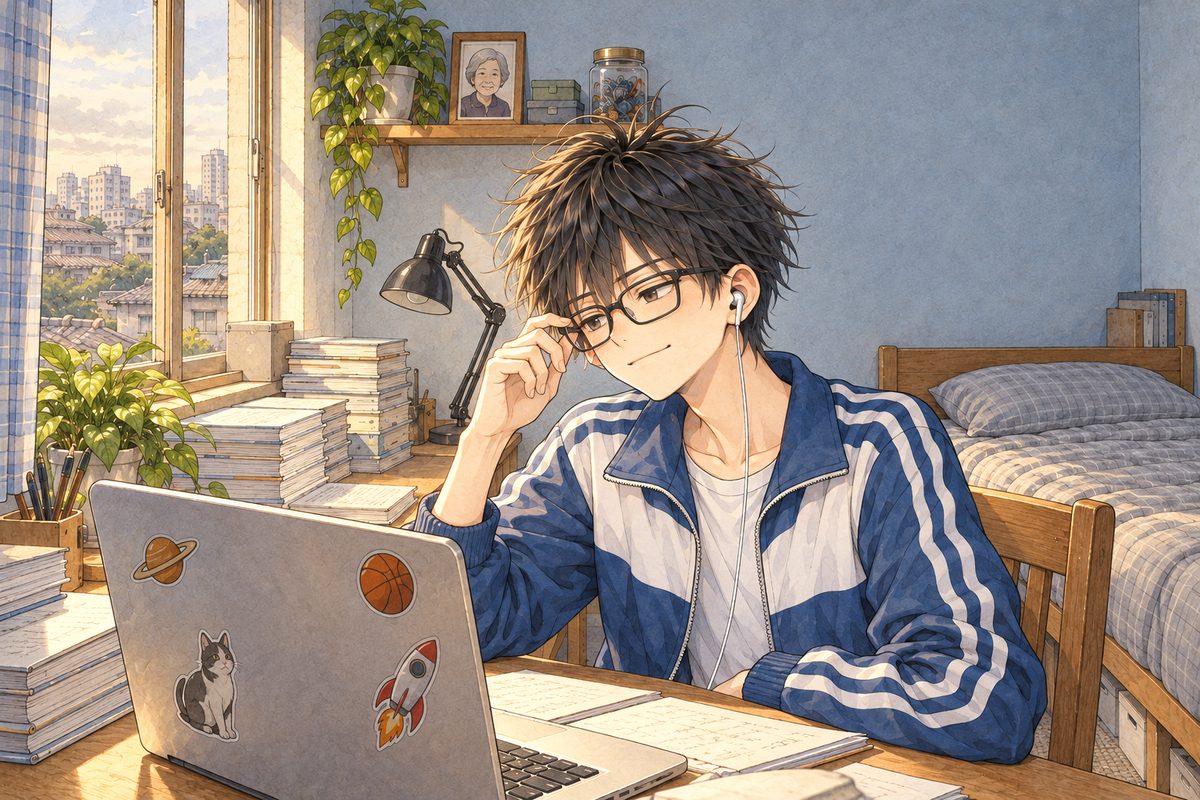
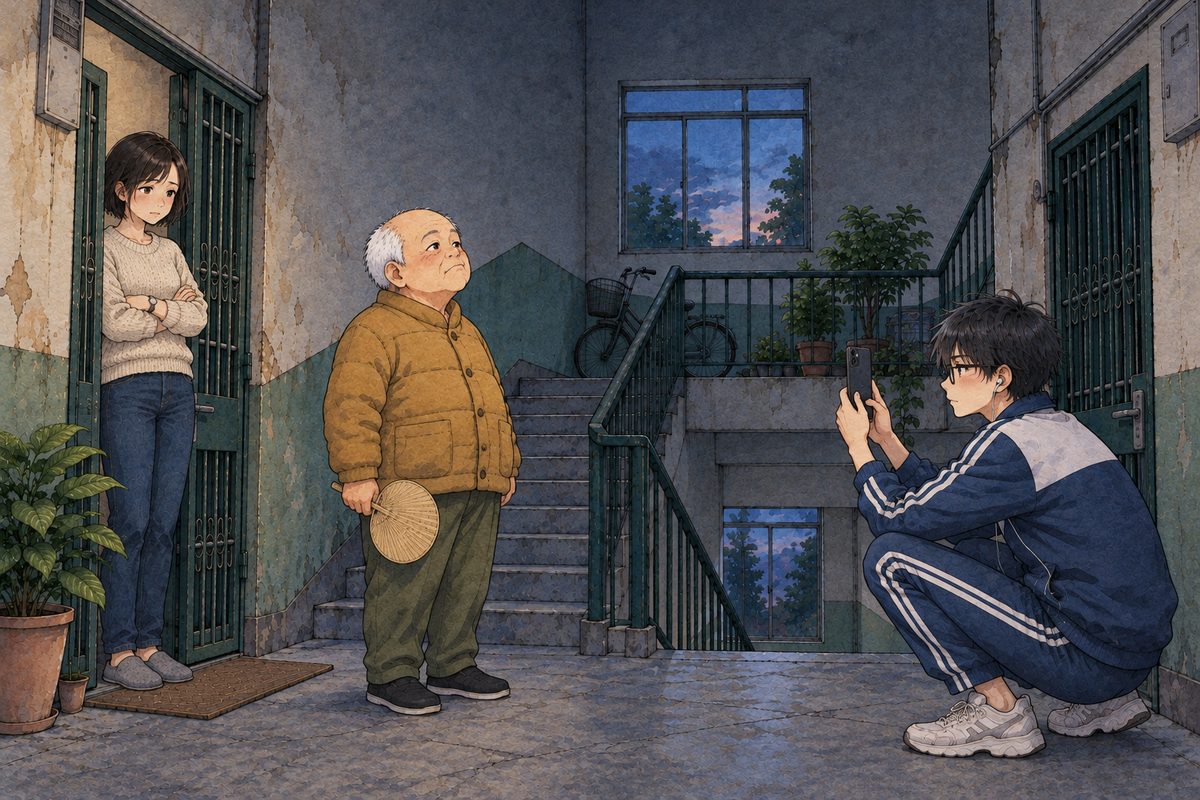

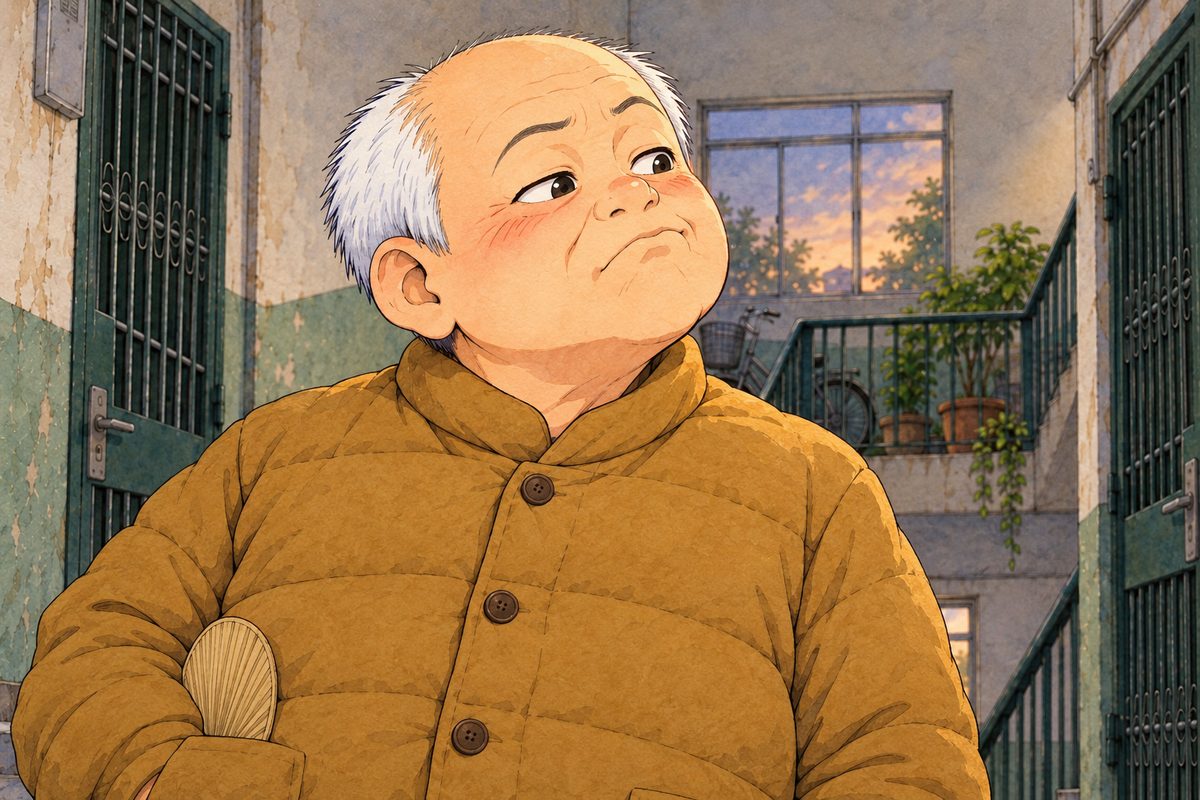
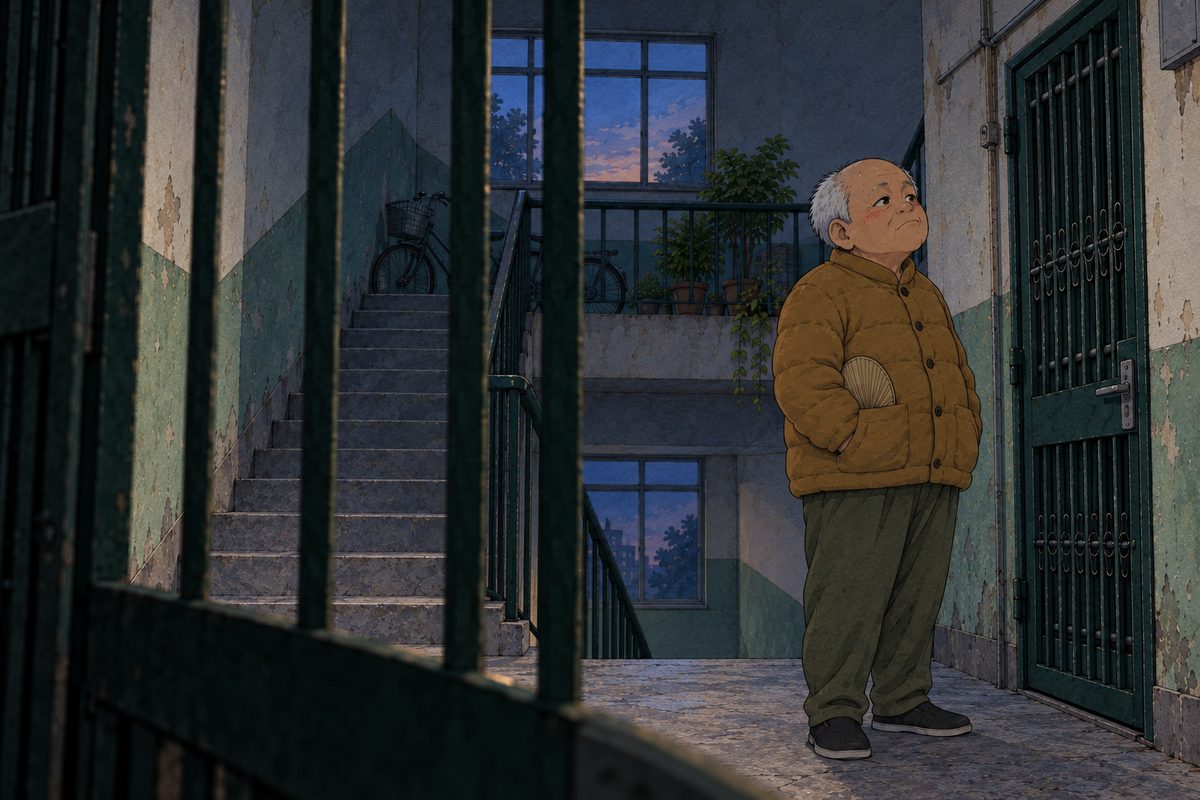
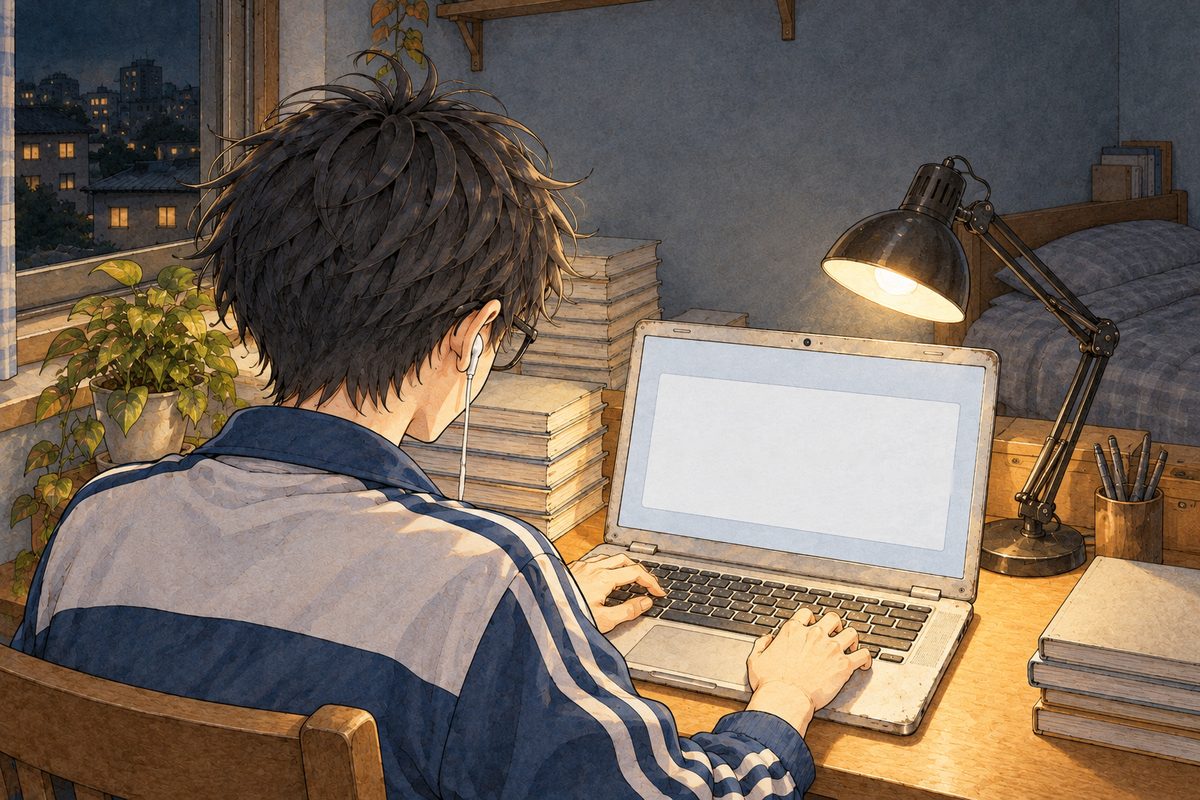
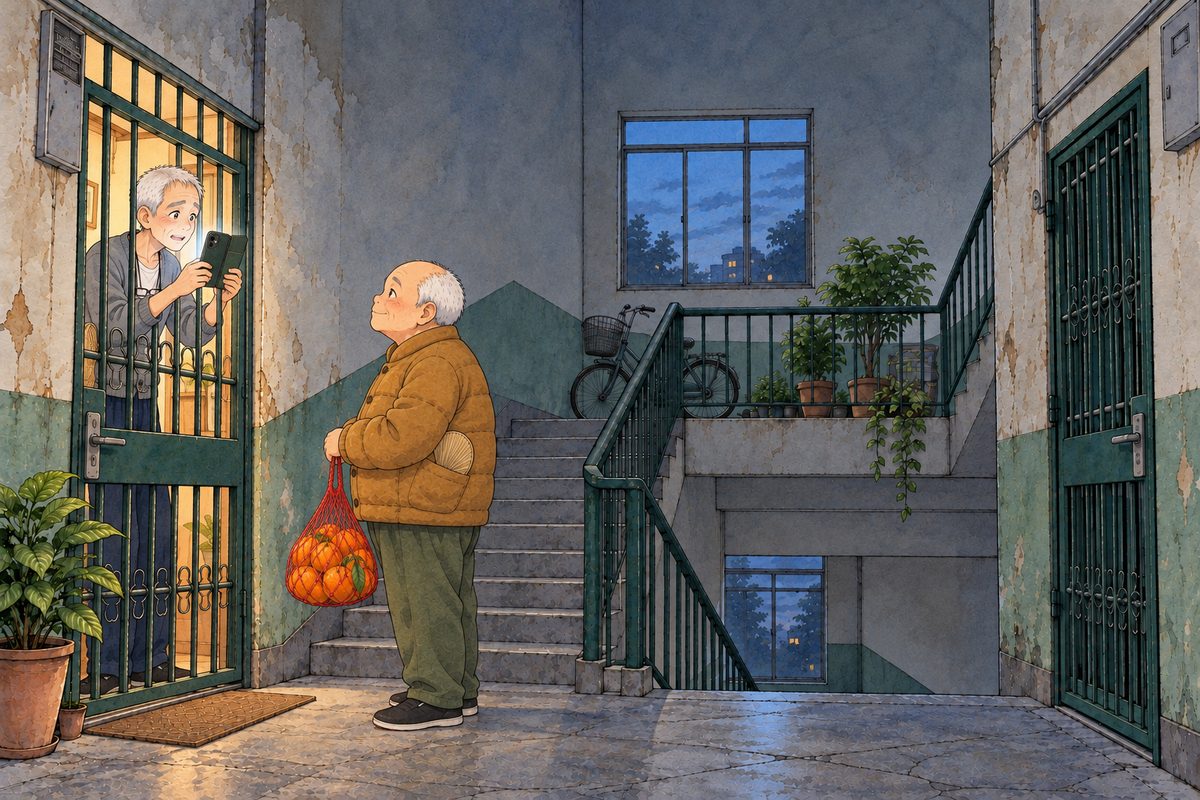
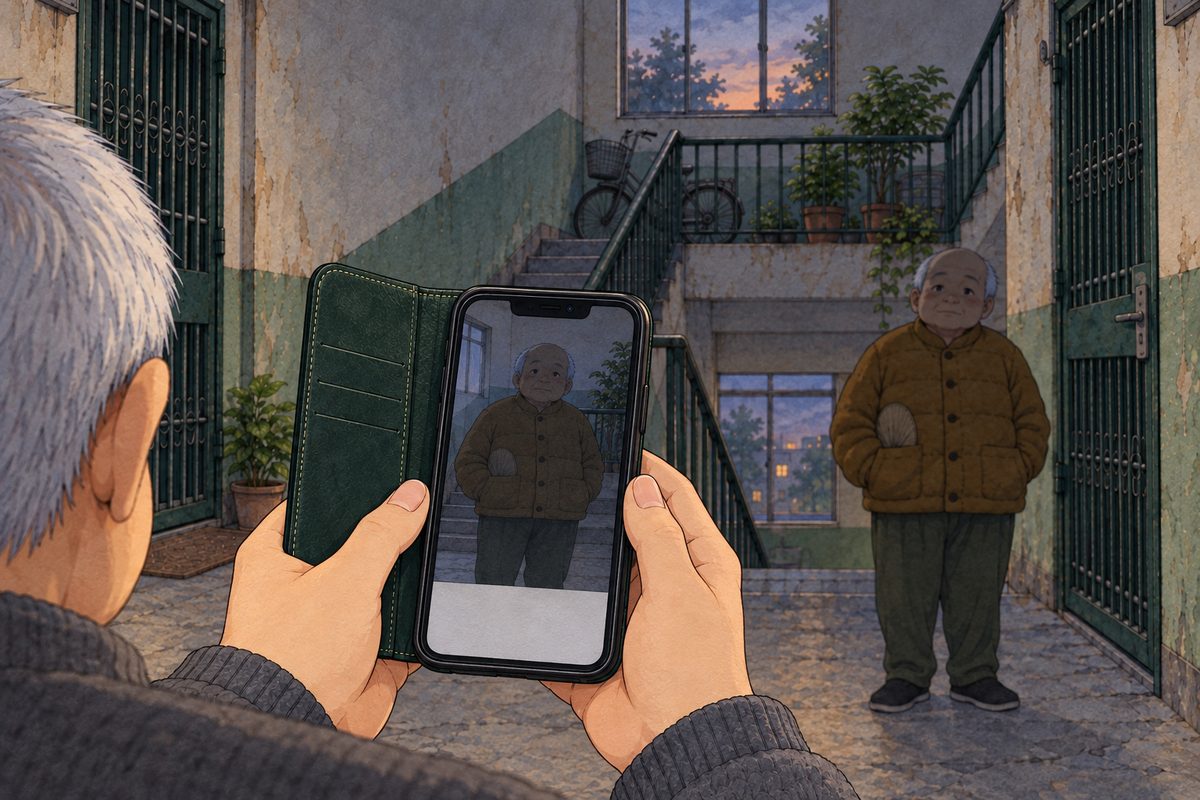

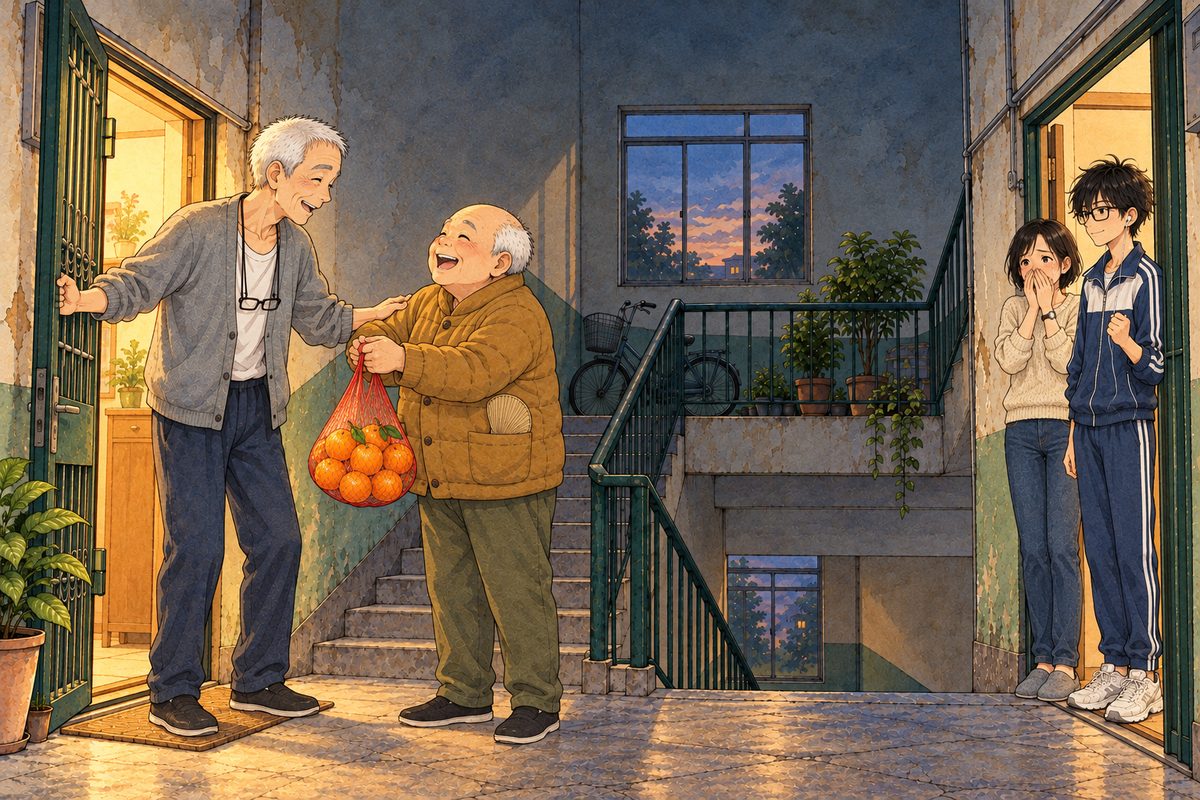
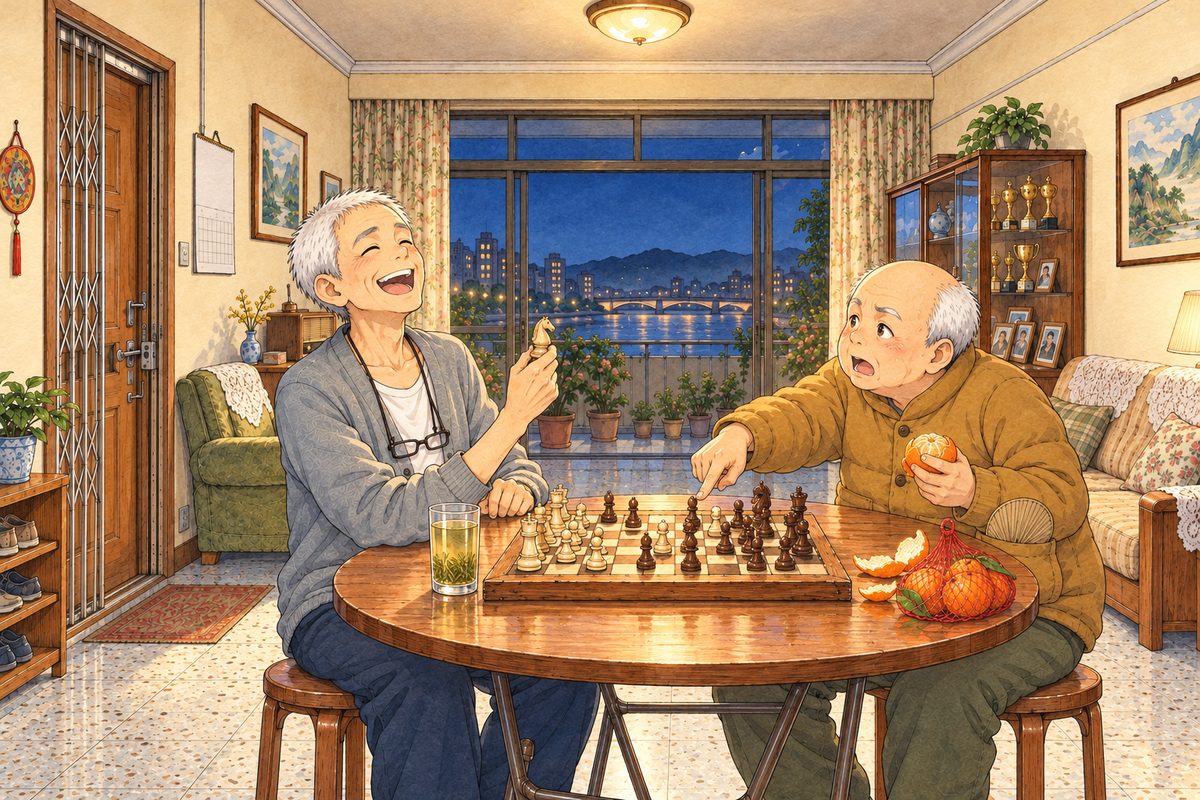
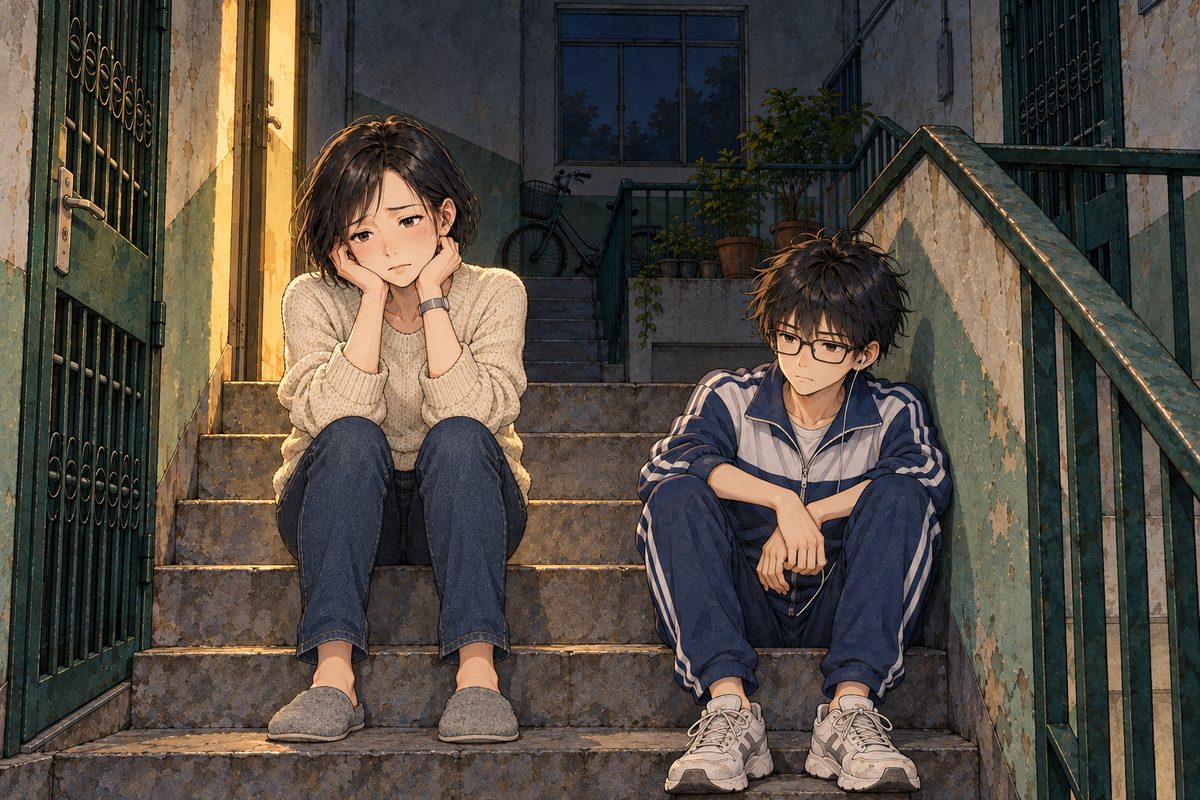


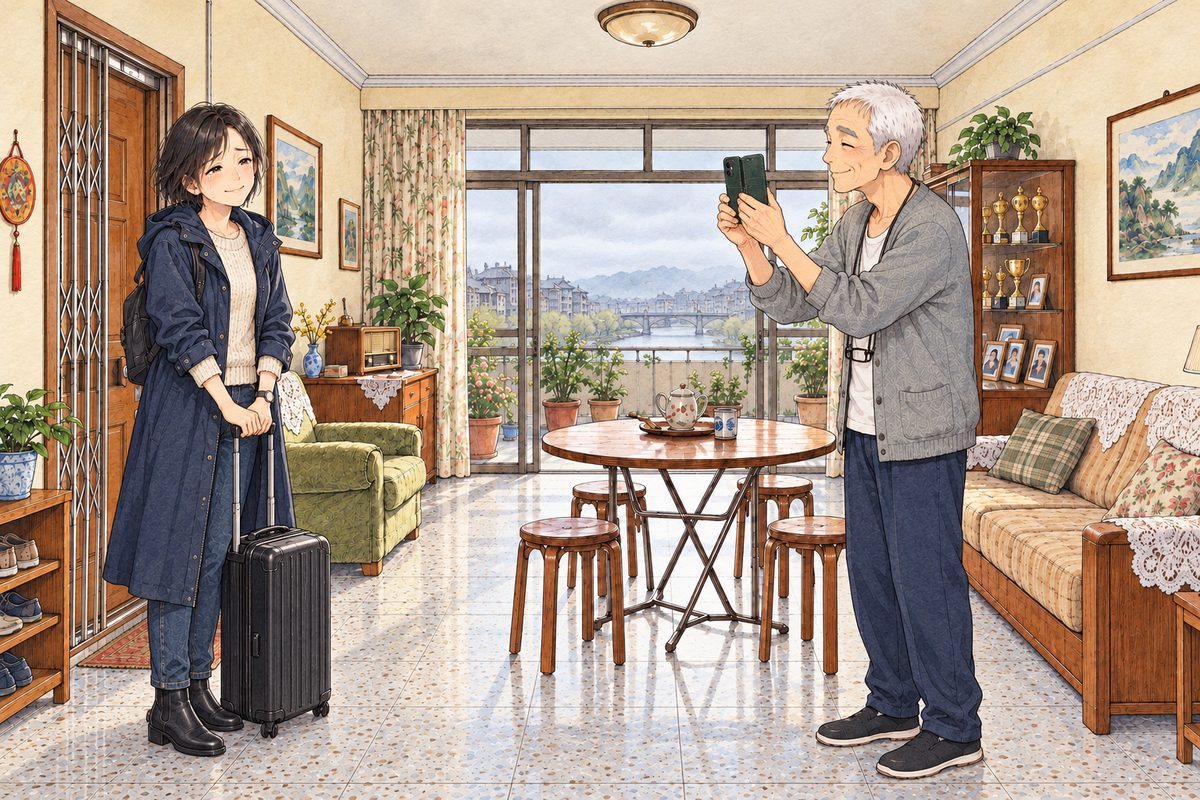
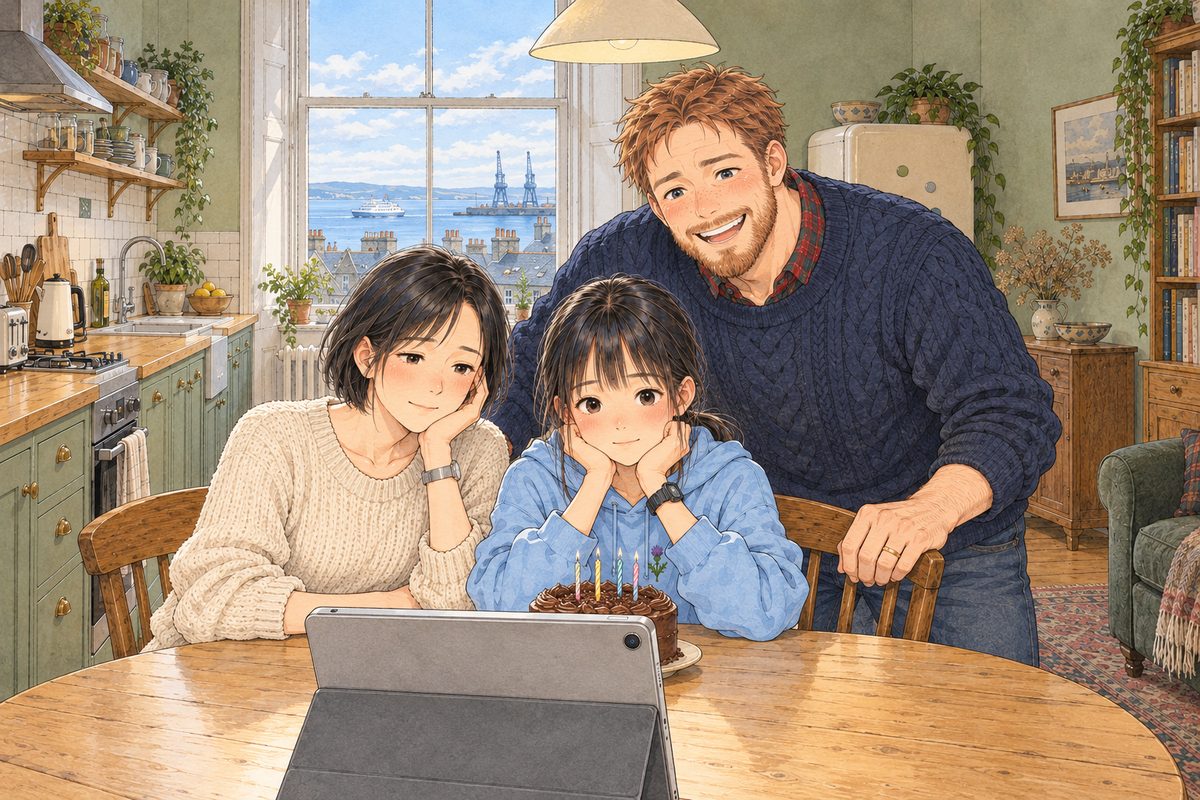

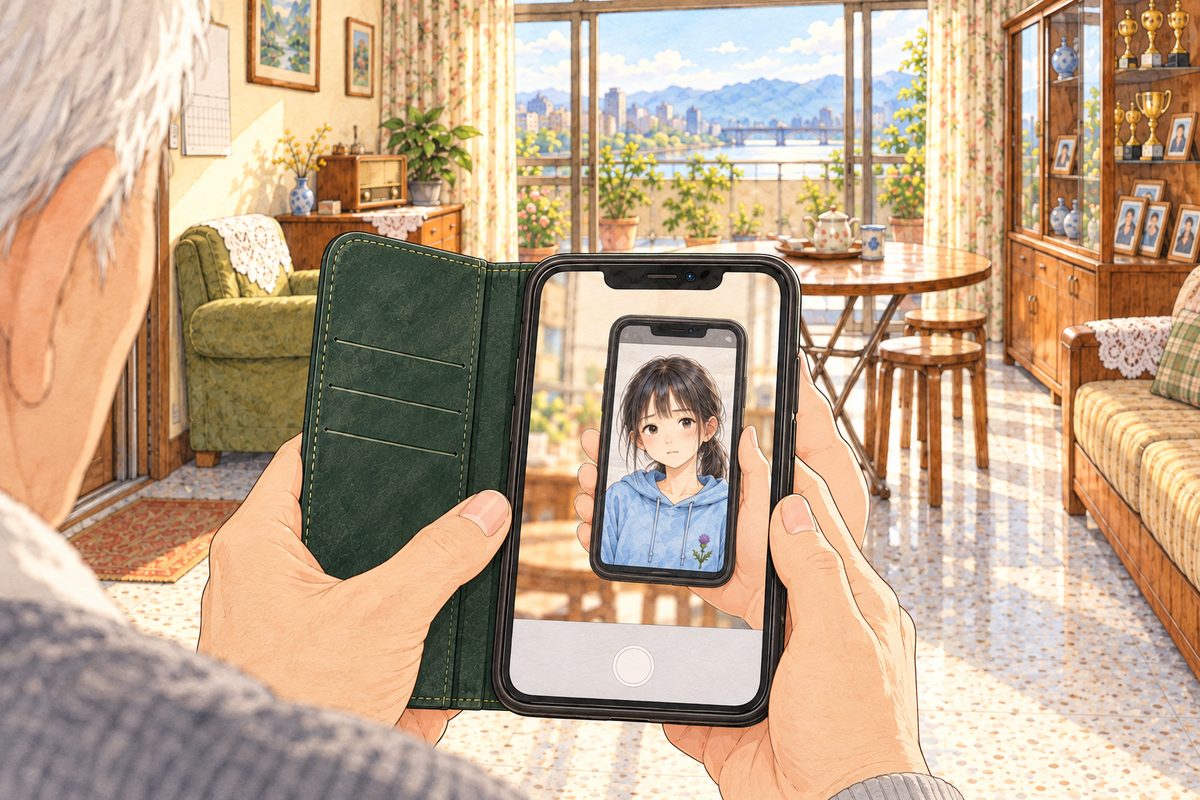
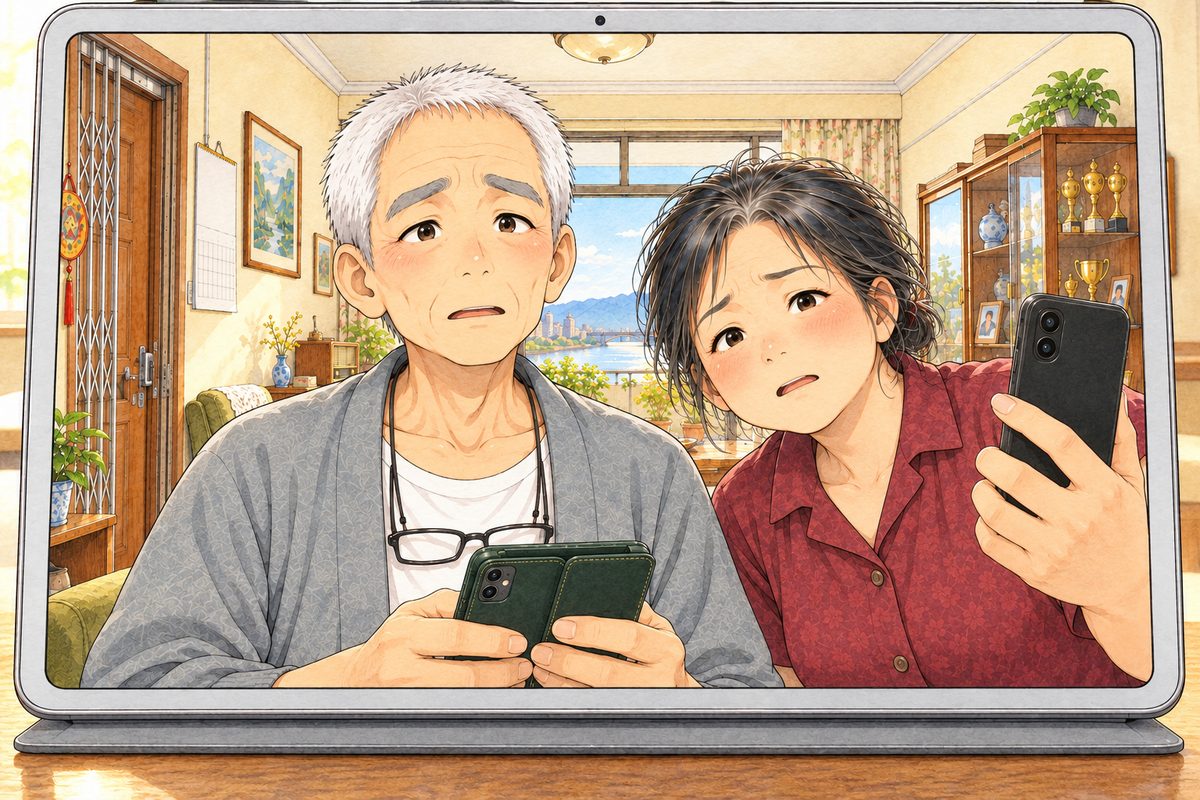





Some of this chapter was left to the pictures, so the stairwell and the hug could stay quiet. Here it is in words.
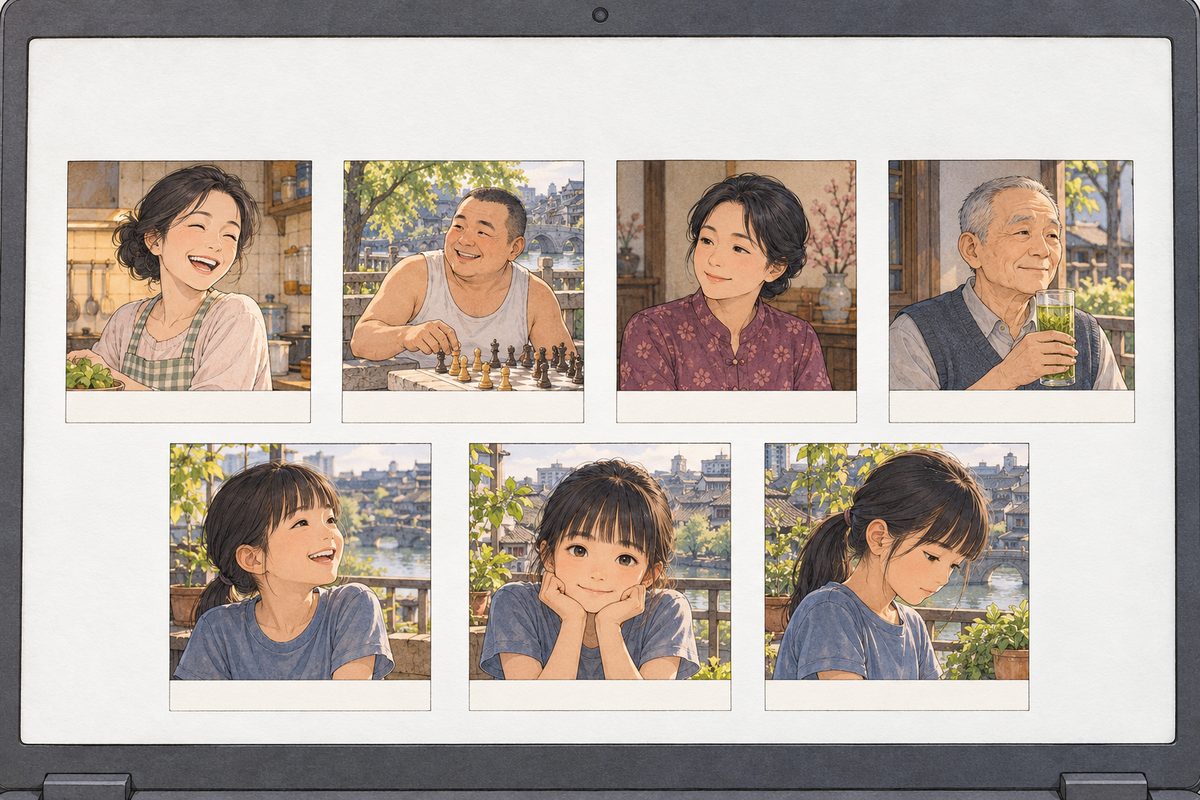
On page 4 Xiaoyu writes a name under every face. That is how most seeing machines learn, from photos that people have named. ImageNet, which Fei-Fei Li and her colleagues published in 2009, sorted millions of photos under the words of a big English word list. Most of the naming was done by people online, paid a little for each task. From 2010 a yearly contest asked programs to sort about 1.2 million of these photos into 1,000 kinds.
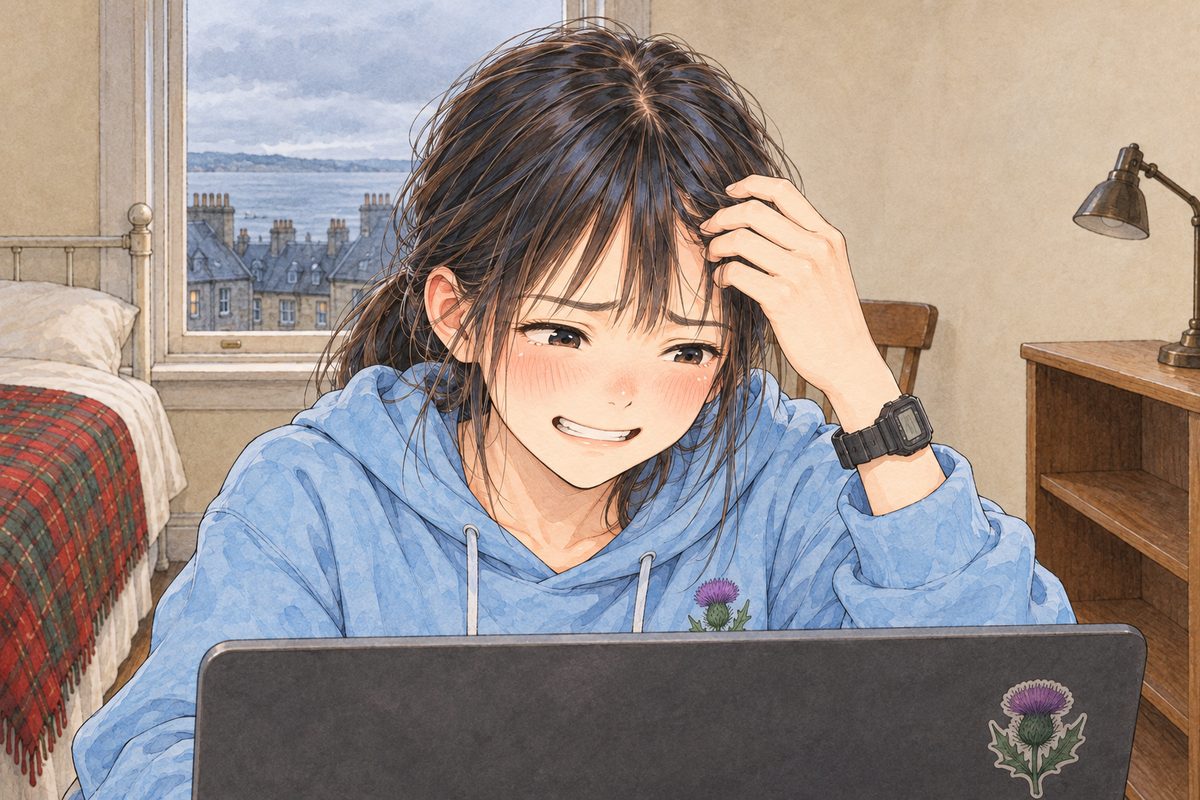
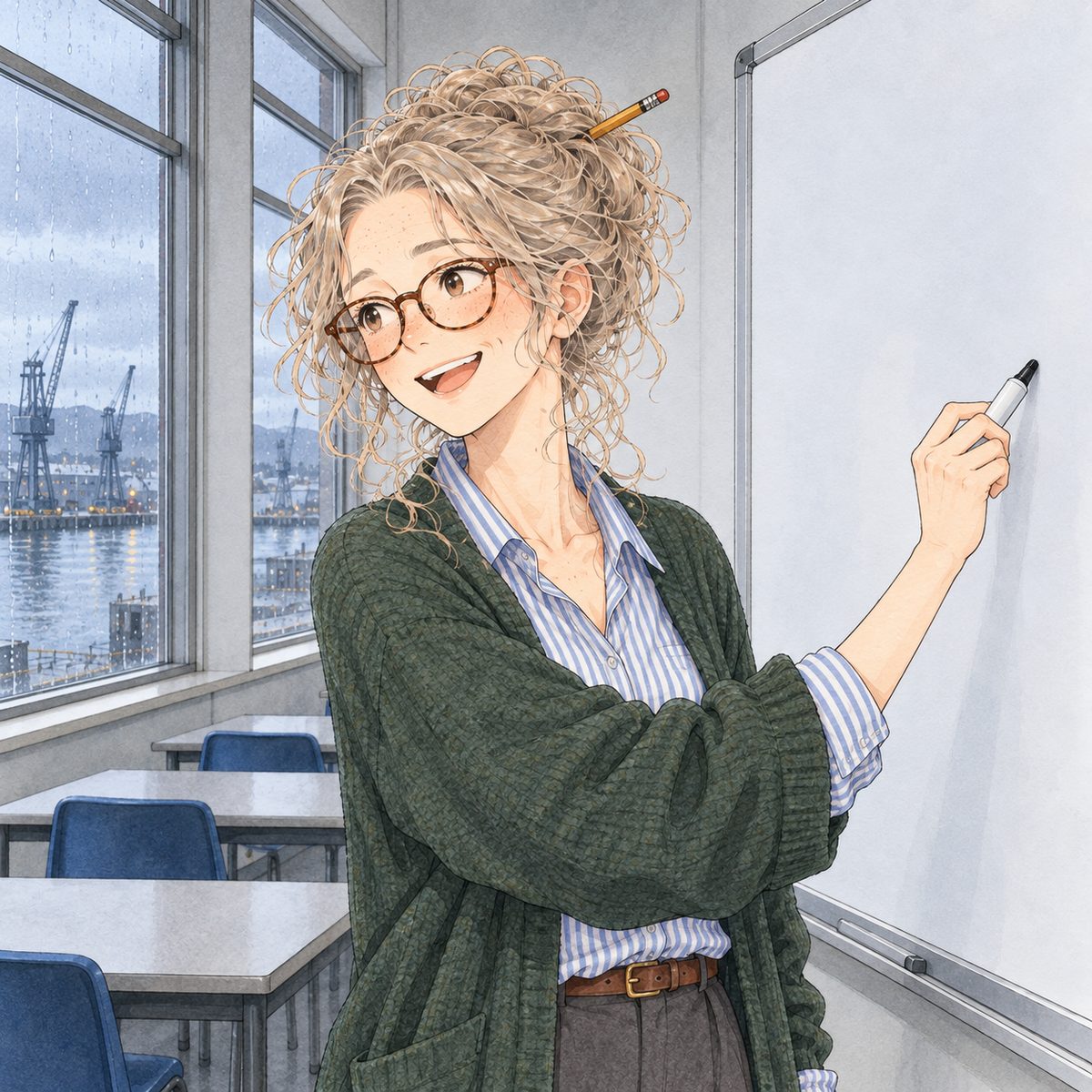
On page 8 Ms Rennie asks for a rule for "your mum". For a computer a photo is millions of numbers, and moving a face by one dot gives a completely different list. Rules must also cope with light, shadow, angle, distance and things in the way. For decades rules written by hand kept failing. What finally worked was a design built on two plain facts about pictures. Dots that sit near each other belong together, and the same pattern can turn up anywhere.
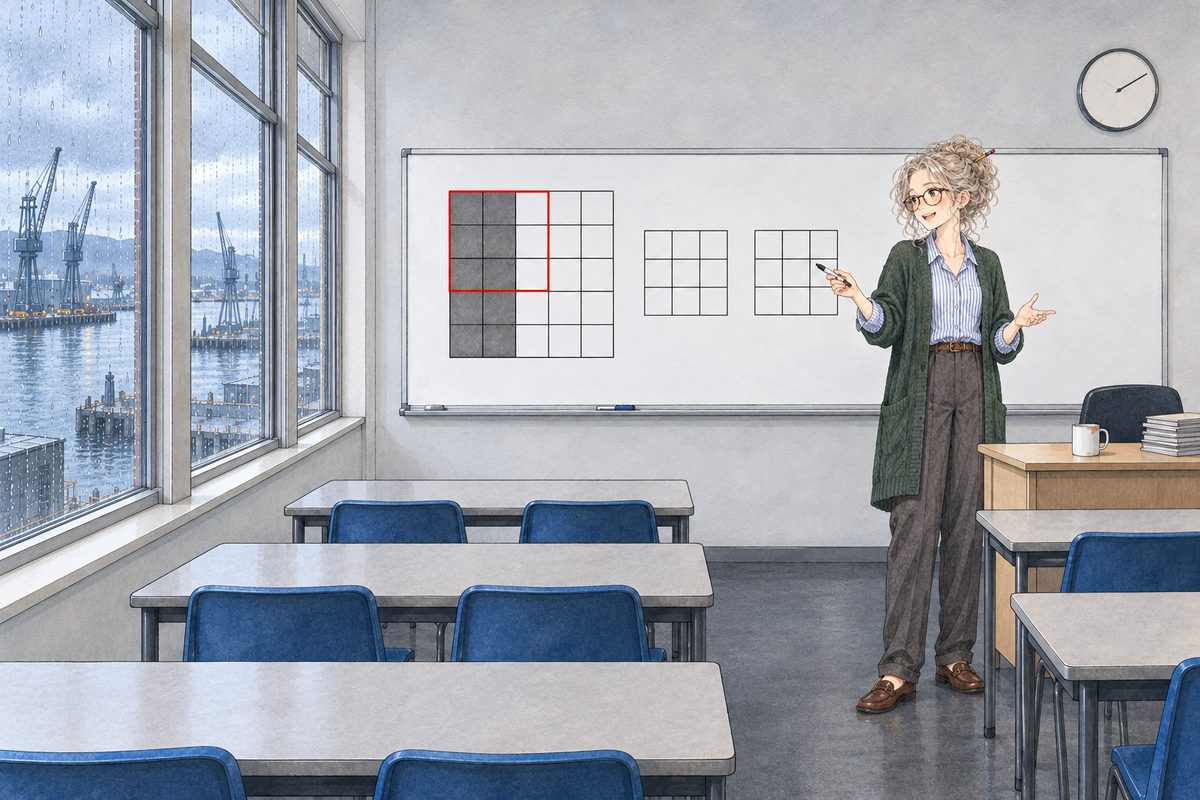
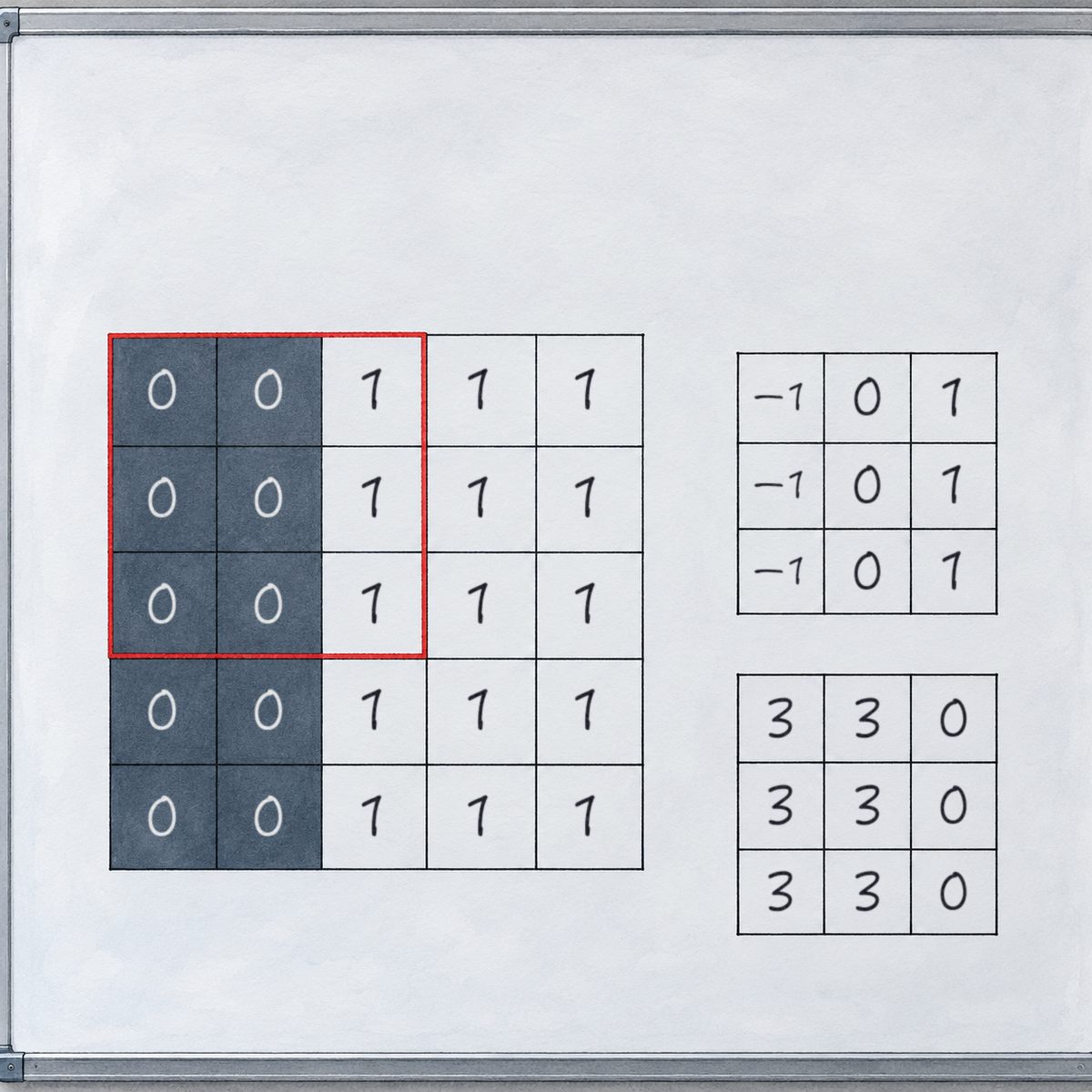
On page 9 Ms Rennie slides a little window over a picture that is dark on the left and bright on the right. Each row of the first spot is 0, 0, 1. Times −1, 0 and 1 that makes 1, so the three rows give 3. One step on, it is 3 again. One more step, over bright only, and it is 0. The big numbers sit exactly where dark meets bright. The window is an edge-finder, and on a flat patch, bright or dark, it gives nothing. The same nine numbers are used at every spot, so the window needs only nine however big the picture is. A network built like this is called a convolutional network.
Xiaoyu guesses the rest on page 9. A second layer of windows slides over the first layer's answers, not over the picture, so it finds patterns of patterns, like two edges making a corner. Deeper layers see bigger pieces of the picture. Nobody writes the numbers in the windows. They start at random and are nudged after every wrong guess, the way Papa's card scores were in Chapter 5. Edge-finders appear in the first layer because they are useful, not because anyone asked for them.
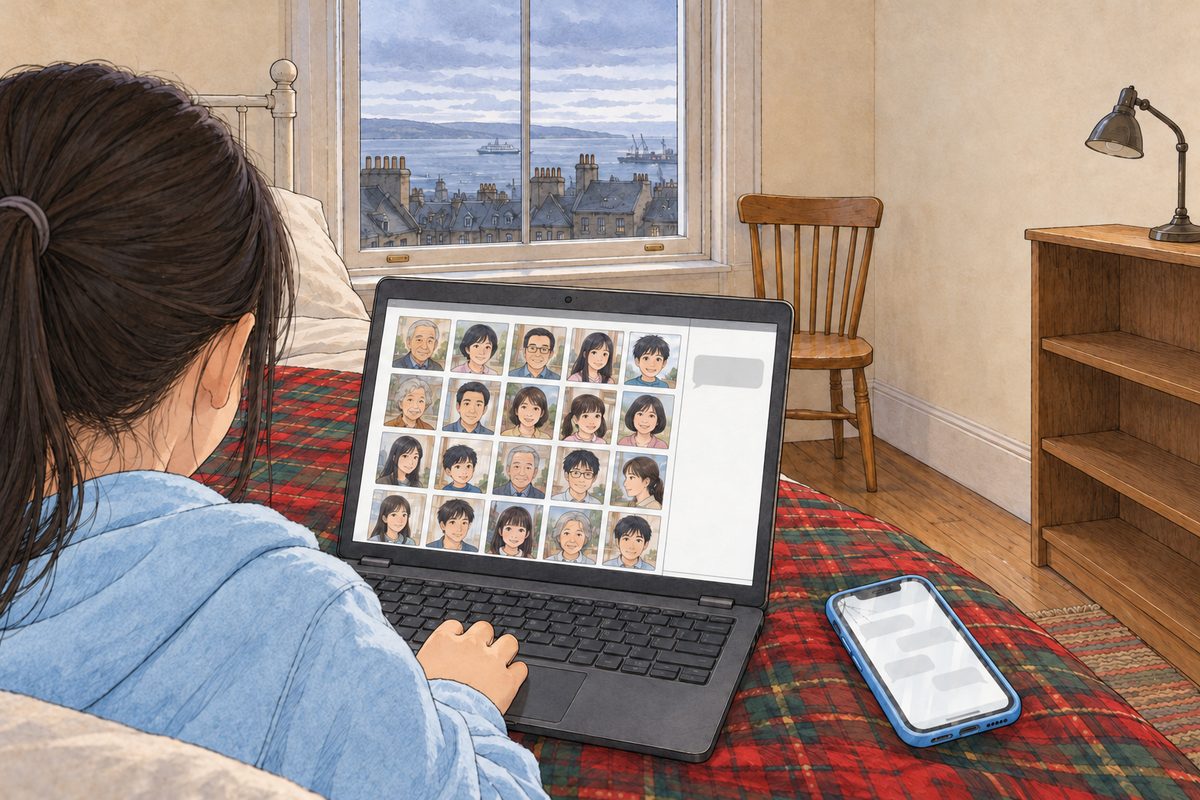
On page 10 Haoran shows a map of faces, a cousin of Xiaoyu's word map. Pictures, like words, can each be given a list of numbers, a place on a map, so that similar ones sit close. Much of modern AI is learning a good map and then measuring distances on it.
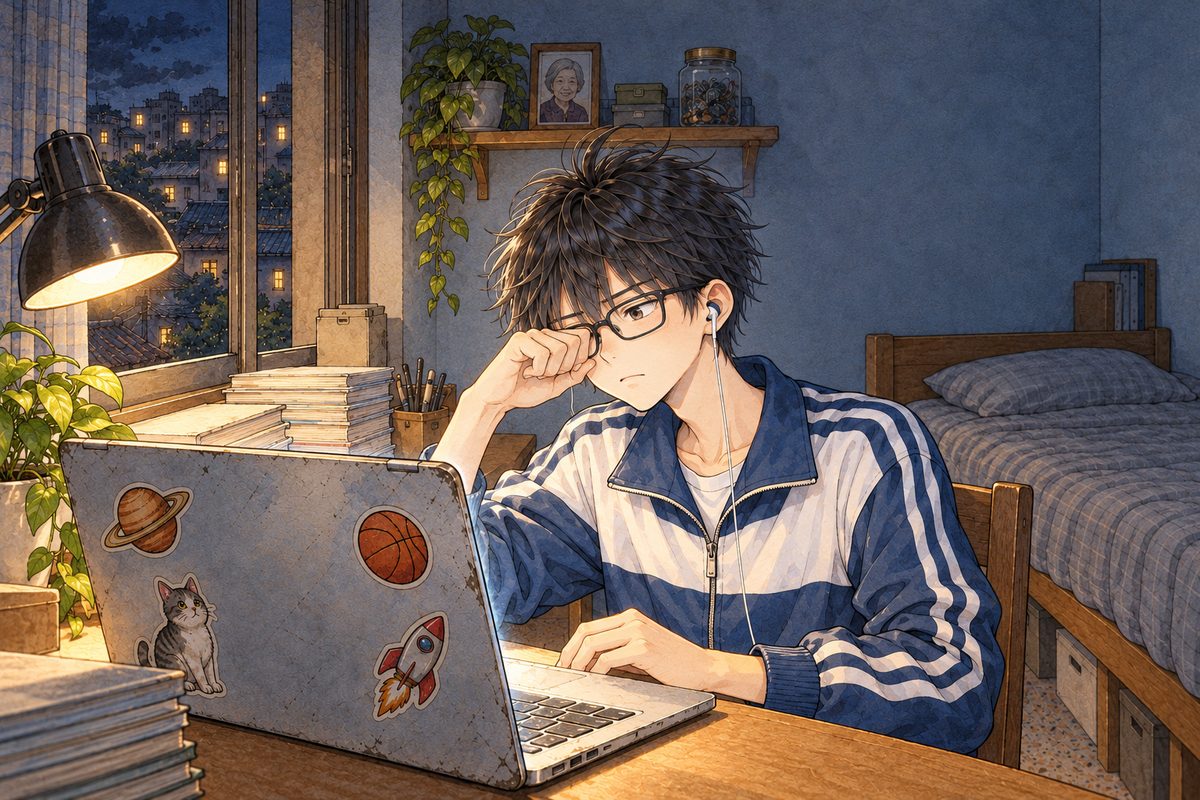
On page 14 Xiaoyu sees what went wrong. Every photo of Uncle Wu was bright. On a dark landing every number in the picture is small. Try Ms Rennie's window on a picture that goes from 0 to 0.2 instead of 0 to 1, and the edge gives 0.6 instead of 3. A machine knows only which patterns came with which name in the photos it was shown, so the fix was to show it Uncle Wu in the dark. Flipping each photo, as Haoran did, is an old trick for making more examples. The team that won in 2012 used it.
In 1962 David Hubel and Torsten Wiesel listened to single brain cells in cats while showing them lines. Some cells answered to an edge at one angle in one small patch, and others gathered those answers over a bigger patch. In 1980 Kunihiko Fukushima built a network of layers like these, the Neocognitron. They were ideas to borrow, not a blueprint. Today's seeing networks are like our eyes in a few ways and unlike them in many.
In 1989 Yann LeCun and his colleagues at Bell Labs trained a network like this to read handwritten postcodes, and in 1998 they published LeNet-5, which read handwritten digits. Systems like it were used to read cheques. For photos of the everyday world, though, computers were too slow and the named collections too small.
In 2012 Alex Krizhevsky, Ilya Sutskever and Geoffrey Hinton entered the ImageNet contest with a deep network trained on two graphics chips built for video games. It had 60 million numbers to tune. Its right answer was missing from its top five guesses 15.3 per cent of the time, against 26.2 per cent for the next best. Within a few years nearly every leading entry was a deep network, and in 2015 one with 152 layers got that figure down to 3.57 per cent. Rich Sutton has argued that this is the main lesson of seventy years of AI, that general methods with more computing beat clever hand-made knowledge. Many researchers agree. Others think it undervalues the careful design that made the general methods work.
In 2019 researchers showed networks a cat shape filled with the wrinkled texture of elephant skin. The networks mostly said "elephant". People said "cat". The networks had leaned on texture more than shape. Tiny changes to a photo, too small for a person to notice, can make a network give a confident wrong answer. Researchers call these adversarial examples. Claims that machines see better than people come from one narrow test, sorting into 1,000 fixed kinds. People see in depth, over time, and know what things are for.
In 2018 Joy Buolamwini and Timnit Gebru tested three commercial systems, from IBM, Microsoft and Face++, that guess from a photo whether a face is a man's or a woman's. All three did best on lighter-skinned men and worst on darker-skinned women, with errors of up to 34.7 per cent for darker-skinned women and at most 0.8 per cent for lighter-skinned men. The main reason was that the photos used to train and test such systems were mostly of lighter-skinned faces. The study was public, and within months the companies it named had narrowed the gap. In 2019 a large United States government study also found differences between groups in many face programs, though the most accurate ones showed much smaller differences.
Much of the data used to train AI was collected without asking the people in it. Keeping data on the device, and collecting only what is needed, both help. The surest protection is still the plainest one, which is not to give private things to a machine.
Since 2021 many seeing systems also use the transformer, the design behind today's chat assistants, which a later chapter comes to. It cuts a picture into small squares and treats each one like a word. Sliding-window networks are still common where speed matters, and many systems mix the two.
Bridge City, Xiaoyu, Grandpa Chen, Mama, Papa, Haoran and his grandma, Uncle Wu, Auntie Zhang, Ms Rennie and her coding club. Haoran's app, the photos Xiaoyu names, the sixty-one in the sun and the forty in the dark are made up, and so is the moment the app does not know her at fourteen. Real phones can already sort photos by the faces in them, and a careful teenager could build a small app like Haoran's. Grandpa's memory is drawn from no one in particular, and the story makes no medical claim. People whose memory slips sometimes find faces hard, even faces they love.
Yingying Fu created this manga. She chose the story and its people, directed every page, and edited every word and picture. The words were drafted with Claude, an AI by Anthropic. The pictures are made with AI image generation, painted panel by panel from her direction and checked and corrected by hand.
这一章有些道理留给了画面,好让楼道里那一下和那个拥抱安静一点。这里用文字再讲一遍。
第四页,小雨在每张脸底下写名字。会看的机器,大多就是这么学的,靠的是人写好名字的照片。二〇〇九年,李飞飞和同事发布了ImageNet,把几百万张照片,按一份很大的英文词表分了类。名字大多是网上的人标的,标一件,拿一点钱。从二〇一〇年起,每年有一场比赛,让程序把其中大约一百二十万张照片分成一千类。
第八页,伦尼老师让小雨给"你妈妈"写条规矩。在电脑眼里,一张照片是几百万个数,脸挪一个点,整串数就全不一样了。规矩还得管得住光线、影子、角度、远近,还有挡在前面的东西。几十年里,手写的规矩总是不灵。后来真管用的,是一种照着图片两个朴素道理搭出来的网络。挨着的点是一伙的,同一种花样,哪儿都可能出现。
第九页,伦尼老师拿一个小窗口,在一张左暗右亮的图上挪。第一处,每行是0、0、1,分别乘−1、0、1,得1,三行加起来是3。挪一格,还是3。再挪一格,全是亮的,得0。大数正好落在暗挨着亮的地方。这个小窗口就是个找边的,碰到一片平的,不管亮还是暗,它都得0。每到一处用的都是同样九个数,所以图再大,窗口也只要九个数。这样搭起来的网络,叫"卷积网络"。
剩下的,小雨在第九页自己猜到了。第二层的小窗口,不在图上挪,在第一层算出来的结果上挪,所以找的是花样拼成的花样,比如两条边凑成一个角。越往后,每一层看到的那块图就越大。小窗口里的数,没有人去写。它们一开始是乱的,每猜错一次就调一点,跟第五章爸爸的牌分一个道理。第一层自己长出了找边的本事,是因为找边有用,不是谁让它找的。
第十页,浩然给小雨看一张脸的地图,跟她那张词地图是亲戚。图片也能跟词一样,每张变成一串数,在地图上有个位置,像的就挨得近。现在的人工智能,很大一部分就是先学出一张好地图,再在上面量远近。
第十四页,小雨看出了毛病在哪。吴爷爷的照片,张张都亮堂堂的。到了黑乎乎的楼道里,图上每个数都很小。拿伦尼老师那个窗口去挪一张从0到0.2、而不是从0到1的图,那条边只得0.6,不是3。机器只知道,它见过的照片里,哪些花样常跟哪个名字在一起。所以办法就是让它见见黑地方的吴爷爷。浩然把照片左右翻过来,是个老办法,用来多凑些例子。二〇一二年拿第一的那个团队,就用过。
一九六二年,休伯尔和威泽尔给猫看一条条的线,同时去听它脑子里单个细胞的动静。有的细胞只对某一小块地方、某个角度的边有反应,还有的细胞把这些反应收拢起来,管更大一块。一九八〇年,福岛邦彦照这个样子搭了一个一层一层的网络,叫"新认知机"。这些只是借来的点子,不是照着造的图纸。现在会看的网络,跟人的眼睛有几处像,不像的地方多得多。
一九八九年,贝尔实验室的杨立昆和同事训练了这样一个网络,去认手写的邮政编码。一九九八年,他们发表了LeNet-5,能认手写数字。这类系统后来真拿去认过支票。可要认日常生活里拍的照片,那时候的电脑太慢,标好名字的照片也太少。
二〇一二年,克里热夫斯基、苏茨克维和辛顿带着一个很深的网络去参加ImageNet比赛,用的是两块本来给电子游戏做的显卡。它有六千万个要调的数。它最有把握的五个答案里没有正确答案的情况,只占百分之十五点三,第二名是百分之二十六点二。没过几年,比赛前几名差不多全是深度网络。二〇一五年,一个一百五十二层的网络,把这个数降到了百分之三点五七。萨顿说过,七十年人工智能研究最大的一条教训,就是通用的方法加上更多的算力,总会赢过人一点点手编的知识。很多研究者同意。也有人觉得,这么说小看了让通用方法跑起来的那些巧妙设计。
二〇一九年,研究者给网络看一只猫的轮廓,里面填满大象皮那种皱纹。网络大多说"大象",人都说"猫"。网络看的更多是纹理,不是形状。照片上改动一点点,人根本看不出来,就能让网络很有把握地答错。研究者管这叫"对抗样本"。说机器比人看得准,依据的只是一场很窄的测试,把照片分进固定的一千类。人看东西有远近,有前后,还知道东西是干什么用的。
二〇一八年,布兰维尼和格布鲁测了IBM、微软和旷视三家的商用系统,这些系统看一张脸的照片,猜是男是女。三家都是认浅肤色男人最准,认深肤色女人最差。深肤色女人的错误率最高到百分之三十四点七,浅肤色男人最多百分之零点八。主要原因是,训练和测试这类系统用的照片,大多是浅肤色的脸。这项研究是公开的,几个月里,被点名的公司都把差距缩小了。二〇一九年,美国政府的一项大研究也发现,很多人脸程序对不同人群的错误率不一样,不过最准的那些,差别小得多。
训练人工智能用的数据,很多是没问过当事人就收来的。数据只存在自己的设备上、只收需要的那一点,都有帮助。最靠得住的保护,还是最朴素的那一条,私事别交给机器。
从二〇二一年起,很多会看的系统也用上了"变换器",就是如今聊天助手背后的那种设计,后面的章节还会讲到。它把一张图切成一个个小方块,每块当成一个词来看。在讲究速度的地方,滑小窗口的网络还很常用,也有很多系统两样混着用。
桥城、小雨、陈外公、妈妈、爸爸、浩然和他奶奶、吴爷爷、张阿姨、伦尼老师和她的编程社,都是编的。浩然的软件、小雨标的那些照片、太阳底下那六十一张、黑地方那四十张,也是编的,软件认不出十四岁的小雨那一刻也是编的。现在的手机,已经能按照片里的脸给照片分类,一个用心的中学生,也真做得出浩然那样的小软件。外公的记性不是照着哪个真人写的,故事也不作任何医学上的判断。记性不好的人,有时候确实不大认得脸,连最亲的人的脸也会认不出。
这本漫画由 Yingying Fu 创作。故事和人物由她决定,每一页由她导演,每一句话、每一幅画由她修改。文字是和 Anthropic 的人工智能 Claude 一起起草的。画面由人工智能生成,按她的要求一格一格地画,再逐张检查、修正。
© 2026 Yingying Fu. All rights reserved.© 2026 傅颖盈。保留所有权利。