The ideas, a little slower
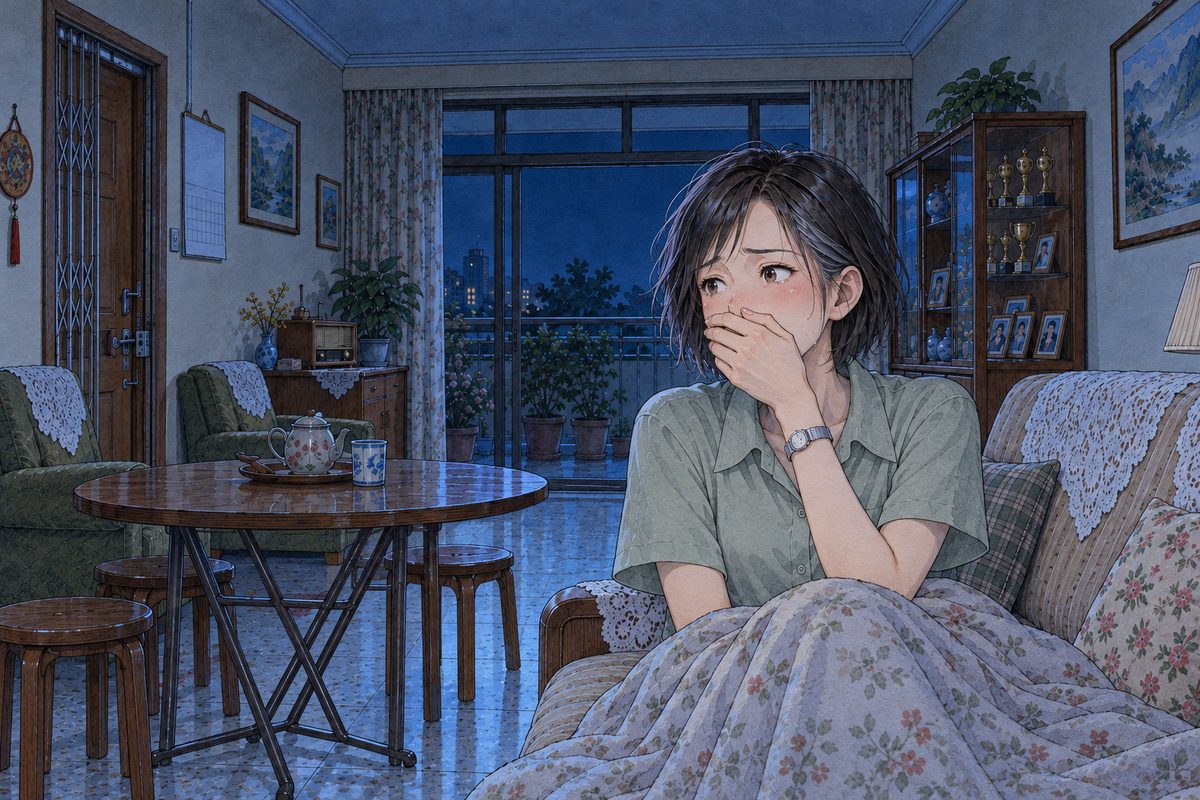
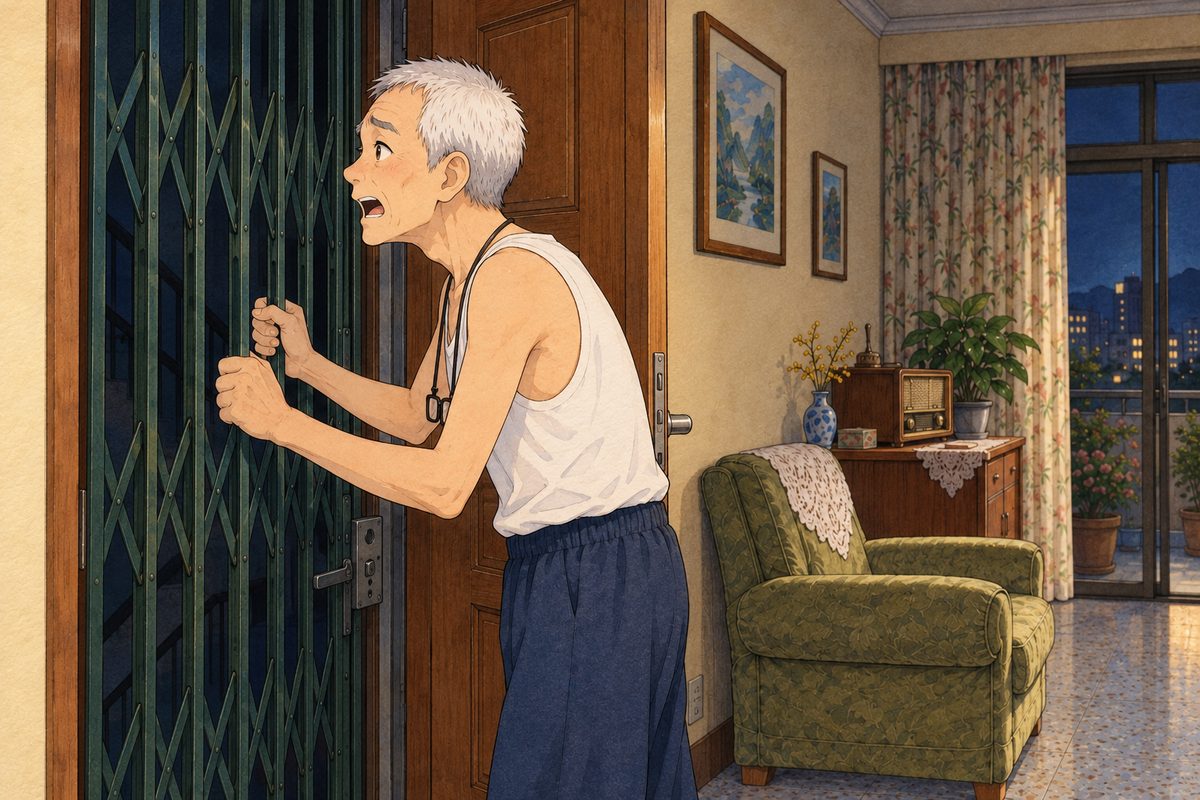
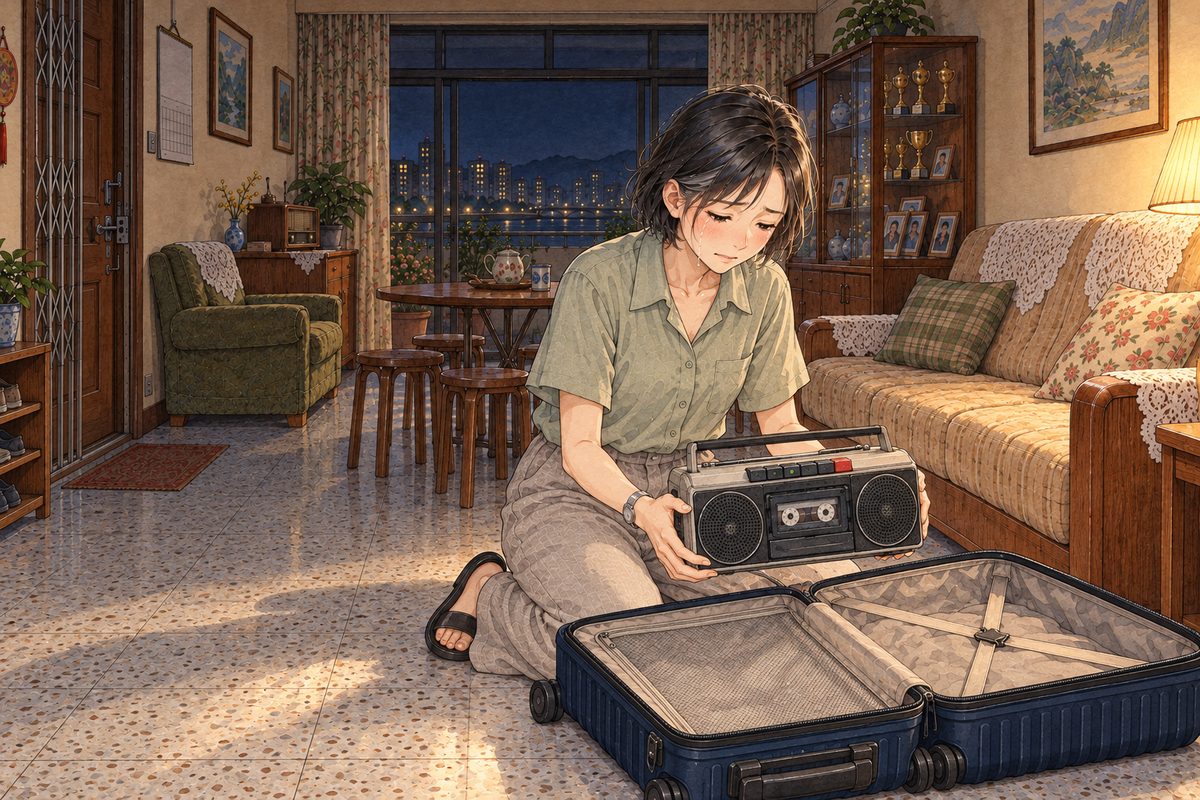
This chapter kept the hardest nights for the pictures. Here are the ideas in words.
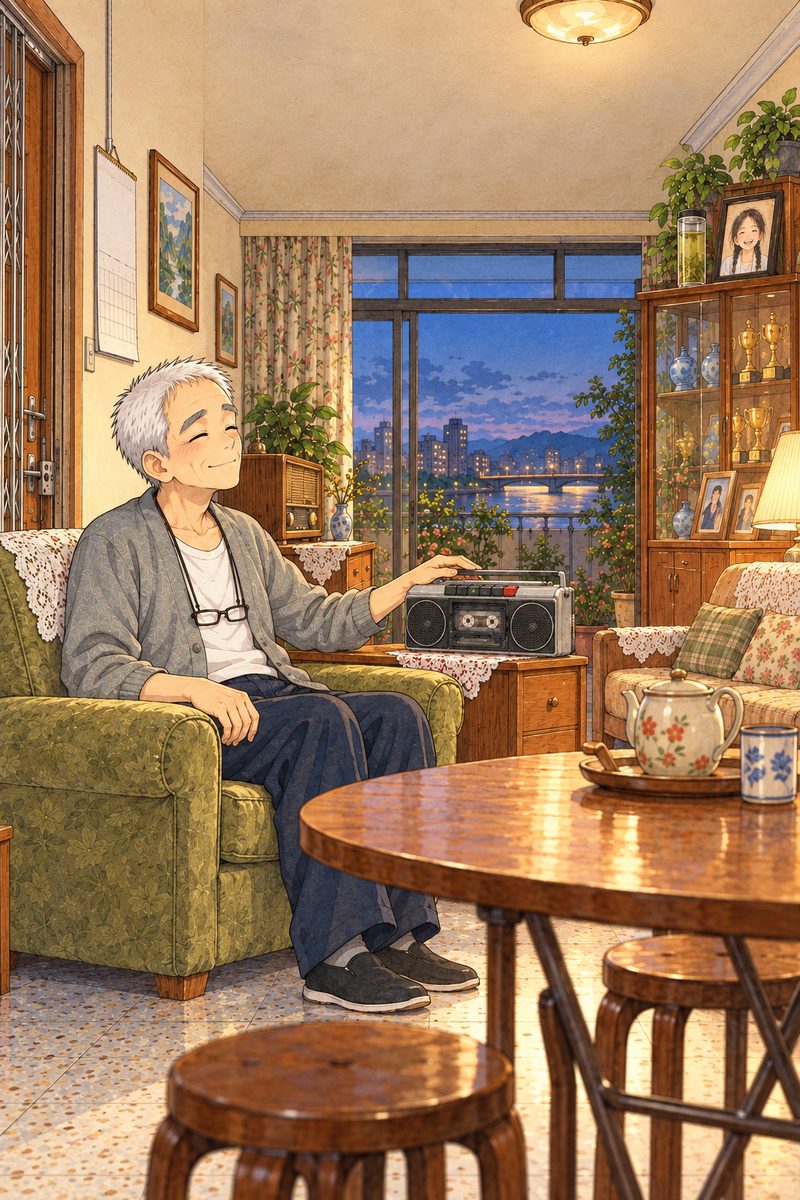
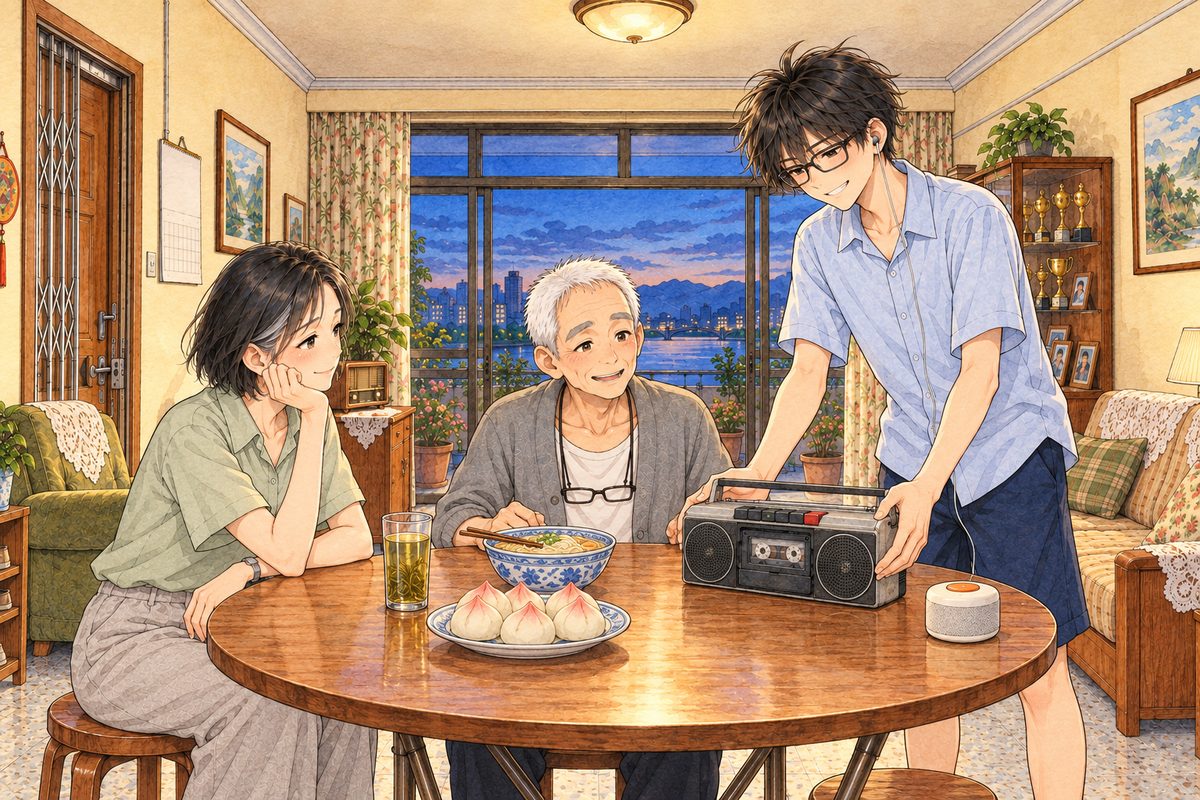
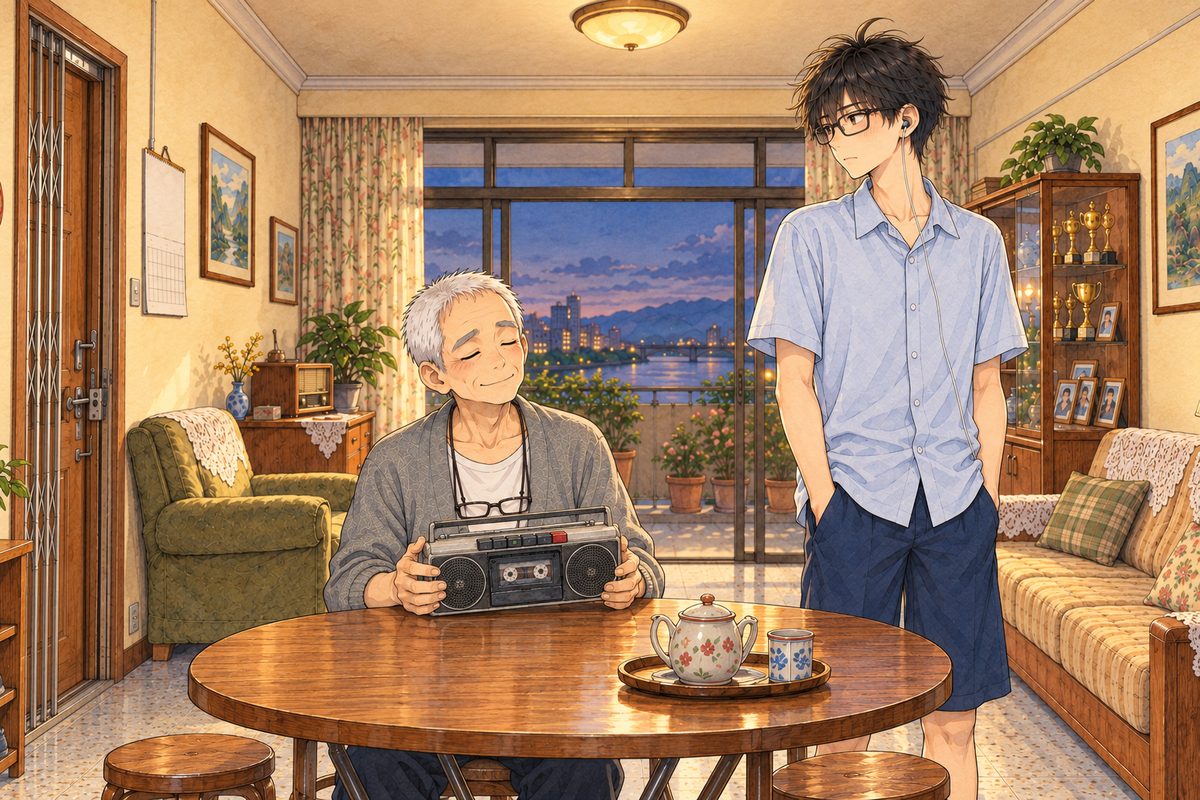
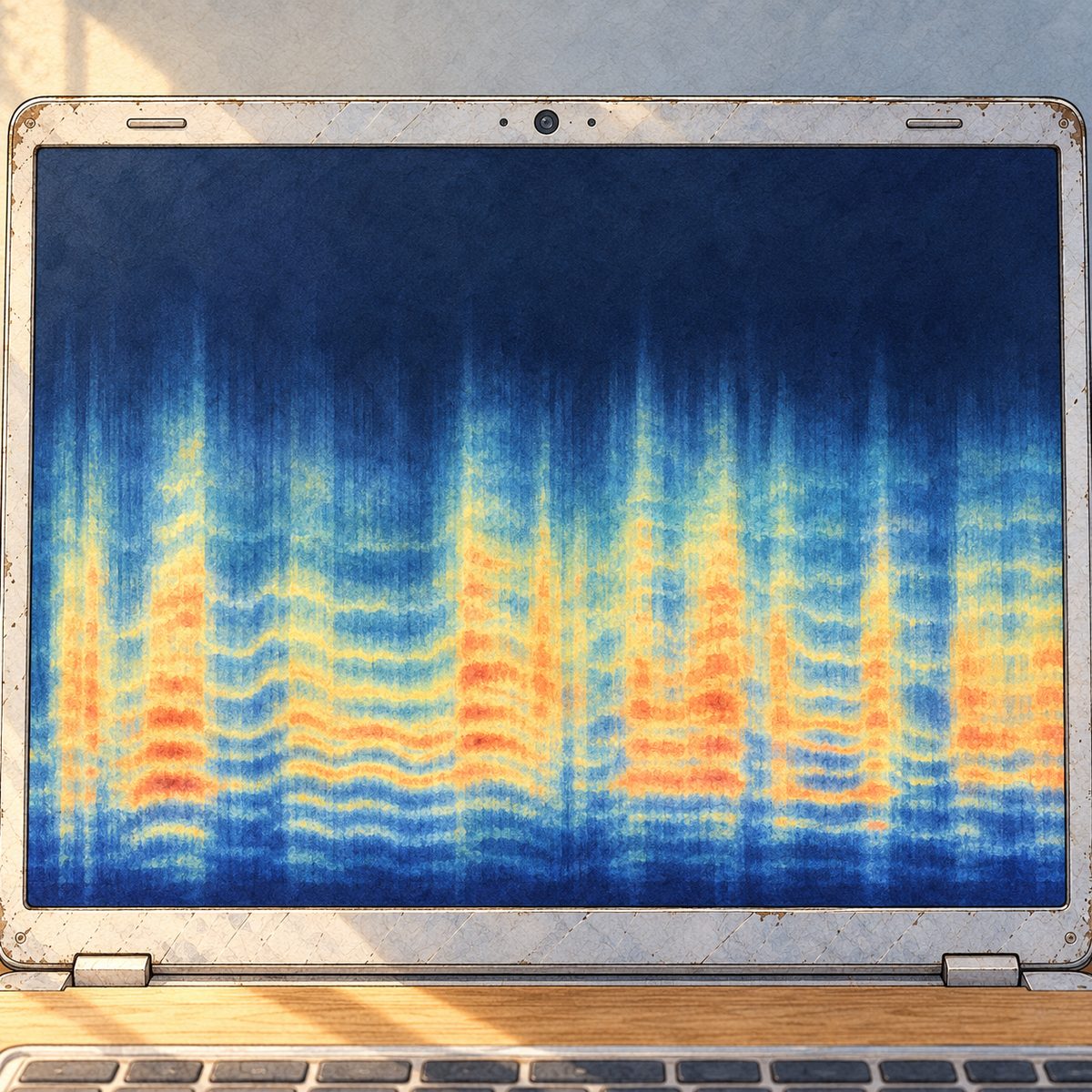
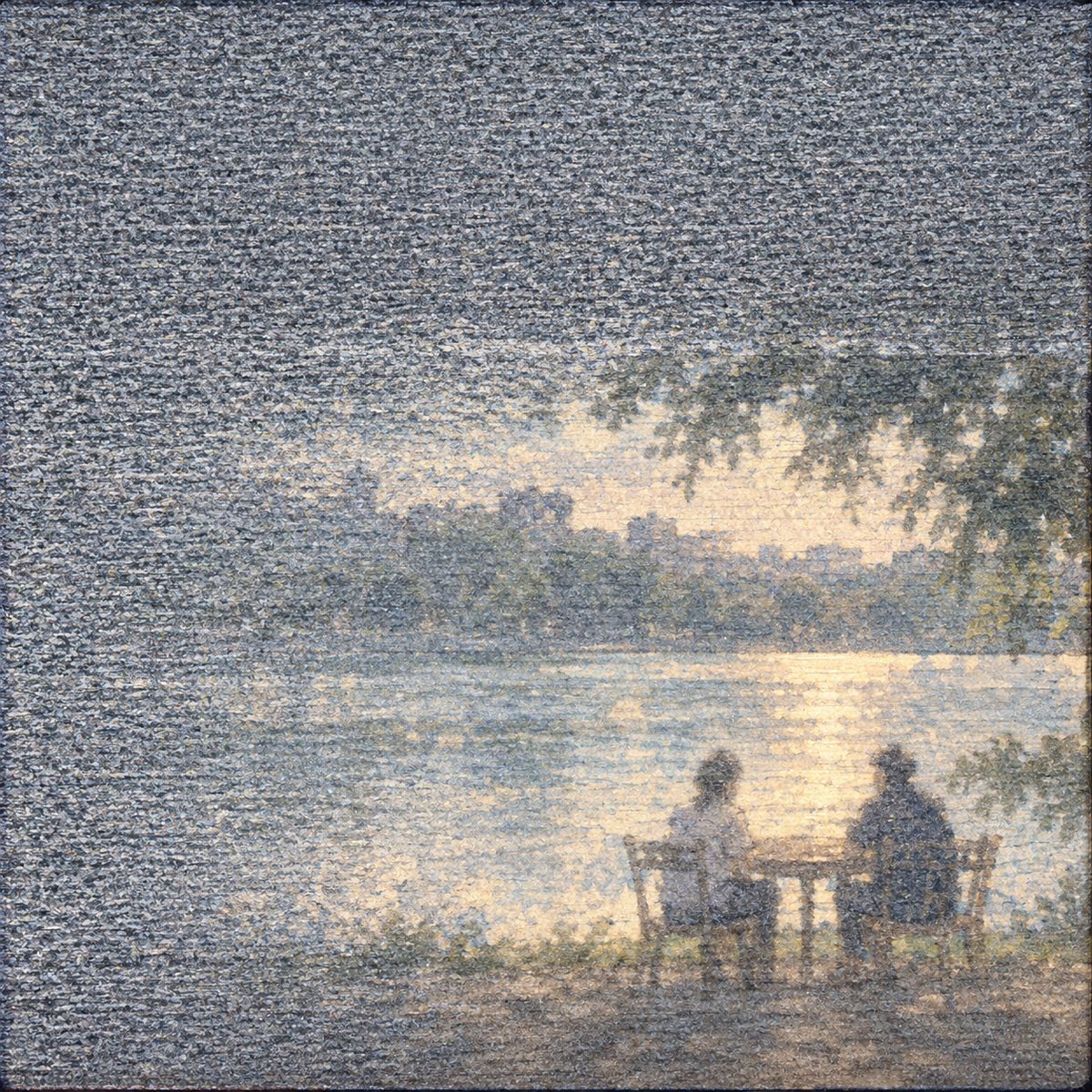
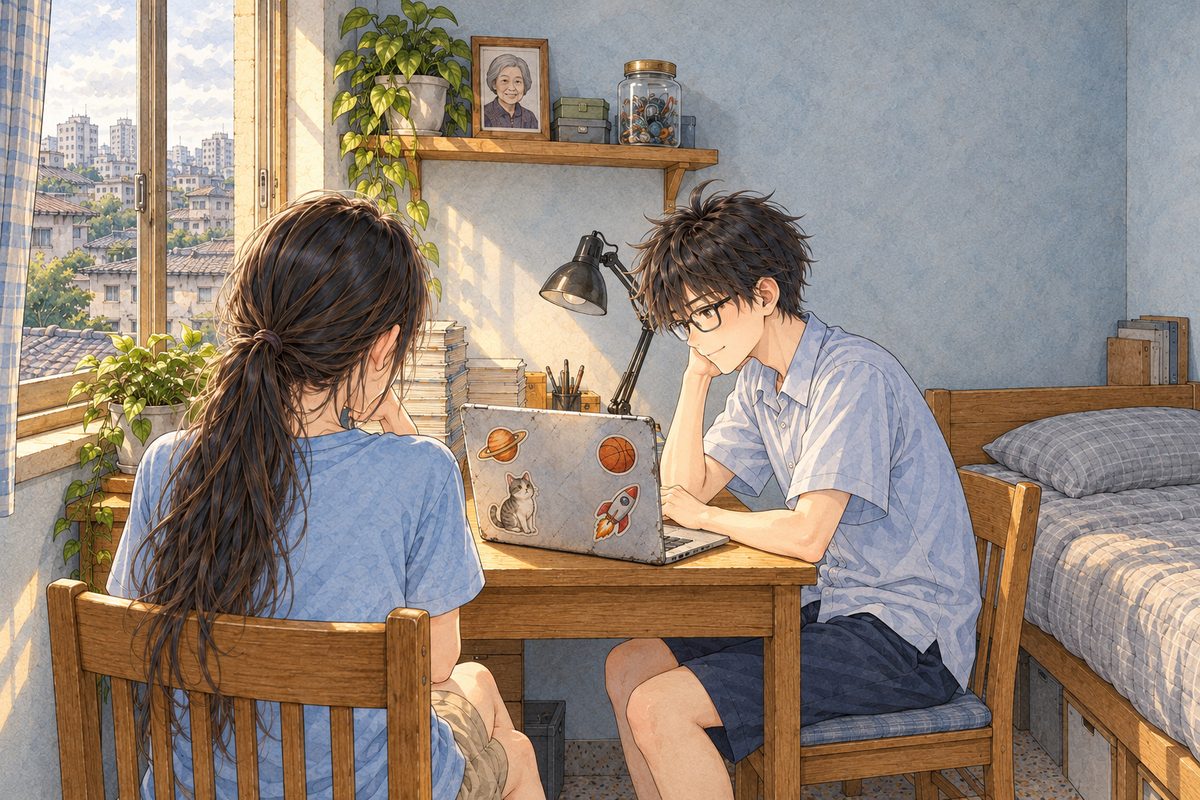
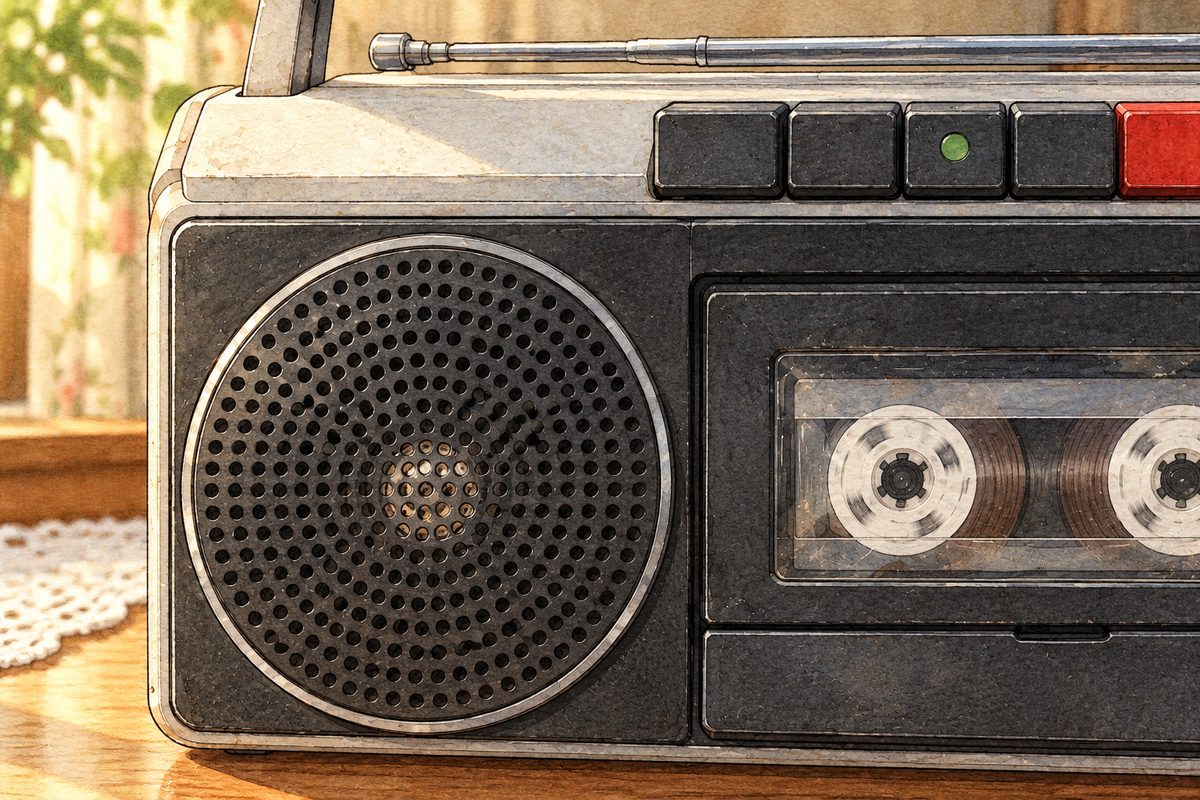
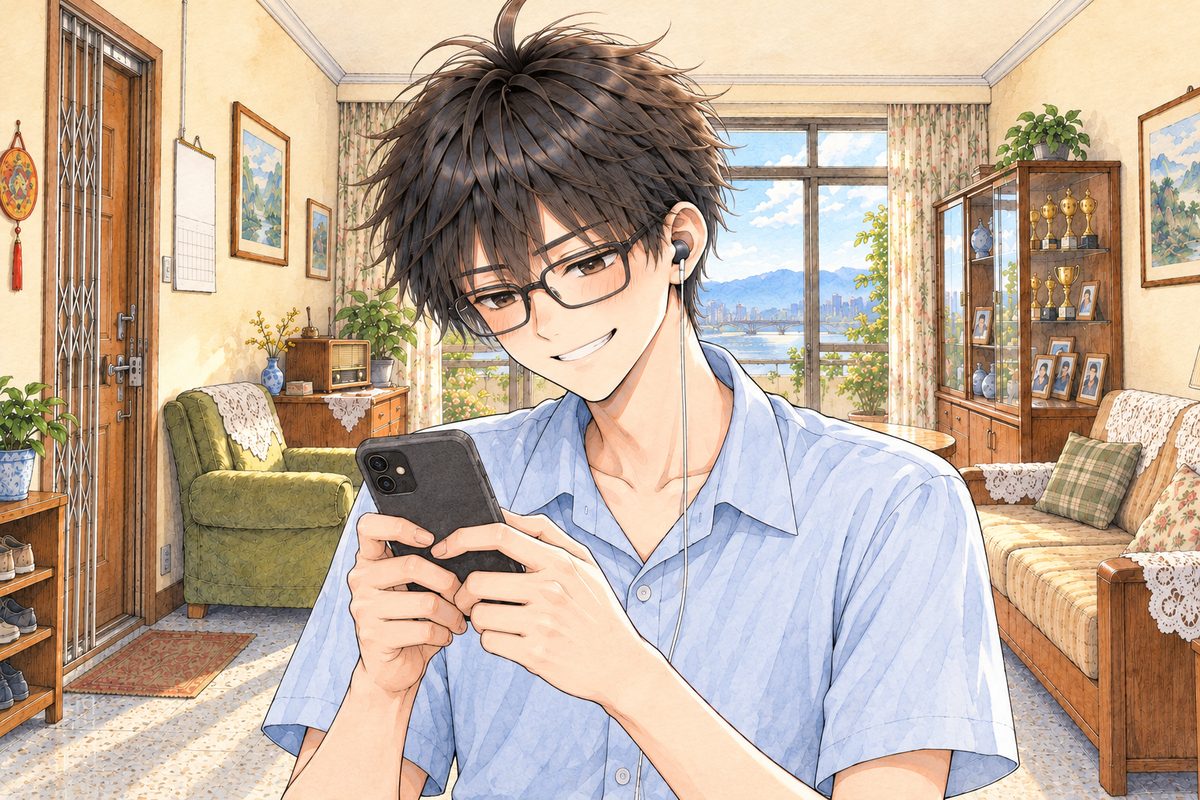
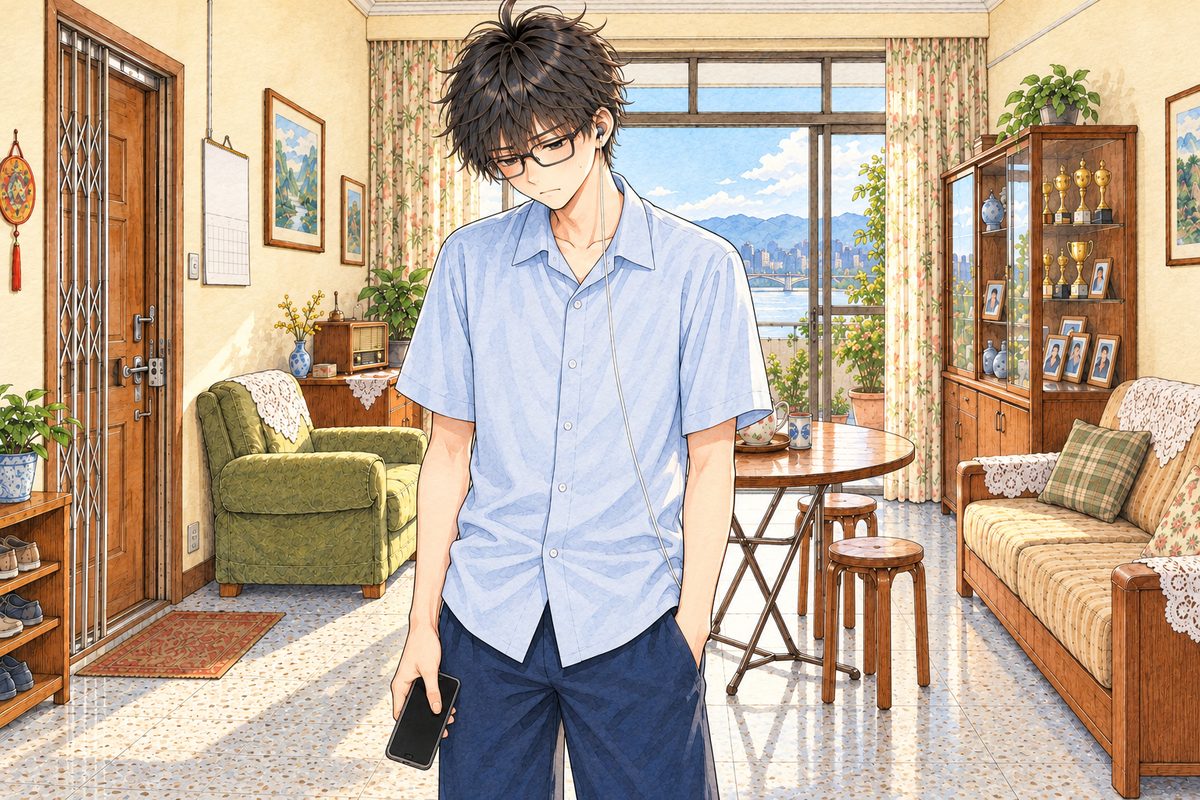
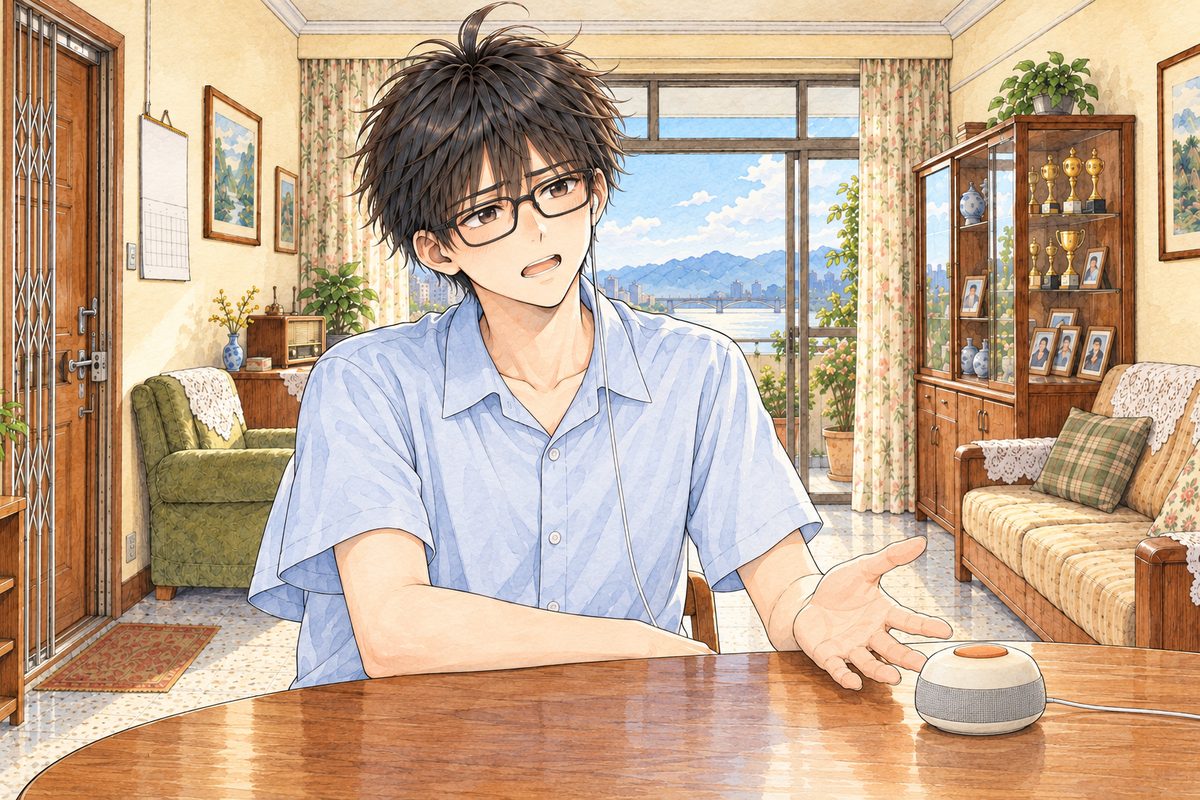
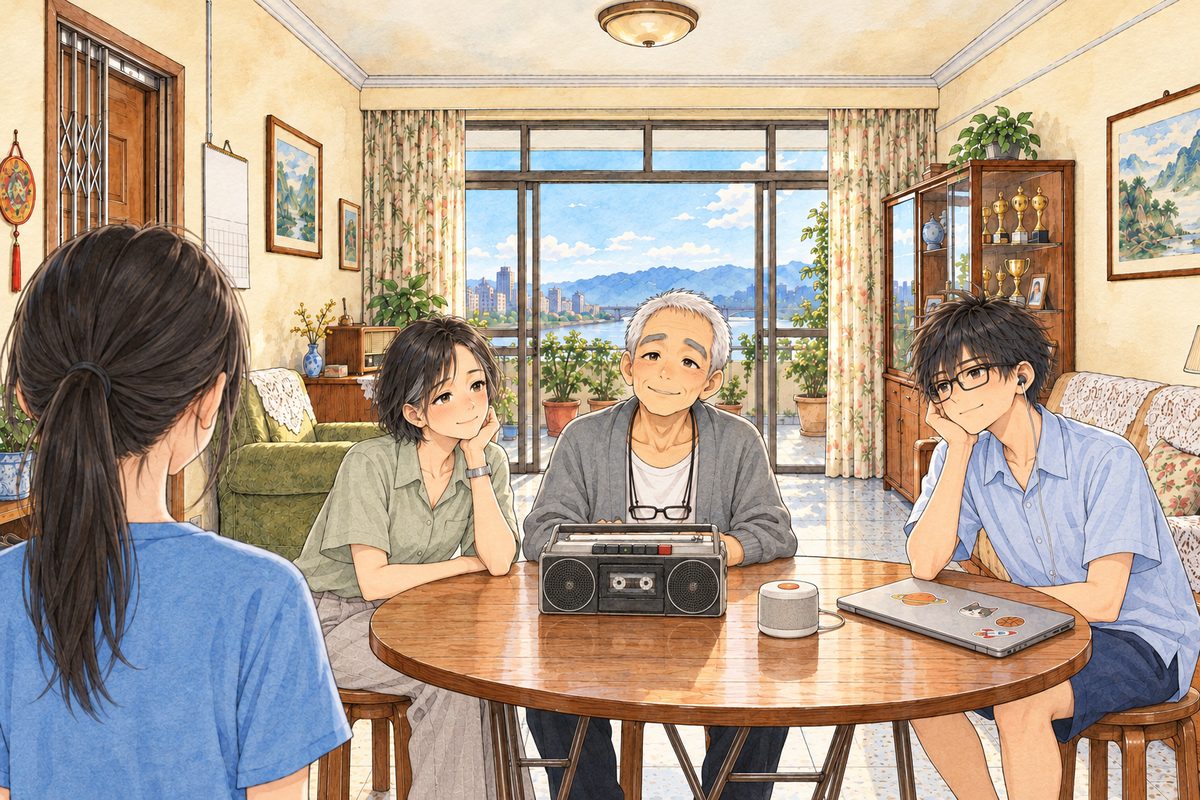
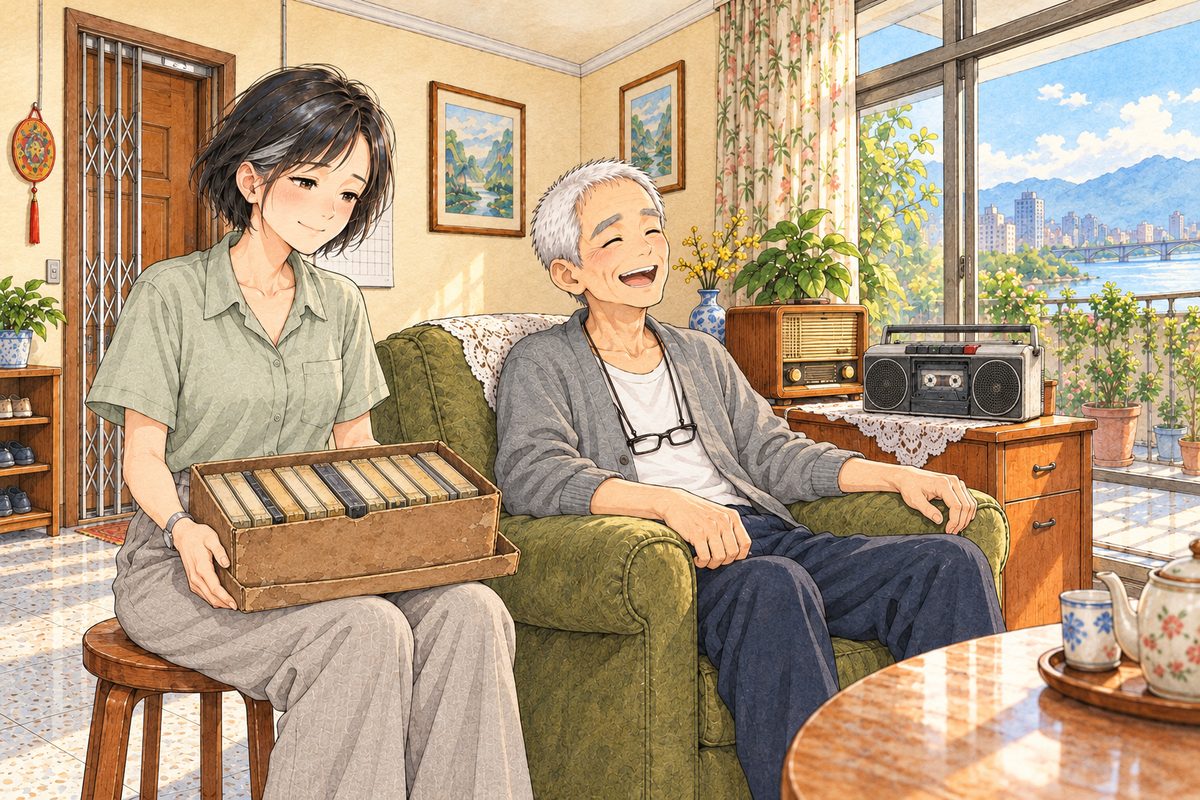
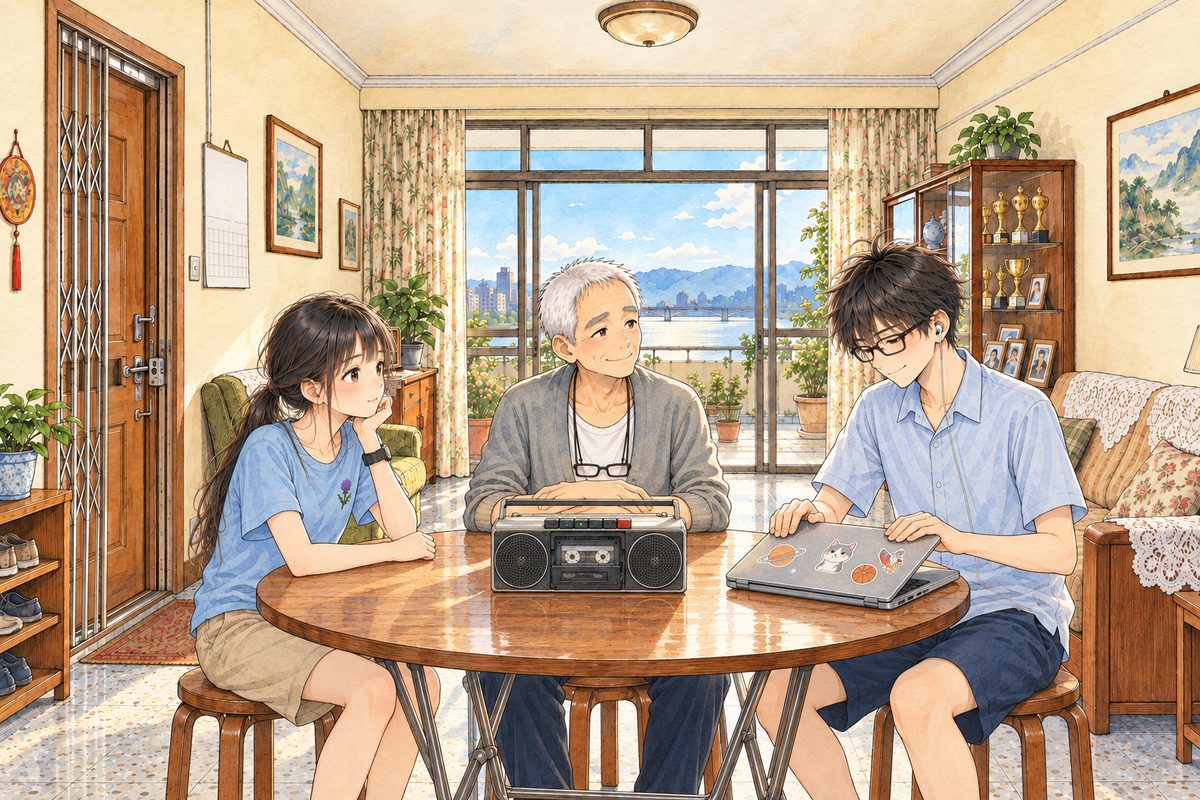
On page 5 Haoran explains how he made Grandma's voice. In earlier chapters the machines answered "what is this?" or "what comes next?". A generative model does something else. It learns from many examples, then makes new ones that look or sound like them. Sound is a list of numbers, thousands of them every second. A voice program learns the patterns in those numbers and makes new sound a tiny piece at a time. In 2016 a system called WaveNet did this and sounded far more natural than the speech programs before it. It is a little like a language model writing one word at a time. It does not glue pieces of old recordings together, which is why Haoran says every note is new.
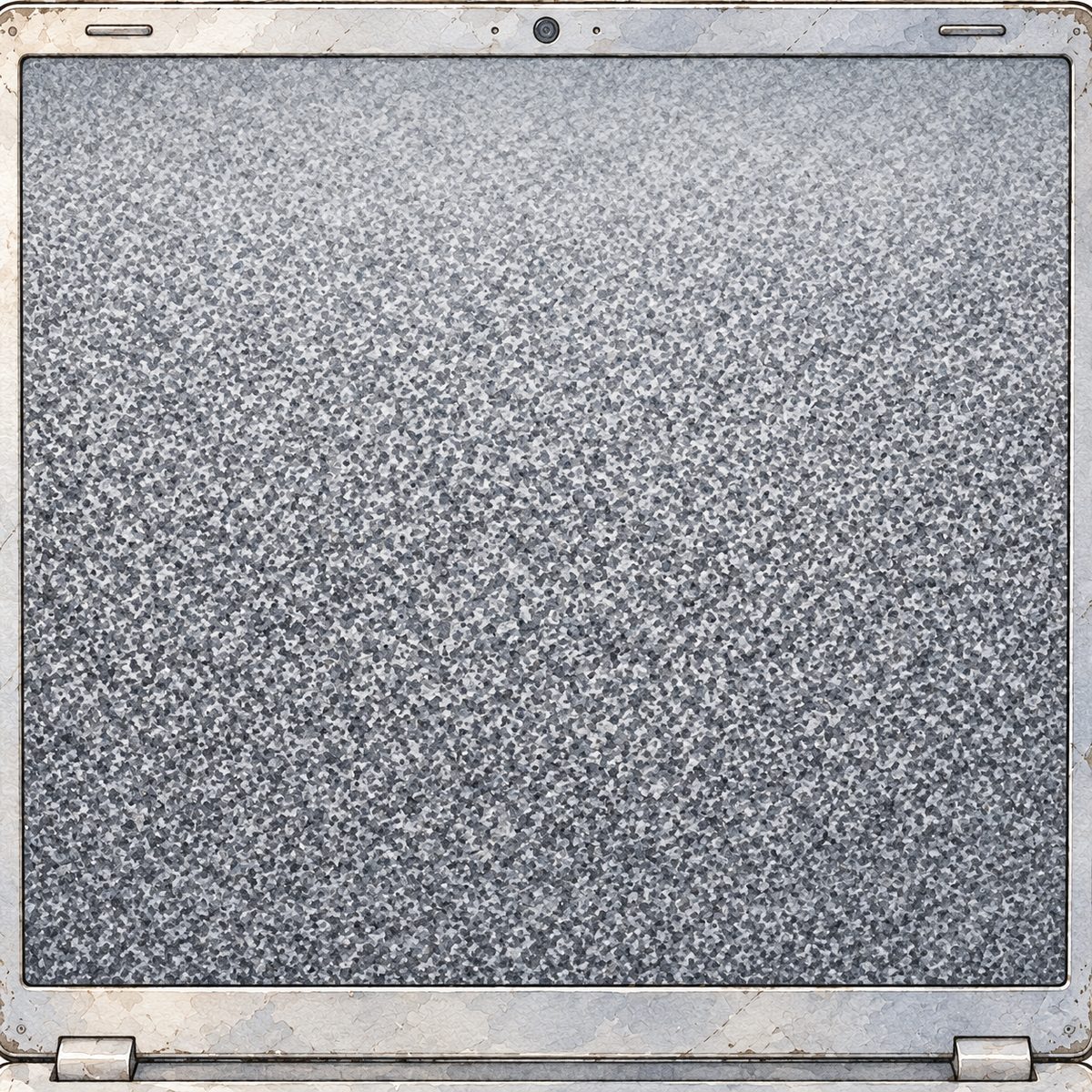
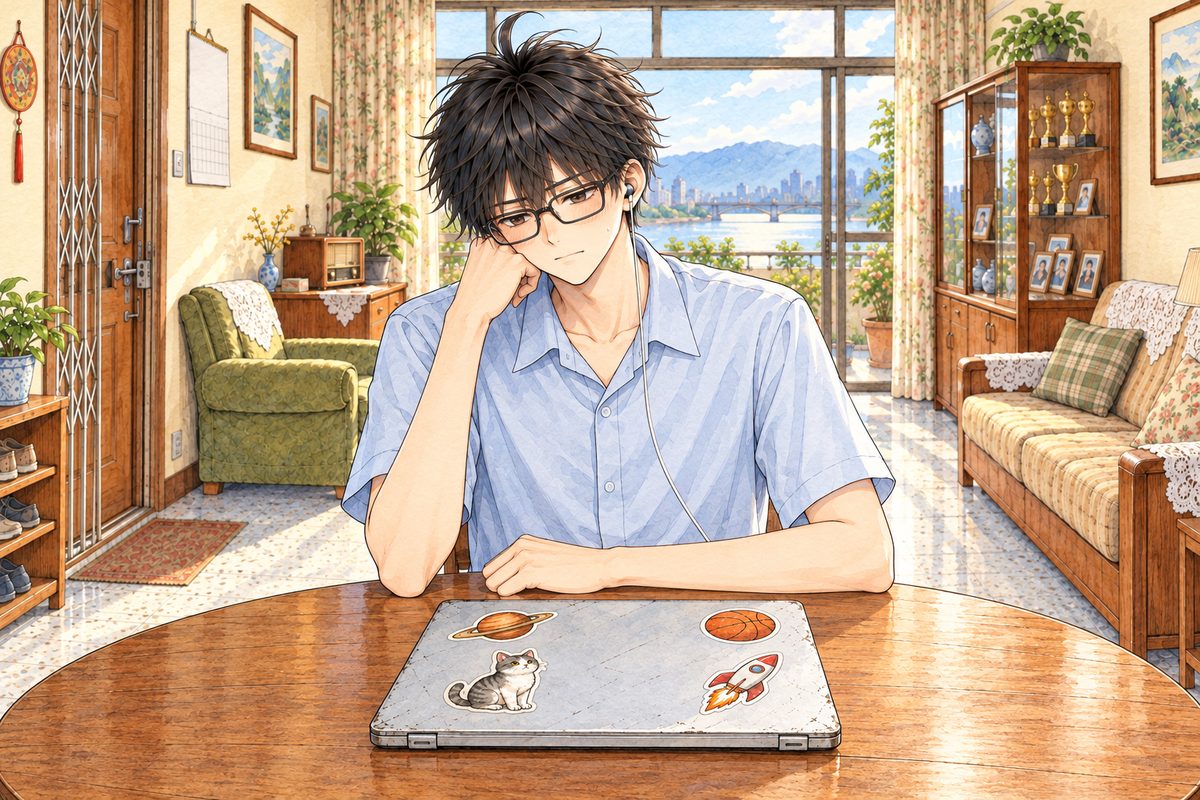
On page 6 a picture grows out of grey snow. A picture program is trained by taking real pictures and adding noise to them, step by step, until only static is left, and learning to guess the noise that was added. To make a new picture it starts from pure static and takes a little away at each step. Each start gives a different picture. The words you type are turned into numbers that nudge every step, and a setting decides how strictly the program follows them. Many systems work on a squeezed-down version of the picture to save time. They learn from hundreds of millions to billions of pictures with captions, collected from the web.
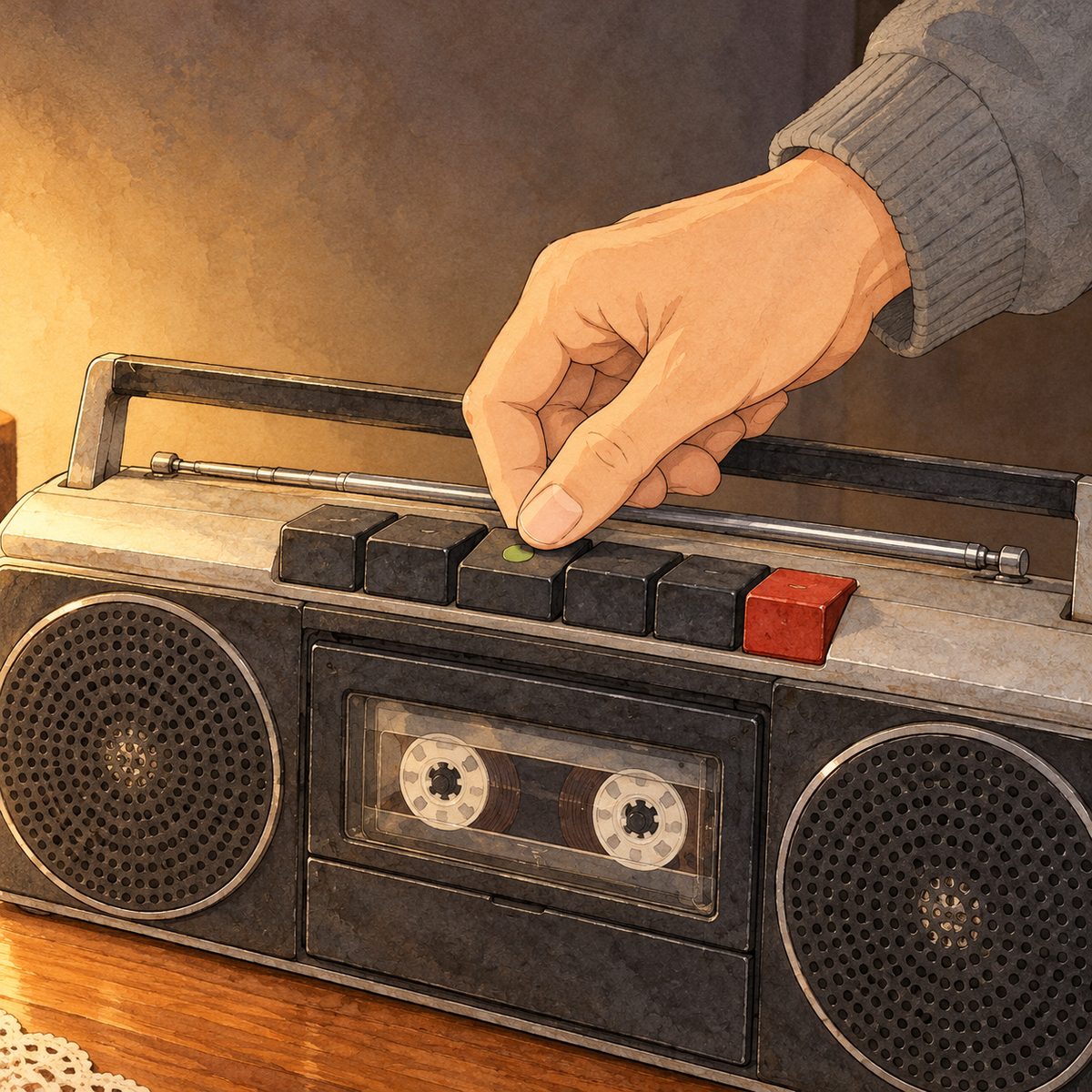
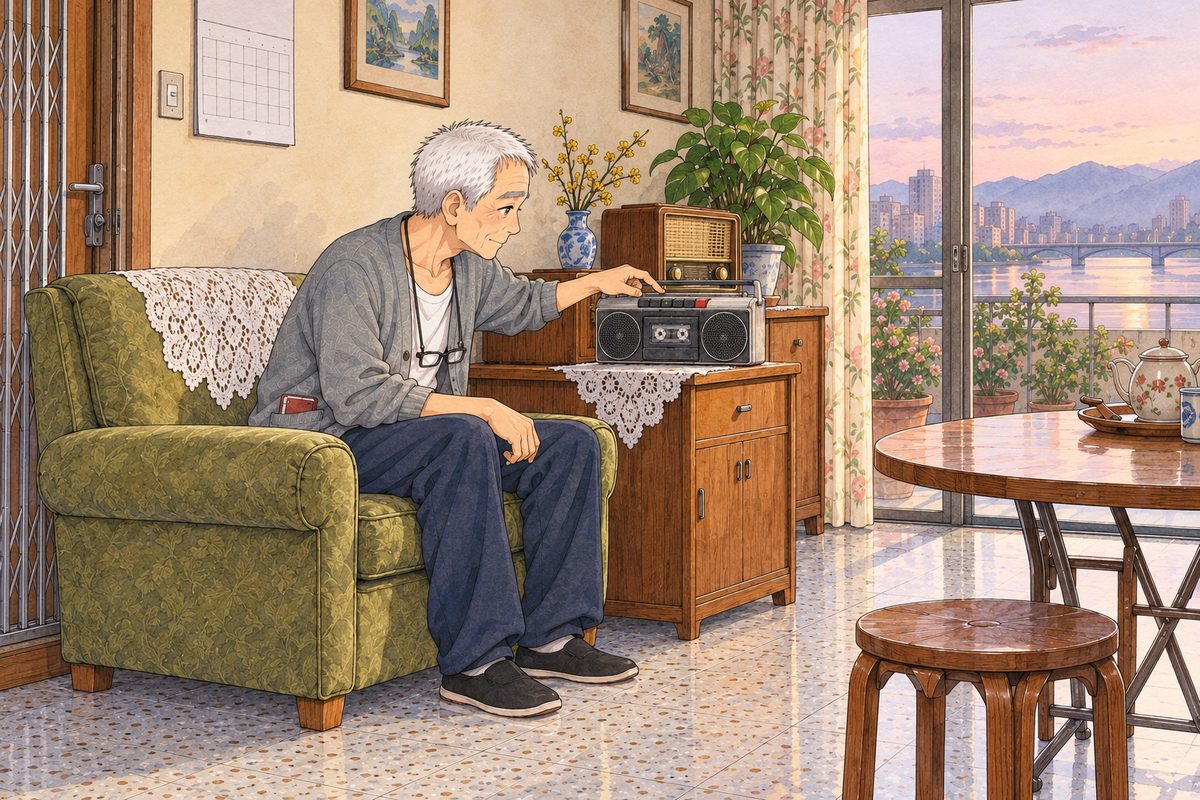
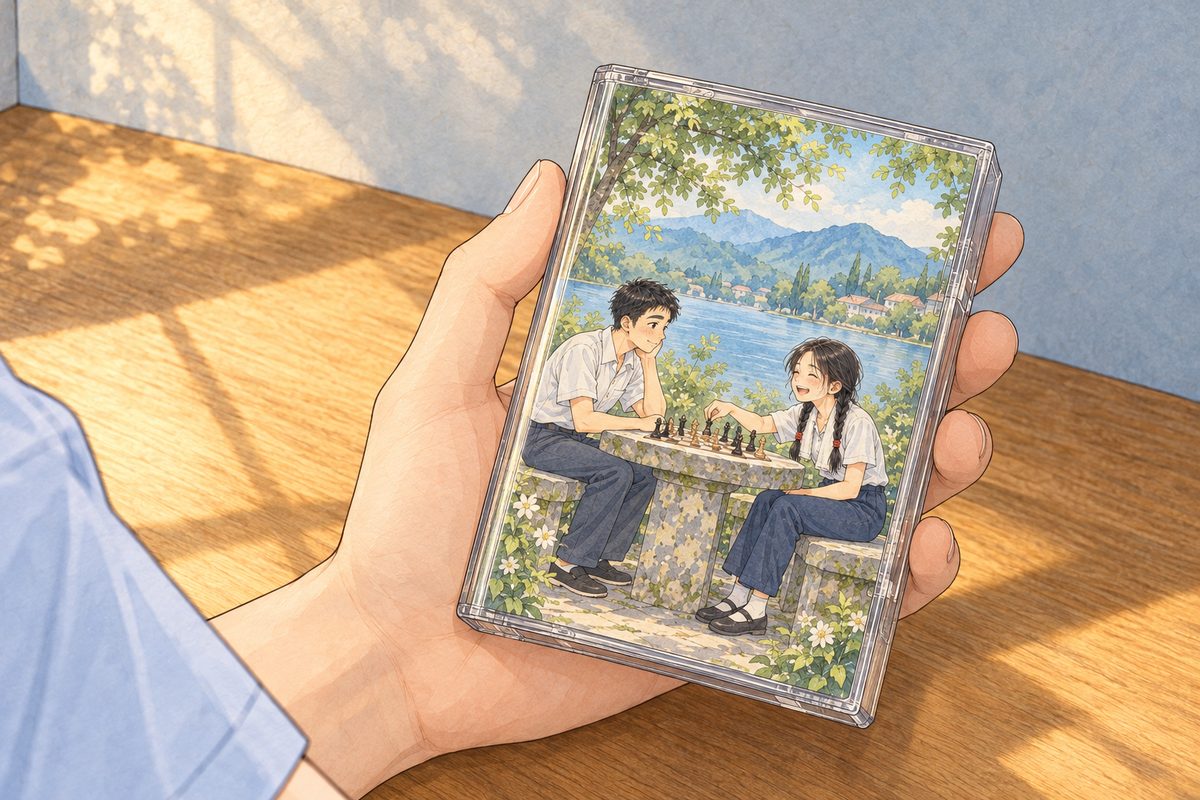
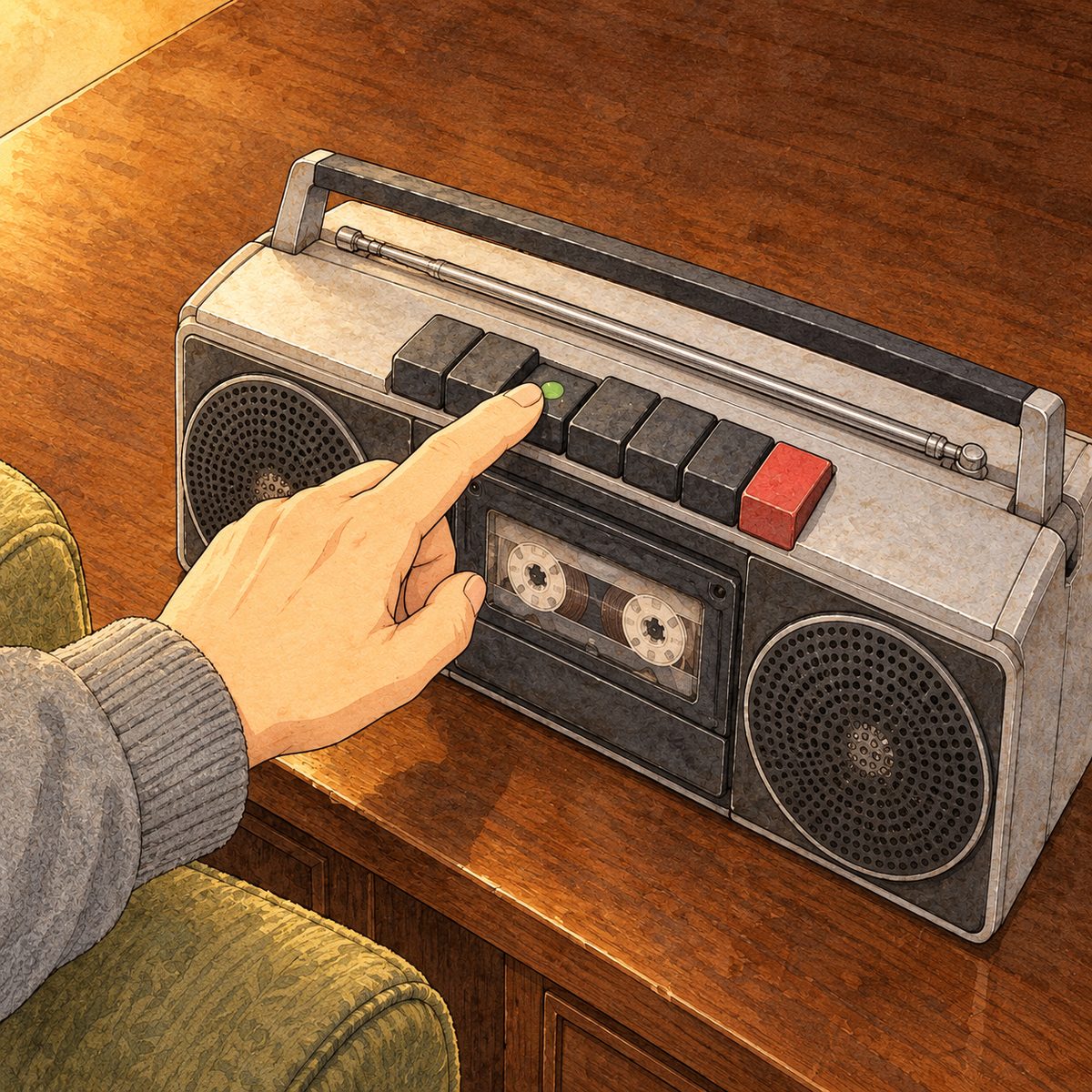
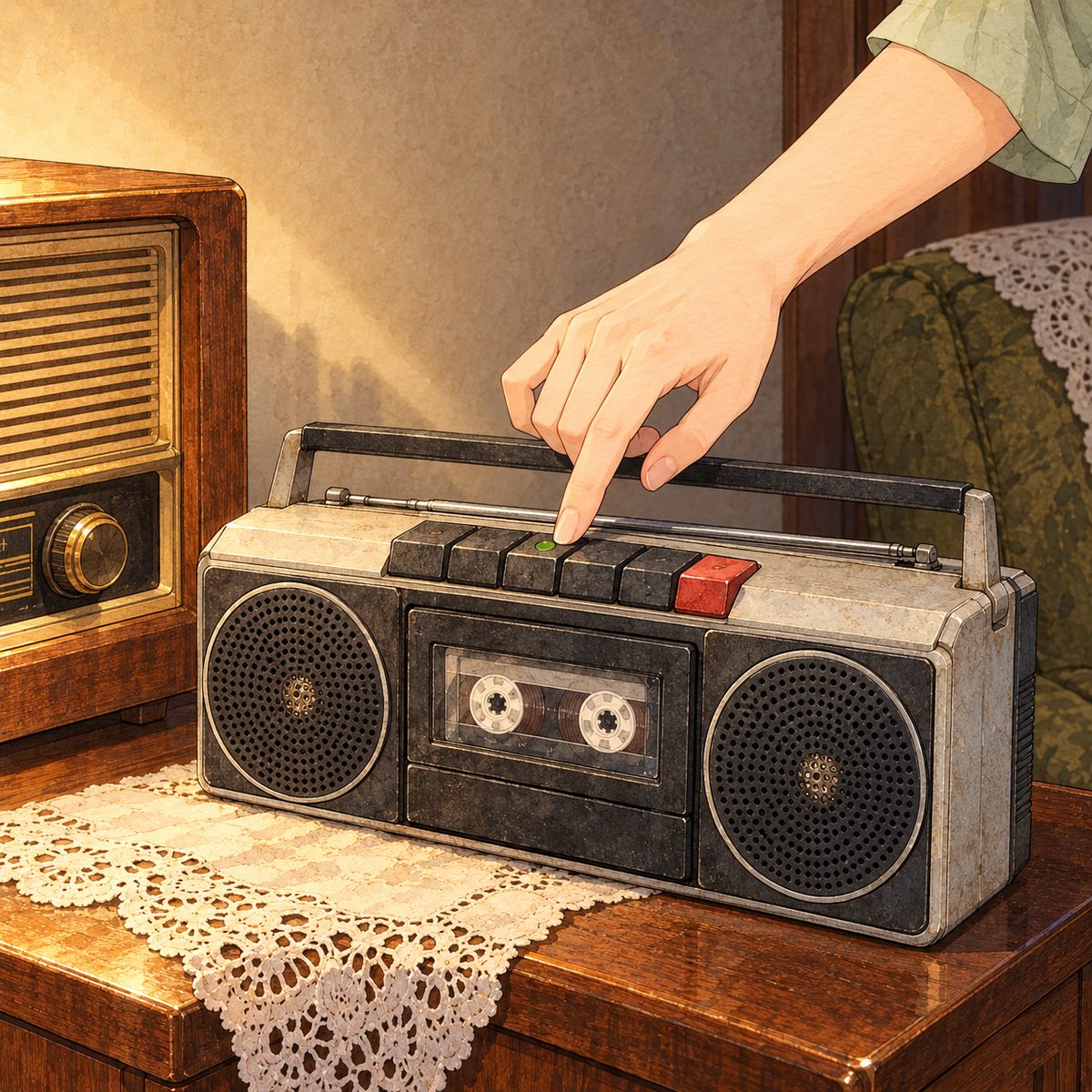
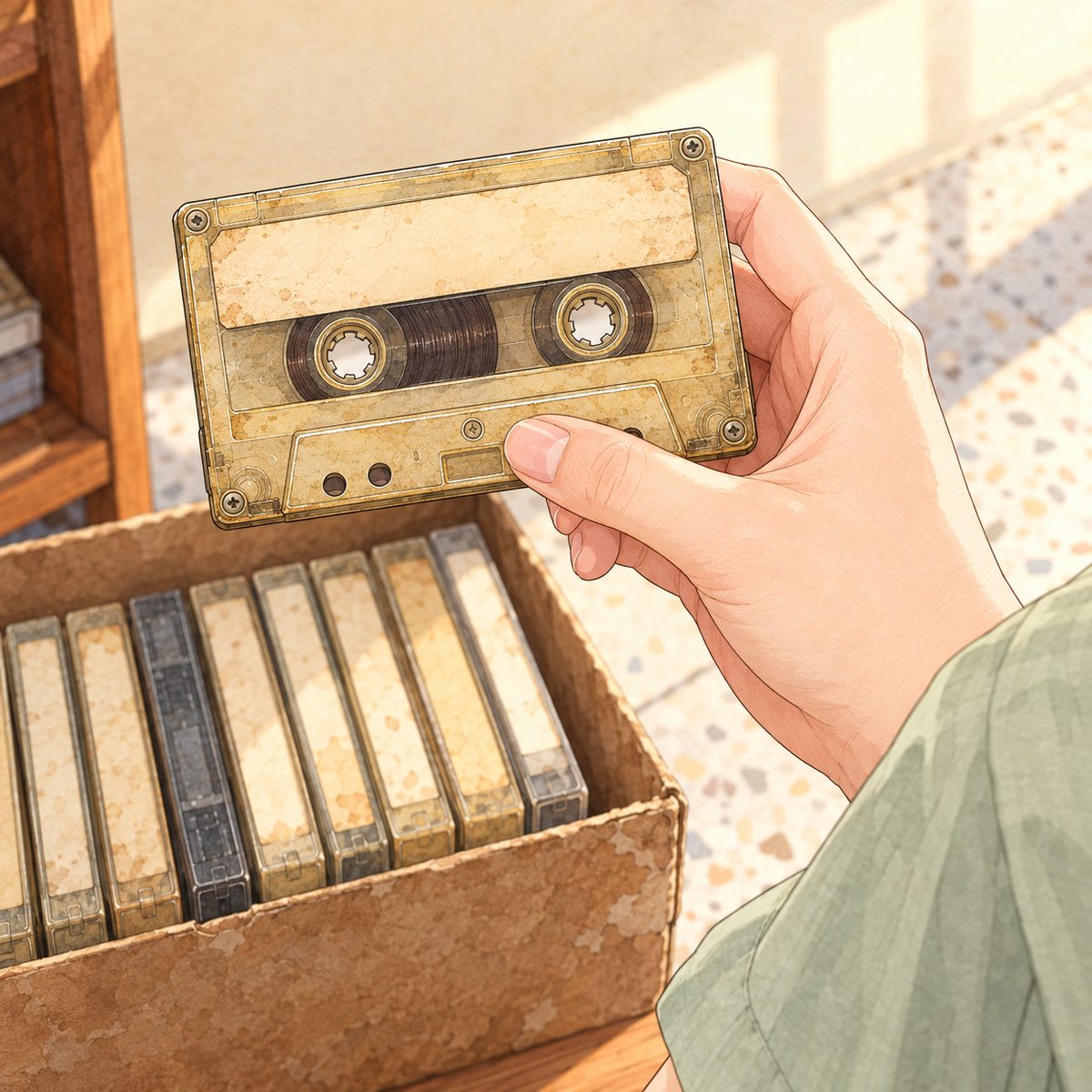
On page 7 twelve minutes of tape is enough. By now speech systems use transformers and diffusion-like methods, and they can imitate a particular voice from a short recording. Twelve minutes is the story's number, not a rule. What matters is how little it takes.
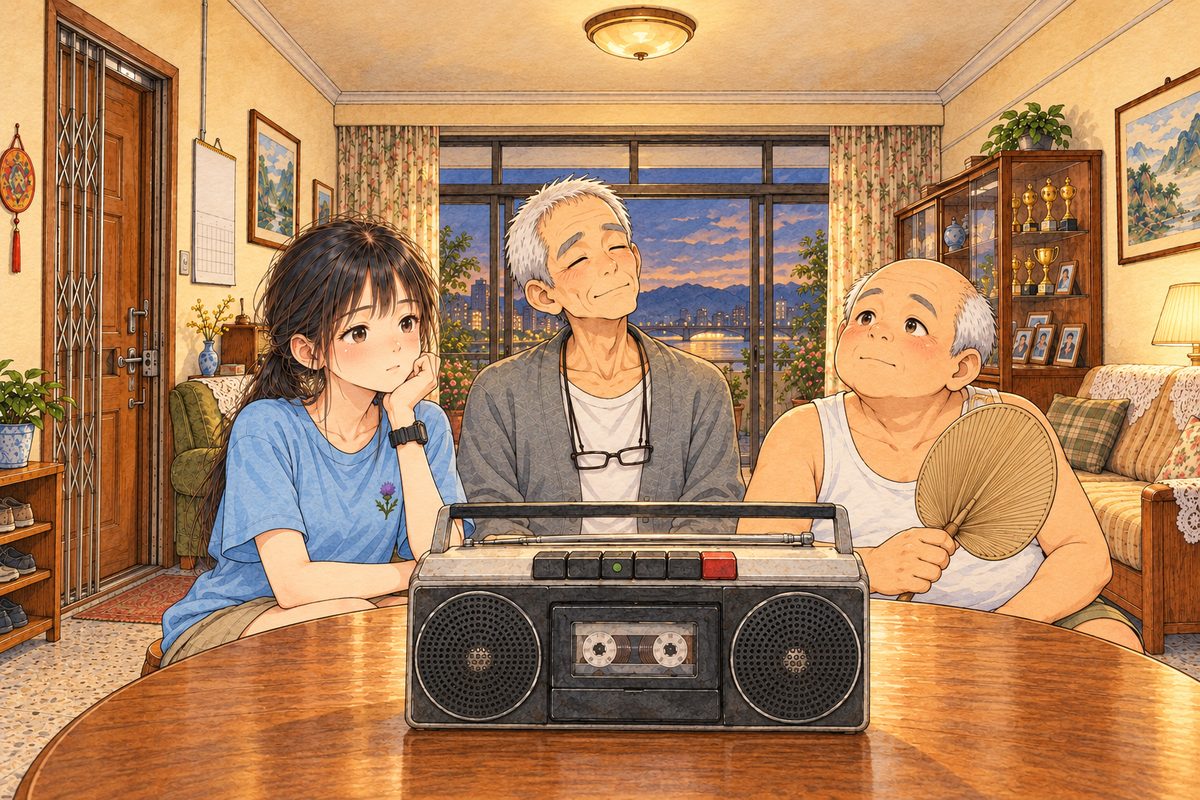
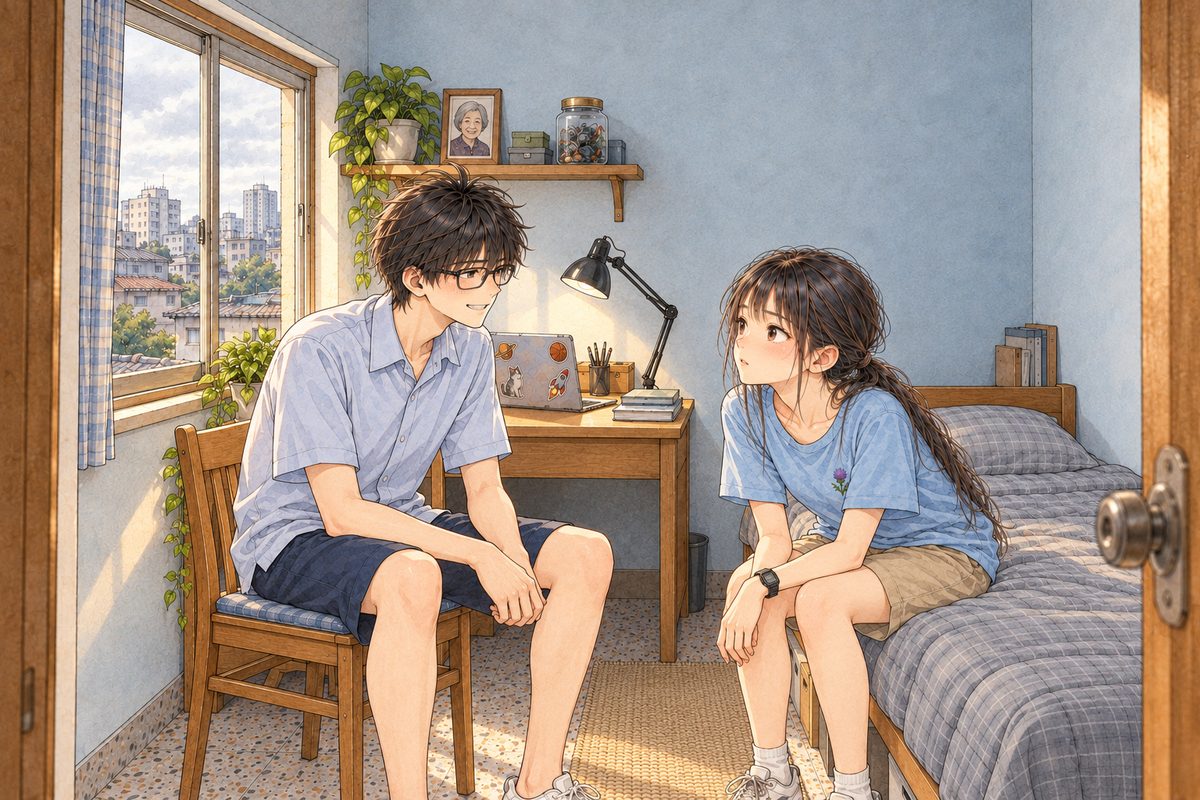
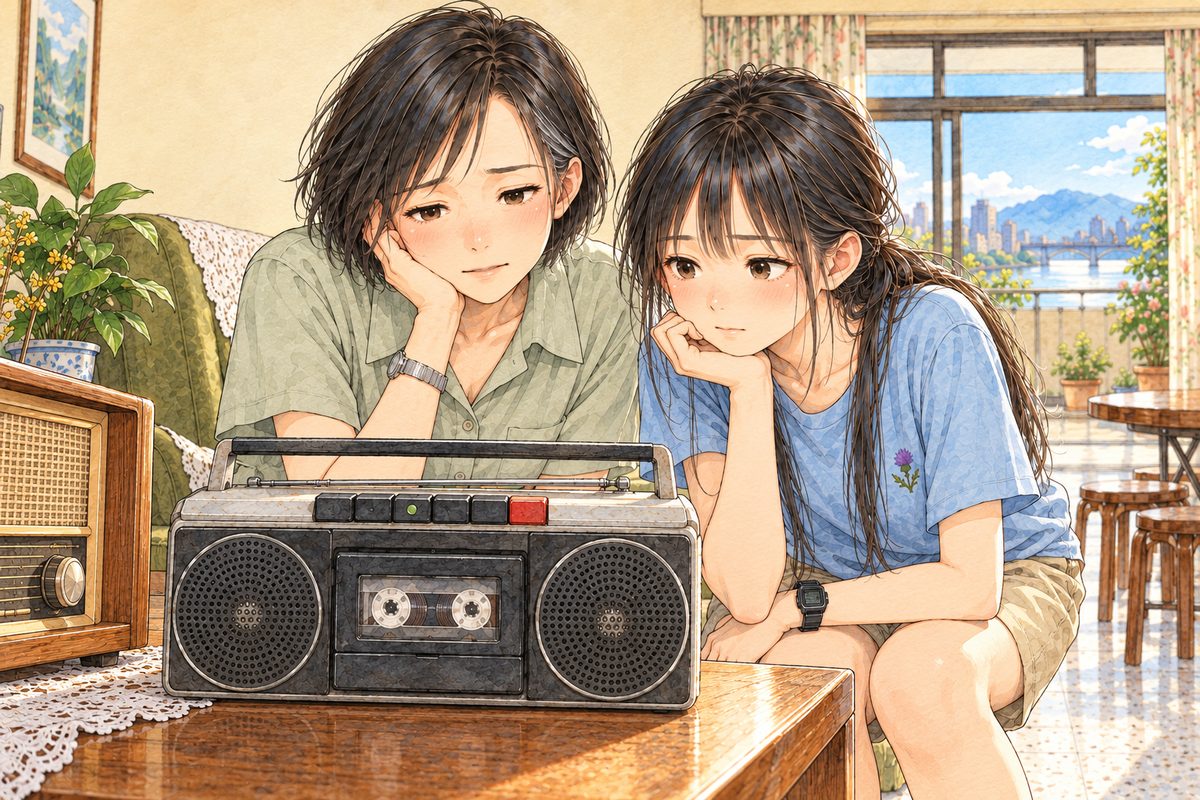
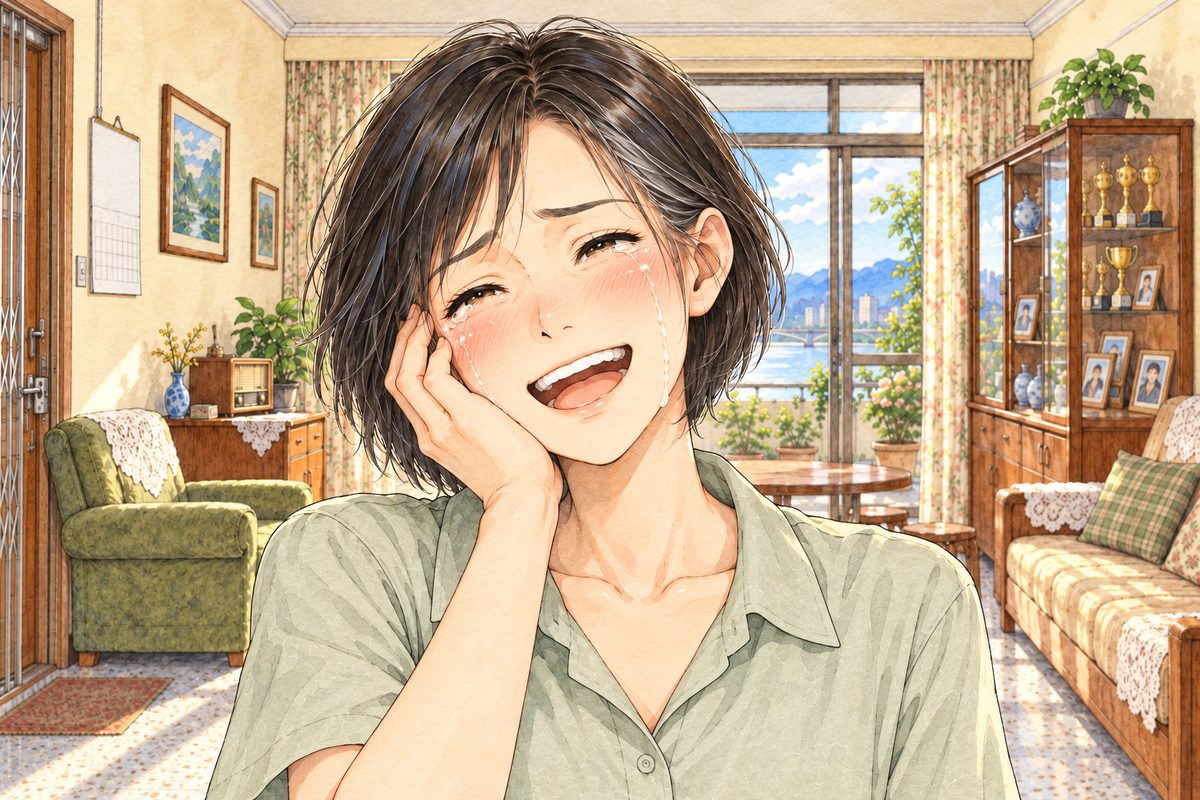
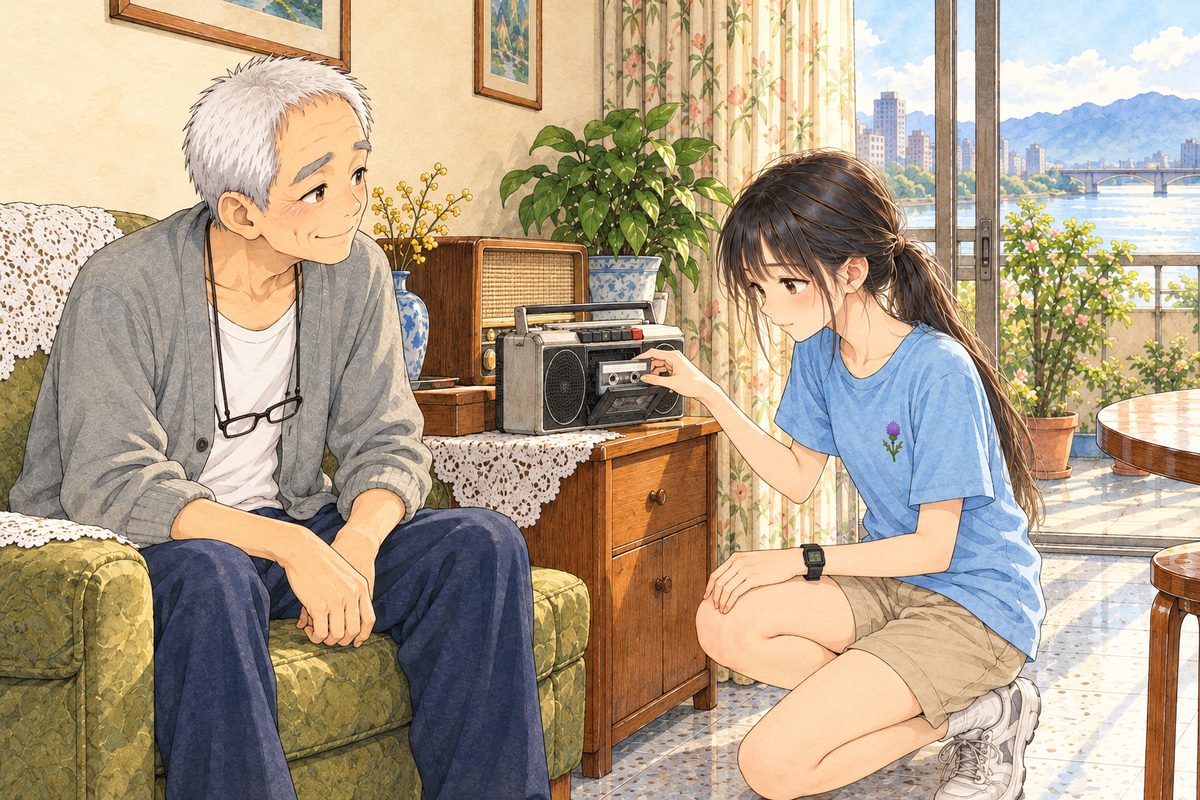
On page 13 the machine sings perfectly and Meilan sang flat. That detail belongs to the story, but the idea is real. The program learned what voices and singing in general sound like, from many voices, and learned Meilan's sound from twelve minutes. So it made a voice like hers singing the way people usually sing. It knew what voices sound like and had not learned her. It is wrong, too, to say a picture model never copies. In 2023 Carlini and colleagues showed that diffusion models can reproduce a few of their training pictures almost exactly, mostly pictures that appeared many times.
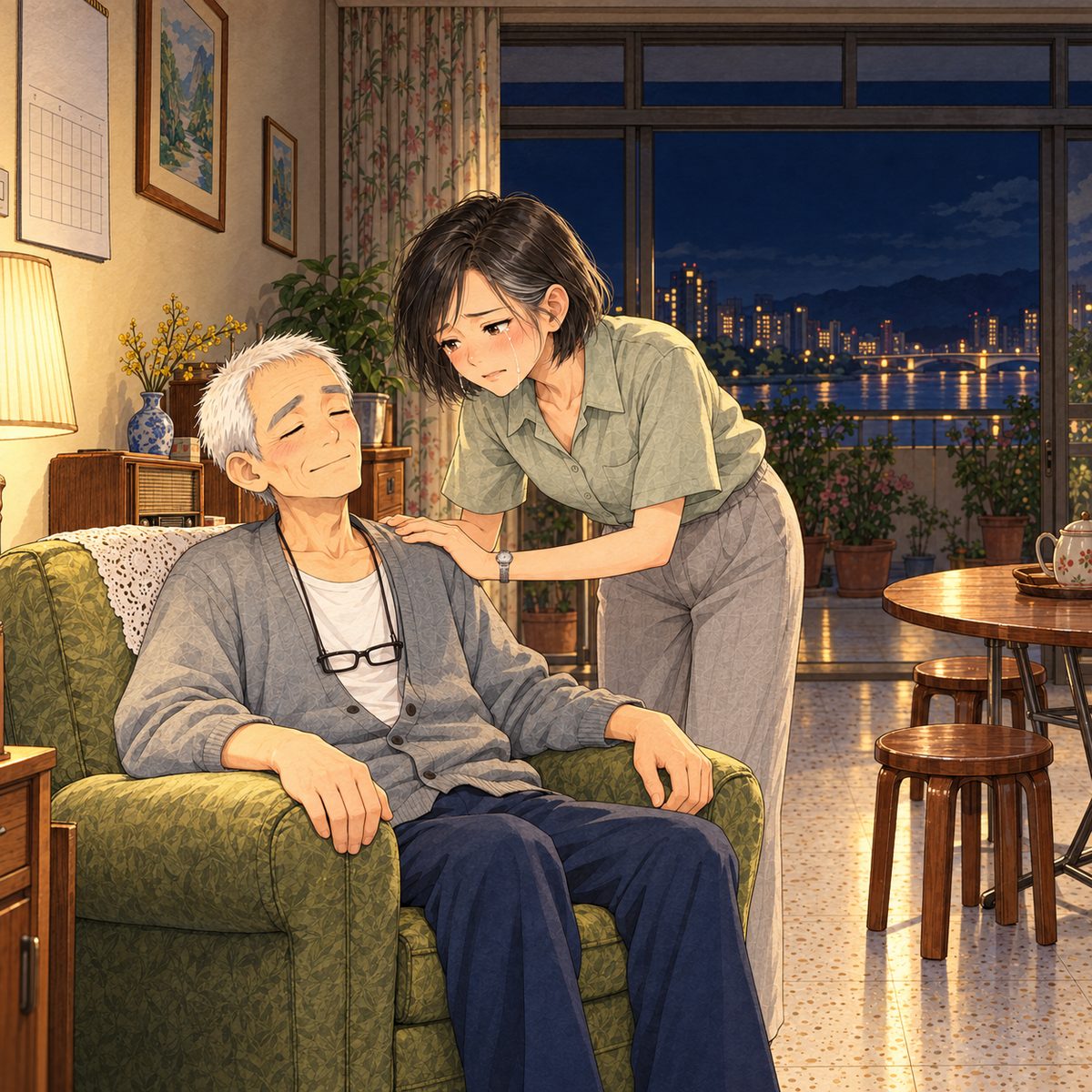
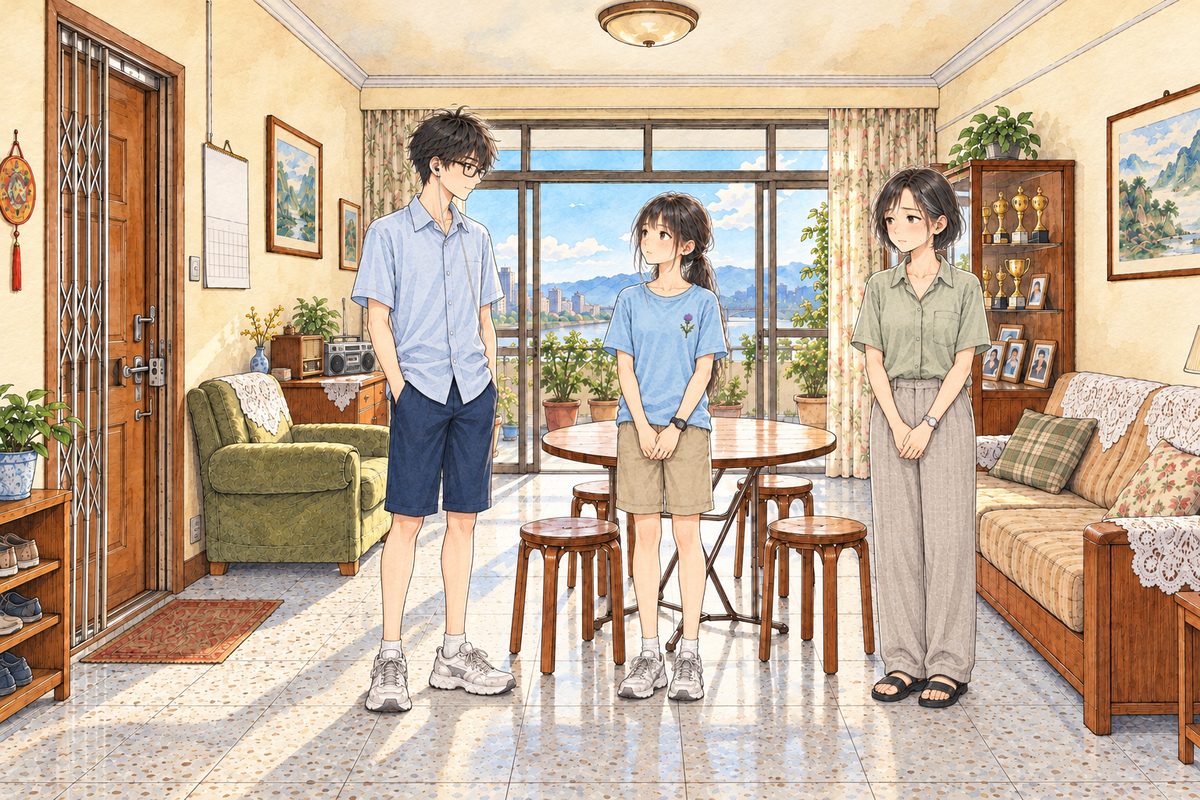
On pages 14 and 16 the same tools make fakes of real people. Grandma could not have said "Huihui, Mama is proud of you", and a program said it in her voice in two seconds. Fakes of this kind are called deepfakes. They fool people, and they also give liars a new excuse, because anyone can now say that a true recording is fake. Researchers call this the liar's dividend.
On page 16 Mama and Xiaoyu choose a family password. This is a real and simple defence. Families and companies agree on a secret word, and anyone who rings and asks for money has to say it first. A voice on the phone proves nothing any more.
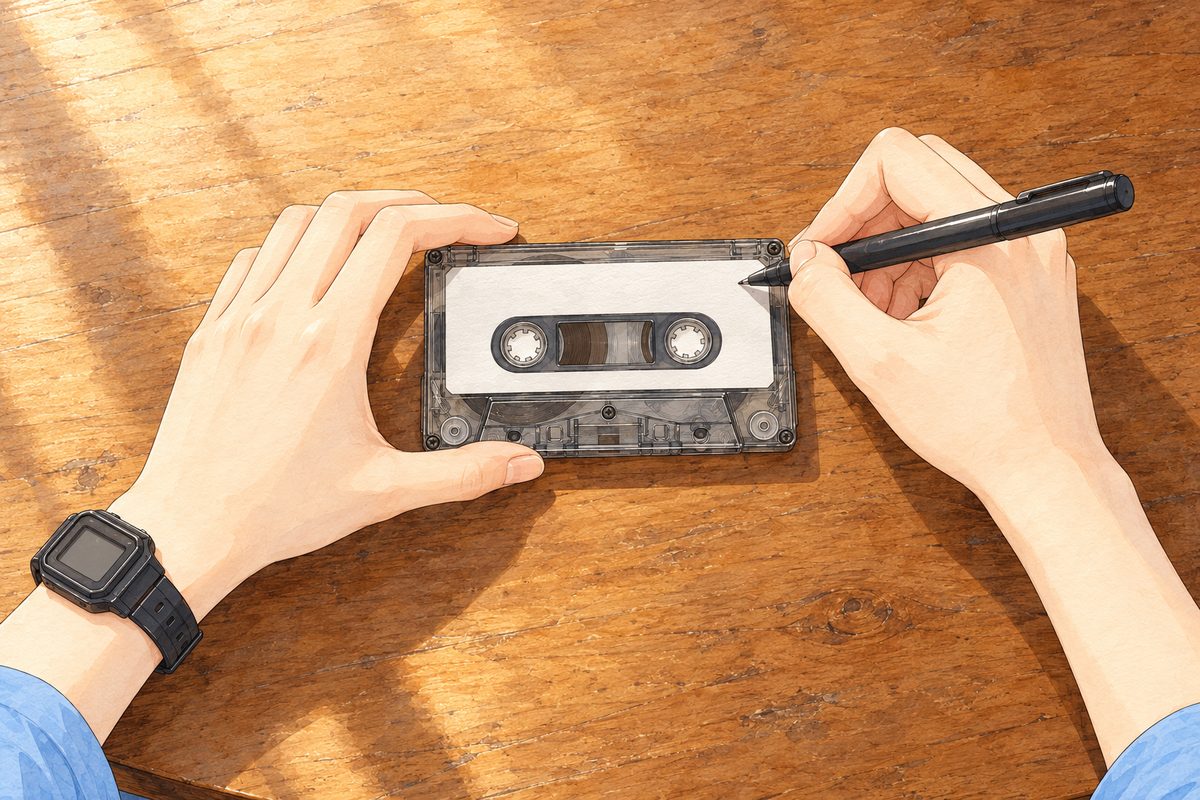
On page 18 the tape gets a label, and Haoran deletes the file. Some cameras and apps now attach a signed record of how a picture or recording was made. Some programs hide a mark in what they make. Some laws now say that made content must be labelled, and that people must be told when they are talking to a machine. Tools that try to spot fakes help, but they work imperfectly. The oldest check still matters most. Where did it come from, and who says so?
What is true here
A forger and a detective
In 2014 Ian Goodfellow and colleagues described a way to make pictures with two networks. One made images from random numbers, and the other tried to tell the real ones from the made ones. The paper compares them to counterfeiters and police. By the late 2010s the faces they made looked strikingly real. They were hard to train, and since about 2021 diffusion has largely replaced them for high-quality images.
An idea from physics
The snow idea came from physics. Sohl-Dickstein and colleagues had it first, in 2015. In 2020 Ho, Jain and Abbeel made it work really well. Song and Ermon in 2019, and Song and colleagues later, found a related way to see the same thing.
Hands and counting
Made pictures often get counting, hands, writing on signs and how things fit together wrong. The model learned what pictures look like, not how the world is built. They are much better every year and not yet perfect. The painters of this manga meet the same trouble, and every picture is checked finger by finger.
Voices before
WaveNet in 2016 made raw sound one tiny sample at a time. In 2018 Tacotron 2 turned text into a picture of sound, then turned that into a voice. On the other side, recognising speech, Whisper in 2022 learned from 680,000 hours of audio with typed words.
Real fakes
In early 2024 a finance worker at the engineering firm Arup in Hong Kong sent 200 million Hong Kong dollars, about 25.6 million US dollars, after a video call in which the finance chief and other colleagues were all deepfakes. In January 2024 robocalls with an imitation of President Biden's voice told New Hampshire voters not to vote, and the US Federal Communications Commission fined the consultant behind them 6 million dollars.
Saying what is made
The labels that show a recording was made by a machine are still new, and not every program adds them. Hidden marks can be damaged, and detectors make mistakes in both directions. The European Union's AI Act says that people must be told when they talk to an AI and that certain made content must be marked, from 2 August 2026.
Whose voice?
Much of the data used to teach these programs was collected without asking, and many people feel it should have been their choice. A voice is part of a person. Whether you may copy it is a question of consent, and the law is still being written.
SourcesGoodfellow and colleagues (2014), Generative adversarial networks.Dhariwal and Nichol (2021), Diffusion models beat GANs on image synthesis.Sohl-Dickstein and colleagues (2015), Deep unsupervised learning using nonequilibrium thermodynamics.Ho, Jain and Abbeel (2020), Denoising diffusion probabilistic models.Song and Ermon (2019), Generative modeling by estimating gradients of the data distribution.Rombach and colleagues (2022), High-resolution image synthesis with latent diffusion models.Ho and Salimans (2022), Classifier-free diffusion guidance.Schuhmann and colleagues (2022), LAION-5B.Carlini and colleagues (2023), Extracting training data from diffusion models.van den Oord and colleagues (2016), WaveNet, a generative model for raw audio.Shen and colleagues (2018), Natural TTS synthesis by conditioning WaveNet on mel spectrogram predictions.Radford and colleagues (2022), Robust speech recognition via large-scale weak supervision.Chesney and Citron (2019), Deep fakes, a looming challenge for privacy, democracy, and national security.CNN (2024), British engineering giant Arup revealed as $25 million deepfake scam victim.Federal Communications Commission (2024), Forfeiture order on the New Hampshire robocalls.European Union (2024), the Artificial Intelligence Act (Article 50).
What is pretend
Bridge City, Xiaoyu, Grandpa Chen, Grandma Meilan, Mama, Haoran, Uncle Wu, Haoran's father and Ms Hart are made up. So are Meilan's tapes and her flat singing, Grandpa's song "The Moon on the Lake", the tape player and the radio factory, Haoran's voice program, the twelve minutes, the picture of 1975, Lantern, the flight and the family password. The story is set a few years from now. Grandpa's memory is drawn from no one in particular, and the story makes no medical claim. Whether a made voice of someone who has died helps or hurts is something families weigh, and there is no single right answer. Copying a real person's voice without their say-so raises real questions of consent, and in this story Grandma could not be asked.
Who made this
Yingying Fu created this manga. She chose the story and its people, directed every page, and edited every word and picture. The words were drafted with Claude, an AI by Anthropic. The pictures are made with AI image generation, painted panel by panel from her direction and checked and corrected by hand.
 Chapter 1第一章What Counts as Clever什么才算聪明
 Chapter 2第二章Before the Machines机器之前
 Chapter 3第三章Rules and Habits规则和习惯
 Chapter 4第四章One Little Neuron一个小小的神经元
 Chapter 5第五章Learning from Mistakes从错误里学
 Chapter 6第六章Everything Is Numbers一切都是数字
 Chapter 7第七章Learning to See老吴
 Chapter 8第八章The Next Word下一个字
 Chapter 9第九章Attention注意力
 Chapter 10第十章The Helper助手
 Chapter 11第十一章A Voice from Tape磁带里的声音Reading now正在读