The ideas, a little slower
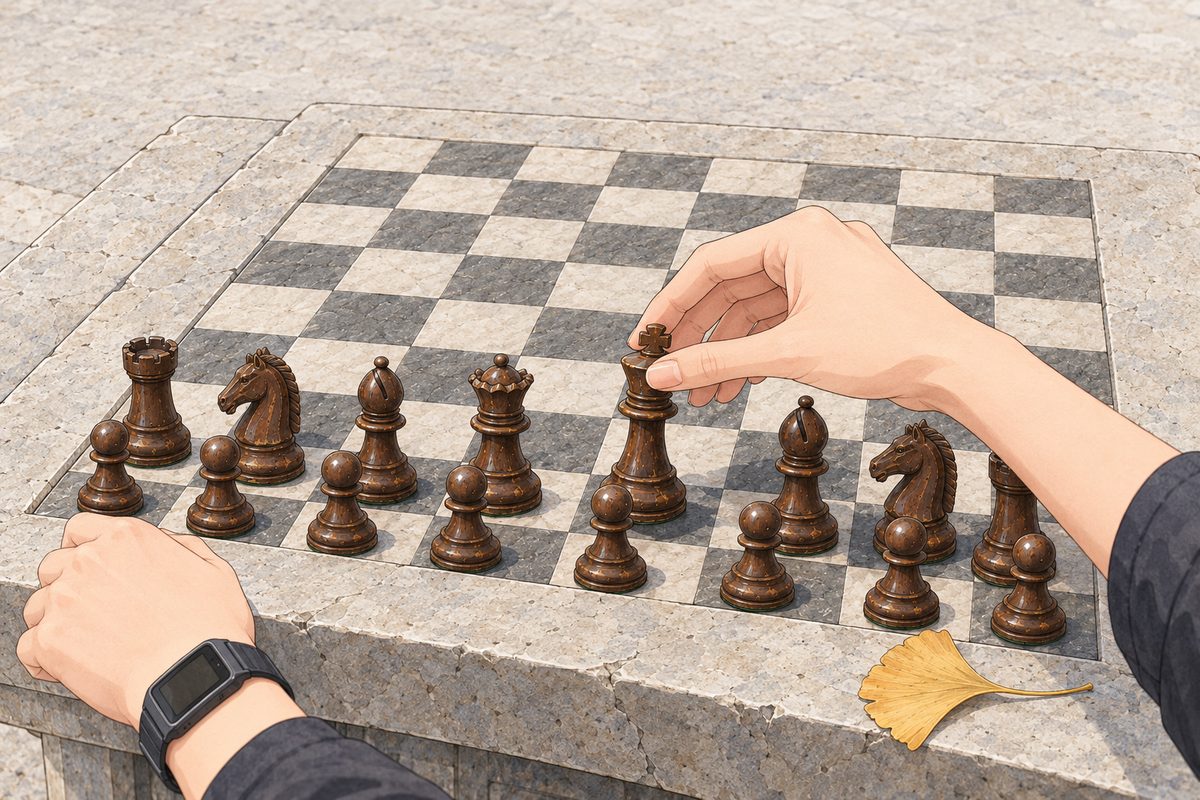
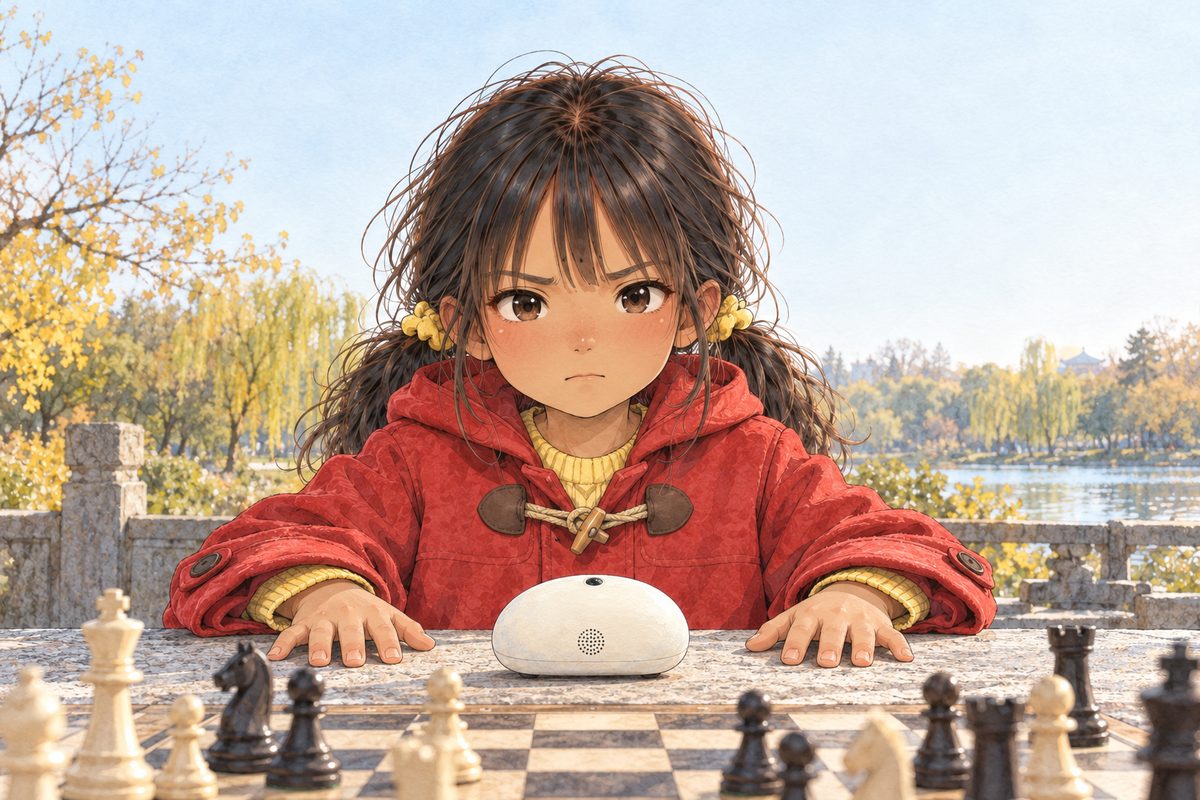
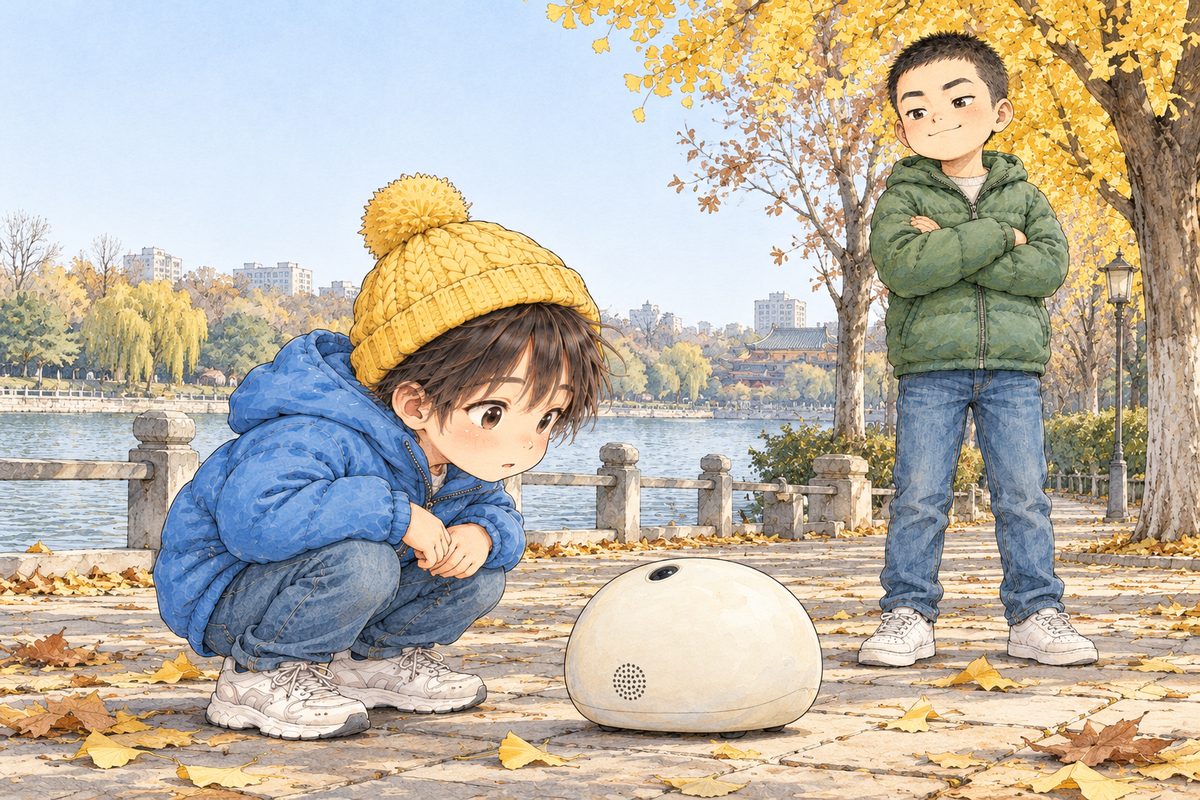
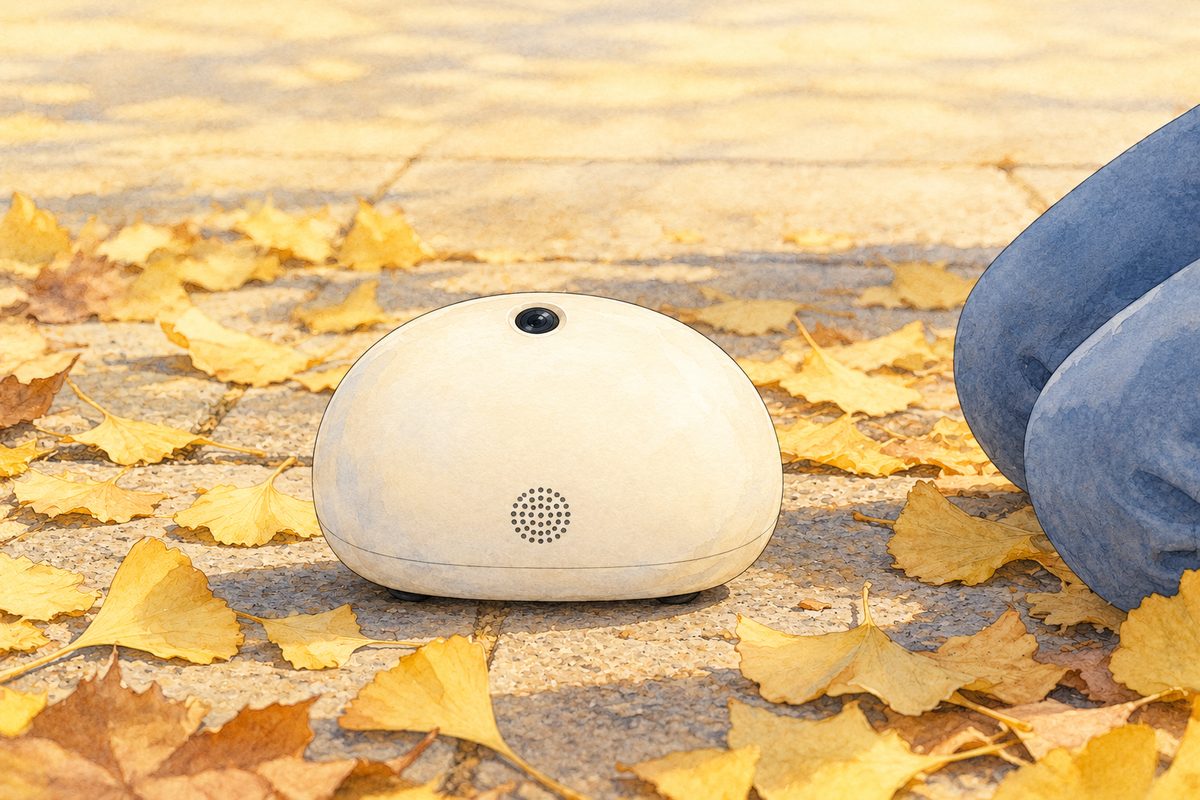
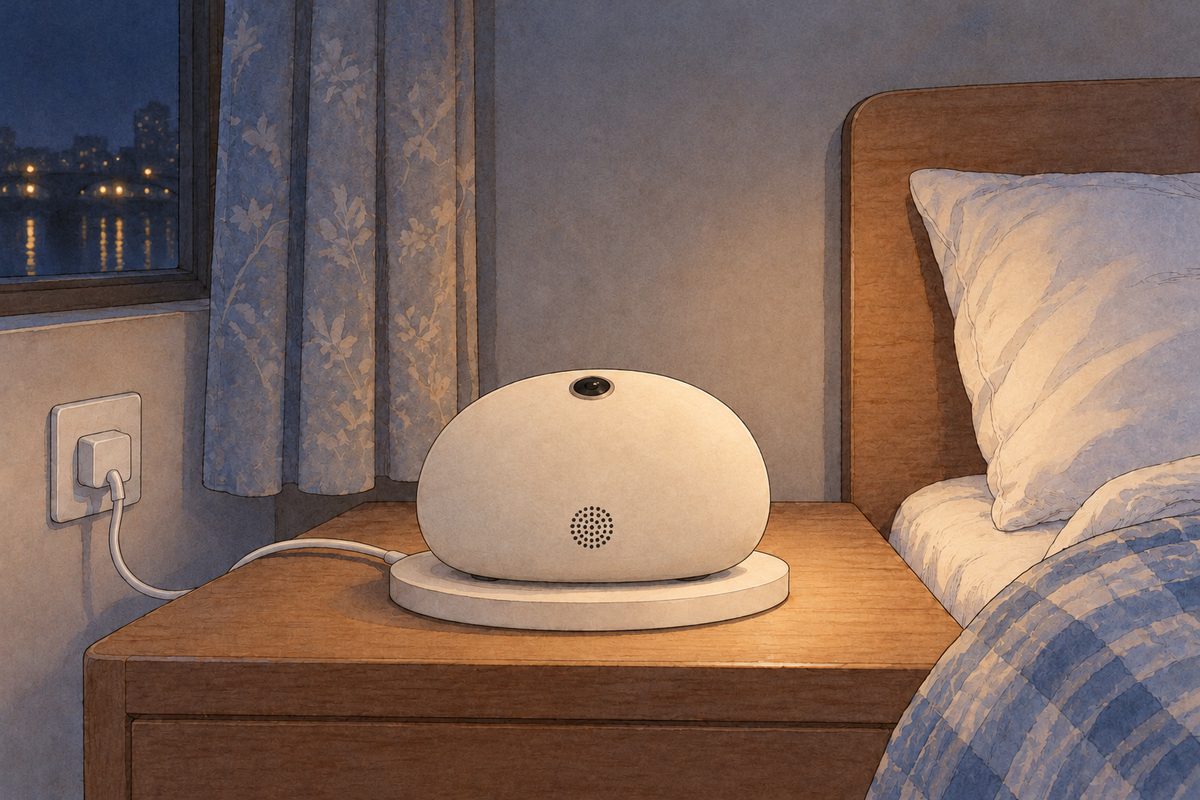
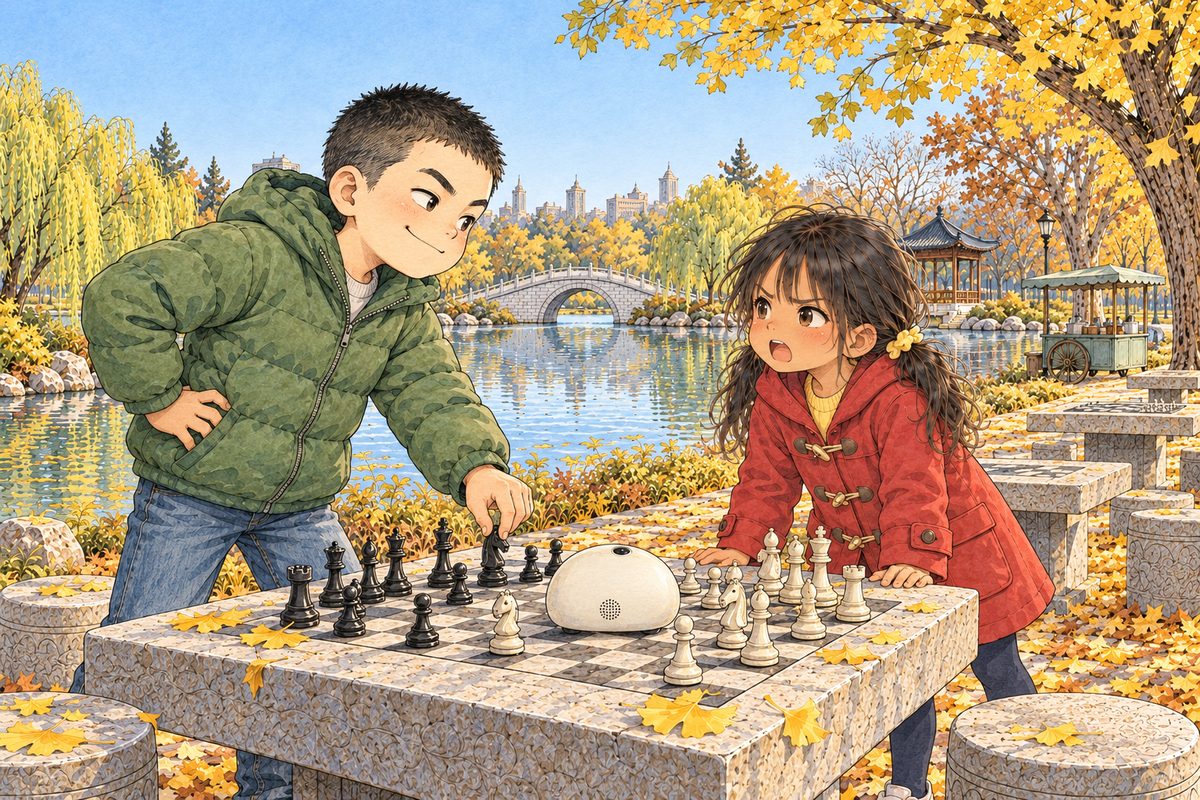
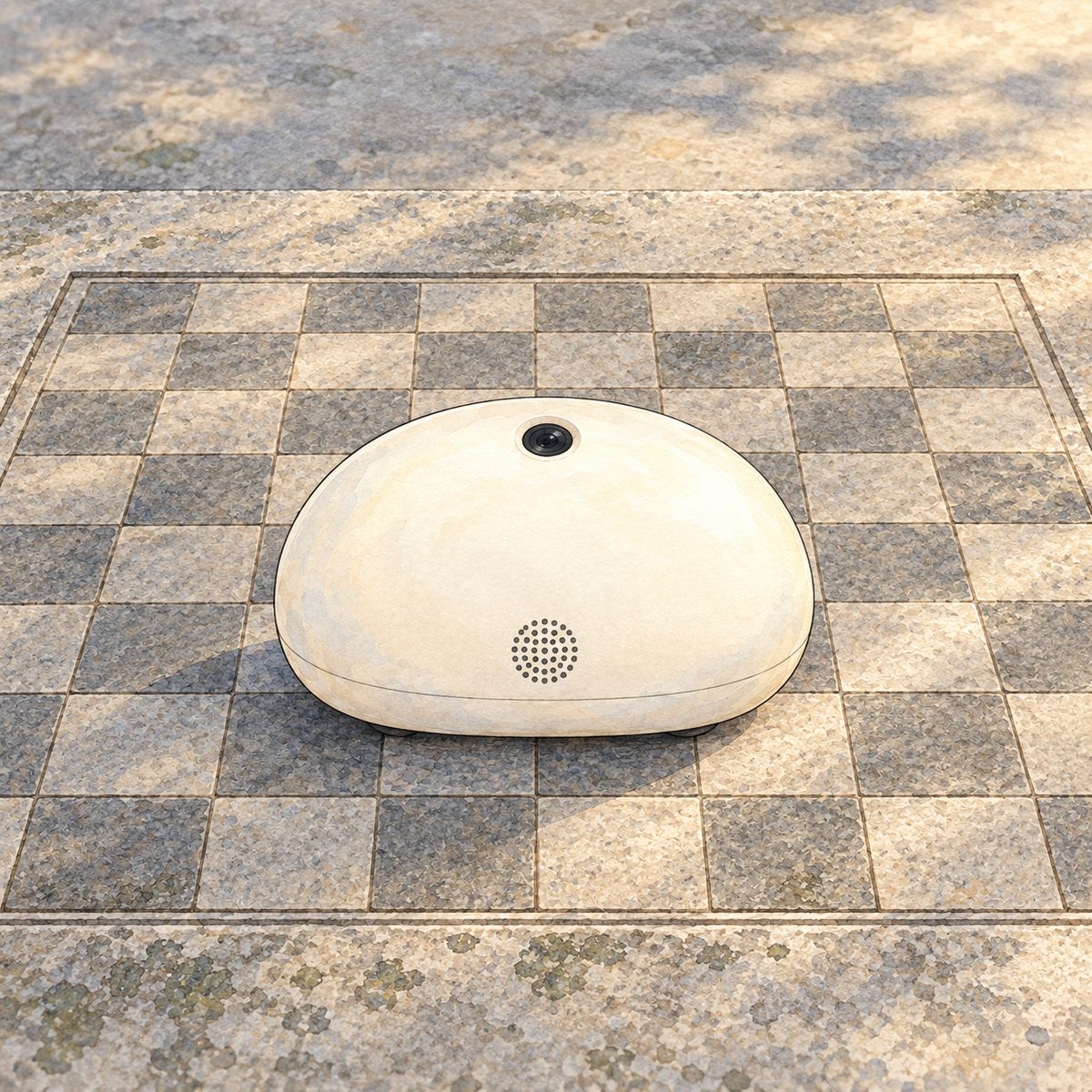
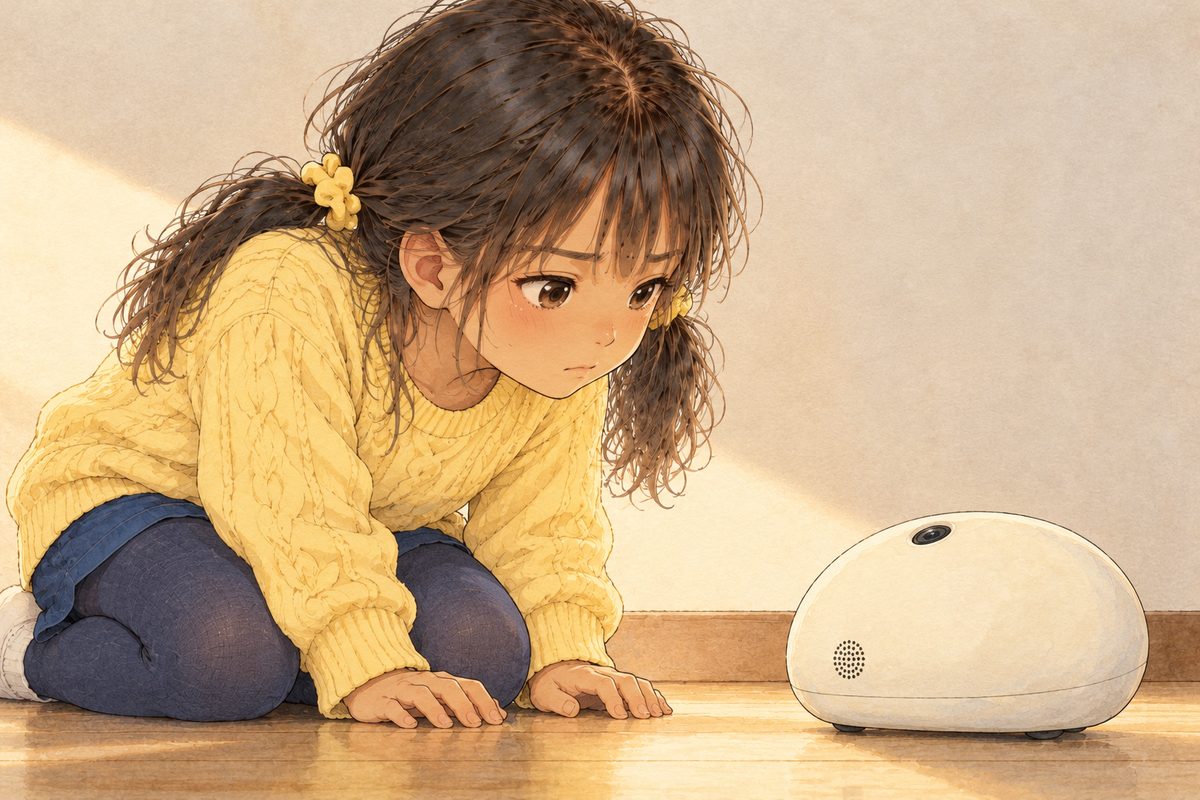
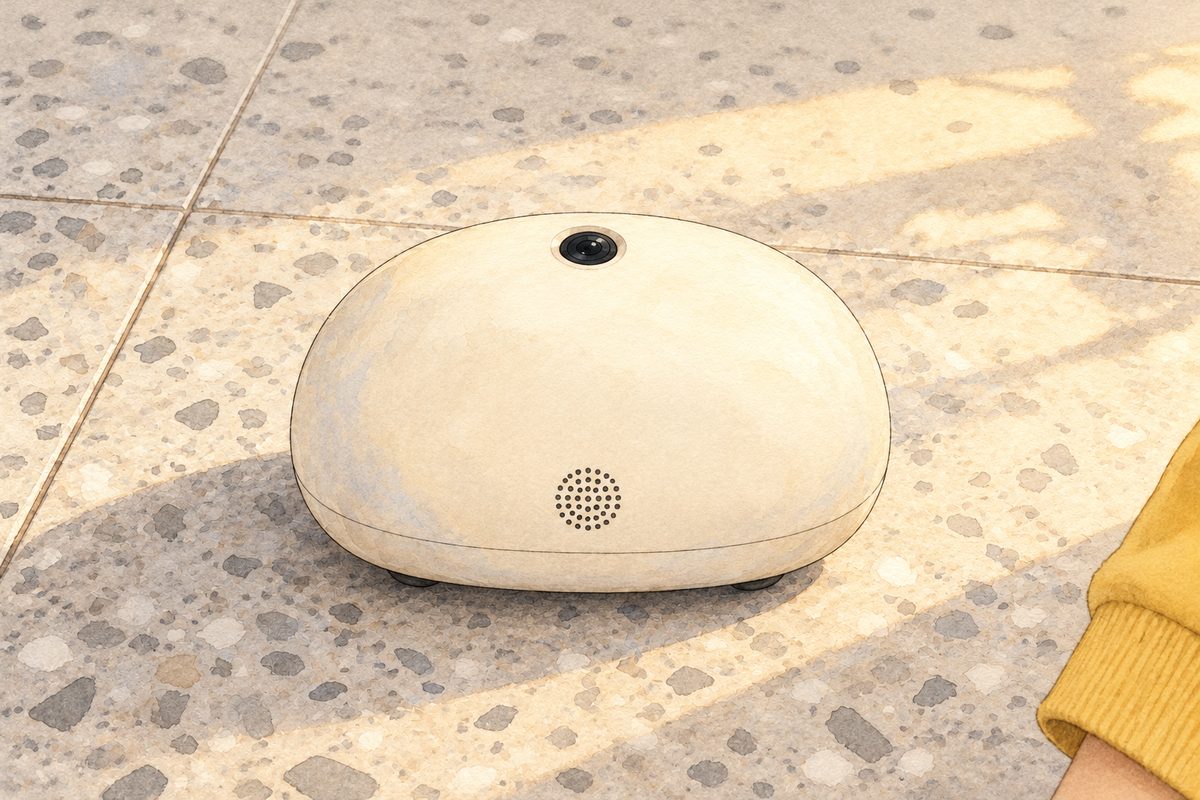
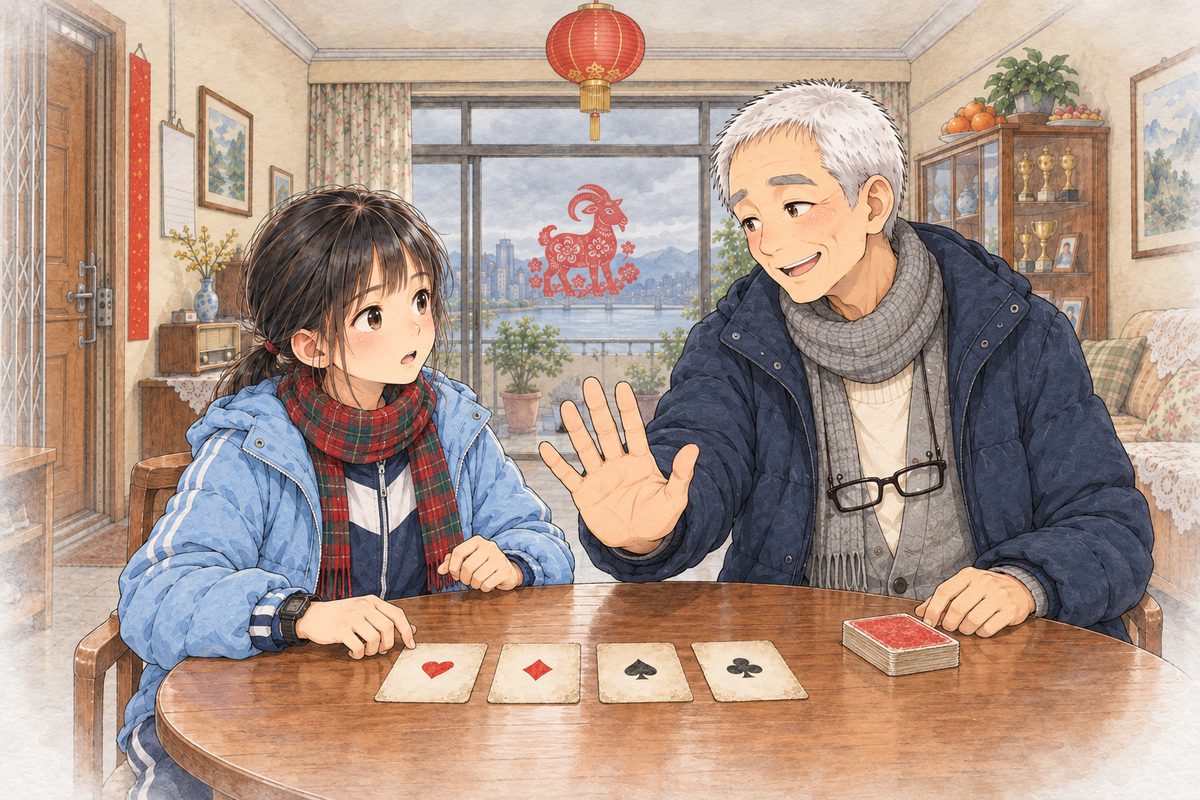
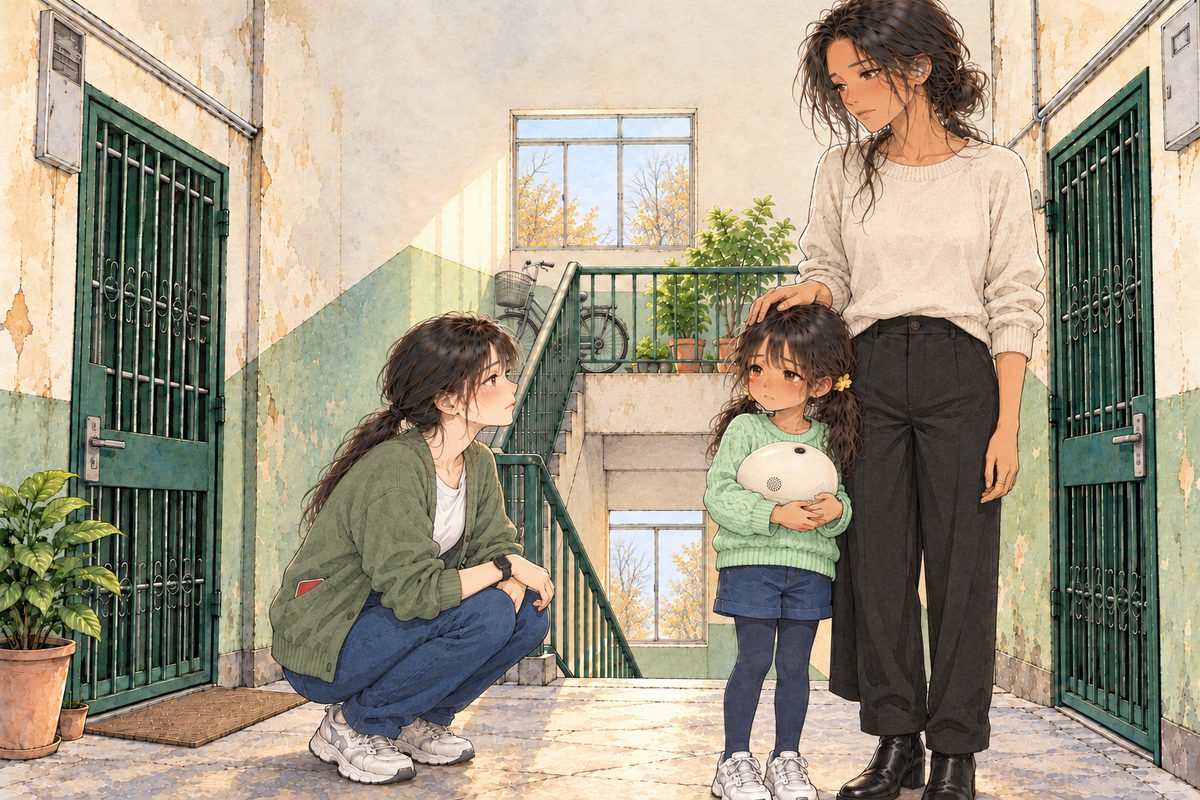
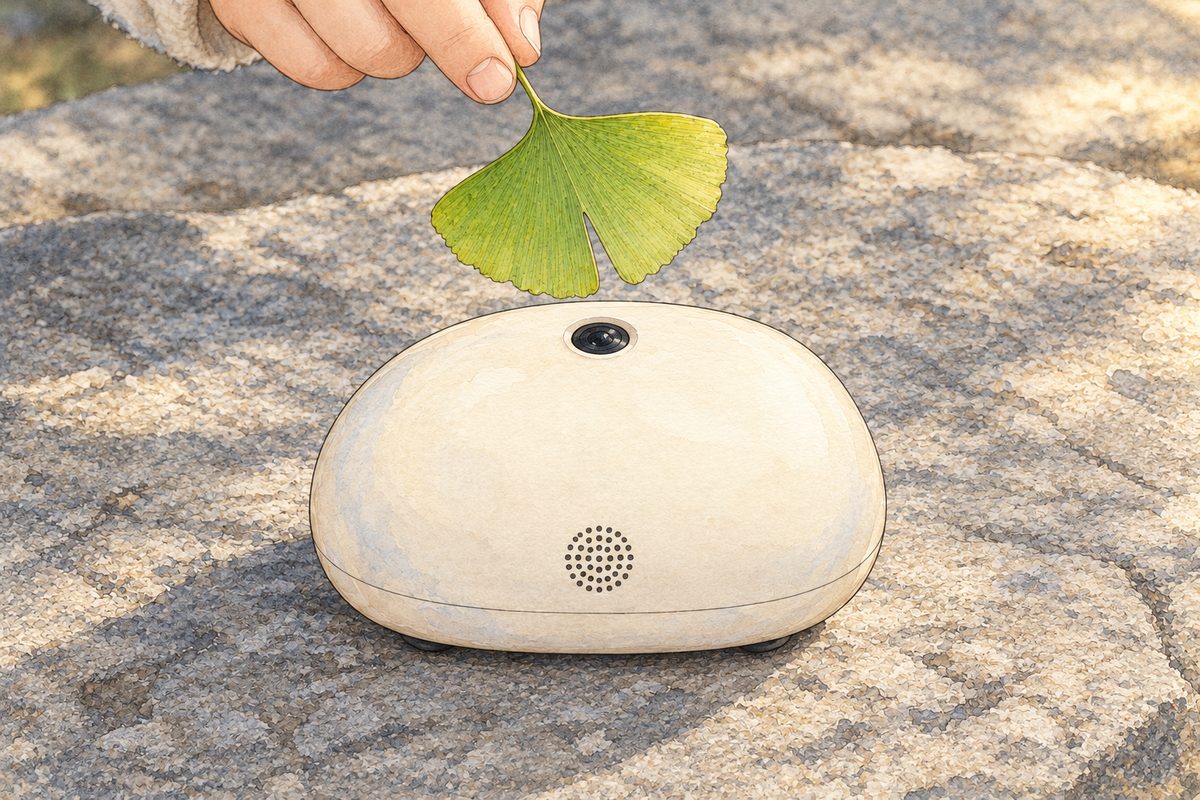
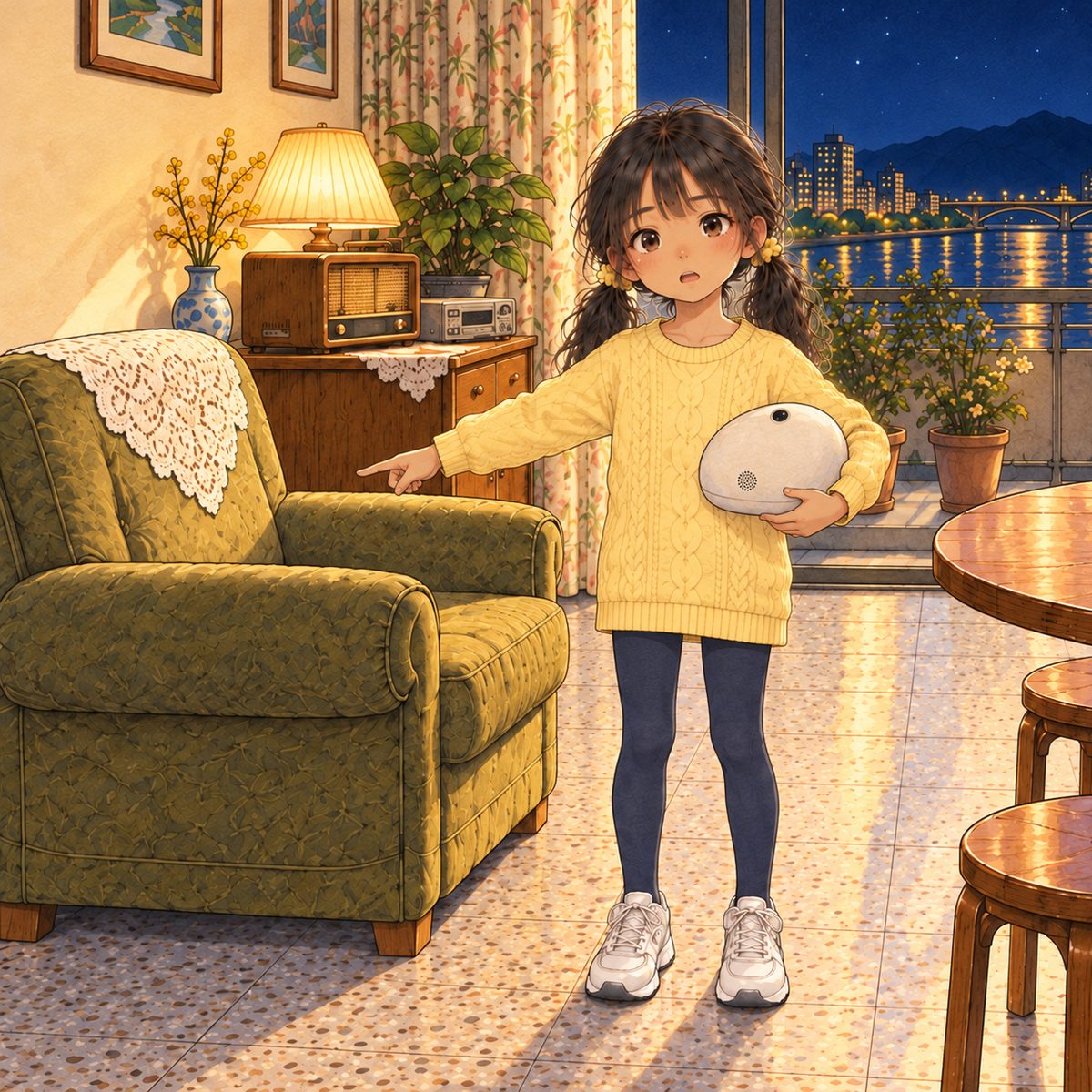
The leaves, the robot and the cards are in the pictures. Here are the ideas in words.
On pages 1 and 2 An asks whether her robot is alive, and Bean answers that it is a robot. An does not believe it. Research on children says young ones tend to sort the world by clues such as moving by itself, having a face or a voice, and acting with a purpose, and talking robots show many of these clues. Bean has no face, yet it talks, follows An everywhere and seems to want to play. Kahn and colleagues (2012) found that most of the 9, 12 and 15 year olds in their study believed a humanoid robot called Robovie had mental states, and many believed it could be hurt and should be treated fairly. Robovie was secretly controlled by a hidden operator, a reminder that children's beliefs can be shaped by appearances that adults design. Like Echo in Chapter 18, Bean tells people at once that it is a machine. In the story Lantern's first rule, from Chapter 10, is to tell the truth, kindly, and Haoran says so on page 9. Even so, An hears Bean say it and still does not believe it.
On page 6 Lele asks Bean whether he can eat it, and the first of the boxes tells where that question comes from. Druga, Williams, Breazeal and Resnick (2017) watched 26 children aged 3 to 10 play with two voice assistants, a small toy robot and a chatbot. The youngest children, aged 3 and 4, questioned the agents as if they were people and asked their favourite colour or their age. Older children, aged 6 to 10, tested what the agents could do, asked how they worked, and many said the agents were smarter than themselves. The title of the paper comes from a six year old who asked several of them whether it was OK to eat them.
On page 7 An's tests make Bean alive three times over, and the box says why a child may think so. Xu and Warschauer (2020) asked children aged 3 to 6 whether talking helpers were alive. Many gave answers with some living properties and some object properties, and some put the helpers in neither group. An's "Bean is a Bean" on page 16 is that answer in a child's words.
On page 8 Tiantian tests Bean by calling it stupid, and An is furious. Andries and Robertson (2023) studied Scottish primary-school children aged 5 to 12 and their smart speakers. Most overestimated the speakers' intelligence, were unsure whether they had feelings or made their own decisions, understood little about data privacy, and believed it was wrong to be rude to them. Lili tells her son, "Not because Bean has feelings. Because you were rude." That is one family's way to keep the kindness and still tell the truth.
On pages 5, 13 and 17 Mira worries about whom An talks to. Xu and colleagues (2022) worked with 117 children aged 3 to 6 and found that a talking agent that asked questions during story reading helped them understand the story about as much as a person asking the same questions. So, judging by that study, a robot that reads at bedtime can be a good helper. But children do not trust every source equally. Girouard-Hallam and Danovitch (2022) compared a voice assistant with a person for children aged 4 to 5 and 7 to 8. With age, children trusted the device more for facts and the person more for personal things, which suggests that younger children need help with whom to ask for what. In the story, An takes her bad dreams back to her mother.
On pages 14 and 15 An teaches Bean the leaves. The game stands on PopBots (Williams, Park, Oh and Breazeal 2019; Williams, Park and Breazeal 2019), a set of programmable robots that about 80 young children used to learn how machines learn from examples. The key finding for this book is that children as young as four can grasp that a machine learns from examples a person gives it, especially when they do the teaching themselves. The green ginkgo leaf is the Teaching Game idea in our research notes, played in a park. If you show a learner only yellow leaves, a green one will confuse it, so you give it more kinds. A real program would need many leaves and some time, and Bean learning on the spot is the story's own, but the lesson is the real one. Bean only knows what An shows it.
One honest sentence for families. Talking helpers are a new kind of thing. They are not alive like a puppy, and they are not just a toy, and it is fine to wonder about them. A parent can do AI activities with a child, ask "How do you think it knows that?", and show that the answer is that people taught it with examples.
What is true here
Five big ideas
AI4K12 (Touretzky, Gardner-McCune, Martin and Seehorn 2019) proposed five big ideas that every student should know about AI. They are perception, representation and reasoning, learning, natural interaction, and societal impact. An's leaf game touches the third, that computers can learn from data.
What AI literacy means
Long and Magerko (2020) defined AI literacy as a set of competencies that let people evaluate AI critically, communicate and work with it, and use it as a tool. The European Commission and the OECD launched an AI literacy framework for schools on 18 June 2026, with 19 competences in four domains, and Chapter 15 already met UNICEF's guidance on AI and children.
Stories and make-believe
A story with a talking, feeling robot is both make-believe and human-like, and research warns that these features can make young children carry less from a story into the real world. Richert, Shawber, Hoffman and Taylor (2009) found that children aged three and a half to six were less likely to use a solution from a fantasy character on a real problem. Ganea, Canfield, Simons-Ghafari and Chou (2014) found that picture books describing animals in human terms led three to five year olds to give real animals more human traits. Strouse, Nyhout and Ganea (2018) and Walker, Gopnik and Ganea (2015) point the same way. That is why Bean has no face, says what it is, makes plain mistakes and learns from examples, and why the people around it keep wondering aloud.
SourcesKahn, Kanda, Ishiguro, Freier, Severson, Gill, Ruckert and Shen (2012), "Robovie, you'll have to go into the closet now". Children's social and moral relationships with a humanoid robot.Severson and Carlson (2010), Behaving as or behaving as if? Children's conceptions of personified robots and the emergence of a new ontological category.Druga, Williams, Breazeal and Resnick (2017), "Hey Google is it OK if I eat you?" Initial explorations in child-agent interaction.Druga, Vu, Likhith and Qiu (2019), Inclusive AI literacy for kids around the world.Xu and Warschauer (2020), What are you talking to? Understanding children's perceptions of conversational agents.Xu, Aubele, Vigil, Bustamante, Kim and Warschauer (2022), Dialogue with a conversational agent promotes children's story comprehension via enhancing engagement.Koenig and Harris (2005), Preschoolers mistrust ignorant and inaccurate speakers.Harris, Koenig, Corriveau and Jaswal (2018), Cognitive foundations of learning from testimony.Girouard-Hallam and Danovitch (2022), Children's trust in and learning from voice assistants.Girouard-Hallam, Streble and Danovitch (2021), Children's mental, social, and moral attributions toward a familiar digital voice assistant.Andries and Robertson (2023), "Alexa doesn't have that many feelings". Children's understanding of AI through interactions with smart speakers in their homes.Williams, Park, Oh and Breazeal (2019), PopBots. Designing an artificial intelligence curriculum for early childhood education.Williams, Park and Breazeal (2019), A is for artificial intelligence. The impact of artificial intelligence activities on young children's perceptions of robots.Touretzky, Gardner-McCune, Martin and Seehorn (2019), Envisioning AI for K-12. What should every child know about AI?Long and Magerko (2020), What is AI literacy? Competencies and design considerations.European Commission and OECD (2026), Empowering Learners for the Age of AI. An AI Literacy Framework for Primary and Secondary Education.Walker, Gopnik and Ganea (2015), Learning to learn from stories. Children's developing sensitivity to the causal structure of fictional worlds.Richert, Shawber, Hoffman and Taylor (2009), Learning from fantasy and real characters in preschool and kindergarten.Ganea, Canfield, Simons-Ghafari and Chou (2014), Do cavies talk? The effect of anthropomorphic picture books on children's knowledge about animals.Strouse, Nyhout and Ganea (2018), The role of book features in young children's transfer of information from picture books to real-world contexts.Pointed back to: UNICEF (2021), Policy Guidance on AI for Children; UNICEF (2025), Guidance on AI and Children (met in Chapter 15).
What is pretend
Bridge City and everyone in it are made up. So is the whole world of 2049, with its garden towers, solar boats and self-driving taxis. Bean and Lantern's children's robots are made up, and so are Bean's charging plate, its voice, everything it says, and the way it learns the leaves on the spot. The leaf game, the Thanksgiving dinner, Grandpa, his notebook and the Callum page are made up too. No real product is described. The research has no study of a robot like Bean, of a child teaching a robot leaves, or of a robot that answers "Are you alive?". Children wondering whether talking machines are alive, children teaching robots by examples, and every number in the boxes are real, from the studies named above.
Who made this
Yingying Fu created this manga. She chose the story and its people, directed every page, and edited every word and picture. The words were drafted with Claude, an AI by Anthropic. The pictures are made with AI image generation, painted panel by panel from her direction and checked and corrected by hand.
 Chapter 1第一章What Counts as Clever什么才算聪明
 Chapter 2第二章Before the Machines机器之前
 Chapter 3第三章Rules and Habits规则和习惯
 Chapter 4第四章One Little Neuron一个小小的神经元
 Chapter 5第五章Learning from Mistakes从错误里学
 Chapter 6第六章Everything Is Numbers一切都是数字
 Chapter 7第七章Learning to See老吴
 Chapter 8第八章The Next Word下一个字
 Chapter 9第九章Attention注意力
 Chapter 10第十章The Helper助手
 Chapter 11第十一章A Voice from Tape磁带里的声音
 Chapter 12第十二章Learning by Playing边玩边学
 Chapter 13第十三章Confidently Wrong错得理直气壮
 Chapter 14第十四章Not Everyone Is Heard没被听见的人
 Chapter 15第十五章Whose Voice?谁的声音?
 Chapter 16第十六章Aim It Right瞄准
 Chapter 17第十七章Looking Inside往里看
 Chapter 18第十八章Echo回声
 Chapter 19第十九章Is My Robot Alive?我的机器人是活的吗?Reading now正在读