The ideas, a little slower
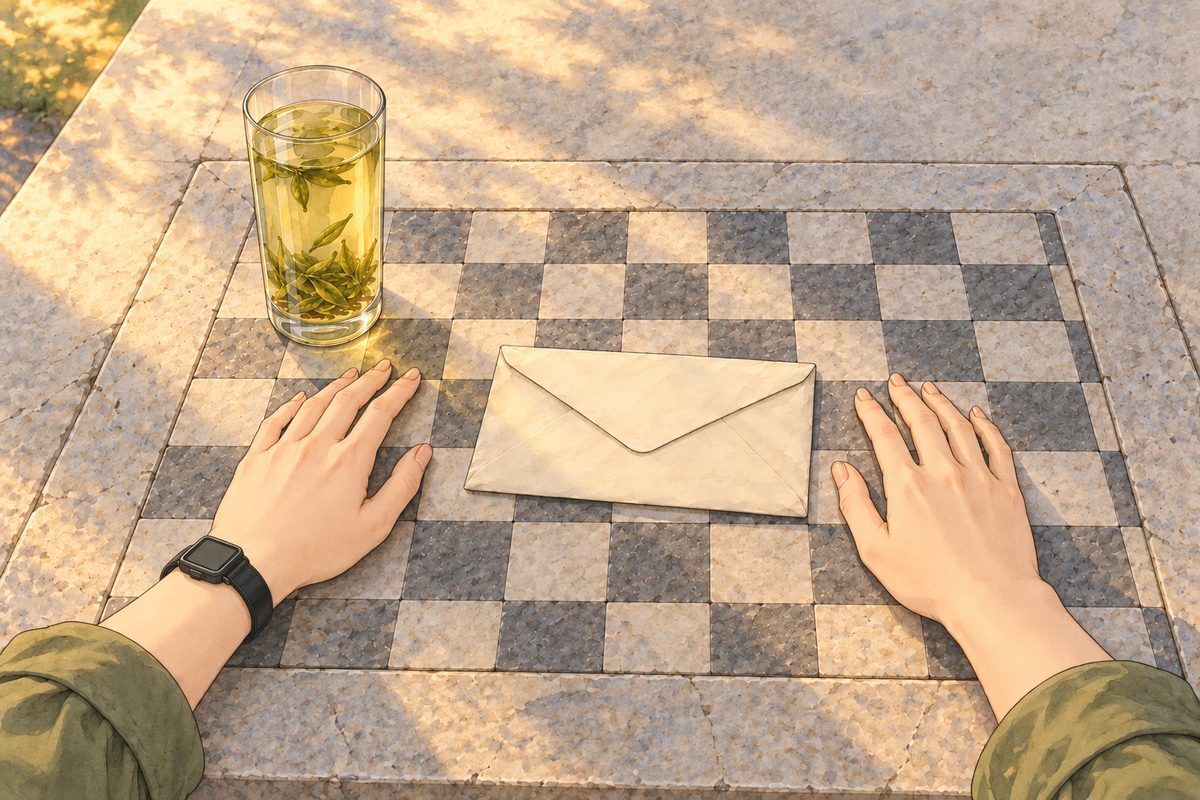
The cards, the tea and the old pictures are on the pages. Here are the ideas in words.
On page 2 a box says that the name "artificial intelligence" is 95 years old. On 31 August 1955 John McCarthy, Marvin Minsky, Nathaniel Rochester and Claude Shannon wrote a proposal for a two-month summer study at Dartmouth College. It holds the first use of the phrase "artificial intelligence", and it already listed "neuron nets" as a topic, so learning networks were there at the birth. Grandpa's birthday a year later is the story's own.
On page 7 the assistant that wrote the toast could not count its own characters. Chat models do not read letters the way we do. They receive token IDs, each one standing for a chunk of text, and that is why they have been oddly bad at tasks like counting the letters in a word. GPT-2, for example, used a vocabulary of 50,257 tokens. This is one reason, not the whole reason. How a model counts Chinese characters is not something this book tries to say.
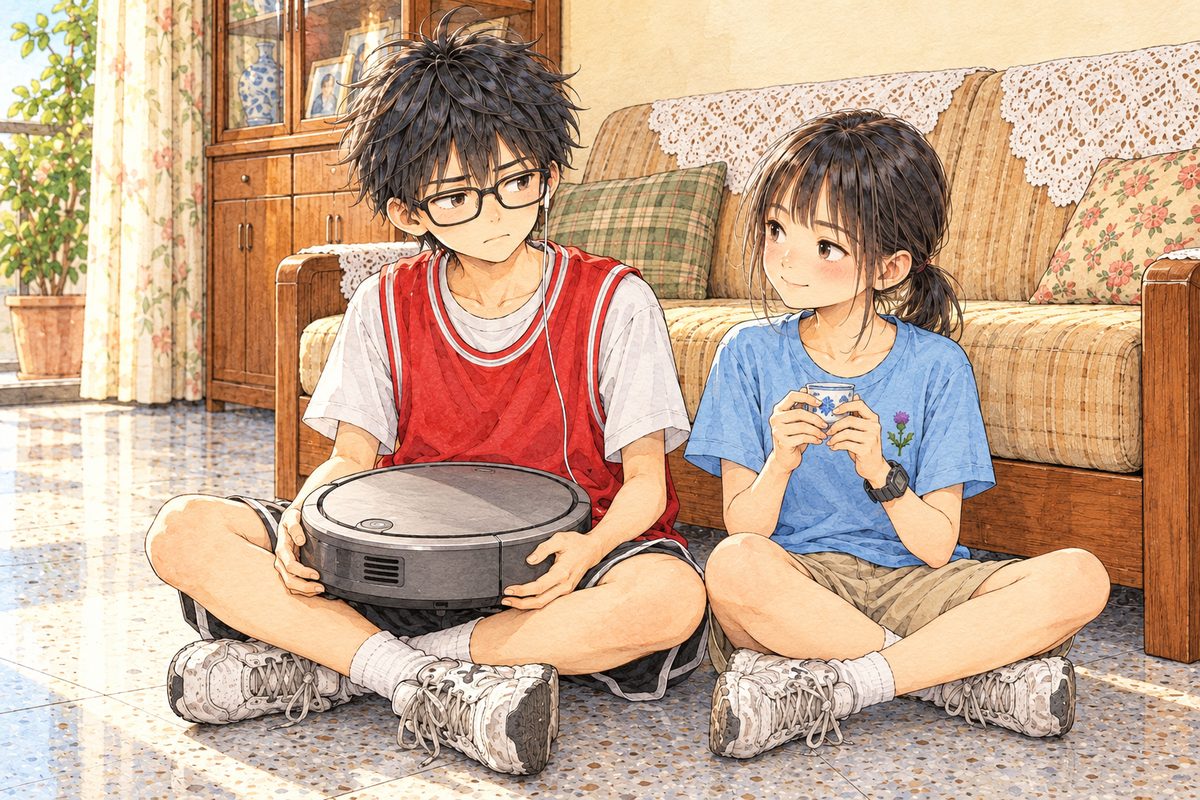
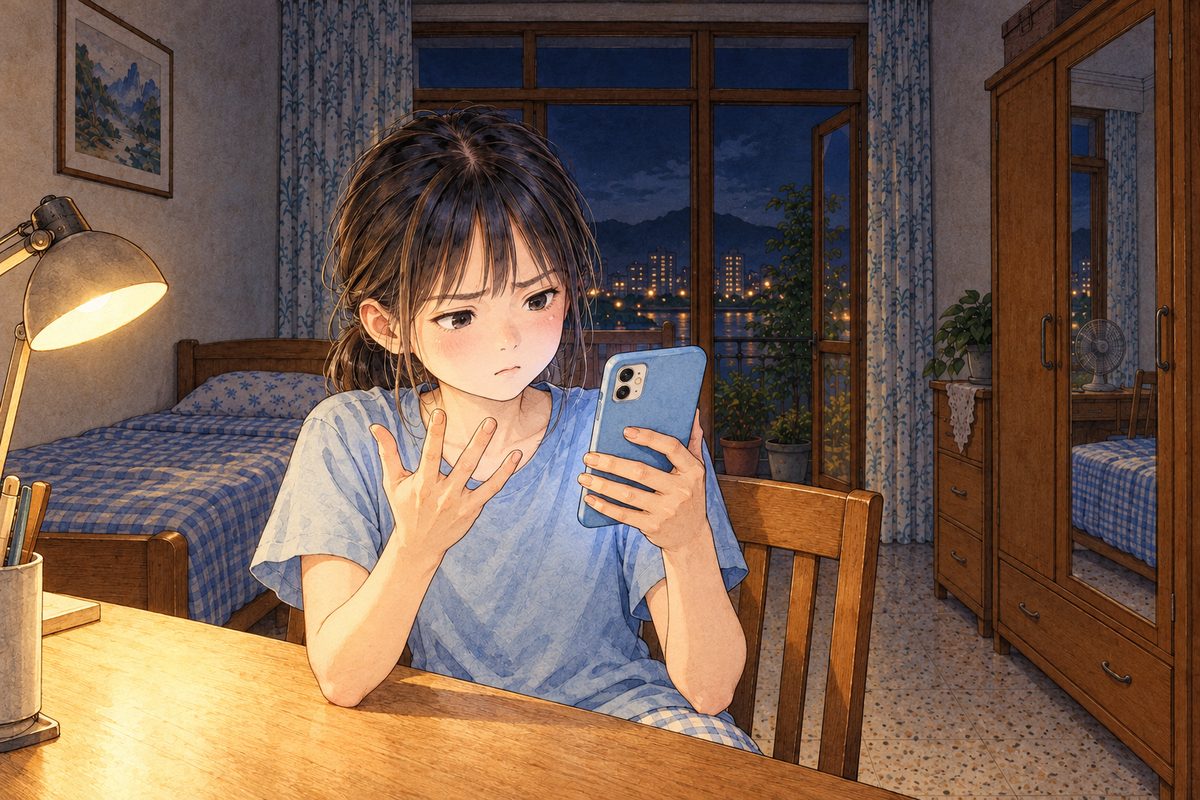
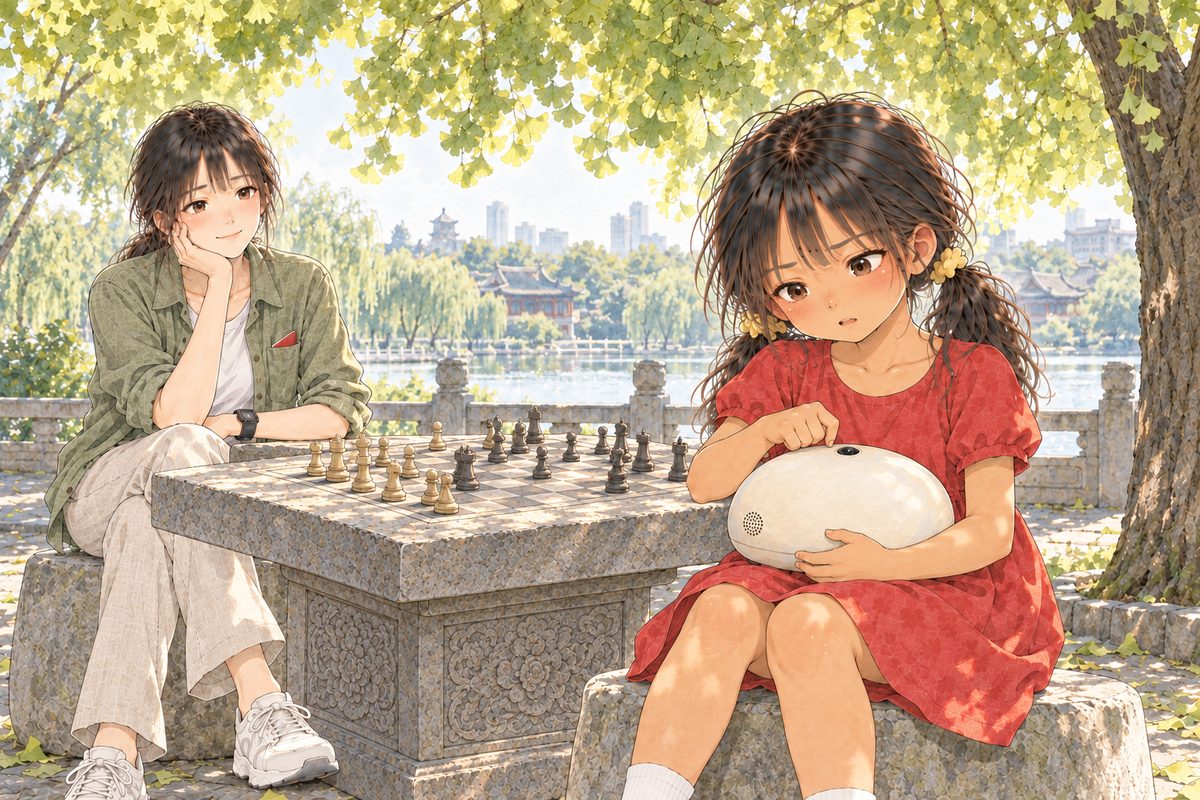
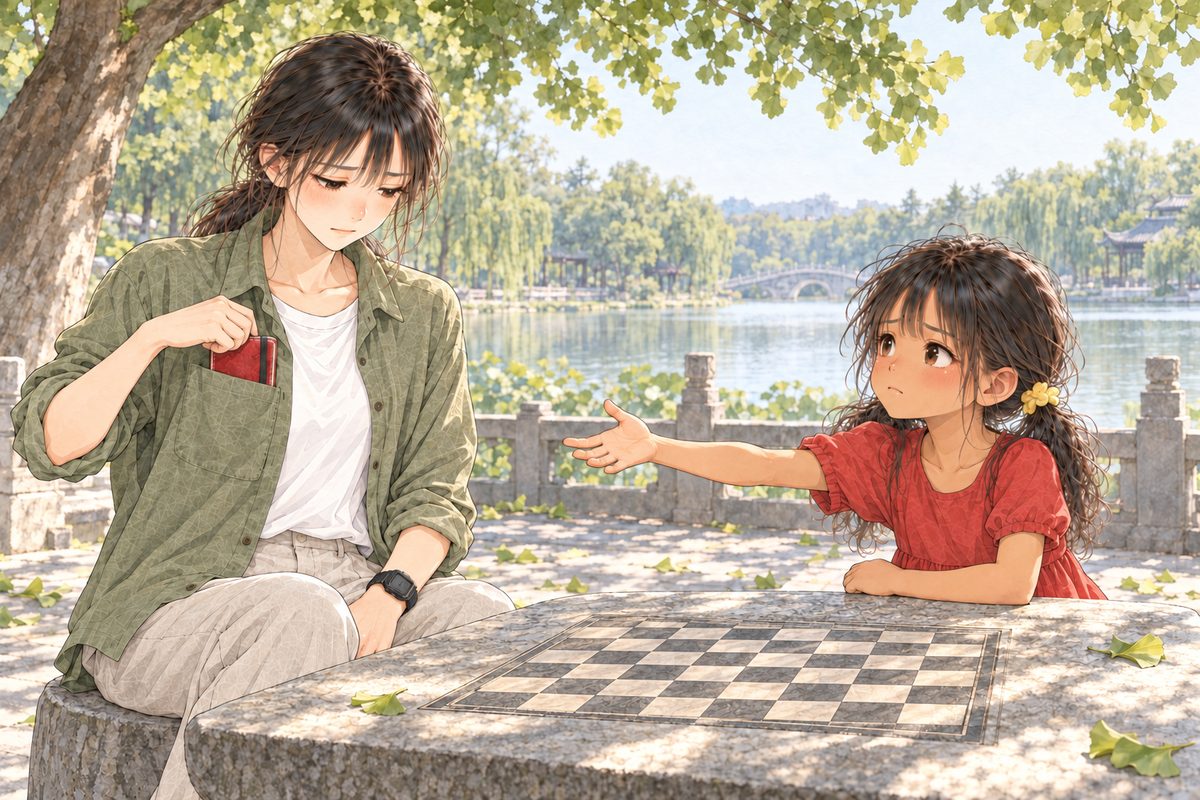
On page 8 An asks whether Bean has a brain. Artificial neurons were first described by McCulloch and Pitts in 1943 and were only loosely inspired by brain cells. A brain grows, feels, sleeps and belongs to a living body. For a child, "lots of tiny number-switches that learned patterns" is a truer picture.
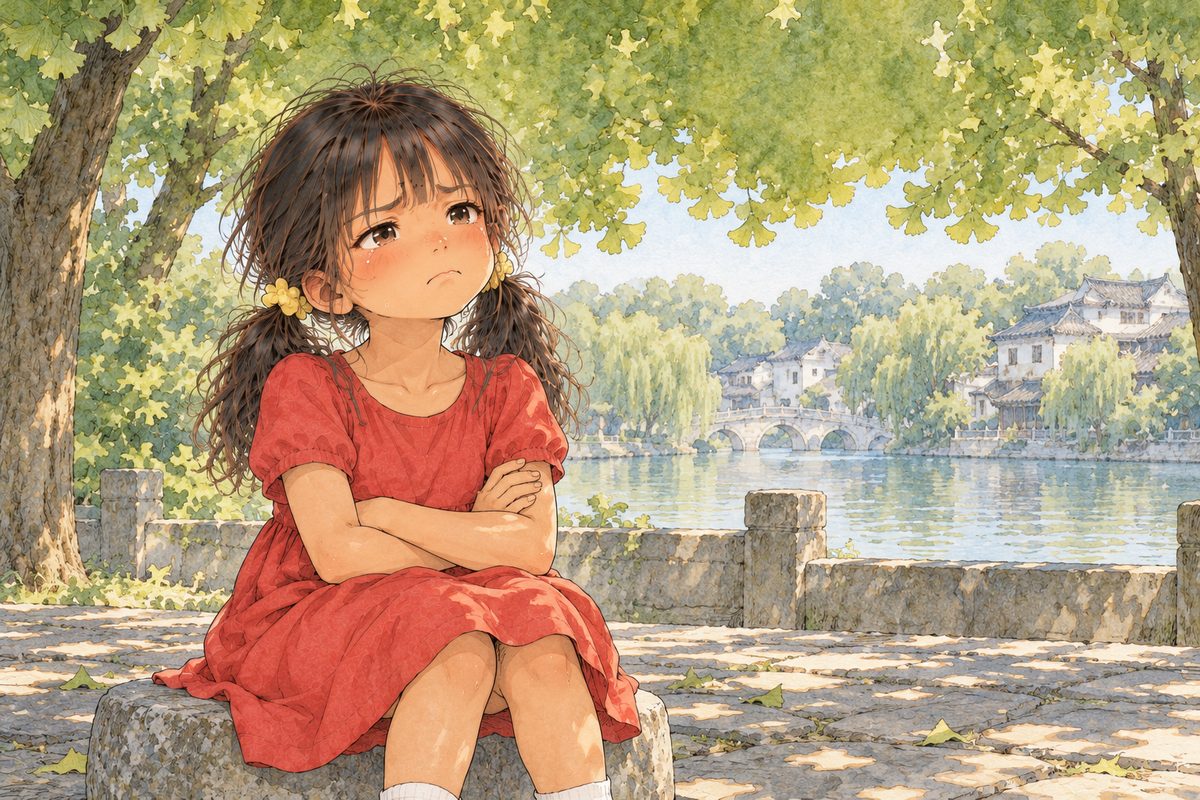
On pages 8 and 9 Xiaoyu gives An four plain things to hold on to. A machine like Bean learns from examples that people give it. This is one of the big ideas in the AI4K12 list, and children as young as four can grasp it, especially when they do the teaching themselves, as in PopBots. Bean can be wrong and still sound sure. The researchers who wrote "Why language models hallucinate" point out that most tests give a point for a right answer and nothing for "I don't know", so a model tuned for those tests learns to guess. Bean cannot love An back, while people and pets can. And people check Bean and fix it when it is wrong. Two more belong to families, not to the pages. For anything important or personal, ask a grown-up, since children's trust in a device and in a person changes with age and with the kind of question, and younger children need help deciding whom to ask for what. And keep secrets safe, since children in one study understood little about data privacy.
On pages 2, 8 and 9 Xiaoyu answers only what An asks, in a few words, and lets An laugh. "Does Bean have a brain?" gets a short answer, and so does "What can't Bean do?". This is careful practice drawn from how people talk with young children about hard things. It is not a method proven by studies of AI. Follow the child's lead, say true things plainly, and stop when she has had enough.
On page 9 the box asks whether a machine can be a friend. AI companions can be designed to feel like friends. For young children this is risky. The relationship goes one way, and a company designed the system. The US Federal Trade Commission opened an inquiry into AI chatbots acting as companions on 11 September 2025, and UNICEF's 2025 guidance singles out AI companions used by children as a concern. The research says nothing about machines that speak as someone who has died, so the book makes no claim about them.
One honest sentence for families. The helper is a clever tool that learned from lots of examples people showed it.
What is true here
What makes a good picture book about AI
A good picture book about AI shows a helper that learns from examples a child can see, makes mistakes that people check, is made by people and is never alive.
Hard and easy
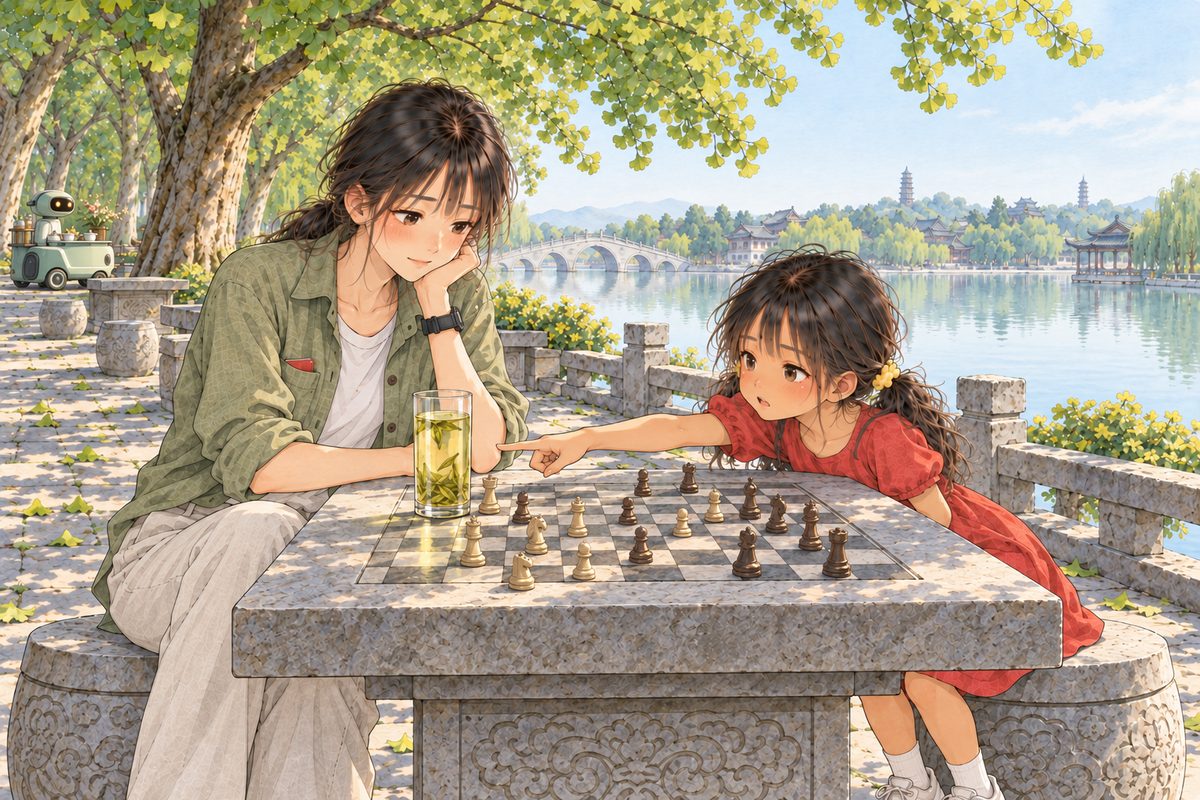
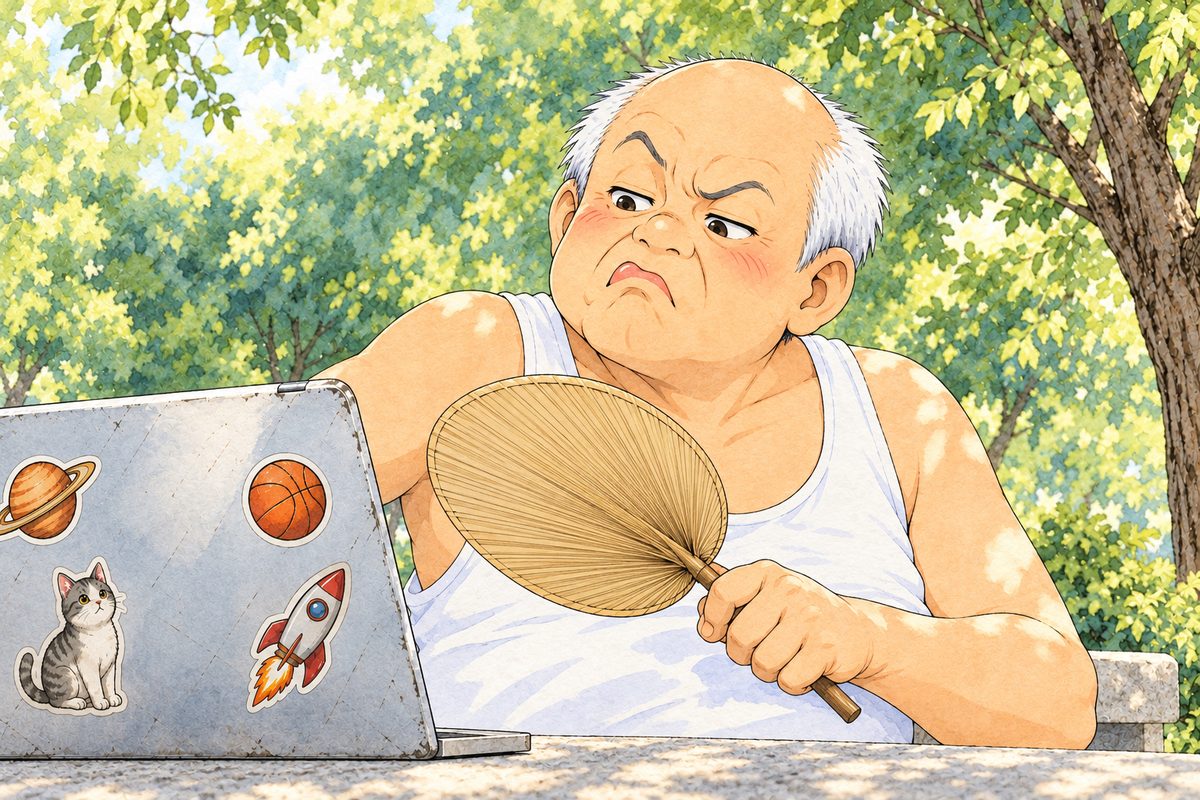
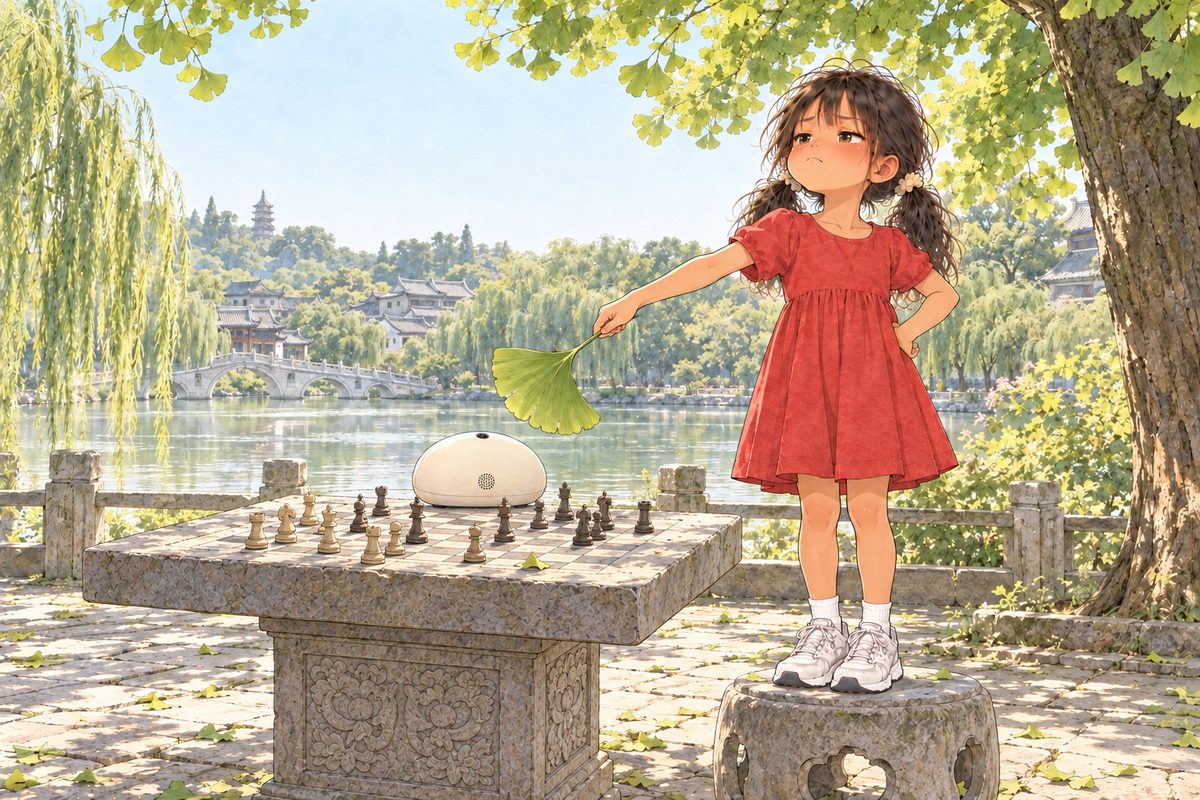
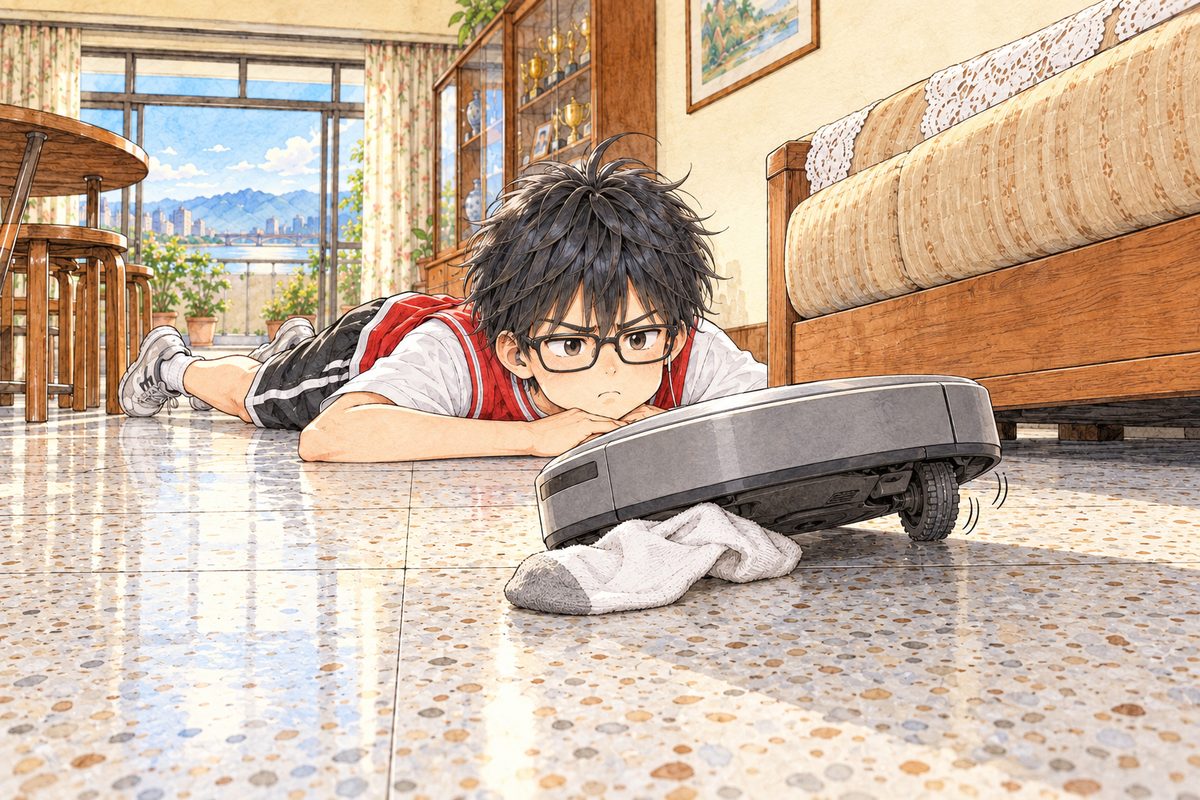
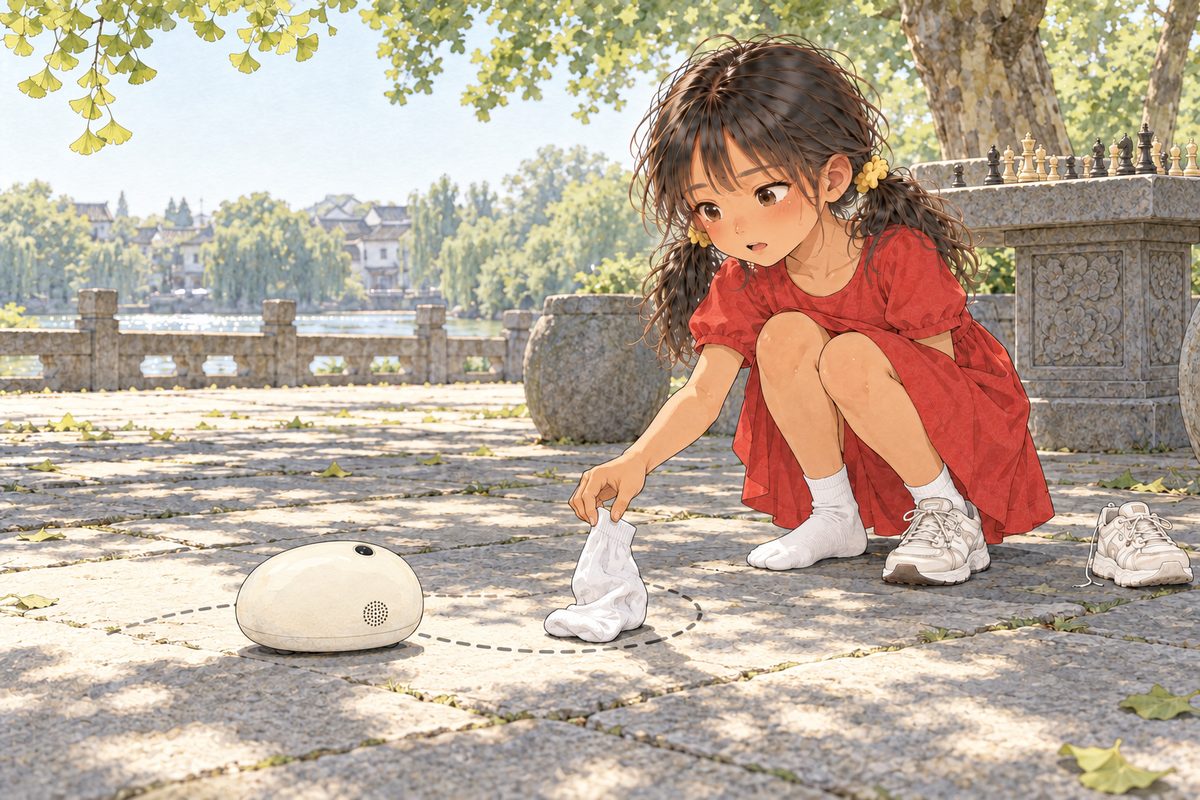
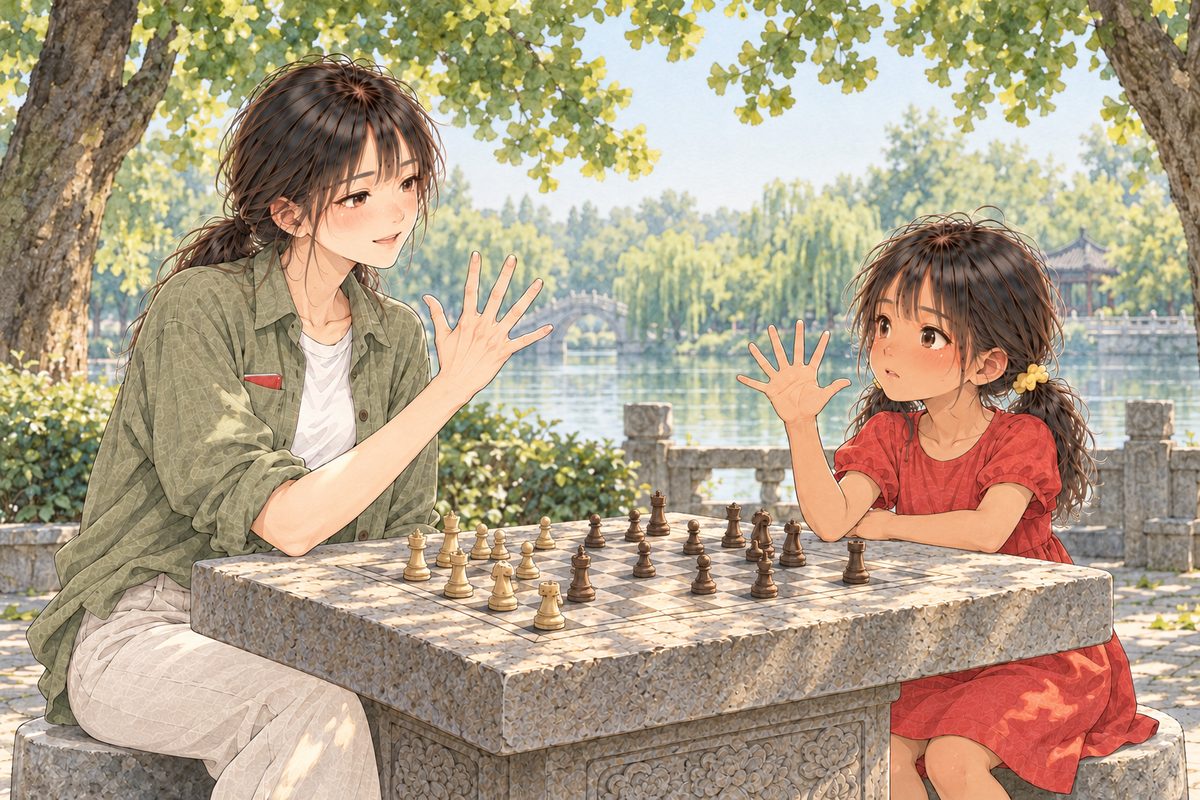
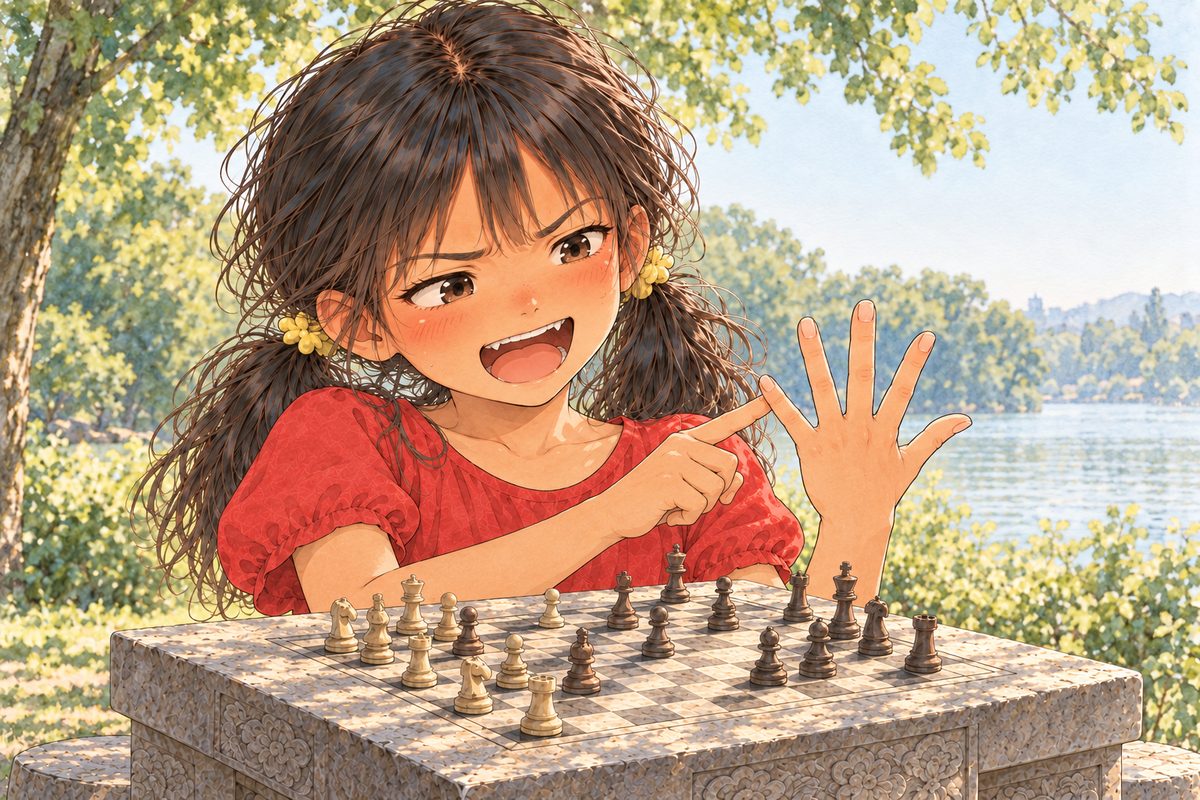
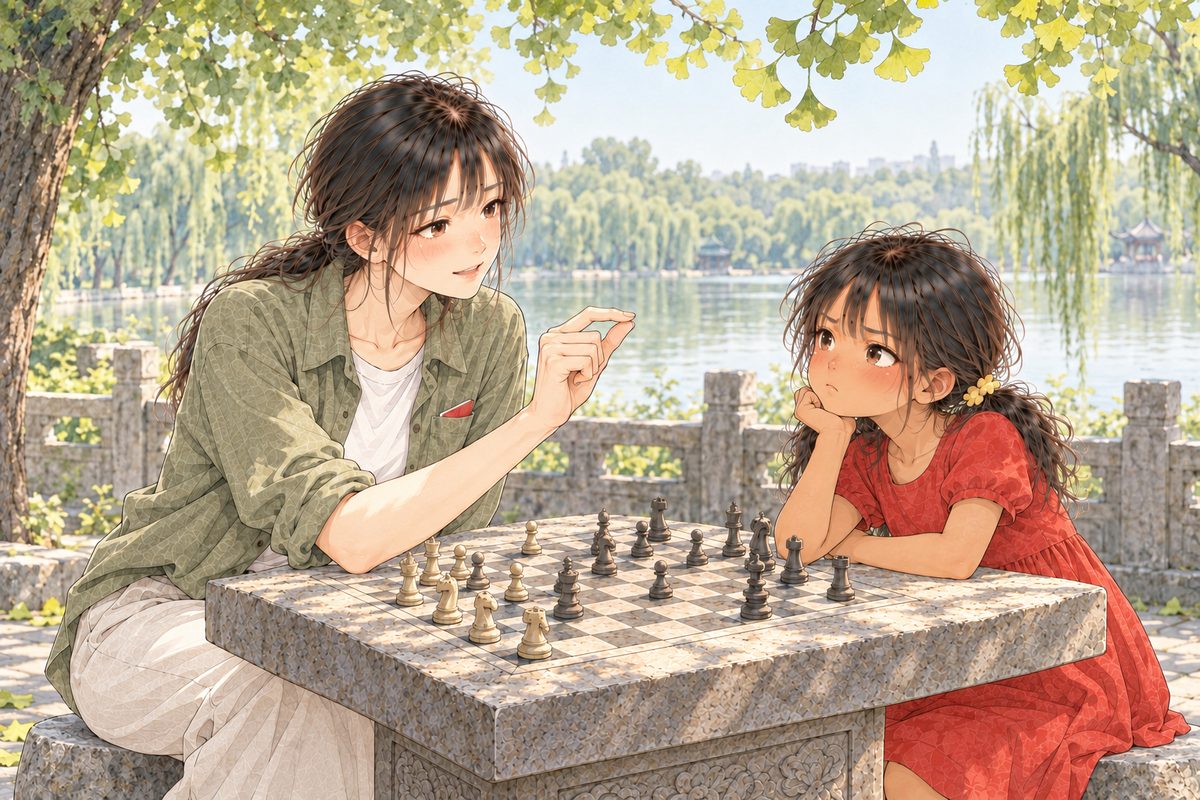
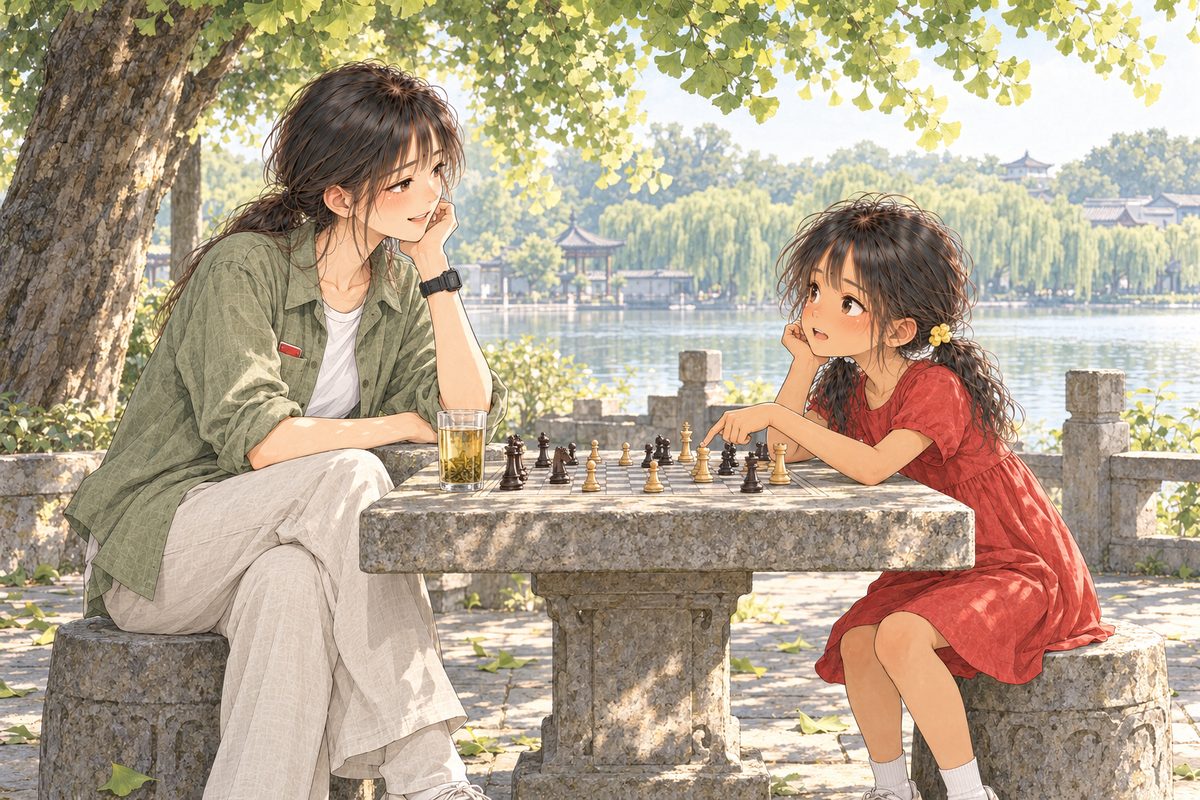
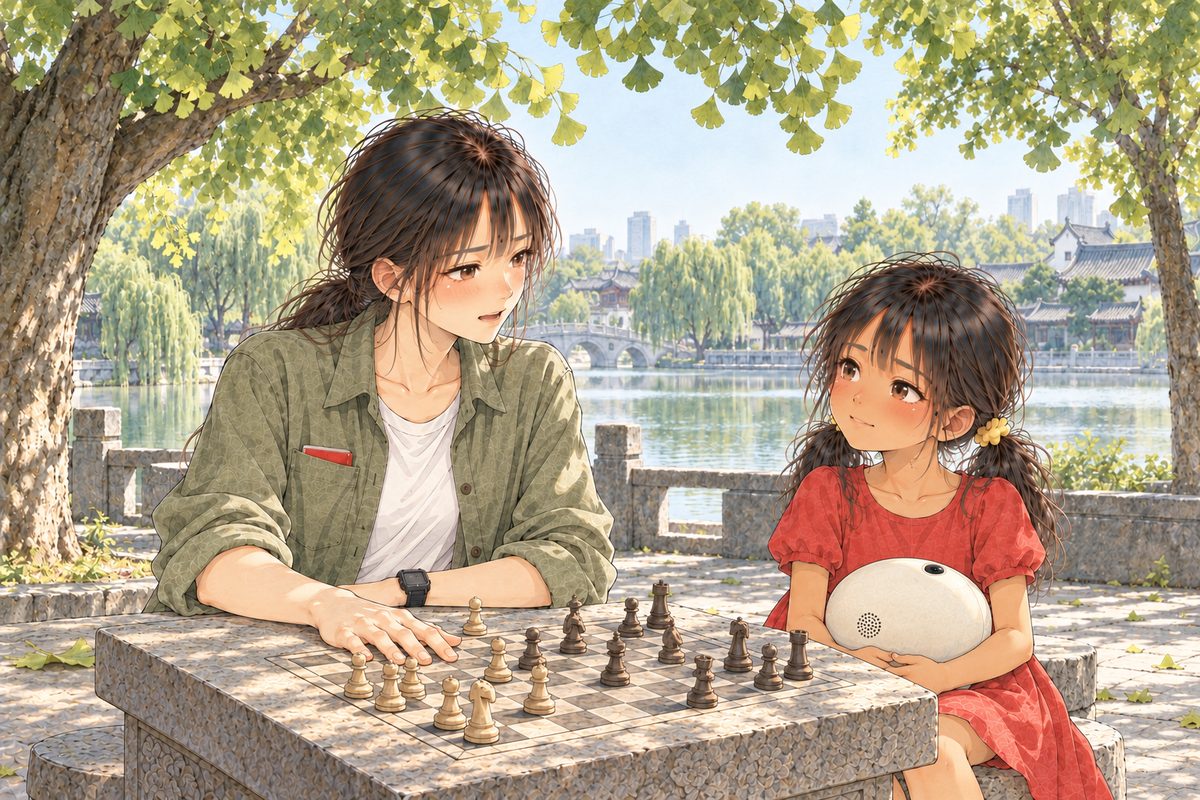
On pages 5 and 6 the laptop beats Uncle Wu at chess, and a robot vacuum is stopped by a sock. This is Moravec's paradox from Chapter 1. What grown-ups find hard, like chess, is easy for machines, and what a toddler does without thinking, like pouring tea or crossing a room with socks on it, is very hard (Moravec 1988).
SourcesMcCarthy, Minsky, Rochester and Shannon (1955/2006), A proposal for the Dartmouth Summer Research Project on Artificial Intelligence, August 31, 1955.McCulloch and Pitts (1943), A logical calculus of the ideas immanent in nervous activity.Sennrich, Haddow and Birch (2016), Neural machine translation of rare words with subword units.Radford, Wu, Child, Luan, Amodei and Sutskever (2019), Language models are unsupervised multitask learners.Kalai, Nachum, Vempala and Zhang (2025), Why language models hallucinate.Touretzky, Gardner-McCune, Martin and Seehorn (2019), Envisioning AI for K-12. What should every child know about AI?Williams, Park, Oh and Breazeal (2019), PopBots. Designing an artificial intelligence curriculum for early childhood education.Girouard-Hallam and Danovitch (2022), Children's trust in and learning from voice assistants.Andries and Robertson (2023), "Alexa doesn't have that many feelings". Children's understanding of AI through interactions with smart speakers in their homes.Federal Trade Commission (2025, 11 September), FTC launches inquiry into AI chatbots acting as companions.UNICEF (2025), Guidance on AI and Children.Pointed back to: Moravec (1988), Mind Children (met in Chapter 1).
What is pretend
Bridge City and everyone in it are made up, and so is the whole world of 2050 with its garden towers and solar boats. Bean and everything Bean says are made up, and so is Bean rolling round a sock. Grandpa, his notebook, the letter, his village card game, the long-life noodles and the birthday are made up too. No real product is described. The assistant that could not count, the vacuum and the sock, and the arguments about what counts as clever belong to the world as it is now. Every fact in the boxes is real.
The end of the story
Everything in the 2026 chapters is our world as it is now. Everything after it is imagined, a hopeful guess. Thank you for coming along.
Who made this
Yingying Fu created this manga. She chose the story and its people, directed every page, and edited every word and picture. The words were drafted with Claude, an AI by Anthropic. The pictures are made with AI image generation, painted panel by panel from her direction and checked and corrected by hand.
 Chapter 1第一章What Counts as Clever什么才算聪明
 Chapter 2第二章Before the Machines机器之前
 Chapter 3第三章Rules and Habits规则和习惯
 Chapter 4第四章One Little Neuron一个小小的神经元
 Chapter 5第五章Learning from Mistakes从错误里学
 Chapter 6第六章Everything Is Numbers一切都是数字
 Chapter 7第七章Learning to See老吴
 Chapter 8第八章The Next Word下一个字
 Chapter 9第九章Attention注意力
 Chapter 10第十章The Helper助手
 Chapter 11第十一章A Voice from Tape磁带里的声音
 Chapter 12第十二章Learning by Playing边玩边学
 Chapter 13第十三章Confidently Wrong错得理直气壮
 Chapter 14第十四章Not Everyone Is Heard没被听见的人
 Chapter 15第十五章Whose Voice?谁的声音?
 Chapter 16第十六章Aim It Right瞄准
 Chapter 17第十七章Looking Inside往里看
 Chapter 18第十八章Echo回声
 Chapter 19第十九章Is My Robot Alive?我的机器人是活的吗?
 Chapter 20第二十章When You Forget, I'll Remember你忘了,我记得Reading now正在读